
For some people, flying is an exciting part of the travel experience window seat views, in-flight snacks, and the thrill of a new adventure. But for others (myself included), the idea of being 35,000 feet in the air triggers sheer panic. Sweaty palms, racing heart, and irrational worst-case scenarios can take over before the plane even leaves the ground.
I wasn’t always a nervous flyer. But after one turbulent flight years ago, I found myself dreading every boarding call. It didn’t matter how safe flying statistically was my anxiety didn’t care. What finally helped me wasn’t just therapy or meditation (though they helped); it was building a toolbox of small, practical tricks I could rely on in real time.
If you’ve ever sat through a flight gripping the armrest and silently counting down the minutes, this post is for you. These 10 strategies didn’t just help me get through flights they helped me actually start enjoying them again.
Read here Best eSim for International Travel and Best Travel Insurance Comparison
BOOK YOUR TRAVEL INSURANCE
Two of our favorite travel insurance: Heymondo Vs Safetwing cheapest travel Insurance. You can get for $135 USD your Heymondo Travel Insurance with Heymondo discount code valid for 90 days. Read our full comparison of Genki vs Safetywing Travel Insurance Review and the comparison Heymondo vs Genki
Quick & Easy Tips
Download a calming playlist before you fly—slow tempo music can lower your heart rate and breathing.
Avoid caffeine and alcohol before boarding—they intensify anxiety and dehydration.
Tell the flight crew you’re a nervous flyer—they’re trained to help and can check in during turbulence.
Use grounding techniques like 5-4-3-2-1 (naming things you see, hear, feel, etc.) to stay present.
Bring familiar scents (like lavender oil) to create a calming, familiar space in your seat.
One of the most misunderstood aspects of flight anxiety is the belief that it is rooted in danger. The truth is that fear of flying rarely comes from actual risk, but rather from misconceptions about how planes work. Many anxious travelers assume that turbulence means the aircraft is unsafe or that a minor sound signals something going wrong. These assumptions create exaggerated fears that do not match reality, yet they persist because they feel emotionally true.
Another controversial point is that avoiding flying actually reinforces the fear. It feels logical to avoid discomfort, but in practice, avoidance strengthens the brain’s association between flying and danger. Exposure, even gradually, often does far more to reduce long-term anxiety than avoiding planes entirely. This idea can be difficult to accept, especially for travelers who feel overwhelmed at the thought of stepping onto an aircraft.
A third uncomfortable truth is that many people rely heavily on substances such as alcohol or sedatives to calm down during flights. While these may seem helpful in the moment, they can interfere with natural coping mechanisms and may even heighten anxiety once the effect wears off. Learning to stay grounded without chemical shortcuts often leads to more sustainable, confident flying over time.
Tips To Avoid Panic When Flying
1. Educate Yourself About Flying
Understand the Facts: Learn about the safety of flying. Air travel is one of the safest modes of transportation, with rigorous safety standards.
Familiarize Yourself with the Process: Knowing what to expect during the flight, from takeoff to landing, can reduce uncertainty and fear. Understand that noises and sensations during the flight, like turbulence, are normal.
2. Prepare Mentally Before the Flight
Practice Relaxation Techniques: Techniques such as deep breathing, progressive muscle relaxation, and mindfulness can help calm your nerves before and during the flight.
Visualize a Positive Experience: Visualization can be a powerful tool. Imagine yourself having a calm, relaxed flight and arriving safely at your destination.
Consider a Course: Some airlines and organizations offer courses specifically designed to help people overcome their fear of flying. These courses typically include education, relaxation techniques, and sometimes a practice flight.
3. Stay Busy During the Flight
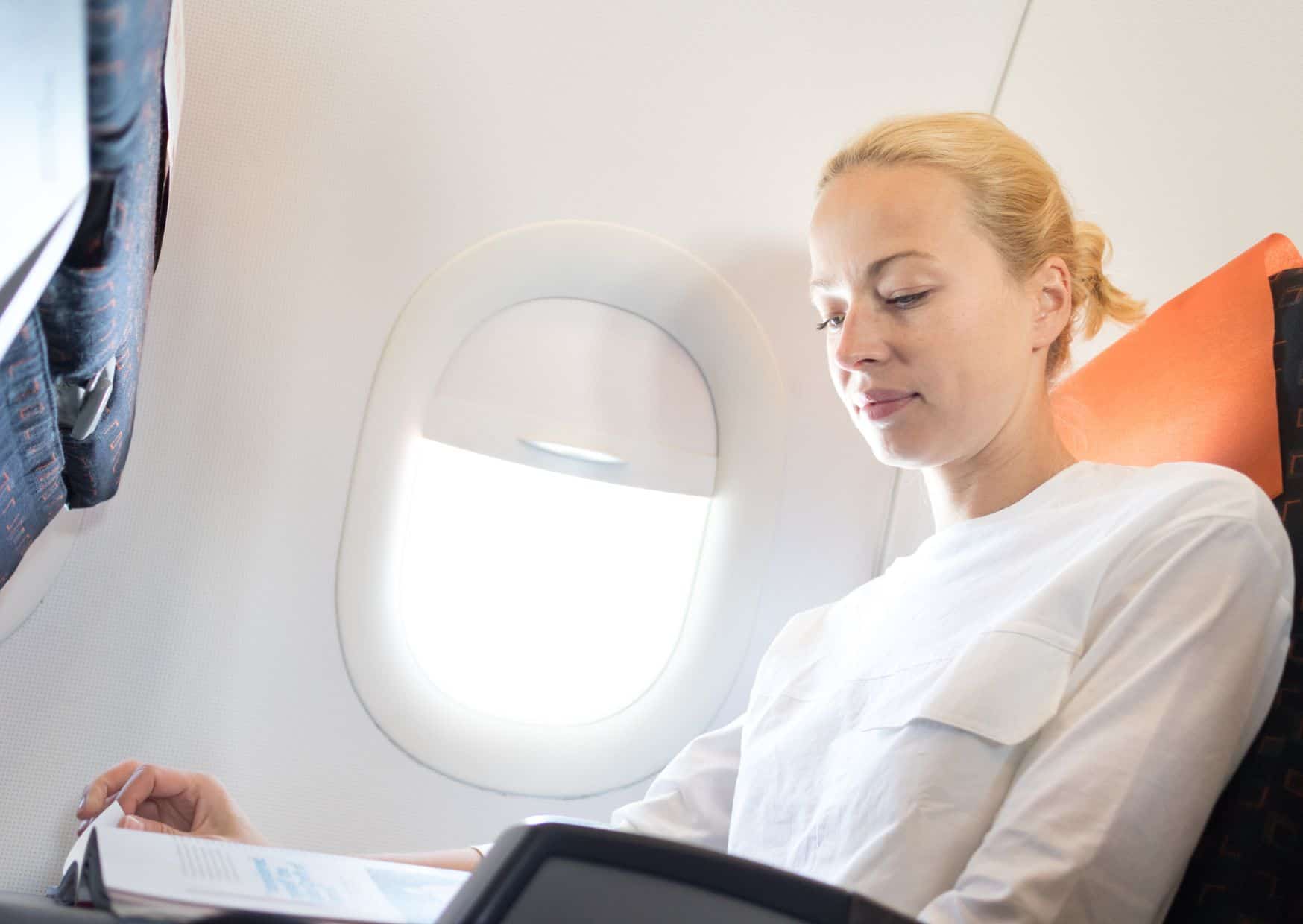
Bring Distractions: Load your phone or tablet with movies, music, podcasts, or books. Engaging in an activity can help keep your mind occupied and away from anxious thoughts.
Puzzle Games: Playing games like crosswords, Sudoku, or any other activity that requires concentration can be very effective in distracting your mind from fear.
Read a Book: Choose a book that you find particularly engaging. Immersing yourself in a story can help pass the time and reduce anxiety.
4. Manage Physical Symptoms
Breathing Exercises: Slow, deep breathing can reduce the physical symptoms of anxiety, like a racing heart or rapid breathing. Breathe in for a count of four, hold for four, and exhale for four.
Stay Hydrated and Avoid Caffeine: Drink plenty of water and avoid caffeine or alcohol, as they can increase anxiety and dehydration.
Move Around: If possible, take a short walk up and down the aisle during the flight to relieve tension and keep your body relaxed.
5. Use Relaxation Aids
Noise-Canceling Headphones: These can help block out the ambient noises of the plane, which can sometimes trigger anxiety.
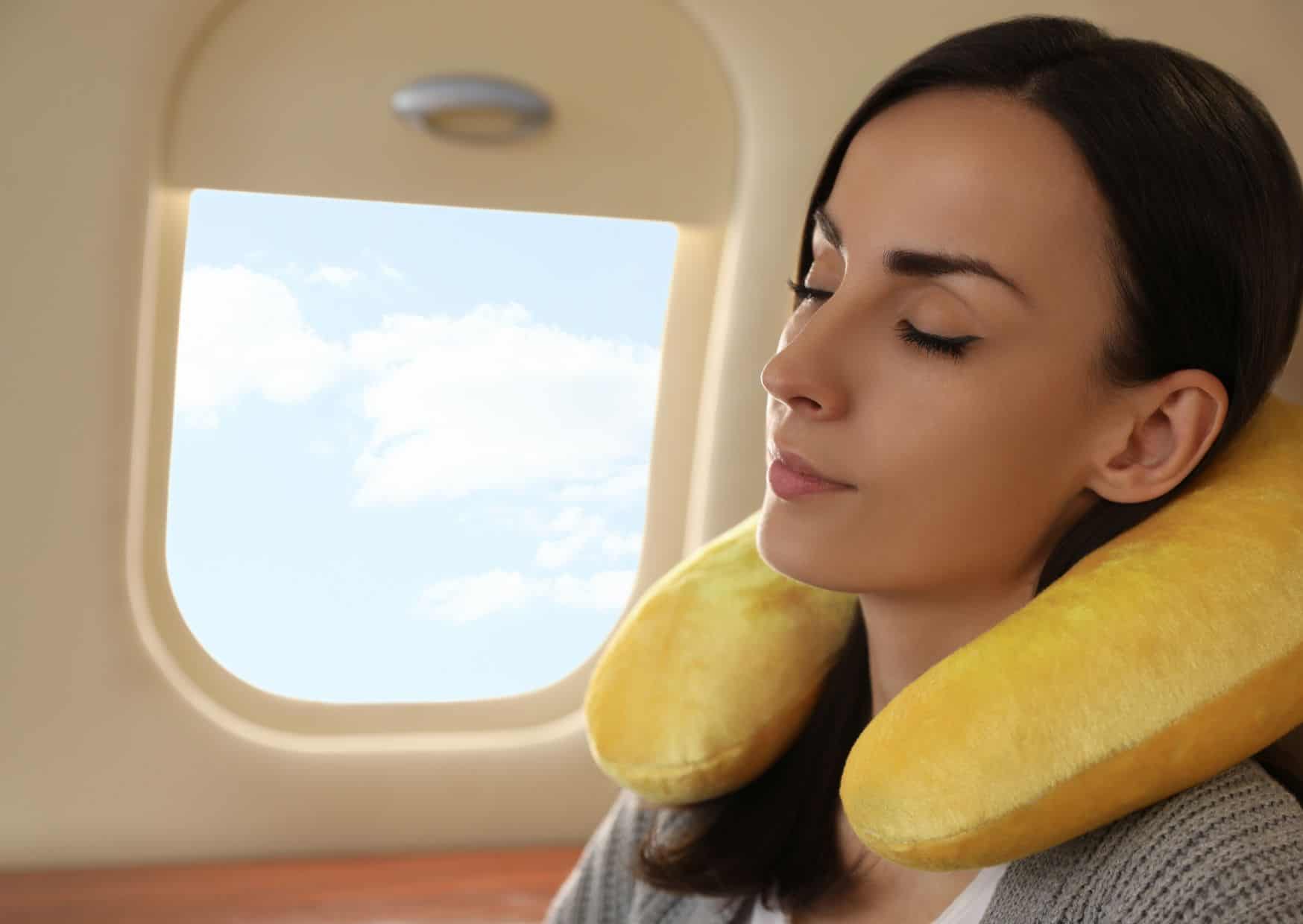
Comfort Items: Bring along items that make you feel comfortable, such as a travel pillow, blanket, or anything else that provides comfort.
Aromatherapy: Consider using essential oils like lavender, which is known for its calming effects. You can use a small rollerball or a personal diffuser.
6. Consider Professional Help
Cognitive Behavioral Therapy (CBT): CBT is an effective treatment for many types of anxiety, including fear of flying. It helps you challenge and change negative thought patterns.
Consult a Doctor: If your fear of flying is severe, consider speaking to a doctor. They may prescribe anti-anxiety medication for you to use on flights, but this should be a last resort and used under medical supervision.
7. Choose Your Seat Wisely
Seat Selection: If turbulence worries you, choose a seat over the wings where the ride tends to be smoother. If you’re claustrophobic, an aisle seat gives you more room and easier access to move around.
Arrive Early: Give yourself plenty of time at the airport to avoid the stress of rushing, which can exacerbate anxiety.
8. Focus on the Destination

Think About Your Plans: Focus on what you will do once you arrive at your destination. Whether it’s a vacation, visiting family, or a work opportunity, focusing on the positives of your journey can help distract from fear.
Remind Yourself of the Purpose: Remember why you are flying and the benefits of reaching your destination.
9. Communicate Your Fear
Talk to the Flight Attendants: Let them know you’re anxious. They’re trained to help nervous passengers and can offer reassurance and support.
Travel with a Companion: If possible, fly with someone you trust who can provide comfort and distraction.
10. Practice Patience and Kindness
Be Patient with Yourself: Understand that overcoming a fear of flying can take time. Be patient with yourself and celebrate small victories.
Self-Compassion: If you feel anxious, remind yourself that it’s okay to feel this way. Self-compassion can reduce the intensity of your fear.
Final Thoughts
Flight anxiety is not a sign of weakness or irrationality. It is simply the brain’s attempt to protect you from what it perceives as danger, even when that danger is not real. Understanding this shift in perspective is often the first step in regaining control over your emotions and reactions during a flight.
The techniques that help ease fear do not need to be dramatic or complicated. Small steps repeated consistently can create lasting change, making each flight feel more manageable than the last. What matters most is recognizing that you are not stuck with the level of fear you experience now. It can improve, slowly and steadily, with the right tools.
Most importantly, flying can become a liberating experience rather than a stressful one. When you no longer dread stepping onto a plane, you reclaim the freedom to explore the world without hesitation. You gain access to new places, new cultures, and new opportunities all without the weight of anxiety holding you back.

About the Author: Ruben, co-founder of Gamintraveler.com since 2014, is a seasoned traveler from Spain who has explored over 100 countries since 2009. Known for his extensive travel adventures across South America, Europe, the US, Australia, New Zealand, Asia, and Africa, Ruben combines his passion for adventurous yet sustainable living with his love for cycling, highlighted by his remarkable 5-month bicycle journey from Spain to Norway. He currently resides in Spain, where he continues sharing his travel experiences with his partner, Rachel, and their son, Han.