
Picture landing in Lisbon with a folder of bank letters and a number in your head: five hundred thousand. That used to be the floor for Portugal’s famous residency by investment. Then the rules shifted, the real estate path closed, and the queues stretched. What replaced the old play is quieter and, for most people who are willing to actually live in Portugal, radically cheaper.
The twist is simple. If you do not need the “seven days a year” lifestyle, the resident routes cut your bill by 80 percent or more and move faster. If you do want hands-off residency, there is a mid-ticket option that is still far below half a million and typically clocks in months sooner than the legacy pipeline.
This is the clear map for December 2025. What changed with the Golden Visa, which alternatives are actually open, who each route is for, what it costs, how long it takes, the exact paperwork stack, and the mistakes that trap applicants. No hype. Just the numbers and the order that gets you to a Portuguese residence card without burning a year.
Want More Deep Dives into Everyday European Culture?
– Why Europeans Walk Everywhere (And Americans Should Too)
– How Europeans Actually Afford Living in Cities Without Six-Figure Salaries
– 9 ‘Luxury’ Items in America That Europeans Consider Basic Necessities
Quick Easy Tips
Research the income or activity requirements early, as they differ from the Golden Visa rules.
Prepare all documentation before scheduling your consulate appointment to avoid delays.
Consider working with a certified immigration lawyer to streamline paperwork and prevent costly mistakes.
Compare different regions of Portugal before choosing where to settle, as cost of living varies widely.
Keep digital and printed copies of every form, receipt, and application note in case you need backup.
The shift away from Portugal’s Golden Visa surprised many prospective expats, especially those who assumed real estate investment was the only reliable pathway into the country. The replacement program challenges that belief entirely, offering a route that doesn’t depend on purchasing property or tying your financial future to a volatile housing market. Some critics argue that this new system is simply a rebranded version of what already existed, but supporters see it as a much more accessible option.
Another ongoing debate is whether the updated visa structure will actually reduce foreign pressure on local housing markets, a concern that initially prompted reforms. Some Portuguese residents believe the new program does not go far enough, since it still attracts large numbers of international applicants seeking long-term residency. Others counter that the streamlined model keeps the country open to global talent without pricing locals out of their neighborhoods.
There is also controversy around whether this visa pathway favors remote workers and high-income professionals over retirees or modest earners. While the requirements are significantly lighter than the Golden Visa, skeptics question whether Portugal is unintentionally narrowing the profile of who can realistically relocate. Despite disagreements, the program continues gaining traction because it removes many of the barriers that once discouraged everyday applicants.
What Changed With The Golden Visa In 2025
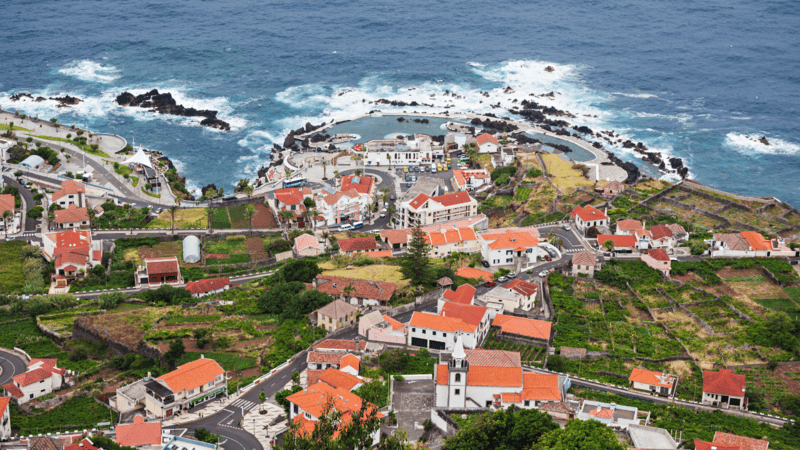
The short version: no property qualifies, processing is slower than pre-2023, and the menu skewed to funds, culture donations, and research.
- Real estate is out. The popular property routes were removed in October 2023. The program lives on through options like regulated funds, cultural production support, and R&D contributions. If you came for apartments, that door is closed.
- Ticket sizes now cluster. Practical floors today: €500,000 for eligible fund investments, €250,000 for cultural production donations, sometimes €200,000 in low-density areas, and bespoke R&D collaborations through universities. The half-million fund path still exists.
- Timelines stretch. Typical 8 to 12 months for first residence approvals is a reasonable current range. Backlogs and renewals add time. The point: if you need a card in hand in one quarter, Golden Visa is not the speed champ.
Translation to real life: the program is alive, but the easiest fast wins now live outside the Golden Visa if you are willing to actually base yourself in Portugal for a normal residency pattern. That is where the 80 percent cheaper and faster claim is real.
The Three Doors That Beat The Old Budget
There are three serious alternatives depending on how you plan to live and work. Each has a different price, pace, and lifestyle. Pick your door.
Door 1: D7 Passive Income Residency
If you can show stable passive income at or above the Portuguese minimum wage, the D7 gives you full Portuguese residency and a 5-year path to citizenship on standard residence rules. Entry cost is paperwork and time, not capital. Income guidance in 2025 pegs the main applicant around €870 per month baseline, with add-ons for family. This is the 80 percent cheaper route for retirees, landlords, dividend earners, and conservative investors. Processing commonly lands in 2 to 4 months for the visa stage, then you collect your residence card in Portugal.
Door 2: D2 Entrepreneur Residency
If you will run a small company in Portugal or relocate an existing one, the D2 is the flexible builder’s path. Typical consular timelines run around 60 to 90 days for the visa decision when files are tidy. There is no fixed capital minimum in law, but a coherent business plan, company formation, and local operations proof are expected. Costs are operational, not donated capital. For active people, this is often faster than Golden Visa and functionally near-zero investment compared to €500,000.
Door 3: HQA Residency (Highly Qualified Activity)
If you want a fast, structured program without moving your life into a full-time job hunt, the HQA blends a newly formed Portuguese company with a university R&D engagement. Program fees cluster around €170,000 to €175,000 inclusive of the structured research contract and service wrapper. The processing is prioritized, often 30 to 90 days to first decision for complete files. This is not hands-off like the old property play, but it is 65 percent cheaper than a €500,000 fund route and meaningfully faster right now.
Who should still consider Golden Visa now: people who absolutely require minimal physical presence and prefer a pure capital posture. If you can tolerate a move and normal residence, D7 or D2 are the 80 percent solution. If you want speed with structure and can fund a mid-ticket, HQA is the pragmatic middle.
The Numbers That Matter In 2025

Let’s put the money and minutes next to each other. Assume a solo applicant.
- Golden Visa, fund route: €500,000 investment plus government fees per applicant and legal fees; first card in roughly 8 to 12 months. Minimal stay requirement remains low.
- Cultural production route: €250,000 standard, €200,000 for low-density cultural projects; timelines vary but often similar or a bit leaner than fund files. Still a donation, not capital you keep. Cheaper than €500k, not 80 percent.
- HQA: €170,000–€175,000 all-in typical, 30–90 days for decision on clean files. Active involvement via company and R&D engagement is expected. Fast, mid-ticket.
- D7: €0 investment, proof of €870+/month passive income for the main applicant, additional amounts for dependents. Visa stage 2–4 months, residence card after local appointment. This is the 80 percent cheaper path by definition.
- D2: No statutory minimum capital, but plan and setup costs apply. Visa decisions commonly 60–90 days, residence card after arrival and interview. Cheaper and faster than Golden Visa when files are prepared.
Bottom line in one line: if you can live with normal resident obligations, D7 or D2 turns a half-million idea into paperwork plus a plane ticket. If you want a quicker, structured track with a budget far below the old headline, HQA sits in the €170k lane with quarter-scale timeframes.
Exactly How Each Route Works (Paperwork In The Right Order)
You can skip drama by stacking documents in the order caseworkers read them. Sequence is everything.
D7 Passive Income Residency
- Income proof: last 6 to 12 months statements showing passive income equal to or above the minimum wage benchmark, plus add-ons for family. Pensions, rentals, dividends count. Consistency beats peaks.
- Accommodation: lease, deed, or letter of invitation.
- Insurance: private health coverage valid in Portugal until public eligibility.
- Criminal record: FBI or state as required, with apostille and sworn translation.
- Consular filing: appointment in home country, then entry visa issuance, then SEF/AIMA card appointment upon arrival.
D2 Entrepreneur Residency
- Business plan: market logic, staffing, basic P&L, and why Portugal.
- Company setup or intent: draft articles, NIFs, bank account opening plan.
- Accommodation and insurance: same baseline as D7.
- Proof of means: capital appropriate to the plan, not a fixed minimum.
- Consular filing: visa in 60–90 days typical, then residence card after arrival. A clean plan plus early banking steps speed everything.
HQA Residency
- Program contract: engagement with an accredited university or research center for defined R&D.
- Company formation: Portuguese entity with you as director or founder.
- Funds schedule: program fees in defined tranches, often escrowed against milestones.
- Fast-track filing: case submitted through the priority channel, 30–90 days to decision on clean files. If speed matters, this is the lane.
Golden Visa Today
- Eligible investment: fund subscription, cultural support, or R&D donation under current rules.
- Due diligence: KYC, source of funds, and project compliance checks.
- Government fees: sizable per applicant at filing and renewals.
- Processing: 8–12 months typical for first card in 2025, then renewals on the traditional cadence.
Pitfalls Most Buyers Miss
Assuming “cheaper” equals “less paperwork.”
D7 and D2 save money but increase life admin. Expect proof of address, tax numbers, bank visits, and showing up for your card. Money down is easy. Presence is the price.
Confusing Golden Visa presence rules with resident visas.
Golden Visa historically required minimal days in Portugal per year. D7 and D2 expect you to live in Portugal to qualify for renewals and future citizenship timelines. Know your stay obligation before you file.
Treating HQA like a donation.
HQA is a programmed engagement, not simply writing a check. You will interact with a university partner and run a company, even if supported by a service provider. It is structured involvement, not absence.
Believing property still qualifies.
It does not. Any service pitching standard property purchases for residency is selling pre-2023 thinking. Walk away.
Underestimating processing drift.
Even fast lanes slip if your apostilles and translations are wrong. Most delays in 2025 are document quality, not policy. Fix the stack, not the story.
If You’re Running The Numbers
Let’s compare the total outlay to a first residence card.
Scenario A: Golden Visa, fund
- €500,000 tied up in a qualifying fund plus government fees and legal.
- 8–12 months to first card.
- Minimal stay.
- For investors who refuse active presence, this is still the fit.
Scenario B: HQA
- €170,000–€175,000 total program costs.
- 30–90 days typical for first decision when files are tight.
- You participate via a company and R&D engagement.
- 65 percent cheaper than a €500,000 fund path and often twice as fast to a decision.
Scenario C: D7
- €0 investment, proof of €870+/month passive income.
- 2–4 months visa stage.
- 80 percent cheaper is an understatement. You replaced capital with the intent to actually live in Portugal.
Scenario D: D2
- No fixed capital floor, realistic business setup costs.
- 60–90 days decisions common on tidy files.
- For doers, the value is time, not donations.
Currency and fees note: government and legal fees exist in every path; the comparison here is the capital at risk plus time to card. On that axis, the resident routes win.
Your 30-Day Action Plan
You can get from research to filing in one month if you move in order.
Week 1: Decide your lifestyle fit
- If you will live in Portugal most of the year, default to D7 or D2.
- If you want a structured, faster mid-ticket, explore HQA providers tied to real universities.
- If you truly need minimal presence, accept Golden Visa costs and time.
Week 2: Build the file skeleton
- Order criminal records with apostille and book sworn translations now.
- For D7: collect income statements for 6–12 months and line up accommodation.
- For D2: draft the business plan, start company formation and banking appointments.
- For HQA: secure a program term sheet and verify the institutional partner.
Week 3: Banking and numbers
- Obtain a Portuguese tax number.
- Open a Portuguese account or confirm provider escrow arrangements for HQA.
- Lock health insurance coverage for the first year.
Week 4: File
- D7/D2: lodge your consular visa and book your arrival plan.
- HQA: submit through the priority channel with the full stack.
- Golden Visa: complete KYC, fund subscription or donation, and lodge.
Quality check before submission: every foreign document must be apostilled and translated where required. Names and dates must match across the chain. One typo costs months.
Local Terms That Unlock Desks
- NIF: Portuguese tax number you will need for almost everything.
- AIMA: the immigration authority handling residence permits.
- Depósito a prazo: term deposit, useful for local banking once you arrive.
- Domiciliação: direct debit for bills.
- Titular da conta: account holder name, must match your documents exactly.
Use the right word once. Staff move faster when you speak the system’s language.
Phone Scripts That Save Weeks
To a bank for account opening:
“I am applying for a D7/D2/HQA residence. I have a passport and NIF. I need a current account with instant transfers and a debit card. Please confirm your non-resident account documents if my lease starts next month.”
To a university or HQA provider:
“I need a written R&D engagement identifying the lab, timeline, and deliverables, plus confirmation of priority processing eligibility. Please include total program cost and payment schedule.”
To a consulate when booking:
“My file is complete for D7/D2 with apostilled criminal record, accommodation proof, and insurance. Are there cancellations or additional local requirements I should bring beyond the national list.”
The Human Trade-Offs
Every door trades something.
- Golden Visa: maximum flexibility on presence, maximum capital, longer waits.
- HQA: mid-ticket spend, fast decisions, active structure through a project.
- D7: minimal spend, real residence expectation, calm timelines.
- D2: build something, own your pace, paperwork instead of capital.
There is no trick. There is just choosing your cost: money, time, or involvement. In 2025, the cheapest cost for most Americans is involvement, not capital.
Choose Your Door
If you still picture half a million, you are remembering yesterday. In today’s Portugal, if you can actually live in the country, the D7 and D2 routes convert an investment story into a residency you use, often inside a single quarter, for less than 20 percent of the old headline. If you want a faster, structured path without building a storefront, HQA sits in a middle lane that is still far cheaper than a fund and quicker to yes.
Pick the door that matches your week, not your fantasy. If your life fits a resident rhythm, stop saving for half a million and start assembling documents. The fastest move in Portugal right now is to trade capital for presence. The math does the rest.
Final Thoughts
Portugal’s Golden Visa replacement proves that major residency options do not need to be expensive or complicated. For many Americans, it is a refreshing change to see a European country offering a pathway that prioritizes practical qualifications over large financial investments. The new structure allows applicants to focus on building a real life in Portugal rather than meeting strict investment thresholds.
What stands out most is how accessible the updated system feels. Instead of navigating real estate markets or managing significant capital transfers, individuals can apply based on their work, their income, or their professional contributions. This shift opens the door to a broader group of people who want to relocate for lifestyle, climate, culture, or career opportunities rather than investment returns.
As demand grows, it is likely that Portugal will continue refining its immigration programs. For now, the new system remains one of the most appealing residency pathways in Europe for Americans seeking a more affordable and realistic route. With the right preparation and realistic expectations, applicants can transition smoothly into life in Portugal and benefit from a program designed to welcome—not overwhelm—them.

About the Author: Ruben, co-founder of Gamintraveler.com since 2014, is a seasoned traveler from Spain who has explored over 100 countries since 2009. Known for his extensive travel adventures across South America, Europe, the US, Australia, New Zealand, Asia, and Africa, Ruben combines his passion for adventurous yet sustainable living with his love for cycling, highlighted by his remarkable 5-month bicycle journey from Spain to Norway. He currently resides in Spain, where he continues sharing his travel experiences with his partner, Rachel, and their son, Han.