
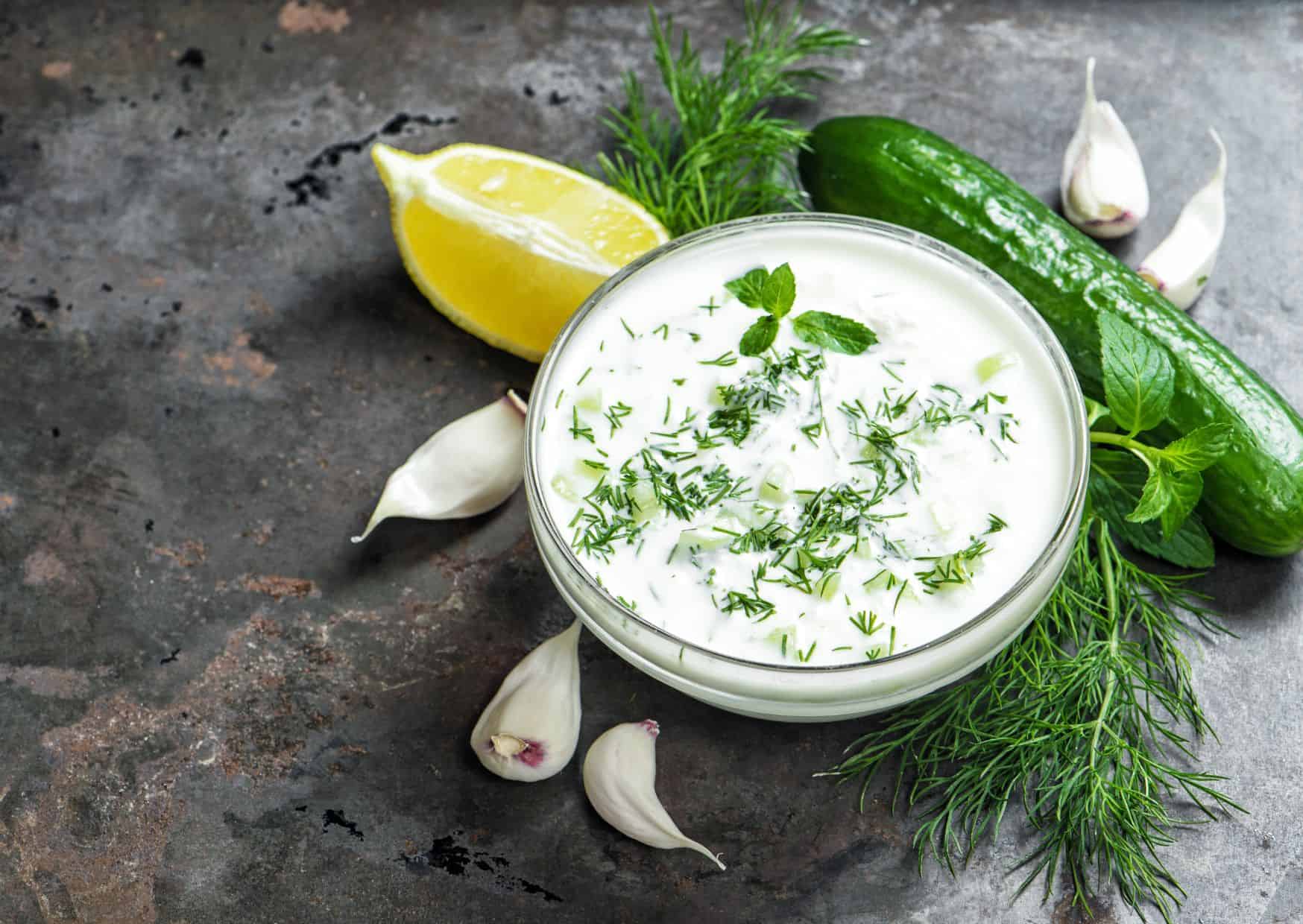
Tzatziki is one of Greece’s most beloved sauces, known for its refreshing, creamy texture and bright, tangy flavour. Made with thick Greek yogurt, fresh cucumber, garlic, olive oil, and dill, tzatziki is a staple in Mediterranean cuisine, adding a cooling touch to grilled meats, pita wraps, or roasted vegetables. In this recipe guide, you’ll learn how to make homemade tzatziki easily, bringing the authentic flavours of Greece straight to your table.
What makes tzatziki so special is its simplicity and versatility. This sauce is naturally low in calories yet full of flavour, thanks to the freshness of cucumber and the sharpness of garlic balanced by creamy yogurt. It only takes a few minutes to prepare, and the longer it chills, the more the flavours meld, making it perfect for meal prep or quick side dishes throughout the week.
Whether you’re preparing a Greek-inspired dinner, hosting a summer barbecue, or looking for a healthy dip to keep in your fridge, homemade tzatziki is always a winner. It’s proof that sometimes the simplest recipes are the most satisfying and essential in any home cook’s repertoire.
Read here best breakfast in Greece, Greek food and drinks in Greece
Read here best Greece sim card for tourist, our Greece travel tips and Budget Travel in Greece
BOOK YOUR TRAVEL INSURANCE
Two of our favorite travel insurance: Heymondo Vs Safetwing cheapest travel Insurance. You can get for $135 USD your Heymondo Travel Insurance with Heymondo discount code valid for 90 days. Read our full comparison of Genki vs Safetywing Travel Insurance Review and the comparison Heymondo vs Genki
Best Time To Eat
Tzatziki is best enjoyed as a cooling lunch side or dinner sauce, especially during warm spring and summer days when you crave something light, refreshing, and flavourful alongside your meals.
Best Dishes To Partner
Serve your homemade tzatziki with grilled lamb or chicken gyros, souvlaki, falafel, or roasted vegetable platters. It also pairs perfectly with warm pita bread, fresh salad bowls, or as a healthy dip for raw veggies to create a complete, refreshing Mediterranean meal.
One of the biggest debates in tzatziki-making is texture. Some prefer it silky smooth with finely grated cucumber, while others argue for a chunkier style that gives more bite. The choice often comes down to regional traditions or personal taste.
Garlic is another point of contention. Traditional recipes lean toward a bold garlic flavor, but modern adaptations sometimes tone it down for a milder dip. Purists argue that without a strong garlic punch, it’s not truly tzatziki, while others prefer a subtler approach for broader appeal.
There’s also discussion about ingredient substitutions, especially outside Greece. Using regular yogurt instead of strained Greek yogurt, or swapping fresh dill for dried herbs, may make the recipe more convenient—but to some, these changes compromise the authenticity and creamy richness that define true tzatziki.
How to Make Tzatziki
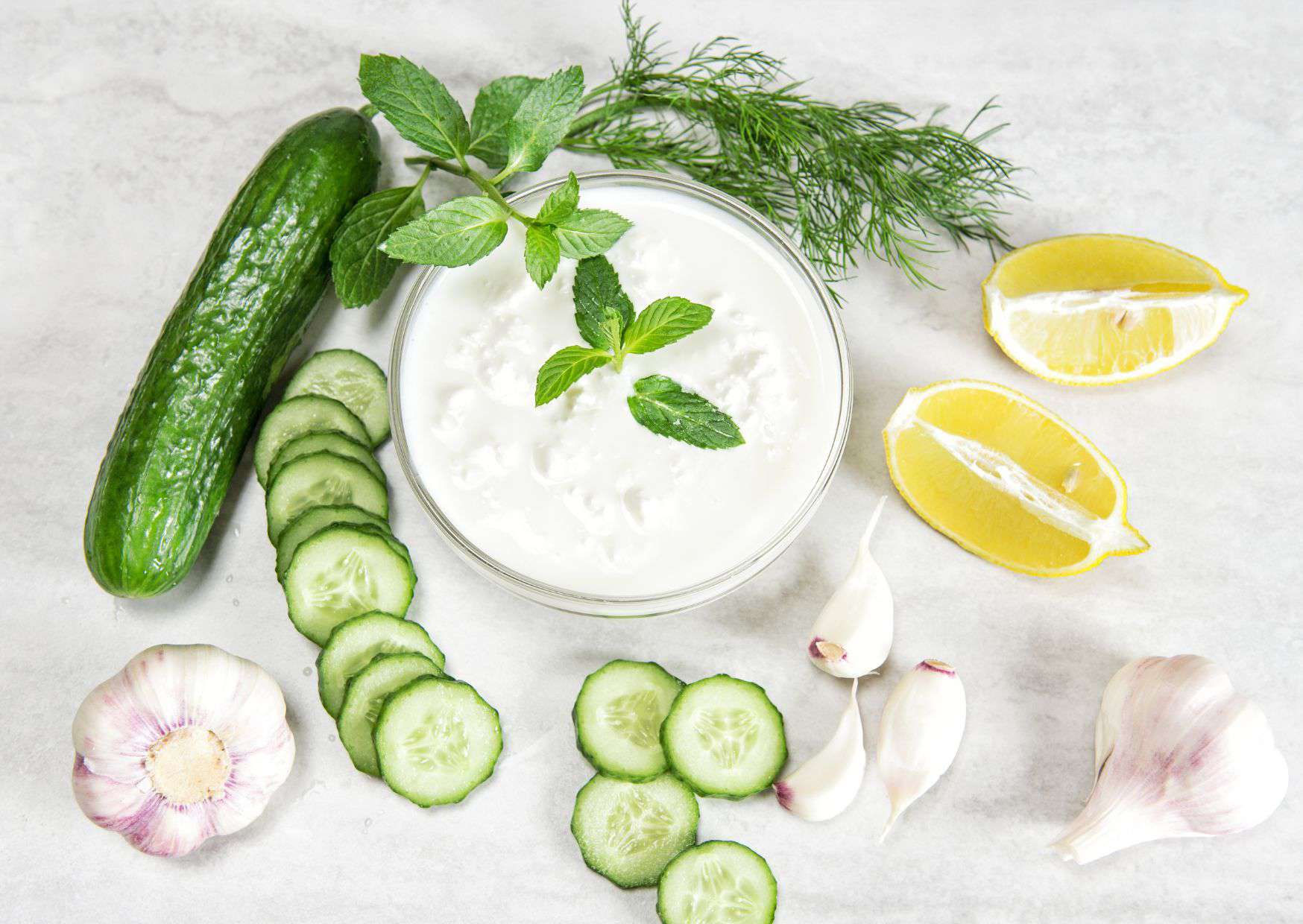
Tzatziki Recipe Ingredients
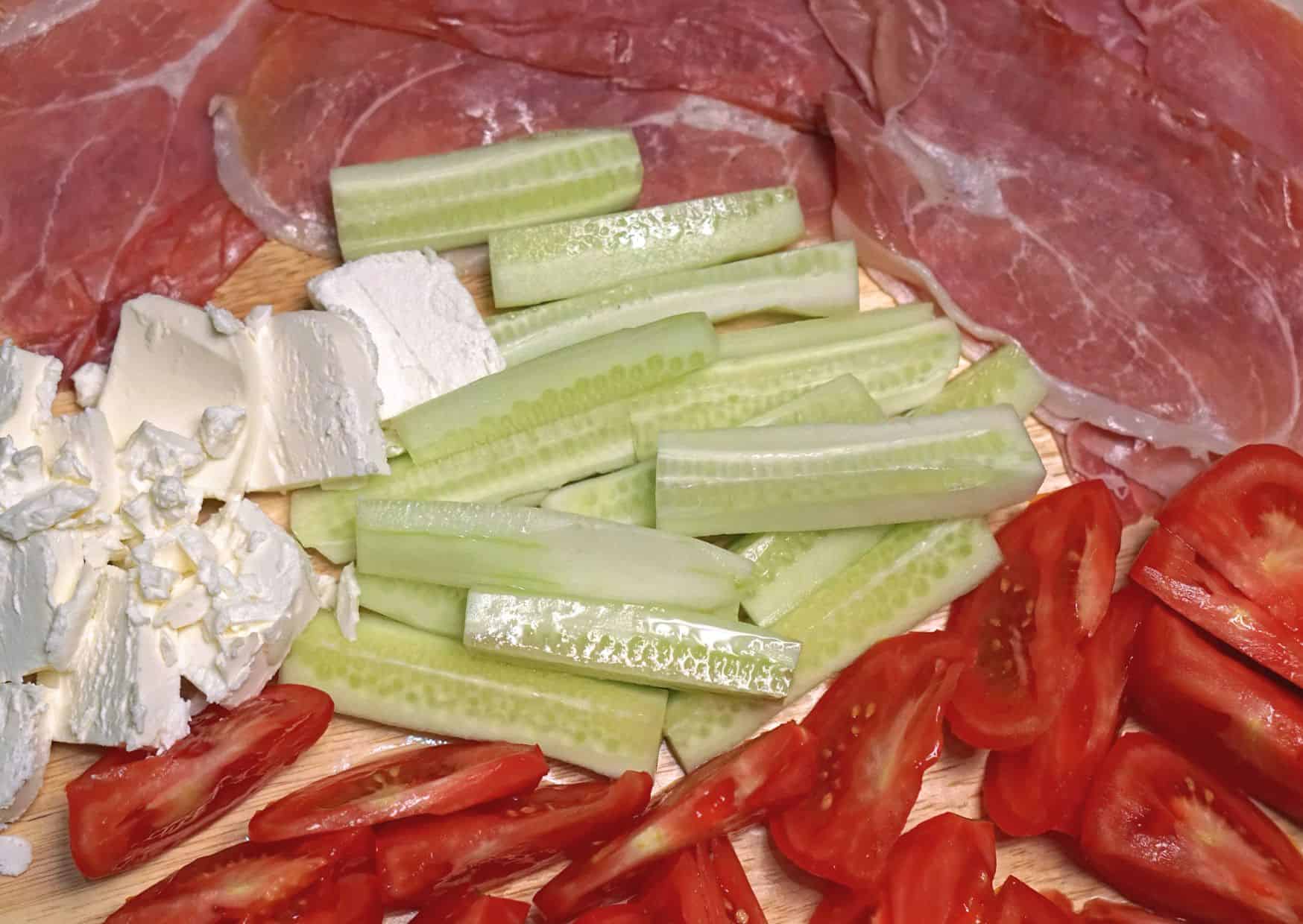
2 cups (500 grams) Greek yogurt (full-fat for creaminess, but you can use low-fat or non-fat)
1 large cucumber (preferably seedless, such as English cucumber)
3-4 cloves garlic, minced
1 tablespoon fresh dill, chopped (you can also use mint or a combination)
1 tablespoon fresh lemon juice (about half a lemon)
1 tablespoon extra virgin olive oil
Salt, to taste
Optional: A dash of white vinegar for extra tang
Get the best deals for your home and kitchen needs
Step By Step How to Make Tzatziki
Prepare the Cucumber
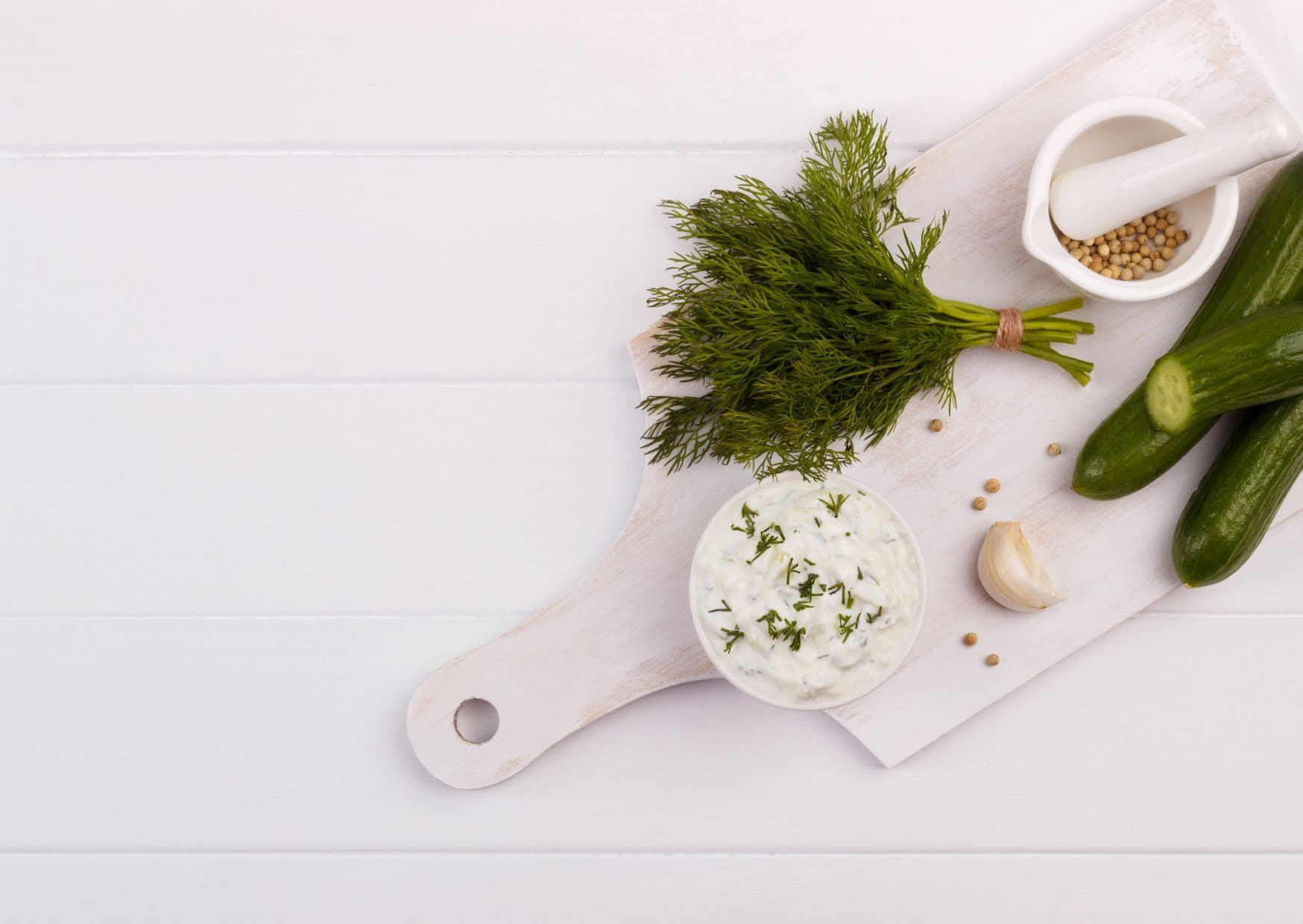
Peel the cucumber (optional if you prefer a smoother texture) and grate it using the large holes of a box grater. Place the grated cucumber in a clean kitchen towel or cheesecloth, gather the ends, and squeeze out as much water as possible. This step is crucial to prevent the tzatziki from becoming too watery.
Prepare the Yogurt Mixture
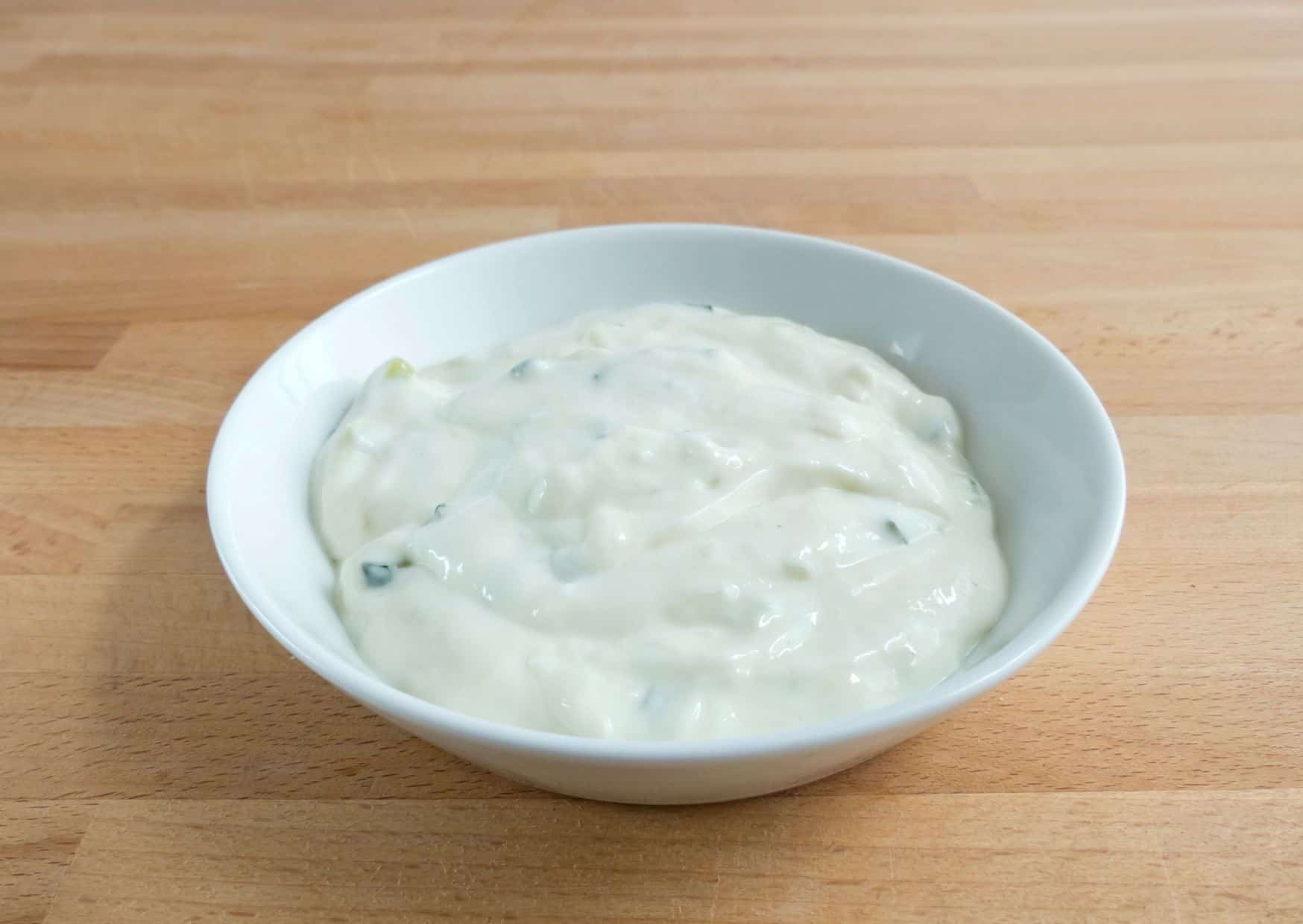
In a medium bowl, combine the strained yogurt and the grated, drained cucumber. Stir in the minced garlic and chopped dill (or mint). Be careful with the amount of garlic; it’s best to start with a little and add more to taste.
Add the fresh lemon juice, olive oil, and a pinch of salt. Mix well. Taste and adjust the seasoning by adding more salt, lemon juice, or a dash of vinegar if needed.
Cover the bowl with plastic wrap and refrigerate for at least 30 minutes to allow the flavors to meld. Tzatziki tastes best when served chilled.
Serve
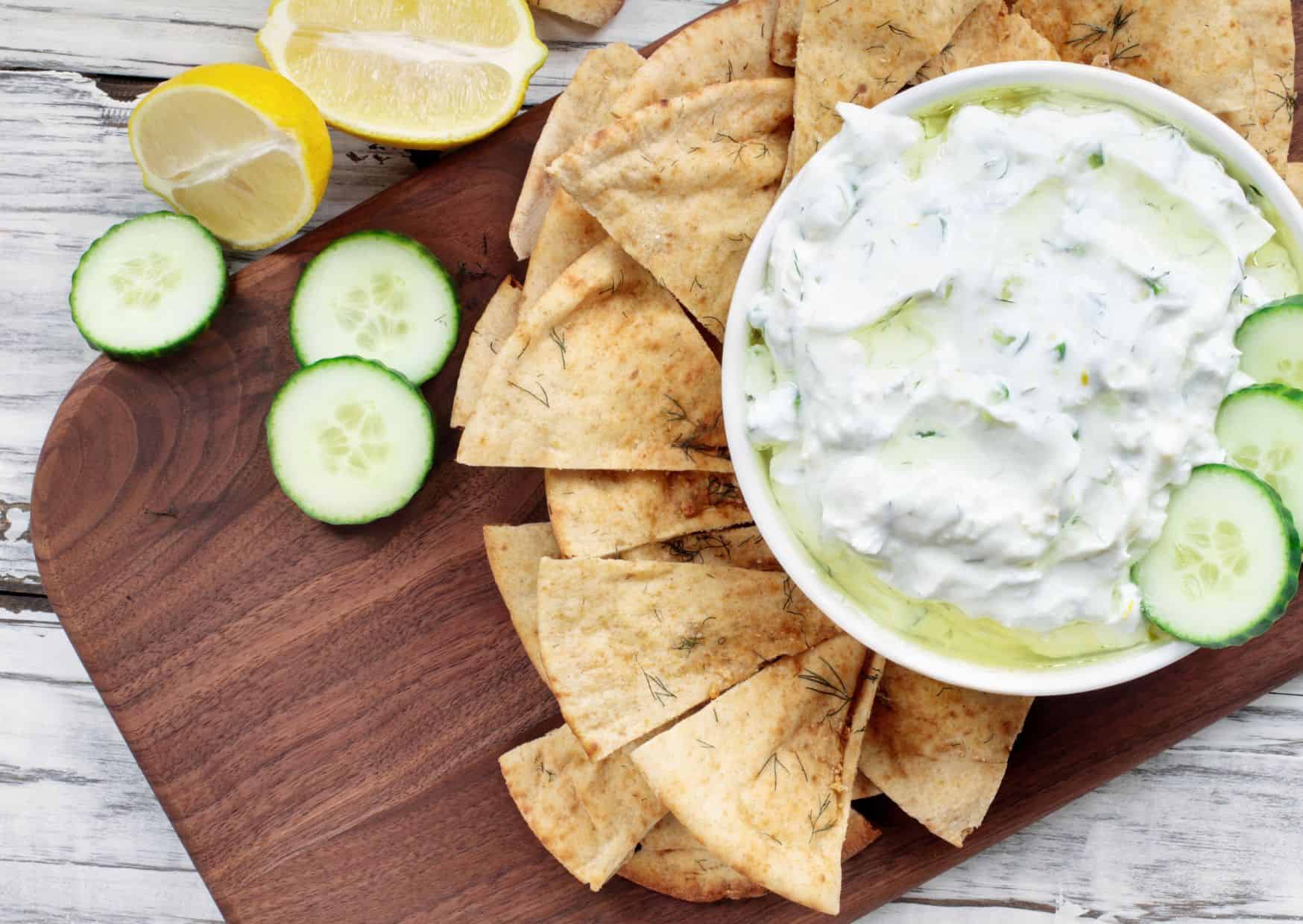
Before serving, drizzle a little olive oil on top and garnish with a sprig of dill or a few slices of cucumber.
Serve tzatziki with warm pita bread, as a side to grilled meats like souvlaki or gyros, or as a dip for vegetables.
Tips To Make Tzatziki
For a thicker tzatziki, use strained Greek yogurt. If using regular yogurt, strain it through a cheesecloth for a few hours to remove excess liquid.
The flavor of garlic intensifies as it sits, so if you’re making tzatziki ahead of time, you may want to use slightly less garlic initially and adjust later.
While dill is traditional, mint or a combination of both herbs also works well in tzatziki. Tzatziki can be made a day ahead of time, which allows the flavors to blend beautifully.
How Many Calories Have Tzatziki
A typical serving of tzatziki (about 2 tablespoons) contains approximately 30-50 calories. The calorie count can vary depending on the type of yogurt used (full-fat vs. low-fat) and the amount of olive oil.
Origin and History
Tzatziki is one of Greece’s most beloved culinary staples, a refreshing yogurt-based dip that embodies the essence of Mediterranean cooking. Its roots stretch back to the Ottoman period, where yogurt sauces with herbs were common across the region, eventually evolving into the version known and loved in Greek cuisine today.
The key ingredients—strained yogurt, cucumber, garlic, olive oil, and dill or mint—reflect the agricultural abundance of Greece. Shepherds and farmers relied on these local products to create a cooling, nourishing dish that complemented the country’s warm climate and hearty meals.
Over centuries, tzatziki has become more than a condiment; it’s a cultural symbol of hospitality. Whether paired with grilled meats, fresh bread, or vegetables, it brings families and friends together, embodying the communal spirit of Greek dining.
How Long You Take to Prepare
Tzatziki is a dish that rewards both patience and simplicity. The most time-consuming step is draining the cucumber, which prevents excess water from diluting the yogurt. This can take 20–30 minutes but ensures a creamy, thick consistency.
Once the cucumber is ready, preparation moves quickly. Mixing the strained yogurt with finely grated cucumber, garlic, olive oil, lemon juice, and herbs takes no more than 10 minutes. The flavors begin to blend almost immediately, though the dip tastes even better if allowed to rest in the fridge for an hour.
Altogether, you can prepare homemade tzatziki in under 45 minutes from start to finish. The result is far superior to store-bought, both in taste and texture, and requires only a handful of fresh, affordable ingredients.
Serving Suggestions
Tzatziki is incredibly versatile, making it a must-have at any table. Traditionally, it’s served alongside grilled meats like souvlaki or gyros, where its cool creaminess balances smoky, savory flavors.
It also works beautifully as a dip for warm pita bread, raw vegetables, or even roasted potatoes. Its freshness adds a lightness that can elevate otherwise heavy dishes.
For modern twists, tzatziki can be used as a spread in wraps, burgers, or sandwiches, replacing mayonnaise or heavier condiments. Its tangy brightness brings a Mediterranean flair to any meal.
Final Thoughts
The magic of tzatziki lies in its simplicity. With just a few ingredients and a little time, you can create something fresher, healthier, and more flavorful than any plastic tub from the supermarket.
By making tzatziki at home, you’re not only saving money—you’re reconnecting with a culinary tradition that emphasizes freshness and quality over shortcuts. It’s proof that authentic flavors don’t need to be complicated or time-consuming.
In the end, tzatziki is more than just a dip; it’s a taste of Greek culture, a reminder that the best food often comes from the humblest origins. Once you’ve made it yourself, store-bought will never feel the same again.

About the Author: Ruben, co-founder of Gamintraveler.com since 2014, is a seasoned traveler from Spain who has explored over 100 countries since 2009. Known for his extensive travel adventures across South America, Europe, the US, Australia, New Zealand, Asia, and Africa, Ruben combines his passion for adventurous yet sustainable living with his love for cycling, highlighted by his remarkable 5-month bicycle journey from Spain to Norway. He currently resides in Spain, where he continues sharing his travel experiences with his partner, Rachel, and their son, Han.