
Late 2025. The Italian passport solves a paperwork problem, not a life problem. I keep meeting Americans who spend two years chasing jure sanguinis, burst into a consulate selfie with a tricolore, then quietly stay in Phoenix, Chicago, or Austin. No one failed Italy. They mistook a document for a decision. The patterns are predictable, and they are fixable if you want them to be. Here is why most never go, what actually blocks the move, and how to test whether your plan survives real Tuesdays.
I am not here to sell you romance or to dunk on anyone’s dream. I am here to show you the boring parts that decide everything. A passport gives you permission. It does not give you a weekly routine, a rental contract, a doctor, or friends.
The first mistake: a passport is not a plan
People finish the citizenship process and discover that nothing else is automatic. No flat. No bank account. No school. No job. If you do not already have a city, a budget, and a start date, the winning email from the consulate becomes a screensaver.
Getting the passport feels like finishing. It is actually the beginning of a second project with dull steps that decide whether you live in Italy or keep posting Italy content from the U.S. You need a lease within a tram ride of normal services, a monthly budget that survives shoulder season, and a healthcare on-ramp that makes sense for your age and meds. You also need to register residency in a comune if you intend to live there, which means an address someone can verify. The passport does not hand you a door key. It hands you the right to go find one.
The AIRE loop and why people stall for years
If you claim citizenship while living abroad, you go on AIRE, the registry of Italians living overseas. That is correct and useful. The trap is that AIRE can feel like home status, so people put off the hard move work forever. Your consulate stays your interface, not the comune. Renewals and certificates remain long distance. It is comfortable and familiar. People tell themselves they are “Italy ready” because the passport exists. Then a year goes by. Then three. Comfort is the enemy of momentum.
The cure is a date. Pick a quarter and a city, not “someday and Italy.” The minute you intend to move, you plan backwards from an anagrafe appointment to establish residency, which requires a real address and a visit from a municipal officer to confirm you live there. That one appointment forces twenty other decisions. AIRE was a parking lot. Residency is a street.
Housing is the biggest operational wall, not language
Yes, you should learn Italian. No, language is not the first wall. Housing is. In many medium and large cities, ordinary owners still prefer tenants with permanent local income and a guarantor. You can pay a year upfront if you insist, but that capital on day one destroys your runway. People with fresh passports discover they need to choose neighborhood over postcard, stairs over elevator, and proximity over square meters to make it work.
Three realities surprise new citizens.
- Agency fees and deposits hit early. One to two months deposit, one month fee, first month rent, often plus IMU or condominium extras when owners miscommunicate. If you arrive thinking your consular appointment energy will impress an agent, you will learn what pushes keys across desks. Predictable payment beats enthusiasm.
- Verification is literal. When you register residency, a municipal officer may confirm you live there. If you thought you could “use a friend’s address for the paperwork,” you will feel the cold air of reality. The state expects a doorbell with your name.
- Proximity is a raise. Ten minutes to a tram, a market, and a clinic saves €100 to €200 every month you will never notice in a spreadsheet. Farther and prettier is more expensive in money and time.
Healthcare is good, the on-ramp is slow, and meds decide your first city
Many Americans assume that citizenship equals instant care. It does not. Coverage lives where you register residency and sign up with the local health service. Until you do that, you will pay cash or hold a temporary private policy. That is not a crisis. It is a budget line.
Two points decide whether you move or stay put.
- Your medications. Bring printed names and doses, not brand loyalty. Ask an Italian pharmacist for the exact local equivalents. Some drugs are cheap and easy to obtain with a prescription. Others require specialist visits that will take time to arrange. Meds choose your first neighborhood because you need a GP who actually answers the phone and a pharmacy that stocks your list.
- Your age band. If you are over 65, you will want a practice that takes new pazienti and a clinic that does referrals without sending you into a labyrinth. If you are under 35, you will underestimate how long it takes to get a routine screening on the calendar. Either way, start with a private appointment or two while your public registration settles. Health is not a vibe. It is an appointment.
Taxes are not scary, they are specific, and specificity keeps people honest
Citizenship does not automatically make you a tax resident. Where you live most of the year does. Americans also owe the IRS forever. That is not a moral problem. It is a coordination problem. People freeze because they are afraid of doing it wrong, so they do nothing, and then the calendar punishes them.
Three moves solve the freeze.
- Pick your year one status on paper. Are you truly living in Italy at least half the year with registered residency, or are you visiting often while staying AIRE abroad. Pick one and live the math.
- Hire one accountant who actually handles U.S.–Italy cases. Pay for a one-hour map. You will learn what belongs in Italy, what stays in the U.S., when to file, and how to handle bank reporting. One adult hour replaces twelve months of panic.
- Open the right local accounts. If you register residency, you will need Italian banking that fits your age and income. If you stay on AIRE and do not move, do not create half steps that generate reporting you do not use.
Work and income: the myth of remote perfection
Many dual citizens plan to keep U.S. clients on U.S. time. It works on paper. It breaks your sleep and your social life. You can live like that for a season. You will not build a life like that for a decade. If your work depends on 19:00 to 23:00 calls four nights a week, your Italian week becomes a late dinner, worse sleep, no morning loop that keeps you near your laptop and far from your city.
The fix is simple, not easy.
- Offer two predictable windows that overlap U.S. hours and refuse the rest. People adapt when you are consistent and valuable.
- Make lunch your main meal and compress evening social time. Italy forgives daytime indulgence if your nights are quiet.
- If your role requires constant evenings, choose a western time zone in Europe or accept that your life will be a night shift. In that case, pick a building with heavy shutters and neighbors who do not hate laundry at 23:00.
Italy wants you at noon, not at midnight.
Family logistics beat romance every time
Couples who plan to stroll piazze forget that school schedules, pediatric hours, and sports live on municipal calendars. Parents who promise a move after citizenship often realize that the child’s grade, Wednesday closures, and transport to training require a car or a very specific address. They delay for “one more year,” then another. By the time the passport needs renewal, the move felt like a phase.
If you have children, test three things before you talk about weather or museums.
- School day reality. Hours, canteen, transport, and Wednesday care, all confirmed in the exact comune.
- Sports or arts slots you actually want. Many clubs are full by the time expats arrive.
- Doctor access for a routine visit. If making one simple pediatric appointment is hard during a scouting trip, believe the signal.
Remember: Kids install or remove your zip code.
Cost expectations are still stuck in 2016
Italy is not expensive compared to coastal U.S. cities. It is not magical either. Rents in many desirable neighborhoods have climbed. Energy costs spike in summer and winter. Eating out nightly turns your budget into a travel blog. People do a month of spending as if they are still on vacation, then decide Italy is unaffordable. Italy is fine. Your restaurant habit is unaffordable.
Run this quick budget for a realistic city life for two adults in a normal neighborhood. Adjust for your city.
- Rent 55–70 m², second or third floor walk-up: €900 to €1,200
- Utilities averaged across seasons: €110
- Internet and mobiles: €45
- Groceries for home cooking with a market habit: €380
- Eating out two lunches and one simple aperitivo per week: €160
- Transport with passes and occasional intercity trains: €85
- Healthcare mix in year one while you settle: €60
- Household items and repairs: €40
- Admin, copies, courier: €20
Monthly around €1,800 to €2,100. You can push it lower inland, higher in Milan, Florence, or central Rome. The math is not punishing. It is a request to live like a resident.
Social fabric is built by repetition, not friends you already have
You do not move into “Italian community.” You build one by showing up in the same places every week. A language class at the municipal center. A swimming lane. A choir. Volunteering at a festival. A market stall where the vendor learns your fruit habit. If you arrive with a U.S. workload that keeps you indoors at night and asleep at noon, you will not meet anyone who changes your week. People who never move know this on some level, so they keep the passport and stay near old friends. It is easier.
If you do move, make one weekly loop non-negotiable. Same café Tuesday morning. Same pool Thursday. Same piazza on market day. Attendance is how Europe remembers you.
The quick truth about regions and why people get stuck choosing
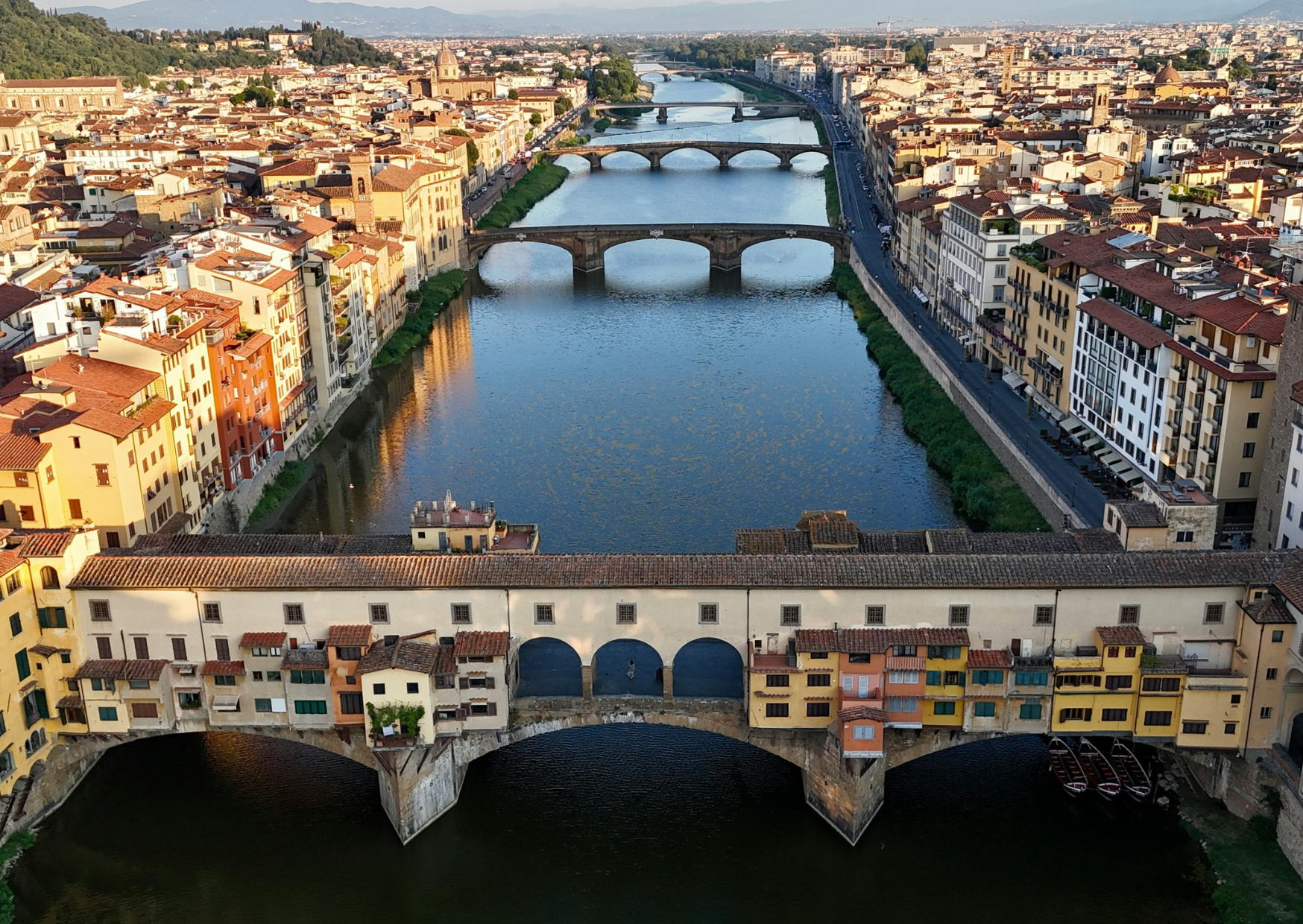
Italy is a country of different operating systems. You will have a better time if you pick a system that matches your body and your work.
- Northern cities give you faster offices, higher rents, colder light, efficient trains. If you need predictability for work, start here.
- Central belt offers cultural density with human scale. Tourist cores are expensive. Two tram stops away are not.
- South and islands reward patience and relationships. Costs can be kind. Paperwork can be a slow dance. If your work and temperament are steady, the trade is worth it.
Do not stand at a map for a year. Pick a provisional city for ninety days with a furnished rental and do the boring steps there. You can always move once you understand how your week behaves.
A two-week commitment test that predicts whether you will move
Do this at home before buying a plane ticket. If you cannot run this in your current city, you will not run it in Italy.
Week 1: install the schedule
- Eat your main meal at lunch four days. Soup first, plate next, fruit last, ten minute walk.
- Finish screens by 21:30 two nights.
- Create two meeting windows and refuse everything outside them.
- Cook at home five nights. Keep dinner small and early.
- Walk to errands. If you must drive, park once and do three stops on foot.
Week 2: install the logistics
- Make one doctor appointment and keep it.
- Pick one weekly class and attend twice.
- Build a mock Italian budget with the lines above and run it like it is already true.
- Put every document you would need to register residency in a single folder as PDFs.
- Do one entire week with your phone language set to Italian. Live inside the discomfort.
If you finish two weeks and your evenings feel quieter, your budget resembles the mock version, and you did not miss the late-night snacks, the move is close. If this two-week card feels impossible, the passport is not the problem.
Who actually moves after getting the passport
There is a shape to the people who go.
- They chose proximity over aesthetics. Ten minutes to life, not a view they never see.
- They eat their real calories at lunch so nights are social and small.
- They handled tax and health appointments as projects and paid for one hour of expert time early.
- They picked a city and a date before the consulate email arrived.
- They agreed on a three month experiment with their partner and treated the first lease like research, not a dream.
There is a shape to the people who stay.
- They talk about towns they have never walked.
- They keep the U.S. meeting calendar and try to bolt Italy to the side of it.
- They browse apartments for a year while insisting on an elevator and a balcony, then go back to Zillow.
- They think citizenship solved money and healthcare. It did not. It solved permission. The rest is Tuesday.
Objections, answered the way a friend would
“I will move when everything is settled.”
Everything will never be settled. Book a ninety-day furnished rental and settle inside a real week.
“I will pick a city after I visit ten of them.”
Pick one now. Then take trains to two more. A home base beats a highlight reel.
“I need a job first.”
If you depend on Italian payroll, you are correct. Start in the north. If you keep U.S. income, fix your hours first or you will import your old stress.
“I am scared of the health system.”
Make one private appointment the first week, get your public registration in motion, and carry paper copies. Fear shrinks when you have a date.
“I do not know enough Italian.”
Know twenty phrases and show up every week in the same place. People forgive grammar, not absence.
The money math that kills excuses
If you arrive with a reasonable rent, cook four nights, make lunch your main meal, and use transit, your month can live comfortably between €1,800 and €2,200 for two people in dozens of cities. The number is lower inland, higher in Milan and the tourist cores, and quiet in provincial capitals that outsiders ignore. The hidden cost is not groceries. It is indecision. Airbnbs, taxis, dinners, and half plans burn cash faster than utilities ever will.
What to Think About and Do This Week
Open your calendar and write a city and a quarter. Print a mock budget and tape it to a cupboard. Put your meds on a list with their active ingredients, not their brand names. Email one accountant and one relocation agent for a one-hour paid call, not a scroll of DMs. Move your real meal to lunch for the next four days and walk ten minutes after. If you still want the move by Friday and your evenings are calm, book a ninety-day rental within tram distance of a market and a clinic. Then go.
The passport opened the door. Your Tuesday decides whether you walk through it.

About the Author: Ruben, co-founder of Gamintraveler.com since 2014, is a seasoned traveler from Spain who has explored over 100 countries since 2009. Known for his extensive travel adventures across South America, Europe, the US, Australia, New Zealand, Asia, and Africa, Ruben combines his passion for adventurous yet sustainable living with his love for cycling, highlighted by his remarkable 5-month bicycle journey from Spain to Norway. He currently resides in Spain, where he continues sharing his travel experiences with his partner, Rachel, and their son, Han.