
Paella may be Spain’s most photographed dish, but it’s far from the only star on the country’s diverse culinary stage. While the saffron-infused rice, sizzling seafood, and dramatic presentation have made paella internationally famous, many Spaniards see it as a regional specialty—one that doesn’t necessarily define their day-to-day eating habits. Tourists often arrive in Spain expecting paella on every menu, in every city, and at every meal. The reality? Most locals don’t eat it nearly as often as you’d think.
Spain is made up of deeply regional cuisines, from the hearty stews of Castilla to the Basque Country’s obsession with seafood pintxos. Some of the best meals in Spain are humble, hyperlocal, and completely overshadowed by paella’s global fame. And that’s exactly where the culinary magic lives.
So, is paella really the best dish to try in Spain? Maybe. But if you stop there, you’ll miss a world of unforgettable flavors that are just as Spanish—and arguably more beloved by locals.
The best Spanish food to try, Breakfast in Spain, and vegetarian food in Spain
BOOK YOUR TRAVEL INSURANCE
Two of our favorite travel insurance: Heymondo Vs Safetwing cheapest travel Insurance. You can get for $135 USD your Heymondo Travel Insurance with Heymondo discount code valid for 90 days. Read our full comparison of Genki vs Safetywing Travel Insurance Review and the comparison Heymondo vs Genki
How to Eat
Paella is traditionally a midday meal, not a dinner dish, and it’s best eaten fresh, not reheated. If you’re served paella for dinner in a tourist-heavy area, it’s often pre-made and lacks the crispy “socarrat” crust at the bottom. For a more authentic experience, visit a local “arrocería” (a restaurant specializing in rice dishes) and order it in a group, as it’s meant to be shared.
For alternative dishes, know where you are:
In Madrid, try Cocido Madrileño (a slow-cooked chickpea stew).
In Galicia, seek out Pulpo a la Gallega (octopus with paprika and olive oil).
In the Basque Country, pintxos reign supreme—small bites layered with ingredients that reflect the region’s love of quality and creativity.
How to Partner
Pairing dishes with the right experience makes them unforgettable. Share a paella with friends during a long, slow Sunday lunch with a cold glass of Albariño or Sangria. On the other hand, try pairing Andalusian salmorejo with fresh bread and local olive oil while watching a flamenco show.
For a deep dive into regional life, opt for a cooking class in a specific area, which can introduce you to lesser-known dishes like Migas in Extremadura or Zarajo in Cuenca. These pair well with local wines or cider, and often come with stories passed down through generations.
Paella’s global fame has turned it into a culinary stereotype. Many Spaniards actually avoid ordering it outside of the Valencia region—where it originated—because they see what’s often served to tourists as overpriced and unauthentic. Even worse, chorizo in paella—popular in international versions—is considered outright blasphemy in Spain.
There’s also a quiet culinary resentment brewing. Some locals feel that paella’s dominance in the tourist narrative has erased the country’s other food traditions from international attention. Just as pizza doesn’t define all of Italy, paella doesn’t speak for all of Spain.
In fact, insisting on paella in every region can signal that you haven’t taken the time to learn about Spain’s rich regional identities—and in a country as fiercely proud of its local cultures as Spain, that matters.
Paella Recipe Guide
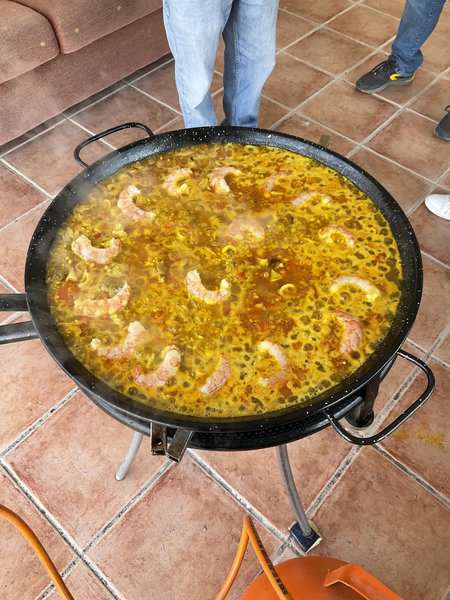
Ingredients:
2 cups bomba or calasparra rice (short-grain Spanish rice)
4 cups chicken broth (or fish broth for seafood paella)
1/4 teaspoon saffron threads
2 tablespoons olive oil
1 onion, finely chopped
4 cloves garlic, minced
1 red bell pepper, chopped
1 green bell pepper, chopped
2 tomatoes, peeled and chopped
1 cup green beans, cut into 1-inch pieces
1 cup peas (optional)
1/2 pound chicken thighs, cut into bite-sized pieces
1/2 pound rabbit, cut into bite-sized pieces (optional)
1/2 pound mussels, scrubbed and debearded
1/2 pound clams, scrubbed
1/2 pound large shrimp, peeled and deveined
1/2 pound squid, cleaned and cut into rings
1/4 cup chopped fresh parsley
Lemon wedges (for serving)
Instructions:
Prepare the Broth
Warm the chicken broth in a pot and add the saffron threads to infuse while you prepare the other ingredients.
Cook the Meat
In a large paella pan or wide, shallow skillet, heat the olive oil over medium heat. Add the chicken and rabbit pieces, if using, and cook until browned. Remove from the pan and set aside.
Sauté the Vegetables
In the same pan, add the onions, garlic, and bell peppers. Sauté until the onions are translucent. Add the chopped tomatoes, green beans, and peas (if using). Cook for a few more minutes.
Add the Rice
Stir in the rice, coating it well with the oil and vegetables. Cook for 1-2 minutes.
Add the Broth
Pour in the saffron-infused broth. Stir to combine, then bring to a simmer. Add the browned meat back to the pan.
Cook the Seafood
Arrange the mussels, clams, shrimp, and squid on top of the rice mixture. Do not stir the paella from this point on. Let it cook undisturbed for about 15-20 minutes, or until the rice is tender and the liquid is mostly absorbed.
Finish and Serve
When the rice is done and the seafood is cooked, remove the pan from the heat and cover with a clean kitchen towel. Let it rest for 5 minutes. Garnish with chopped parsley and serve with lemon wedges.
Read here how to make Paella
Alternative Dishes to Try in Spain
While paella is undeniably delicious, Spain boasts a plethora of other dishes that are equally worth trying. Here are some alternatives that might even be better than paella, depending on your tastes.
1. Gazpacho
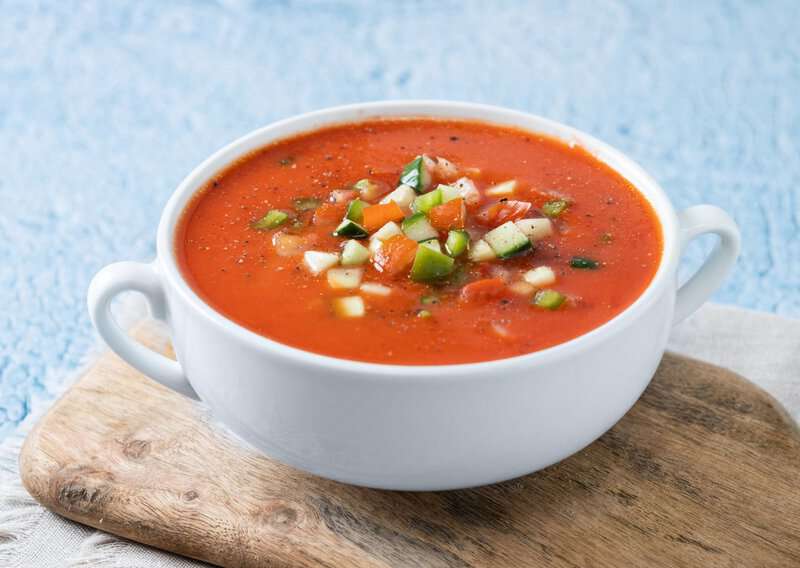
Description:
A refreshing cold tomato soup from Andalusia, perfect for hot summer days.
Ingredients:
Tomatoes, cucumber, bell pepper, onion, garlic, olive oil, vinegar, salt, and bread.
Tips:
Serve chilled with a garnish of diced vegetables and a drizzle of olive oil.
Read here how to make Gazpacho
2. Tortilla Española (Spanish Omelette)
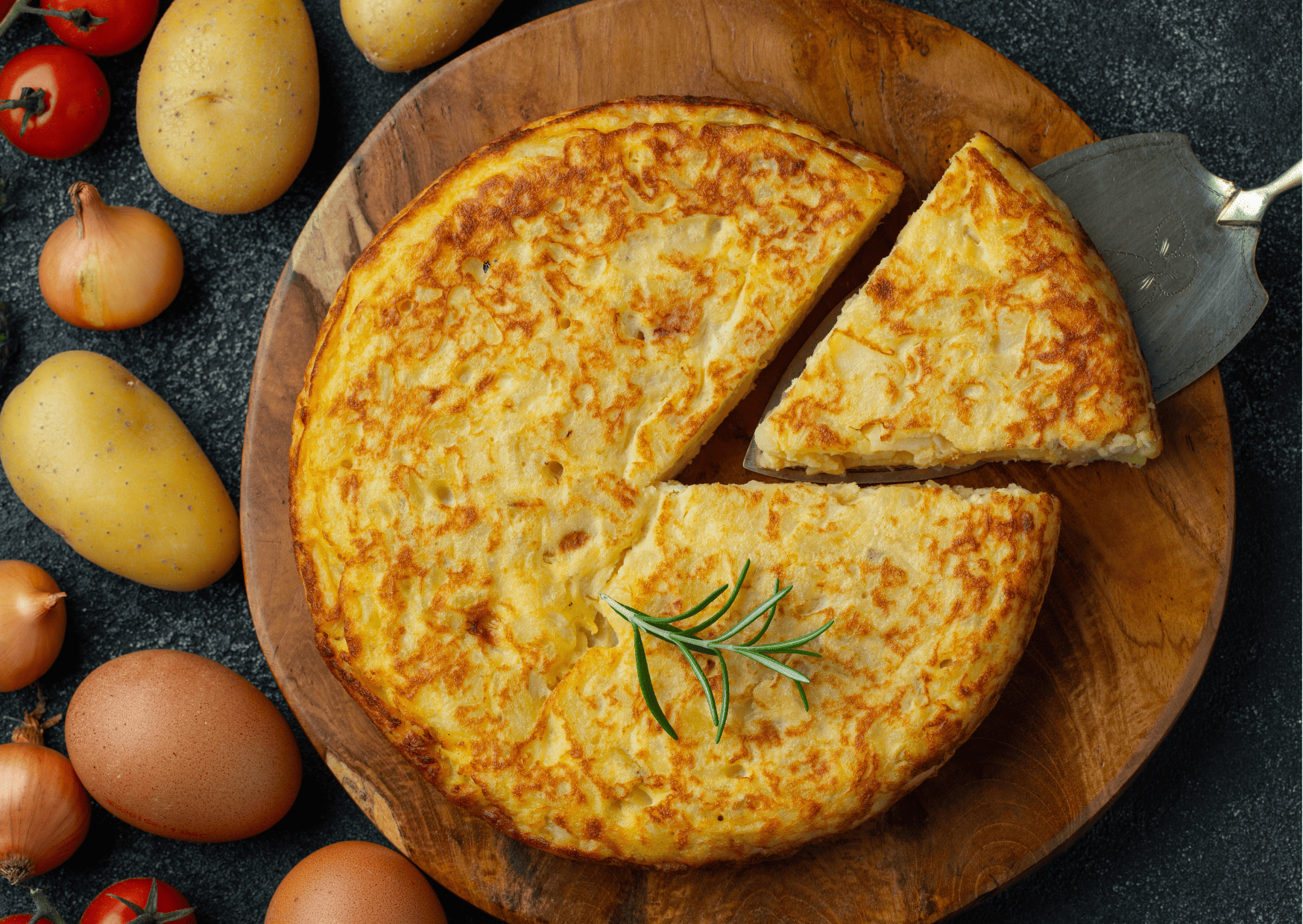
Description:
A traditional dish made with eggs, potatoes, and onions, often served as a tapa.
Ingredients:
Eggs, potatoes, onions, olive oil, salt.
Tips:
Cook the potatoes and onions slowly for a sweet, caramelized flavor.
Read here how to make Spanish omelette
3. Pulpo a la Gallega (Galician-Style Octopus)
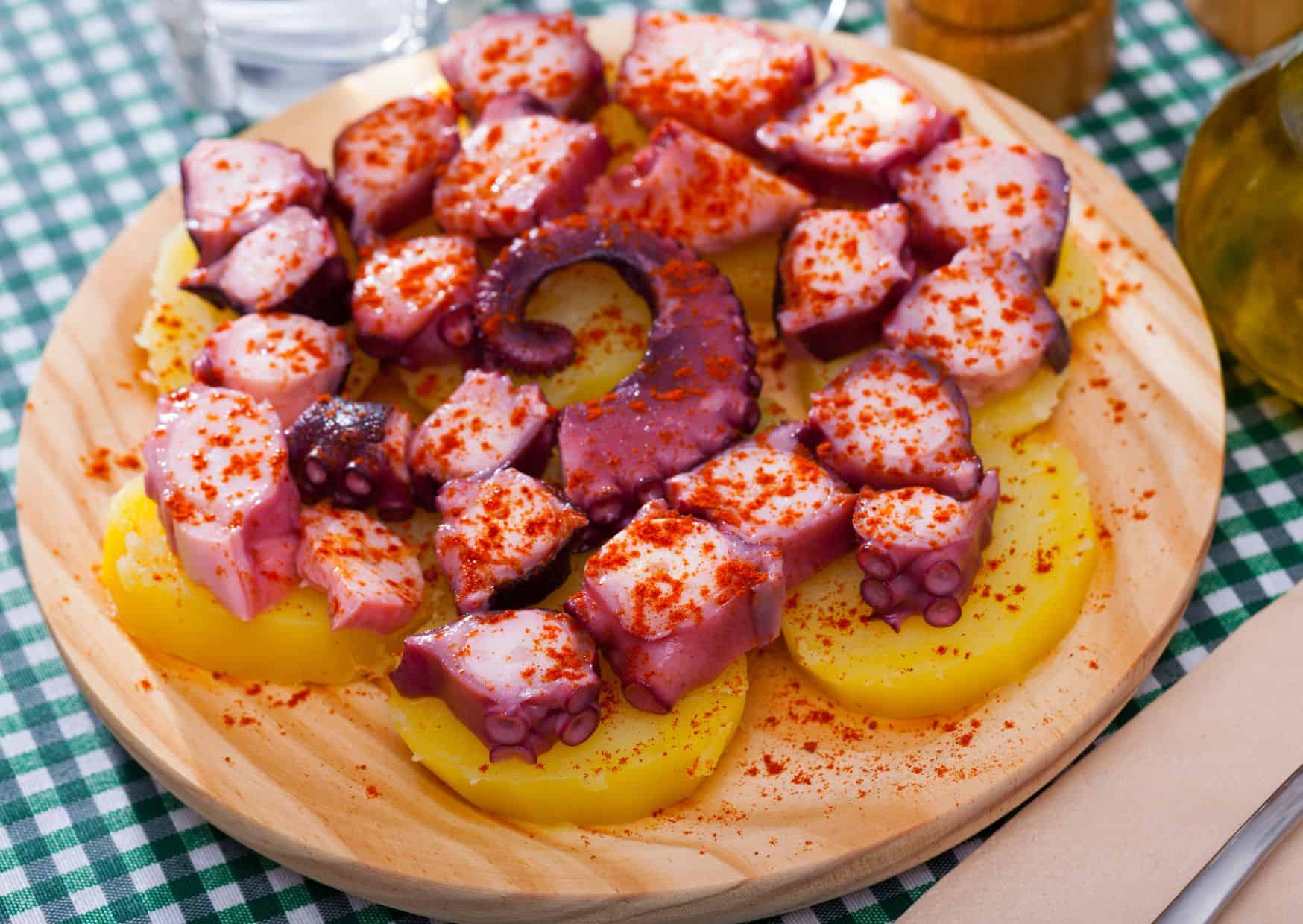
Description:
Tender octopus served with paprika, olive oil, and coarse salt, usually on a bed of sliced potatoes.
Ingredients:
Octopus, potatoes, olive oil, paprika, coarse salt.
Tips:
Boil the octopus with a cork in the pot to achieve the perfect texture.
Read here how to make Pulpo a la Gallega
4. Cochinillo Asado (Roast Suckling Pig)
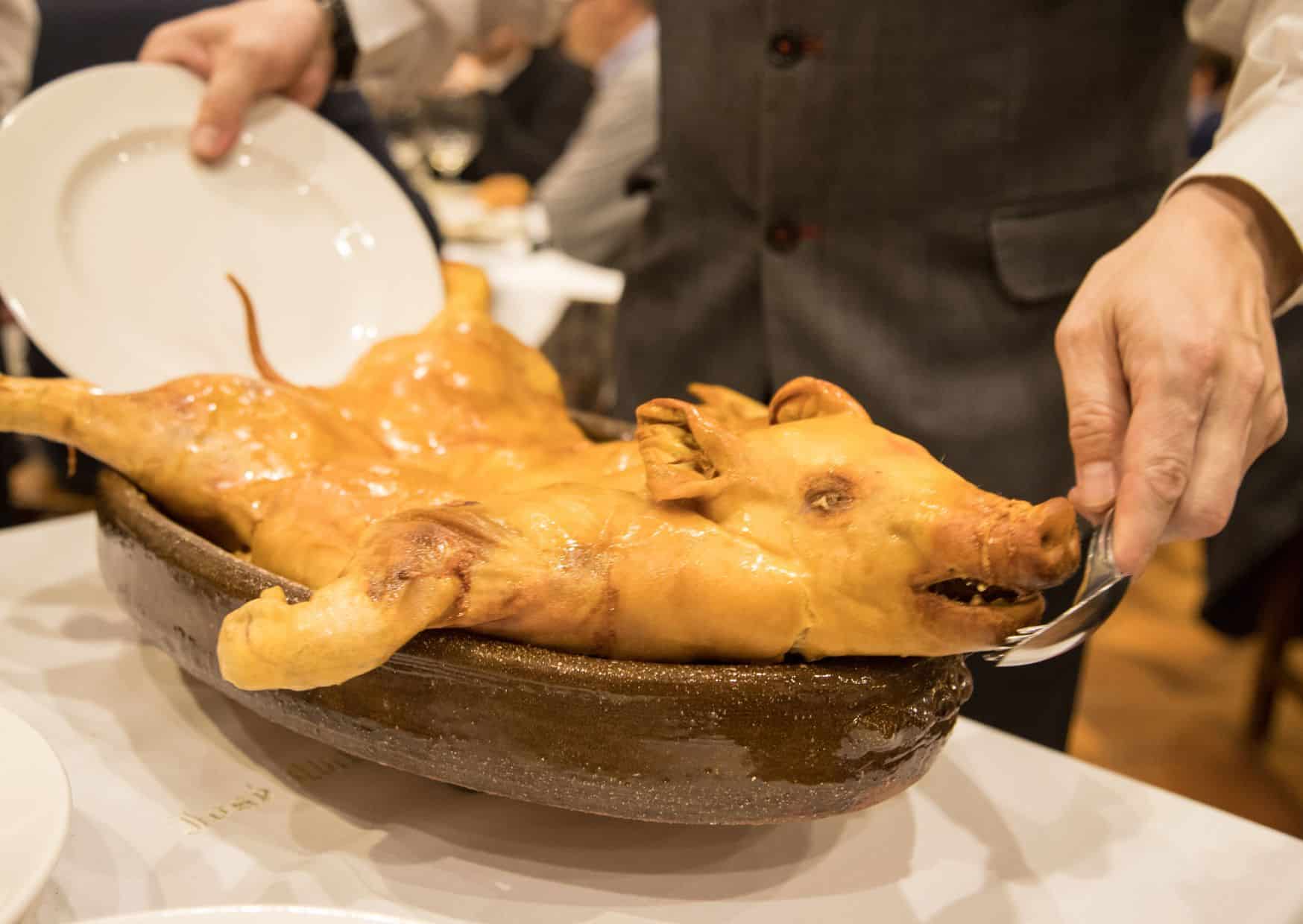
Description:
A specialty from Segovia, featuring tender, flavorful meat with crispy skin.
Ingredients:
Suckling pig, salt, olive oil.
Tips:
Cook slowly in a wood-fired oven for the best results.
Read here how to make Cochinillo Asado
5. Fabada Asturiana
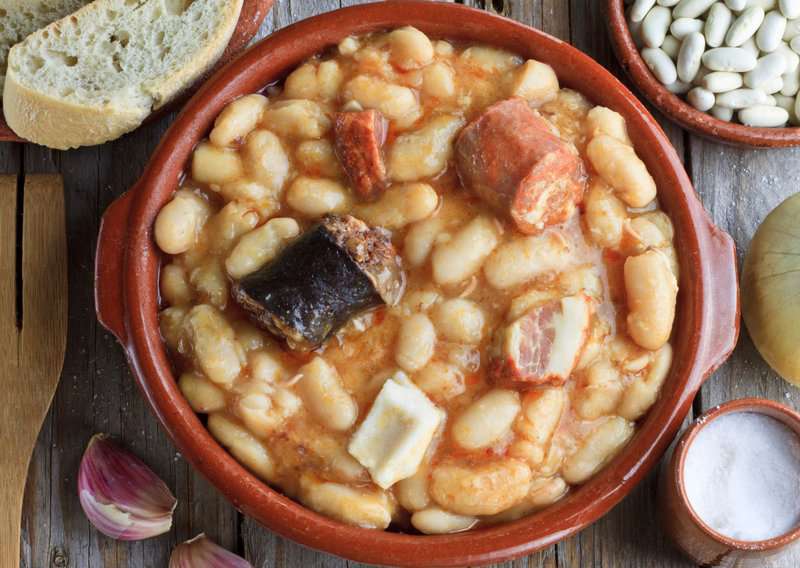
Description:
A rich bean stew from Asturias, made with white beans, chorizo, morcilla (blood sausage), and pork.
Ingredients:
White beans, chorizo, morcilla, pork belly, onions, garlic, paprika, olive oil.
Tips:
Soak the beans overnight and cook slowly for the best flavor.
Read here how to make Fabada
Serving Suggestions
Paella Valenciana: Traditional with rabbit, chicken, and green beans.
Fideuà: A noodle-based seafood dish from Catalonia, often confused with paella.
Fabada Asturiana: A rich bean stew from Asturias, perfect in colder months.
Callos a la Madrileña: For the adventurous eater—beef tripe in a spicy tomato sauce.
Pintxos: Build your own tasting menu in the Basque Country with toothpick-stabbed snacks.
Pair all meals with local wines, vermouth, or Txakoli (a lightly sparkling white wine in the north), and always ask locals for recommendations—they’ll rarely steer you wrong.
Final Thoughts
Paella is delicious, no doubt about it—but calling it Spain’s best dish does a disservice to the country’s culinary diversity. From the bold flavors of Andalusia to the mountain-rich comfort food of northern Spain, there’s a whole edible map waiting to be explored. The best meals in Spain often come not from glossy travel guides, but from small, local kitchens, neighborhood bars, and generations of family recipes.
So go ahead and order the paella—but don’t stop there. Let your taste buds wander just like you do. Because in Spain, the best dish might just be the one you’ve never heard of yet.
While paella is a must-try dish when visiting Spain, the country’s culinary offerings are incredibly diverse and rich. From the refreshing gazpacho of Andalusia to the hearty fabada of Asturias, there are countless dishes to explore and enjoy.
Whether you stick with the classic paella or venture into other regional specialties, Spain’s cuisine is sure to delight your palate. Bon appétit!

About the Author: Ruben, co-founder of Gamintraveler.com since 2014, is a seasoned traveler from Spain who has explored over 100 countries since 2009. Known for his extensive travel adventures across South America, Europe, the US, Australia, New Zealand, Asia, and Africa, Ruben combines his passion for adventurous yet sustainable living with his love for cycling, highlighted by his remarkable 5-month bicycle journey from Spain to Norway. He currently resides in Spain, where he continues sharing his travel experiences with his partner, Rachel, and their son, Han.