
I live in Spain, walk to everything, and still managed to ruin my back by dressing like a tourist on speed. Sneakers to the café, sneakers to meetings, sneakers to dinner. The soft, bouncy kind that feel like you are walking on cake. Two months ago I stopped. I built a rotation, changed how I lace, swapped bags, fixed my stride, and used a cobbler like a normal European adult. The pain that lived under my shoulder blade for three years faded by week three. By day 60 it was gone unless I tried to sprint for a tram. I did not discover a miracle. I removed the one habit that made all the other fixes impossible.
This is a guide you can actually run. Prices in euros, exact steps, one clean weekly plan, and a clear difference between shoes that help you stand tall and shoes that let you collapse while smiling about “comfort.” If your closet looks like a foam factory, keep reading.
What “sneakers everywhere” did to my body
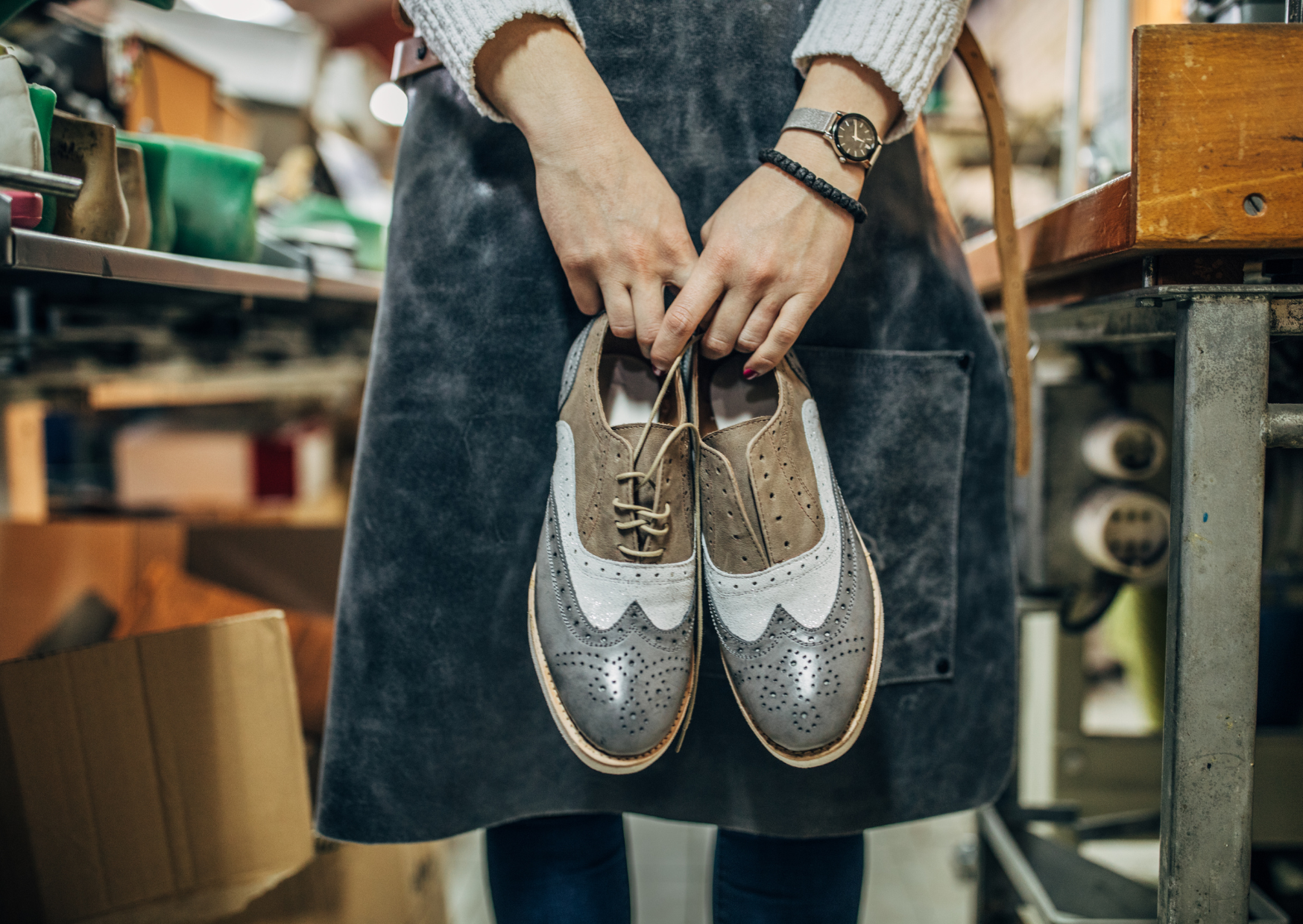
I thought soft shoes were protecting me. They were hiding how badly I move. Cushioned sneakers let my heel smash, my hips sit behind my feet, and my shoulders roll forward. On tiles and stone sidewalks, that collapse turns into a twist between ribcage and pelvis. That twist is your pain. Not all at once. Little by little.
On paper I did the right things. Daily steps over 10,000. Stretches from a physiotherapist. Vitamin D. What I did not do was face the ground under my feet. Madrid’s sidewalks are unforgiving. Foam hid the truth. A firmer sole told it immediately. The day I switched, my calves complained, my glutes finally woke up, and my posture felt like a stack, not a comma. Pain hates stacks because stacks don’t rub.
Here is the pattern I saw after changing footwear:
- Week 1–2: calves and feet sore, lower back slightly stiff in the morning
- Week 3: deep shoulder blade ache dropped by half
- Week 4: sleep improved because I was not shifting in bed to avoid a hot spot
- Week 6: long walks felt easier than short ones because my stride stabilized
- Week 8: zero pain on ordinary days, tightness only if I carried a grocery overload on one shoulder
The shoe did not heal me. The shoe made good mechanics unavoidable.
The European rule I copied without asking permission
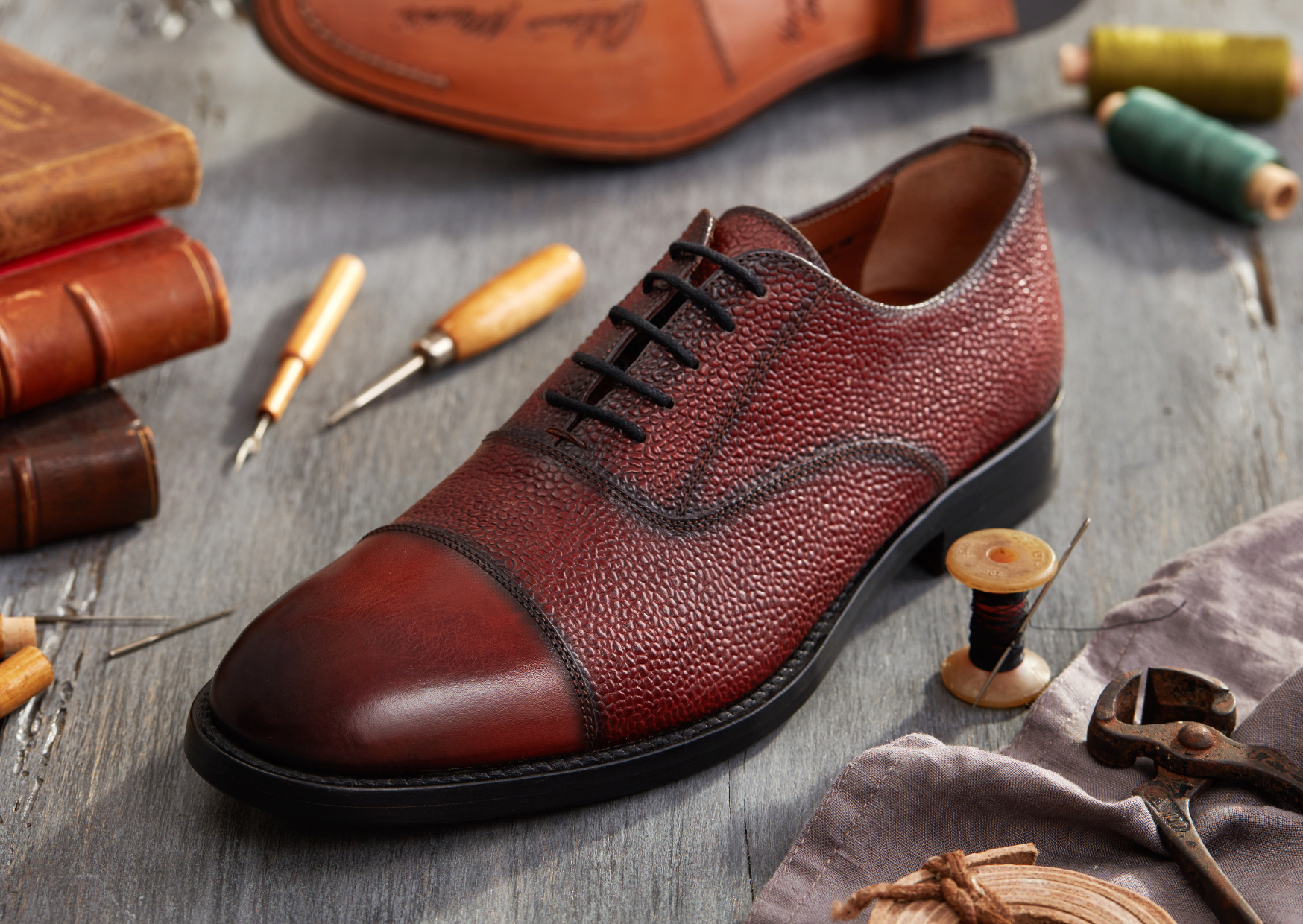
People here do wear sneakers. Just not to everything and not only one pair. The adult pattern is boring and effective.
- One firm leather or rubber-soled shoe for city days
- One supportive walking shoe for distance
- One dress shoe that can handle three hours standing
- One pair of house shoes with a rigid midsole
- Repair, not replace at a cobbler when the heel or sole wears
No single shoe does every job. The moment I stopped trying to make one sneaker solve life, my body stopped bracing against the floor. Rotation is therapy.
The 60-day shoe rotation and exact models that worked
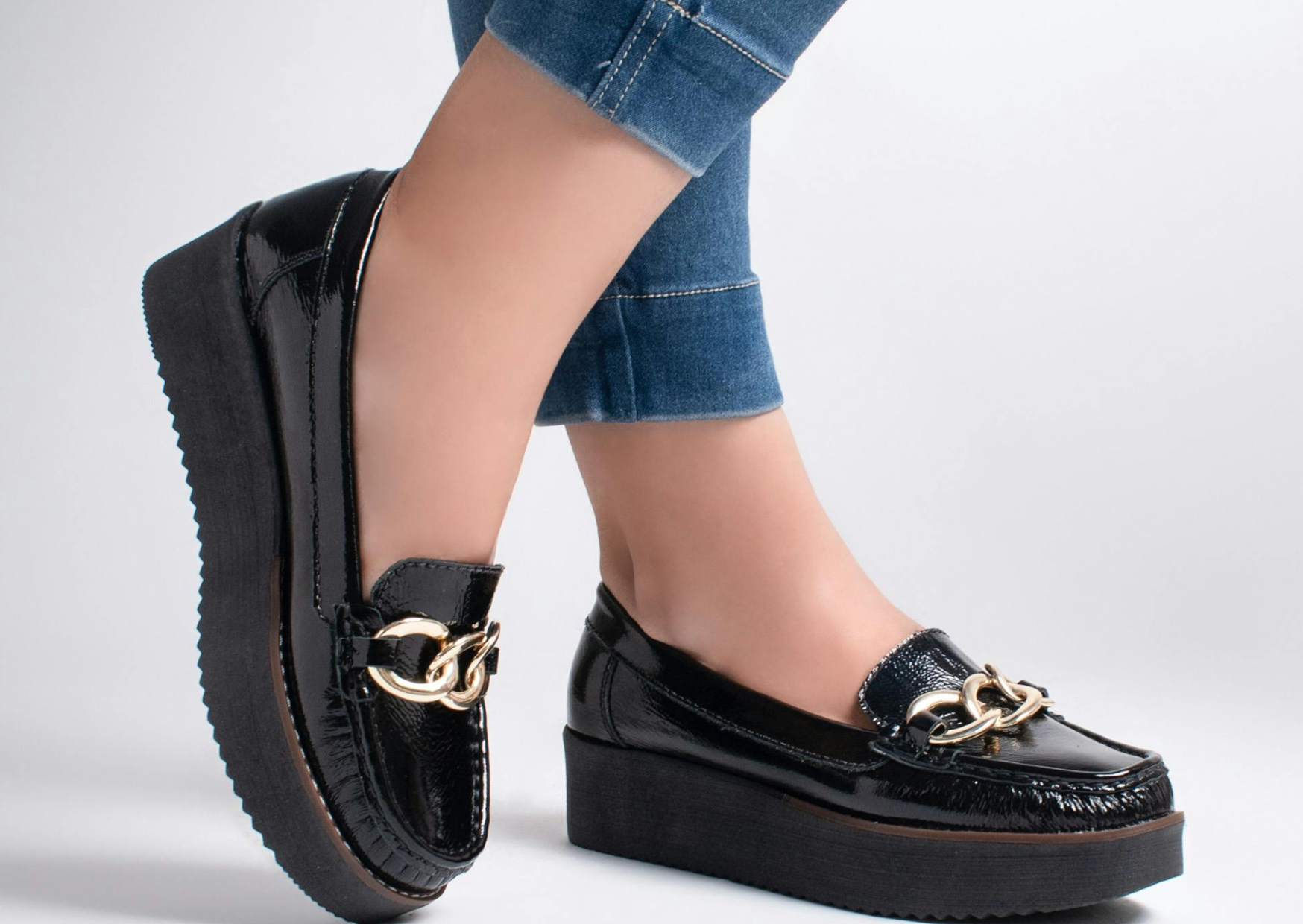
I am not selling brands. I am selling structure. You can find equivalents anywhere, but copy the features, not the logo.
City shoe (firm midsole, 25 to 30 mm stack, leather upper, rubber outsole)
- Price target: €85 to €160
- How it feels: solid underfoot, a little stiff on day one, better on day three
- Why it works: the midsole is firm enough that your foot has to roll through, not slap and collapse
- Where I used it: normal days, 6,000 to 10,000 steps, meetings, school runs
Distance walker (rockered forefoot, torsion control, removable insole)
- Price target: €90 to €140
- How it feels: mild rocker, not a trampoline, torsion bar if possible
- Why it works: the shoe moves you forward, not down, and you can swap the insole if your arch wants a nudge
- Where I used it: 10,000 to 18,000 steps, airport days, errands
Stand-up dress shoe (block heel 20 to 30 mm, wide forefoot)
- Price target: €110 to €180 for leather that lasts
- How it feels: stable, slightly heavier, pressure spread across the heel
- Why it works: a tiny heel makes standing easier than absolute flat, and a wide toebox lets toes splay
House shoe (rigid midfoot, heel cup, washable upper)
- Price target: €30 to €60
- Why it works: tile floors are ankle traps; no barefoot on stone if your back is angry
Cobbler budget
- Heels or half soles: €12 to €25
- Full resole on a leather shoe: €45 to €70
- Stretching a toebox or punching a bunion spot: €6 to €12
Remember: pay for structure once and repairs occasionally, not for foam every three months.
The lacing, socks, and bag changes that mattered more than I expected
Three tiny changes did more than any massage.
Lacing
- I switched to a heel lock on distance shoes. It stopped heel slip and ended the “claw my toes” habit that killed my calves.
- City shoes got one looser eyelet at the forefoot so toes could spread. That alone removed a nerve zing on the train.
Socks
- I started wearing thin wool-blend socks year round. Feet stayed dry, temperature stayed normal, and blisters vanished. Price: €7 to €12 a pair.
- I tossed every thick cotton sock that felt soft in the store and swampy after 40 minutes.
Bags
- Crossbody or backpack only, weight under 4 kg. A shoulder tote added 9 minutes of pain to a 30 minute walk. I measured it three times.
- Grocery rule: two equal bags or one backpack. Watching my spine lean to one side in a shop window cured me faster than any article.
Bold line to keep: your shoes cannot fix a lopsided bag.
Posture, cadence, and the one cue that fixed everything

I tried seven cues. One worked and I kept it. Stack over strike. That means ribs over pelvis, pelvis over ankle, and foot landing under your mass, not in front of it. When your foot lands too far ahead, you brake. Braking is impact. Impact is pain. The cure is cadence.
I increased my walking cadence from 104 to 114 steps per minute on city days. I used a free metronome app for two afternoons, then deleted it when my legs remembered the rhythm. The shoe made it easy because a firmer midsole invites a shorter, quicker step. Soft foam invites long, lazy steps that crash.
Two drills made this feel natural:
- Ten-step drill. Every block I took ten shorter, quicker steps and felt my ribs stack over my hips. The body liked the quiet.
- Arm swing check. I let my hands brush my pockets. If my hands were behind me, I was leaning back and heel smashing. If my hands were in front, I was stacked.
Quiet reminder: you cannot strength-train your way out of a braking habit.
The five-minute maintenance I actually did
No foam rollers, no miracle gadgets. Five minutes, most days.
- Wall calf raises: 2 sets of 15 controlled raises with heels touching the wall lightly
- Short-foot practice: 60 seconds per foot spreading toes and lightly lifting the arch without crunching
- Hip flexor stretch against a chair: 45 seconds per side
- Thoracic opener over a rolled towel: 90 seconds breathing, ribs down, chin in the world
If I had time, I added 20 bodyweight squats facing a wall to keep my chest honest. That is it. Pain dropped because the shoe stopped inviting collapse, and the drills taught muscles to support the new gait.
The numbers, because you will ask
- Pain score on waking: from 6/10 to 1/10 by day 30, 0/10 most mornings by day 60
- Steps per day: from 8,900 average to 10,700 because walking stopped feeling like work
- Cadence: +10 steps per minute on city days
- Spending: €280 on two quality pairs and €38 on repairs, €27 on socks
- Time in clinic: zero during the 60 days
- Lost time to flare ups: two short episodes on days I ignored the bag rule
Important note: I did not change my weight, my desk, or my commute. I changed the surfaces between me and the ground and the rules for carrying things.
The shopping protocol that prevents expensive mistakes
You can go to a normal store and win. Use this.
- Stand on one foot for 10 seconds in the shoe. If your ankle wobbles like jelly, the sole is too soft.
- Pinch the midsole between thumb and forefinger at the arch. You want resistance, not a marshmallow.
- Twist the shoe at the midfoot. A good city shoe resists torsion.
- Check the rocker. For your walking pair, a slight roll under the forefoot should be obvious, not clownish.
- Toe box width. Stand, spread toes. If they hit leather, walk away or ask a cobbler to stretch the pair and come back tomorrow.
- Heel counter. Squeeze. You want a firm cup that keeps the calcaneus honest.
- Weight. Light is not always good. Heavier and stable beats feathery and sloppy for back pain.
Fitting time per pair: seven minutes. Return window: 14 to 30 days. Walk outside only when you are sure, or protect soles with tape at home for the test. Boring habits save money.
Why sneakers are not evil and when to wear them
Keep a clean, supportive sneaker with a firm midsole for days that truly need it. Airports with long corridors. Museum marathons. Kids in a park. The difference is intentional use, not default use.
I still own one black sneaker that I can dress up for travel days. It has a stable heel, mild rocker, and a removable insole. It comes out two days a week at most. Every other day my feet meet the city in a shoe that asks them to work. I do not need to be a monk. I need to be slightly less lazy.
A week-by-week install you can start Monday
Week 1: assessment and swap-in
- Retire the softest sneaker for 14 days. Put it out of sight.
- Buy one firm city shoe and one pair of thin wool-blend socks.
- Walk 20 minutes daily with the stack over strike cue and a heel lock lacing if you feel movement in the heel.
- Track pain on waking and at 18:00. Do not fixate. Just note it.
Week 2: distance day and bag rule
- Add one distance day with the supportive walker. Total 60 to 90 minutes split across the day.
- Switch bags to crossbody or backpack under 4 kg. If you break the rule, write it down and note pain 30 minutes later.
- Start the five-minute maintenance four days this week.
Week 3: cobbler and cadence
- Visit a cobbler, replace a heel or half sole on your city shoe if it is already wearing unevenly.
- Nudge cadence by +6 to +10 steps per minute for 10 minutes per walk. Let your legs memorize it.
- Log pain. This was my drop-off week.
Week 4: dress shoe and standing test
- Buy or revive a standing-safe dress shoe with a small heel and wide forefoot.
- Do one standing day test at a museum or market for two hours. If you feel pressure, loosen the forefoot eyelet by one hole.
- Continue maintenance and cadence drill.
Week 5–6: consolidation
- Keep rotation strict: city shoe on city days, distance shoe on long days, dress shoe when standing.
- House shoes always on tile.
- If pain is below 2/10 most days, you are there. If not, check the bag rule, lacing, and whether your city shoe is actually firm.
Remember inside this plan: rotation, not heroics.
Mistakes I made and how I corrected them
- I bought a stylish flat with a pancake sole. Looked great. My calves screamed. I added a 2 mm leather insole and let the cobbler add a thin rubber top lift. It became wearable.
- I overcorrected to clogs at home. My heel slipped and I gripped my toes. I switched to a house shoe with a heel cup and the problem disappeared.
- I tried to carry groceries like a movie character. Two equal bags or a backpack only. One shoulder killed my progress in two days.
- I broke the cadence rule on hills. Hills are for short steps and steady breathing. Long strides downhill are a tax bill.
Short truth: the floor punishes vanity immediately.
The quiet science without a textbook

You do not need to memorize anatomy. You need three ideas and a mirror.
- Rigid lever plus mobile foot. Your foot is a tripod. A firm sole lets the tripod do its job instead of sinking. When you sink, you rotate somewhere above. Rotations create hotspots.
- Stack and roll. The human gait likes a midfoot landing under the hips with a roll through the big toe. When you overstride and heel strike ahead of your mass, you brake. Braking shoves force up the chain.
- Small heel helps standing. Completely flat shoes ask your ankle and calf to work harder for hours. A small, stable heel returns your center of mass to a place your spine likes.
That is enough science. The mirror tells you the rest.
Money, because health advice without a budget is theater
Total spent to rebuild my rotation:
- City shoe: €120
- Distance walker: €110
- Dress shoe refresh at the cobbler: €55
- House shoes: €38
- Socks (four pairs): €32
- Repairs during the 60 days: €21
Total: €376 in two months. The physio sessions I did not book would have cost the same by week four. I still like my physio. I prefer not needing them.
Bottom line: spend once on structure, spend small on repairs, stop spending on foam.
Objections, answered like a friend
“I only feel human in soft sneakers.”
You feel comfortable in collapse. Give me 14 days of firm city shoes and short steps. If your pain is worse, go back. If it is better, you just learned something about your gait.
“I have flat feet.”
Great. You need a shoe with a firm midfoot and a heel cup more than anyone. Start with a removable insole and see if a mild support helps. Flat is not broken. Flat plus foam is chaos.
“I stand all day at work.”
Buy the dress shoe with a small heel and a wide forefoot. Add a thin rubber sole for grip. Take five micro breaks to walk 60 seconds and reset the stack. This matters more than a gel mat.
“I hate leather.”
You can win in vegan or fabric uppers if the midsole and heel counter are firm. Structure is the rule. Material is a preference.
“I run on weekends.”
Run. Then wear the city shoe for errands. Recovery happens when daily steps are honest, not when every hour is a mini jog on foam.
A two-week card you can screenshot
Week 1
- Retire soft sneaker, wear firm city shoe daily
- Heel lock lacing on distance days
- Crossbody or backpack under 4 kg
- Five-minute maintenance, four days
- Ten-step drill every block
Week 2
- Add distance walker one day
- Visit cobbler if wear is uneven
- Nudge cadence by +6 to +10 for 10 minutes
- House shoes on tile, always
- Keep a pain log at waking and 18:00
If the graph falls by Friday, keep the plan. If it does not, check the bag, the heel counter, and whether your “firm” shoe is secretly a marshmallow with a leather jacket.
The European habits that made everything easier
- Repair culture. A ten minute cobbler visit once a month beats buying new.
- Proximity over prestige. Living ten minutes from life removed the urge to sprint.
- Lunch as the main meal. Afternoons had fuel and evenings were calmer, which helps your tissues more than you think.
- Walking as the default. Not performance walking, not “closing my rings,” just walking to do things. The shoes enabled that, not the other way around.
These are not old world quirks. They are body economics. When your week is ordinary and your shoes are honest, your spine stops negotiating with the ground.
Final Thoughts on This
Put your softest sneaker in a box for two weeks. Buy one firm city shoe and a pair of thin wool socks. Lace with a heel lock. Carry a backpack instead of a tote. Take shorter, quicker steps and let your ribs live over your hips. Visit a cobbler and fix one shoe instead of buying two. If your back wakes up calmer by next Thursday, you found your lever.
You do not need a diagnosis or a device. You need to stop lying to your feet. When your shoes stop pretending the ground is a cloud, your back remembers how to be a spine instead of a complaint.

About the Author: Ruben, co-founder of Gamintraveler.com since 2014, is a seasoned traveler from Spain who has explored over 100 countries since 2009. Known for his extensive travel adventures across South America, Europe, the US, Australia, New Zealand, Asia, and Africa, Ruben combines his passion for adventurous yet sustainable living with his love for cycling, highlighted by his remarkable 5-month bicycle journey from Spain to Norway. He currently resides in Spain, where he continues sharing his travel experiences with his partner, Rachel, and their son, Han.