
You do not need a spreadsheet to feel the difference, you need a Tuesday. Social Security that barely survives rent in Phoenix can pay for a one bedroom, utilities, transit, food you cook, two lunches out, and a real dentist in the right country. Three times further is not luxury, it is margin. The question is where.
Ground rule so we are speaking the same language. I will use a simple baseline: a typical Social Security check around $2,200 per month for a single retiree. “Three times further” means your monthly essentials in a realistic, non tourist neighborhood can sit near $1,000 to $1,300, leaving money for insurance top ups, trains, and the surprises that always show up. Not paradise, not poverty, just normal life that does not require financial theater.
Below are ten countries where Social Security money behaves like money again. For each I give cities that work, a sane monthly basket, and one friction that ruins plans if you ignore it. Pick proximity over postcards and you will feel rich on an ordinary check.
Portugal, when you value calm over spectacle
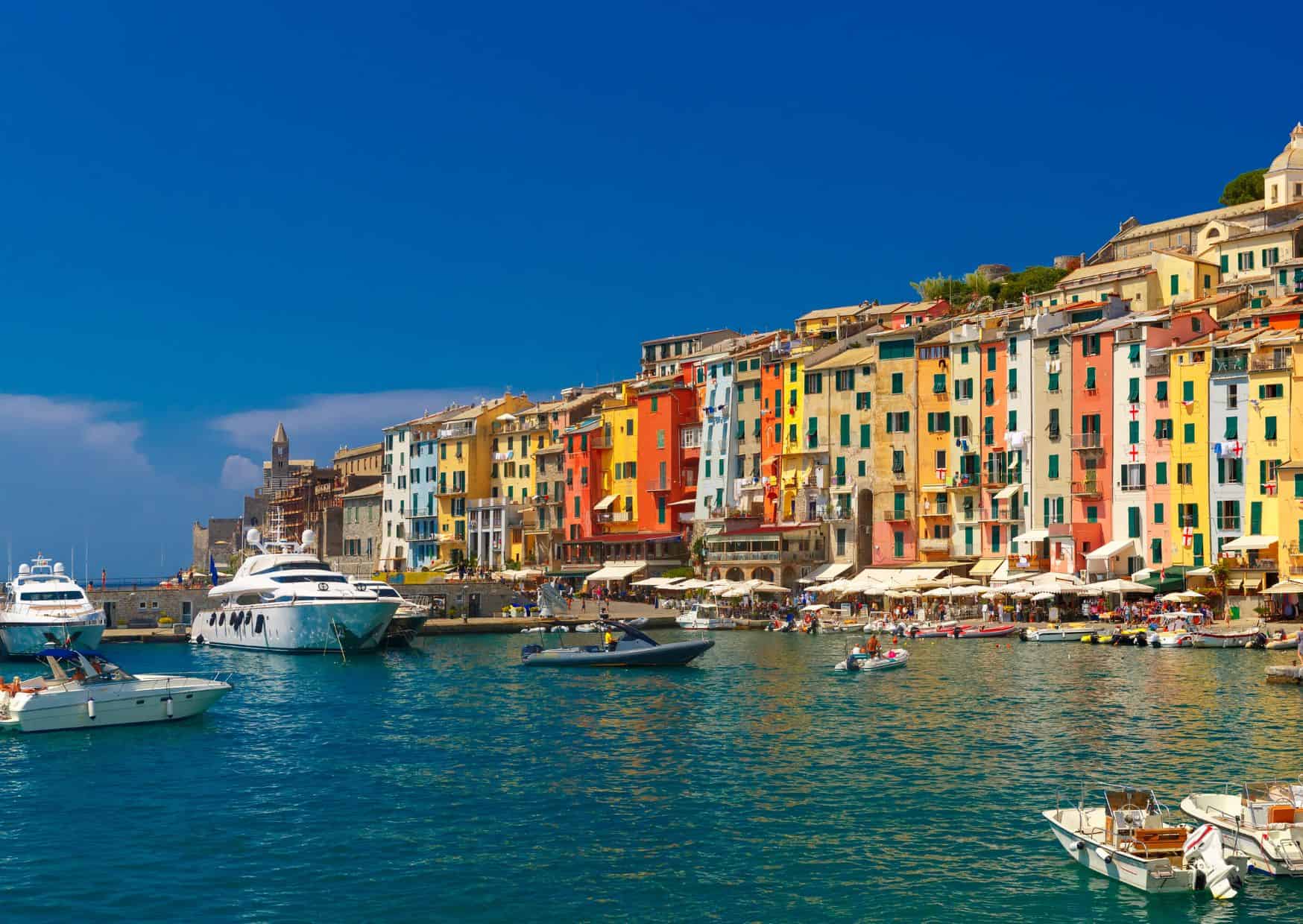
Portugal is not cheap everywhere. Lisbon core rents will eat your check. The trick is Portugal outside the Instagram radius. Aveiro, Santarém, Viana do Castelo, Leiria, and smaller Alentejo or Minho towns deliver exactly what Social Security needs: walkable centers, clinics that answer the phone, and rents that do not humiliate you.
- Rent, one bedroom near center: €550 to €750
- Utilities averaged: €90 to €120
- Fiber and mobile: €45
- Groceries for home cooking: €220 to €280
- Transport pass: €30 to €45
- Eating out light, two lunches a week: €100 to €140
You land around €1,035 to €1,380. That is the point. If you choose Lisbon Chiado because a guide told you to feel feelings there, your numbers explode. Cheap is how Tuesday feels, not what a brochure promised.
What ruins plans: showing up without a presence plan for the residence card or picking a top floor in a heat wave. Proximity to clinic and market is your raise.
Spain, if you let lunch do the heavy lifting

Spain can be a financial gift if you live where normal people live. Valencia outer neighborhoods, Castellón, Logroño, Valladolid, Cádiz away from the tourist shoreline, parts of Granada and Jerez, even suburban rings of Zaragoza. Lunch is the main meal, dinner is small, and your month behaves.
- Rent, one bedroom: €500 to €750 outside the hottest cores
- Utilities averaged: €85 to €120
- Fiber and mobile: €42
- Groceries: €220 to €280
- Transport pass: €35 to €55
- Eating out, two menú del día: €100 to €130
You sit near €982 to €1,377. Your check covers life with a cushion. The smaller shock is that lunch at noon lowers your evening spending, which lowers your month without trying. Sequence beats discipline.
What ruins plans: choosing a postcard barrio with 23:00 noise and pretending you will sleep through it. Quiet streets save money you never see on paper.
Greece, quieter cities that respect a pension

Athens center has real estate moods. The rest of Greece does not care about your mood. Thessaloniki, Kalamata, Volos, Ioannina, Heraklion in non tourist blocks, and dozens of well kept towns give you honest rents, fish markets, and neighbors who talk to you.
- Rent, one bedroom: €400 to €650
- Utilities averaged: €110 to €150 in summer, less in shoulder seasons
- Internet and mobile: €40
- Groceries: €210 to €280
- Transport, passes and taxis sparingly: €25 to €45
- Eating out simple: €100 to €150
You land around €885 to €1,315. Fresh produce, real bread, and sea air do the rest. Bitter greens and oil are cheaper than pills.
What ruins plans: underestimating heat and insurance. Buy the policy that names Greece and pick a building that breathes. Comfort is cheaper than repairs.
Italy, the south and the small cities that do not perform for tourists
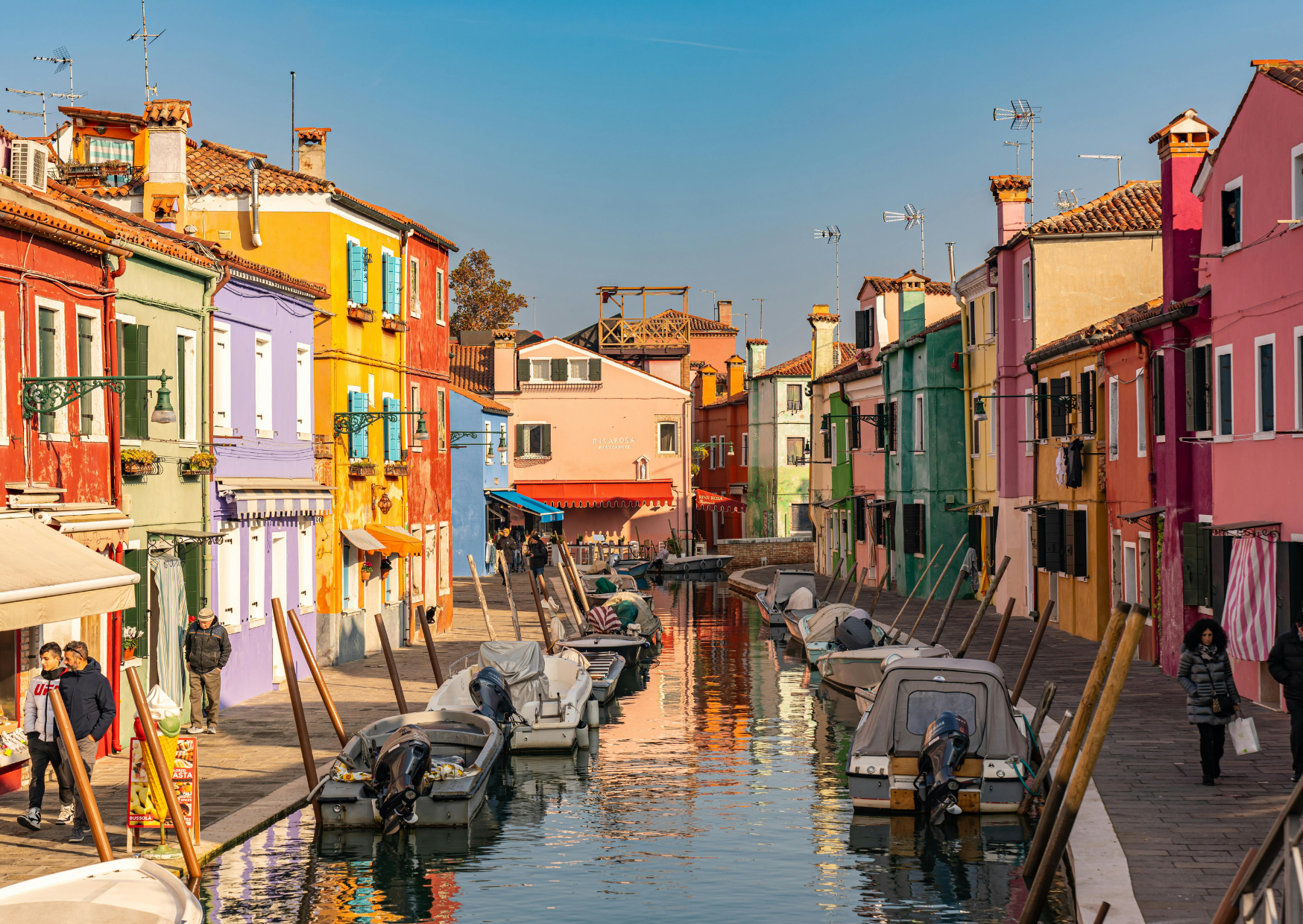
Milan laughs at your check. Bari does not. Neither do Lecce, Cosenza, Ascoli Piceno, Perugia, inland Tuscany outside the glossy hills, and a hundred provincial capitals where time still means something. Markets every week, doctors who return calls, trains that keep you connected.
- Rent, one bedroom: €450 to €700
- Utilities averaged: €100 to €140
- Fiber and mobile: €45
- Groceries: €230 to €300
- Transport: €30 to €50
- Eating out, two lunches: €110 to €160
You hover near €965 to €1,395. Your remaining Social Security covers a private visit here and there while your public card settles, plus regional trains. Proximity is a raise, stairs are a discount.
What ruins plans: thinking residency is an afterthought or choosing an elevator dream in a building that never had one. The right street beats the right view.
Turkey, the two year card that buys you time
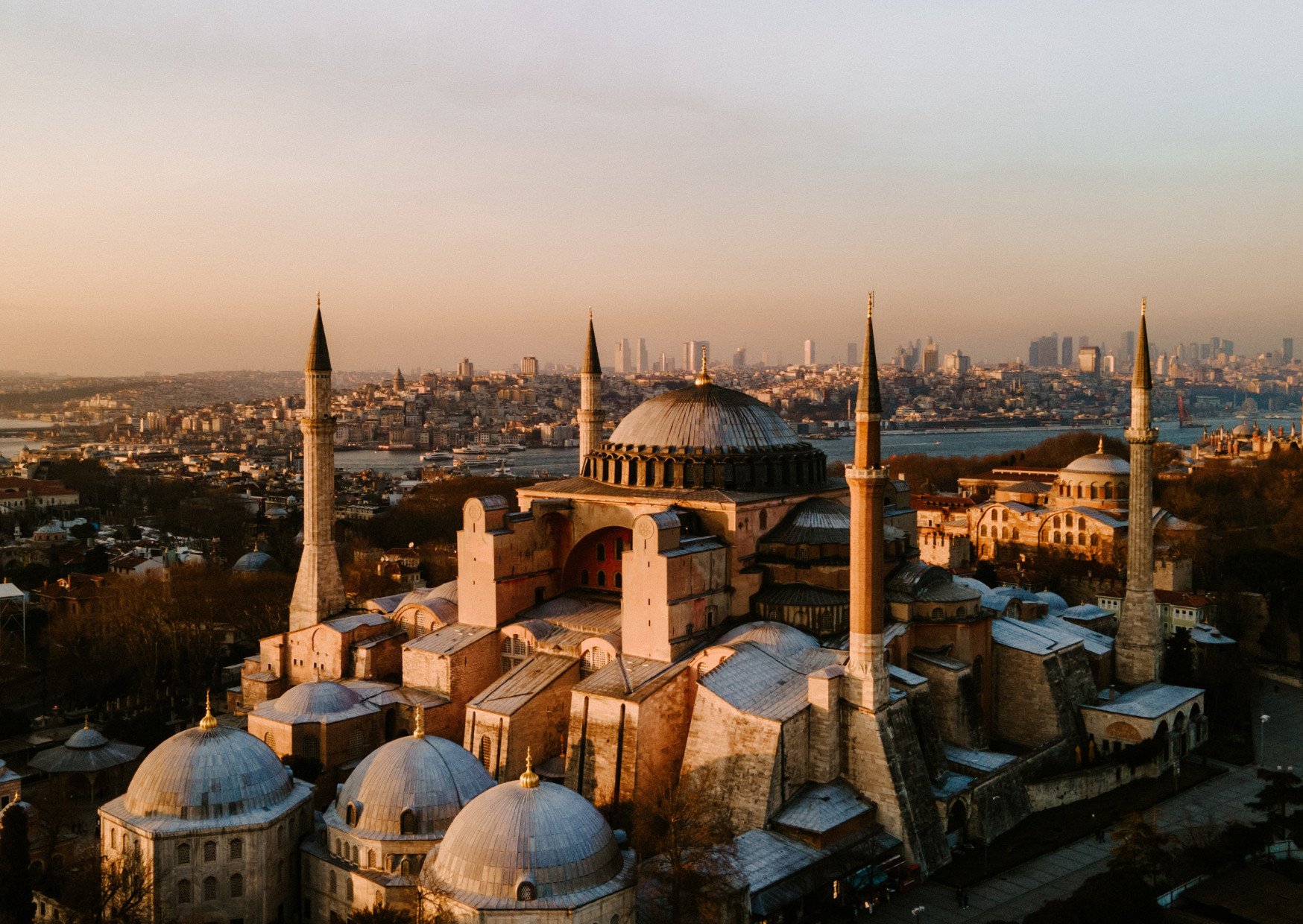
If you can live outside Schengen and want generous square meters, Turkey gives you a simple two year residence rhythm and cities that feel like a real bargain. Izmir, Bursa, Antalya outside the holiday strips, Eskişehir, parts of Ankara. Pick the neighborhood by clinic and market, not by vlog.
- Rent, one bedroom: €300 to €550 equivalent
- Utilities averaged: €70 to €110
- Internet and mobile: €30
- Groceries: €180 to €240
- Transport: €20 to €35
- Eating out, two lunches: €70 to €110
You can live between €670 and €1,075. That leaves serious cushion for private insurance, language classes, and flights. Your week gets wider when your rent gets smaller.
What ruins plans: pretending a tourist zone equals a neighborhood. Live where the baker knows your face.
Bulgaria, the overlooked sweet spot for disciplined budgets
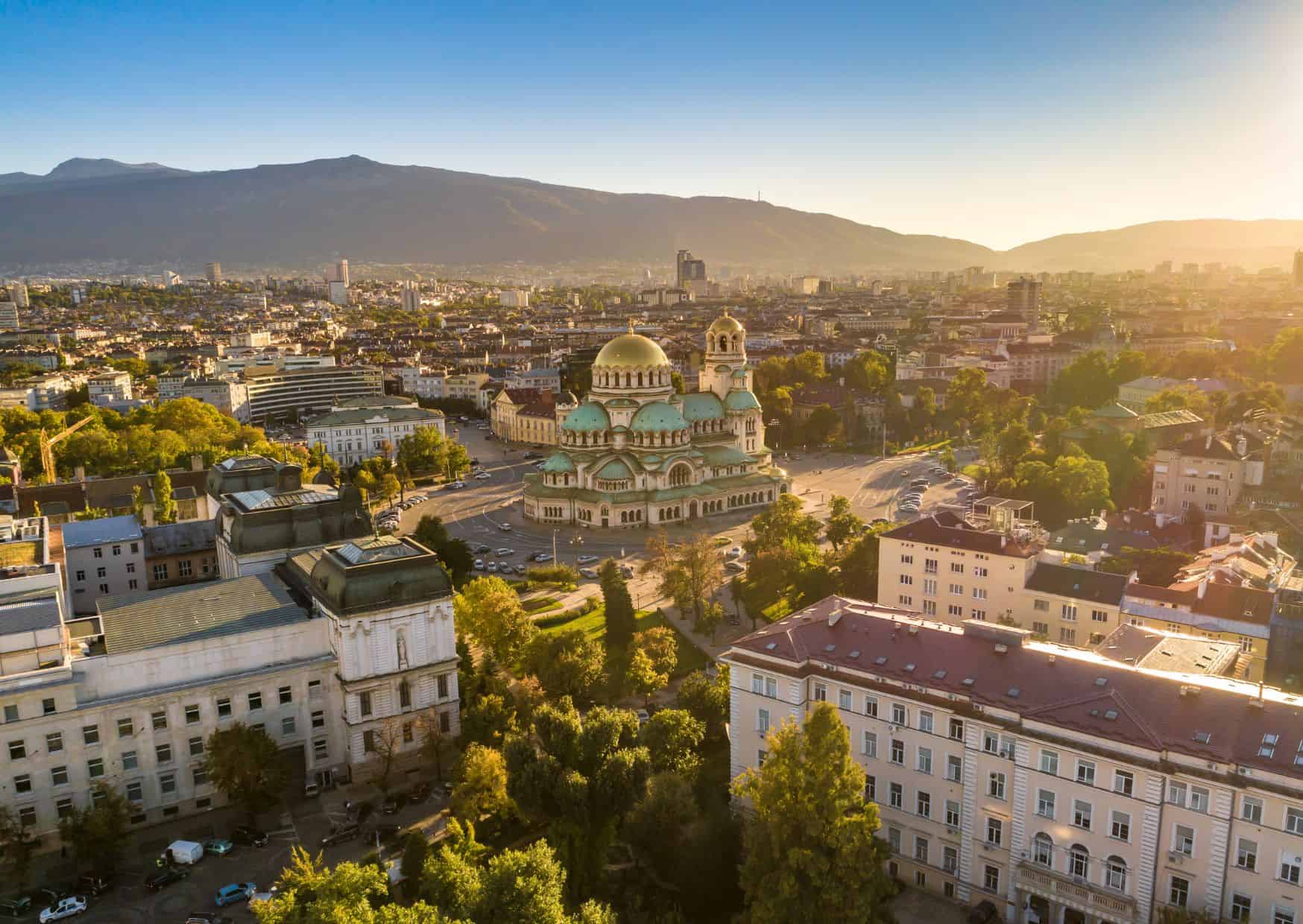
Sofia center is still affordable compared to Western Europe. Plovdiv and Varna are the working retiree choices if you like parks, clinics, and old streets that function. Winters exist. Costs also respect pensions.
- Rent, one bedroom: €300 to €500
- Utilities averaged: €80 to €120
- Internet and mobile: €25
- Groceries: €180 to €240
- Transport: €15 to €30
- Eating out simple: €70 to €120
You occupy €670 to €1,035. Trains are slow, neighbors are steady, fruit is honest, and you start to remember your own name again at the supermarket. Routine is a financial product.
What ruins plans: heating in old buildings without planning. Budget for winter and buy a coat before you think you need it. Preparation is cheaper than heat spikes.
Romania, large second cities with real clinics and clean bills
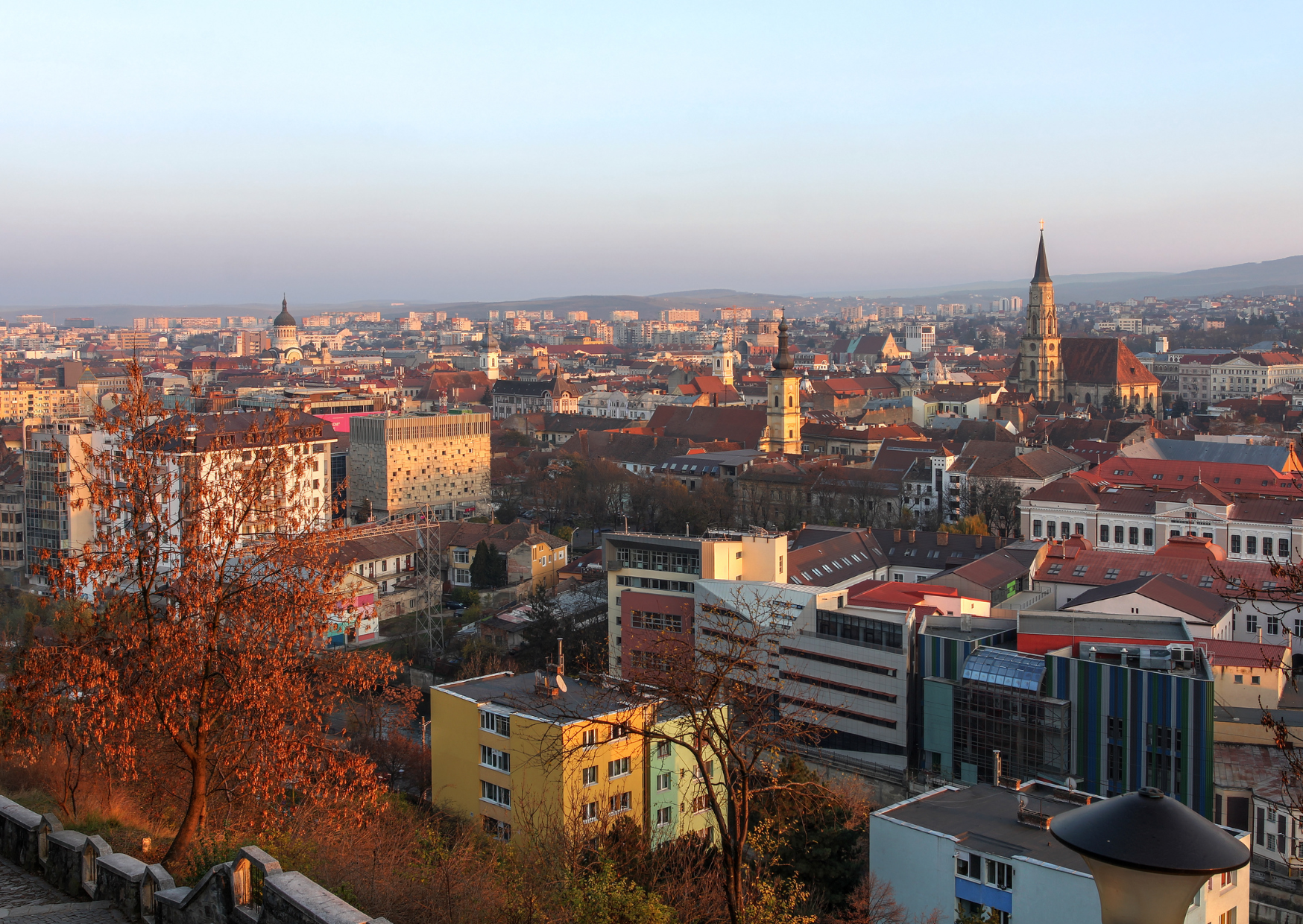
Bucharest can still work, but Cluj-Napoca, Iași, Timișoara, and Oradea are the quiet win. Tram lines, serious dentistry, and parks full of grandparents who already solved your month.
- Rent, one bedroom: €350 to €600
- Utilities averaged: €80 to €120
- Internet and mobile: €20
- Groceries: €180 to €250
- Transport: €15 to €30
- Eating out simple: €80 to €120
Expect €725 to €1,140. That lets you breathe, fix a tooth, and still take a weekend train without fretting about next Tuesday.
What ruins plans: picking a new build far from transit and then buying taxis. Your tram stop is a budget category.
Albania, the coastal towns where mornings are quiet and prices are not jokes
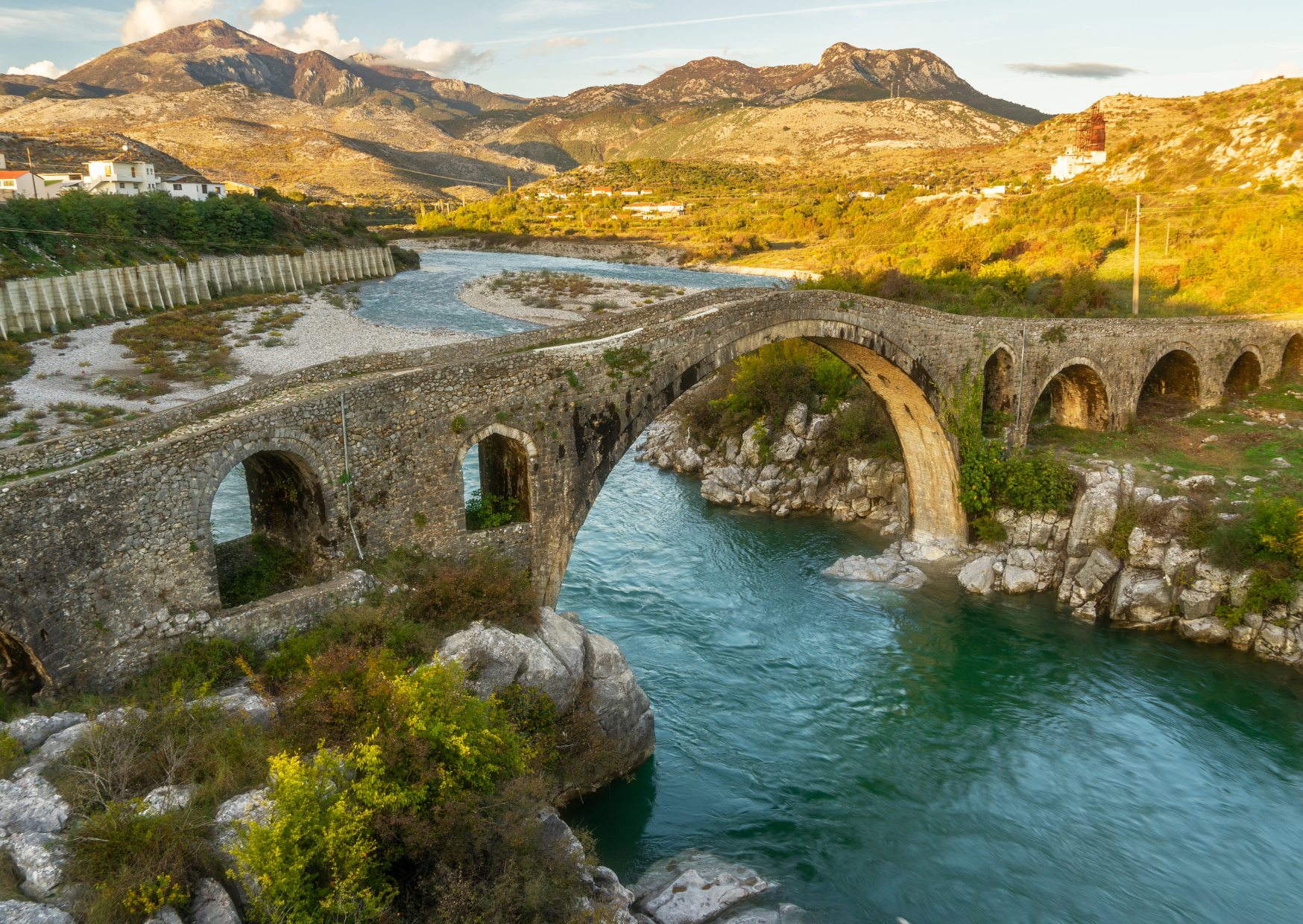
Vlora, Durrës, and inland Berat deliver the numbers that make Social Security feel like a paycheck again. English is common enough for setup, and markets will adopt you if you show up at the same stall every week.
- Rent, one bedroom: €250 to €450
- Utilities averaged: €60 to €90
- Internet and mobile: €20
- Groceries: €160 to €220
- Transport: €10 to €20
- Eating out, two lunches: €60 to €100
You live at €560 to €900. Even if you add private insurance and occasional flights, the month behaves. Margin is the point, not bragging rights.
What ruins plans: assuming every landlord is formal. Get receipts, put your name on the bell, and keep copies. Paper is cheaper than panic.
Montenegro, small scale that keeps costs sane
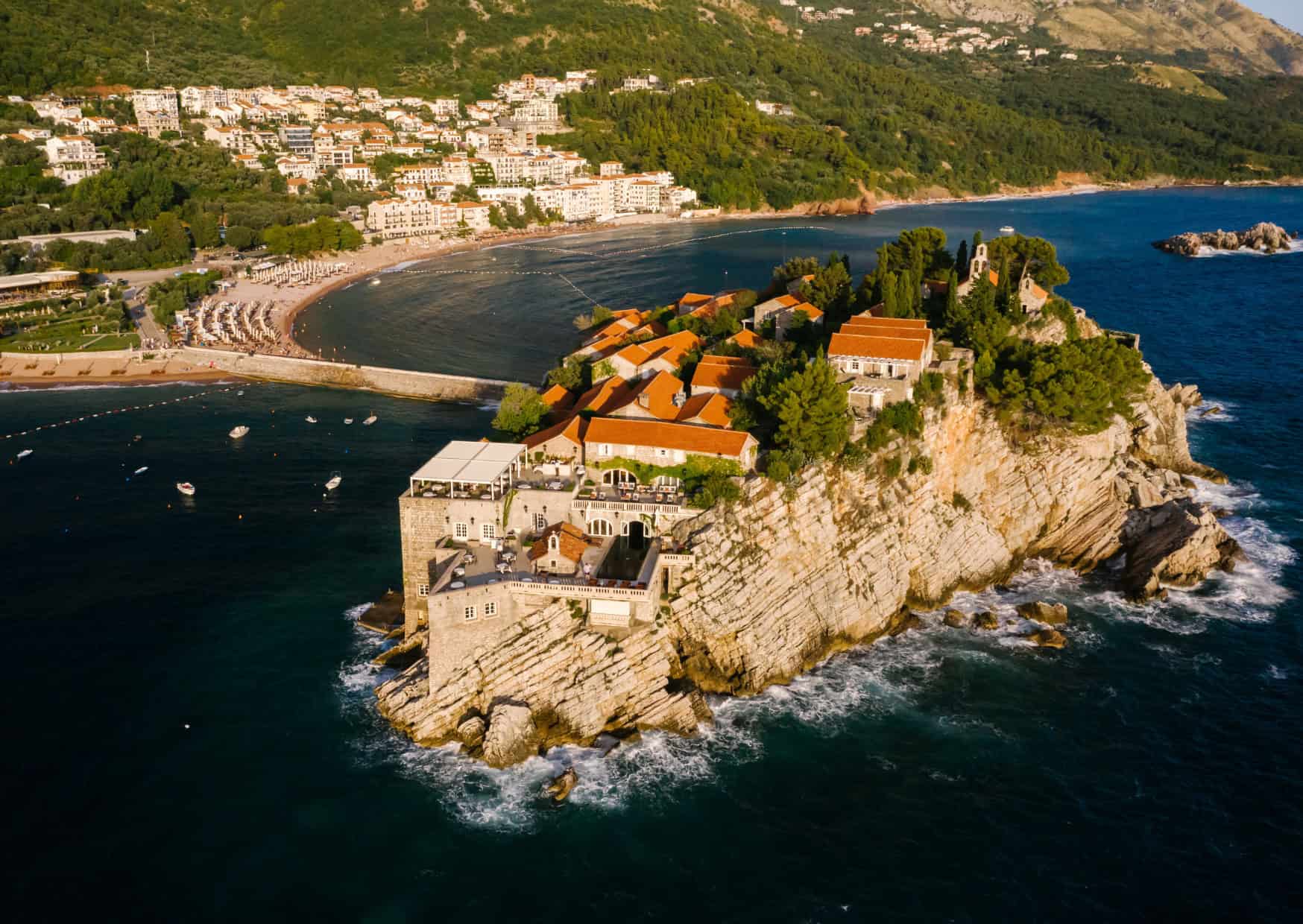
Podgorica is not a postcard, which is why it works. Bar and Nikšić also reward people who like walks, markets, and fewer decisions. Clinics are decent, neighbors are present, and the sea is not a rumor.
- Rent, one bedroom: €300 to €500
- Utilities averaged: €70 to €110
- Internet and mobile: €25
- Groceries: €170 to €230
- Transport: €10 to €20
- Eating out simple: €70 to €110
You sit between €645 and €995. Your Social Security buys stillness and a cushion. Stillness is worth more than a fancy door buzzer.
What ruins plans: summer pricing in coastal strips. Live one bus stop back and your month stops pretending to be August.
Serbia, the three year card and a capital that still respects pensions
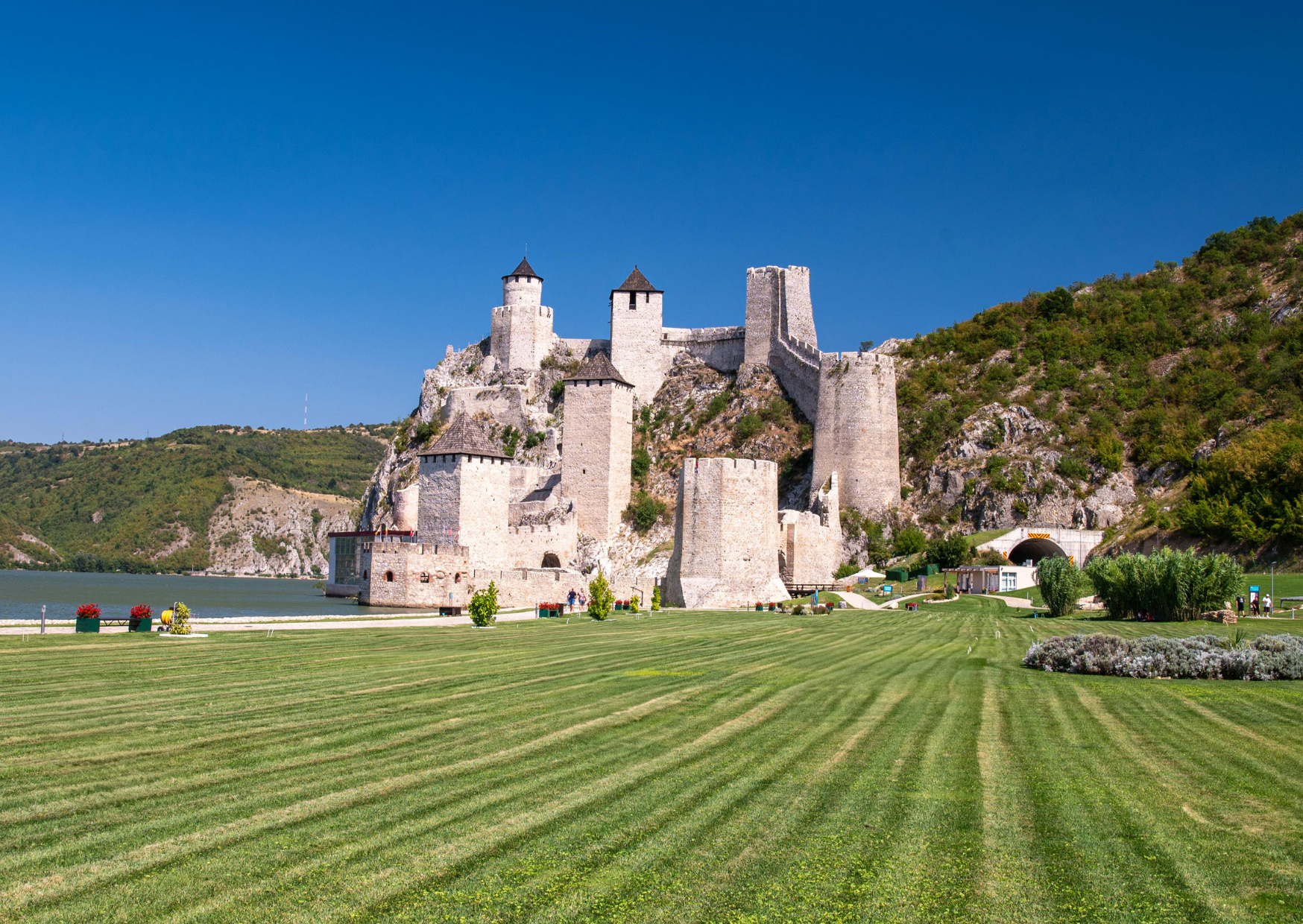
Belgrade is changing, yet an ordinary one bedroom in a non hip block is still attainable. Novi Sad is calmer and often cheaper. You make friends by attending the same places at the same times and the city will return the favor.
- Rent, one bedroom: €350 to €600
- Utilities averaged: €80 to €120
- Internet and mobile: €20
- Groceries: €180 to €250
- Transport: €15 to €25
- Eating out simple: €80 to €120
You land near €725 to €1,135. Three year temporary residence options make planning easy. Time is what money buys best.
What ruins plans: choosing nightlife blocks because they were fun at 25. You are buying sleep, not stories.
How to pick in seven days and stop arguing with calculators
Day 1
Choose two countries you could actually live in and two cities in each where the rent numbers above exist. Proximity to clinic, market, and transit is non negotiable.
Day 2
Price furnished one month flats that fit the ranges given, then drop the outliers. If everything you see is 40 percent higher, you chose the wrong block.
Day 3
Get three health insurance quotes for your age band that explicitly name the country and coverage period. Short policies cause short approvals.
Day 4
Write a one page income explainer with your Social Security amount, any pension top ups, and the bank where it lands. Add screenshots. Clarity gets approvals faster than charm.
Day 5
Check transit passes and clinic locations against your short list. If you need taxis twice a week, pick a different street.
Day 6
Cost test a week of plates for the grocery line. Soup first, plate next, fruit last, lunch as the main meal. If evenings calm down, you picked the right food rhythm for the country.
Day 7
Book a ninety day furnished trial with a doorbell that can hold your name, then stop scrolling. Decisions are cheaper than research.
The math you should actually compare against home
Take a U.S. metro where many retirees live, not the most expensive city. One bedroom rent at $1,600 to $1,900, utilities $180, internet and mobile $100, groceries $350 to $450 for basic cooking, transport $120 if you drive rarely, healthcare premiums plus co pays that are not pretend numbers. You are already past $2,300, and you have not included dental or surprises. That is why a €1,000 to €1,300 European month feels like three times the life. Money buys time when the rent is honest.
Frictions that will eat your savings if you ignore them
- Residency status. Tourist months are not the life you are buying. Pick a card with clear renewals.
- Insurance. Buy the policy that names the country and covers the full period. Do it before you get on the plane.
- Weather. Budget fans and coats, not drama. Heat and cold punish people who wait.
- Banking. Bring a tidy pack. Proof of identity, address, funds, and a simple explanation of your income. The people with folders get accounts.
- Lifestyle creep. If you eat at tourist hours and book taxis after midnight, your budget becomes a travel blog. Lunch out is cheaper than dinner out.
Final Thoughts
Pick one city from this list that matched your numbers and felt human to you. Write the rent ceiling on paper. Price a furnished one bedroom within ten minutes of a market and a clinic. Buy an insurance policy for the exact country and the full stay. Put your Social Security letter and bank screenshots into a single PDF with your passport page. If you can do those four steps this week, your Social Security will feel like money again next month.
Three times further is not a miracle, it is a street with a clinic, a market, and a monthly bill you can pay without thinking about it.

About the Author: Ruben, co-founder of Gamintraveler.com since 2014, is a seasoned traveler from Spain who has explored over 100 countries since 2009. Known for his extensive travel adventures across South America, Europe, the US, Australia, New Zealand, Asia, and Africa, Ruben combines his passion for adventurous yet sustainable living with his love for cycling, highlighted by his remarkable 5-month bicycle journey from Spain to Norway. He currently resides in Spain, where he continues sharing his travel experiences with his partner, Rachel, and their son, Han.