
You can order sangria and no one will stop you. But if you want to drink like a Spaniard, skip the tourist jug and ask for the simple things locals actually buy: a chilled tinto de verano, a Sunday vermut, or a small glass of vino joven that often costs about the price of a bus ride.
Stand at a neighborhood bar in Córdoba at 1 p.m. and watch how drinks move across the counter.
The bartender pours short beers so cold the glass fogs. A couple orders two small wines, set down beside a saucer of olives. A student asks for tinto de verano with a slice of lemon and keeps chatting.
No one orders a jug of sangria.
It is not that Spaniards never drink it. Sangria appears at beach chiringuitos that cater to visitors, at summer parties when someone has time to slice fruit, or on restaurant menus built for out-of-towners. What locals reach for most days is simpler, cheaper, and designed for heat: wine with lemon soda, a draft vermouth over ice, a young table wine poured by the glass. The flavor is clean. The price is modest. The ritual fits daily life.
If you want to stop drinking like a tourist and start drinking like a neighbor, this is your guide. What to order, when to ask for it, how to say it, and why it costs a couple of euros instead of the price of a small meal.
Want More Deep Dives into Other Cultures?
– Why Europeans Walk Everywhere (And Americans Should Too)
– How Europeans Actually Afford Living in Cities Without Six-Figure Salaries
– 9 ‘Luxury’ Items in America That Europeans Consider Basic Necessities
What Spaniards actually order at aperitivo and late afternoon
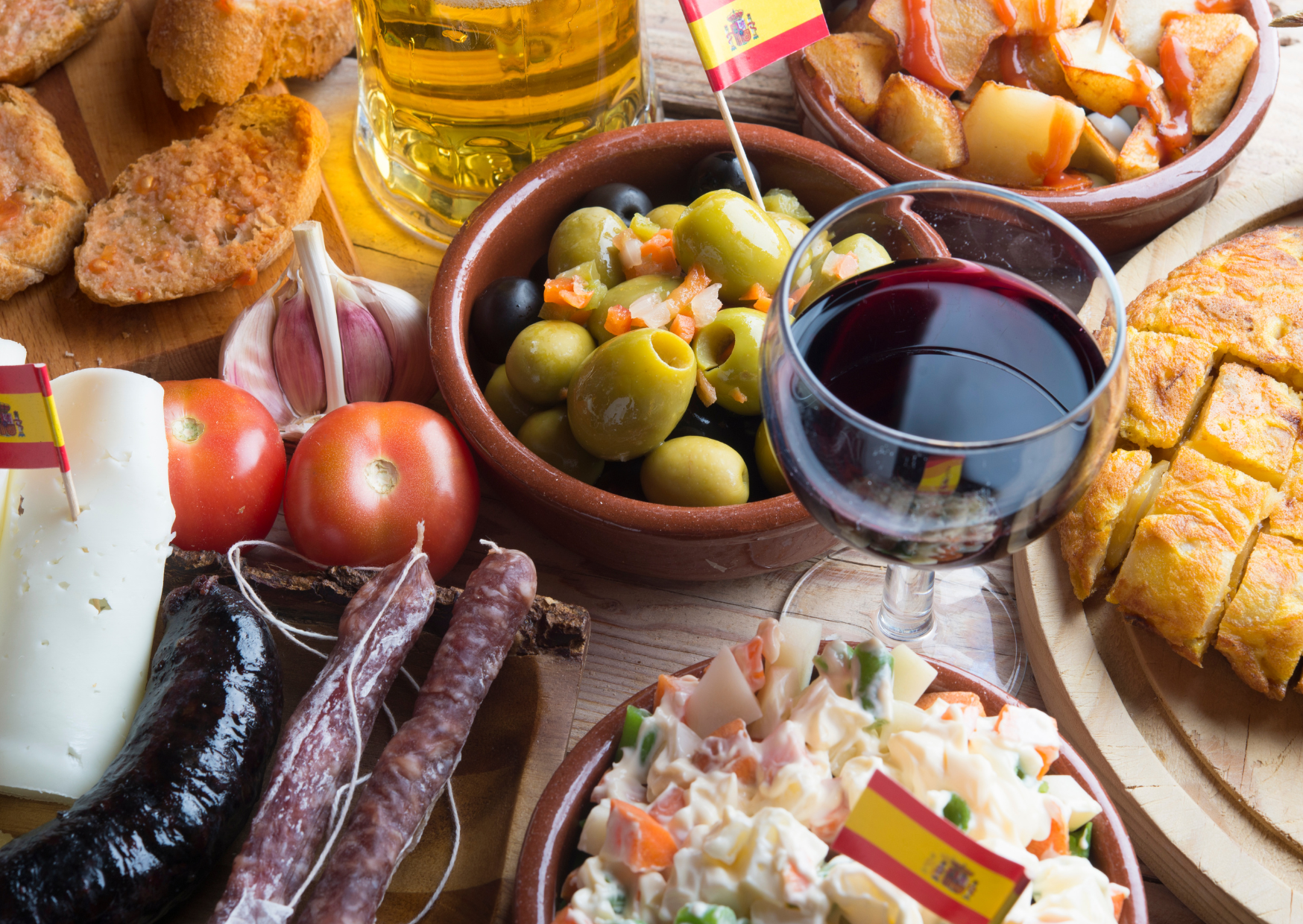
Walk any city at two classic moments and you see the pattern. At aperitivo time before lunch, and again around merienda or early evening, locals reach for three things above all: tinto de verano, vermut de grifo, and a copa de vino joven.
Tinto de verano is summer red wine. The formula is one part simple red wine and one part lemon soda or seltzer over ice. It is colder and lighter than wine, lower in alcohol than a cocktail, and built for heat. You can drink it at the bar and walk away feeling clear. That is why it shows up in neighborhood spots from Andalusia to Madrid. It is the everyday cooler, not a showpiece. Spanish outlets regularly frame it as the home-team choice when the alternative is a jug of fruit-packed sangria. Cold, simple, cheap is the appeal.
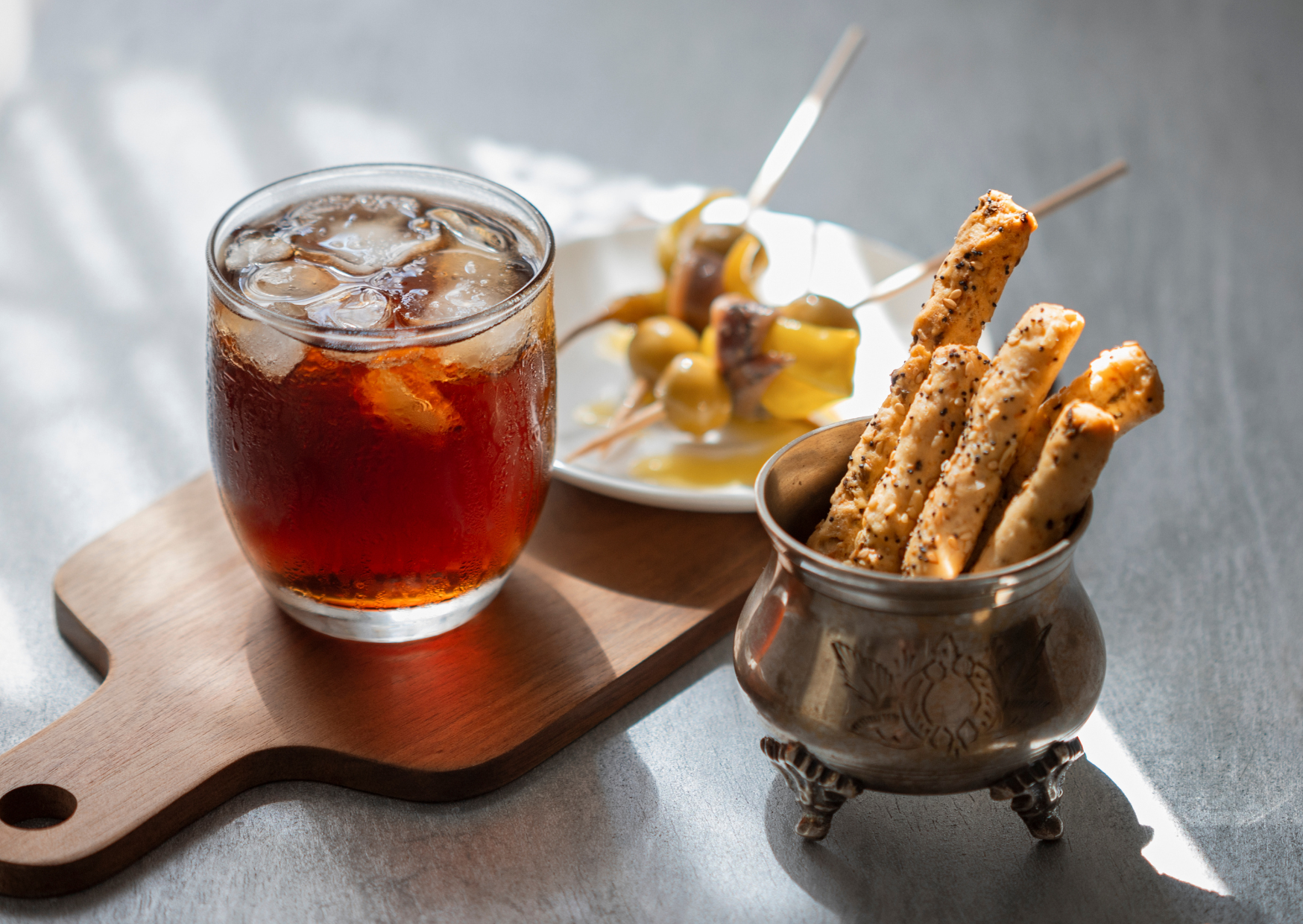
Vermouth has its own hour. La hora del vermut is the weekend ritual when people meet before lunch for a glass of lightly sweet, spiced wine on ice with a slice of orange and an olive. It tastes like a friendly nudge to appetite. In Madrid and Barcelona the tradition is visible again, with bars serving vermut on tap. Low effort, high aroma, perfect with a tapa.
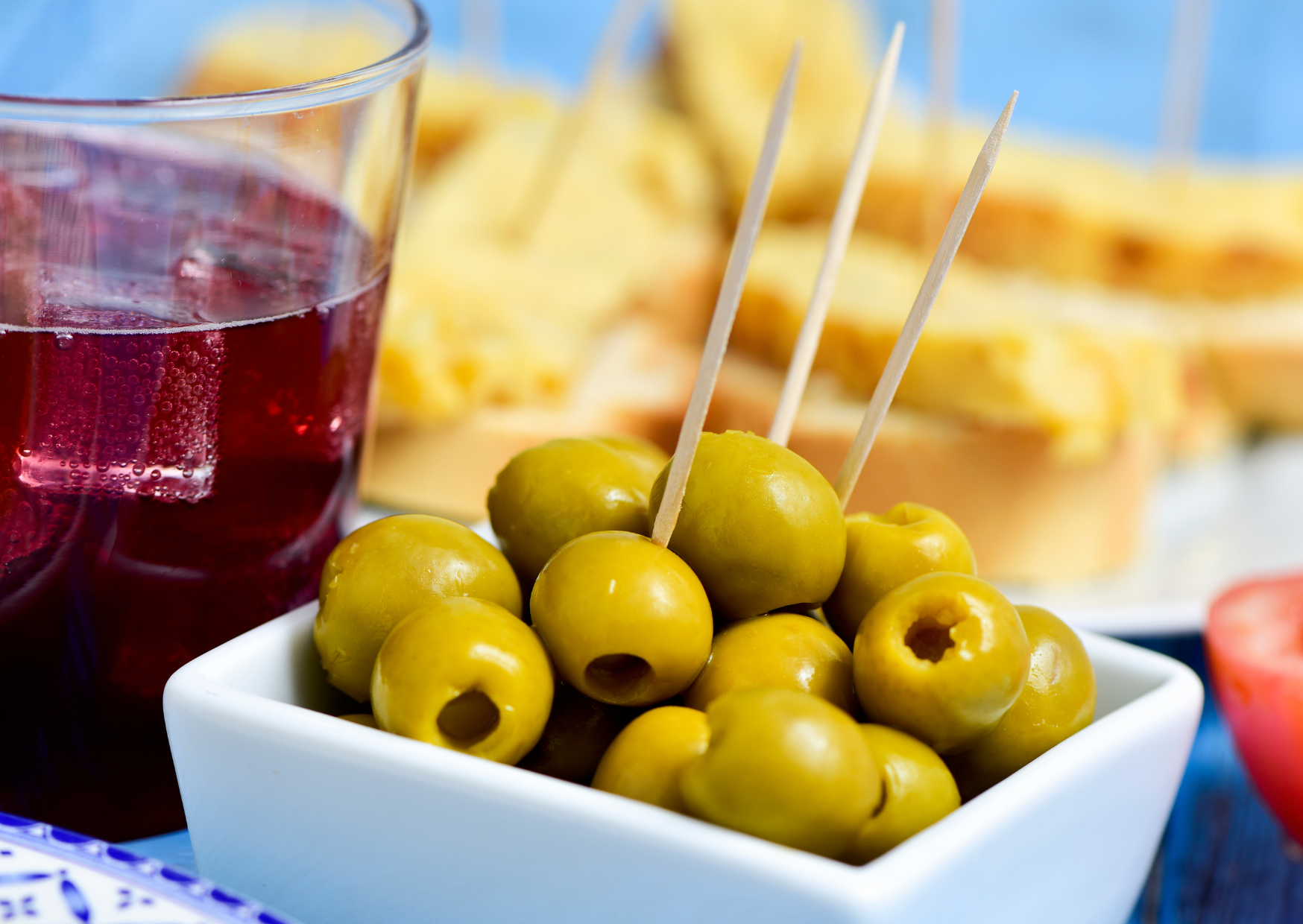
Then there is the small glass of young red or white, the vino del año or vino joven. It has no oak, plenty of fruit, and in many towns it costs a couple of euros at the bar. Order a copa de tinto or copa de blanco and you get a pour that is meant to accompany a tapa, not to dominate the table or your budget. Everyday wine, short pour, local rhythm.
Why sangria reads tourist in most everyday bars
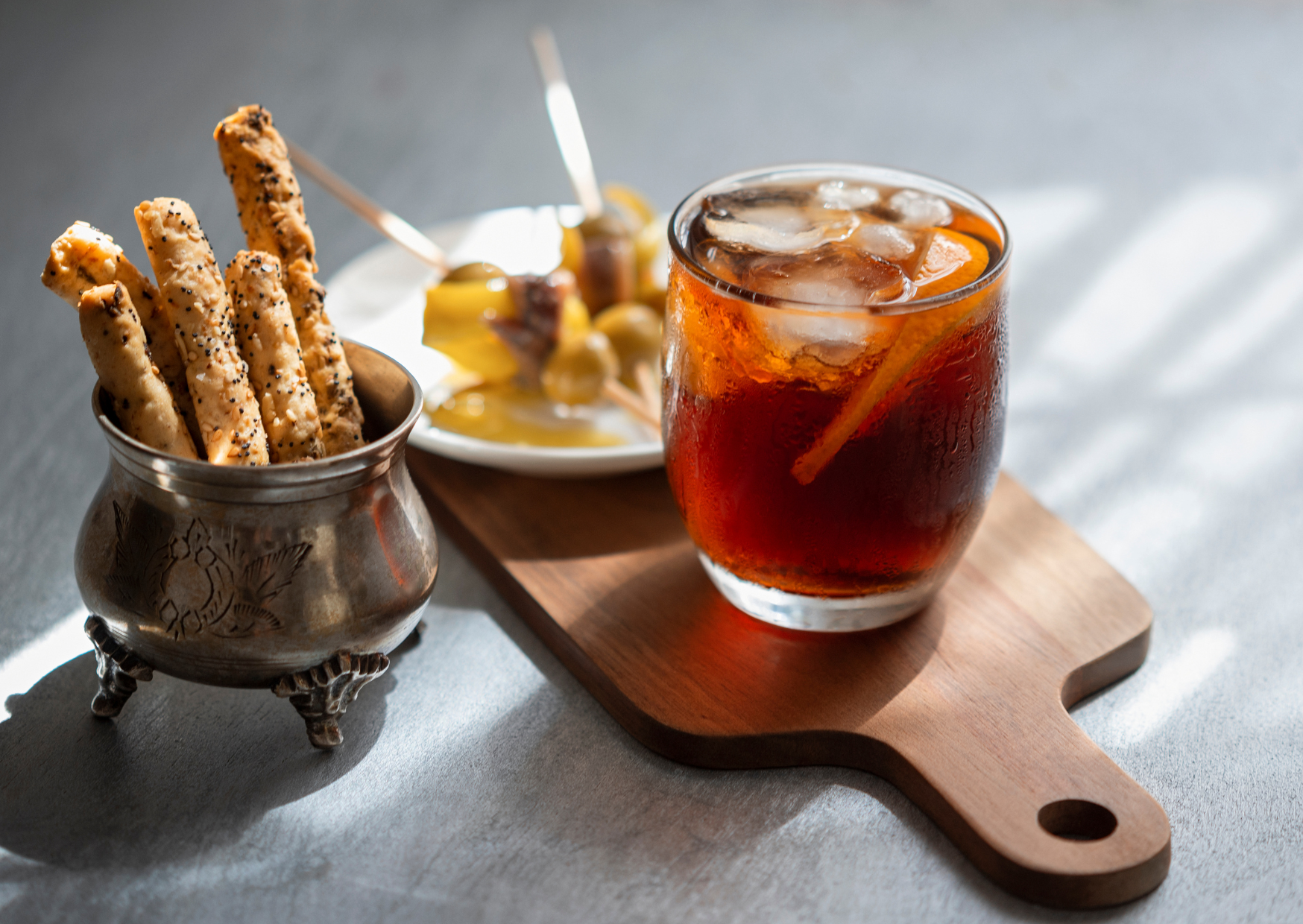
You can find good sangria. A careful mix built from decent wine, fresh fruit, and a touch of brandy is delicious at lunch on a hot day. But in ordinary bars far from the tourist core, sangria signals something different.
First, it is labor and logistics. Sangria requires fruit, prep time, and storage. Tinto de verano is a two-move pour. In busy neighborhood bars, speed wins. Fast to make, fast to serve, stays cold.
Second, it is context. Sangria became a global symbol of Spain. In Spain, locals often choose either tinto de verano or beer for the same moment because the flavor is cleaner and the price is lower. Spanish outlets and expat press regularly note the split: sangria is more common where visitors expect it, while locals default to tinto de verano or a beer when the sun is high. Local default, tourist classic, different lanes.
Third, it is price. The same bar that sells a €2 to €3 glass of young wine may sell a jug of sangria for the price of a light lunch. That is fine if you plan to share and linger. It is not how most people drink on a workday. Small money, small glass, no fuss.
There is a footnote that matters. Sangria is formally defined in EU rules as an aromatised wine product made in Spain or Portugal. That is a label issue, not a lifestyle one. It tells you what it can be called, not who orders it. The cultural pattern still holds. Protected name, separate habit, order what locals drink.
The €2 glass, explained: joven, del año, cosechero

If you want the everyday wine at an everyday price, learn the words and the rhythm.
The category to look for is joven. It means the wine is young, usually unoaked, bottled to be drunk within a year or two. Rioja and other regions produce oceans of it. In Rioja Alavesa you will even find carbonic maceration reds that taste bright and soft, made expressly for early drinking. They are what locals ask for when they want a glass with a tapa at noon. Young wine, fruity and fresh, poured by the glass.
In old-school taverns you might hear cosechero or vino del año for wine made from a grower’s own harvest, sold young and locally. Do not overthink it. If a blackboard lists wines by the glass, point to the house red or white and say una copa del joven, por favor. If you are unsure, ask the bartender which glass the regulars are ordering. In many cities outside the tourist center, you will pay two to three euros for a small pour. In specialty sherry bars you can still find copas around two to two-fifty. Short pour, low price, high turnover.
At lunch, Spain’s menú del día often includes a drink in the fixed price, and a glass of wine is still common. It will not be a grand reserva. It will be serviceable and honest, which is the point. Set lunch, drink included, sensible wine for food.
What to order instead of sangria, city by city
You do not need a master list. Two or three smart choices make you look and feel local in any region.
In Andalusia, ask for tinto de verano on ice. If you want a twist, try rebujito at feria time, a long drink built from manzanilla sherry and lemon soda. With fried fish or a plate of salmorejo, the cold, citrus lift makes sense. Heat friendly, low effort, fits the food.
In Madrid, treat yourself to vermut de grifo on weekends. It is pre-meal by design, the hour where a small plate of gildas or boquerones keeps your appetite pointed toward a late lunch. If you insist on wine, ask for a copa de tinto joven and see what they pour. Ritual first, glass second, lunch next.
In Catalonia, vermut culture is strong and the white wines can be very fresh. A simple clara or lemon-tinted lager also shows up when the heat rises. If you find yourself in a bodega that pours from the cask, a small glass of house wine is perfect with a slice of tortilla. Bodegas survive on regulars, pours are modest, snacks are salty.
In the north, do not be surprised by kalimotxo at parties, half red wine and half cola over ice. It is not a joke. It is exactly what people drink outdoors because it is friendly and cheap. In cider towns you will see sidra pour with a controlled splash. Party drink, local habit, no performance needed.
Everywhere, the same two ideas hold. Order the drink that is quick to mix and quick to drink when the sun is high. Save elaborate things for a slow lunch or a night you plan to linger. Time of day matters, speed matters, heat matters.
How to order like you live here
Spanish bars run on small courtesies. A few phrases and habits make everything smoother.
At the counter, make eye contact and say hola first. When you are ready, say una copa de tinto joven, por favor or un tinto de verano, por favor. If you want it less sweet, you can ask for con soda instead of lemon soda. If you want beer, ask for una caña for a small draft, not a pint. Short phrases, short pours, short waits.
If you want vermouth on ice, say un vermut de grifo con naranja y aceituna. If you do not see a tap, ask which vermouth they are pouring by the glass. It will arrive cold, aromatic, and ready for a skewer of olives. Ask the pour, trust the bar, eat with your drink.
In many places a tapa will appear beside your glass. It might be olives, chips, or a bite of tortilla. Say gracias and try it. There is no hard rule about refills and tapas, but one round will not buy you dinner. Take what comes, order what you want, pay and move on.
If you want a small second round, do not order a jug. Order another glass. Locals drink in short rounds, then change bars or go home. The size keeps the drink cold and the afternoon clear. It is the opposite of a long, sugary jug that warms on the table. Cold glass, quick sip, on to the next.
The money math: why the local order costs less
Spain’s bar economy is built on volume and normal prices, not on one-off showpieces. A small wine, a small beer, or a tinto de verano is designed to be affordable for everyday life. Across many cities you will still see wines by the glass from about €2 to €3.50 in ordinary bars, sometimes less in sherry taverns or provincial towns. Menús del día continue to include a drink at a fixed price in the mid-teens to twenties depending on the city. Affordable glass, included drink at lunch, no sticker shock.
Now compare that with a jug of sangria in a tourist zone that can run well past ten euros for a portion that is mostly ice. Your budget goes further and your afternoon is better if you copy what the regulars are actually ordering. The win is not only money. It is time. A small glass empties at the right pace and lets you keep walking.
If you want proof that locals still care about everyday value, look at how the fixed-price lunch persists even as costs rise. Millions of these menus are sold daily. They survive because they are predictable, include a drink, and feel fair. The everyday bar scene follows the same logic. Fair price, regular habit, happy room.
A simple script to avoid tourist traps
You do not need to police yourself. A few decisions keep you in the local lane without thinking.
At lunch, look for a menú del día chalkboard and scan the price. If it fits your budget, sit down. If you prefer a snack, step into a tasca or bodega with locals at the counter and order a small wine or tinto de verano. If the only wines by the glass start at double what the café down the street charges, you are probably standing in a place that lives on visitors.
At aperitivo time on Sunday, say un vermut de grifo and enjoy the small ceremony. If you want something colder and lighter at the beach, say un tinto de verano con limón. If you are in the north at a fiesta, say un kalimotxo and let the night be easy. The order bends to the region, not to a single postcard idea.
At dinner, if you want sangria because it sounds fun, order it. But know why the room looks different when you ask for vino joven or vermut instead. You are speaking the local grammar of drinks: small, cold, and priced to do it again tomorrow.
The souvenir you can take home
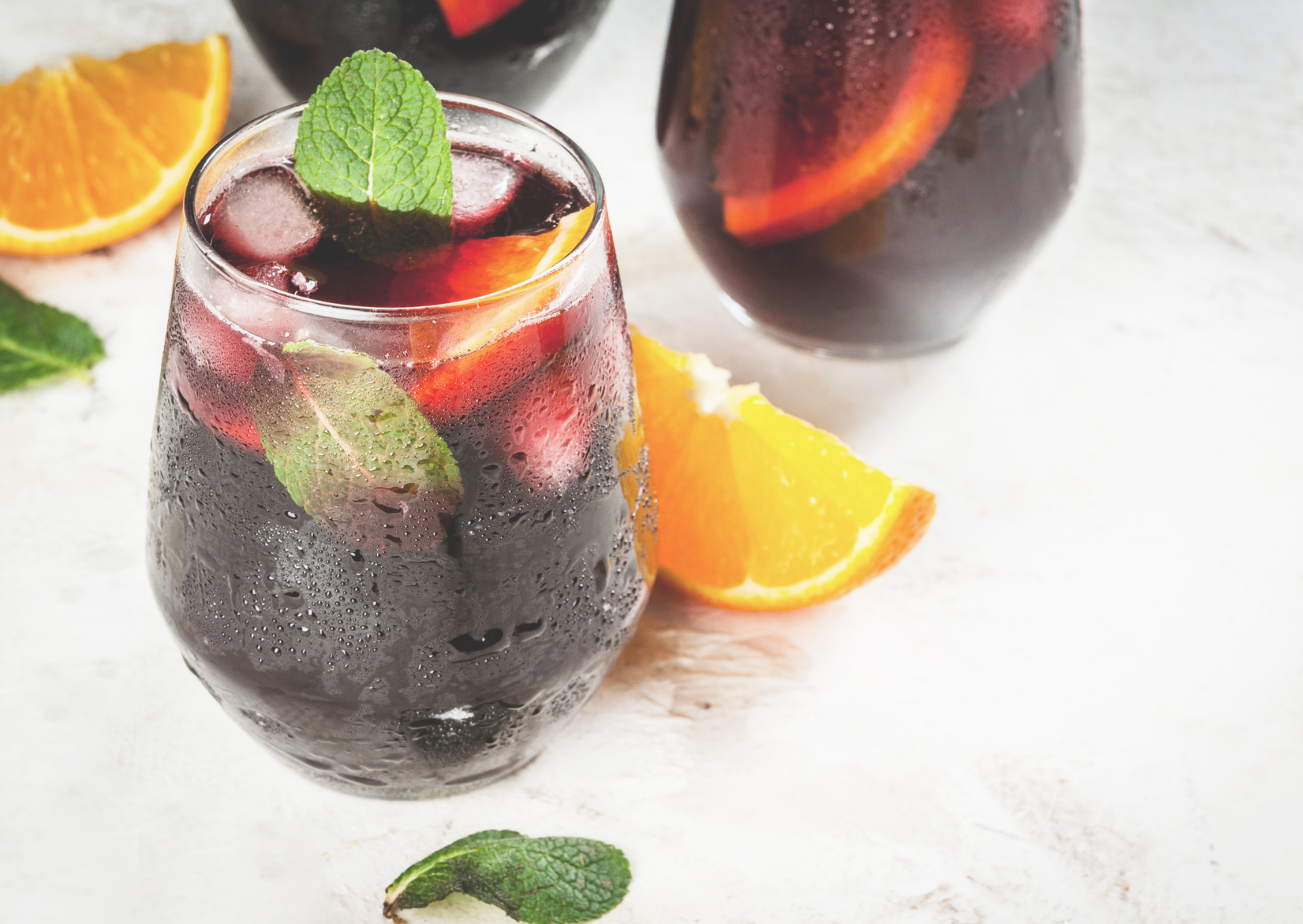
The point is not purity. It is proportion and rhythm. The Spanish trick is to build everyday drinking around simple wine and soda, a short glass of vermouth, or young wine by the glass. The rest of your day still belongs to museum steps, late lunches, and the sun at nine.
Back home, you can borrow the habit without trying to be Spanish. Keep a bottle of decent young red on the counter. Keep lemon soda or fizzy water cold. Mix a small tinto de verano when the afternoon is hot, then take a short walk and cook. If friends come over, pour small glasses of a fresh, unoaked red with a plate of olives. Save complicated drinks for nights that deserve them. You will spend less money, feel better the next morning, and enjoy your evenings more because the drink supports the day rather than replacing it.
Sangria can be lovely when someone puts care into it. But the everyday Spanish answer to heat and habit is smaller, colder, and kinder to your wallet. That is why the locals keep ordering it, and why your trip will be better if you do too.
Origin and History
Sangria’s origins stretch back to early Mediterranean wine punches, long before it became the colorful tourist drink known today. In ancient times, mixing wine with fruit, spices, and water was a practical way to sanitize beverages and make lower-quality wine more palatable. This tradition evolved across Spain and Portugal, where families created their own regional variations using whatever fruit and wine were available.
By the nineteenth century, sangria took on a more recognizable form, especially as Spain began showcasing its wines internationally. When it debuted at the 1964 World’s Fair in New York, Americans embraced it as a refreshing, exotic symbol of Spanish culture. Its popularity exploded abroad, transforming it into a beverage almost synonymous with “vacation mode.”
Back home in Spain, however, sangria remained a simple, homemade drink reserved for casual gatherings, not a proud national symbol. It never entered the daily dining culture in the way foreign visitors imagine. Instead, it remained a seasonal, situational beverage, overshadowed by the country’s richer and more established wine traditions.
One of the most misunderstood aspects of Spanish drinking culture is the assumption that sangria is the national drink of choice. In reality, many Spaniards view it as something created for tourists, especially since most restaurants in tourist zones sell pre-mixed, overly sweet versions that locals would never order. This gap between tourist perception and local habits fuels a quiet cultural debate.
Another point of controversy is that sangria’s fame abroad often overshadows authentic Spanish wines such as tinto joven and tinto de verano. Locals see these simpler wines as true representations of Spanish drinking culture, yet they rarely receive the international spotlight. Many Spaniards argue that tourism marketing has turned sangria into a stereotype rather than an authentic tradition.
Some even feel that sangria has been diluted by commercialization to the point where it no longer reflects the original household recipe. What was once a family-made punch is now mass-produced in bottles and served as a sugary novelty. This commercialization contributes to the belief that sangria is more of an export product than a genuine expression of local Spanish life.
How Long It Takes to Prepare
Traditional homemade sangria can be prepared in just fifteen minutes, but the real magic lies in letting it rest. Most Spanish families mix red wine with fruit, a touch of brandy, and a bit of sweetness before letting the mixture chill for several hours. This resting time allows the flavors to blend naturally without becoming syrupy.
If you’re making the drink for a gathering, it’s best to prepare it the night before. This not only deepens the fruit’s infusion but also ensures a smoother balance between the wine and other ingredients. Despite its simplicity, patience is what separates proper sangria from the rushed versions served to tourists.
That said, Spaniards rarely put this effort into making it at home because they often prefer something far quicker: tinto de verano. This mix of red wine and lemon soda takes less than a minute to prepare and is the drink you’ll actually find on most Spanish tables. Its ease and affordability are exactly why it outshines sangria in everyday life.
Serving Suggestions
If you do decide to make sangria at home, consider using a dry, inexpensive red wine. Spaniards never waste expensive bottles on sangria, and neither should you. Pair your pitcher with fresh citrus fruits, apples, or peaches, and keep the sweetness minimal to avoid overpowering the wine.
For a more authentic Spanish experience, skip sangria entirely and serve tinto de verano. Simply mix equal parts table red wine with sparkling lemon soda, add ice, and garnish with a lemon slice. It’s refreshing, light, and far closer to what locals drink during warm evenings.
Another beloved local alternative is a basic €2 tinto joven. This young red wine is meant to be enjoyed without ceremony or aging. Pour it into a simple glass, serve with tapas such as olives, cured meats, or cheese, and you’ll instantly understand why Spaniards favor it over sugary cocktails.
Final Thoughts
Understanding why Spaniards rarely drink sangria reveals much more about the country’s culture than just a beverage preference. It highlights the contrast between tourist expectations and the everyday habits of locals, offering a more honest look at how Spanish people truly live and eat. It also reminds us that not everything popularized abroad reflects authentic tradition.
The real Spanish drinking culture is straightforward, unfussy, and rooted in simplicity. Locals value affordable wines meant for casual enjoyment rather than elaborate cocktails served in oversized pitchers. Whether it’s a €2 bottle or a quick tinto de verano, the emphasis is always on freshness and balance rather than excessive sweetness.
By exploring the truth behind sangria’s reputation, you gain a deeper appreciation for Spain’s humble, everyday wines. Next time you visit or host friends at home, consider serving the drinks Spaniards actually love. You may find that the simplest choice is not only the most authentic but also the most enjoyable.

About the Author: Ruben, co-founder of Gamintraveler.com since 2014, is a seasoned traveler from Spain who has explored over 100 countries since 2009. Known for his extensive travel adventures across South America, Europe, the US, Australia, New Zealand, Asia, and Africa, Ruben combines his passion for adventurous yet sustainable living with his love for cycling, highlighted by his remarkable 5-month bicycle journey from Spain to Norway. He currently resides in Spain, where he continues sharing his travel experiences with his partner, Rachel, and their son, Han.