
If you think a Chicago winter prepares you for the Netherlands, you are using the wrong metric. Chicago is colder on paper, the Netherlands is colder in real life. Wet cold plus wind plus bicycles at 07:45 with two tired kids will beat your North Face and your Midwestern pride by the second week of January. The difference is not the thermometer. The difference is moisture, daylight, and a life built around being outside anyway.
I am going to map the failure points and give you a fix for each one. Weather, daylight, houses, school rhythms, bikes, clothes, food, money. You do not need to be heroic, you need to be Dutch about it, which means small moves repeated every day until the season ends. This is the winter that chews up enthusiastic Americans who believe the right parka solves everything. It does not. Your schedule, not your jacket, decides whether you last.
The weather math Chicago gets wrong
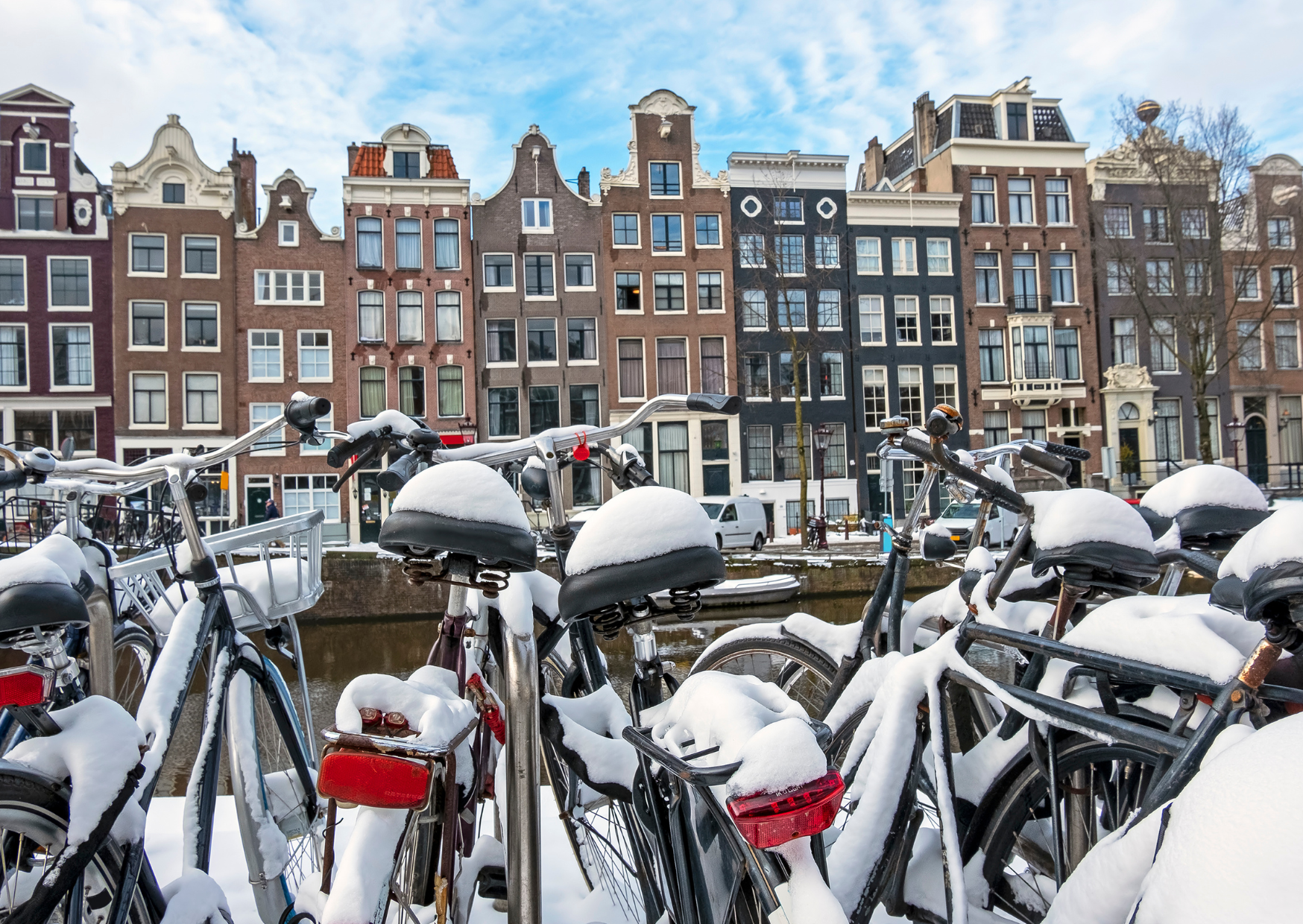
Chicagoans compare highs and lows and declare themselves ready. They are not. The Netherlands trades deep freezes for endless maritime damp. Most winter days in Amsterdam, Utrecht, or The Hague sit between 2 and 7 °C, with humidity above 80 percent and wind that finds your sleeves. Chicago gives you sun with your cold and a car door ten steps from your lobby. Dutch life gives you two school drop offs, headwind, and drizzle that turns into mist that turns into actual rain all between 08:00 and 09:00.
You can stand outside Soldier Field at minus eight and feel tough. Try a sideways rain at four degrees on a bike path that offers no cover and tell me about toughness. Wet makes cold relentless. If you do not respect that, you will hate every errand and you will quit small things until your life stops working.
Moisture is the enemy, not the air temperature.
Daylight is not a mood, it is logistics
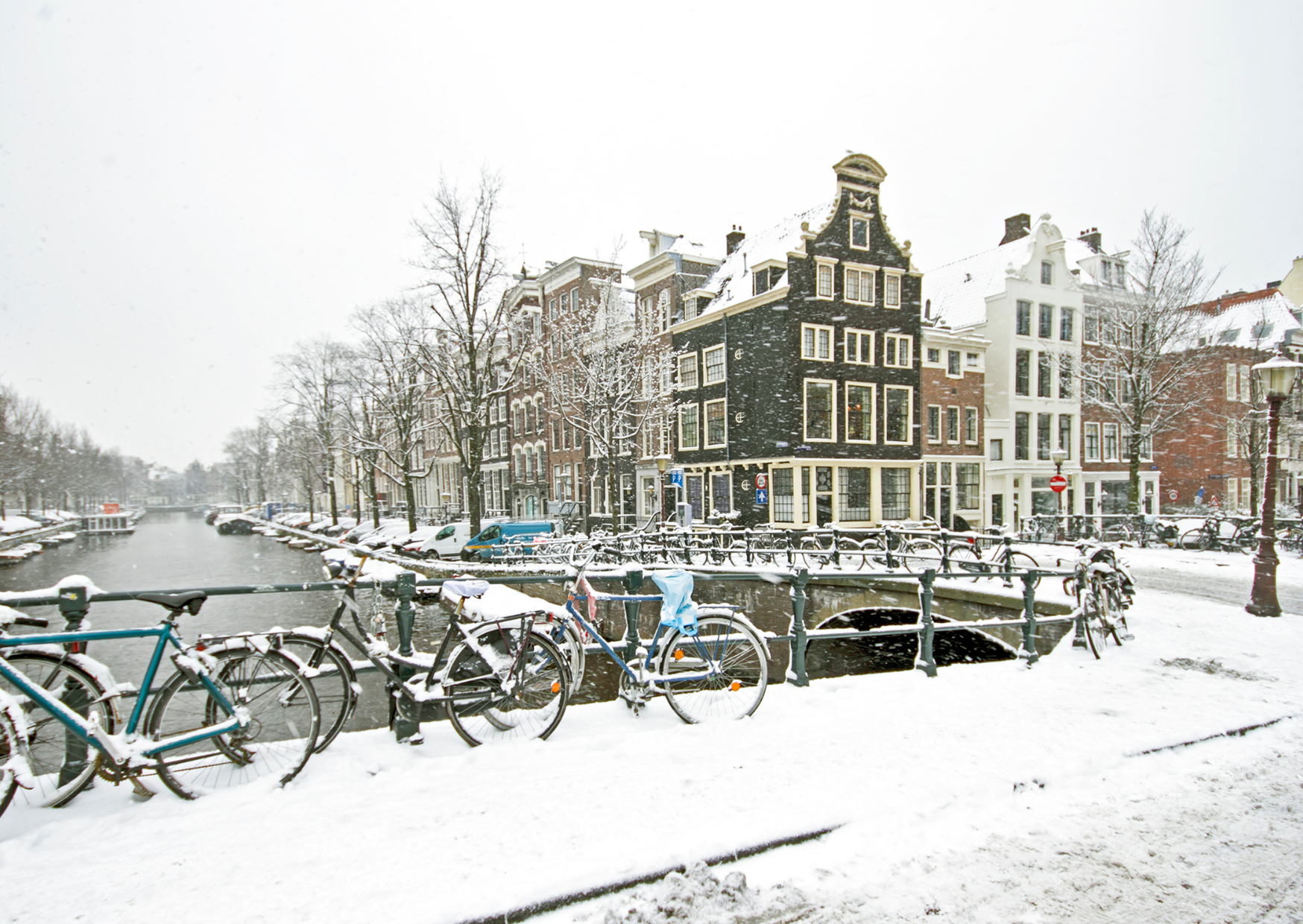
Chicago winter is short on light. The Netherlands takes that and shrinks the day even more, especially from late November to late January. Sunrise close to 08:45, sunset near 16:30, with weeks where clouds never open. Friends from Chicago tell me they can handle anything because they handled lake effect and gray skies. Then they try to run Dutch schedules without a daylight plan and the house turns into a sleep lab.
Key mistake: treating seasonal affect like vibes. The Dutch treat it like a household utility. Morning outdoor light, even five minutes, becomes mandatory. Warm lunch in daylight replaces the American habit of grabbing something dead at a desk. Screens are parked earlier. If you ignore daylight, you will suffer whether you believe in science or not. Your brain needs light and a meal at the right time or it drags you through February like a suitcase.
Light exposure is a chore, not a mood board.
Houses are not warm the way you think
Chicagoans arrive expecting indoor tropical air. Dutch houses are insulated, ventilated, and sensible, not overheated. Radiators are set for steady modest warmth, windows are cracked for air exchange, and everyone respects drying cycles for laundry because humidity grows mold and misery. Americans fight the house at first. They blast heat, close vents, trap moisture, then wonder why walls sweat and towels never dry.
Fix: use the house the way the house wants to be used. Radiators low and constant, ventilation on, doors closed to keep rooms stable, dehumidifier if you are a shower marathoner, and actual drying racks that sit away from radiators to let the air do the work. You will be less cold when air is dry and moving predictably. This is counterintuitive if your reference point is a Chicago condo with forced air.
Comfort comes from dry, not from hot.
Bikes are the winter test you cannot skip
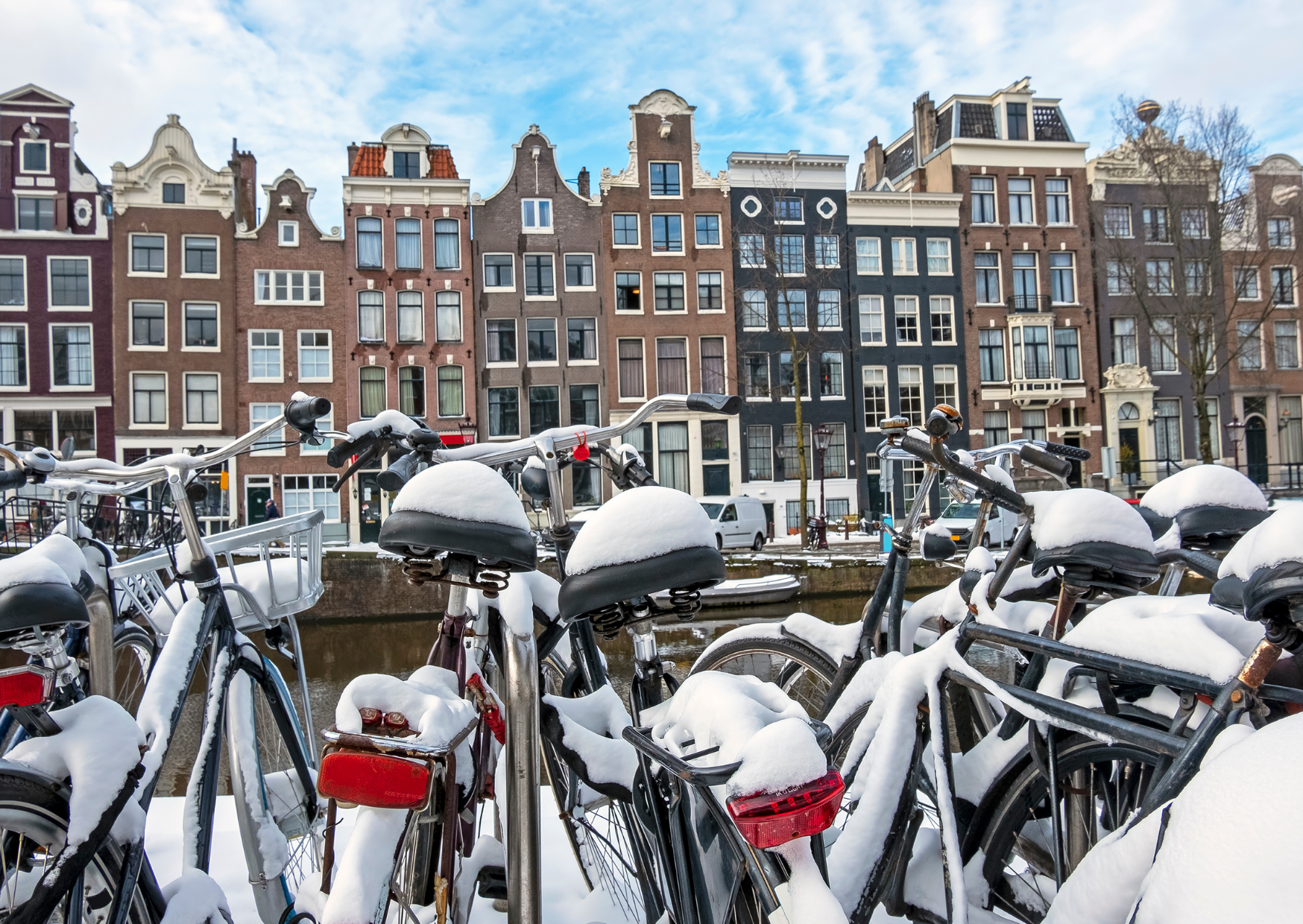
You think you will drive. You will not, or you will hate yourself when you try to park. Schools and aftercare expect a bicycle drop off rhythm, and traffic around pick up hours makes American drivers look theatrical. The Dutch bike in every season because the city is built for it and because bikes are time, not identity.
Chicago families fail here. They treat cycling as optional when the weather turns. Then their day breaks because every trip becomes a car trip and every car trip becomes a search for legal parking and every parking fail turns a ten minute chore into a forty minute stress. The water gets in, the wind keeps you honest, and the car cannot save you.
Fix: invest like locals. One bakfiets or longtail, proper full length rain capes for adults, ponchos for kids that cover to the knee, bar mitts for hands, waterproof shoe covers, lights that could guide a ferry, and a cover for the bike seat so you are not sitting in a sponge at 07:58. If this sounds expensive, compare it to a second car and a therapy bill.
Cycling is the winter affordability plan, not a lifestyle pose.
Kid routines break first
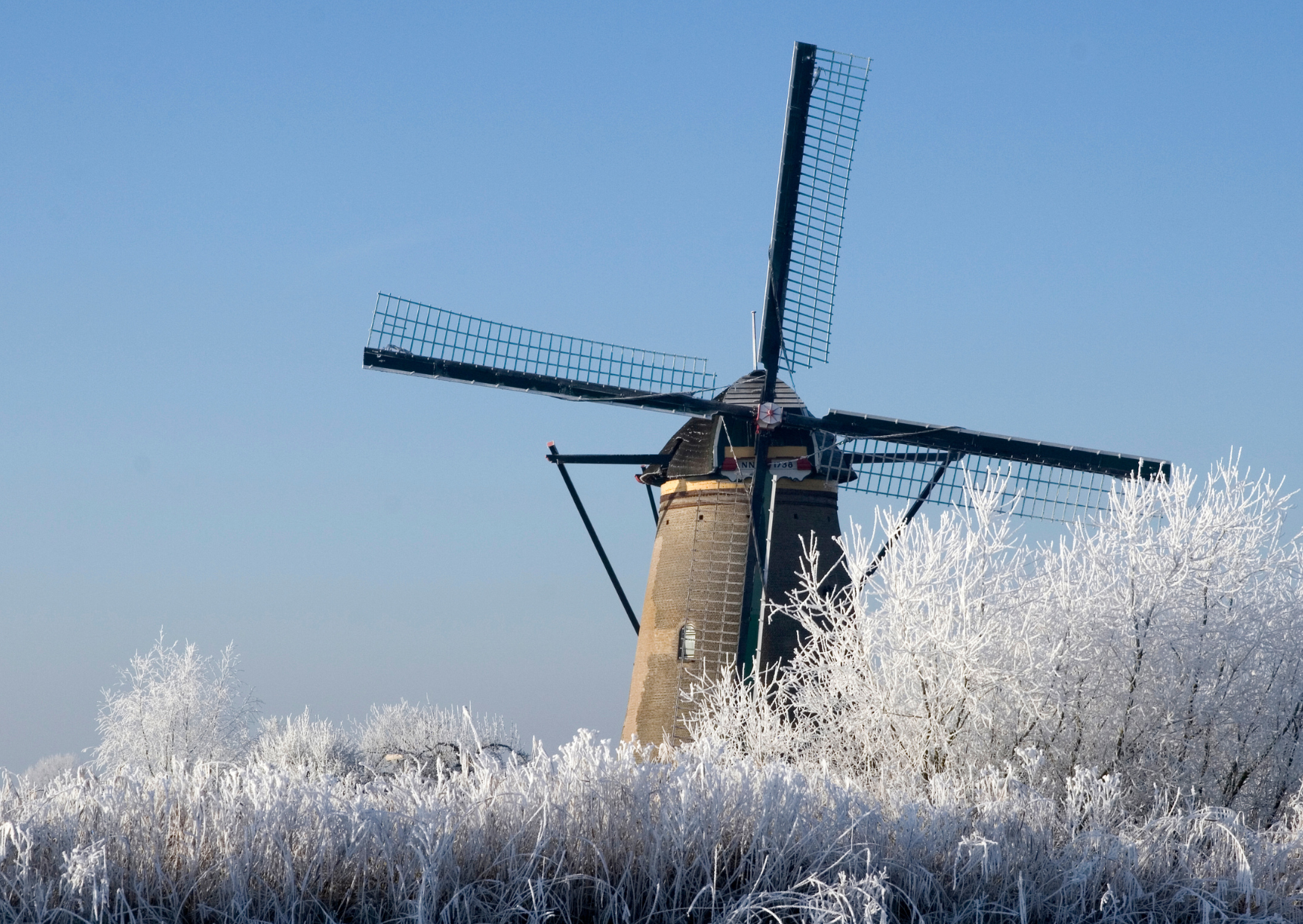
Children are the humidity of family life. They amplify everything. Chicago kids are used to being driven door to door, wearing fashion coats, and eating late. Dutch school runs expect children to bike or ride on your bike, wear rain pants and reflective bits, and eat lunch earlier with simpler food. The shock is immediate. The first week humbles everyone.
Where families fail: they try to keep American mealtimes and push dinner to 19:30 or 20:00, which makes mornings harder and sleep worse, then they drop activities because everyone is exhausted, then they stop biking because the car feels easier, then they start paying for convenience because they lost the routine that made convenience unnecessary. That spiral ends in the sentence, we tried, the country is lovely, maybe later.
Fix: move the main meal to lunch on school days, even when you are at home and not in a cafeteria culture. Soup first, plate, fruit last. Make dinner small and early, and adjust bedtimes thirty minutes sooner. Prepare the bike gear the night before and teach kids to layer without drama. If you win the timing battle, you win winter. If you lose it, every chore feels like an insult.
Sequence beats heroism.
Work life, meetings, and why you keep getting soaked at 14:30
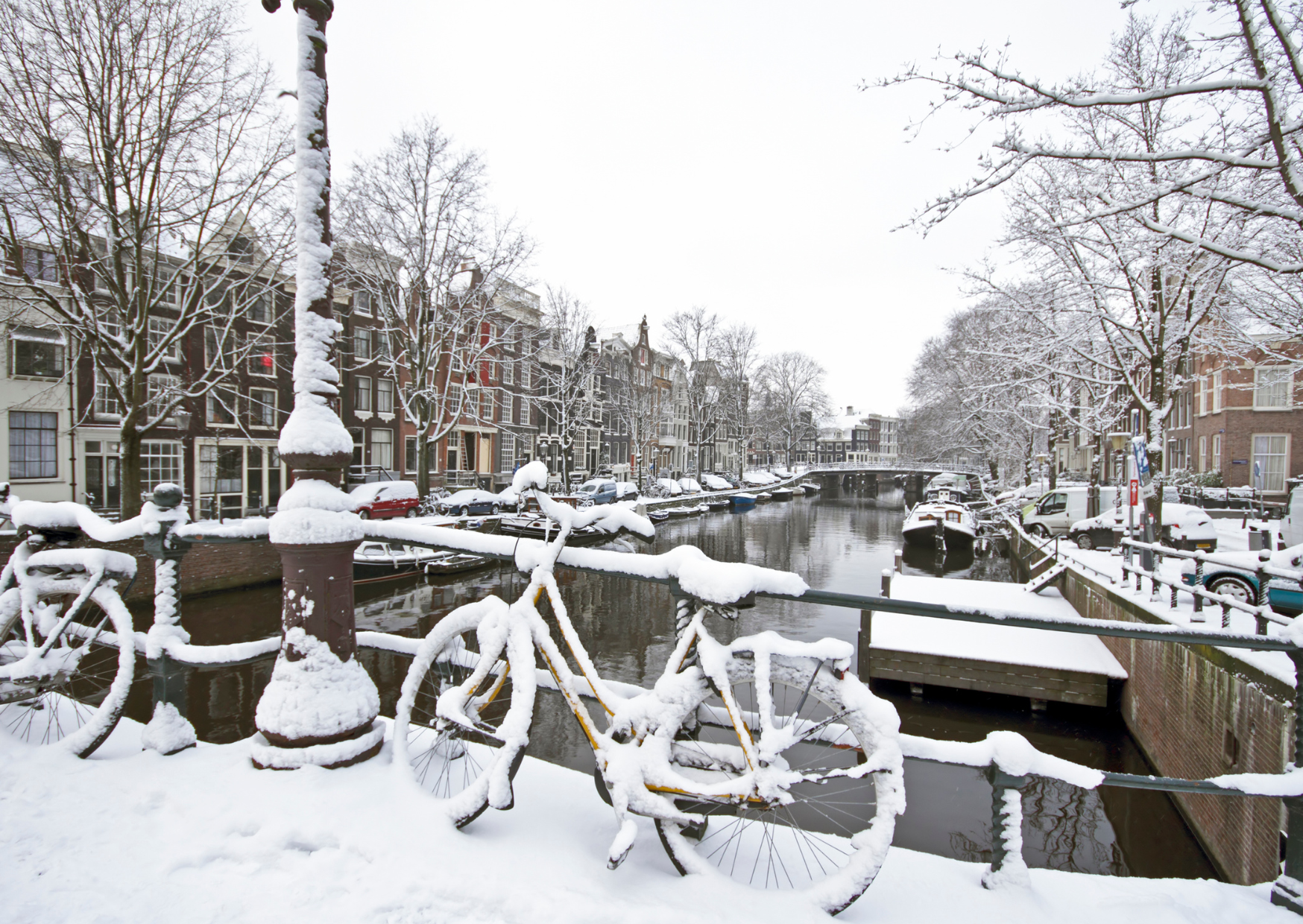
Chicago day runs like this: drive, meeting, drive, meeting, lunch whenever the calendar permits, drive, home. Dutch day runs by bike and train. When you schedule calls at 14:00 across town, you are scheduling a wet sprint. You will arrive damp and late, you will call the rain annoying, and your colleagues will wonder why you refused to live like a neighbor.
Fix: plan meetings by bike time, not by Google Maps car fantasy. Build a fifteen minute rain margin into winter afternoons. Carry a dry base layer in your bag. Keep a small towel in a zip pouch for your hair and face. Swap to phone calls for the last stretch if the sky opens. People here do not judge you for weather management. They judge you for pretending weather is optional.
The calendar is your coat.
The money leaks you did not see coming
Chicago is expensive. Dutch winter leaks money in ways that feel small and turn into a bill. Dryer overuse, electric heaters for rooms that need doors instead, takeaway because you missed the lunch window, taxis when you miss the train because you refused to buy rain pants, doctor visits because you underdressed kids and overreacted to a cough. Add it and you will burn through 300 to 500 euros a month in avoidable costs.
Fix: spend once on real rain gear, keep soup as a fridge habit, and choose a bike route that cuts wind even if it is longer, because wind is a bill. Public insurance handles real illness well, so save your energy for prevention. You will have more money by March if you buy conditions instead of compensations.
Pay for routine, not repairs.
Clothing is a system, not a closet
Chicago has big coats and big boots. The Netherlands runs layers with a rain shell. The winning kit is boring and repeatable: merino base for adults, synthetic quick dry for kids who sweat hard, mid layer that breathes, and a waterproof outer that is truly waterproof and long enough to cover your lap on a bike. Rain pants are not optional if you commute by bicycle. You also need thin gloves you can stack, not one giant pair that becomes a sweat bag, and a cap that fits under your helmet.
Your shoes matter. Leather that takes wax, rubber that tolerates puddles, or sneakers that forgive rain if you wear covers. Keep a dry pair at work. If you rely on winter boots only, you will avoid errands because boots are a project.
Cotton kills comfort in wet cold.
Food timing is the hidden thermostat
Cold and wet push families into late dinners and heavy portions. That guarantees bad sleep, grumpy school mornings, and a second coffee that never quite works. The Dutch winter fix is unexciting and effective. Make lunch the main meal on weekdays. Start with vegetable soup, move to a warm plate, end with fruit, then walk or bike ten minutes. Dinner turns into a small thing, early, and sleep arrives like a polite guest.
Run that for two weeks and your winter mood changes because your evenings stop begging for relief. Calories matter less than sequence. Chicago families who keep the American dinner script in a Dutch winter burn out because the body cannot digest a 20:30 hero meal and wake happy at 06:45.
Your thermostat is your timetable.
School, sports, and the expectation of presence
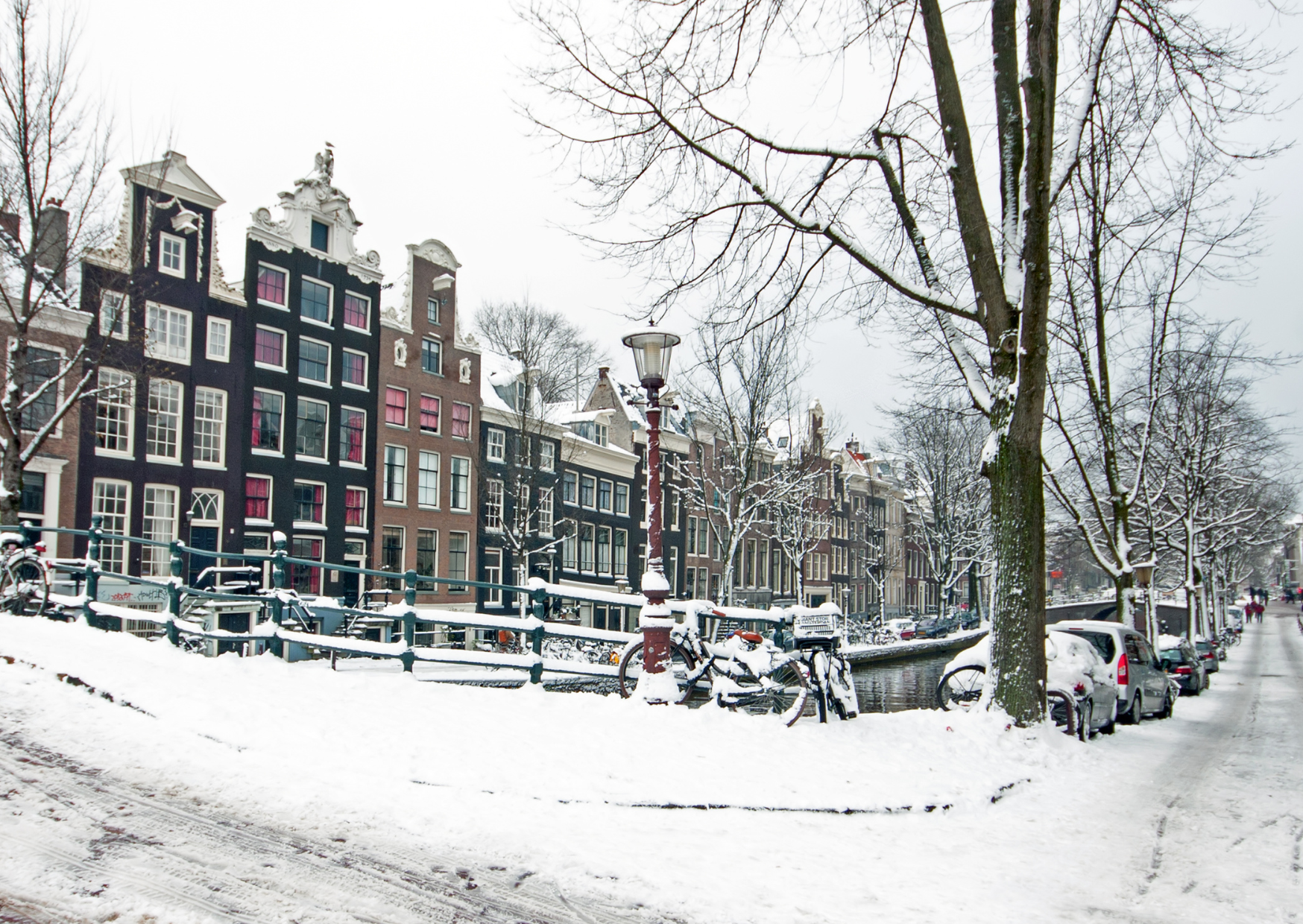
Dutch primary schools and clubs will not chase you. They expect you to show up on time, in weather, with the right kit. If you cancel a junior football practice because of drizzle, no one will say anything, they will simply not count on you next time. Reliability is the social currency. Chicago can forgive tardy arrivals because traffic is a villain everyone accepts. The Netherlands does not use traffic as an alibi. Bikes ignore traffic and that exposes your planning, which is uncomfortable until it makes you proud.
Fix: pad the day, pack the bag the night before, keep spare gloves and socks in the club locker, and choose one activity less than you think you want through winter. Fewer commitments that you keep beat many commitments that keep you frantic.
Predictable beats impressive.
Health care realities that cut through the noise
American families expect instant answers. Dutch GPs protect the system by watchful waiting for simple colds and coughs. You will be told to rest, hydrate, and return if it worsens. This is not neglect. It is confidence in how bodies recover. Chicago parents panic at first, then discover that half the winter is self limiting if you respect sleep, timing, and clothes. You will save time and distresdutrh s by learning the triage rules and trusting pharmacists who behave like frontline clinicians.
Fix: make one GP your person, accept that antibiotics are not handed out for every cough, and keep paracetamol, ibuprofen, saline, and honey in the house. Good timing and warm lunches are cheaper than a second opinion.
Calm is part of treatment.
The real reason families quit by February
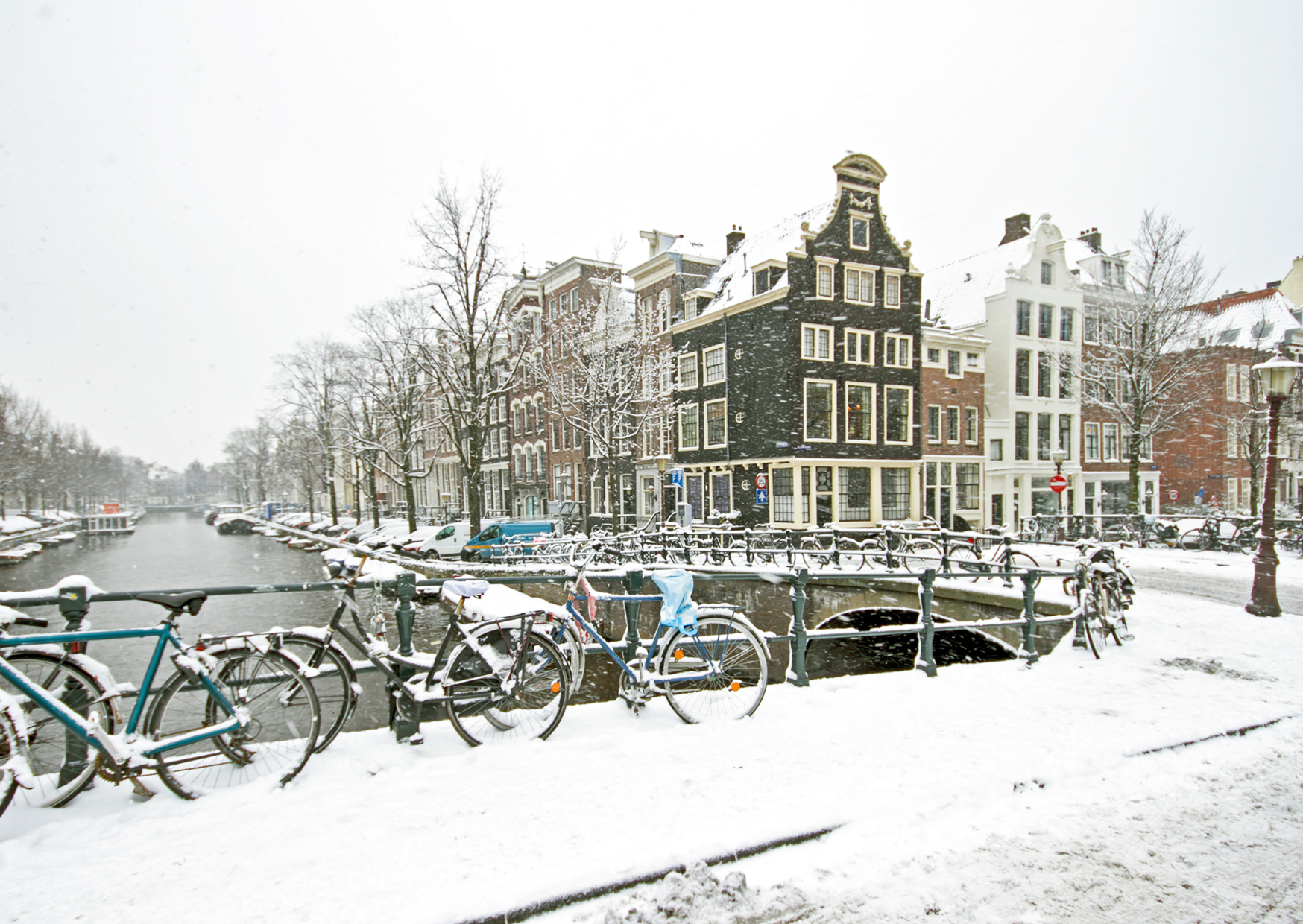
It is not language. It is not cuisine. It is the grind of arriving wet to everything and the decision fatigue of never having what you need. You do not quit because you dislike the Netherlands. You quit because every day feels like an exam you keep failing by ten minutes. That is what the 81 percent number means in practice. Not a survey, a pattern. People who arrive with car logic try to brute force a bike city in wet winter, and they bleed quiet until they choose somewhere sunny.
Fix: install routines that erase decisions. Same routes, same racks, same drying schedule, same lunch structure, same evening phone sleep. You will stop negotiating with the day and start living inside it.
Routine is winter’s central heating.
A two week reset for Chicago families who want to last
Put this on your fridge. No willpower speeches. Just runs you can repeat.
Week 1: Gear and light
- Buy rain pants for every riding family member, real waterproofs, and bar mitts.
- Install front and rear lights bright enough for heavy rain.
- Put a light session outdoors within one hour of waking, every day.
- Make vegetable soup for four lunches.
- Move fruit to the end of lunch, not as a random snack.
- Drying routine: radiators low and steady, doors shut, ventilation on.
Result: you will already feel less hunted.
Week 2: Calendar and food
- Lunch as main four days. Soup first, plate, fruit last.
- Dinner small and early by 19:00, then screens away by 21:30 two nights.
- Pack next day’s kit at 20:00, not at 07:58.
- Add one wind friendly bike route, even if it is longer.
- Keep spare socks and gloves in each kid’s backpack.
Result: mornings become boring. Boring is the goal.
Sequence beats heroics every time.
What to buy once so you stop buying every week
- Adult rain cape long enough to cover your lap on a bike
- Kid ponchos that snap to handlebars on a bakfiets or longtail
- Waterproof overtrousers with reflective tape
- Bar mitts and thin liner gloves you can stack
- Helmet cap that blocks wind and rain
- Shoe covers or waxed leather shoes
- Drying racks that allow air to move around clothes
- Front and rear lights with USB recharge and a simple mount
- Door hooks for wet gear so nothing lives on chairs
Buy once, and your errands stop costing time.
Remember: conditions, not compensations.
The script for school and work you will actually use
Short, calm phrases carry you further than long apologies. Use them.
- “We are switching to rain gear today, see you at the rack at 08:20.”
- “I will arrive by bike, adding ten minutes for weather.”
- “Lunch is our main meal today, I can do calls after 14:00.”
- “We will take the calmer route, it adds five minutes and removes the headwind.”
- “I will bring the soup, you bring the bread.”
You sound local when you schedule like a local.
Cost comparisons that change your mind
A second car in Chicago looks necessary. In a Dutch winter it becomes a slow leak. Try this math.
- Proper rain kit for four: 400 to 700 euros total
- Lights, mitts, covers, racks: 150 to 250
- Soup ingredients for a week of lunches: 8 to 12 euros
- Electric space heater habit because you refuse to use the house correctly: 40 to 80 euros monthly
- Takeaway twice a week because you missed lunch and arrived home late and starving: 120 to 160 euros monthly
- Taxis when you miss trains: 50 to 100 euros monthly
One time gear buys beat recurring panic purchases. By March the family who embraced rain gear and a lunch ritual will have spent less and slept more.
Spend once to remove a category of future spending.
Objections, answered plainly
“We are not bike people.”
You are calendar people. Dutch bikes are furniture that moves. You will like being on time.
“My kids will complain about rain pants.”
For three days. Then they will race puddles and forget. Children adapt faster than parents.
“I need my dryer.”
Use it for towels and unavoidable bursts. Otherwise dry air and routine keep clothes happy.
“I cannot eat lunch like a European.”
You can eat soup and a plate at noon. Your evening will thank you.
“I am worried about safety in rain.”
Buy the lights, add five minutes, choose milder routes, and accept that confidence rides behind predictability.
The checklist that carries you through to March
- Morning light within one hour of waking, even if it is gray
- Lunch as the main meal four days weekly, fruit last
- Ten minute movement after warm meals
- Rain gear at the door, not in a closet
- Drying routine baked into the day
- Meetings scheduled by bike time, not by fantasy
- One activity fewer than you think you can handle
- Screens parked early twice a week
- Spare dry kit in each bag
- Admit the wind, pick the calmer route
Tape that list. You will forget when you are tired. The list remembers.
What success looks like by late January
You will still be damp sometimes. You will still mutter at the sky. You will also notice mornings that start without panic, kids who know where their gloves live, lunches that finish appetite, dinners that end early, and bedtimes that feel like surrender to comfort rather than escape. You will look around on a Tuesday, see ordinary Dutch families doing ordinary things in hard weather, and understand why a Chicago resume does not guarantee survival here. It is not about strength. It is about rhythm in bad conditions.
Bottom line you can trust: families do not fail Dutch winters because of temperature, they fail because they never installed the routine that makes weather boring. Install it, and you will keep your sanity and your plans.
Final Thoughts
Buy rain pants today, not after the fourth wet school run. Put a towel and dry gloves in each backpack. Make a pot of vegetable soup and move your main meal to lunch twice. Add five minutes to every afternoon bike trip. Park your phone by 21:30 two nights, then sleep like you mean it.
If next Tuesday feels less like an exam, keep going. You do not need more grit. You need a winter that runs on rails.

About the Author: Ruben, co-founder of Gamintraveler.com since 2014, is a seasoned traveler from Spain who has explored over 100 countries since 2009. Known for his extensive travel adventures across South America, Europe, the US, Australia, New Zealand, Asia, and Africa, Ruben combines his passion for adventurous yet sustainable living with his love for cycling, highlighted by his remarkable 5-month bicycle journey from Spain to Norway. He currently resides in Spain, where he continues sharing his travel experiences with his partner, Rachel, and their son, Han.