
If you want to know what you are actually eating, stop reading marketing and start reading labels. European labels are not perfect, but they tell you things upfront that American packaging often buries in umbrella terms, QR codes, or “proprietary” blends. This is a practical guide to the six European label features that change how you shop, cook, and feel, plus how to mimic the same clarity in the U.S. aisle without losing your mind.
I am not here to turn you into a lawyer. I am here to show you where the truth lives on a box, a jar, or a bag. Once you see these six features, you cannot unsee them, and the grocery store becomes a very different place.
1) Percentages that tell you what you are really buying
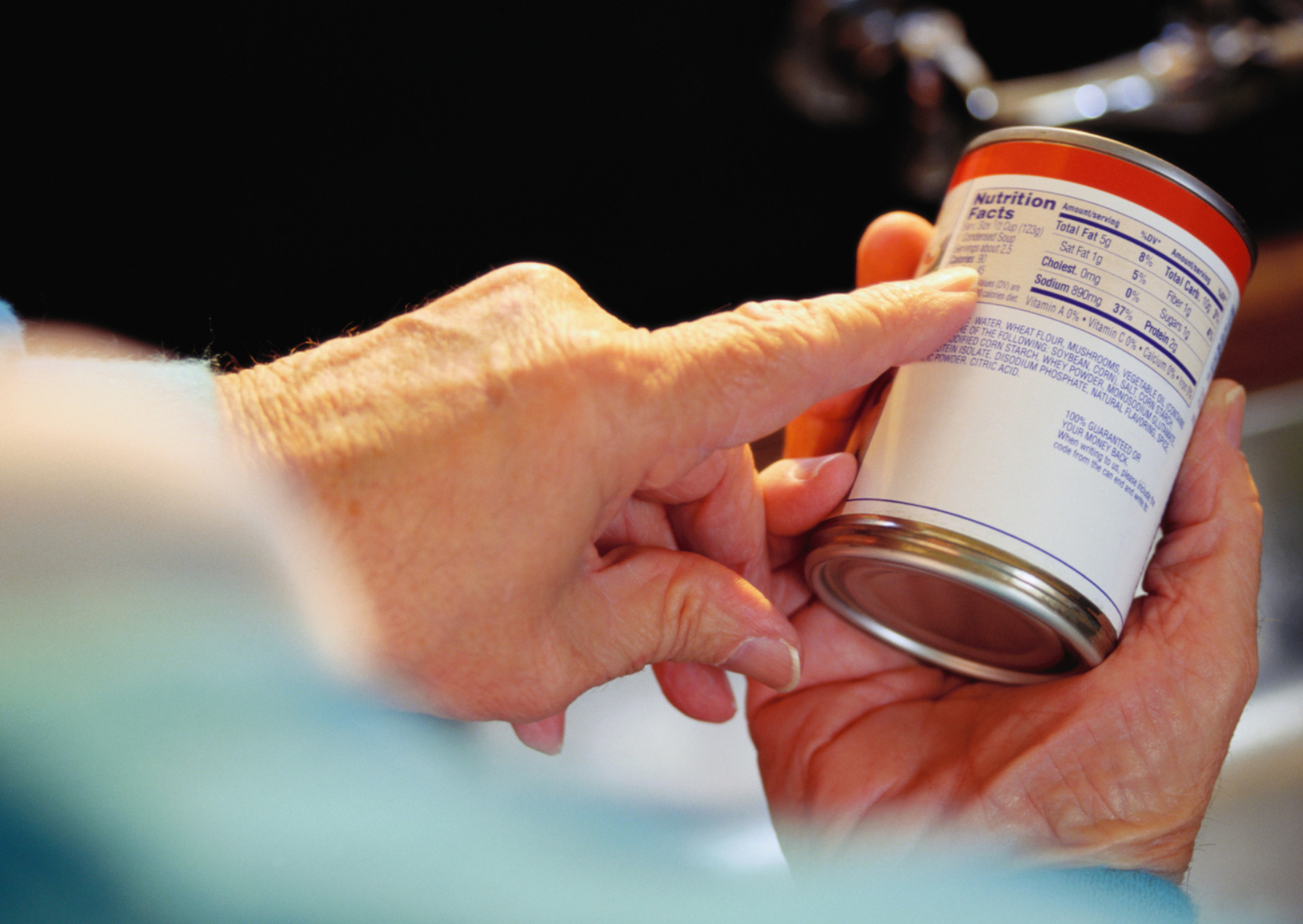
European packages often print exact percentages of the star ingredient right near the name. If a yogurt says strawberry, you will see something like “strawberry 8%” beside it. If a pesto says basil, you will see “basil 32%.” That little number does more for your health than ten wellness slogans because it answers the only question that matters. How much of the real thing is inside.
American shoppers live with front panels that shout flavors while the ingredient list hides the truth. You may be eating a “blueberry” bar that contains a tablespoon of fruit spread across the entire box. Percentages stop that game. If cocoa is 4% in a “double chocolate” biscuit, you will buy fewer biscuits. That is the point.
If you are shopping in the U.S. and want to mimic this, use a pencil rule. Look for the first three ingredients and ask yourself whether the star shows up before the oils and syrups. If it does not, the flavor is marketing. Percentages remove theater.
Remember here: quantity is quality when the quantity is the food you came for.
2) Allergens in bold inside the ingredients, not as a separate speech

European labels bold allergens inside the ingredient list itself. Wheat, milk, egg, fish, nuts, sesame, soy. You do not need to hunt for a second warning panel or decode an allergy paragraph. The word you care about is right where your eyes already look. That matters for more than medical emergencies. It matters for appetite and calm.
Here is why. When allergens are easy to spot, you start noticing when a food contains something it does not need. Why does a basic soup contain milk powder. Why does a chicken slice contain soy. Why does a tomato sauce contain wheat. You begin asking those questions because the bold type makes the sneaky additions obvious. And if you do not personally react to any of it, your digestion still prefers a short list that reads like a kitchen.
If you are in an American aisle, build a fake bold system. Read the list out loud once and speak the likely allergens. If the word you did not expect appears, put the jar back. You are not allergic to work, you are allergic to surprises.
Key line inside this section: clarity reduces the number of mystery ingredients you swallow by accident.
3) Oils must be named, not disguised
European labels expect the specific vegetable oil to be named. Sunflower, rapeseed, olive, palm. That single rule changes behavior because different oils behave differently in your body, in your pan, and on the shelf. When palm oil is present, you will read the word palm. When a mix is used, you will often see the mix. That transparency lets you choose on purpose.
American labels still get away with “vegetable oil” as a catchall. It can be soybean, corn, cottonseed, canola, or a rotational blend depending on price and season. The result is that your pantry fat profile changes without your consent, and your cooking goes out of tune without you knowing why. If a cookie uses sunflower oil in Europe and a mystery blend in the U.S., the same brand does not taste or digest the same. Your appetite knows. Your labels did not tell you.
Shopping hack if you cannot get the European specificity where you live. Favor products that name the oil and decide what you want at home. Keep one olive oil for dressings and low pan heat, one high heat neutral for stir fries, and butter for flavor. If you see the words “vegetable oil” without a name on a box, assume it changes and shop defensively.
Bottom line: named fats are an honest relationship, unnamed fats are a moving target.
4) Sweeteners and warnings that change your choices
European labels do not whisper about sweeteners. Packages tell you when a food is sweetened instead of sugared, and certain sweeteners carry plain language warnings. You will see “with sweetener” at the front. If aspartame appears, phenylalanine gets a clear note. If a gum or polyol is present in bulk, you will see the laxative warning that Americans discover the hard way. It is blunt. It is useful. You learn quickly which “diet” foods belong in small doses.
American labels list sweeteners, but front panels rarely admit it, and warnings show up tiny or not at all. The result is a week of “light” products that somehow leave you hungrier and bloated. European packaging nudges you back toward sugar used precisely or toward savory foods that do not pretend to be dessert. In other words, you eat like a person again.
Practical move anywhere. Choose foods that use acid, salt, and texture for satisfaction instead of sweetener stacks. If you do buy sweetened products, keep them at breakfast or lunch, not at night. Your sleep will thank you and your stomach will stop rehearsing for a midnight show.
Takeaway tucked here: sweeteners are a tool, not a lifestyle. Labels that speak plainly help you use the tool safely.
5) Origin and date marks that change how you cook
Two simple label habits in Europe keep your kitchen honest.
First, origin matters. Meat, fish, eggs, and many single-ingredient foods carry country or catch information, sometimes even the method. You learn to spot which chicken lived where and which fish came from which waters. You do not need to become a purist to benefit. You start buying shorter journeys for the foods that spoil fast, and you start trusting brands that tell you more than they have to tell.
Second, date marks tell you which days deserve urgency. “Use by” is safety. “Best before” is quality. One is a rule. The other is advice. That tiny difference changes how you plan dinner and how much you waste. Americans often throw away food that is perfectly fine because the label talks like a siren. Europeans are trained by packaging to cook by priority. If it says “use by,” it becomes lunch or dinner today. If it says “best before,” it becomes a candidate for soup, stew, or bread crumbs tomorrow. Waste falls when labels speak like adults.
You can use both ideas anywhere. Put a small sticky dot on foods that must be eaten soon and pull origin forward in your choices for highly perishable items. Proximity tastes better than marketing most weeks of the year.
Quiet lesson: where food came from and when it needs you are the two facts that make a kitchen work.
6) Additives listed by function, not just chemical name

This one sounds nerdy and turns out to be the most practical. European labels often list additives with both the category and the specific name. You will read “emulsifier: lecithins” or “preservative: potassium sorbate” in a neat bracket. The pattern teaches you three lessons fast.
- If a product needs many emulsifiers and stabilizers to stand up, it is probably pretending to be something simple. You can buy the real thing or make it in five minutes.
- If a product uses one or two helpers for safety and texture, you know exactly what role those helpers play and whether you care. Most people do not mind the occasional ascorbic acid by its job title, but they hate mystery thickness.
- If the same category shows up across your whole cart, you can adjust. Five products all leaning on gums and polyols will wreck your afternoon. One will not.
American labels list additives, but the function gets lost in the chemistry. You need to know I am adding an emulsifier to make this sauce cling, not just the spelling of the emulsifier. Function is a kind of respect. It also helps you cook. The moment you grasp that “stabilizer” equals “keeps it from separating”, you stop blaming yourself when your homemade version looks different for the first thirty seconds. That is not failure. That is food without a lab coat.
Knowing the job an additive does is better than memorizing its name.
How these six features change your cart in one week

You do not need to become European to get the benefit. You need a very short checklist that checks the right parts of the label.
- Percentages: buy the jar that tells you how much of the star ingredient is inside. If none do, pick the one where the star shows up in the first three ingredients.
- Allergens in bold: skim for the ones you care about, then notice the ones that should not be there. Put those back.
- Oils named: olive for dressings, high heat neutral for the pan, butter for flavor. If a packaged food hides behind “vegetable oil,” assume it changes.
- Sweeteners plain: keep sweeteners in daylight. If a product uses several, buy it rarely. Fruit and yogurt at lunch ends the craving without chaos.
- Origin and dates: cook “use by” first, treat “best before” like a suggestion, and favor shorter journeys for perishables.
- Additive function: one or two helpers for safety is fine. Stacks of emulsifiers, stabilizers, and color in basic foods are a message. Hear it.
Repeat this checklist twice and the third trip will feel automatic. Clarity becomes a habit.
A side-by-side example that explains everything
Take a simple pesto.
European supermarket jar
Front: “Basil Pesto” with “basil 36%” printed right there.
Ingredients: basil 36% in bold, olive oil, Grana Padano cheese, pine nuts, salt, garlic.
Additives: “acidifier: lactic acid,” “antioxidant: ascorbic acid.”
Oil is named. Cheese is named. Basil percentage is there. You know why it is green, why it tastes like cheese, and how it will behave. You can predict your stomach and your pasta.
American supermarket jar
Front: “Classic Basil Pesto.” No percentage.
Ingredients: vegetable oil, basil, Parmesan-like cheese, whey, natural flavors, nuts may be present, color, preservative.
Additives are names, not jobs. Oil is a blend. Cheese is a shrug. Basil might be a garnish. Your dinner is a mystery that reveals itself in your digestion.
Which jar will you choose next time. You already know.
What this reveals about why European food feels calmer
It is not magic or moral superiority. It is plain, boring transparency. Percentages of real ingredients. Clear allergens. Named oils. Upfront sweetener flags. Straight origin and date marks. Additives with job titles. When the label stops performing, your appetite stops performing, and the rest of your week gets easier.
You do not have to move to benefit. You have to shop like a person who expects to be told the truth and punish boxes that talk like billboards.
A two-week reset for label sanity

Put this on your fridge. It works in Paris, Madrid, Chicago, or Dallas.
Week 1: See it
- Read the front and find a percentage. If you cannot, scan the first three ingredients.
- Spot bold allergens and remove foods that hide milk, soy, or wheat in places they do not belong.
- Buy one product specifically because it names the oil you want.
- Keep sweetened products at lunch only.
- Cook the use by items first and stop throwing away perfectly fine food that says best before.
- Note one additive by function, not by name.
Week 2: Use it
- Replace one sauce you buy with a short-list homemade version. A jar, olive oil, acid, salt, an herb. Done.
- Choose fish or eggs once by origin, not by price alone.
- Try one brand that prints a percentage and compare taste and satiety.
- Keep a label photo album on your phone. Capture the brands that tell you the truth and buy them again.
By the end of week two, your cart will be smaller, your list will be shorter, and your evenings will be calmer. That is what labels are for.
Quick answers to the pushback you will hear
“European food is full of additives too.”
Correct. The difference is how they are shown and stacked. A single stabilizer in a yogurt is not the same as four gums, colors, and flavor boosters in a dip that used to be sour cream and herbs.
“Percentages are just marketing.”
Sometimes. They still teach you to ask the right question. If cocoa is 4% in three brands, buy the one that tells you so and add your own chocolate at home.
“I am not allergic to anything.”
Lucky you. Bold allergens still help you spot sneaky ingredients and reduce digestive noise. Your body prefers food to read like food.
“I do not have time to read labels.”
You have time to learn five brands that tell the truth and buy them again. Time saved comes from repetition, not from speed reading.
“This sounds more expensive.”
Sometimes the honest jar costs more. The cost of confusion is higher. Waste, snacks, and stomach drama are not free.
Your new habit in one sentence
Buy packages that behave like recipes. If the front shows a food, the list should show the same food in sensible order with a few helpers labeled by job. If a label gives you percentages, origin, clear allergens, named oils, and plain warnings, you are holding a food that respects you. If a label dodges those, put it back.

About the Author: Ruben, co-founder of Gamintraveler.com since 2014, is a seasoned traveler from Spain who has explored over 100 countries since 2009. Known for his extensive travel adventures across South America, Europe, the US, Australia, New Zealand, Asia, and Africa, Ruben combines his passion for adventurous yet sustainable living with his love for cycling, highlighted by his remarkable 5-month bicycle journey from Spain to Norway. He currently resides in Spain, where he continues sharing his travel experiences with his partner, Rachel, and their son, Han.