
Flour dust hangs in the light, a bowl thumps the counter, and fingers pull an elastic sheet that smells like the start of dinner. The dough is simple. Water, flour, salt, and a pinch of yeast. From that single bowl you can press a pan flatbread, push a tray of olive oil focaccia to the oven, stretch a quick pizza for a salad night, and roll warm stuffed buns that disappear before they cool. The trick is not talent. It is one reliable base and four shapes that fit real evenings.
Why One Dough Solves Weeknights
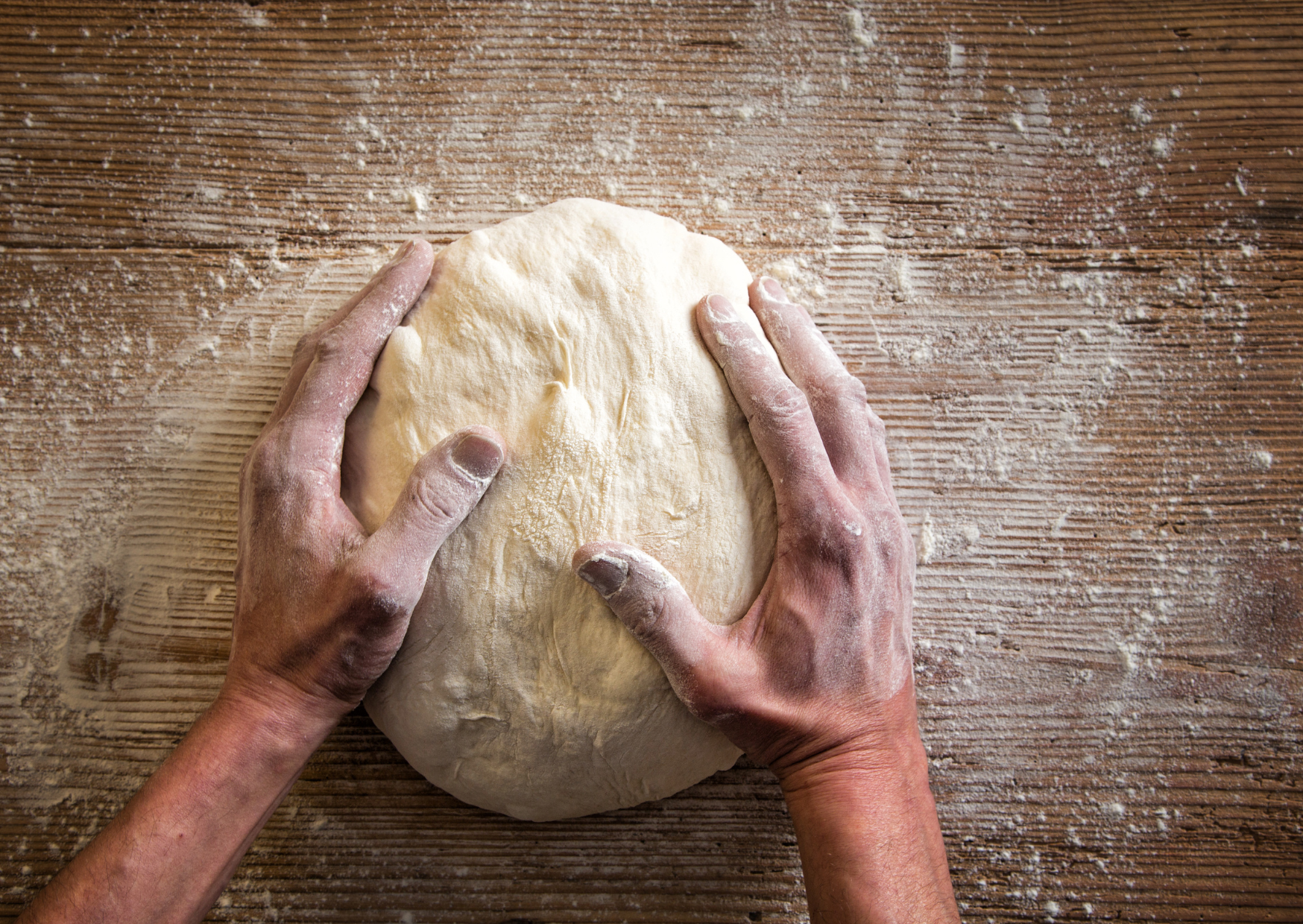
A single dough recipe does more than save time. It gives predictable texture, repeatable timing, and unlimited variety. European home kitchens lean on this idea because flour is cheap, ovens are small, and meals revolve around what fits a day rather than a holiday. If the dough behaves, the shape can change without stress. Pizza on Monday, skillet flatbreads on Tuesday, sheet pan focaccia on Thursday, and stuffed rolls for a train picnic on Saturday. One bowl becomes a plan.
The method below uses a medium hydration dough that works for beginners and still rewards practice. You get chew, open crumb where you want it, and quick browning even in modest ovens. There are two schedules. A same day plan for busy nights, and an overnight plan that builds flavor while you sleep. Both end at the same table.
Pantry And Tools
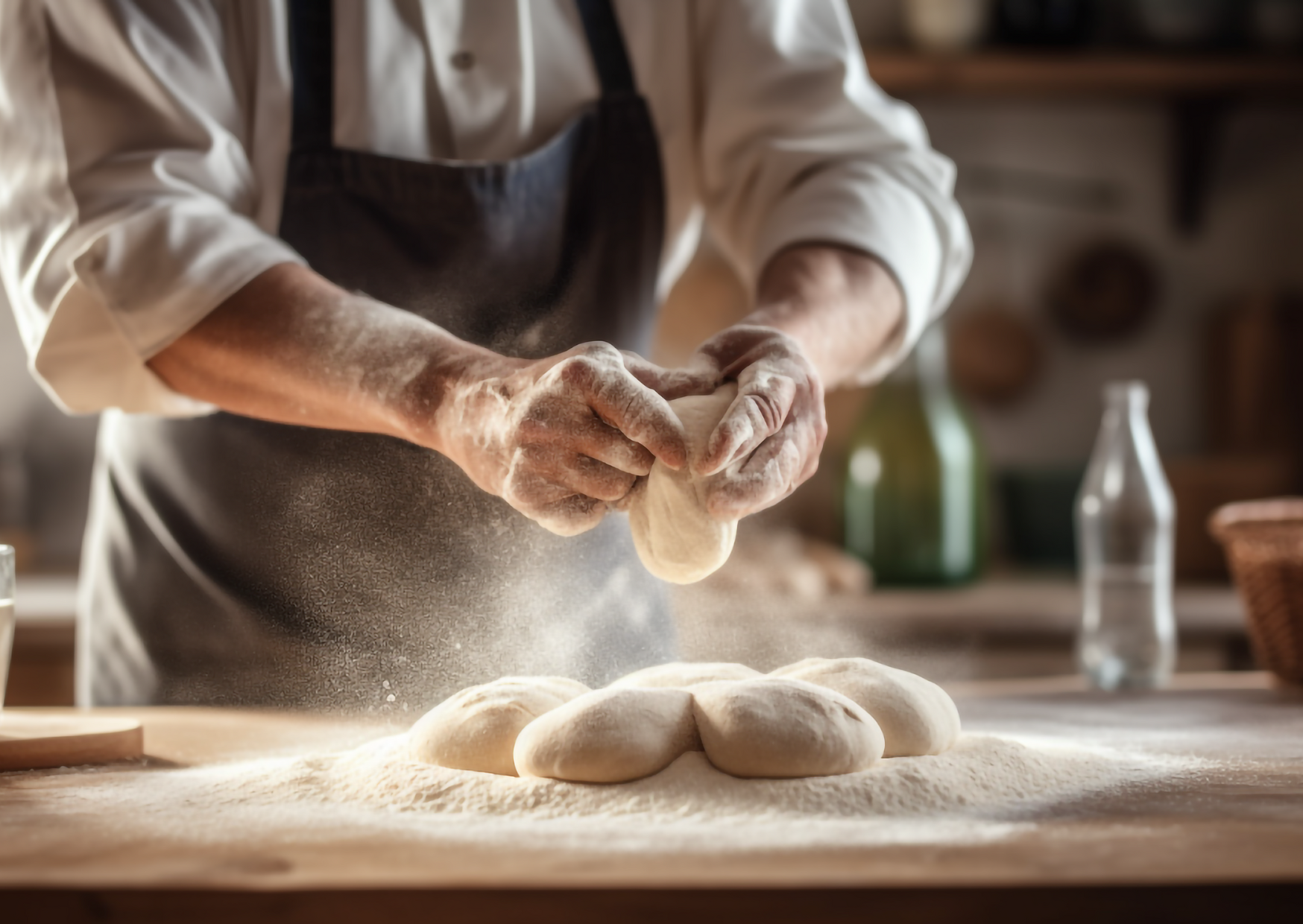
You do not need a mixer or stone. A bowl, a tray, and a skillet cover the week.
Ingredients
- Bread flour or strong white flour, 100 percent
- Water, 65 percent by weight
- Fine sea salt, 2 percent
- Instant yeast, 0.5 percent for same day, 0.2 percent for overnight
- Extra virgin olive oil for pans and finishing
- Optional: sugar or honey, 1 percent, if you prefer faster browning
Basic tools
- 1 large mixing bowl
- Digital scale
- Plastic dough scraper or spatula
- 1 sheet pan, 30 by 40 cm
- 1 heavy skillet, 26 to 28 cm, cast iron or steel preferred
- Clean kitchen towels or a lidded container for dough
- Parchment paper
Why this works
The 65 percent hydration gives a dough that is soft enough for focaccia and pizza, yet firm enough for easy rolling. The 2 percent salt seasons without killing yeast activity. A pinch of yeast and short folds build structure without long kneading. Olive oil brings flavor and browning where needed.
Master Dough: Formula And Two Schedules
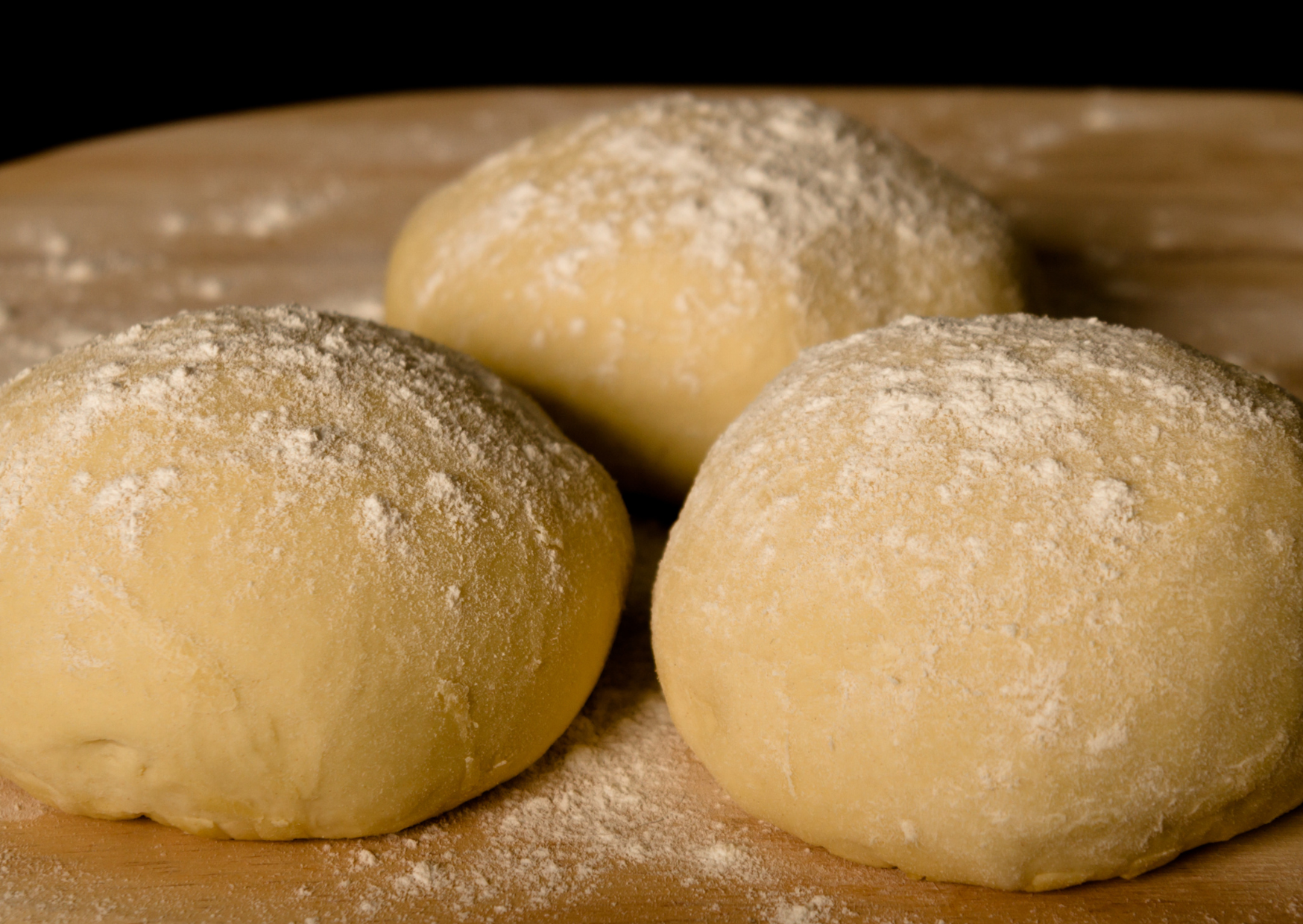
This base makes about 1.2 kg dough, enough for either two pizzas plus two skillet flatbreads, or one tray focaccia plus six stuffed rolls. Halve or double as you like. Percentages let you scale without anxiety.
Baker’s percentages
- Bread flour: 100 percent
- Water: 65 percent
- Salt: 2 percent
- Instant yeast: 0.5 percent same day, 0.2 percent overnight
- Olive oil: none in the dough, used for pans and finishing
Base weights
- Bread flour: 750 g
- Water: 488 g
- Salt: 15 g
- Instant yeast:
- Same day: 3.5 g
- Overnight: 1.5 g
Same Day Method (about 2 hours end to end)
Serves: makes 4 flatbreads or 2 pizzas plus 2 flatbreads
Active time: 20 minutes
Total time: 2 hours
- Mix. In a large bowl whisk flour, salt, and yeast. Add water at room temperature. Stir with a spatula until no dry flour remains. The dough will look shaggy. Rest 10 minutes.
- Fold. With wet fingers, pick up one edge, stretch, and fold over the center. Rotate the bowl a quarter turn and repeat for 8 to 10 folds. Rest 10 minutes. Repeat the folding once more. The dough should look smoother and hold shape.
- Rise. Cover and rest 45 to 60 minutes at warm room temperature until slightly puffy.
- Divide. Scrape onto a lightly oiled counter. Divide into the shapes you plan to cook today. For pizza, cut 2 pieces of 350 g. For flatbreads or rolls, cut 4 to 6 pieces of 150 to 200 g. Shape into tight balls. Rest 20 minutes under a towel.
- Cook. Proceed to the specific bread methods below.
Overnight Method (flavor first, less same day stress)
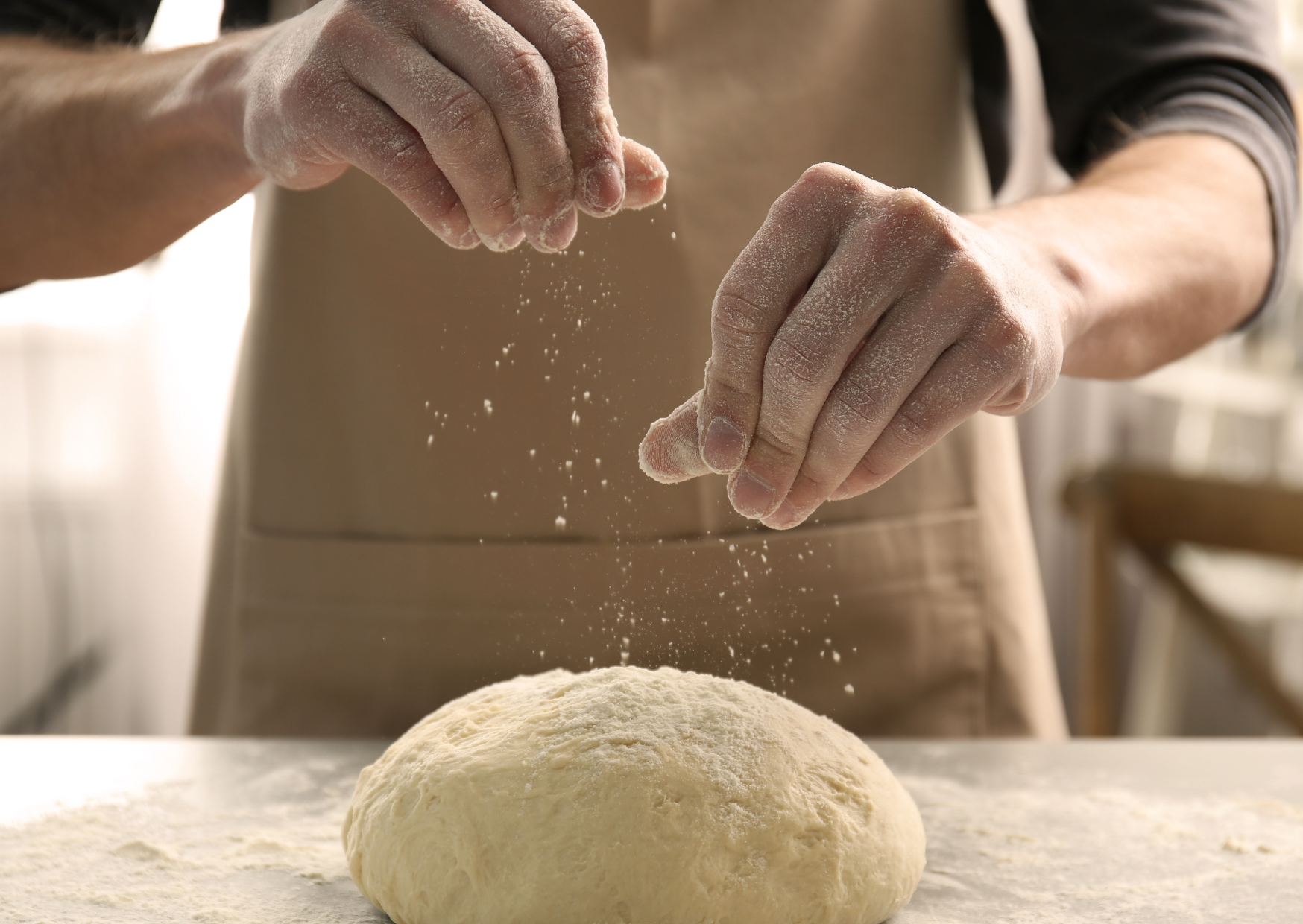
Serves: same yields as above
Active time: 15 minutes on day one, 15 minutes on day two
Total time: 12 to 24 hours
- Mix. Stir flour, salt, and yeast. Add cool water. Mix until no dry flour remains.
- Fold. Do one round of folds as above. The dough should become smoother.
- Cold rest. Cover and refrigerate 12 to 24 hours. The dough will rise slowly and develop flavor.
- Warm and divide. Two hours before baking, bring the bowl to room temperature. Divide and shape as above. Proceed to the bread methods.
Notes
- If your kitchen is cold, use slightly warmer water and extend rests.
- If your kitchen is hot, use cool water and shorten rests. Dough listens to temperature more than to the clock.
Bread One: Skillet Flatbreads In Olive Oil
Soft, blistered, and fast. These live on tables from southern Spain to southern Italy and pair with soups, salads, or yogurt dips.
Servings: 4 flatbreads, 1 per person as a side or wrap
Active time: 15 minutes
Total time: 25 minutes
Ingredients
- Master dough, 4 pieces at 150 to 180 g each
- 2 tablespoons olive oil
- Fine salt
- Optional: sesame seeds, za’atar, or dried oregano
Method
- Preheat skillet over medium to medium high until a drop of water sizzles.
- Roll each dough ball on a lightly oiled counter into a round about 18 to 20 cm in diameter and 4 to 5 mm thick. Keep the remaining balls covered.
- Cook. Brush the skillet with a film of olive oil. Lay in one round. Cook 90 seconds until bubbles rise and the bottom has golden patches. Flip and cook 60 to 90 seconds more.
- Finish. Brush lightly with olive oil and sprinkle with salt and herbs. Repeat with remaining rounds, adjusting heat so the breads color without smoking.
To serve
Wrap around fried fish or grilled vegetables. Tear and swipe through yogurt herb sauce or tomato sauce from yesterday’s pot. These reheat in a dry skillet in 30 seconds and freeze well.
Why it works
Medium hydration gives steam for puff, oil prevents sticking, and thin rounds cook before they dry. Timing is short enough to fit between soup ladles.
Bread Two: Sheet Pan Focaccia For The Crowd
Airy interior, crunchy edges, and a surface that loves tomatoes and herbs. This is the tray that feeds neighbors.
Servings: 1 pan, 8 to 10 pieces
Active time: 20 minutes
Total time: 2 hours same day, or 16 hours overnight
Ingredients
- Master dough, all 1.2 kg or 900 g for a thinner tray
- 60 ml olive oil for pan and top
- 10 g flaky salt
- Optional toppings: cherry tomatoes, sliced onion, rosemary, olives
Method, same day
- Oil the pan with 3 tablespoons olive oil. Transfer dough to pan and gently stretch to fill about two thirds of the tray. Rest 15 minutes.
- Stretch to corners with oiled fingers. Rest 15 minutes.
- Dimple deeply with fingertips. Drizzle 2 tablespoons olive oil over the surface. Scatter tomatoes, onions, olives, or rosemary. Sprinkle half the flaky salt.
- Proof 30 to 40 minutes until puffy and jiggly.
- Bake at 230°C for 18 to 22 minutes until deep golden with crisp edges.
- Finish with the remaining olive oil and flaky salt. Cool 10 minutes, then cut.
Method, overnight
- After the cold rest, spread cold dough in the oiled pan, cover, and warm 60 minutes. Proceed from the first stretch.
To serve
Pair with a green salad and a plate of cheese and olives. Leftovers make exceptional sandwiches.
Why it works
Olive oil under and over the dough gives fried edges and moist crumb. The shallow pan and high heat mimic a bakery deck in a home oven. Dimpling creates wells that protect toppings.
Bread Three: Quick Pizza For Salad Night
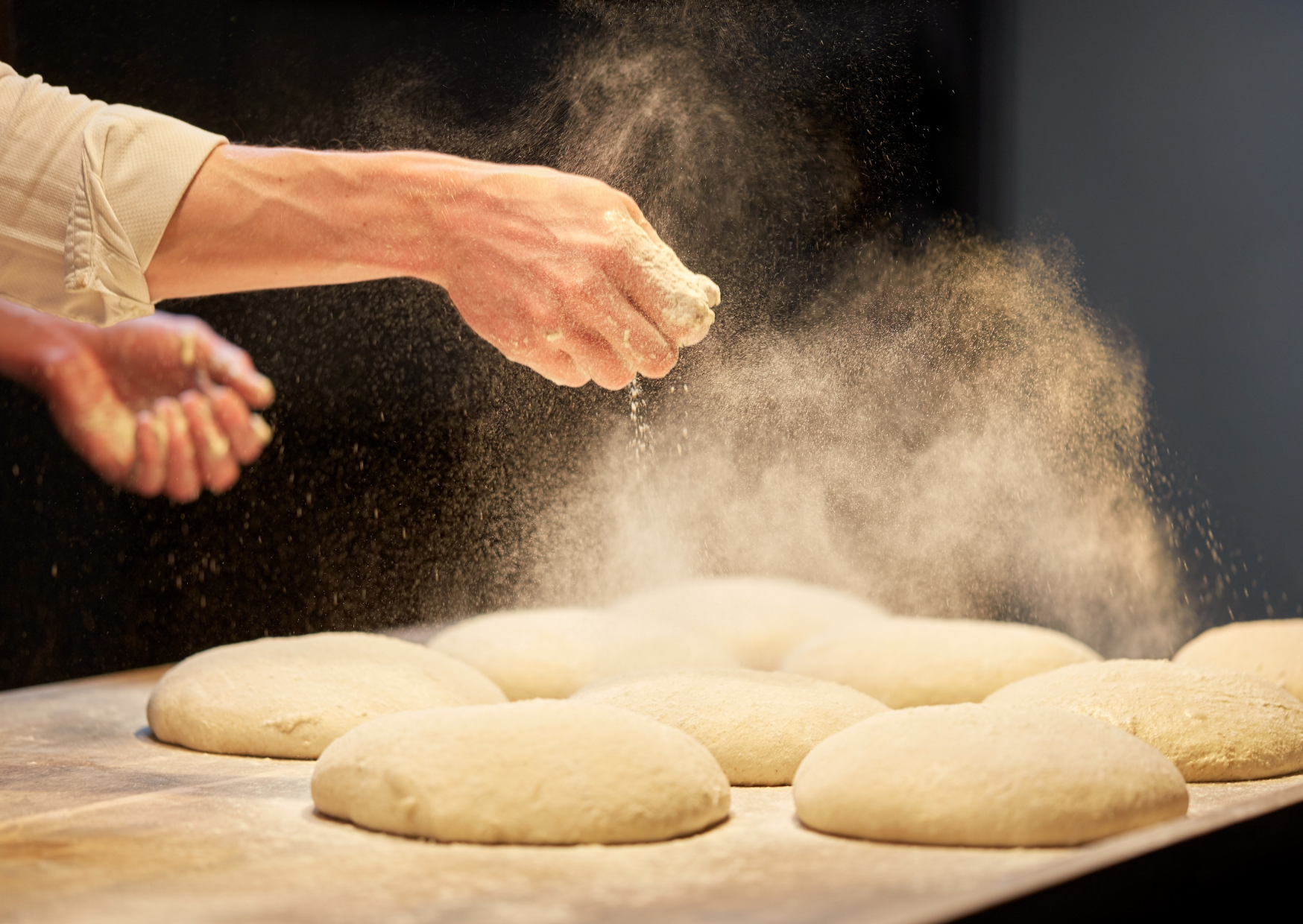
Thin center, puffed edge, crisp base. This is a weeknight pizza that treats the oven with respect and relies on your tomato method from last time.
Servings: 2 pizzas, 2 to 3 people each
Active time: 25 minutes
Total time: 45 to 60 minutes including preheat
Ingredients
- Master dough, 2 pieces at 300 to 350 g
- 1 cup Five-Ingredient Tomato Base per pizza
- 150 to 200 g mozzarella per pizza, well drained and sliced or grated
- Olive oil, salt
- Optional: basil leaves, sliced mushrooms, olives, anchovies
Method
- Preheat oven to 250°C with a plain inverted sheet pan on the middle rack. The hot metal mimics a stone.
- Shape each dough ball on parchment. Press and stretch to 28 to 30 cm. Leave a thicker edge. Do not use a rolling pin. Air is structure.
- Top with a thin layer of tomato, scattered cheese, a drizzle of olive oil, and a pinch of salt. Add a few toppings sparingly.
- Bake by sliding the parchment onto the preheated pan. Cook 8 to 11 minutes until the edge is browned and cheese bubbles.
- Finish with fresh basil and a thread of olive oil. Repeat for the second pizza while people eat the first.
To serve
A big salad and sliced oranges turn this into a meal that does not feel rushed.
Why it works
A very hot oven, thin topping, and a warmed metal base keep moisture from saturating the crust. Less is more. The dough carries the show.
Bread Four: Warm Stuffed Rolls For On The Go
Soft crumb, sealed edges, and a pocket of flavor. European train stations smell like this on weekday mornings.
Servings: 6 to 8 rolls
Active time: 30 minutes
Total time: 1 hour 30 minutes same day or 14 hours overnight
Fillings
- Spinach and feta: 250 g cooked, squeezed spinach, 120 g crumbled feta, black pepper, pinch of nutmeg
- Tomato and mozzarella: 6 tablespoons thick tomato sauce, 120 g diced mozzarella, pinch of oregano
- Ham and cheese: 150 g diced ham, 120 g grated cheese, black pepper
- Tuna and olive: 1 tin tuna in olive oil, drained and flaked, 8 chopped olives, squeeze of lemon
Method
- Divide dough into 6 to 8 pieces of about 140 to 170 g each. Rest 10 minutes.
- Flatten each piece to a 14 cm round. Keep edges slightly thinner than the center.
- Fill the center with 2 to 3 tablespoons of filling. Fold edges over the center, pinch to seal, then flip seam side down. Tighten into a ball with cupped hands.
- Proof on parchment 30 minutes until puffy.
- Bake at 210°C for 14 to 18 minutes until golden. Brush with a little olive oil for shine. Cool 10 minutes before biting to avoid molten centers.
To serve
Pack for school or work. Serve warm with a small salad. These reheat in the oven at 180°C for 8 minutes and freeze well.
Why it works
The same dough that makes pizza also seals cleanly. Proofing gives lift, and a lower bake temperature avoids blowouts. Moist fillings stay inside if you do not overfill.
Timing Map For A Real Week
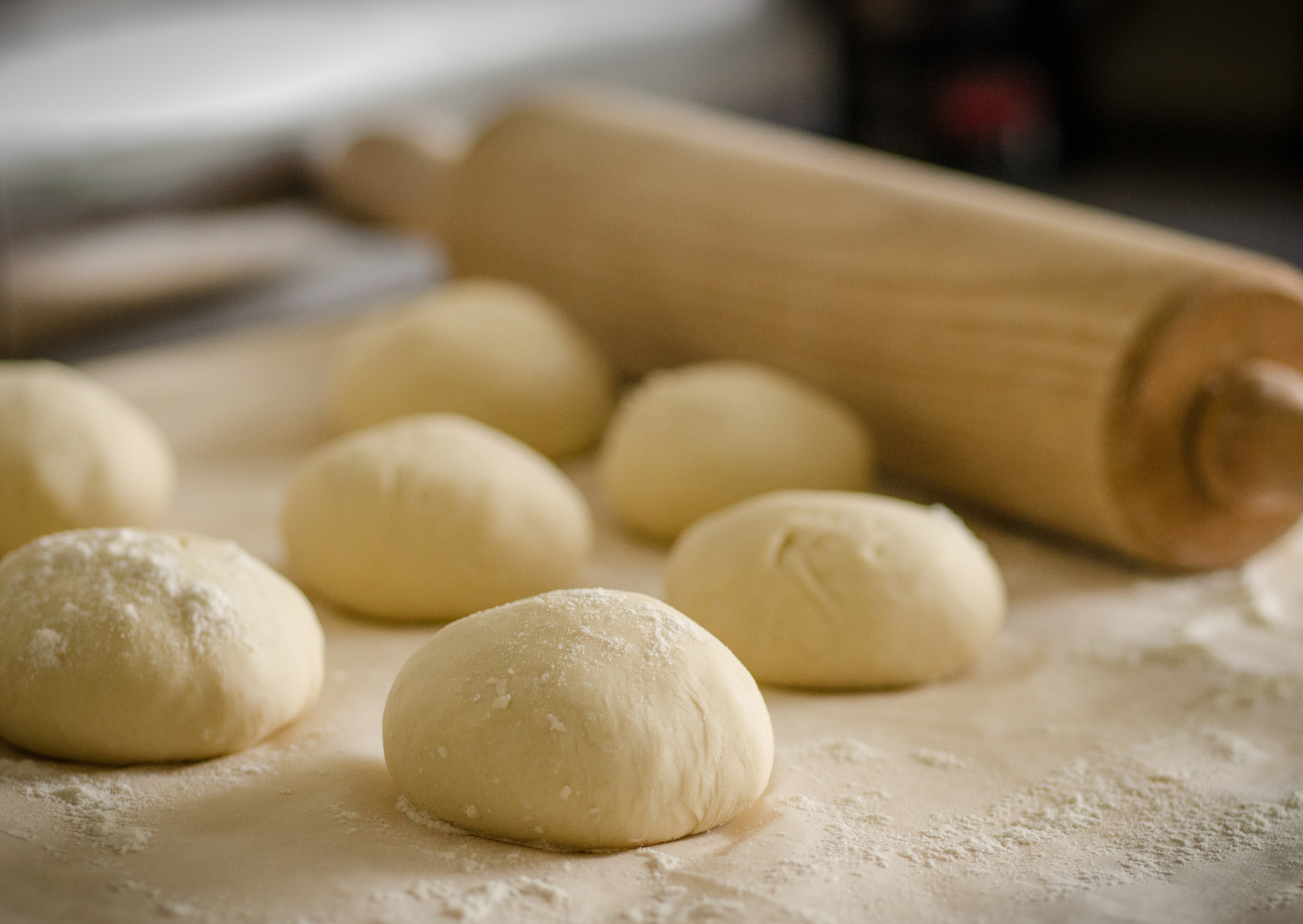
You can front-load, or you can split across nights. This is a workable plan for a household.
Sunday evening
- Mix the overnight dough. Chill.
Monday
- Warm portion for pizza. Bake two. Chill the rest.
Tuesday
- Roll skillet flatbreads while the soup reheats.
Thursday
- Spread dough in a pan and bake focaccia with tomatoes and onions.
Saturday
- Use what remains for stuffed rolls with spinach and feta. Freeze half.
What you gain
Hands-on time stays small, leftovers reheat well, and the shopping list does not grow every night. A single bowl creates variety the way European homes do it, by repeating a base and changing shape.
Troubleshooting And Fixes
Dough tears when stretching
Let it rest. Gluten needs time to relax. Cover and wait 10 minutes, then try again. Cold dough tears. Warm it.
Flat pizza edge without puff
Your dough was underproofed or pressed too aggressively. Let dough balls rest 20 to 30 minutes after shaping into balls, and do not roll with a pin. Keep gas in the rim.
Dense focaccia
Two common reasons. Not enough oil under the dough, or underproofing. Oil the pan generously and proof until the tray jiggles like a mattress when tapped.
Pale bottoms
Move the rack down and preheat longer. Use an inverted preheated tray under the sheet pan to add heat from below. For flatbreads, allow the skillet to fully preheat before the first round.
Dough sticks to hands
Use slightly oiled hands and counter, not extra flour. Flour toughens edges and interferes with sealing stuffed rolls.
Stuffed rolls leak
Filling was too wet or the seal was weak. Squeeze spinach dry. Pinch seams hard, then bake seam down. Proof seam down so gravity helps.
Bread stales too fast
Cool completely before storing. Bag at room temperature for one day. Freeze beyond that. Reheat in the oven to refresh crumb.
Cost And Servings At A Glance
Numbers make decisions easier. Here is a conservative estimate for a mid range European supermarket.
- Flour, 750 g: €0.60 to €1.00
- Yeast and salt: €0.10
- Olive oil used across shapes: €1.00 to €1.80
- Toppings and fillings vary: €3 to €8 depending on cheese and vegetables
The base dough itself costs around €1.70 to €2.90 and yields 8 to 12 servings depending on shape. Even with toppings, most breads land between €0.60 and €1.50 per serving. In the U.S., expect a similar spread in dollars.
Make It Yours Without Breaking The Method
Flour swaps
Replace 15 to 20 percent of the white flour with whole wheat or spelt for a nuttier crumb. Increase water by 10 to 15 g if the dough feels stiff.
Herb oil
Whisk olive oil with grated garlic, chopped parsley, and a pinch of salt. Brush on hot flatbreads or focaccia for aroma that travels across the room.
Seeded edges
Press sesame or nigella into the rims of stuffed rolls for crunch and perfume.
Cheese finish
Grate pecorino over pizza the moment it leaves the oven. The heat melts it into a salty veil.
Allergy notes
For dairy free nights, use olive oil finishes and skip cheese. For gluten free households, this specific dough does not apply, but the flatbread and stuffed roll techniques adapt to a gluten free blend designed for yeasted doughs. Hydration and proof times change significantly, so use the blend maker’s ratios.
Storage, Freezing, And Reheat Plan
Dough
- Same day: tightly covered at room temperature up to 2 hours after bulk rise.
- Overnight: up to 24 hours in the fridge, then divide and use.
Baked breads
- Room temperature: 1 day, bagged once cool.
- Freezer: up to 3 months, wrapped well.
Reheat
- Flatbreads: dry skillet 30 to 45 seconds per side.
- Focaccia and rolls: oven at 180°C for 6 to 8 minutes.
- Pizza: oven at 220°C for 5 to 7 minutes on a hot tray.
A splash of water on the tray helps steam the crumb back to life without softening the crust too much. Always finish with a little olive oil and a pinch of salt to wake the surface.
Bring It To The Table
The power of one dough is not about recipes. It is about relief. You measure once. You fold twice. The rest of the week unfolds from a bowl that waits in the fridge behind the milk. Flatbread with soup, focaccia with tomatoes and onions, pizza with a salad, and stuffed rolls that leave the house wrapped in paper. The shapes change, the base stays familiar, and the kitchen stops asking for new tricks every night.
Make the dough tonight. Decide the shape tomorrow. The routine will carry you, and the table will feel abundant without costing an evening.

About the Author: Ruben, co-founder of Gamintraveler.com since 2014, is a seasoned traveler from Spain who has explored over 100 countries since 2009. Known for his extensive travel adventures across South America, Europe, the US, Australia, New Zealand, Asia, and Africa, Ruben combines his passion for adventurous yet sustainable living with his love for cycling, highlighted by his remarkable 5-month bicycle journey from Spain to Norway. He currently resides in Spain, where he continues sharing his travel experiences with his partner, Rachel, and their son, Han.