
I changed the bread, not my personality. For 30 days I ate like the nonnas taught the neighborhood: bread with real meals, never as entertainment, fermented dough with flavor, portions that look small until you chew them, and leftovers turned into tomorrow’s lunch. I did not start running. I did not count anything. I kept the same calories most days but moved them into a pattern Italy already understands.
By day 12 my waistband stopped arguing. By day 18 the scale finally went the right direction for the first time since my thirties. Thirty days in, I was down 3.9 kilos, sleeping better, and not stalking the snack cupboard at 22:30. I was still eating bread, which is the part Americans never believe when they visit and then go home and blame gluten. It is not the wheat, it is the way.
Below is exactly how I did it. This is not a diet hack. It is a bread culture with rules that protect appetite, blood sugar, and sanity.
What “Italian bread” actually means when you live with it
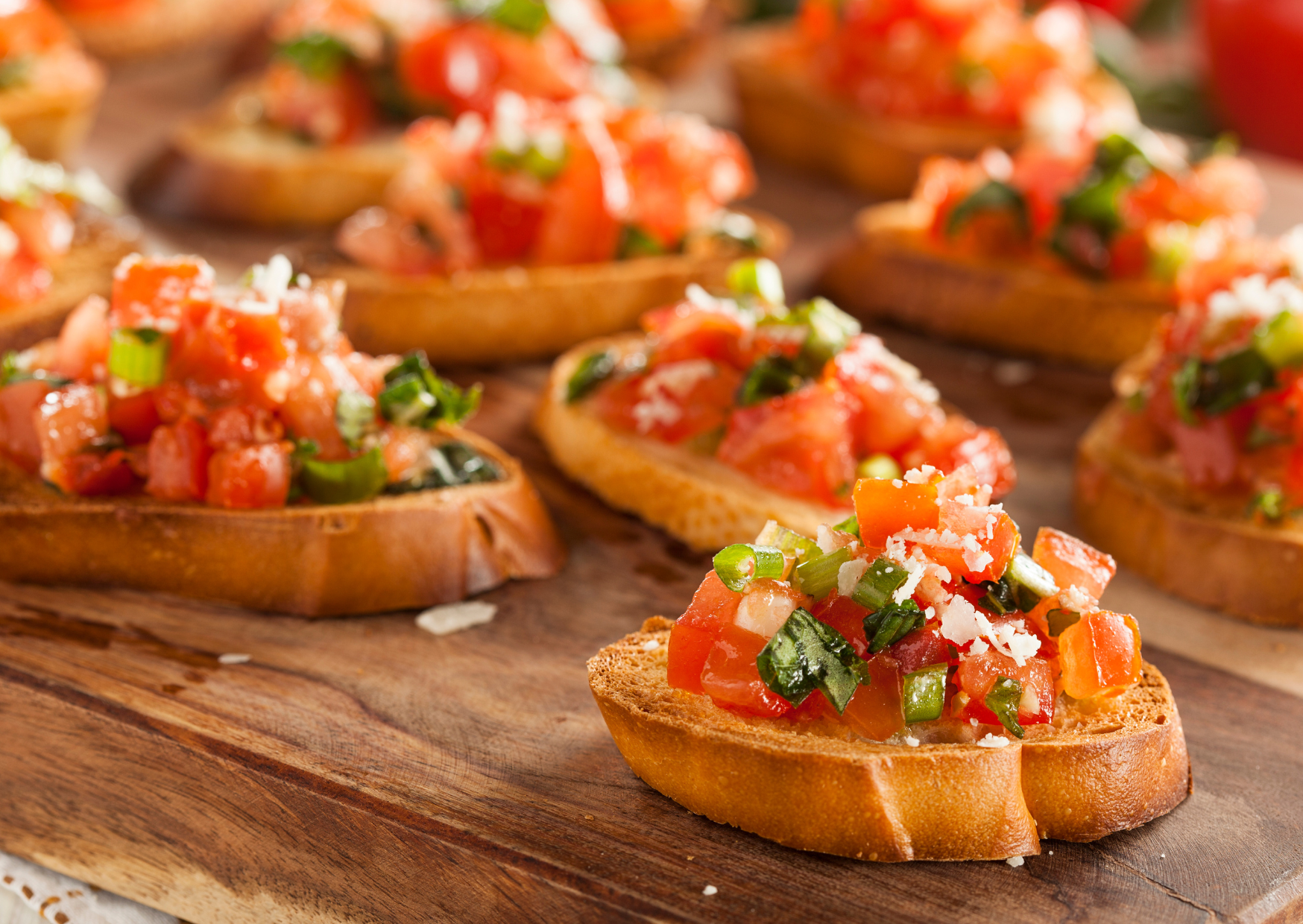
Italian bread is not a brand. It is timing, fermentation, and restraint. The shapes change by region, the rules are boring and consistent.
- Long fermentation. Dough rests for hours, sometimes overnight. Flavor deepens, gluten relaxes, digestion calms. Time does work you do not have to do.
- Thick crust, chewy crumb. You need to chew. Chewing slows you down, and satiety arrives before nonsense does. Texture is a portion control device.
- Bread with meals, not between them. It comes with soup, beans, fish, bitter salad. It is ballast, not a thrill ride. Meal placement is the secret.
- Stale is not waste. Day two becomes crostini, pangrattato, panzanella, ribollita. Using stale bread means you bought the right bread. Leftovers are a plan, not an accident.
What did I stop doing. Bread as a pre-meal snack. Bread to carry cheese when I am bored. Bread as dessert because work was annoying. I did not become a monk. I became predictable.
The five rules I followed for 30 days
I wrote these on a card and taped it inside the cupboard.
- Bread at lunch, not as a morning snack. Breakfast was coffee and a small protein or nothing. The main meal happened in daylight, with bread on the side. Daylight calories behave better.
- Portion by palm, not by plate. One piece the size of my palm, usually 60 to 80 grams. If the meal was soupy, I used the same amount in two pieces. Small looks big when texture is honest.
- Long ferment or sourdough only. If the label did not mention long rise, lievito madre, pasta madre, or natural fermentation, I skipped it. Time in the dough shows up on the belt.
- Oil, salt, acid. Bread met extra virgin olive oil, salt, and lemon or vinegar. Not draped with butter mountains or novelty spreads. Flavor replaces volume.
- Stale becomes tomorrow. Day two and three were for toasting, salads, soups, or crumbs. Nothing died in a plastic bag. Planning beats willpower.
That was it. No ban lists. No neon rules. Just old rules in the right order.
What I bought every week and why it mattered
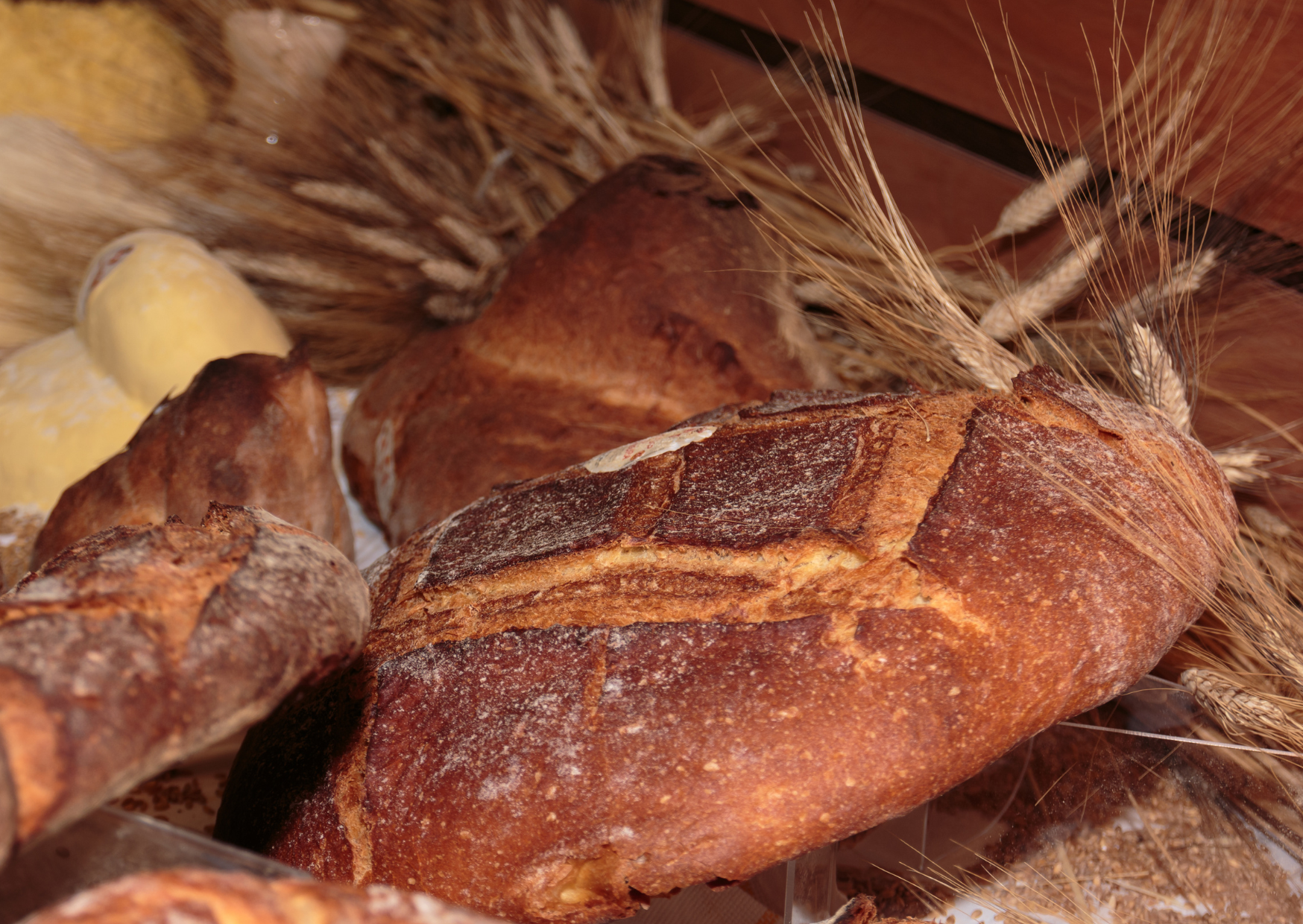
I did not chase a unicorn loaf. I built a routine.
- One round of pane casareccio or a filone with a 24–48 hour fermentation. If the baker could tell me the rise time, I was in. If they could not, I picked another bakery.
- Olive oil I would happily sip from a spoon. Bad oil murders the plan. Good oil makes tomatoes and greens sing.
- Tomatoes, onions, salad greens, lemons. Acid meets fat meets bread. The triangle that steals hunger.
- Beans, eggs, tinned fish, simple cheese. Protein that fits lunch and refuses drama at night.
- Herbs, garlic, and bitter greens. When bitterness is present, you eat like an adult. Bitter is the secret teacher.
The point was to make bread part of plates that do not ask for dessert to feel finished.
My 30-day timeline, the real changes and the ordinary days
Days 1–7
I felt like I was getting away with something. Bread at lunch every day, fruit last, ten minute walk. Dinner small and early. Sleep improved because I stopped using bread to recover from work at 21:45.
Days 8–14
Weight started moving, slowly. My energy in the afternoon held steady without a second coffee. I had one social dinner and kept the bread rule. The next morning was fine. One breach did not wreck the week.
Days 15–21
Cravings fell off a cliff. I was full on less because flavor was present. Stale bread turned into panzanella and ribollita. I stopped wasting food and time.
Days 22–30
Numbers stabilized. Pants told the truth before the scale did. I enjoyed restaurants again because the plan lets restaurants be lunch, not therapy. I forgot to weigh myself two days in a row, which felt like progress.
The plates I ate on repeat that made the month easy
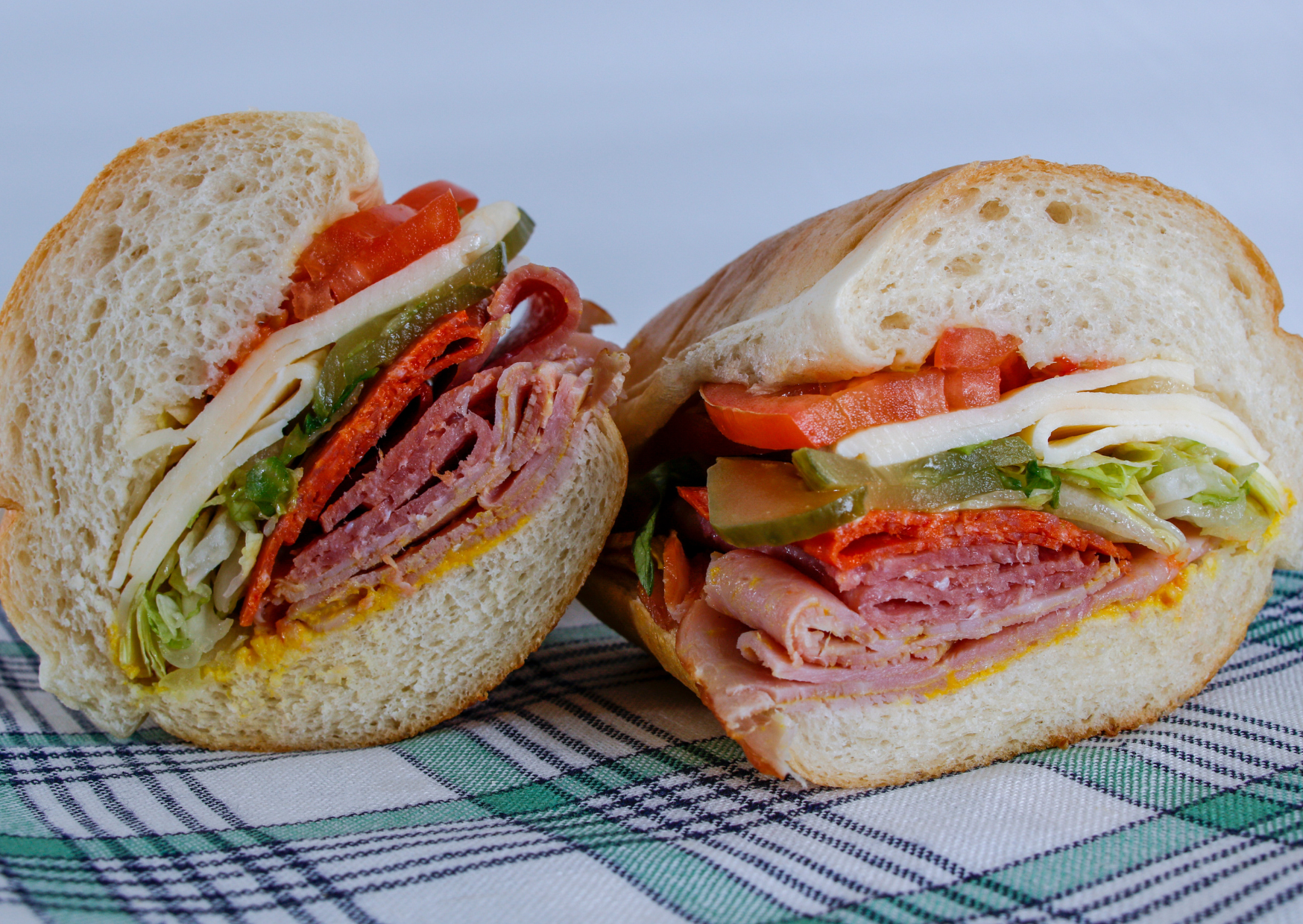
You do not need a cookbook. You need five moves.
1) Zuppa e pane
Any vegetable purée soup, a small drizzle of olive oil, and a palm-sized piece of bread to float or mop. Fiber, warmth, chew. Soup plus bread drains panic from appetite.
2) Insalata di pomodori
Ripe tomatoes, thin onion slices, capers, olive oil, red wine vinegar, salt. Bread catches the liquids. You feel like you got away with something and you did.
3) Uova e cicoria
Soft eggs next to sautéed chicory or spinach with garlic and lemon. Bread is the bite that makes the plate complete.
4) Fagioli e salvia
White beans warmed with olive oil, sage, and a little garlic, lemon to finish. Bread becomes a spoon. Satiety arrives and stays.
5) Alici o sardine su pane
Tinned fish on toasted slices with tomato and parsley. Cheap, salty, perfect. Protein plus chew shuts the snack door.
Rotate those five at lunch. At dinner you can be a minimalist without feeling punished.
How much bread I actually ate
I weighed it in week one to stop lying to myself.
- Lunch: 60 to 80 grams, sometimes 100 if the soup was thin.
- Dinner: usually none, sometimes 30 grams if we did bruschetta with tomatoes.
- Total per day: 60 to 110 grams.
- Total per week: about 450 to 700 grams, which is less than I was eating before because I stopped using bread to stuff discomfort.
If you want a simple rule, one piece at lunch solves the question. You can eat well without math if you respect texture and timing.
Why long fermentation helps, without a lecture
You do not need a lab. You need three ideas.
- Time lowers chaos. Longer fermentation changes starch structure and builds flavor, which slows the rush to the bloodstream and to your brain. You are full on less because the signal arrives earlier.
- Acids and bitterness matter. Lemon, vinegar, bitter greens, and salty fish sharpen taste and cut through oil. When your mouth is satisfied, your hand stops searching.
- Cold and heat are tools. Toasting and cooling change starch behavior. Day two bread that has been toasted and cooled behaves differently than fresh squishy white. I used that on purpose for panzanella.
That is the science I needed. The rest is kitchen.
A simple long-rise “pane casareccio” you can actually bake
If you can find a proper bakery, buy from humans. If not, this works.
Ingredients, makes one round loaf
- 500 g bread flour, or half white and half semolina rimacinata
- 370 g water, room temperature
- 10 g fine sea salt
- 2 g instant yeast or 100 g active sourdough starter if you are that person
- 15 g olive oil for the bowl and a little for your hands
Method
- Mix flour and water. Let it sit 30 minutes. This autolyse step makes the dough easier to handle.
- Add salt and yeast. If using sourdough, add starter now. Mix until rough.
- Fold every 30 minutes for two hours. Wet hands, lift an edge, fold over, turn the bowl. Four rounds total.
- Bulk ferment covered at room temp until puffy, about 4 to 6 hours with yeast, longer with starter. If your kitchen is warm, shorten. If cool, lengthen. Time is your friend.
- Shape gently into a round, rest 20 minutes, then tighten the round and place seam side up in a floured bowl.
- Cold proof covered in the fridge 8 to 16 hours. The cold makes flavor.
- Bake in a preheated Dutch oven at 240°C, 20 minutes covered, 20 minutes uncovered, then 5 minutes on the rack to finish.
- Wait at least an hour before slicing. The crumb sets and the flavor gets coherent.
You now have bread that asks you to chew, carries olive oil, and behaves like a meal tool instead of a sugar trick.
Two day-two recipes that make stale bread earn its keep
Panzanella that actually respects tomatoes
- 250 g day-old bread, cut in cubes, toasted lightly, then cooled
- 500 g ripe tomatoes in chunks, juices saved
- A small red onion, sliced thin and soaked ten minutes in cold water
- A spoon of capers, a handful of basil
- 3 tbsp olive oil, 1.5 tbsp red wine vinegar, salt
Toss tomatoes with salt and vinegar first and wait five minutes. Add bread, onion, capers, basil, oil last. Toss again and let it sit ten to fifteen minutes. Bread softens but keeps backbone. Lunch is done. Acid plus oil plus chew ends hunger calmly.
Ribollita that turns a fridge rescue into comfort
- Onion, carrot, celery, garlic in olive oil, slow and gentle
- A can of tomatoes, a bay leaf, a sprig of rosemary
- Cooked cannellini beans and some of their liquid
- Chopped cavolo nero or spinach
- Thick slices of stale bread at the bottom of bowls
Simmer the pot until the greens are soft. Ladle over the bread. Drizzle oil and grate a little cheese if you need to show off. The next day it tastes better. This is the opposite of a snack.
What I stopped doing that mattered most
- No bread before meals. I waited. When bread met soup or salad, the portion felt like plenty.
- No bread as dessert. If I wanted sweet, I ate fruit last at lunch. Evenings were quiet.
- No “I deserve it” toast at 23:00. If the day was hard, I went to bed. The scale noticed.
I also stopped pretending flavored supermarket loaves were bread. If it has six different sugars in the ingredients, it is dessert wearing an apron.
Work days, restaurants, travel days
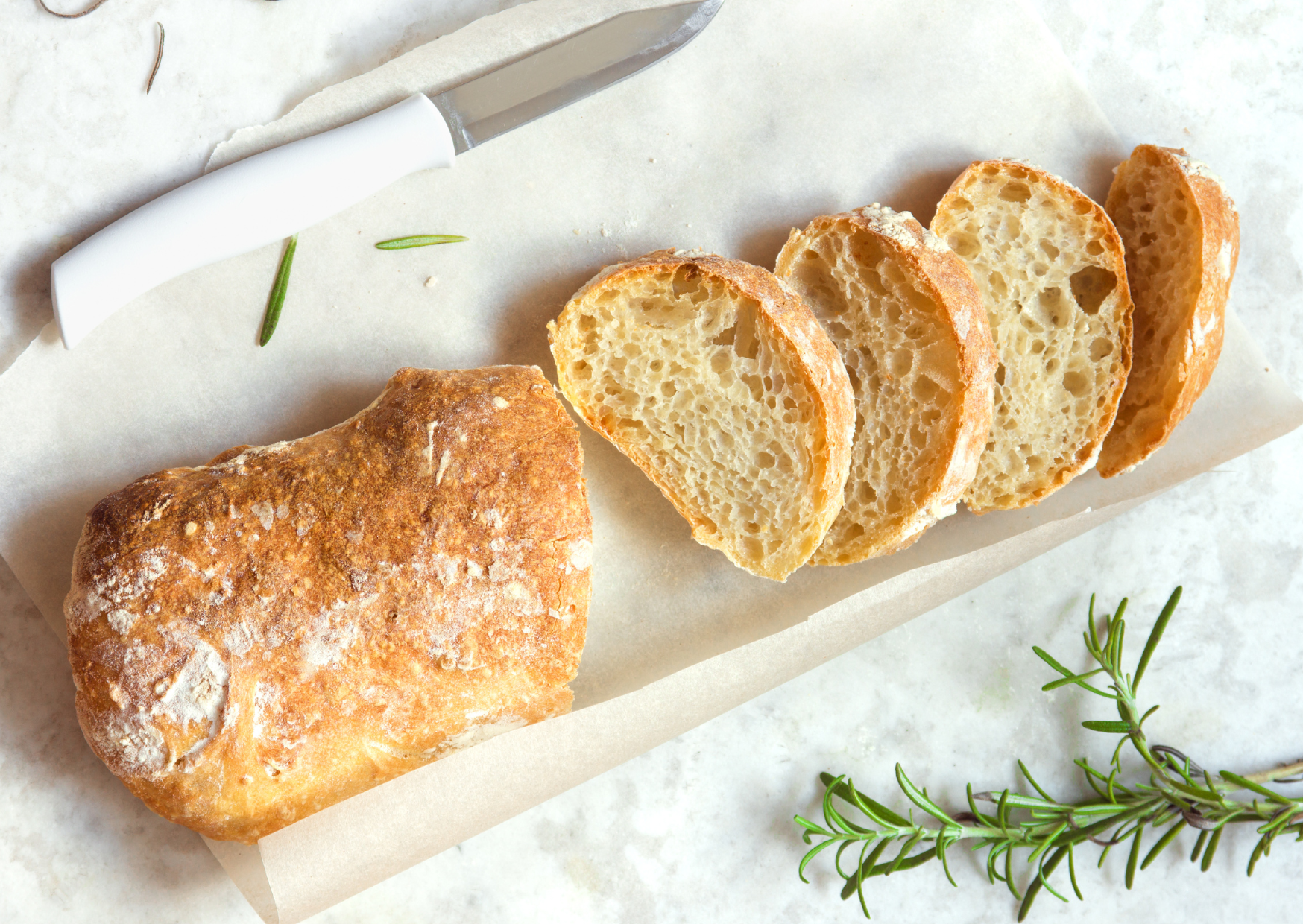
Work days were easy. Bread at lunch, walk, small dinner, bed on time. Restaurants were easier when I moved them to lunch and told the table I was keeping bread at the meal, not before the plates arrived. Travel days needed a rule. I carried a heel of decent bread and a tin of fish or a chunk of cheese. Airport pastry stopped being a story I needed to tell.
When I messed up, I fixed the next lunch. Not the scale, not my identity. The plan recovers in 24 hours if you respect lunch.
The numbers, since you will ask
- Weight: minus 3.9 kg in 30 days.
- Waist: minus 4 cm.
- Sleep: asleep faster, fewer 03:00 wake-ups.
- Cravings: essentially gone after week two on ordinary days.
- Money: lower grocery waste, fewer snacks, restaurants moved to lunch so the bill dropped. I saved €35 to €60 in late-night snacks and mindless extras without trying.
I am not special. I changed where bread lives in the day and how bread is made. The body did the rest. I know, that sounds too simple. It is simple. That is why it works.
If you are starting next Monday, here is your two-week card
Week 1
- Buy one long-ferment loaf on Monday and schedule lunch as the main meal four days. Soup first, plate next, fruit last.
- Cut a palm-sized piece of bread at lunch, sit down, slow down, chew.
- Put the rest of the loaf cut side down on a board, not in plastic.
- After lunch, walk ten minutes.
- Dinner small and early two nights. No bread at night.
Week 2
- Buy the same loaf again. Repeat.
- Turn leftover bread into panzanella on day two and ribollita on day three.
- Move one restaurant dinner to lunch.
- Keep bread portions at lunch only and see if evenings stop trying to negotiate.
If the scale moves but you feel deprived, your plates are boring. Add oil, lemon, herbs, and bitterness. Satisfaction is cheaper than rules.
When this might not work and what to do
If you are managing diabetes, celiac disease, or a specific medical protocol, change bread under medical advice. If you live where long-ferment bread is impossible to find, use your oven and give yourself two tries. If your schedule never allows a real lunch, make one bowl at 14:00 and call it recovery. Perfection is not required. A consistent noon meal with real bread is the engine.
When bread turns into a late-night pet again, bring it back to noon and put fruit last. Your evenings will go quiet by Thursday.
What To Do This week
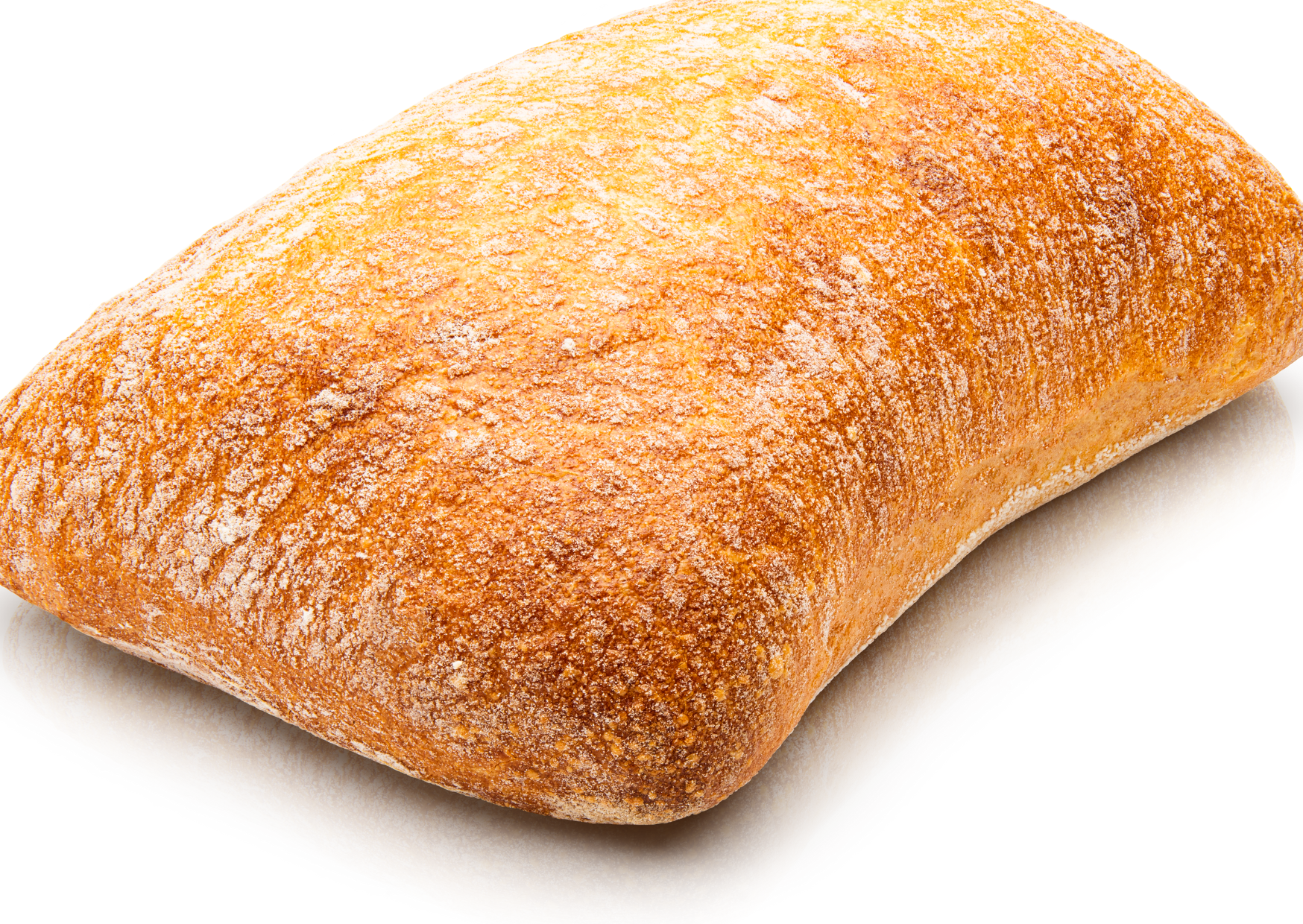
Buy a loaf that took time to become itself. Schedule lunch like it matters. Put a bowl of soup and a palm of bread next to bitter greens and good oil. Eat fruit last. Walk ten minutes. Do it again tomorrow. When stale arrives, make panzanella and smile because planning worked. If a friend laughs at you for taking bread advice seriously, let them. Your belt loop will say what it needs to say.
You do not have to quit bread to lose weight. You have to stop making bread the main character at the wrong time of day.

About the Author: Ruben, co-founder of Gamintraveler.com since 2014, is a seasoned traveler from Spain who has explored over 100 countries since 2009. Known for his extensive travel adventures across South America, Europe, the US, Australia, New Zealand, Asia, and Africa, Ruben combines his passion for adventurous yet sustainable living with his love for cycling, highlighted by his remarkable 5-month bicycle journey from Spain to Norway. He currently resides in Spain, where he continues sharing his travel experiences with his partner, Rachel, and their son, Han.