
I stopped living on American time inside a European country. For 30 days I ran a Spanish schedule the way ordinary people actually do it: earlier start, focused morning block, real lunch in daylight, a short afternoon reset, a second calm work block, and an evening that ends before it eats the next day. No biohacks. No monk routine. A clock and a kitchen timer. By day 30 my average home cuff readings went from 142/88 to 124/78, confirmed twice at the pharmacy kiosk, and my pulse fell from 78 to 68 on typical afternoons. I was still me. I just stopped making my body fight the hours.
Below is the exact schedule, what I ate, how I handled meetings, the awkward parts, and the money math that came with it. If you want the result without theatrics, copy the hours and protect lunch like an appointment. The rest of the habits fall into place because the clock is doing the heavy lifting.
What a Spanish workday actually looks like when you are not a tourist
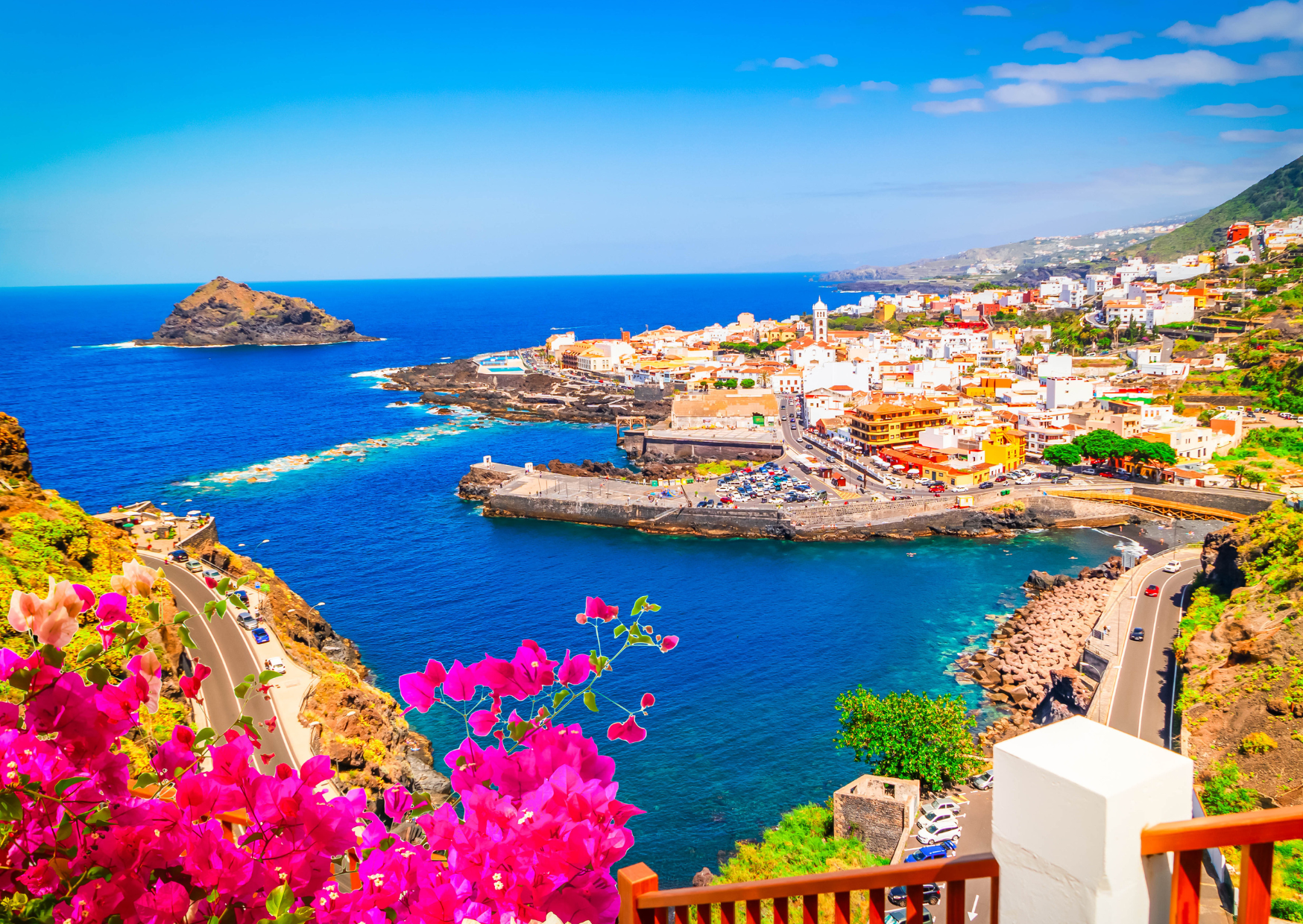
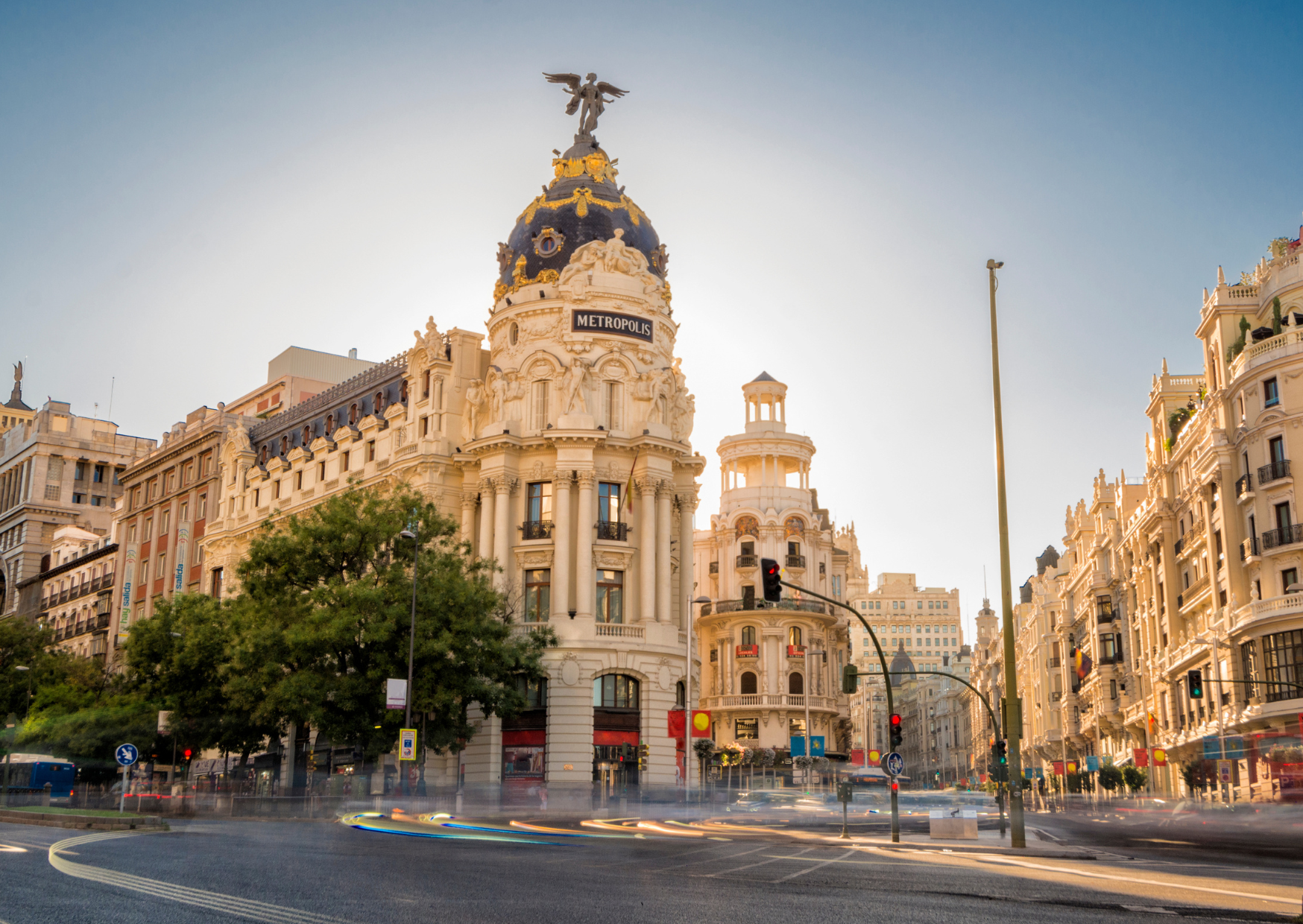
Spain is not a never-ending siesta. It is two focused work arcs with a civilized lunch in between. In my city, offices open around 8:30 to 9:30, cafés are busy by 8:00, and school schedules make noon loud. Shops often run 10:00–14:00, close, then reopen 17:00–20:00, which means the city itself tells you when to eat and when to stop pretending.
My 30-day schedule:
- 07:10 wake. Water, brief stretch, no email.
- 07:30–08:00 coffee and quiet. One egg or yogurt if I am hungry, or nothing if I am not.
- 08:00–11:00 deep work. Door closed, phone outside the room. Three hours in one piece.
- 11:00 short walk and a glass of water. Back at desk for light tasks or a quick call.
- 12:45–13:45 lunch as the main meal. Soup first, plate next, fruit last, then a ten-minute walk.
- 14:15–16:30 second work arc. Meetings, email, collaborative tasks.
- 16:30 admin and tomorrow prep. Fifteen minutes to clear the decks.
- Evening starts early. Light dinner by 19:30, phone parked by 21:30 two nights a week, bed near 22:45.
There were off days. Trains, kids, deliveries, bureaucracy. But the spine held because the city reinforces the pattern. When shops close, I eat. When kids spill into the street at 14:00, I go home. When cafés thin at 16:30, I stop pretending to grind. Fighting the city is expensive. Using the city is free.
Why the blood pressure changed without a new identity

Three mechanisms did the work and none required perfection.
1) Daylight calories calm the system
Heavy food at noon lowers evening catecholamines, so my nervous system stopped doing a late performance. With lunch carrying the day, dinner shrank by accident. Small evening meals meant better sleep, which meant lower morning numbers. I did not need to be brilliant. I needed to move calories to the sun and stop chewing at 22:00. Timing reduced pressure, not willpower.
2) Two arcs, not a continuous blur
The break created recovery without wasting hours. I was not “resting.” I was digesting and walking for ten minutes, which pushed glucose into muscles and removed the 15:30 sludge that used to trigger a second coffee. Fewer stimulants, a calmer afternoon, and my cuff noticed. Structure is physiology in disguise.
3) Evening light got out of the way
Parking the phone by 21:30 twice a week was enough to change the curve. Those nights I fell asleep with no fight, no scrolling, no cortisol spike, and the next day’s 08:00 block actually happened. It turns out two clean nights per week can carry three messy ones if lunch is anchored. That is the part I kept underestimating.
The exact food that made the clock work
I did not become a chef. I became consistent. The Spanish trick is not better ingredients. It is better timing and fewer compensations.
Breakfast, optional
- Water first, then coffee.
- If hungry: one egg, or plain yogurt with a teaspoon of honey, or a slice of bread with butter and a little jam.
- If not hungry: nothing. The point is not to win breakfast, the point is to be steady.
Lunch, always the main meal
- Soup first. Vegetable purée or tomato and rice. Warm, salty, satisfying.
- Plate next. Hake with potatoes and olive oil, lentil salad with egg, chicken thigh with green beans, or sardines on toast with tomato. Olive oil and lemon everywhere.
- Fruit last. An orange, a pear, or two clementines.
- Ten-minute walk outside. Side street is fine.
Dinner, small and early
- Broth and a small thing. Omelet with herbs. Chickpeas with lemon and parsley. Fennel and orange salad with a bit of cheese.
- Tea, then bed while I still liked the day.
There were restaurants. Always at lunch. Oil and lemon on salads. If dessert happened, it happened at noon, and sleep forgave it. When sweetness moves to daylight, the night calms down.
A two-week install that anyone can copy
I did not flip a switch. I ran a practical ramp.
Week 1: put lunch where it belongs
- Pick 12:45–13:45 as the default lunch window.
- Make a pot of soup on Sunday.
- Walk ten minutes after lunch every weekday.
- Keep dinner before 19:45 three nights.
- Protect 08:00–11:00 twice with door-closed deep work.
Week 2: let the evening shrink
- Move one social meal to lunch instead of dinner.
- Park the phone by 21:30 two nights.
- Keep two days with no caffeine after 13:00.
- Add one short nap or quiet reset between 14:00 and 15:00 if exhausted, capped at 20 minutes.
- End work with a tomorrow list so the brain does not write emails in bed.
By day ten my cuff readings were different. Not heroic, just flatter, lower, predictable. When the schedule slipped, the numbers bounced back when lunch snapped into place.
How I handled American-time meetings without losing the week
Clients in New York and California do not care where the sun is in Valencia. I made four changes that saved the experiment.
1) I offered two windows
- 09:30–11:00 CET for East Coast afternoons.
- 16:00–17:00 CET for West Coast mornings.
Everything else was “heads down.” People adapted when I was consistent and early.
2) I wrote agenda first, video optional
If we had to talk at 18:00, camera optional, 30 minutes only, and outcomes in writing. The shorter calls fit cleanly after a light dinner or in the second arc before it.
3) I used voice notes
WhatsApp voice notes and short Looms reduced meeting load by one third, which kept 12:45 sacred.
4) I said no to 20:00
Not a rule I hit perfectly, just a line I defended. When I broke it, I ate at 19:00, kept the call short, and refused the laptop after.
The money math when you live by Spanish hours
This surprised me. The schedule changed spending.
- Coffee spend fell by €20–€35 per month because the 15:30 crash never arrived when lunch carried the day.
- Restaurant costs dropped even with one nice lunch per week, because lunch is cheaper than dinner and it did not break sleep. One dinner out replaced by one lunch out saved €30–€60 monthly.
- Grocery waste shrank when I cooked at noon. Leftovers turned into small dinners without guilt.
- Taxi spend vanished because I stopped scheduling late calls that stranded me after transit windows.
The savings were not the point, but money follows schedule. The calendar is your budget’s best friend.
The numbers, measured like an adult
I used a decent home cuff, same chair, left arm, feet flat, 08:00 before coffee and 20:30 before bed, three readings each time, average of the last two.
- Day 1–3 baseline: mornings 139–145 / 86–90, evenings 136–142 / 84–88.
- Day 10 average: mornings 129 / 80, evenings 126 / 79.
- Day 30 average: mornings 124 / 78, evenings 122 / 76.
- Pulse fell from 78–82 pre-lunch to 66–71 post-lunch walks.
- Weight was steady, down 1.8 kg by accident from smaller dinners and fewer late snacks.
I am one person, not a study. Still, the pattern was clear. My body likes sunlight and schedule more than it likes ambition.
What made this hard, and how I fixed it without quitting
Problem 1: late deliverables
Old habit. I wanted to push after dinner and be a hero by midnight. Fix: write tomorrow’s list at 16:30, send a quick status message before I leave the desk, and stop promising night miracles. Mornings became powerful again.
Problem 2: social dinners
Spain is social at night. I moved the big ones to lunch when I could. If dinner was unavoidable, I ate smaller, kept oil and lemon, and capped the night by 23:00. If I failed, I protected the next day’s lunch and the whole system recovered in 24 hours.
Problem 3: guilt about naps
A 15–20 minute reset between 14:00 and 15:00 made the second work arc sharper. The guilt faded when I saw the 16:00 productivity. A short reset is cheaper than a late coffee.
Problem 4: American texting
Friends pinging at 02:00 my time. Phone goes to Do Not Disturb by 21:30 now. People adjust when you answer early and consistently.
A week of plates that support the blood pressure goals
This is what I actually cooked, in human portions, with fruit last at lunch and a ten-minute walk.
Monday
- Lunch: vegetable purée, hake with potatoes, bitter salad, orange
- Dinner: chickpeas with lemon and parsley, tea
Tuesday
- Lunch: lentil salad with tomato, onion, and egg, endive with walnuts, pear
- Dinner: omelet with herbs, tomato slices, a little bread
Wednesday
- Lunch: sardines on toast with tomato, cucumber salad, clementines
- Dinner: broth and a small baked potato with chives
Thursday
- Lunch out: menú del día, oil and lemon, coffee, small shared dessert
- Dinner: yogurt, fruit, early bed
Friday
- Lunch: tomato and rice soup, small pasta with olive oil and Parmesan, grapes
- Dinner: fennel and orange salad, a bit of cheese
Weekend
- One restaurant lunch with friends, one market picnic, one night of nothing heavy
Objections, answered without drama
“I have a 9 to 6 office.”
Good. Eat your main meal at 13:00 in the cafeteria or at a desk with a spoon and a lid. Keep dinner small and early. The clock still works.
“My boss schedules late calls.”
Offer 09:30–11:00 and 16:00–17:00 options first. If a late call is unavoidable, eat before it, keep it short, and refuse screens after.
“I get sleepy after lunch.”
That is digestion working. Walk ten minutes and put caffeine earlier in the day. If you can, take a 15-minute reset and cap it. The 14:30 fog fades when lunch is not a festival.
“I train in the evening.”
Eat your real meal at noon. Have a small pre-workout snack at 17:30. After training, broth and a little protein, then bed.
“I cannot cook.”
Buy soup at the market and grilled fish with potatoes for pickup. Heat at noon. The routine is the treatment.
What this did to work output, not just health
I wrote more clean pages between 08:00 and 11:00 than I used to write in six scattered hours. The second arc took care of calls and edits without stealing the night. My error rate dropped. I stopped apologizing for late deliveries because the day had a finish line I could see.
The side effects were ordinary and good. Better mood, fewer arguments about dinner, clearer Sundays because nothing was spilling over. I liked the people around me more because I was not a midnight version of myself trying to be impressive.
How to start this Monday without weirdness
- What time will you eat lunch every day this week. Write a number on paper.
- What two afternoons will you keep caffeine free. Pick them now.
- Which two nights will you park the phone at 21:30. Circle them.
- What will you make for soup on Sunday. Buy the onions today.
- Which meeting block will you protect for deep work. Tell one person.
If you change nothing else and simply eat your main meal at 13:00 with fruit last and walk ten minutes, your evenings will be quieter by Thursday. Quiet evenings become lower numbers without speeches.
Something you can use this week
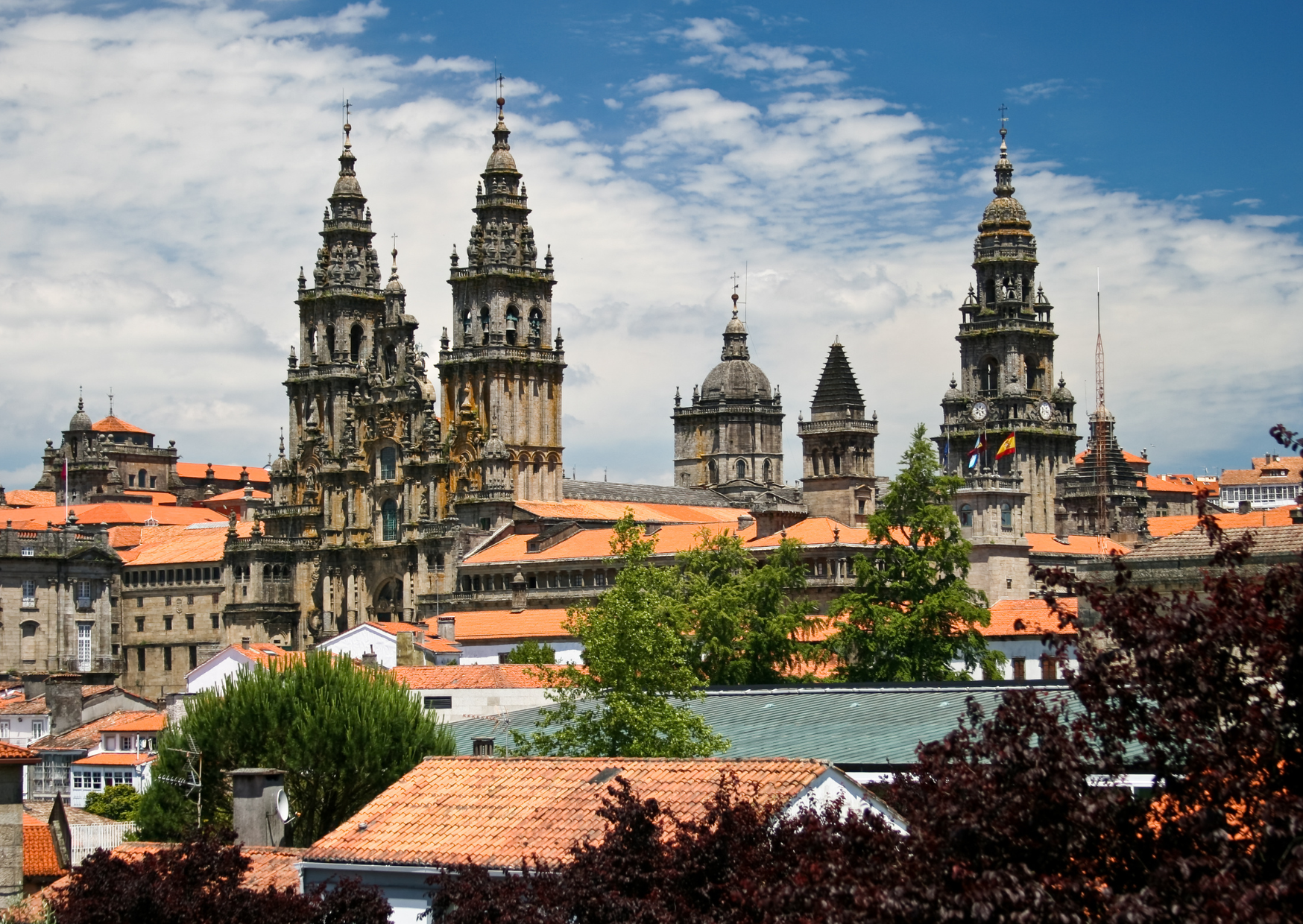
Choose one weekday. Eat a real lunch at 13:00, walk for ten minutes, do your second work arc until 16:30, make a light dinner at 19:00, and put your phone away at 21:30. Measure your blood pressure the next morning before coffee. Do it again two days later. If the numbers look kinder and the day felt like it belonged to you, keep the hours.
You do not need to move to Spain to live on Spanish time. You need a noon meal, two work arcs, and the courage to stop at night. The body will do the rest.

About the Author: Ruben, co-founder of Gamintraveler.com since 2014, is a seasoned traveler from Spain who has explored over 100 countries since 2009. Known for his extensive travel adventures across South America, Europe, the US, Australia, New Zealand, Asia, and Africa, Ruben combines his passion for adventurous yet sustainable living with his love for cycling, highlighted by his remarkable 5-month bicycle journey from Spain to Norway. He currently resides in Spain, where he continues sharing his travel experiences with his partner, Rachel, and their son, Han.