
Morning routines in Europe can vary significantly from what Americans are accustomed to. From the way Europeans start their day to their breakfast preferences, these habits might surprise—or even shock—most Americans. Here’s a look at some distinct European morning practices.
If you’ve ever traveled to Europe and found yourself puzzled by how mornings start, you’re not alone. From sipping espresso at a standing bar in Italy to letting school-aged kids walk to class alone in Germany, European mornings can feel like an alternate universe to the American routine. While Americans often associate mornings with fast-paced coffee runs, protein bars, and packed schedules, many Europeans treat mornings as a sacred ritual.
These morning customs are more than just cultural quirks—they’re reflections of deeper societal values around food, family, independence, and wellness. What might seem shocking or even “lazy” to some Americans is, in fact, a time-tested rhythm of life for much of Europe.
This list of 15 morning habits reveals how differently the two continents approach the start of each day—and why some of these customs are starting to gain attention (and envy) across the Atlantic.
Read Here European Things that terrify Americans and American Habits that make Europeans Cringe
Read here how to pack for Europe and Best eSIM for Europe
BOOK YOUR TRAVEL INSURANCE
Two of our favorite travel insurance: Heymondo Vs Safetwing cheapest travel Insurance. You can get for $135 USD your Heymondo Travel Insurance with Heymondo discount code valid for 90 days. Read our full comparison of Genki vs Safetywing Travel Insurance Review and the comparison Heymondo vs Genki
Key Takeaways for Americans Traveling to Europe
Adapt Your Expectations: Breakfast might not be as hearty, and coffee culture is different.
Enjoy the Slow Pace: Embrace the leisurely mornings, even if it feels unfamiliar.
Respect Local Customs: Follow local habits, like sitting down to enjoy your coffee or skipping the ice.
Try eating breakfast at a table—not on the go.
Replace fast food with a simple bakery visit or homemade toast and jam.
Consider walking your child to school or letting them walk if culturally safe.
Delay screen time and emails until after breakfast.
Buy a real alarm clock and leave your phone outside your bedroom.
Drink coffee for pleasure, not just caffeine.
Many Americans view European morning habits as inefficient, indulgent, or even irresponsible. Letting kids ride public transport alone at 8 a.m.? No drive-thru coffee culture? A full sit-down breakfast before work? To some, this seems out of sync with the fast-paced American dream.
But what’s rarely acknowledged is the hidden cost of America’s hustle-first mindset: rising burnout, isolation, and declining physical and mental health. In contrast, European societies—though not perfect—often prioritize social connection and quality over quantity, even before noon.
The real shock isn’t that European habits are different. It’s that they reveal just how drastically modern American life has drifted from slower, more communal roots. And perhaps that’s exactly why they’re worth considering.
European Morning Habits That Would Shock Most Americans
1. Tiny Breakfasts
Why It’s Shocking:
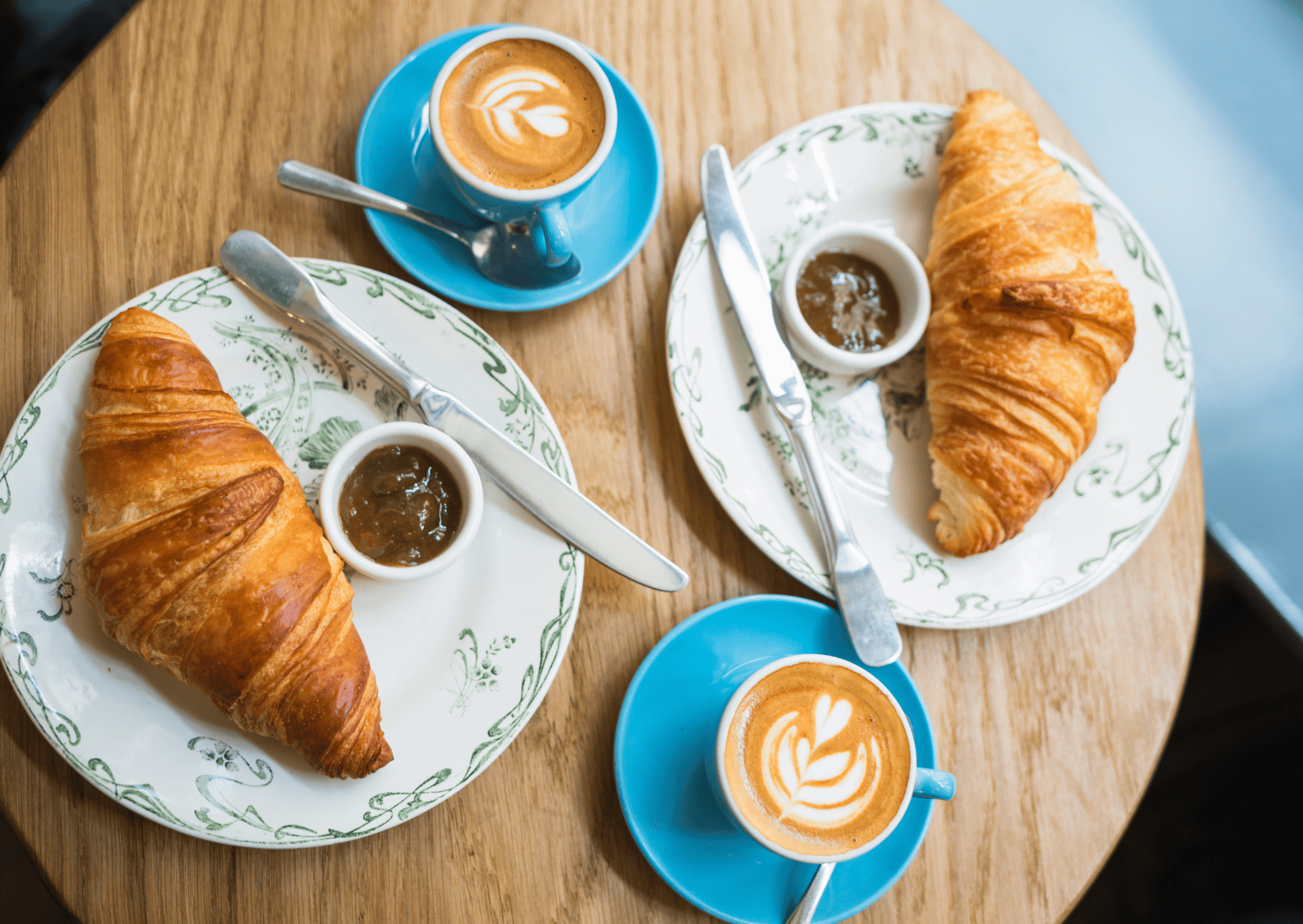
Europeans often eat a light breakfast, such as a croissant, toast with jam, or a single piece of fruit, which is far from the hearty American staples like pancakes, bacon, and eggs.
Example:
In Italy, breakfast is often just a pastry and espresso, consumed quickly at a café counter.
2. Coffee Without Add-Ons
Why It’s Shocking:
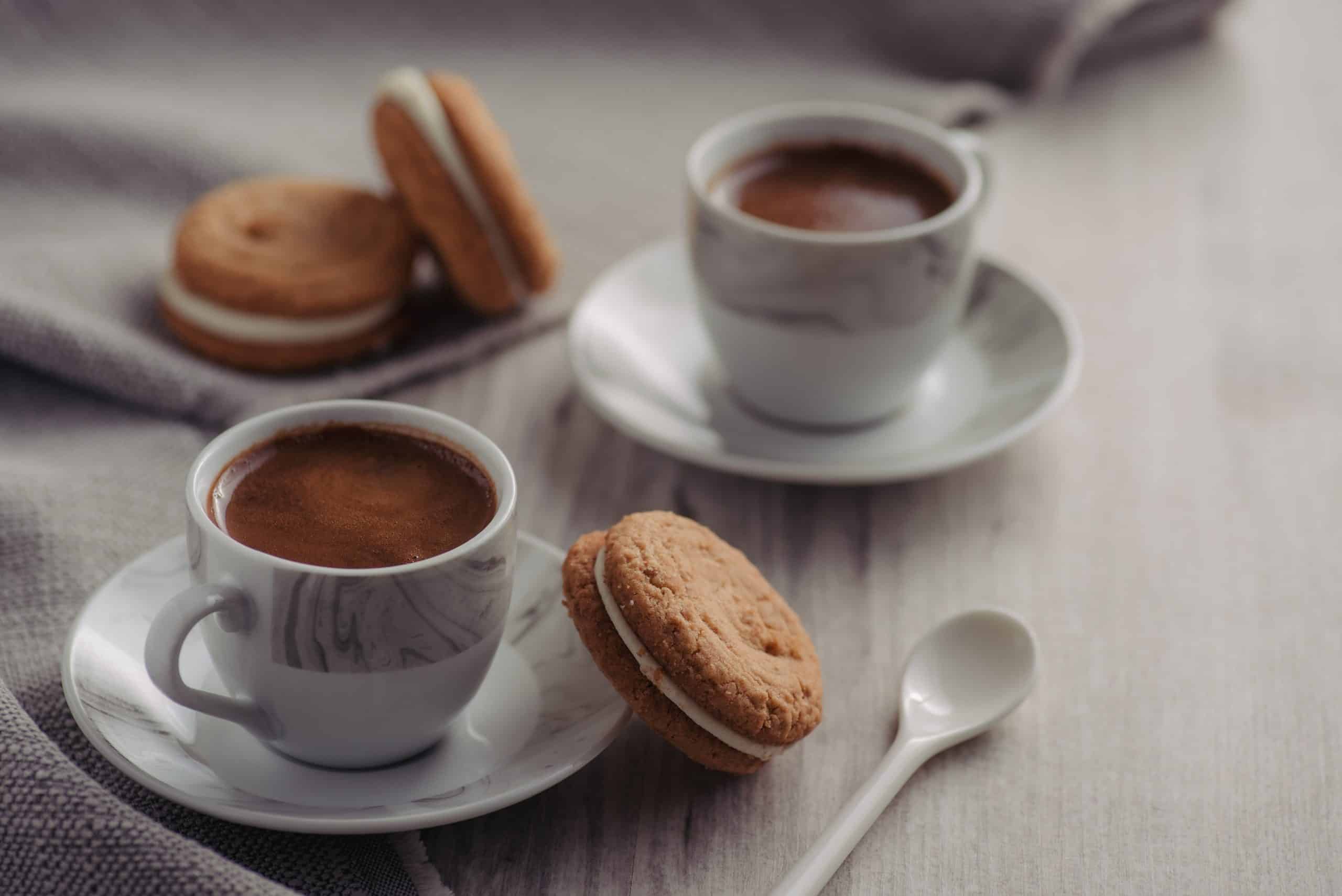
Europeans rarely drink large, flavored coffee drinks. Coffee culture emphasizes quality over quantity, with small, strong espressos being the norm.
Example:
Ordering a large “to-go” coffee in France or Spain might earn you puzzled looks.
3. Drinking Coffee After Breakfast
Why It’s Shocking:
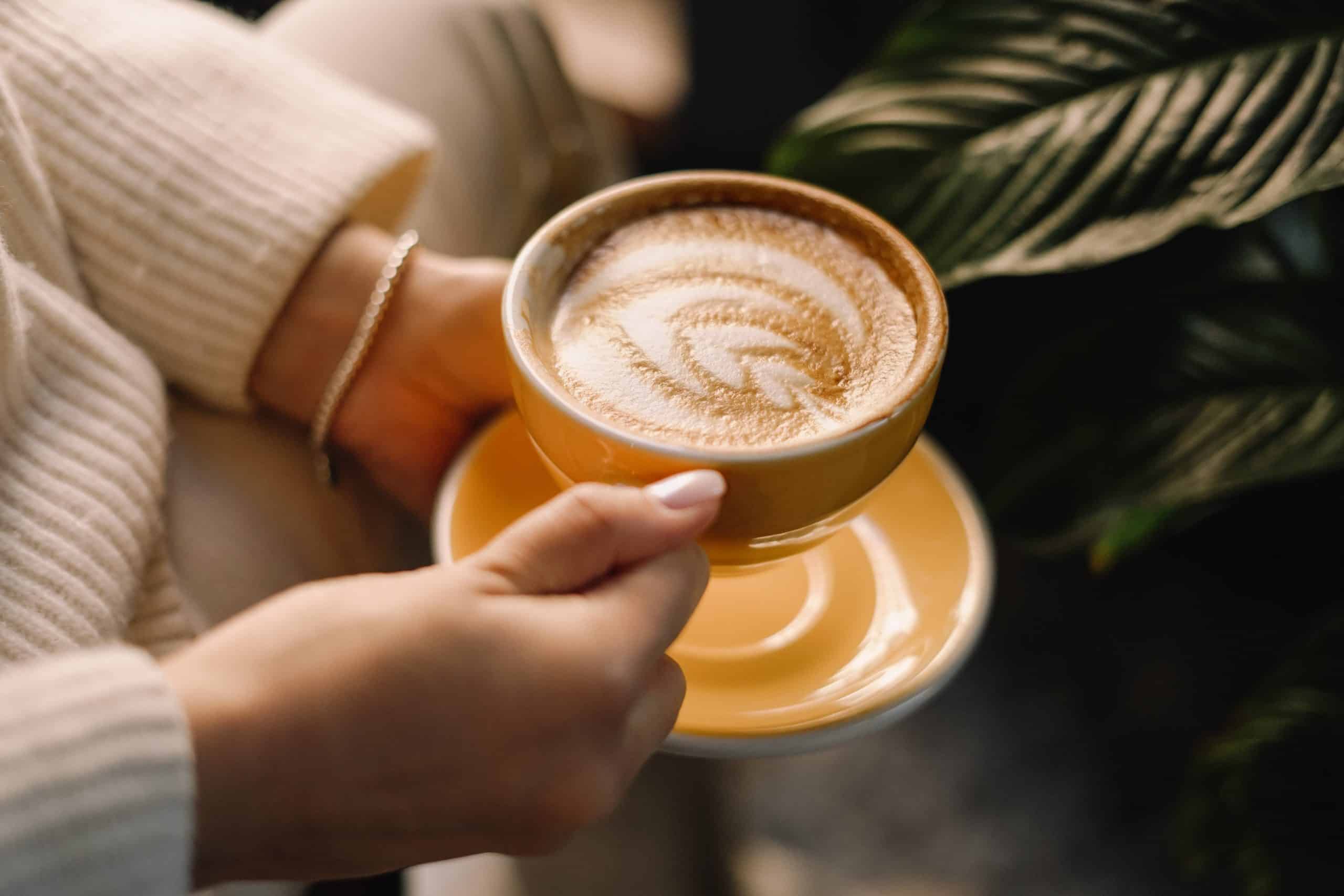
Many Europeans enjoy coffee after eating breakfast, not during.
Example:
In Italy, a cappuccino is considered a breakfast drink but is never consumed with a meal.
4. Bread Is Essential
Why It’s Shocking:
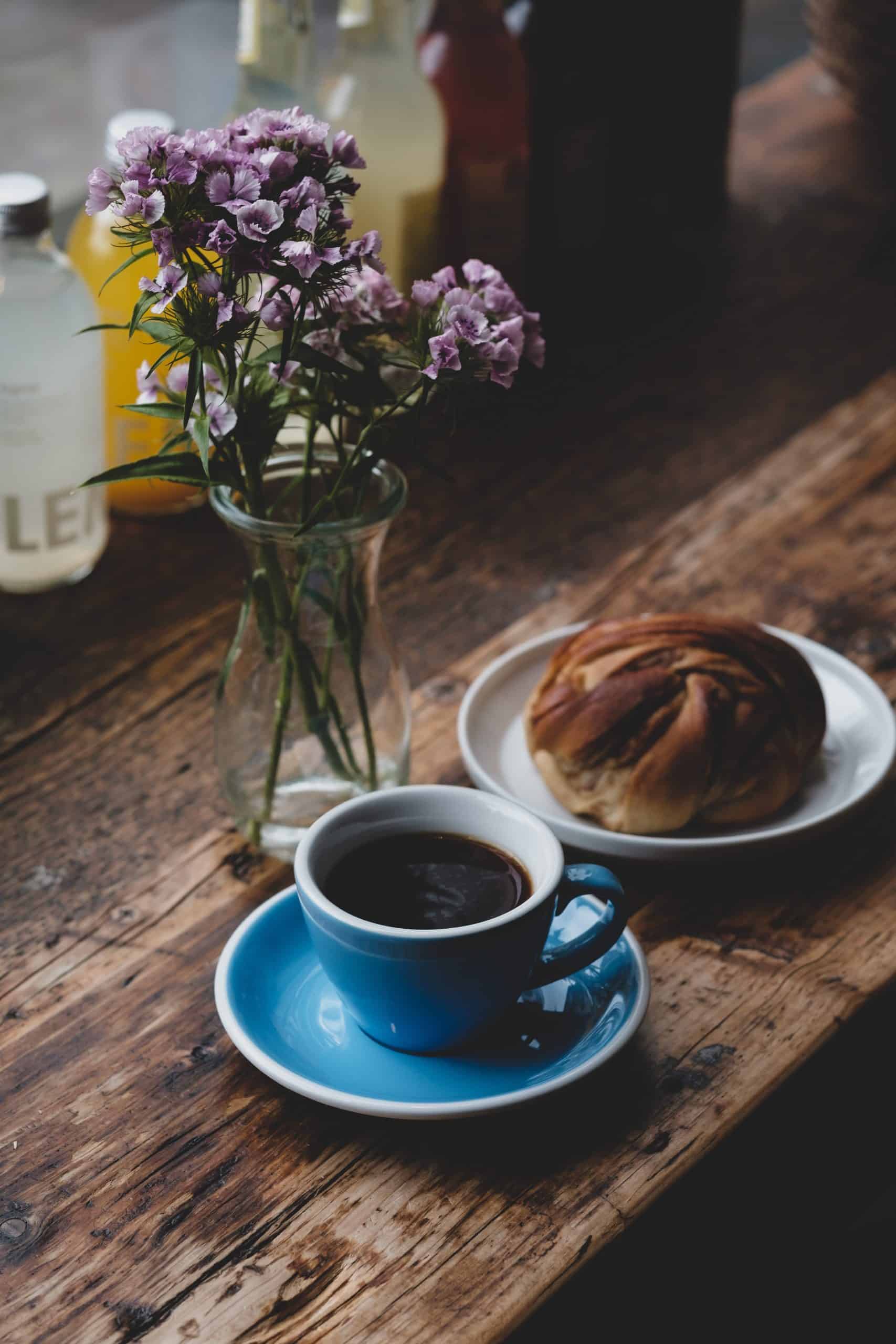
Bread is a cornerstone of European breakfasts, often served with butter and jam or cheese. The American reliance on cereals, bagels, and pancakes is less common.
Example:
In Germany, mornings often start with hearty bread, cured meats, and cheeses.
5. No Rushed Breakfasts
Why It’s Shocking:
Europeans generally take their time eating breakfast, even if it’s small, unlike the American habit of eating on the go.
Example:
In France, breakfast is savored at a café, with locals enjoying their food and drink slowly.
6. Frequent Visits to the Bakery

Why It’s Shocking:
Freshly baked goods are a daily priority for many Europeans, and visiting a local bakery each morning is common.
Example:
In countries like Austria or Denmark, picking up fresh bread or pastries is a morning ritual.
7. Room-Temperature Beverages
Why It’s Shocking:
Europeans often drink water or juice at room temperature, skipping the ice-cold drinks Americans are used to.
Example:
Ordering iced water in Germany might result in a confused reaction or lukewarm water.
8. Minimal Sugar for Breakfast
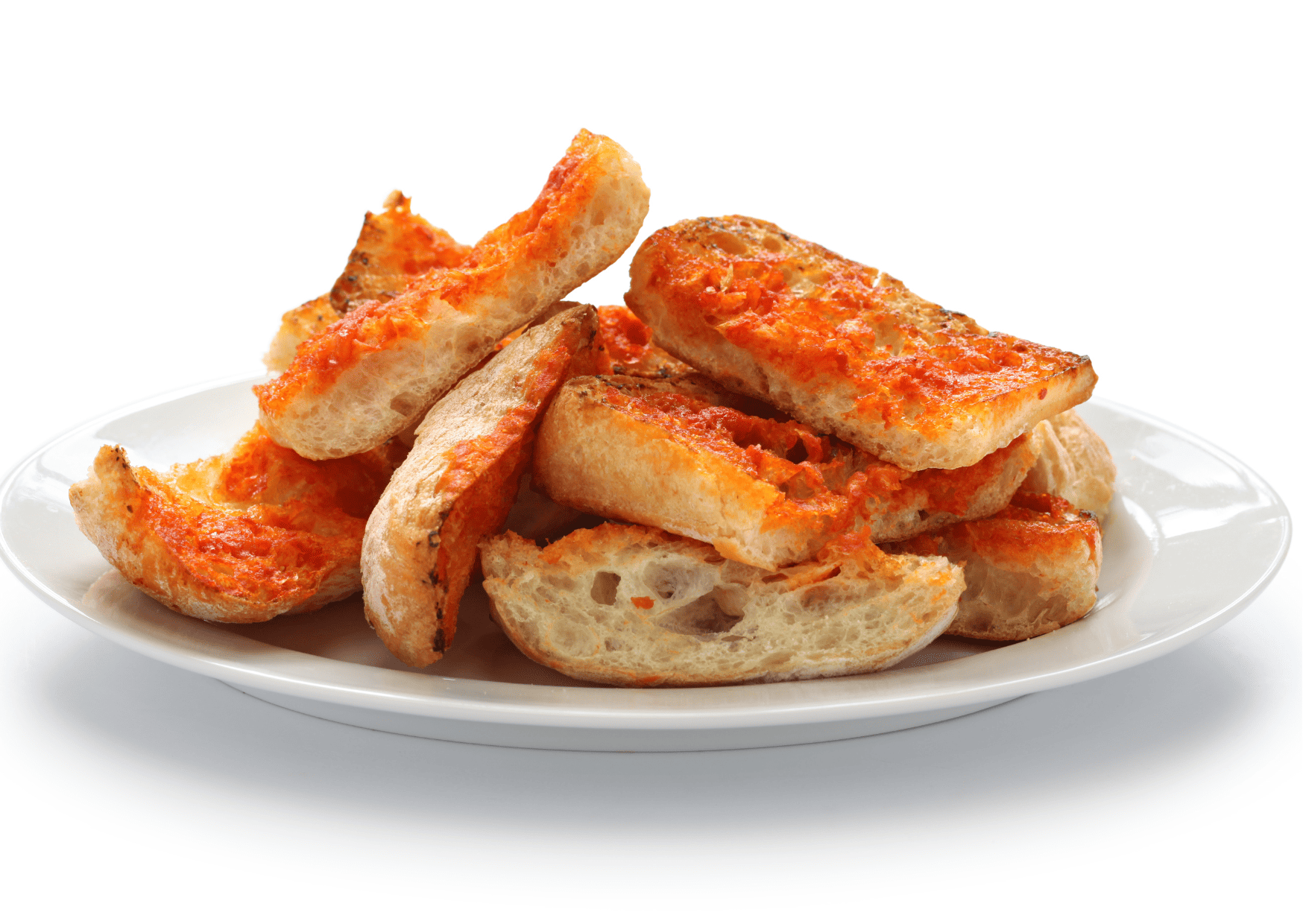
Why It’s Shocking:
Sweet breakfasts like sugary cereals, pancakes, or waffles are uncommon. Europeans tend to favor savory or mildly sweet options.
Example:
In Spain, pan con tomate (bread with grated tomato, olive oil, and salt) is a breakfast staple.
9. Walking to Get Breakfast
Why It’s Shocking:
Instead of making breakfast at home, many Europeans stroll to their local café or bakery.
Example:
Parisians often start their day by walking to a nearby bakery for a croissant or baguette.
10. Morning Silence
Why It’s Shocking:
Mornings in Europe are often quiet and unhurried, with people avoiding loud conversations or activities.
Example:
In Switzerland, neighbors are expected to keep noise to a minimum in the early hours.
11. Skipping the Gym

Why It’s Shocking:
While morning workouts are popular in the U.S., many Europeans prefer evening exercise or active transportation like biking or walking to work.
Example:
In the Netherlands, commuting by bike is the morning exercise routine for most.
12. Late Starts
Why It’s Shocking:
In many European countries, the workday and school day start later than in the U.S.
Example:
In Spain, breakfast might not happen until 9 or 10 AM, with schools and businesses opening later.
13. No Takeaway Cups
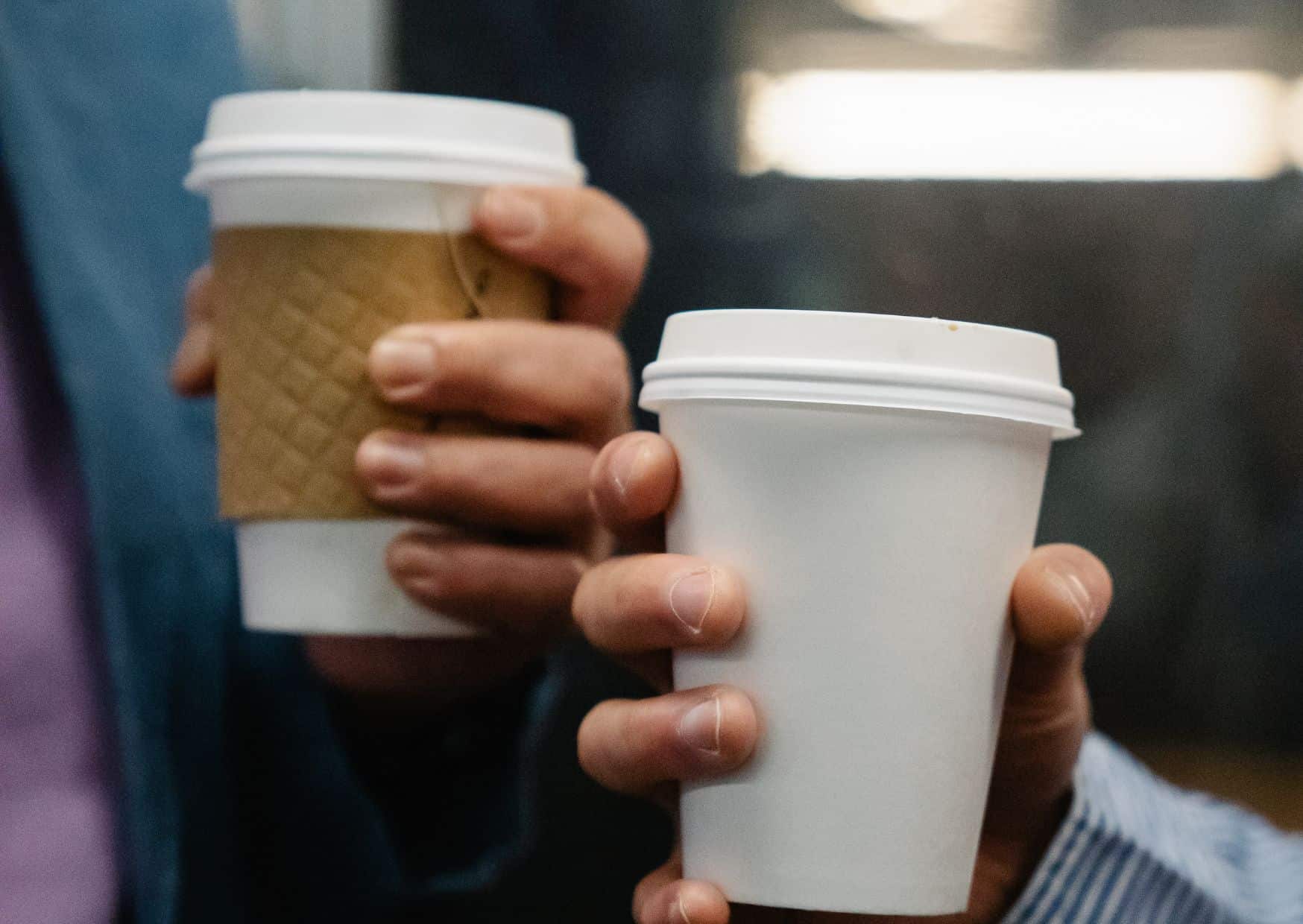
Why It’s Shocking:
The concept of a to-go coffee cup is rare. Europeans prefer to drink their coffee in porcelain cups while seated.
Example:
In Italy, it’s common to sip an espresso at the café bar rather than taking it to go.
14. Light Morning Hygiene
Why It’s Shocking:
While Americans often shower every morning, some Europeans prefer evening showers and may freshen up with a quick wash in the morning instead.
Example:
In France, many people focus on a quick face wash or freshening up rather than a full morning shower.
15. Prioritizing News or Conversations

Why It’s Shocking:
Morning TV shows and podcasts dominate U.S. routines, but in Europe, mornings are often spent reading the newspaper or engaging in meaningful conversation.
Example:
In Scandinavia, families may prioritize calm breakfast conversations over rushing to work or school.
Final Thoughts
Embracing even one or two of these European morning habits might not only change how you feel when you wake up—it could reset your entire day. Slowing down, eating real food, and trusting kids with more independence aren’t just cultural choices. They’re intentional lifestyles built around community and balance.
The American obsession with productivity has its strengths, but it often comes at the expense of rest, connection, and joy. Europe’s slower, more human-centered mornings might just offer the reset many people are unknowingly craving.
So next time you’re tempted to eat breakfast in the car or check emails before your feet hit the floor, ask yourself: what would a Parisian, Roman, or Berliner do?

About the Author: Ruben, co-founder of Gamintraveler.com since 2014, is a seasoned traveler from Spain who has explored over 100 countries since 2009. Known for his extensive travel adventures across South America, Europe, the US, Australia, New Zealand, Asia, and Africa, Ruben combines his passion for adventurous yet sustainable living with his love for cycling, highlighted by his remarkable 5-month bicycle journey from Spain to Norway. He currently resides in Spain, where he continues sharing his travel experiences with his partner, Rachel, and their son, Han.