
You do not need a hundred tabs. You need one shortlist, steady paperwork, and dates on your calendar. For many of you, the smartest move is to pick a country that grants two years on the first card or converts to two years within your first appointment. Two years is breathing room. It lets you settle a routine, make friends, and stop planning your life around renewals. Below are eleven options that work right now, grouped so you can decide fast and stop doom-scrolling.
How to read this and decide in a week
You are looking for three things: first card length, income or funds proof, and how fast you can get an appointment. If a program gives more than two years, great, it still belongs here because you clear the “two or more without gymnastics” bar. For each country I note the practical quirk that slows Americans down, because small frictions sink good files.
A quiet rule that saves months: book your first legal appointment before you book a cute apartment. The lease can wait a week. Appointments cannot.
Portugal for simplicity, two clear paths to two years

D7 passive-income residence
Portugal’s D7 is the classic “live on income or savings” route. After your entry visa and first residence appointment, the initial residence card is valid for two years, then you renew for three if you meet the presence rules. Many applicants use a mix of pension, dividends, and savings; officers want stable means and an address, not a short novel. Two years on the first card is the entire reason D7 remains popular. Plan realistically for presence requirements across the first period.
Remote-work D8 (Digital Nomad)
Different door, same runway. The consular visa you enter with is a four-month residency visa, then you convert to a two-year residence permit at AIMA, renewable for three. Current guidance clusters income at roughly mid-€3,000s per month for singles, higher for families, with health insurance and a lease in your name. People confuse the 4-month visa with the two-year card, then panic. The card is what counts, and it says two years.
What actually trips Americans up in Portugal
Not the math. It is the appointment. AIMA calendars open and close without warning, and incomplete leases get rejected. Book early, bring originals, and print everything. Paper beats promises.
Spain when you want the Schengen big stage and a longer first card
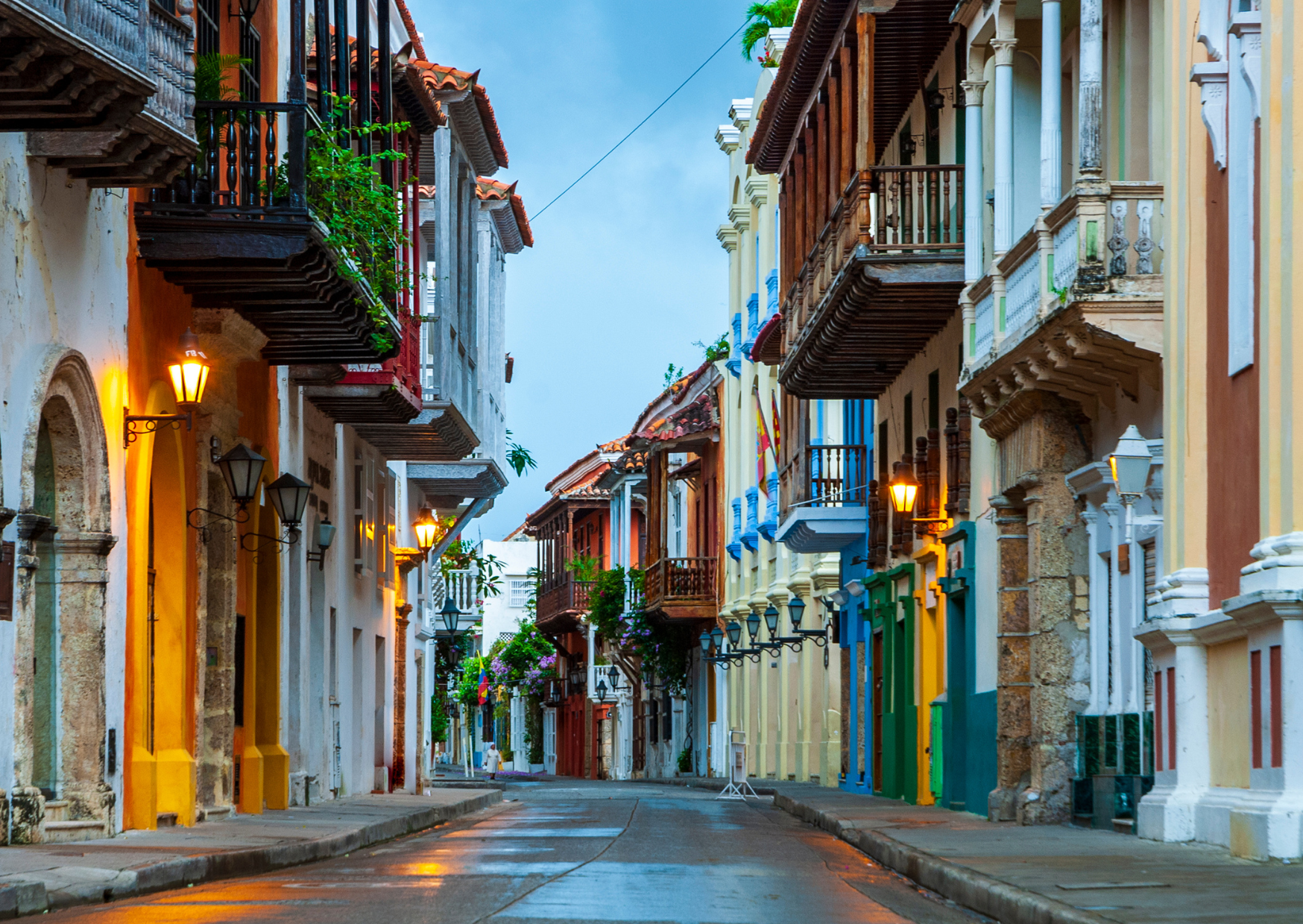
Spain’s international teleworker category gives you two routes to the same destination.
- Apply at a consulate and you receive a one-year visa to enter Spain, then convert to a residence permit up to three years.
- Apply inside Spain through the UGE and you can receive a three-year permit on the first approval if your file is clean.
Either way you have two years or more from day one of the residence card, which more than clears our bar. Spain cares that your income is non-Spanish sourced, your employer letter is explicit, and your insurance and housing are real, not theoretical. Keep invoices and contracts tidy.
Quirk to expect
Spain is friendly to well-organized people and unkind to vague files. Write a one-page income explainer with totals and screenshots. Officers appreciate clarity more than poetry.
Greece for a quieter Schengen on-ramp that becomes two years

Greece runs a two-step for remote workers. You arrive on a one-year digital-nomad visa and then convert to a two-year residence permit, renewable in two-year chunks if you still meet the rules. Current guidance places income near €3,500 net per month for singles, with add-ons for dependents, plus continuous private health coverage. Athens and Thessaloniki are the practical choices if you want transit, clinics, and appointments without drama.
Quirk to expect
Do not let insurance lapse between visa and permit conversion. Gaps cause renewal headaches even if the rest of your file is textbook.
The Netherlands when you want a straight two-year card and easy banking
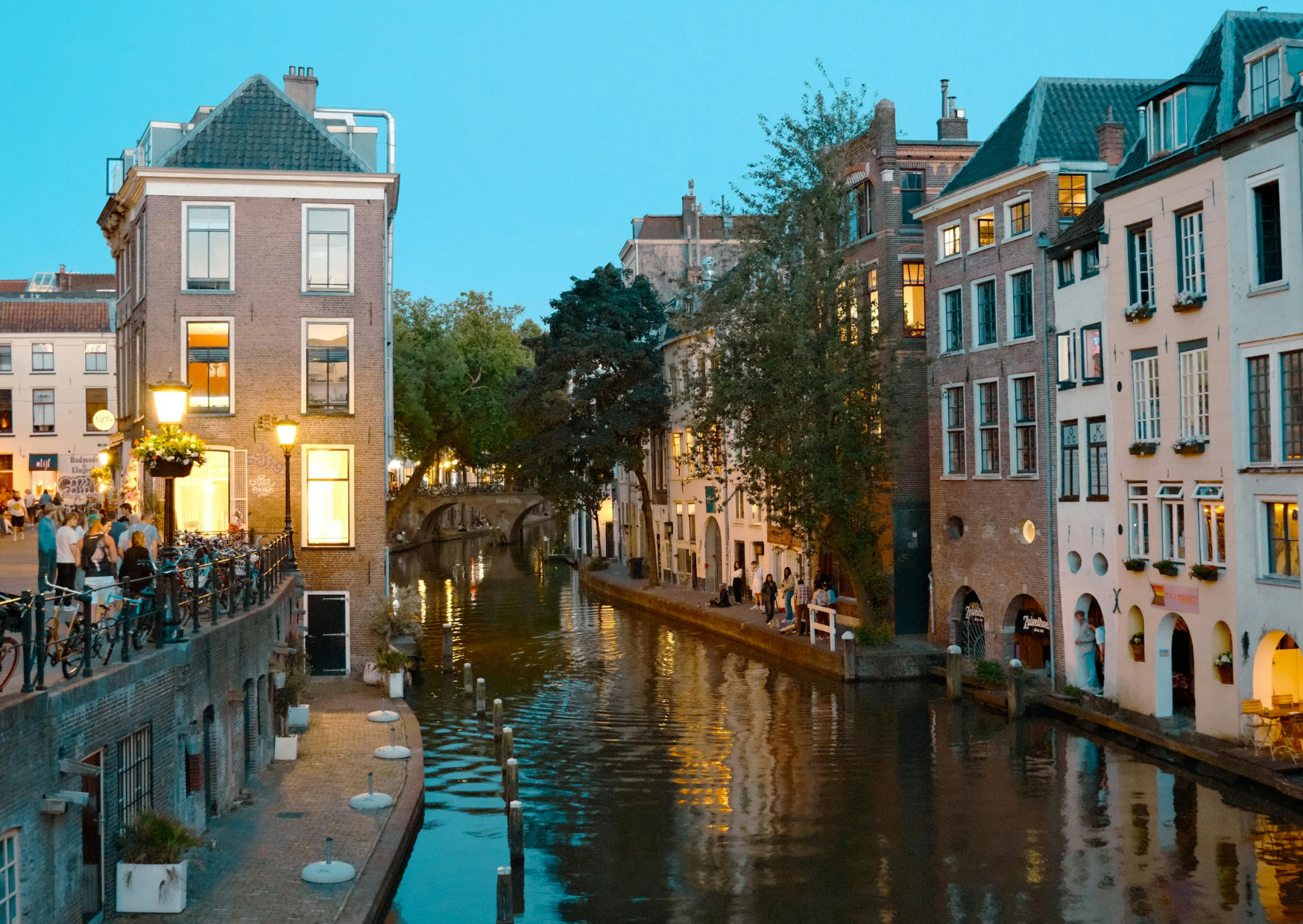
DAFT (Dutch-American Friendship Treaty)
If you like order and bikes, DAFT is tailor-made. Register a simple business, deposit €4,500 in a Dutch account, and the first residence permit is two years for U.S. citizens, extendable later. Rotterdam and The Hague are easier landings than central Amsterdam right now for housing and appointments. IND wants real residence, not a mailbox you visit between city breaks.
Quirk to expect
Presence rules exist. Six months outside the Netherlands in a row becomes a problem. Plan travel around that and life gets simple.
Germany if you are truly freelance and can show market fit
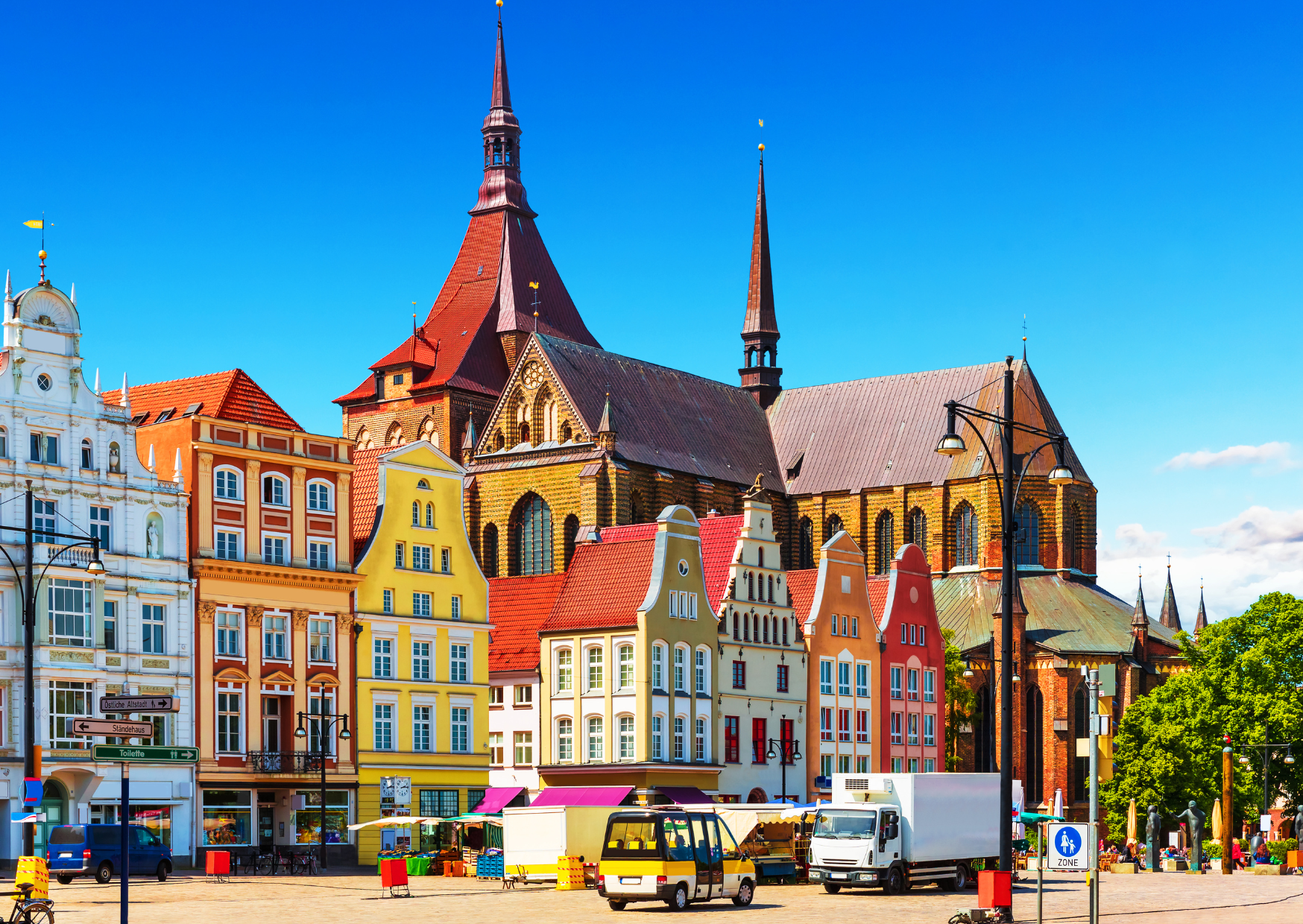
Germany’s Freelance (Freiberufler) option is the grown-up version of a nomad permit. Depending on city and officer, first cards run one to three years. That checks our two-year box, and many Americans do receive multi-year on the first try when letters are strong. What convinces officers is German client intent letters, tax compliance, and a service plan that reads like you mean it. If all your income is offshore and you cannot show demand in Germany, expect a one-year first card and a request to prove traction.
Quirk to expect
Berlin is popular and conservative. Munich and Hamburg sometimes move faster for people with tidy files and German client letters.
Turkey for an EU-adjacent base with two-year residence cards

If you want an easy hub outside Schengen with fast flights into Europe, Turkey’s short-term residence permit is issued for up to two years per grant. People use it for longer stays tied to property, study, or a slow travel life. It is not a work permit. Istanbul is competitive, and coastal provinces often move faster. Bring a real lease, proof of means, and health insurance that names Turkey and the dates. Up to two years per issuance is what makes it useful.
Quirk to expect
Rules vary by province. Do not copy a YouTube checklist from another city. Read your province’s list and over-prepare.
Panama when you want two years, then permanence

Outside Europe but strategically perfect for a Plan B, Panama’s Friendly Nations route gives a two-year provisional residence, then you convert to permanent residence if you maintain the requirement. Day-count obligations are lighter than most and flights to the U.S. are painless. For many families, it is the stress-free base that lets Europe be seasonal instead of permanent. Two years then permanent is a rare, simple ladder.
Quirk to expect
Keep your basis for residence active for the full provisional period. Maintenance matters the day you convert.
Costa Rica when you like warm, orderly, and renewable two years

Costa Rica’s Rentista category is a straightforward two-year temporary residence, renewable. Proof is either $2,500 per month for the two years or the classic $60,000 deposit into a Costa Rican bank account, withdrawn monthly during the period. Pensionado is similar for retirees with $1,000 pension income. Bureaucratic, yes, but not hostile. Two years clean, then renew.
Quirk to expect
Translations and appointments eat time. Budget 3 to 9 months from first file to card and use that waiting period to settle housing and Spanish.
Colombia if you want generous time on the card
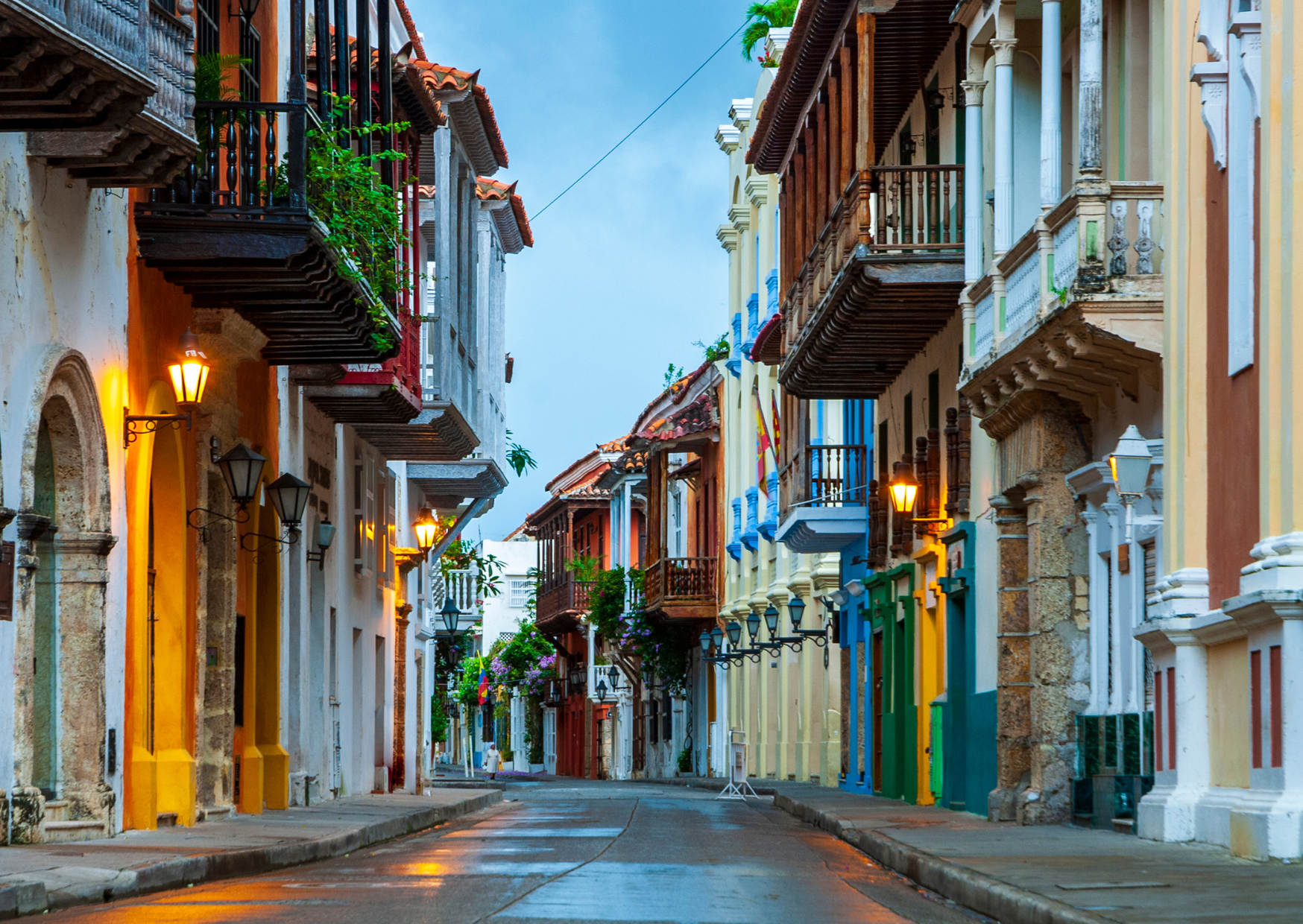
Colombia’s digital-nomad visa is officially valid for up to two years. In practice, many grants are one year with easy re-ups, but full two-year approvals do happen. Income guidance sits around $900 per month, and you must keep health insurance for the duration. No local employment on this status, keep contracts abroad. Medellín, Bogotá, and the coffee triangle all have mature infrastructure now.
Quirk to expect
Officers want to see insurance that covers the entire intended stay. Short policies cause short cards. Renew insurance early.
Brazil when you want one plus one for a clean two
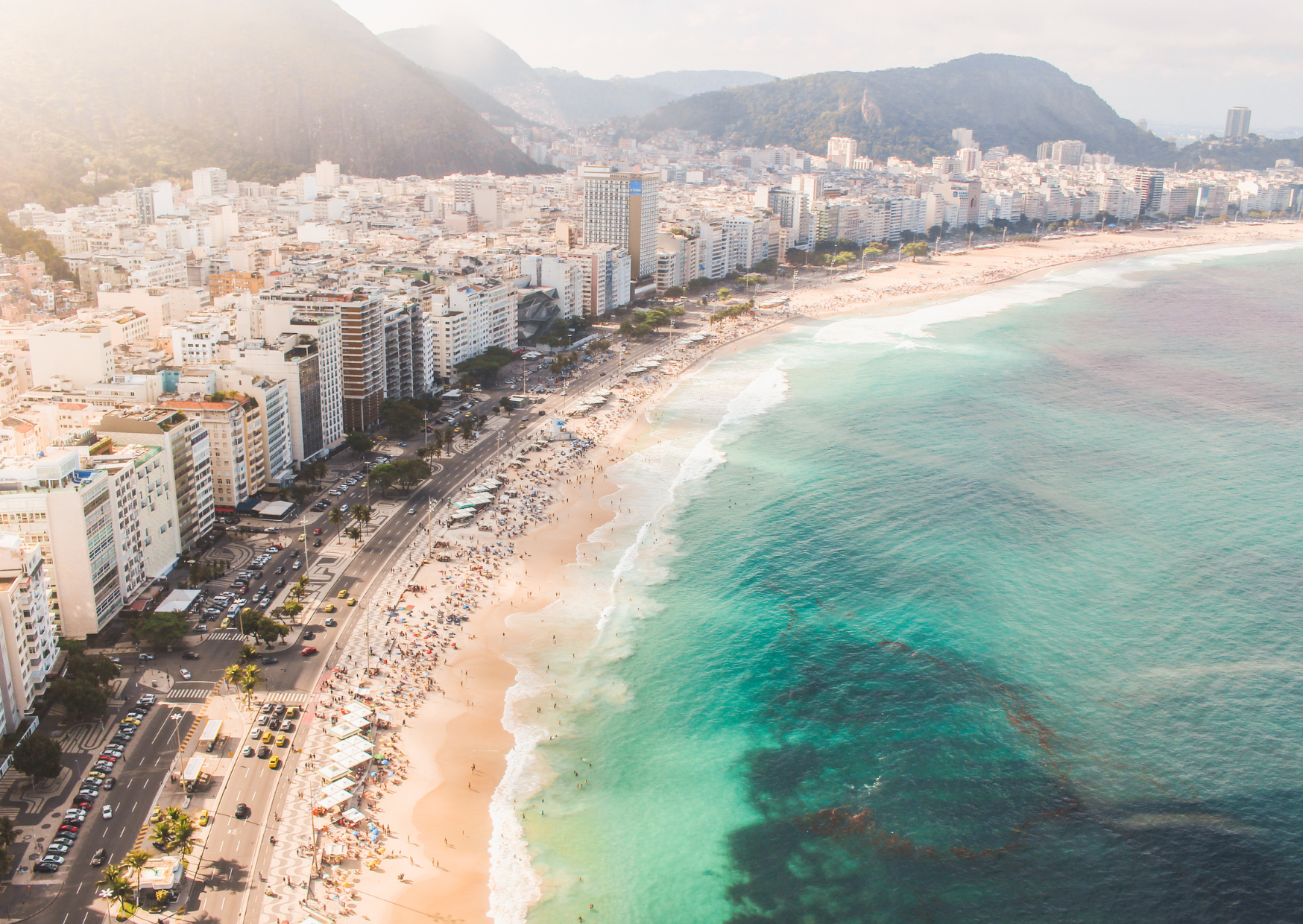
Brazil’s digital-nomad visa gives one year renewable once, so up to two years total if you keep the requirements. Show US $1,500 per month from foreign sources or $18,000 in savings, plus insurance valid in Brazil and a clean record. Rio and São Paulo are obvious bases, and secondary cities are easier for housing. Treat the renewal like a first application. Re-prove income and insurance before expiry.
Quirk to expect
Some consulates still prefer paper. Follow your consulate’s checklist, not a generic blog.
Quick comparison you can screenshot
- Portugal D7 — first residence card 2 years, renew 3. Presence rules apply.
- Portugal D8 — 4-month entry visa, then 2-year card, renew 3.
- Spain Teleworker — 1-year visa then up to 3-year card, or 3-year first if filed in Spain.
- Greece DN — 1-year visa then 2-year residence, renewable. Income about €3,500 net for singles.
- Netherlands DAFT — initial card 2 years for U.S. citizens, extendable. Deposit €4,500.
- Germany Freelance — 1 to 3 years on first card depending on file strength.
- Turkey Short-term — residence permit up to 2 years per issuance.
- Panama Friendly Nations — 2-year provisional, then permanent.
- Costa Rica Rentista — 2-year temporary, renewable, $60,000 deposit or $2,500 monthly.
- Colombia DN — up to 2 years, often issued as 1 year with extensions. ~$900 monthly.
- Brazil DN — 1 year plus 1-year renewal, income $1,500 or savings $18,000.
Money math that stops analysis paralysis
You do not need perfect numbers. You need believable ones. Here is a tidy monthly comparison so you can feel the floor.
- Portugal: rent in normal cities €850–€1,100, utilities €90–€120, groceries for two €380–€450, mobiles and fiber €45–€55. First-year admin €20 average.
- Spain: rent €900–€1,200 outside the tourist cores, groceries €380–€450, transport pass €40–€60, lunch out is cheaper than dinner, so move restaurants to noon.
- Greece: rent €650–€950 outside Athens’ hottest districts, utilities spike in summer, budget €120–€160 averaged, insurance continuous.
- Netherlands: rent €1,200–€1,600 for a modest place in Rotterdam or The Hague, bikes and transit save car costs, DAFT deposit €4,500 is a separate one-time.
- Germany: rent €1,000–€1,400 in big cities for workable neighborhoods, health insurance has its own logic, so do that call early.
- Turkey: wide range by province, but two-year card plus low transit costs make it a strong base if you can live without Schengen.
- Panama: you are paying for stability and flights, not romance. Housing is reasonable outside the banking high-rise zones.
- Costa Rica: rentista is predictable, groceries vary by coastal vs valley. Two-year cycle makes planning simple.
- Colombia: Medellín gives you strong internet and sane rents, just keep insurance aligned with your intended stay.
- Brazil: treat the two years as one plus one, and set a reminder at month nine to renew.
The boring documents that decide everything
- Health insurance that explicitly names the country and covers the full intended period. Short policies produce short cards.
- Income explainer on one page with monthly totals, screenshots, and a sentence that says where the money comes from.
- Housing that prints well. Leases beat “letters of invitation.”
- Police certificates and apostilles with enough runway to survive a reschedule.
- Appointment confirmations saved as PDFs in two places, because offices do not care that your phone died.
Pick the country by your constraint, not by a postcard
- If you need two years up front in Schengen, pick Portugal D7 or D8.
- If you need more than two and like big-city life, Spain’s teleworker permit inside the country gets you three on the first card.
- If you want quiet Schengen and simple renewals, Greece is humane once you learn its rhythm.
- If you want order and banking, Netherlands DAFT is the cleanest two-year card for Americans.
- If you are freelance and serious, Germany rewards tidy client letters with multi-year cards.
- If you want EU-adjacent time with two-year cards, Turkey is the practical base.
- If you want a Plan B that becomes permanent, Panama is the stress-free ladder.
- If you want warm and renewable two years, Costa Rica is as straightforward as it looks.
- If you want generous Latin America time with good infrastructure, Colombia is a sleeper hit.
- If you want big culture and beaches, Brazil is exactly two years when you follow the renewal rules.
Two-week prep that makes approvals boring
Week 1, make the file real
- Health insurance quote that covers the whole period and names the country.
- One-page income explainer with monthly totals.
- Background check ordered and apostille timeline on paper.
- Pick a target start month and count backwards for translations and police docs. Calendars beat courage.
Week 2, make the move real
- Book the first legal appointment you can, even if the city is your second choice. You can move later.
- Secure housing that prints well.
- Create a folder with PDFs of passport, insurance, proof of means, and appointment confirmations.
- Draft three emails: to an accountant, to a relocation helper, to yourself with the checklist. Hit send on the first two. Decisions are cheaper than research.
Objections, answered like a friend would do it
“I need to visit ten cities before deciding.”
Pick one for 90 days with a furnished lease and do the paperwork there. You can travel after your card prints. Waiting kills momentum.
“I heard appointments are impossible.”
They are hard when you are vague. Files with dates, insurance, clear income, and a lease get helped. Officers are human.
“I am terrified of taxes.”
Book one hour with a cross-border accountant. Know what belongs in the new country, what stays in the U.S., and when to file. Uncertainty is more expensive than compliance.
“My work is all U.S. evenings.”
Offer two fixed windows that overlap and refuse the rest. If your job truly demands nightly calls, choose a western time zone in Europe or accept that your life will be a night shift.
“I will apply when I feel ready.”
You will not. Apply when your documents are ready. Read this section again if you feel seen.

About the Author: Ruben, co-founder of Gamintraveler.com since 2014, is a seasoned traveler from Spain who has explored over 100 countries since 2009. Known for his extensive travel adventures across South America, Europe, the US, Australia, New Zealand, Asia, and Africa, Ruben combines his passion for adventurous yet sustainable living with his love for cycling, highlighted by his remarkable 5-month bicycle journey from Spain to Norway. He currently resides in Spain, where he continues sharing his travel experiences with his partner, Rachel, and their son, Han.