
And what it reveals about psychological pricing, travel confidence, and why Americans misunderstand what “no fee” really means
You’ve just landed in Paris. The customs line is behind you. Your luggage arrived intact. You’re sleep-deprived but relieved.
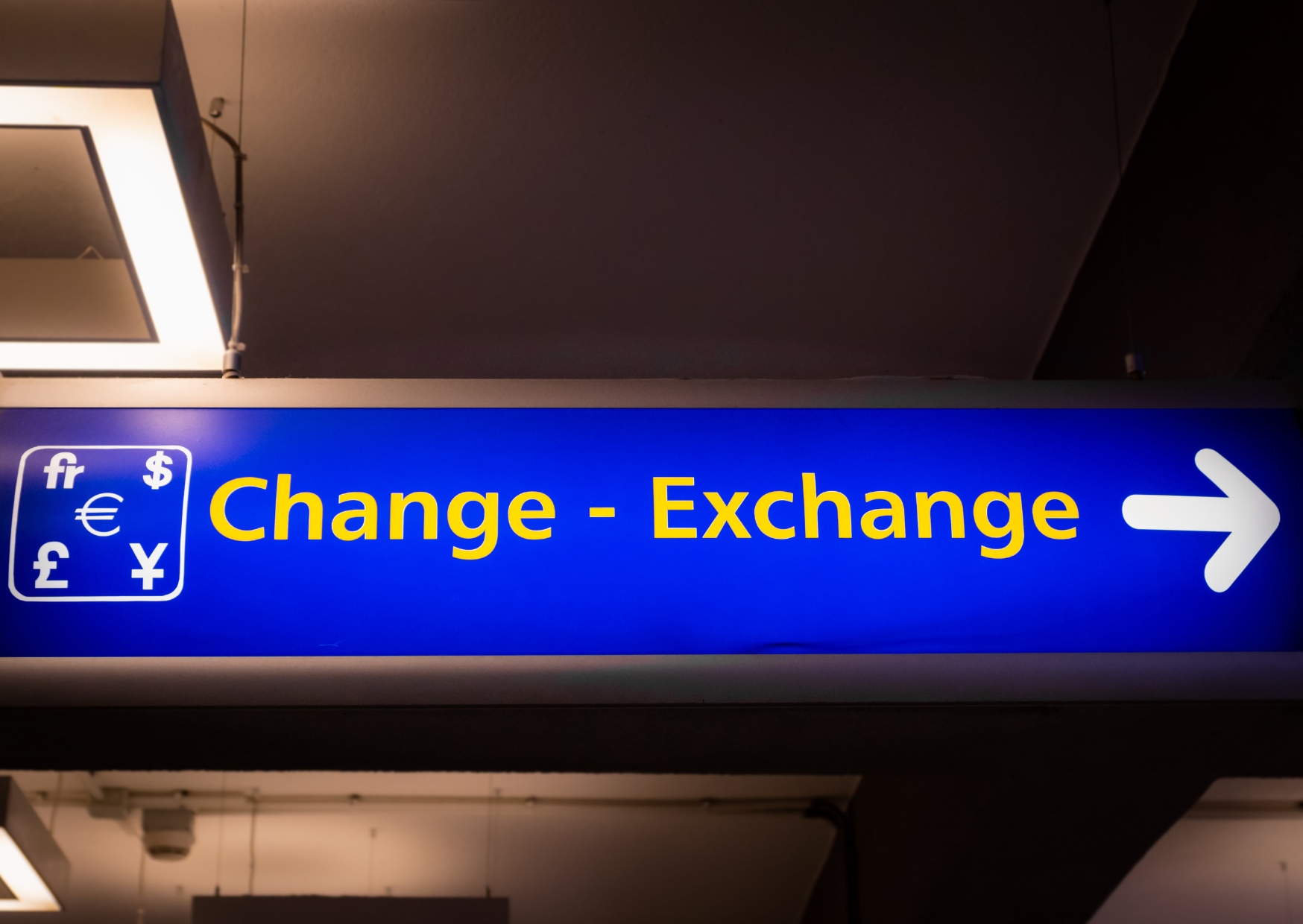
Before heading to the taxi queue, you spot a glowing sign:
Currency Exchange — No Commission! Best Rates!
You walk up, pull out some cash, and hand over $300. The teller slides euros back across the counter, and you don’t count them carefully. You assume the rate is fair — the sign said “no commission.”
It’s only later, after a few days in Europe, that you realize what happened.
You were charged one of the worst exchange rates available, often 10 to 15 percent below the real market rate. “No commission” didn’t mean no fees. It meant the fee was hidden inside the rate itself.
This scene plays out daily in major airports like Charles de Gaulle, Madrid-Barajas, Fiumicino, and Schiphol. And it disproportionately affects American tourists — especially those unfamiliar with how foreign exchange really works.
Here’s how airport currency kiosks quietly extract hundreds of dollars from U.S. travelers, and what this says about pricing psychology, financial literacy, and the American habit of trusting the wrong signals abroad.
Want More Deep Dives into Everyday European Culture?
– Why Europeans Walk Everywhere (And Americans Should Too)
– How Europeans Actually Afford Living in Cities Without Six-Figure Salaries
– 9 ‘Luxury’ Items in America That Europeans Consider Basic Necessities
Quick Easy Tips
- Always withdraw from a local ATM and decline currency conversion
Choose to be charged in the local currency, not your home currency.
- Avoid airport exchange counters entirely
Use them only for emergencies, as their rates are consistently among the worst.
- Check your bank’s international withdrawal fees before traveling
You may have access to partner banks abroad that waive ATM charges.
- Carry a no-FX-fee credit card
These cards apply fair exchange rates and often provide better fraud protection.
- Use currency apps to compare real-time rates
Knowing the true rate prevents you from accepting an inflated offer.
Many travelers assume airport currency exchange counters are simply a convenient, if slightly more expensive, way to get local cash. What most do not realize is that the real cost often has nothing to do with the stated fees. Instead, the biggest financial hit comes from something far less obvious: the manipulated exchange rate that quietly shaves off far more value than any service charge ever would. This system is legal, widespread, and almost entirely hidden in plain sight.
Another point of controversy is the practice known as Dynamic Currency Conversion. Travelers see a friendly offer to pay in their home currency at the point of sale or ATM, believing it will make things easier. What actually happens is that the machine applies a highly inflated rate, turning a simple withdrawal or purchase into an unnecessary expense. Many tourists assume they are choosing the safer option, but in reality, they are selecting the most profitable option for the bank or vendor.
What makes these practices so fiercely debated is the perception of transparency. Technically, the rates and fees are disclosed, but rarely in a way the average traveler can quickly understand. The result is a widespread belief among tourists that they are being taken advantage of, while financial institutions insist that every part of the process is voluntary. This tension between legality and ethics is what keeps the controversy alive.
1. “No Commission” Rarely Means No Fees
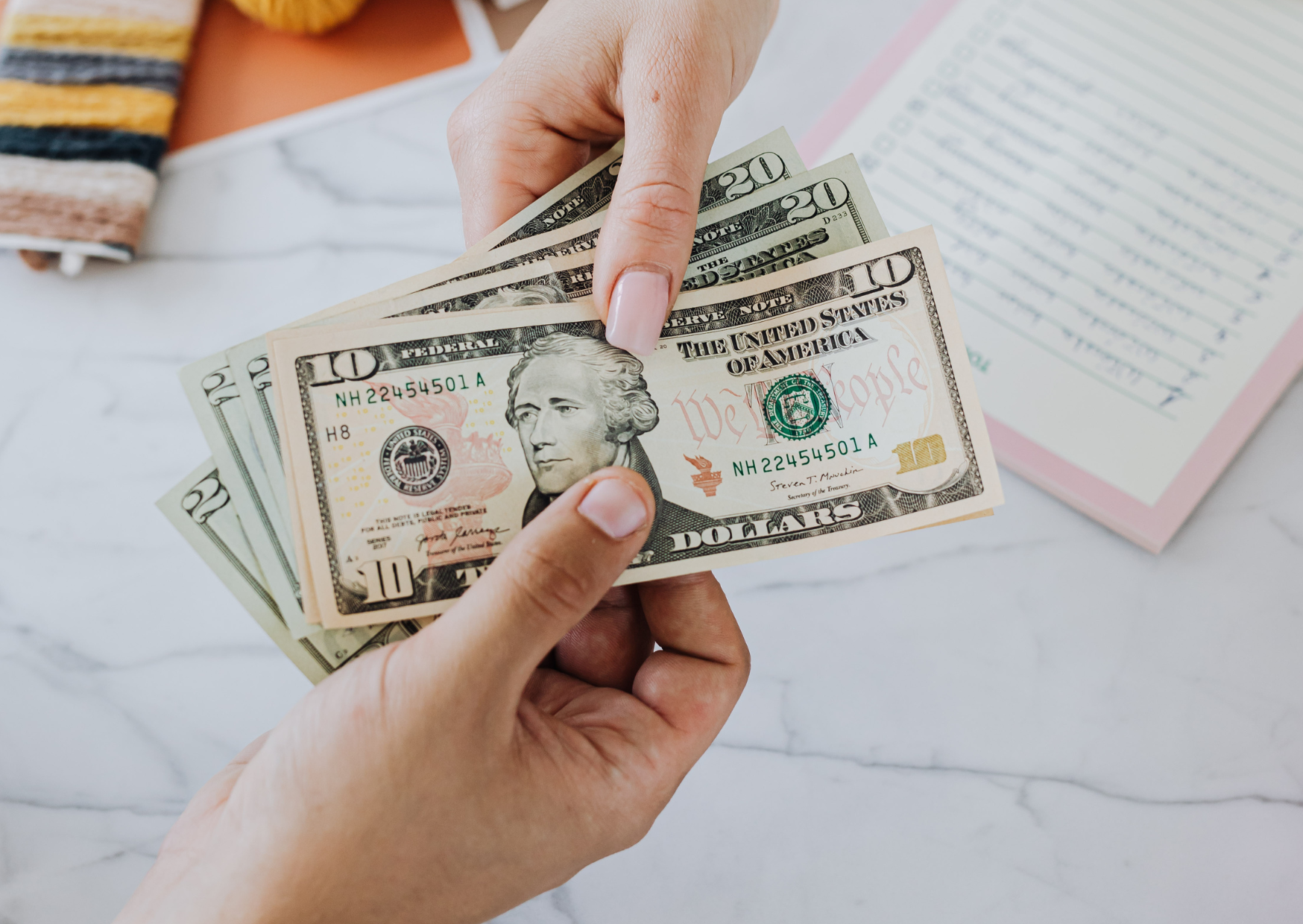
The biggest misunderstanding starts with the sign.
Americans see “No Commission” and interpret it as a good deal. In U.S. culture, “no fees” is associated with transparency, honesty, and savings.
But in foreign exchange, that’s rarely what it means.
Instead of charging you $10 upfront, these kiosks simply bake the fee into the exchange rate. They sell you euros at a deeply unfavorable rate — sometimes as bad as €0.78 to the dollar when the market is closer to €0.93.
You don’t see the difference — until you compare receipts or use a card later and realize how much less you got.
2. Airport Kiosks Exploit Jetlag and Urgency
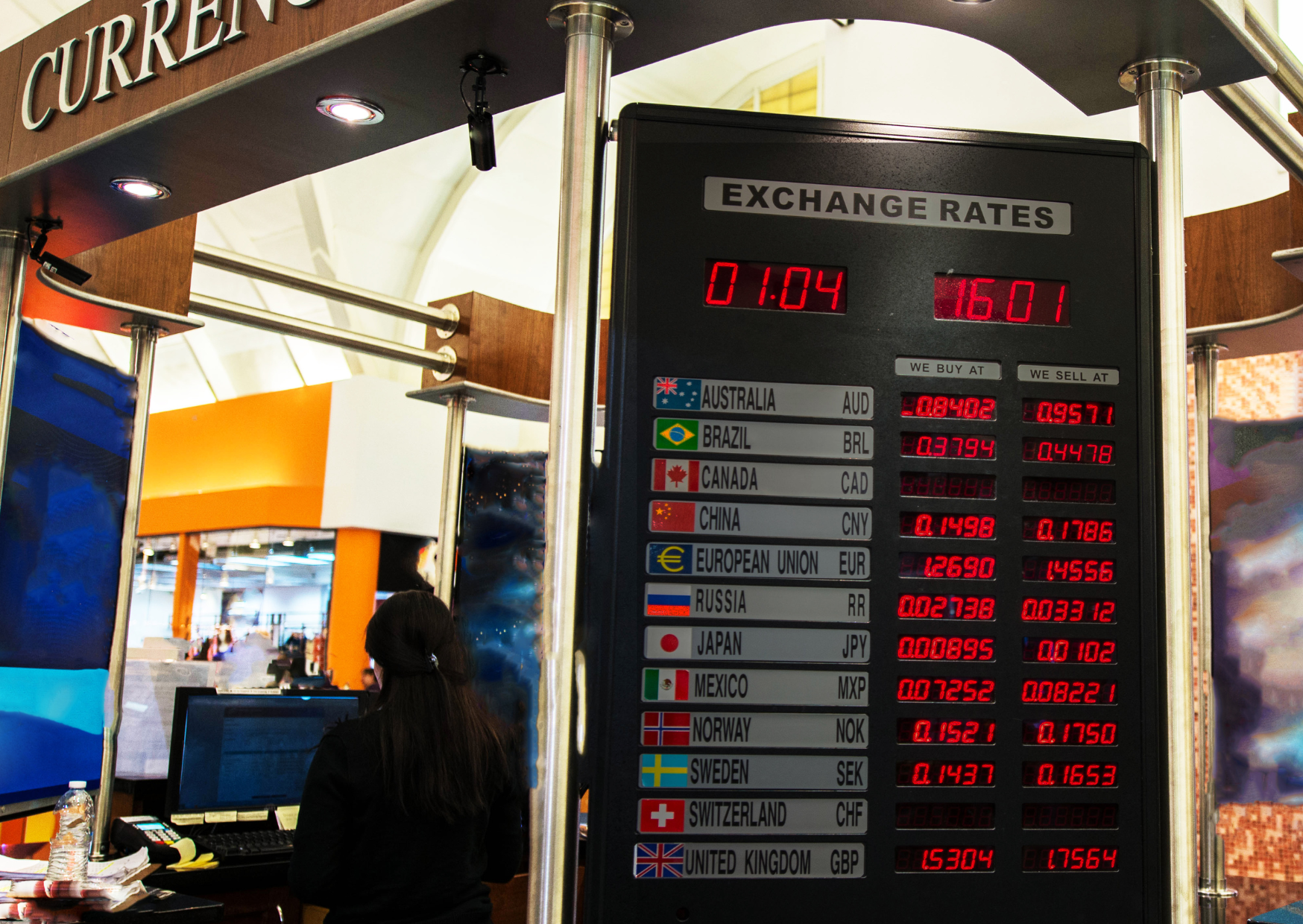
These kiosks are not located deep inside the city for a reason. They’re at exits. Near taxi stands. Along the path to customs.
They exist to catch you at your most tired, confused, and least likely to double-check math.
You just landed in a foreign country. You may not know the current exchange rate. You’re thinking about SIM cards, transportation, hotel check-in. Not spreadsheets.
This is by design. The kiosks don’t need you to be gullible. Just distracted.
3. Americans Are Conditioned to Trust Signs
In the U.S., signage is often regulated — especially around finance. If a bank says “no fees,” that claim can be challenged legally if it proves misleading.
Abroad, especially in parts of Europe, regulations differ. “No commission” may be technically true — the business isn’t charging a separate service fee — but it can still profit by offering terrible rates.
Americans tend to trust branded signs and polished counters. If it looks official, we assume it’s honest.
That instinct becomes expensive the minute you leave the terminal.
4. The True Exchange Rate Is Easy to Miss
Most travelers don’t check the mid-market rate — the rate banks use to trade currency between themselves.
But that’s the benchmark.
Anything significantly worse than that rate means you’re paying a premium. Some kiosks offer rates 10% worse, effectively charging $30 on every $300 you exchange.
It’s the equivalent of being charged $3.00 for every $2.70 item, without being told — just shown a number that looks vaguely right, when you’re too tired to do math.
5. Kiosks Use Round Numbers to Create Illusions
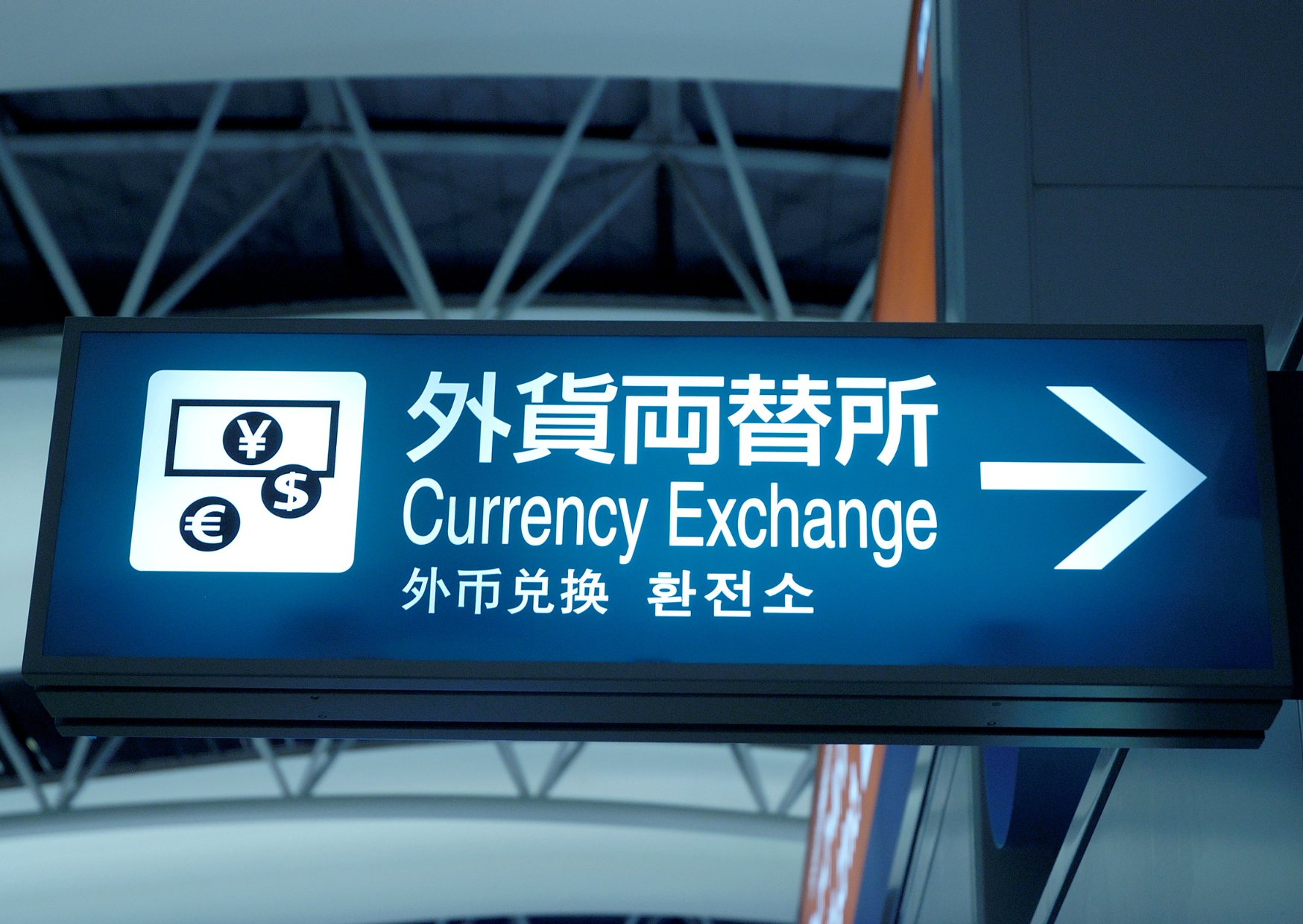
Many kiosks offer clean, friendly numbers.
For example: “$100 gets you €80. No commission.”
That feels intuitive. Clean math. An easy swap.
But if the actual rate is €0.93 to the dollar, you should be getting €93 — not €80. That difference is nearly $14 lost.
And most Americans never notice. Because the number feels plausible.
6. Cash Still Feels Safer to Americans Abroad
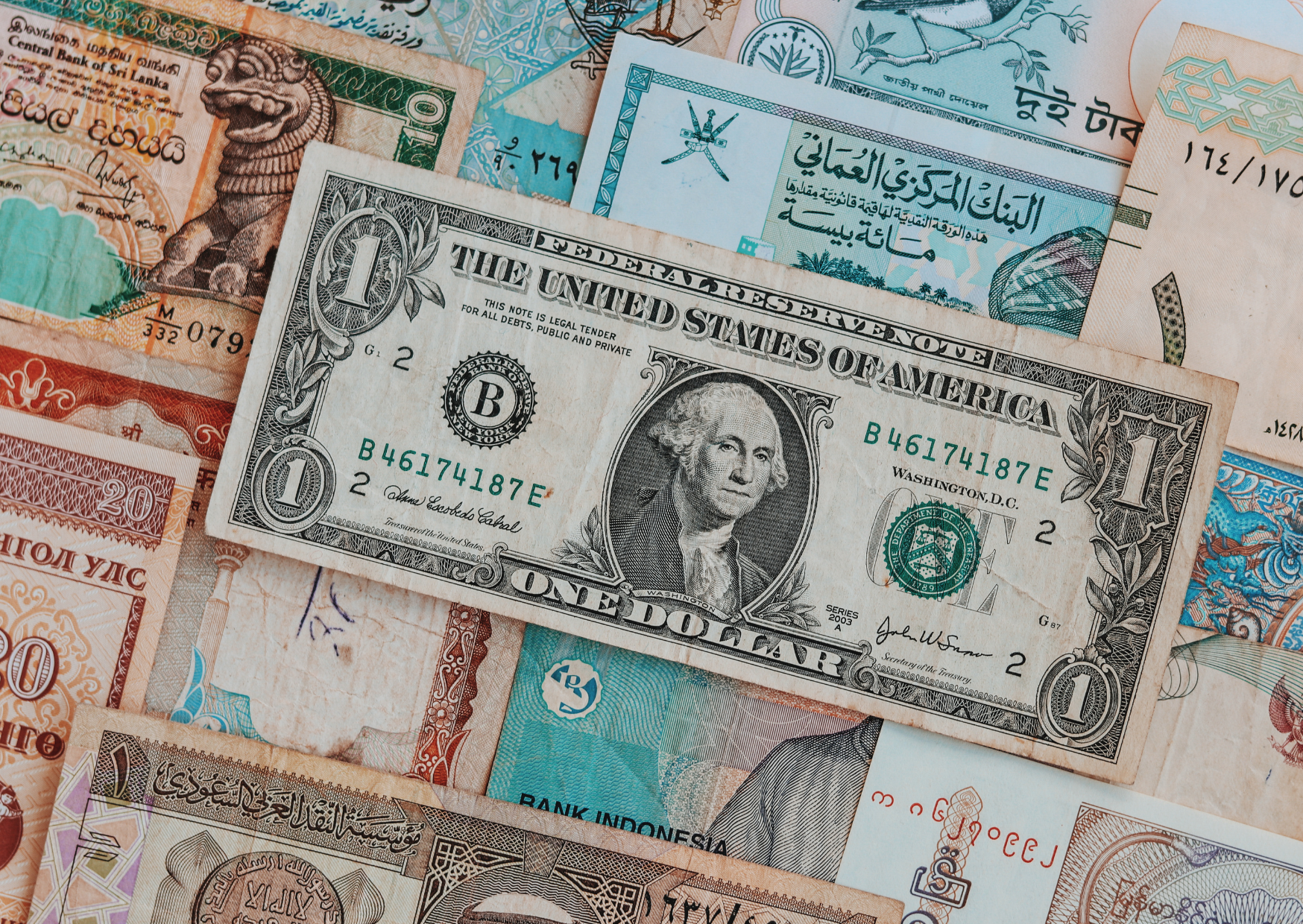
Many U.S. travelers are still hesitant to rely solely on cards abroad. They worry about:
- foreign transaction fees
- card rejections
- local shops not accepting plastic
So they convert hundreds of dollars into euros or pounds right at the airport, thinking it’s safer to have local currency in hand.
But in most European cities, credit and debit cards are widely accepted, and ATM withdrawals offer far better rates than airport booths.
It’s not the card that costs you — it’s the fear of the card.
7. ATMs Offer Better Rates — If You Choose Carefully
Airport ATMs are often better than kiosks, but they come with traps too.
Many ATMs ask: “Do you want to convert with our guaranteed rate?”
Always say no.
This option uses something called Dynamic Currency Conversion (DCC) — where the ATM converts the currency for you, locking in a bad rate and taking a hidden cut.
If you decline, your home bank handles the conversion, usually at a fair market rate with minimal fees.
Say no to conversion, withdraw euros directly, and you’ll almost always save.
8. Americans Are More Comfortable Losing Money Quietly
One of the reasons this trick works is cultural.
Many Americans would rather lose $40 quietly than argue about $4 at a café. They don’t want to seem cheap. They don’t want to hold up the line. They assume that’s just the cost of traveling.
But this creates a perfect target for airport kiosks. They’re not robbing you. They’re counting on you not noticing.
And when you finally check your receipt? It’s already too late.
9. Your Credit Card Probably Offers a Better Deal
Most major U.S. credit cards now offer no foreign transaction fees and use favorable exchange rates based on the daily market average.
That means every time you use your card at a restaurant or shop, you’re getting far closer to the real rate than you would at a currency booth.
The same goes for many U.S. debit cards, especially if you use a partner ATM abroad.
But travelers still line up at airport kiosks, converting hundreds of dollars into paper they don’t actually need — at rates they’d never accept back home.
10. The Kiosks Aren’t Run by the Airport
Here’s another layer of confusion: most people assume airport currency exchanges are part of the airport — like security or information desks.
They’re not.
Most are run by third-party private operators, who pay rent to be there. Some even bid for exclusive rights to kiosks in international terminals.
They’re not offering a public service. They’re maximizing margin.
Their business depends on travelers who mistake convenience for fairness.
11. Locals Don’t Use These Kiosks — Ever
Ask a Parisian, Roman, or Berliner where to exchange cash, and they’ll rarely say “the airport.”
Locals know these booths are for tourists only — specifically, tourists from countries where currency exchange is unfamiliar or uncommon.
Americans, who rarely convert money at home and don’t deal with foreign bills often, are ideal customers. They trust, they don’t haggle, and they don’t come back to complain.
12. Your Loss Adds Up — Quietly
If you convert $500 at an airport kiosk with a 10% spread built into the rate, you’ve lost $50 before even leaving the terminal.
Add ATM fees, poor conversion options, and second exchanges when you over-convert, and the cost easily climbs past $100 for many travelers.
That’s a nice meal in Florence, a second-class train to Seville, or three nights at a pensione in Athens — lost to signage and silence.
How to Travel Like a Local, Not a Target
You don’t need to become an expert in forex to avoid the trap.
Just remember:
- Avoid airport kiosks unless it’s an emergency
- Use your debit card at ATMs that don’t force conversions
- Say no to “guaranteed rates”
- Use a credit card with no foreign fees
- If you must convert cash, do it in the city — not at Arrivals
The trick isn’t complicated. It’s built on timing, fatigue, and misplaced trust.
But once you know what to look for, you won’t be the person handing over $300 for €240 again.
You’ll walk past the glowing “No Commission!” sign, bags in hand, and keep going — to the real world, where your money still means what it should.
Traveling should be an opportunity to explore, not a process that quietly drains your budget through unnecessary charges. Currency exchanges at airports thrive because travelers are tired, rushed, and unaware of how much they stand to lose from a single transaction. The more you understand where these losses occur, the easier it becomes to protect your spending power.
Being informed about exchange rates, ATM practices, and conversion traps allows you to move through Europe with financial confidence. You can enjoy your trip without constantly wondering whether you are being overcharged or misled. Even small adjustments to how you handle money abroad can make a noticeable difference in your travel experience.
Ultimately, the key is preparation. Once you know what to avoid, the solutions are simple and quick to implement. A few smart decisions can save you hundreds, and more importantly, give you the peace of mind that your trip is focused on memories, not mistakes. Traveling internationally will always involve costs, but falling for currency tricks never has to be one of them.

About the Author: Ruben, co-founder of Gamintraveler.com since 2014, is a seasoned traveler from Spain who has explored over 100 countries since 2009. Known for his extensive travel adventures across South America, Europe, the US, Australia, New Zealand, Asia, and Africa, Ruben combines his passion for adventurous yet sustainable living with his love for cycling, highlighted by his remarkable 5-month bicycle journey from Spain to Norway. He currently resides in Spain, where he continues sharing his travel experiences with his partner, Rachel, and their son, Han.