
No cream. No garlic. No peas. Just guanciale, pecorino, eggs, black pepper, and pasta brought together with heat control and quick hands.
Step into a busy trattoria in Testaccio five minutes before the lunch rush and watch the choreography. Water rolls. A cook drops spaghetti and sets a pan on the flame. Guanciale cubes render and turn glassy. A bowl appears with a snowfall of Pecorino Romano and deep yellow yolks whisked to a paste. The pasta slides into the pan still dripping, the flame goes off, a ladle of starchy water hits the fat, and a creamy sauce appears where there was none.
Eight minutes. Plate up. Silk on a fork.
What makes it Roman is not a secret ingredient. It is restraint and timing. The flavor is pork cheek and sheep’s cheese. The texture is an emulsion made by heat that is almost there and a hand that knows when to stop. Most American versions miss because they chase a dairy shortcut, crank the heat, or drown the pasta. You do not need a shortcut, you need a map.
Here is the map the Roman way. Precise ingredients, a minute by minute timeline, and a step by step method that delivers a glossy sauce without scrambled eggs or a puddle at the bottom of the bowl. Follow it once and you will feel what makes this dish live in eight minutes.
What makes carbonara Roman
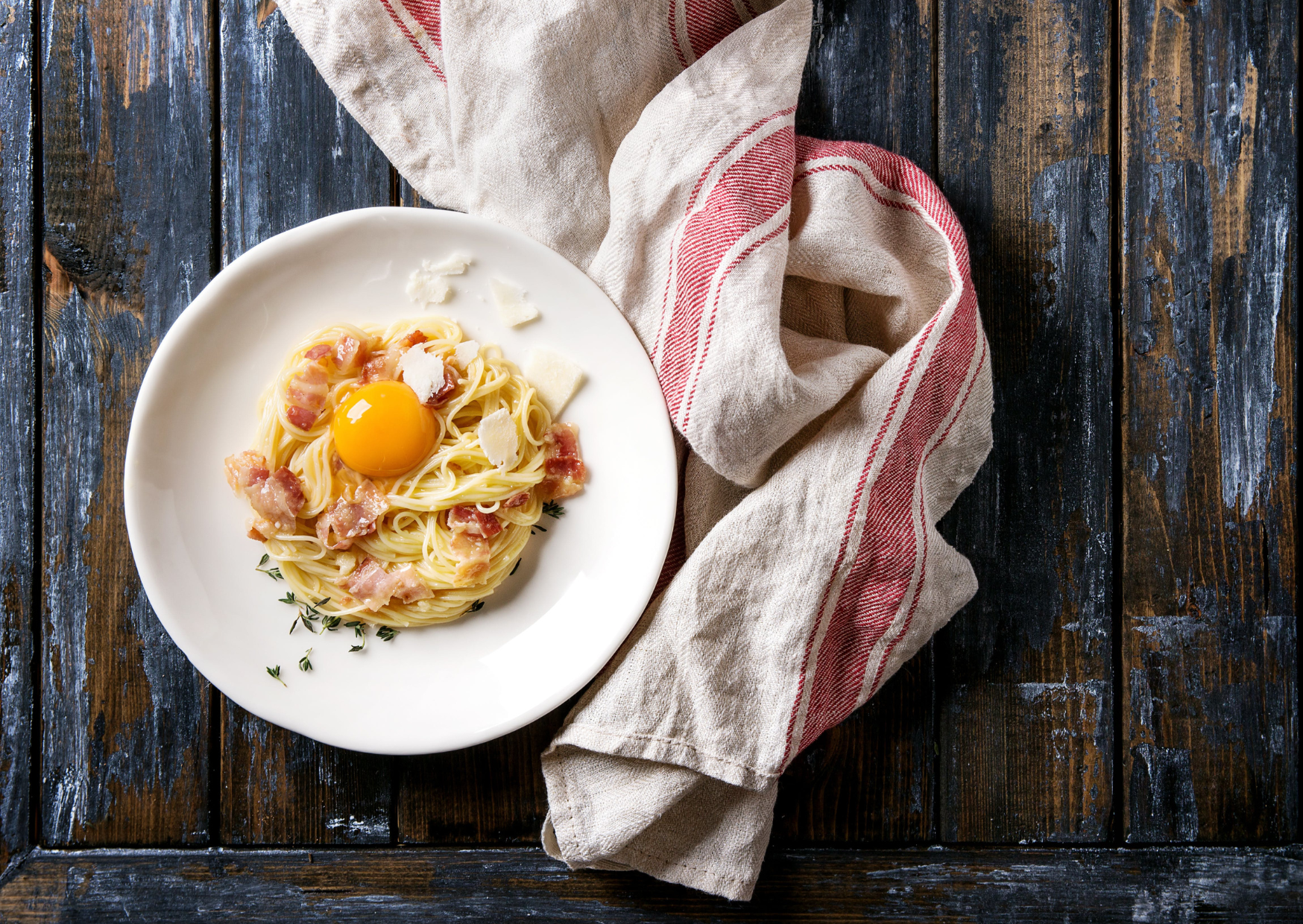
Start with the five parts and the boundaries. Roman carbonara is built from guanciale, Pecorino Romano, eggs, black pepper, and pasta. The balance is fat from cured pork cheek, sharp salt from aged sheep’s cheese, and heat that turns eggs into a sauce without curdling.
The guardrails are simple and firm. No cream because the cream you want comes from egg and cheese when you emulsify them with pork fat and starchy water. No garlic or onion because their sweetness blurs the salty snap that makes carbonara taste like Rome. No peas, mushrooms, or chicken because additions change the dish into something else. The point is clarity.
The cheese is Pecorino Romano for backbone and bite. Some cooks blend a little Parmigiano into home versions for gentler edges, but the Roman profile leans on pecorino’s salt and tang. The pork is guanciale rather than bacon. Guanciale carries more collagen and a deeper cured flavor and renders into a glossy fat that loves pasta water. Pancetta works in a pinch, but you lose the roundness guanciale brings. The pasta can be spaghetti or rigatoni and the sauce decides which you prefer. Spaghetti gives you the classic twirl. Rigatoni gives you sauce in every tube.
The technique pulls it all together. Moderate heat, off heat before the eggs go in, and aggressive tossing with starchy water. That is how you get creaminess without cream.
The eight minute timeline that never fails
You are not cooking by vibes. You are cooking by the clock and by what your eyes see. Read this once, then keep it near the stove.
Minute zero
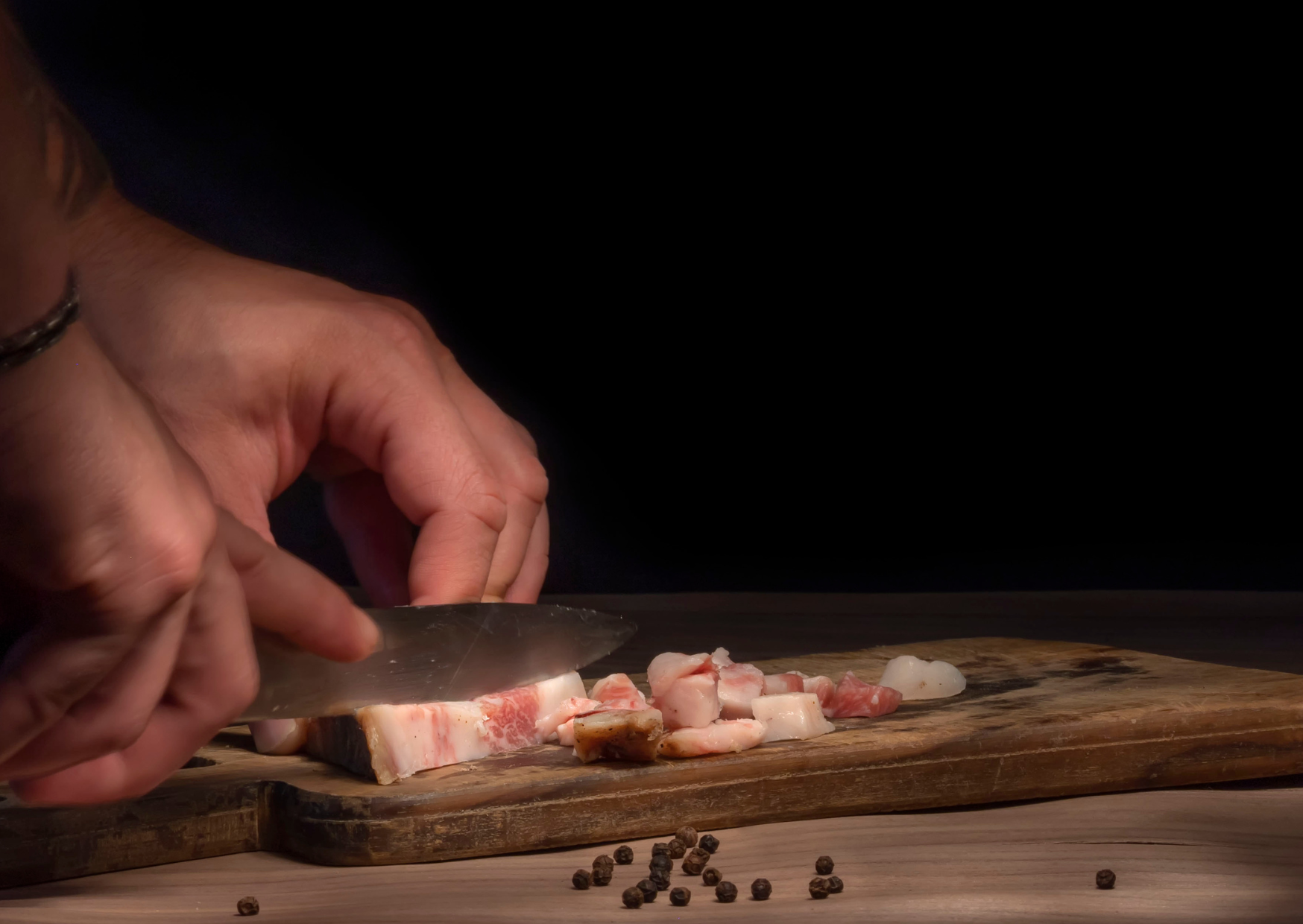
Salt a big pot of water until it tastes like the sea. Bring it to a full boil. Set a wide skillet on low heat. Cut guanciale into small batons or cubes. Whisk eggs and very finely grated pecorino in a large bowl until you have a thick paste. Grind black pepper generously into the paste. The bowl should be heatproof because it will sit under the pan later.
Minute one
Drop pasta. Stir so it will not stick. Raise the skillet to medium and start rendering the guanciale. It will give up fat slowly, then sizzle. You are looking for edges that turn glassy and golden. Render to crisp but not hard. If the fat browns, the flame is too high.
Minute three
Ladle a splash of boiling water into the skillet to stop the guanciale from going too far and to begin the sauce base. The water will hiss and turn milky as starch meets fat. Turn the flame to low. You are building a glossy fat water that will welcome the pasta.
Minute five
Pasta should be bending at the edges but still have a firm center. Lift it with tongs or a spider and drop it straight into the skillet, carrying some starchy water with it. Keep the pot simmering and save a full mug of pasta water. Toss pasta in the fat and add another small ladle of water until the shine on the strands looks like satin.
Minute six
Turn the flame off. Slide the skillet so it sits directly over the bowl with the egg and cheese paste. Toss the pasta a few times to cool the surface just a touch. This is the moment that prevents scrambled eggs.
Minute seven
Pour the egg cheese paste over the hot pasta. Toss and stir without hesitation, lifting and folding so every strand touches sauce and the residual heat thickens it. Add a spoon or two of hot pasta water as needed until the sauce loosens and turns glossy. The texture you want is heavy cream. Not thick like custard. Not thin like broth.
Minute eight
Taste and adjust with more pepper and, only if needed, a tiny pinch of pecorino. Plate immediately. Eat immediately. Carbonara waits for no one.
If the sauce tightens while you plate, loosen it with a spoon of hot water and toss again.
Ingredients and substitutions that still taste Roman
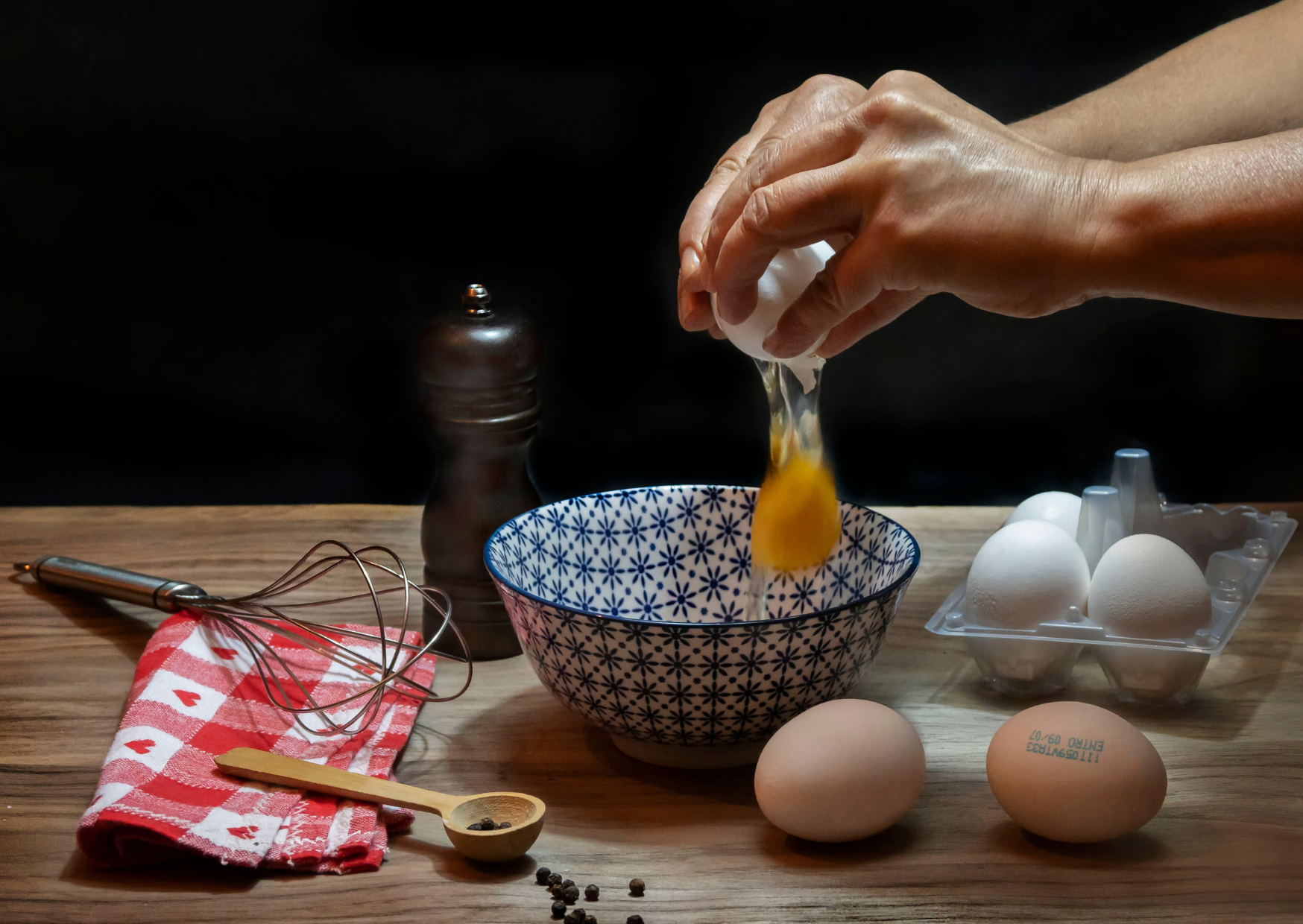
Carbonara for two feels perfect. Carbonara for four is still easy. Weigh your ingredients and grate your cheese finely so it melts into the sauce. Use room temperature eggs.
For two generous servings
Spaghetti or rigatoni 180 grams, about 6 ounces
Guanciale 80 grams, about 3 ounces, cut in batons or small cubes
Egg yolks 3 large, or 2 whole eggs plus 1 extra yolk if you prefer a softer profile
Pecorino Romano 60 grams, about 2 ounces, very finely grated
Freshly ground black pepper 1 full teaspoon or more to taste
Salt only for the water
For four generous servings
Spaghetti or rigatoni 360 grams, about 12 ounces
Guanciale 150 grams, about 5 to 6 ounces
Egg yolks 6, or 4 whole eggs plus 2 yolks
Pecorino Romano 120 grams, about 4 ounces
Black pepper 2 teaspoons or more to taste
Notes on substitutions
If you cannot find guanciale, pancetta is the closest stand in. Choose a thick piece from the counter rather than thin slices, and render it with patience. Bacon is a last resort because smoke changes the profile. If you must use it, go for a lightly smoked slab and trim excess rind.
If pecorino feels too sharp for your family, a home compromise is a blend of 70 percent Pecorino Romano and 30 percent Parmigiano Reggiano. Romans will tell you to use all pecorino. They are right. Your table decides.
On eggs, yolks give you silk. A mix of whole eggs and yolks is more forgiving if you are new to the dish. Room temperature eggs incorporate better and the sauce thickens more evenly.
On pepper, grind it fresh and do not be shy. Pepper is not a garnish in carbonara. It is a flavor that belongs in the sauce.
Step by step carbonara for two
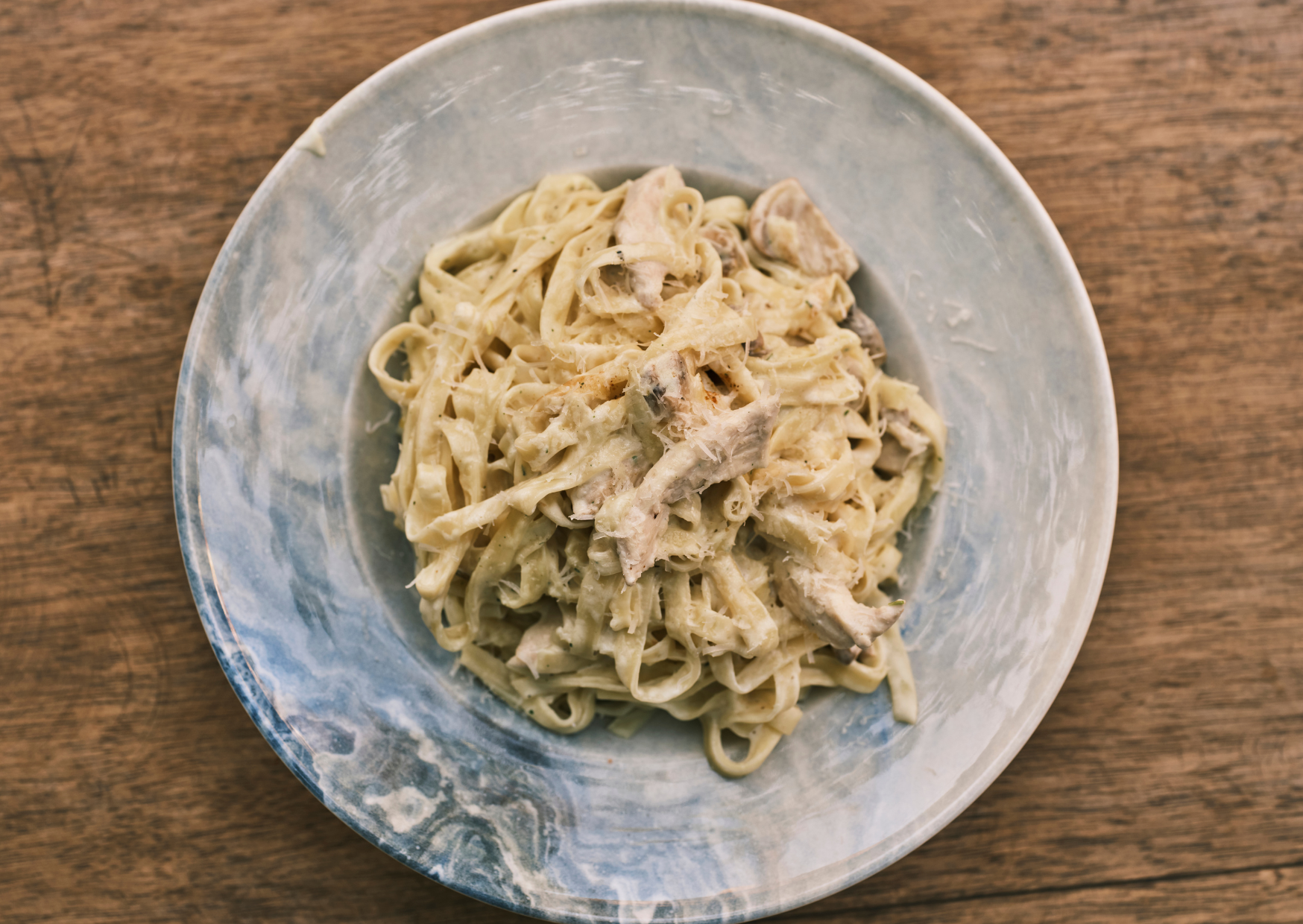
Read through before you light the flame. Prep makes this dish effortless.
Set a large pot of water to boil and a wide skillet on the stove. Cut guanciale into small batons. Grate Pecorino Romano into a fluffy mound. Crack three yolks into a heatproof bowl and whisk with the cheese until thick and smooth. Grind in a full teaspoon of black pepper. The paste should be dense. If it looks dry, add a teaspoon of room temperature water and whisk again.
Salt the boiling water generously. Drop 180 grams of spaghetti or rigatoni. Stir once so strands separate.
Raise the skillet to medium heat. Add the guanciale and render slowly. The fat will go from opaque to clear and the meat will turn translucent, then crisp at the edges. When it looks edible on its own, splash in a small ladle of pasta water to stop the browning and start an emulsion. Turn heat to low.
Lift the pasta straight from the pot into the skillet while it is still just shy of al dente. The water that comes with it is your friend. Toss with tongs so every strand is coated with the fat and starchy water. Add another spoon of water as needed until the surface looks glossy.
Turn the heat off. Slide the skillet so it is directly over the bowl with the egg and cheese paste. Toss the pasta a few times to cool the exterior. Pour the paste over the pasta and toss vigorously, lifting and folding. Add hot water by the spoon as needed. You will see the paste loosen, then catch, then turn creamy as it finds the right temperature.
Taste. Add pepper. If salt is needed, it will be very little because pecorino and guanciale carry salt.
Plate and eat now. The sauce is alive for about two minutes. After that it begins to set and lose its shine.
What you are looking for in the bowl
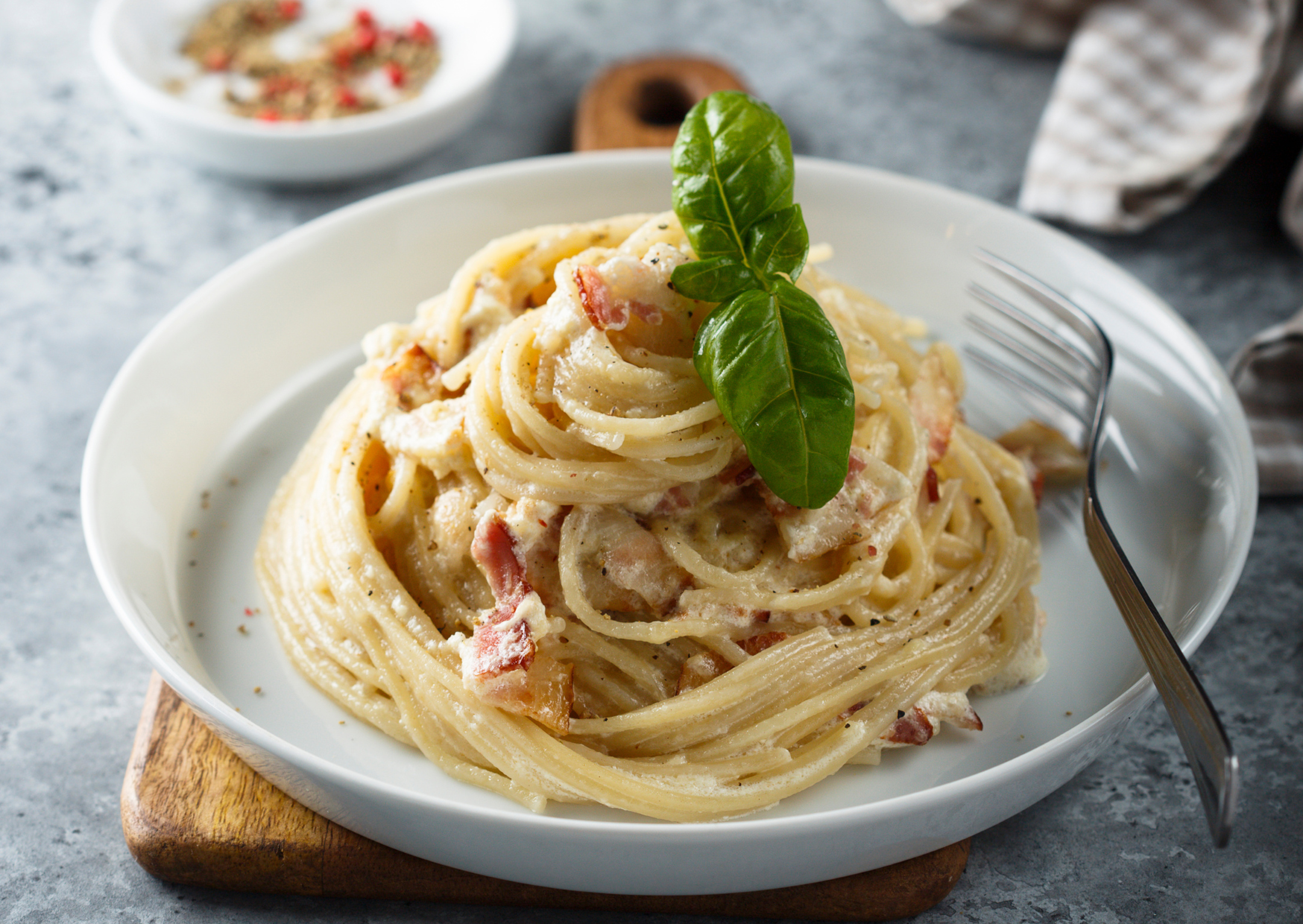
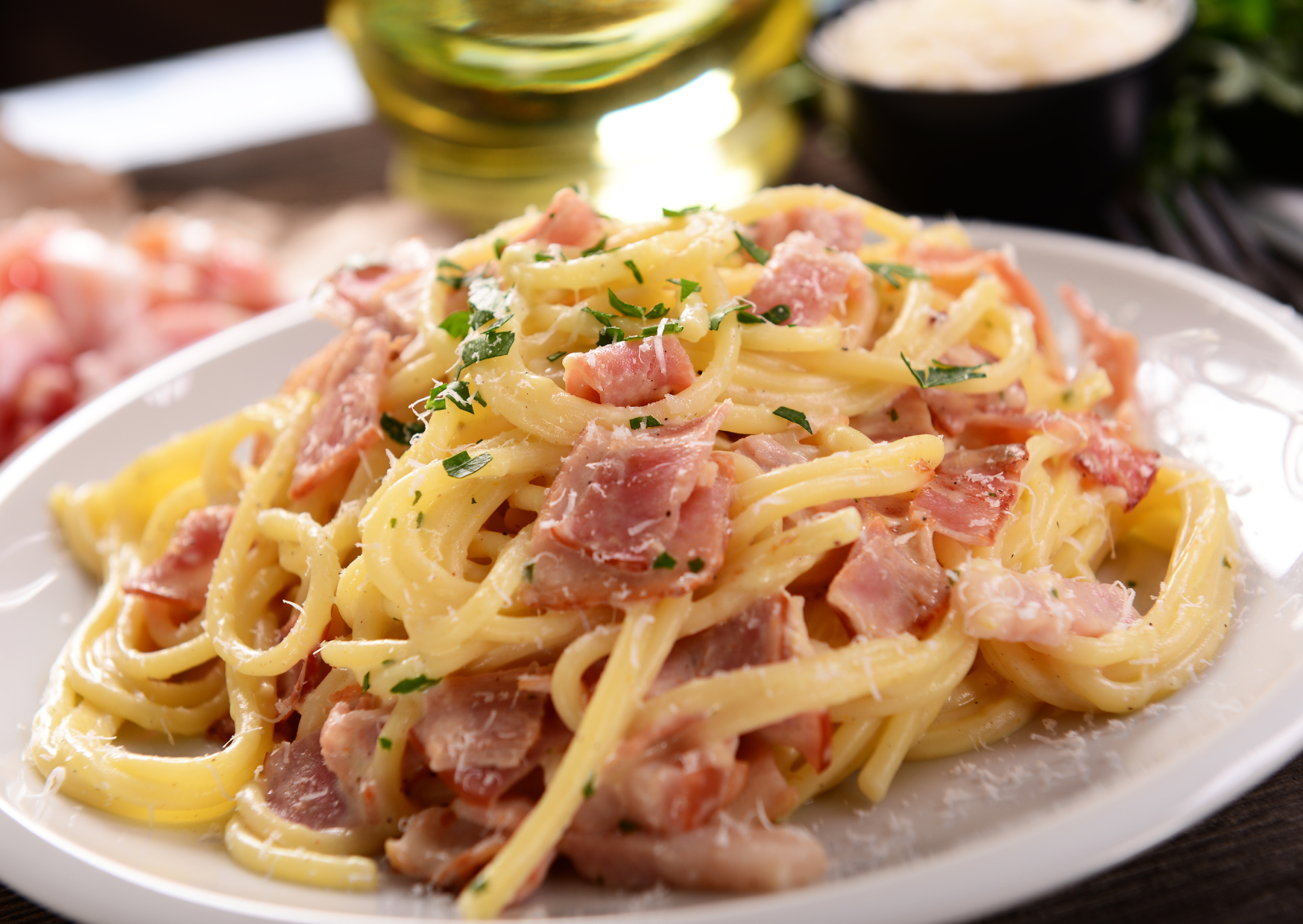
Silky not scrambled. The sauce should cling in a thin, glossy coat.
Shiny not greasy. The fat should be held in the emulsion, not pooling.
Pepper forward. You should smell the pepper before the fork hits your mouth.
Fixing the mistakes in real time
Everyone scrambles their first carbonara once. Everyone saves one with water and speed. Here is the honest triage.
If the eggs start to scramble
Take the pan off the bowl and add two tablespoons of cold water. Toss hard. The sudden drop in heat will halt curdling and the water will loosen the sauce. You may lose a little silk, but you will save the dish.
If the sauce is thick and clumpy
You did not add enough water or you waited too long to toss. Add hot pasta water a spoon at a time while tossing rapidly until glossy. Carbonara is an emulsion. Water is part of the sauce.
If the sauce is thin and soupy
You added too much water before the eggs thickened. Keep tossing off heat for another thirty seconds. If it stays thin, stir in a small pinch of finely grated pecorino to help it catch.
If the dish tastes too salty
Use less salt in the pasta water next time and grate pecorino finer so you need less to reach the same texture. Tonight you can balance with a few extra turns of black pepper and a squeeze of the starchy water left in the pot rather than more cheese.
If the dish tastes greasy
You rendered too hot or you forgot to add water before the eggs. Toss with two or three tablespoons of hot water now. The emulsion will rebuild if you give it a chance.
If you want it creamier without cream
Use an extra yolk next time. Yolks are cream when they are treated right.
Safety, shopping, and scaling without stress
Eggs
Carbonara uses lightly cooked eggs. If you are cooking for someone who is pregnant, elderly, very young, or immunocompromised, use pasteurized shell eggs. They look the same, cook the same, and reduce risk. Keep eggs at room temperature while you prep so the sauce forms smoothly when heat hits it.
Guanciale
Buy a chunk, not presliced sheets. Look for creamy white fat and a peppered outside. Store wrapped in paper in the fridge and cut off only what you need. It keeps well. If the rind is very hard, trim it and save it to perfume a pot of beans.
Pecorino Romano
Buy a wedge and grate it very fine. Powder like snow melts into the sauce. Coarse shreds melt slowly and can leave speckles. Store wrapped in paper, then loosely in plastic so it can breathe. If the rind is clean, save it to enrich soups.
Black pepper
Grind fresh. Pre ground pepper tastes flat and will not sing in a three ingredient sauce. The aroma of fresh pepper is part of carbonara’s identity. If your grinder is coarse, go slowly so it does not feel gritty.
Pasta water
Salt the water boldly, then do not forget to save it. Pasta water is the control knob for carbonara. It loosens, it builds the emulsion, and it corrects mistakes. Keep a mug of it by the stove before you drain anything.
Scaling up
For six people, cook the pasta in a wide pot and split the sauce into two pans so you keep control. Emulsions punish crowding. Render guanciale in two batches, then combine the fat in a large bowl with the cheese and eggs so both pans pull from the same base. Toss fast. Serve in warm bowls so the sauce does not seize.
Holding and reheating
Carbonara does not hold. If you must wait five minutes, keep it in a warm bowl and toss once with a spoon of hot water before serving. Leftovers are fine for a midnight snack, but the sauce will never be the same. Eat it now.
Serving and pairings
Plate in warm bowls. Finish with a dusting of pecorino only if the table wants it. Fresh pepper at the table is welcome. A small green salad and cold tap water are perfect companions. If you want wine, pick a young red that drinks fresh or a crisp white that cuts the fat. Keep pours small. The dish is the point.
The Roman mindset you are borrowing
Carbonara is quick because the thinking happened before the water boiled. Ingredients are few, tools are ready, and the cook commits to eight focused minutes. That is why the dish feels both simple and exact. What you are borrowing is not just a recipe. You are borrowing clarity, speed, and heat control. You are tasting pecorino and pork and pepper because nothing else is in the way.
Cook it once by the clock. Cook it again by sight and sound. After that you will know, the way a Roman cook knows, that creaminess is a decision you make with your hands and the heat under the pan.
Make it clean. Serve it hot. Smile at the silence that follows the first bite.
Origin and History
Carbonara’s roots trace back to the heart of Rome, where shepherds and laborers relied on simple, long-lasting ingredients. Eggs, cured pork, and aged cheese were staples they could carry without spoilage, and these humble components eventually evolved into one of Italy’s most iconic dishes. Though no single origin story is universally accepted, most Roman food historians agree that carbonara emerged from cucina povera, the tradition of resourceful cooking using minimal ingredients.
Another theory suggests carbonara was influenced by Allied soldiers during World War II, who brought rations of powdered eggs and bacon to Italy. Some believe locals combined these ingredients with pasta, creating an early version of the dish that later refined into the silky sauce Romans know today. Though debated, this story highlights how wartime necessity sometimes sparks culinary innovation.
Regardless of its exact beginnings, carbonara became firmly rooted in Roman trattorias by the mid-20th century. It gained international fame due to its distinctive richness and minimalism. With only a handful of ingredients, the dish quickly spread beyond Italy, but its global rise also led to countless interpretations that strayed far from its original form.
Carbonara is one of Italy’s most argued-over dishes, especially when made outside of Rome. The controversy centers on what should be included, and purists insist the only acceptable ingredients are guanciale, pecorino romano, eggs, black pepper, and pasta. Anything beyond that is considered unnecessary, distracting, or downright sacrilegious by traditionalists.
One of the biggest controversies is the addition of cream, which is widely used in American versions. Italians strongly reject this addition, claiming the dish is meant to be creamy only through emulsified cheese, eggs, fat, and pasta water. The backlash has been so intense that Italian chefs regularly condemn cream-based carbonara on television shows, social media, and professional forums.
Another debate revolves around pancetta or bacon replacing guanciale. While many outside Italy make this swap out of convenience, Romans argue that guanciale’s distinct flavor and fat content are non-negotiable. To them, the substitution changes the soul of the dish, turning it into something completely different rather than a true carbonara.
How Long It Takes to Prepare
One of carbonara’s biggest appeals is its speed. When ingredients are prepped beforehand, the entire dish can be made in just eight minutes—the time it takes for pasta to reach al dente perfection. This makes it a weeknight staple that feels luxurious without demanding hours in the kitchen.
Despite its short cook time, precision matters. The sauce must be mixed quickly and off the heat to avoid scrambling the eggs. This step might feel intimidating at first, but once mastered, it becomes nearly effortless. The technique hinges on timing, not complexity.
Most of the work happens before cooking begins: cutting the guanciale, grating the cheese, and whisking the eggs. Once everything is ready, the dish comes together almost instantly. The result is a fast meal that tastes like something requiring far more skill and effort than it actually does.
Serving Suggestions
Carbonara is best served immediately, while the sauce is warm and silky. It is typically enjoyed on its own as a complete dish, thanks to its richness and depth of flavor. A freshly cracked dusting of black pepper just before serving elevates both aroma and traditional Roman flair.
For a balanced meal, carbonara pairs well with light sides that cut through the richness. A simple green salad dressed with lemon and olive oil works beautifully, offering brightness without overshadowing the pasta. Some Romans also enjoy it with a glass of crisp white wine, such as Frascati or Verdicchio, to refresh the palate.
Carbonara should never be reheated, as the eggs will overcook and the sauce will lose its velvety texture. If you plan to serve it for guests, cook it right before everyone sits down. It is a dish that rewards immediacy, making it an ideal centerpiece for intimate gatherings or casual dinners.
Final Thoughts
Carbonara’s simplicity is what makes it timeless, but that same simplicity demands respect for technique and ingredients. When done correctly, the dish offers a balance of richness and subtlety that explains why Romans guard it so fiercely. Every component plays a precise role, and together they create something greater than the sum of their parts.
Adapting carbonara to local tastes is tempting, but understanding the traditional method shows why the authentic version has endured. By embracing its minimalist philosophy, cooks experience a deeper connection to Roman cuisine and gain a better appreciation for the craft behind such dishes. True carbonara isn’t elaborate; it’s intentional.
Mastering carbonara also serves as a reminder that culinary excellence doesn’t always require complexity. Sometimes perfection lies in knowing when not to add, when to trust the technique, and when to let simple ingredients shine. With care and attention, you can create the classic eight-minute Roman dish exactly as it was meant to be enjoyed.

About the Author: Ruben, co-founder of Gamintraveler.com since 2014, is a seasoned traveler from Spain who has explored over 100 countries since 2009. Known for his extensive travel adventures across South America, Europe, the US, Australia, New Zealand, Asia, and Africa, Ruben combines his passion for adventurous yet sustainable living with his love for cycling, highlighted by his remarkable 5-month bicycle journey from Spain to Norway. He currently resides in Spain, where he continues sharing his travel experiences with his partner, Rachel, and their son, Han.