
And What It Reveals About Family Culture, Responsibility, and the Quiet Confidence of Growing Up Differently
In much of the United States, independence is treated as a milestone.
You turn 18, move out, figure out how to cook something besides pasta, and hopefully learn how to manage bills, bookings, and breakdowns by your late twenties.
But in southern Europe — particularly in countries like Spain, Italy, Greece, and Portugal — independence looks different.
It’s quieter. Earlier. Less dramatic. More practical.
While many American thirtysomethings are still calling home to ask how to unclog a drain or dispute a bank charge, Mediterranean teens are doing these things themselves — effortlessly, and without fanfare.
They’re not prodigies. They’ve just been allowed — and expected — to live real life earlier.
Here are 9 life skills Mediterranean teenagers commonly master before they finish high school, and why so many American adults still struggle with them.
Want More Deep Dives into Everyday European Culture?
– Why Europeans Walk Everywhere (And Americans Should Too)
– How Europeans Actually Afford Living in Cities Without Six-Figure Salaries
– 9 ‘Luxury’ Items in America That Europeans Consider Basic Necessities
Quick Easy Tips
Start small: cook one simple homemade meal each week to build kitchen confidence.
Practice budgeting: track expenses for a month to understand where money goes.
Take on responsibility: handle one household or family task regularly without being asked.
One controversial aspect is whether American culture intentionally delays independence. Some argue that the emphasis on prolonged education and career preparation pushes aside life skills, leaving young adults less equipped for everyday living.
Another debate is around family dynamics. Mediterranean households often encourage teenagers to participate in cooking, cleaning, and budgeting, while American parents sometimes shield children from these responsibilities in the name of giving them “freedom.” Critics say this breeds dependence well into adulthood.
Finally, there’s the question of pride versus necessity. Mediterranean teens may learn these skills partly because of cultural pride in tradition and partly because economic realities demand it. In the U.S., where convenience products and services dominate, there’s less pressure to learn. Some see this as progress, while others view it as a loss of self-sufficiency.
1. Navigating Bureaucracy Without Panic
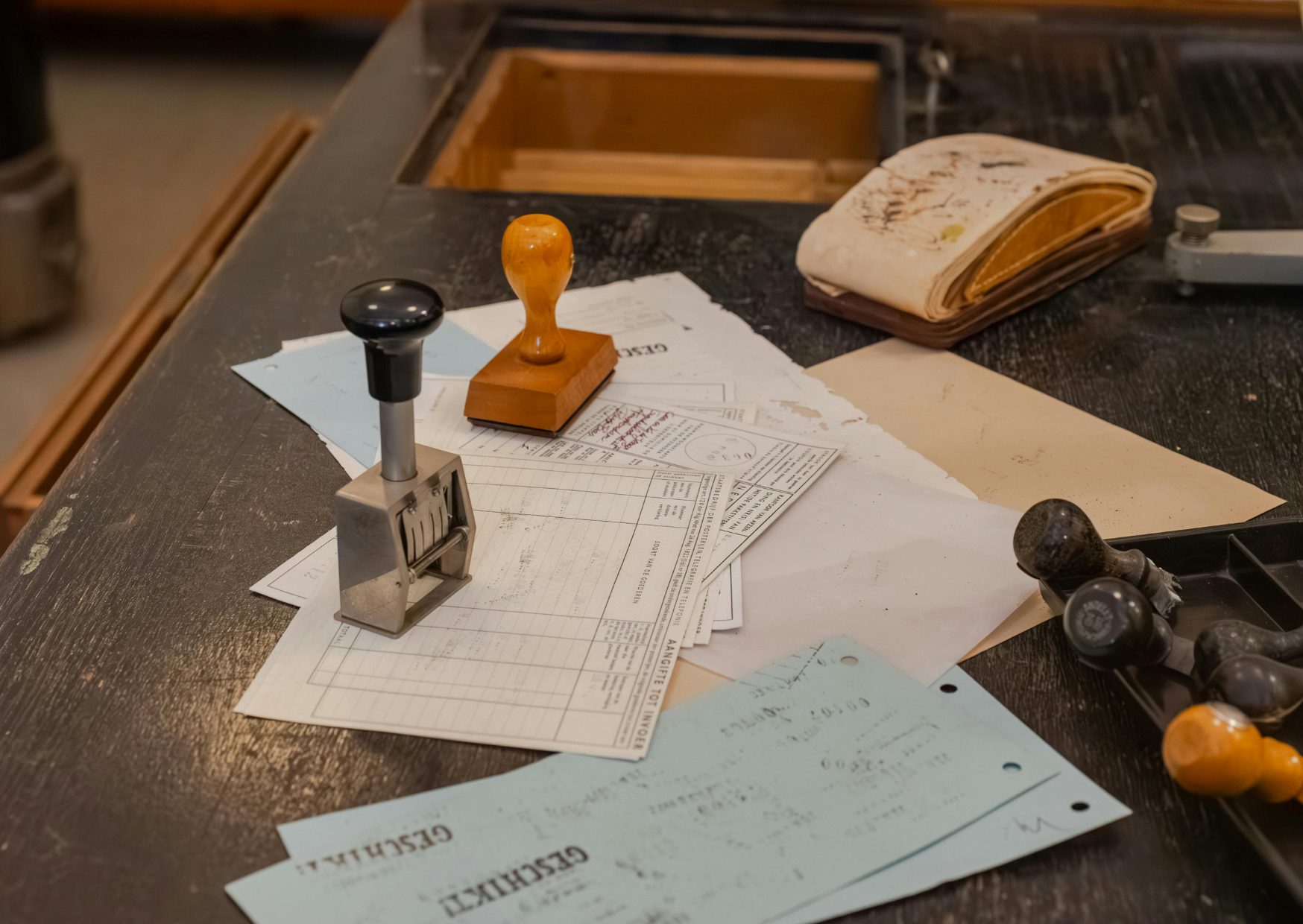
By the age of 16 or 17, many Mediterranean teens have already:
- Applied for ID cards or health cards
- Picked up documents at a municipal office
- Waited in line at a government building
- Made appointments for official paperwork
- Signed school or internship forms that require in-person stamps
They understand how public systems work — and that sometimes, you wait in line, show your papers, and try again if the printer’s broken.
Meanwhile, American adults often treat these tasks like near-crises:
- Calling parents for help
- Avoiding anything that involves official offices
- Assuming a lawyer or paid service is needed for small paperwork
The difference? Mediterranean teens are raised to expect bureaucracy, not fear it. They know the rhythm, and they don’t take delays personally.
2. Handling Money (and Cash) Without Emotional Weight

Mediterranean teens often grow up using:
- Cash for groceries or errands
- Coins for transit and cafés
- Budgeting for nights out with friends
- Comparing phone plans or public transit cards
Many are given a modest weekly allowance and taught early how to:
- Tip appropriately
- Track change
- Save for small purchases
- Split bills or pool money with others
American culture, by contrast, often links money to anxiety or abstraction — especially among teens who grow up with cards, apps, or no hands-on money experience at all.
By 30, many Americans are still learning how to:
- Budget realistically
- Pay in cash without confusion
- Talk about money openly and calmly
Mediterranean teens? They’ve been doing the math since middle school.
3. Cooking Real Meals Without Needing a Recipe
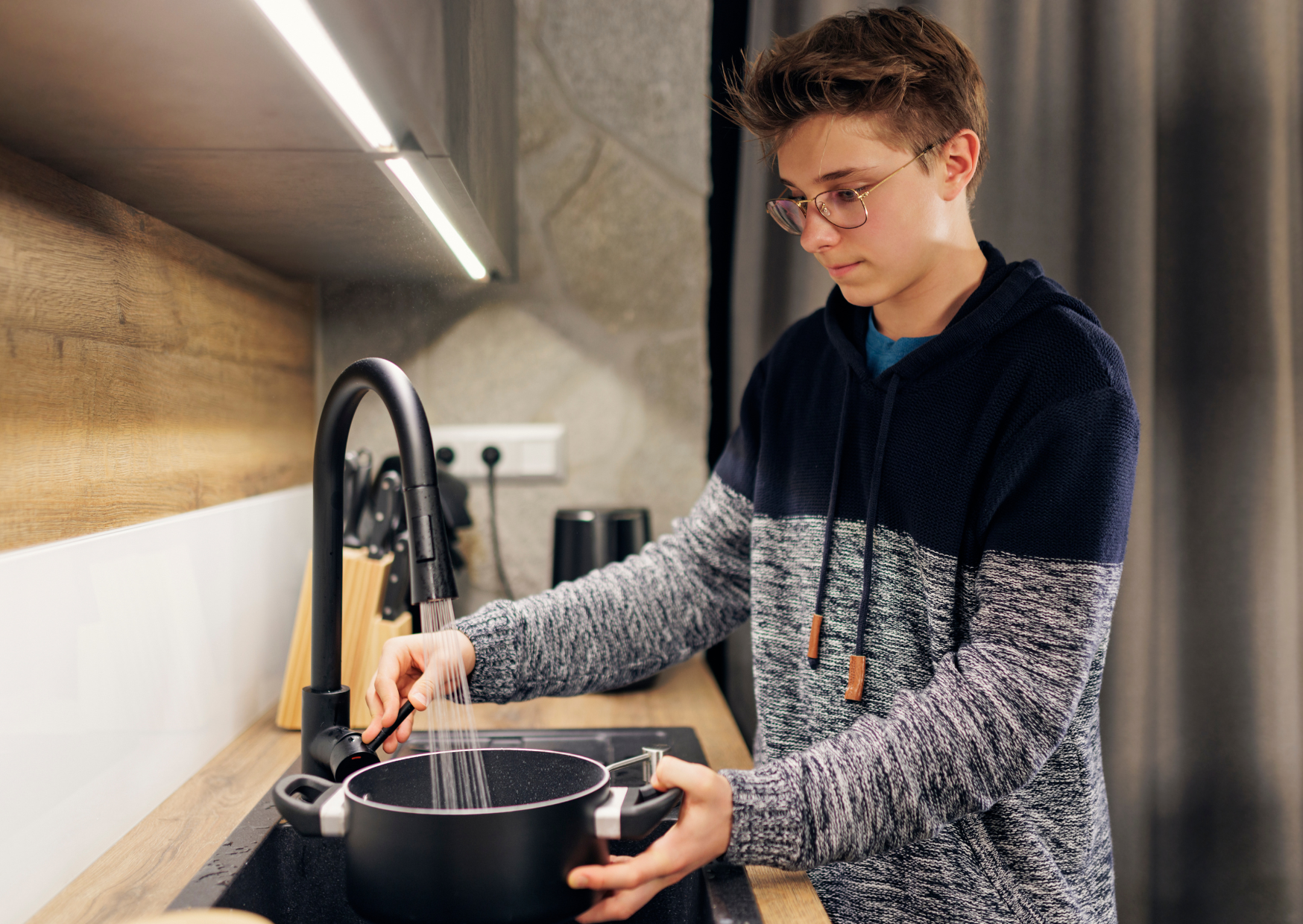
In many Mediterranean homes, teenagers start cooking because:
- Their parents work
- They help out with dinner
- They get hungry when no one else is home
- It’s expected
By 16, most can:
- Boil pasta and make sauce from scratch
- Cook an egg-based dish or simple seafood
- Prep vegetables
- Follow a routine to feed themselves and others
They’re not chefs. But they don’t panic at the idea of cooking for three people, either.
American adults often reach for apps, frozen meals, or delivery. Even in their thirties, many still say, “I can’t cook.”
In the Mediterranean, cooking isn’t an accomplishment. It’s basic living.
4. Running Errands for the Family Without Drama

Need to pick up dry cleaning, pay a utility bill, grab bread from the bakery, or return something at the pharmacy?
Mediterranean teens can handle it.
They:
- Know where things are in the neighborhood
- Understand what to say at the counter
- Know how to ask for a receipt, change, or correction
- Handle brief adult interactions with calm confidence
They’ve been sent on errands since they were 10 or 12 — and take pride in getting it done right.
By contrast, many Americans grow up with minimal daily responsibilities outside of school. Errands feel “grown up” until well into adulthood.
In southern Europe, these tasks are just part of being in the family.
5. Sharing Space Without Meltdown or Micromanagement

Mediterranean homes are often smaller, with multiple generations or siblings sharing bathrooms, bedrooms, or tight kitchens.
This means teens learn early how to:
- Take turns
- Stay quiet when others are resting
- Clean up without being told
- Move around shared space without entitlement
By contrast, American culture often prioritizes personal space — sometimes to the point that adults struggle to cohabitate comfortably.
Many thirtysomethings discover too late that:
- Living with a partner means compromise
- Not everyone loads the dishwasher your way
- Bathroom routines require negotiation
Mediterranean teens already know how to adapt.
They’ve been doing it every day.
6. Taking Public Transport Without Confusion

By 14 or 15, Mediterranean teens are often:
- Riding the metro alone
- Navigating bus routes
- Taking the train to nearby cities
- Buying their own tickets
- Reading timetables and maps
Public transport isn’t intimidating — it’s part of daily life.
By contrast, many Americans don’t use buses, trains, or subways until college — and often avoid them entirely. Even in their thirties, many still:
- Don’t know how to validate a ticket
- Feel unsure about routes
- Rely on rideshares instead of transit
Mediterranean teens treat mobility like a given — not a challenge.
7. Handling Uncomfortable Social Interactions Gracefully

Mediterranean cultures prioritize:
- Eye contact
- Clear greetings
- Manners
- Polite disagreement
- Formality when needed
By their late teens, most kids have practiced:
- Ordering for a group
- Talking to teachers or strangers
- Handling conflict in cafés or shops
- Using body language confidently
American adults, raised in more casual and indirect systems, often struggle with:
- Giving or receiving criticism
- Navigating formality
- Asking for help assertively
Mediterranean teens? They’re socially fluent.
Not because they’re bold — but because they’ve had practice.
8. Caring for Younger Siblings, Grandparents, or Neighbors

Family in Mediterranean countries isn’t a concept — it’s a daily, physical presence.
Teenagers:
- Pick up younger siblings from school
- Sit with grandparents
- Run errands for elderly neighbors
- Help serve food at family gatherings
- Know who needs help and what to do
This isn’t a chore list. It’s life. It builds emotional intelligence, flexibility, and a sense of usefulness.
By comparison, many American adults don’t grow up embedded in a caregiving rhythm unless they seek it professionally.
Mediterranean teens understand that support isn’t exceptional.
It’s expected.
9. Being Bored Without Needing to Escape
Mediterranean teens grow up in a rhythm that includes:
- Slow afternoons
- Limited screen time
- Long family meals
- Hot summers with nothing to do but sit
They learn to:
- Wait
- Be still
- Think
- Be creative
- Coexist with boredom
American adults often describe boredom as a problem. A crisis. A thing to fix with:
- Streaming
- Snacks
- Scrolling
- Work
Mediterranean teens treat it as a normal part of the day — and a chance to breathe.
One Household, Two Philosophies
To Americans, independence is earned late, announced loudly, and often tied to moving out.
To Mediterranean teens, it’s quiet, gradual, and expected early.
One culture delays real-life responsibility in the name of protecting youth.
The other introduces it slowly, until teens move through adult life with fluency — not fear.
And that’s why, across southern Europe, you’ll often see a 16-year-old:
- Cooking dinner
- Booking a ticket
- Helping a neighbor
- Laughing with their grandparents
- Running a household task with calm, capable energy
While some American adults are still trying to remember which drawer holds the passport and how to boil water without Googling it.
Mediterranean cultures often emphasize independence, responsibility, and daily life skills from an early age. Teenagers learn to cook, manage money, navigate social etiquette, and handle household responsibilities long before adulthood. These skills are seen as part of growing up, not tasks to postpone until later.
By contrast, many young Americans reach their late 20s or early 30s still figuring out basic financial management, cooking beyond convenience meals, or even how to handle nuanced social expectations. This doesn’t mean one culture is superior, but it highlights how values and traditions shape readiness for adulthood differently.
The takeaway is clear: life skills are just as important as academic or professional success. Learning them earlier creates confidence, balance, and resilience—something anyone can adopt, regardless of cultural background.

About the Author: Ruben, co-founder of Gamintraveler.com since 2014, is a seasoned traveler from Spain who has explored over 100 countries since 2009. Known for his extensive travel adventures across South America, Europe, the US, Australia, New Zealand, Asia, and Africa, Ruben combines his passion for adventurous yet sustainable living with his love for cycling, highlighted by his remarkable 5-month bicycle journey from Spain to Norway. He currently resides in Spain, where he continues sharing his travel experiences with his partner, Rachel, and their son, Han.