
So here is the picture. A white-haired couple in Münster cruises past you at 18 km/h, chatting, baskets full of leeks and rye bread, coats zipped, lights on, no Lycra, no drama. Twenty miles is “to the lake and back.” Nobody claps. Two weeks later you are in a quiet American suburb where the mailbox is 60 meters from the door and people still drive to it. The bodies are not the only difference. The environment is training one group for movement and the other for hesitation.
I am going to show you the real levers. Not inspiration posters. Contracts, traffic law, store hours, benches, winter kit, the pharmacy, the calendar, and the social pressure that rewards routine. Then I will give you a simple 30-day German plan you can run anywhere. None of this needs a new identity. It needs rails that remove negotiation.
The street teaches the habit before the gym does
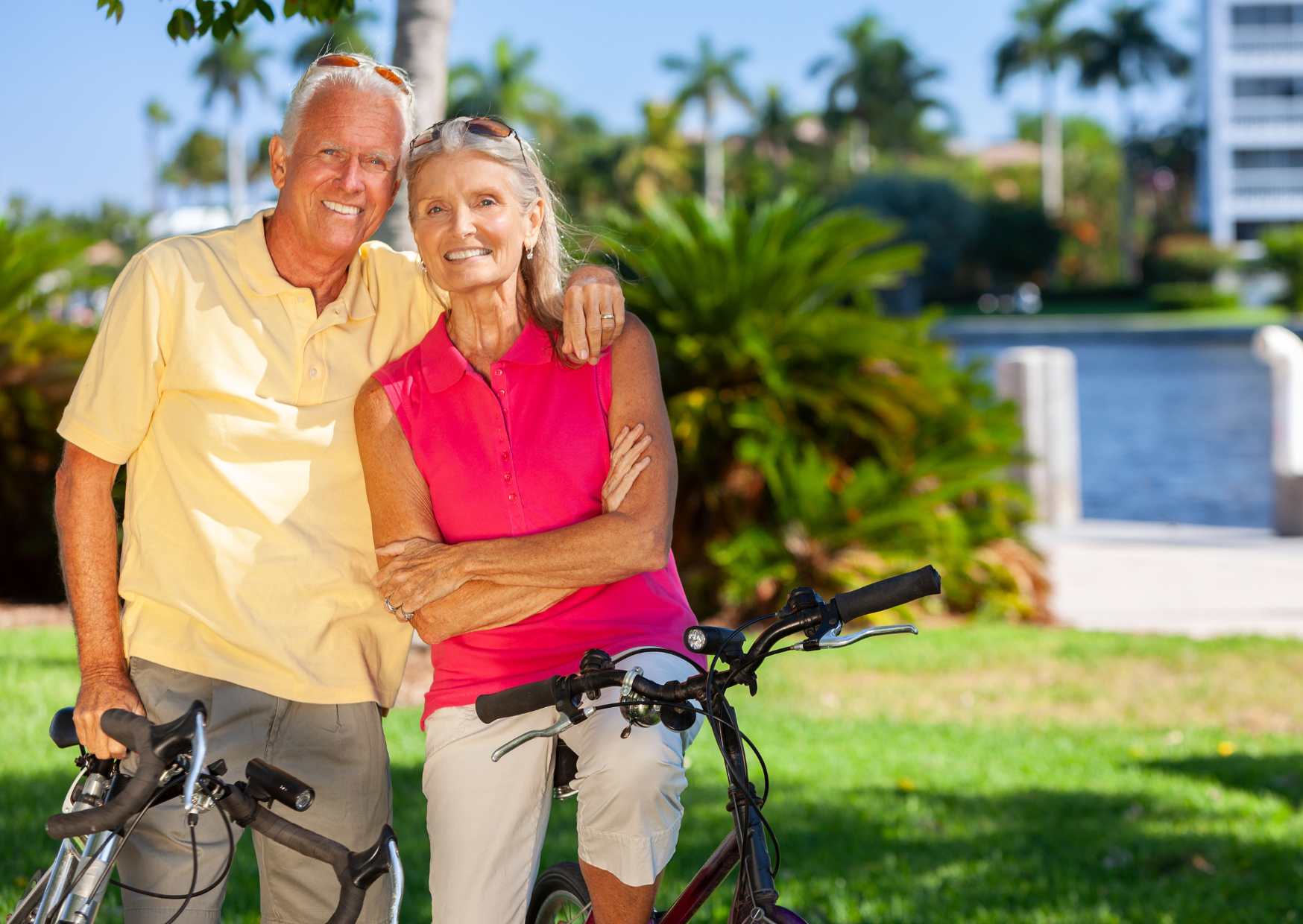
German elders do not earn twenty miles with grit. They earn it by living on streets that ask them to move. Separated bike lanes that exist for entire corridors. Zebra crossings that stop cars instantly. Sidewalks that are not a rumor. Benches every few hundred meters, which turns a long walk into three small ones. Traffic lights that give pedestrians a head start so they are already in the crosswalk when cars begin. Thirty kilometer zones on neighborhood streets that make a ride home feel like a protected errand, not a dare.
Take that infrastructure away and willpower has to do all the work. That is why an American mailbox becomes a destination. The street is telling you that walking is a weird choice. Bodies follow signals. Germans get green lights for the ordinary thing. Americans get red lights for it.
If you want an immediate fix at home, map the low-stress corridors first. Choose school routes, riverside paths, cemetery loops, any street with continuous sidewalks. The path that feels safe today gets used tomorrow.
Bikes are tools, not symbols
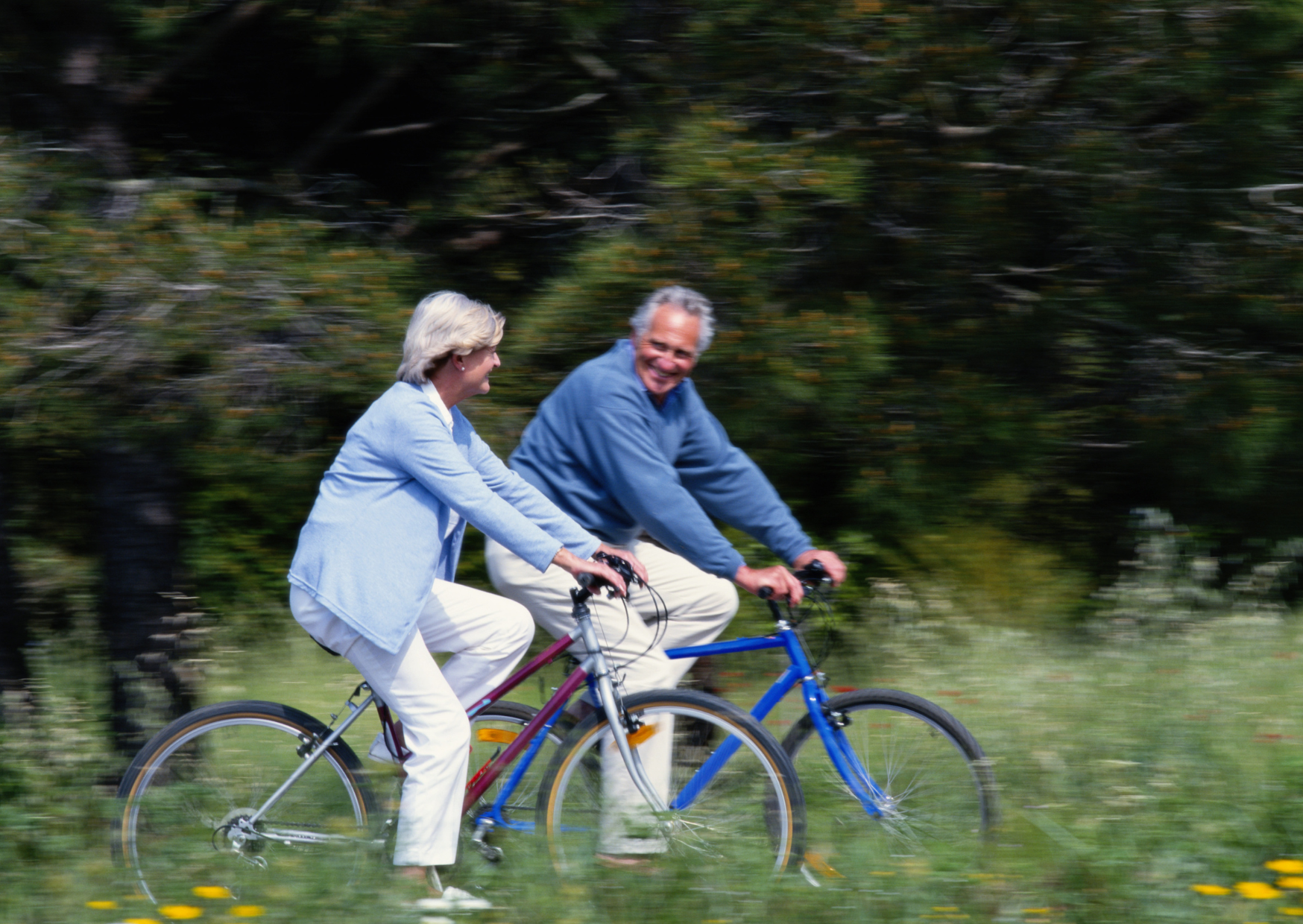
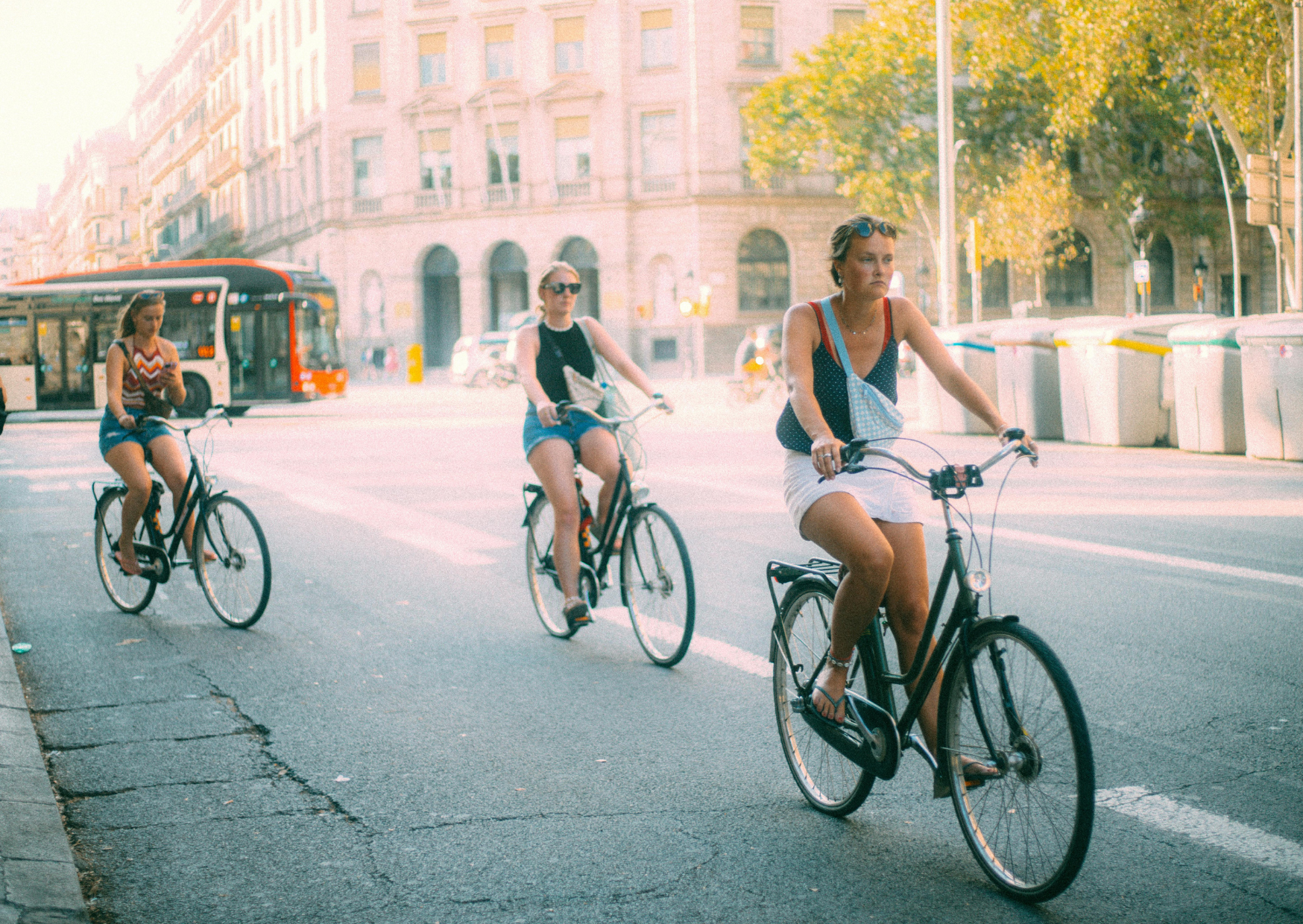
At seventy, the bike in Germany is a refrigerator on wheels. It carries life. Step-through frame, dynamo lights that never need recharging, full fenders, chain guard, front basket, rear rack, integrated lock, bell that people actually hear. Many are legal e-assist up to 25 km/h, which means hills turn into a small breeze and headwinds become a joke. The point is not sport. The point is groceries and friends and doctor appointments without a car.
In the States, bikes are often identity. Thin tires, posture like a sprint, special clothes, a route planned like an event. That setup is fine at 30. At 70 it is a gate. If you must dress differently to move, you will move less. German bikes let regular clothes do the job.
Copy the tool. Buy comfort, not speed. Step-through frame. Upright posture. Fenders. Lights that are always on. A rack and baskets. If hills exist, get e-assist that caps at 25 km/h so it remains a bicycle legally. Equipment that removes excuses adds years.
The calendar does half the pedaling
Germans schedule movement the way Americans schedule errands by car. The day has a slope. Shops open, then close on time. Lunch lands when it should. Sunday is quiet. Trains leave whether you arrived breathless or not. This is not romance. It is a metronome that tells a nervous system when to eat, when to digest, and when to sleep. Moving fits those beats.
Older adults are out in daylight because daylight is when life happens. They buy bread on foot at 9:30. They bike to the market at 11:00. They eat at 13:00. They pedal to coffee at 16:00. They are home by dusk, not because night is scary, but because no one is forcing a 20:30 dinner that wrecks sleep. When the late show is not your normal, mornings belong to your legs.
Run a seven-day test. Put the big meal at lunch three days, walk after, ride in the afternoon once, and make dinner boring and early. Timing changes desire, and desire decides whether the bike leaves the hallway.
Weather is a clothing problem, not a season
“Germany has better weather” is not the reason. It rains. It snows. It gets dark at 16:30. Seniors still ride because they solved rain thirty years ago. Full fenders. Mudflaps. Chain guards. Waterproof panniers. A good bell. Bright lights. On the body, a thin wool layer, a windproof shell, cap under the helmet, gloves that actually cut wind, normal trousers with a reflective ankle strap. Shoes that tolerate a puddle. Done.
Americans treat weather like a verdict. Germans treat it like a list. If there is ice, they walk instead of ride, and they know the sidewalk with grit because the city posted a schedule. When you stop waiting for perfect, consistent movement becomes possible. Joints and hearts love consistency more than heroics.
Buy a quality set of lights first. Then fenders. Then one shell you keep by the door. Comfort in ten minutes of drizzle buys you hundreds of miles a year.
Health systems that reward prevention instead of desperation
A seventy-year-old in Germany is not fighting co-pays and prior authorizations to see if a knee hurts. They already had the check-up. Rehab was not a luxury. Walking frames and e-bikes were normalized, not mocked. Pharmacies solved small problems early. Aches were addressed before they became identities. Moving stayed possible because nothing was allowed to go catastrophic in silence.
In the States, people often arrive at 70 with untreated prediabetes, sleep that is broken on purpose, and a relationship with pain that starts with denial and ends with surgery. That is not moral failure. It is a design that pays for emergencies more easily than it pays for prevention. You still have a choice. Book the physio appointment before you think you deserve it. Ask a pharmacist about joint and saddle comfort. People who move in old age treat the body like a bicycle that gets tuned once a season.
If you need one cheap fix, raise the handlebars and widen the saddle slightly so you can sit upright without numb hands. Comfort pays more than watts at seventy.
Small cities and villages make movement the default
Cologne and Berlin get headlines. Movement culture is stronger in towns. The distances are bike sized. Five kilometers to the market is “I will be back in an hour.” The clinic, bakery, butcher, and bank live on the same two streets. Benches appear where they should. A lake path exists even if the lake is modest. When daily life fits inside a ten kilometer circle, twenty miles sounds like “two errands plus a detour.”
If you live in a car-scaled metro, shrink your map on purpose. Draw a three kilometer radius and promise to solve half your week inside it. Choose one day with no car keys. Fitness becomes a side effect of errands. That is how German elders win.
Traffic law actually protects slow bodies
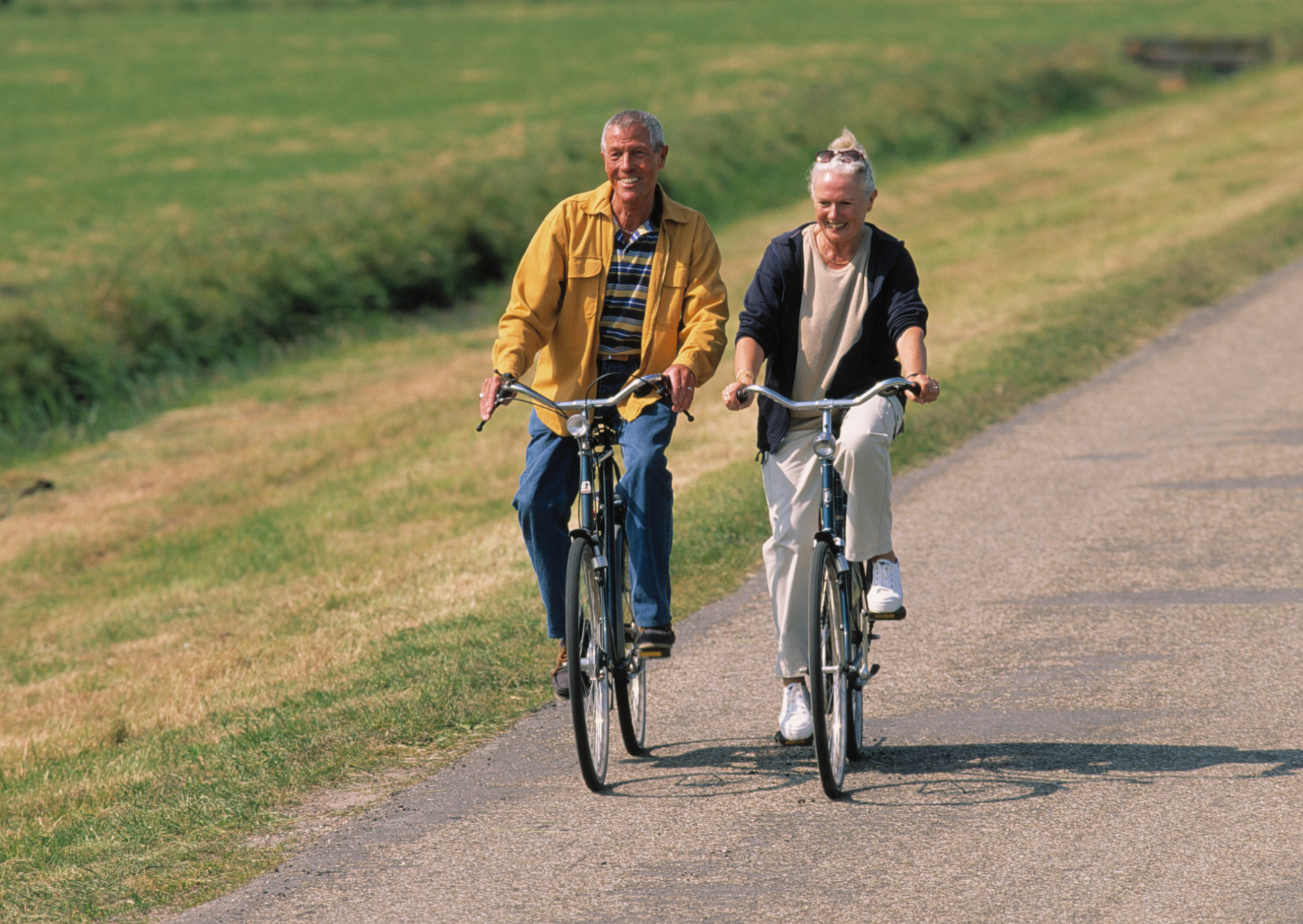
Right of way is predictable. Turning drivers yield to people moving straight. Drivers expect bikes and walkers. There are fines for parking on sidewalks that actually get enforced. Speed cameras are boring and everywhere. Crossings align with desire lines instead of punishing them. Ambulance sirens exist because accidents still happen, but the baseline risk is lower.
Americans who fear riding are not wrong. Their streets are asking them to be afraid. If the law and paint cannot change near you, reframe the problem. Ride on protected trails, low-speed side streets, park loops before 9:00, and school-zone corridors. Low exposure plus high repetition wins over brave and rare.
Food, timing, and why older legs feel younger
The German table is simple. Bread and cheese for breakfast or a bowl of muesli, the real meal at lunch, light dinner. Beer exists but often as a single glass with food. Cakes appear at 15:00 with coffee and then vanish. The body is not digesting a pile of fried dinner at 22:00, which is why a seventy-year-old still wants to move at 10:00. When your gut is not begging for rescue, your knees say yes to the long way home.
Copy the rhythm. Put soup before your lunch. Walk ten minutes after. Push dinner an hour earlier and make it small. Energy shows up where you schedule it. That energy turns into distance without speeches.
Social pressure makes moving the normal story
Grandparents pick up children on bikes. Neighbors notice if you are out. Clubs organize rides that are not competitions. Sunday looks like families gliding to cake. Old bodies in motion are visible. In many American places, older movement is invisible or treated like a triumph. That matters to a nervous system that quietly asks “what do people like me do.”
You need two people to create that pressure locally. One partner, one neighbor, or one friend with a calendar. Pick a standing hour twice a week. Keep it for a month. Warm pressure outperforms inspiration.
The money math no one runs out loud
Cars are expensive even when they are paid off. Insurance, maintenance, registration, fuel, parking, tickets from a bad day. Germans reallocate some of that to rail passes, a decent bike, an e-assist motor, a better saddle, and a rain shell. They invest once and collect movement dividends for years. At 70, that means independence. Not asking your adult children for every doorstep errand is dignity. Dignity reads young.
Run your own sheet. If one household car turned into a part-time car share plus two solid bikes and a transit pass, what bill would disappear and what freedom would arrive.
A 30-day “German mobility” reset you can run anywhere
Write it on paper. Keep it by the door. We are not doing heroics. We are doing rails.
Week 1. Build the boring tools
- Lights that are always ready. Front bright enough to see and be seen, rear steady red. Test in a dark room.
- Fenders and a bell. If you get wet once and give up, the month dies.
- Route map with three low-stress loops: 2 km, 5 km, 10 km. Name them.
- One bench route on foot. Find where you can rest.
Week 2. Change the clock
- Lunch is the real meal three days. Soup first.
- Ten minute walk after warm meals daily.
- Two short rides on the 5 km loop. Upright posture. No stopwatch.
- Screens off by 21:30 twice. Sleep is the battery for legs.
Week 3. Make movement carry life
- One grocery run by bike with a list you can carry.
- Pharmacy or bakery by bike once. Speak to a human.
- Invite one friend for a slow ride. Talk the whole time.
- Check saddle height. If your knees hurt, you are probably too low.
Week 4. Add distance without drama
- Do the 10 km loop twice this week. If hills exist, let e-assist flatten them.
- One car-free day inside a 3 km radius. Solve everything on foot or bike.
- Clean and oil the chain once. Adjust one thing that rubbed.
- Plan one rainy ride of 15 minutes just to learn your kit. You will stop fearing weather.
By day 30 you will not be a new person. You will be a person whose streets and habits allow moving without a meeting. That is all the German secret ever was.
If you are already 70 and the saddle feels like a dare
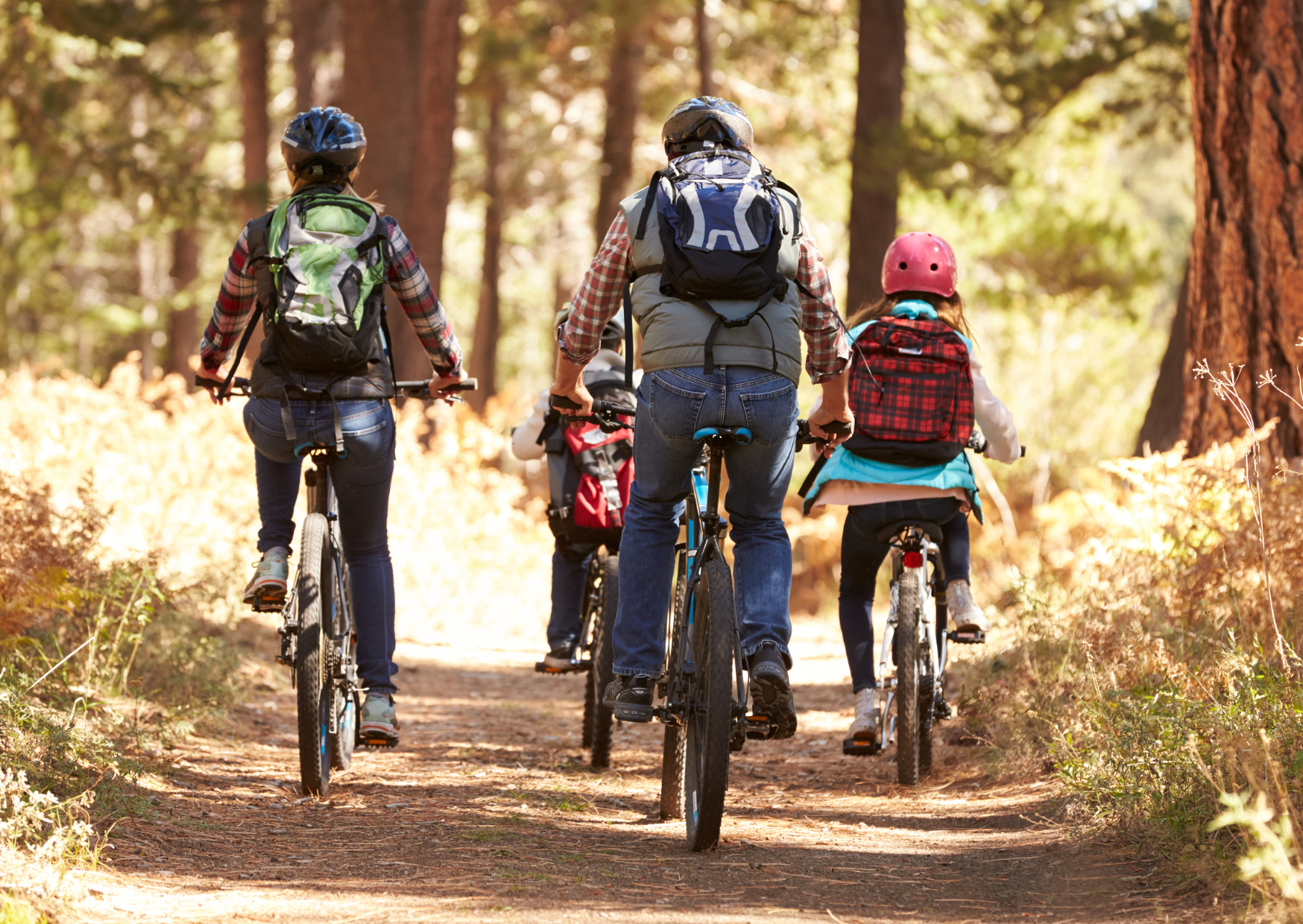
You do not need to become brave. You need to become comfortable. Start with a physical therapist consult for posture and knees. Ask a reputable bike shop for a true step-through frame with a swept-back handlebar so wrists and neck relax. Seat height so your knee is softly bent at the bottom of the stroke. Try a suspension seatpost if joints complain. Pick an e-assist that starts gently and stops at 25 km/h so you remain in the bike category. Comfort makes habit, habit makes distance.
Add two tiny rituals. Warm tea after rides. A calendar sticker every time you go out. Ritual keeps the month from dissolving.
What to do this week without buying anything
- Put your main meal in daylight twice and end it with a walk. Timing fuels legs.
- Choose a safe loop and ride it at talking pace. Pace you can chat at is the right pace.
- Clear your hallway so the bike exits in ten seconds. Friction is the real enemy.
- Set two appointments on foot. Tell no one. Errands are training.
None of this is about proving youth. It is about keeping independence, blood flow, balance, and a life that still includes detours. German seventy-year-olds are not special. They are scheduled, equipped, and surrounded by streets that cooperate. Do that and twenty miles becomes “the good way to coffee,” which is all it needs to be.

About the Author: Ruben, co-founder of Gamintraveler.com since 2014, is a seasoned traveler from Spain who has explored over 100 countries since 2009. Known for his extensive travel adventures across South America, Europe, the US, Australia, New Zealand, Asia, and Africa, Ruben combines his passion for adventurous yet sustainable living with his love for cycling, highlighted by his remarkable 5-month bicycle journey from Spain to Norway. He currently resides in Spain, where he continues sharing his travel experiences with his partner, Rachel, and their son, Han.