
And what they reveal about privacy, cultural trust, and the unspoken expectations of hospitality across the Atlantic
American households often pride themselves on being guest-ready. That means a scented candle in the bathroom, a fresh roll of toilet paper on the holder, a matching towel set, and maybe even a decorative soap nobody’s allowed to use. The idea is to offer guests a clean, neutral, and effortless experience — one that mimics a hotel more than a home.
But cross into Europe — whether you’re staying in a French countryside home, a Spanish apartment, or a Tuscan villa — and you’ll likely encounter a completely different set of bathroom guest rules. These rules aren’t written down, and they’re rarely discussed. But they’re very real.
From minimal supplies to personal interruptions, from confusing setups to no-frills expectations, Europeans handle guest bathroom etiquette in ways that would leave many American visitors confused, embarrassed, or outright offended.
Here are nine unspoken rules Europeans follow in their bathrooms — and why American guests might struggle to adjust.
Want More Deep Dives into Everyday European Culture?
– Why Europeans Walk Everywhere (And Americans Should Too)
– How Europeans Actually Afford Living in Cities Without Six-Figure Salaries
– 9 ‘Luxury’ Items in America That Europeans Consider Basic Necessities
In many parts of Europe, bathroom etiquette is rooted in long-standing traditions around cleanliness, water conservation, and shared living spaces. Guests may be expected to remove shoes before entering, use specific towels designated for visitors, or even follow particular flushing rules—standards that feel perfectly normal to locals but uncomfortably restrictive to outsiders.
For Americans, these expectations can come across as overly controlling or even insulting, especially if they’re interpreted as a lack of trust in the guest’s hygiene. What Europeans see as respectful care for the home and environment, Americans might read as micromanagement of basic personal habits.
There’s also a cultural pride element involved. Some European hosts take their bathroom presentation seriously—matching towels, scented soaps, and carefully arranged toiletries—and may become offended if guests “disrupt” the setup. In the U.S., bathrooms are generally seen as purely functional spaces, so the idea of strict guest rules can feel unnecessary and pretentious.
1. You Don’t Get a Fresh Towel — You Share the One That’s There
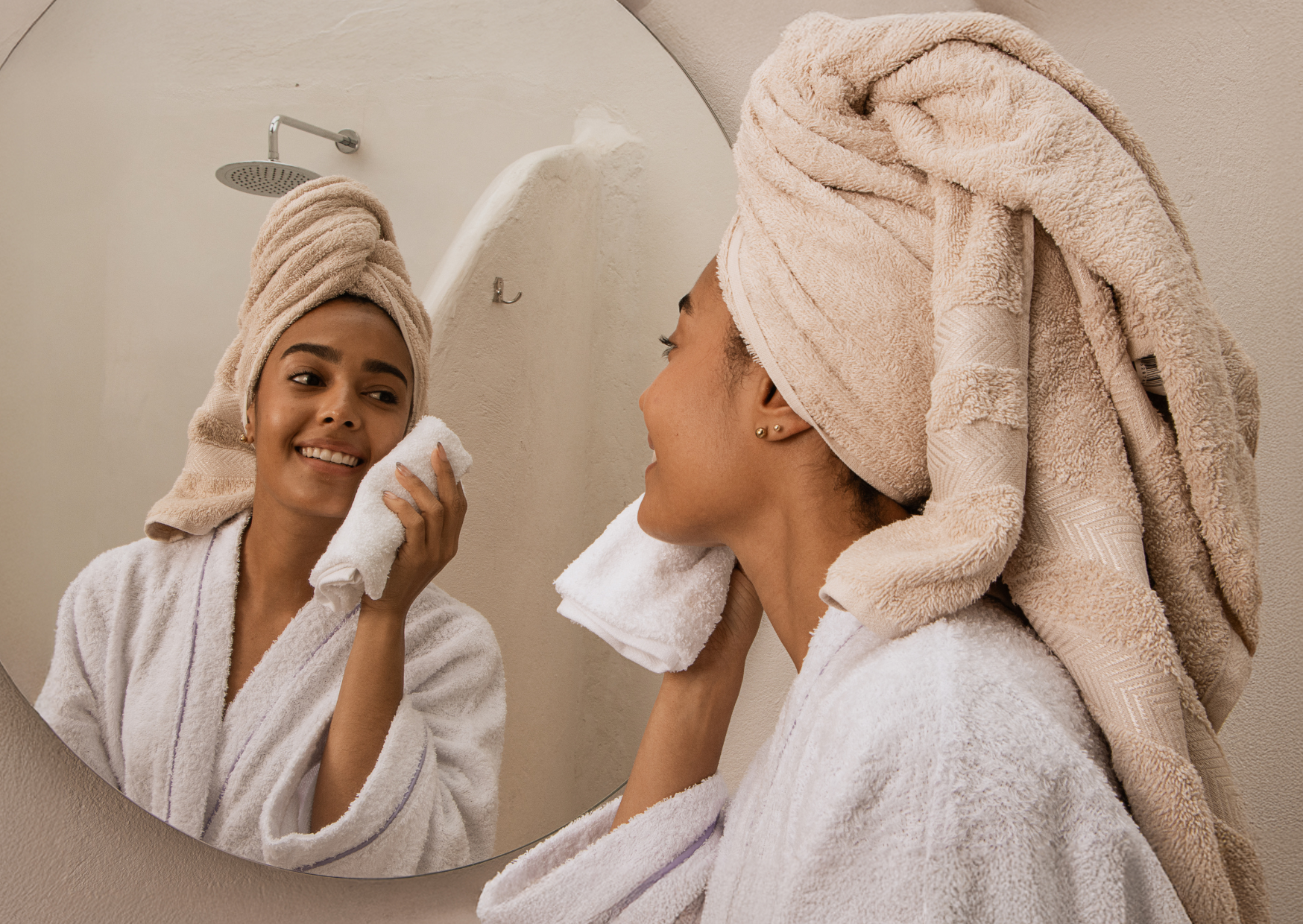
In the U.S., guest towels are a category of their own. They’re fluffed, decorative, and clean. You get your own. It might even be folded in a triangle.
In Europe? There’s often one towel hanging near the sink — and that’s the one everyone uses.
It’s usually clean. It’s rotated regularly. But it’s shared.
You dry your hands, just like the host did before you. And unless you’re staying overnight, no one thinks twice.
To Americans raised on personalized hygiene items, this feels intrusive. But in Europe, it’s practical. One towel. Less laundry. No waste.
2. The Toilet Paper Might Be Hidden — Or Half-Gone
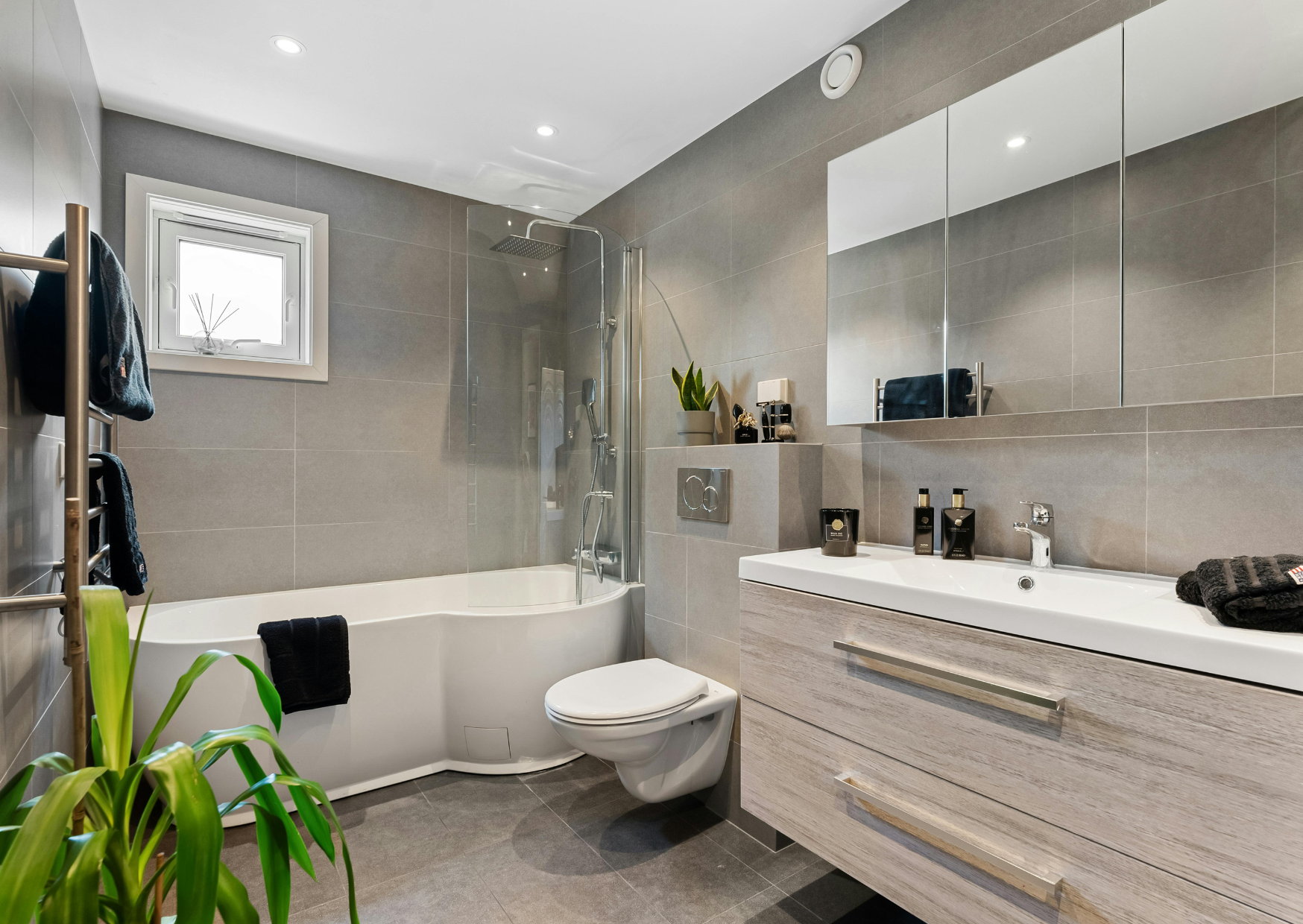
Americans are used to fully stocked bathrooms. A fresh roll, a backup within reach, and everything intuitive.
In Europe, especially in older homes or smaller apartments, you might find a half-used roll and no visible spares.
Are there more? Probably. But they might be under the sink, in a nearby closet, or tucked into a woven basket two rooms away.
You might need to ask. And if you do, your host won’t be embarrassed. They’ll just say, “Ah, yes — in the cupboard by the coats.”
To Americans, this feels like poor preparation. To Europeans, it’s normal life.
3. The Door Might Not Lock — And No One Will Knock
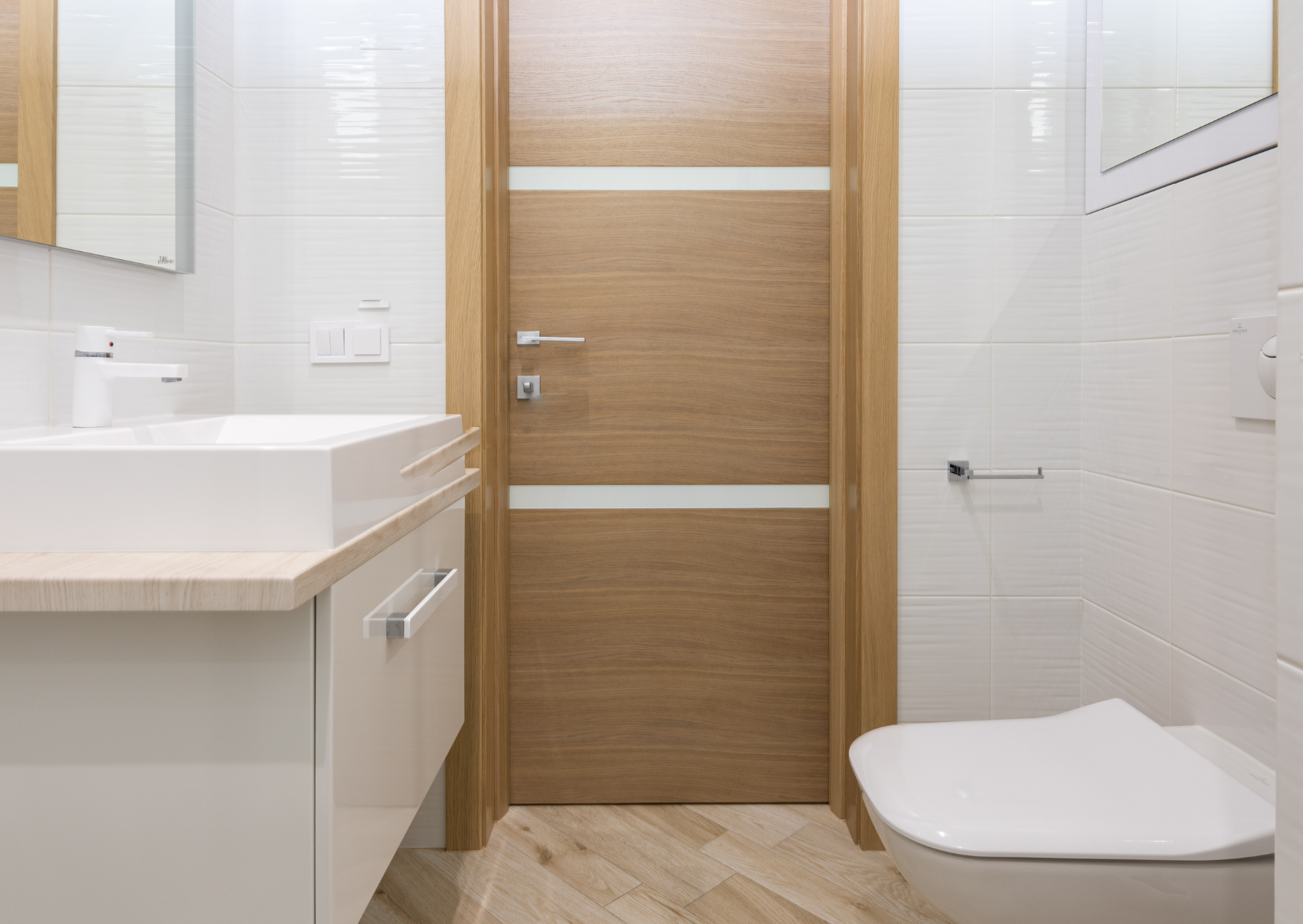
One of the most unsettling moments for an American in a European home is realizing that the bathroom door doesn’t lock — or that the lock is symbolic at best.
In many older homes and countryside properties, bathroom doors click closed, but don’t truly lock. The unspoken rule? If the door is shut, it’s occupied. Don’t test it. Don’t push. Just wait.
To Americans, who are trained to expect firm boundaries and visible locks, this is stressful. But to Europeans, trust in door etiquette is enough.
No one barges in. Everyone knows the system. It works — if you follow the rules.
4. You Might Be Asked to Wait — Or Share

In American homes, bathroom access is sacred. When someone’s inside, the space is theirs. Wait your turn.
In European homes — especially those with only one bathroom — you might be asked something Americans would find unthinkable:
“Do you mind if I just pop in to grab something?”
Or worse: “Can I brush my teeth while you’re in there?”
It’s not seen as invasive. It’s just efficient sharing. The bathroom isn’t treated like a sanctuary. It’s functional space.
And if you’re mid-shower and someone knocks? They’re not being rude — they just need to use the sink for one minute.
5. The Light Switch Might Be Outside — With No Explanation
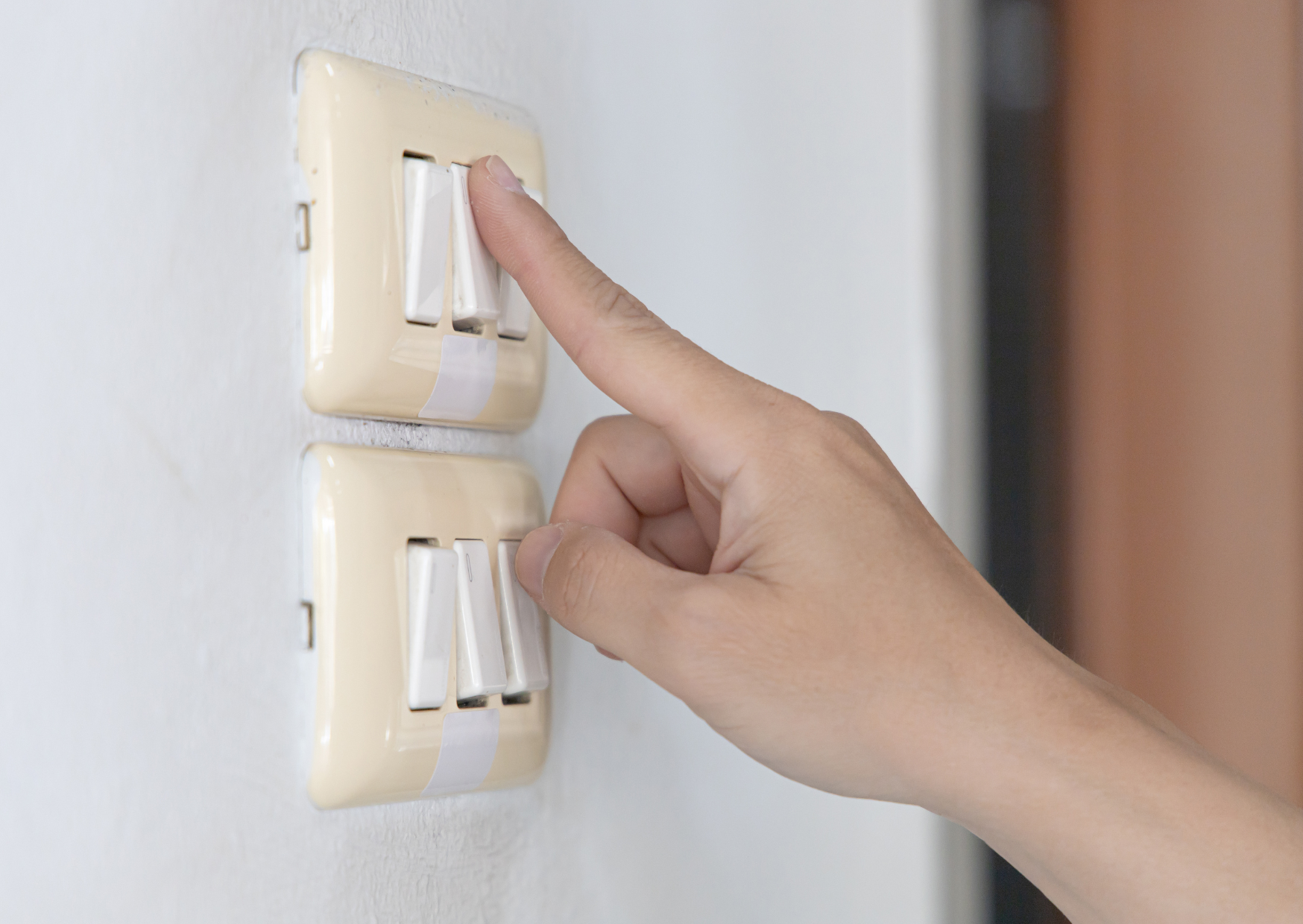
In many European countries, particularly Spain, Italy, and France, it’s common for bathroom light switches to be located outside the room.
Americans are stunned by this. It leads to confusion, accidental lights-off moments, and a general sense of exposure.
But locals don’t question it. It’s often a holdover from older electrical codes. You flip it on before you enter. You flip it off when you leave.
It’s not a trick. It’s just how the house is wired.
6. There’s No Scented Candle — And No One Expects One
American bathrooms, especially guest ones, are often stocked with scent diffusers, sprays, or candles. The expectation is clear: don’t leave a trace.
In Europe? That pressure doesn’t exist.
You won’t find air fresheners or discreet sprays. If you do, they’re often behind the toilet or unused. And if you leave behind an odor? No one’s offended. The bathroom is for human functions. That’s understood.
To Americans, this seems inconsiderate. But in Europe, the pressure to sanitize every natural moment simply doesn’t exist.
7. The Shower May Be a Puzzle — And No One Will Explain It
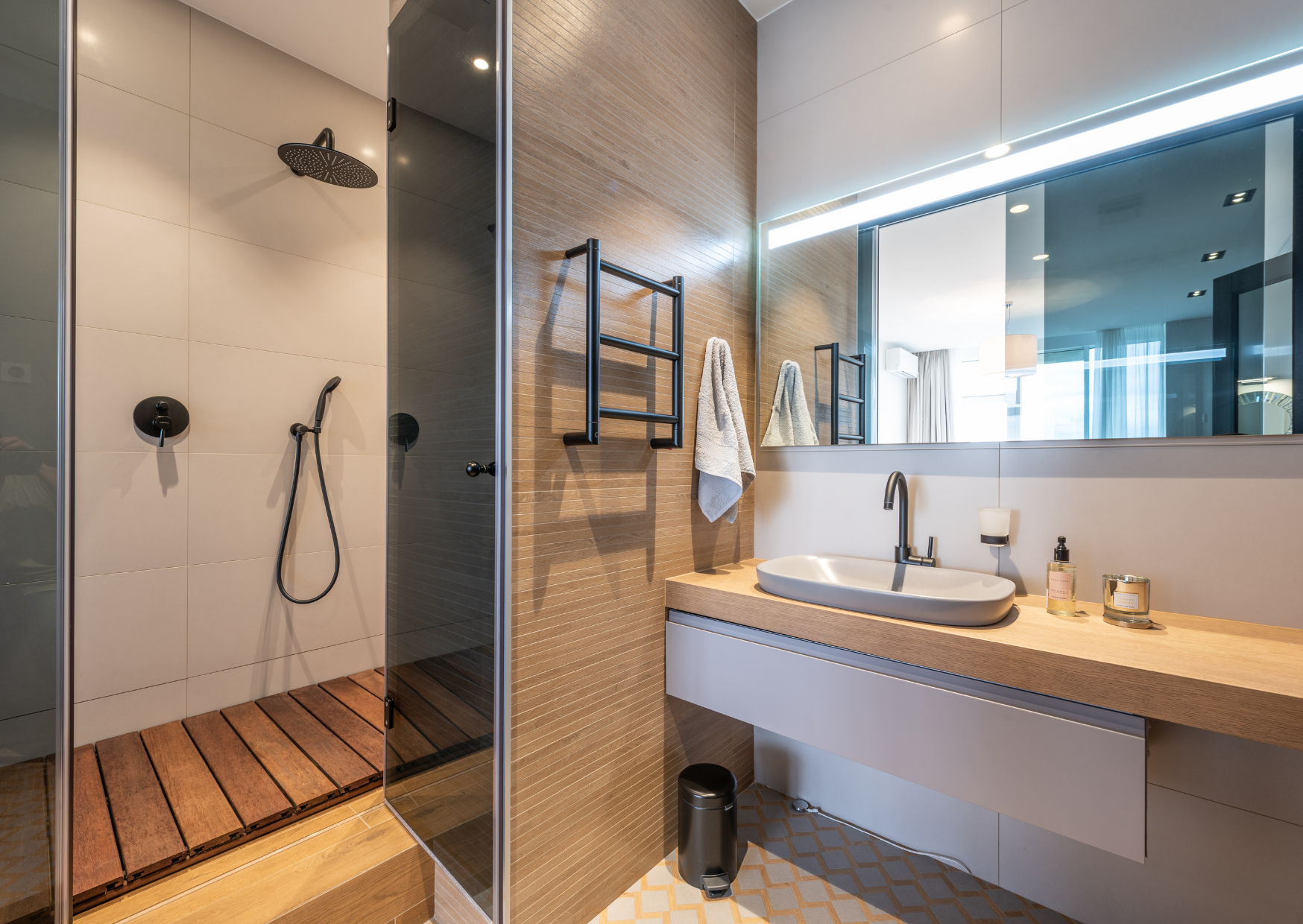
European showers are famously confusing. Wall-mounted heads. Removable wands. No curtain. No enclosure. Half-glass screens. Water that switches from hot to cold at random.
You may find yourself staring at the fixtures, wondering which knob does what — or how to avoid flooding the entire bathroom floor.
Will your host explain it? Probably not. You’re expected to figure it out. And if you get the floor wet? No one will panic. Just use the mop — yes, there’s a mop for the bathroom.
8. Bidets Are Common — But You’re on Your Own
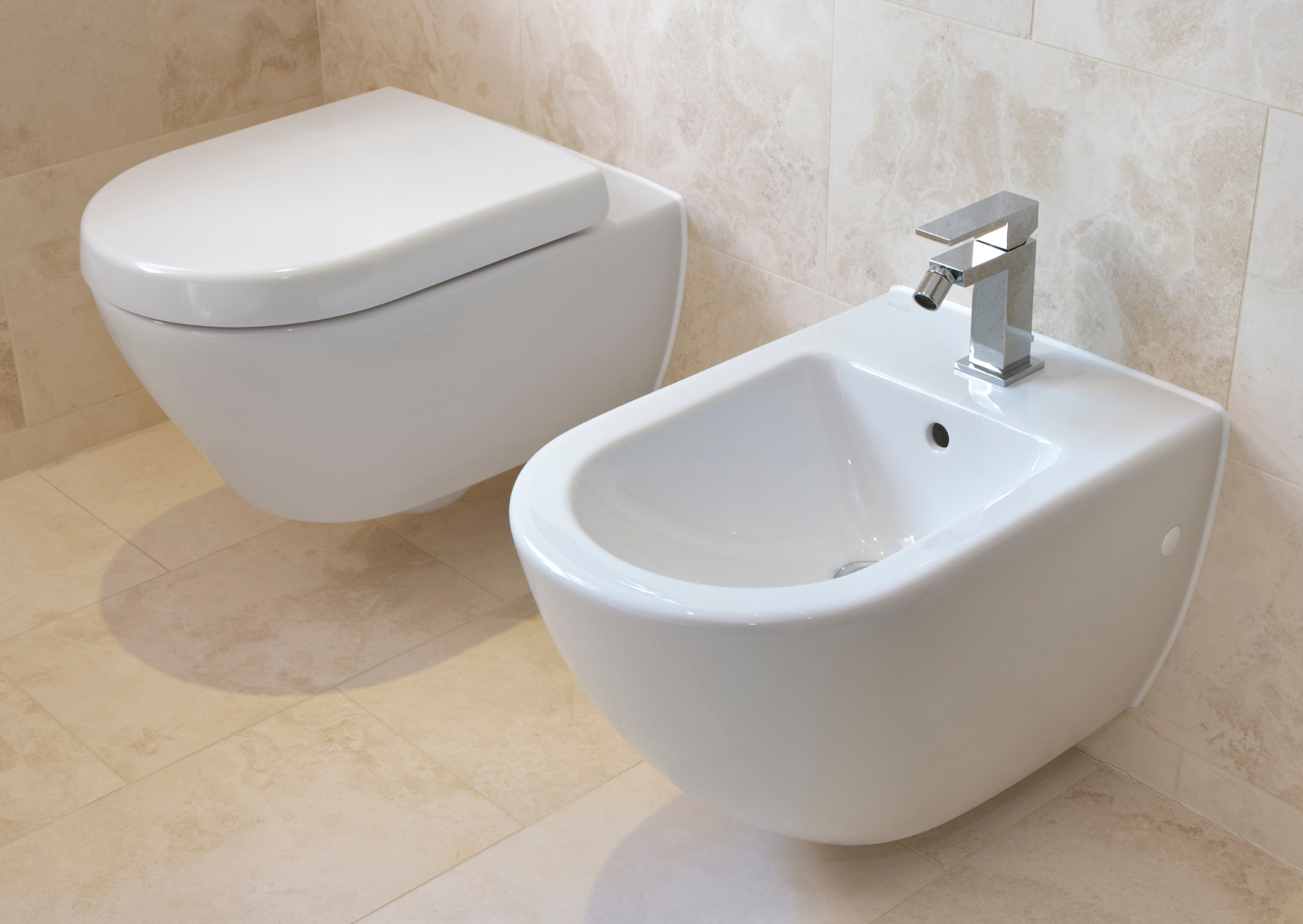
In Italy, Spain, and Portugal, many homes still have a bidet next to the toilet. Americans might assume it’s a second toilet. Or a sink. Or a foot bath.
Your host won’t explain it unless you ask. And if you ask, they might be surprised you don’t already know.
In Europe, bidets are not optional luxury. They’re basic hygiene.
Using one isn’t mandatory — but if you don’t, people might quietly assume your standards are a little… off.
9. You’re Not Treated Like a Guest — You’re Treated Like a Person
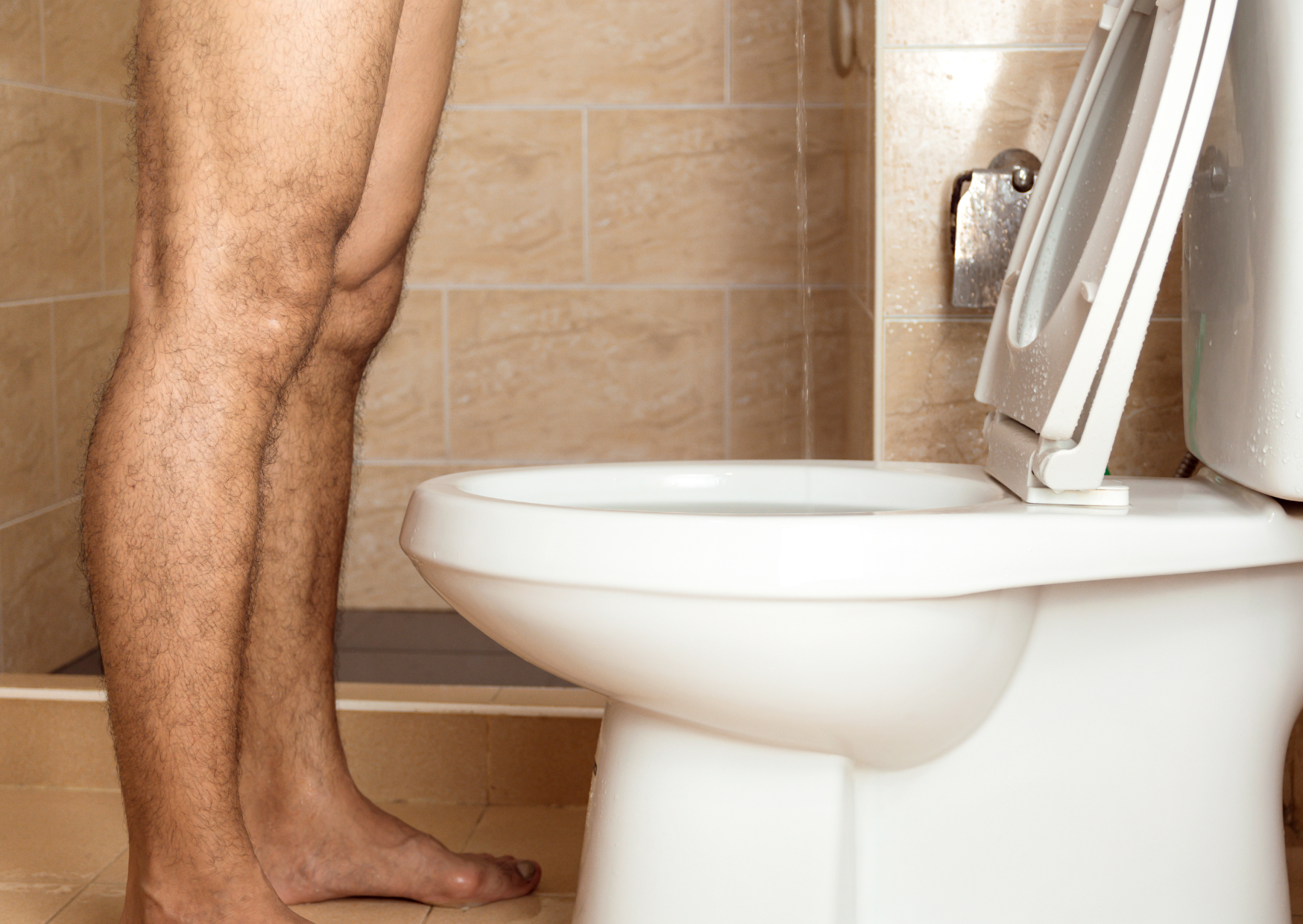
Here’s the real shock for many Americans: the bathroom isn’t staged for you.
There are no single-use soaps or hotel-style towels. The mirror might be foggy. The cabinet might be cluttered. The soap is half-used. The trash isn’t empty.
And that’s not disrespect. That’s real hospitality.
European hosts don’t treat guests like royalty. They treat them like family. That means you share the real space — with all its quirks and imperfections.
In the U.S., guest hospitality is often about creating illusion: of order, cleanliness, abundance.
In Europe, hospitality means: we trust you to step into our life as it is.
One Bathroom, Two Mentalities
To Americans, European bathroom habits feel chaotic. Impersonal. Even a little rude.
Where’s the guest towel? Where’s the air freshener? Why did someone knock?
To Europeans, American expectations feel excessive. Performative. Cold.
Why should you pretend no one uses the bathroom? Why should one person get exclusive rights to a shared space? Why hide normality?
In American homes, the bathroom is curated.
In European homes, the bathroom is lived in.
It’s a place to wash, relieve, splash, share, and move on. No theater. No apology. No performance.
Bathroom etiquette might seem like a small detail, but it’s a microcosm of how cultures view hospitality, personal space, and respect. In Europe, these rules often reflect a sense of shared responsibility and a desire to make a guest’s visit comfortable while preserving the home’s standards.
For travelers, the key is to remember that these customs aren’t meant to offend—they’re part of the cultural fabric. Adapting to them, even if they feel strange at first, can be a sign of respect and cultural awareness.
At the same time, hosts can also bridge the gap by explaining their expectations in a friendly way, rather than assuming guests will automatically know the “rules.” After all, the best hospitality happens when comfort and understanding go both ways.

About the Author: Ruben, co-founder of Gamintraveler.com since 2014, is a seasoned traveler from Spain who has explored over 100 countries since 2009. Known for his extensive travel adventures across South America, Europe, the US, Australia, New Zealand, Asia, and Africa, Ruben combines his passion for adventurous yet sustainable living with his love for cycling, highlighted by his remarkable 5-month bicycle journey from Spain to Norway. He currently resides in Spain, where he continues sharing his travel experiences with his partner, Rachel, and their son, Han.