
Last updated on January 29th, 2026 at 12:30 pm
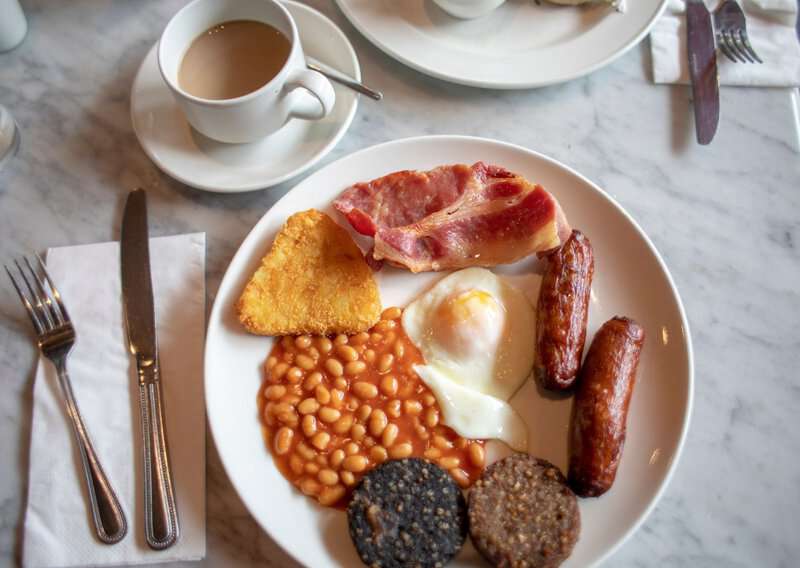
Our full recipe guide on how to make Irish Breakfast one of the most popular in the world.
An Irish Breakfast, also known as a “full Irish,” is a hearty and traditional meal that typically includes a range of savory items. Here’s a guide to making a classic Irish breakfast.
Many international versions of the “Irish breakfast” are often confused with the English or Scottish variations or worse, reduced to a plate of eggs and bacon with nothing else. But a proper Irish breakfast is distinct and specific: it includes black and white pudding, Irish sausages, rashers (not American bacon), and soda bread not toast with jam.
There’s also a tendency to “healthify” the breakfast for modern tastes by removing key elements like the puddings or frying everything in olive oil instead of traditional methods. While adaptations are understandable, labeling these as “authentic” undermines the cultural value and history behind the dish. This isn’t meant to be light cuisine it’s a working-class meal built to last.
Additionally, pre-packaged “Irish breakfast kits” found in supermarkets or online often include generic components that lack the taste and texture of the real thing. Authenticity lies in the details from the seasoning in the sausage to the type of bread served. It’s a dish that deserves more than just a checkbox of ingredients; it deserves cultural respect.
Read here: Things to know before visiting Ireland, Irish food, best breakfast in Ireland and how to get from Dublin airport to the city center
How to Make Irish Breakfast
Irish Breakfast Recipe Ingredients
Irish sausages: Usually pork sausages, known for their herby flavor.
Back bacon: Also known as Irish bacon, it’s leaner than American-style bacon.
Black pudding: A type of blood sausage, rich in flavor.
White pudding: Similar to black pudding but without blood.
Eggs: Cooked to preference, often fried or scrambled.
Tomatoes: Halved and grilled or fried.
Mushrooms: Sautéed in butter.
Baked beans: Often a small portion on the side.
Hash browns or potato farl: Some versions include fried potatoes or a potato bread.
Irish soda bread: For serving on the side.
Butter and jam: For spreading on the bread.
Tea: Typically a strong Irish or English breakfast tea.
Get the best deals for your home and kitchen needs
Step By Step How to Make Irish Breakfast
Prepare ingredients
Slice the mushrooms and cut the tomatoes in halves. Ready the sausages, bacon, black pudding, and white pudding for cooking.
Cook meat
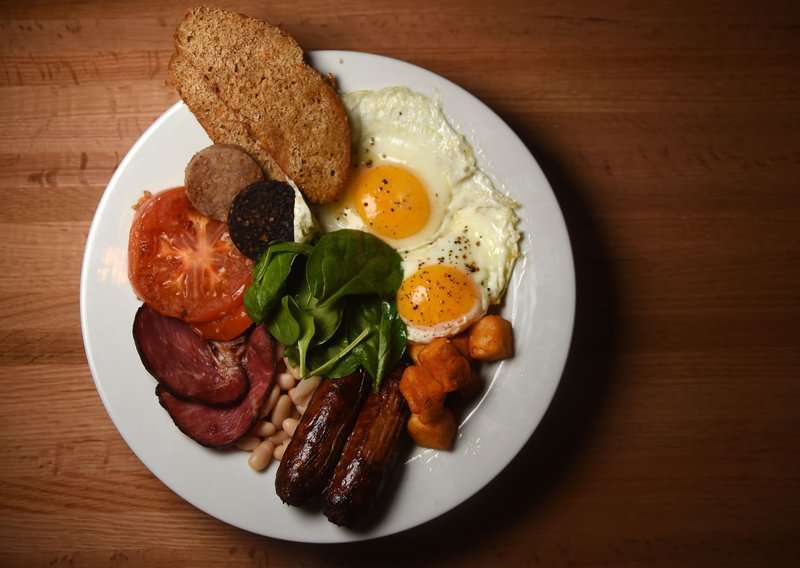
Start by frying the sausages and bacon in a large skillet over medium heat until they’re golden brown and cooked through. Add the black and white puddings to the pan, frying each side gently until crisp.
Vegetables and beans
In another part of the skillet or a separate one, sauté the mushrooms and tomatoes until they’re tender and slightly charred. Warm the baked beans in a small saucepan over low heat, stirring occasionally.
Eggs and bread
In a clean part of the skillet or another pan, fry or scramble the eggs to your liking. Toast the soda bread and serve warm with butter and jam.
Assemble the plate
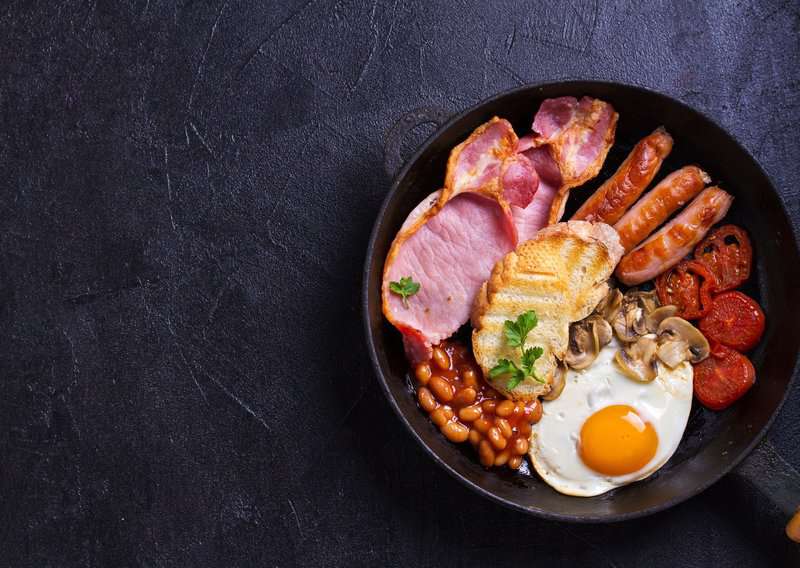
Arrange the sausages, bacon, black and white pudding, eggs, tomatoes, mushrooms, beans, and any potato accompaniment neatly on a plate. Serve with hot buttered soda bread and a pot of freshly brewed tea.
Tips To Make Irish Breakfast
Start with the items that take longest to cook, like sausages and bacon. Add quicker-cooking items like puddings and eggs towards the end. This breakfast is traditionally served all at once, often on a large plate or platter.
How Many Calories Has An Irish Breakfast
Irish sausages (2 large sausages): Approximately 300 calories
Back bacon (2 slices): Approximately 70 calories
Black pudding (2 slices): Approximately 200 calories
White pudding (2 slices): Approximately 200 calories
Fried eggs (2): Approximately 180 calories
Fried tomato (1 large tomato): Approximately 30 calories
Mushrooms (fried, 1/2 cup): Approximately 50 calories
Baked beans (1/2 cup): Approximately 150 calories
Hash browns or fried potatoes (1 serving): Approximately 150 calories
Buttered toast (2 slices of Irish soda bread): Approximately 200 calories
Butter (for toast and cooking, 2 tablespoons total): Approximately 200 calories
A full Irish breakfast can be 1,730 calories.
Origin and History
The traditional Irish breakfast dates back to rural farm life, where mornings began with hard labor and required a hearty meal packed with protein and warmth. Farmers relied on ingredients that were easy to preserve or produce sausages, bacon, eggs, black pudding, bread, and potatoes to build a breakfast that fueled long days in the fields. What started as a practical necessity slowly became a proud culinary symbol of Irish hospitality.
By the late 19th and early 20th centuries, the Irish breakfast evolved into a meal associated with gatherings, celebrations, and Sunday mornings. Hotels and boarding houses began serving it as a comforting welcome for travelers, helping the full Irish spread beyond private homes and into public life. Each region added its own variations, but the heart of the breakfast remained constant: simple ingredients cooked well.
Today, the Irish breakfast is enjoyed not only as a morning staple but also as a cultural icon. Irish expats recreate it for nostalgia, tourists seek it out to experience a taste of Ireland, and restaurants internationally try to emulate it. Yet for many Irish families, the authenticity lies in small details local meats, traditional bread, and the unhurried ritual of preparing something warm and filling.
One major point of controversy is what must be included for a breakfast to be considered truly Irish. Purists insist that black pudding and proper rashers are non-negotiable, while others argue that any hearty plate inspired by Irish ingredients counts. This debate highlights the tug-of-war between tradition and modern adaptation, especially as global audiences reinterpret the meal.
Another contentious issue is the quality of ingredients used outside Ireland. Many international versions substitute American-style bacon for Irish rashers, or generic sausages for Irish bangers. To locals, these swaps dramatically change the taste and texture. The debate often becomes emotional, with Irish cooks arguing that the breakfast loses its identity when made with ingredients that don’t reflect the original flavors.
A final controversy revolves around the commercialization of the Irish breakfast. Some restaurants promote it as a novelty dish or exaggerate its components to impress tourists. Critics argue that this misrepresents a meal rooted in modesty and simplicity. For many Irish people, the essence of the breakfast is not about quantity or spectacle it’s about authenticity, comfort, and tradition.
How Long You Take to Prepare
A proper Irish breakfast typically takes around 30 to 40 minutes to prepare, depending on how many components you’re cooking. Most of the ingredients sausages, rashers, black pudding, and tomatoes can be cooked in the same pan or on the same grill, which keeps the process efficient and flavorful. The key is to cook everything gently to avoid drying it out.
While the main proteins cook, eggs can be fried, scrambled, or poached in just a few minutes. Preparing potatoes as boxty, hash, or fried slices takes slightly longer but adds depth and comfort to the plate. Many cooks prepare the potatoes first so they can crisp up while the rest of the breakfast comes together.
The final stage warming the soda bread, toasting, or buttering takes almost no time at all. Altogether, the cooking process is hands-on but not difficult. It’s the organization and timing that matter, ensuring everything stays warm and is served together, just as it would be in an Irish home.
Serving Suggestions
A traditional Irish breakfast is served with strong tea or freshly brewed coffee, which balances the richness of the meal. Buttered soda bread or toast is essential for soaking up egg yolks and juices from the sausages and rashers. Many families also include a small side of marmalade for a bright, citrusy finish.
For a more complete spread, baked beans and sautéed mushrooms add softness and earthiness. Grilled tomatoes provide acidity, helping cut through the salty, savory meats. These additions create layers of flavor without overwhelming the plate every component is meant to complement the others.
If you want a modern twist, serve the breakfast with mashed avocado, fried potatoes seasoned with herbs, or a side salad for freshness. However, the traditional version remains timeless: warm bread, well-cooked meats, soft eggs, and simple vegetables arranged on one hearty plate. It’s comfort at its most honest.
Final Thoughts
A proper Irish breakfast isn’t just a meal it’s a ritual that reflects centuries of culture, family tradition, and the Irish love of hearty, honest food. Its components may seem simple, but together they create a deeply satisfying experience that has stood the test of time. Mastering it at home allows you to taste a piece of Ireland no matter where you live.
Many people try to recreate this breakfast without understanding the nuances that make it special. It’s not about piling ingredients onto a plate; it’s about using quality components and cooking them with care. When prepared correctly, each bite captures a warmth and familiarity that store-bought or rushed versions can’t match.
In the end, the Irish breakfast’s power lies in its simplicity. It’s comforting, filling, and steeped in history. Whether you enjoy it on a quiet weekend morning or serve it to guests, making it the right way brings you closer to a tradition that continues to be cherished across generations.

About the Author: Ruben, co-founder of Gamintraveler.com since 2014, is a seasoned traveler from Spain who has explored over 100 countries since 2009. Known for his extensive travel adventures across South America, Europe, the US, Australia, New Zealand, Asia, and Africa, Ruben combines his passion for adventurous yet sustainable living with his love for cycling, highlighted by his remarkable 5-month bicycle journey from Spain to Norway. He currently resides in Spain, where he continues sharing his travel experiences with his partner, Rachel, and their son, Han.