
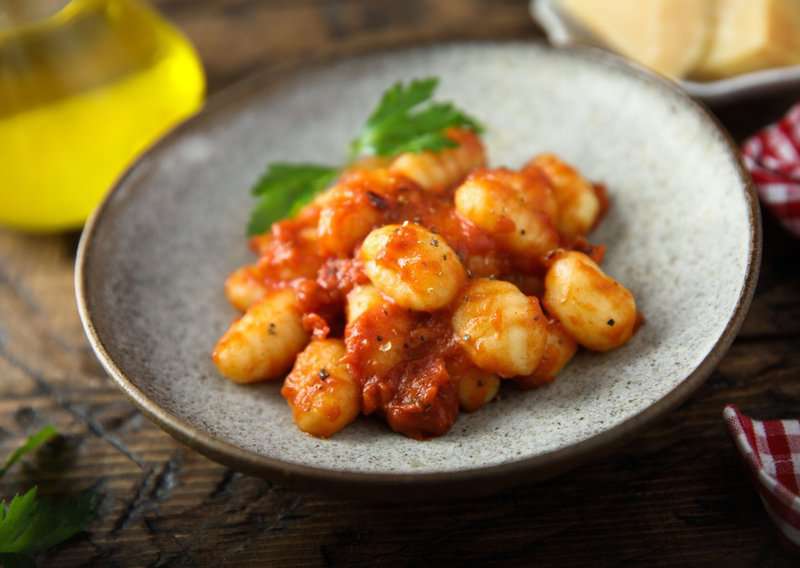
Our full recipe guide on how to make Gnocchi one of the most popular dishes in Italy.
Gnocchi are delightful Italian dumplings that are typically made from potatoes, flour, and eggs. These soft, pillowy dumplings can be served with a variety of sauces, such as a classic tomato sauce, sage butter, or pesto. Here’s how to make authentic potato gnocchi.
Read here best Italian food, vegetarian food in Italy, best drinks in Italy and best breakfast in Italy
BOOK YOUR TRAVEL INSURANCE
Two of our favorite travel insurance: Heymondo Vs Safetwing cheapest travel Insurance. You can get for $135 USD your Heymondo Travel Insurance with Heymondo discount code valid for 90 days. Read our full comparison of Genki vs Safetywing Travel Insurance Review and the comparison Heymondo vs Genki
A common misconception is that gnocchi is just “Italian pasta.” In truth, it’s not pasta at all—it’s a dumpling, and it requires an entirely different approach. Treating gnocchi dough like pasta dough (kneading it too much or adding eggs when not needed) often results in chewy, dense lumps instead of light, airy bites.
Another major misunderstanding? Believing that store-bought gnocchi is “good enough.” While convenient, most pre-packaged versions are rubbery, overly processed, and lacking the delicate potato flavor that makes fresh gnocchi so special. Real gnocchi is soft and melt-in-your-mouth, not bouncy or doughy.
Finally, many modern recipes ignore the regional differences that define Italy’s gnocchi culture. For example, some areas use ricotta instead of potatoes, and others skip flour entirely. Flattening these variations into one generic “gnocchi recipe” erases the diverse culinary history behind the dish. Honoring those differences is what turns a good recipe into an authentic experience.
How to Make Gnocchi
Gnocchi Recipe Ingredients
2 pounds (about 900 grams) potatoes (preferably starchy potatoes like Russets)
1 to 1 1/2 cups all-purpose flour, plus extra for dusting
1 large egg
Salt
Nutmeg
Get the best deals for your home and kitchen needs
Step By Step How to Make Gnocchi
- Cook the Potatoes
Wash the potatoes and boil them whole with their skins on until they are completely tender (about 40-45 minutes, depending on size). This method helps the potatoes absorb less water. Drain and let the potatoes cool just enough to handle them, then peel.
- Make the Potato Dough
Using a potato ricer, rice the peeled potatoes onto a clean work surface. If you don’t have a ricer, you can mash them ensuring there are no lumps.
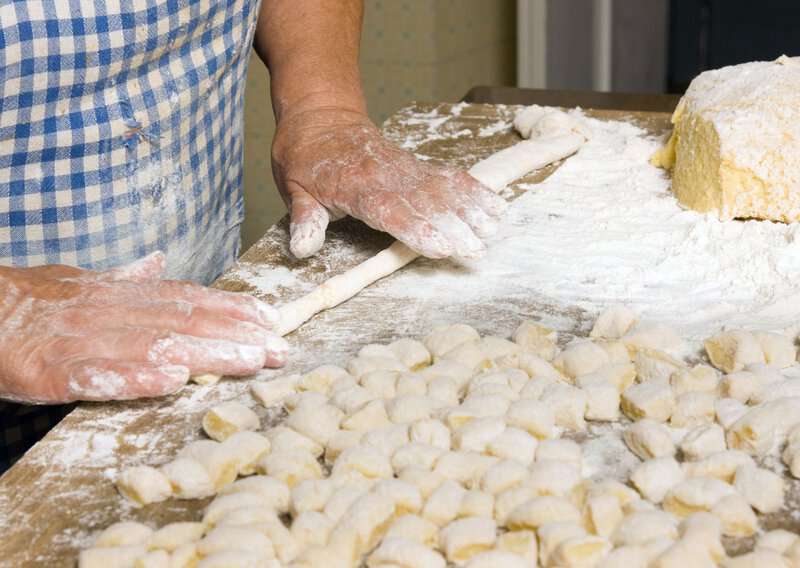
Sprinkle most of the flour over the riced potatoes along with a pinch of salt and nutmeg if using. Make a well in the center and add the egg. Gently knead the mixture just until it forms a smooth dough. Avoid over-kneading as this will make the gnocchi dense.
- Shape the Gnocchi
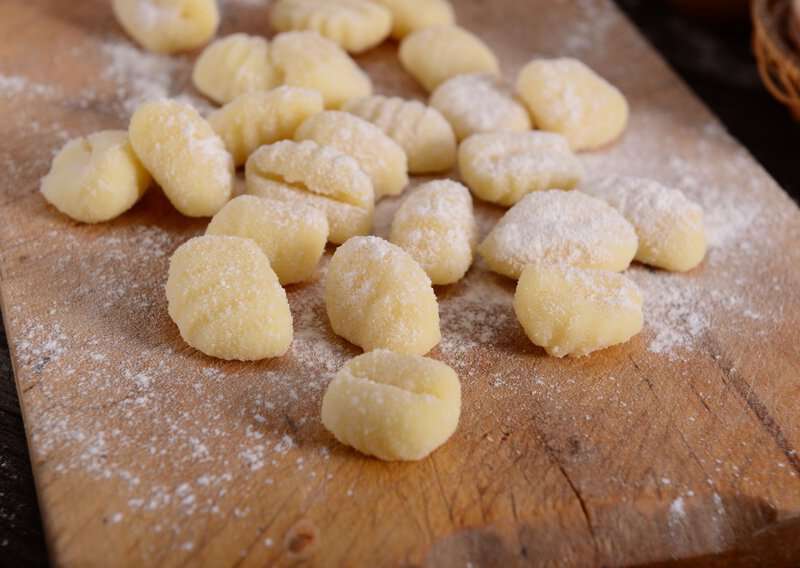
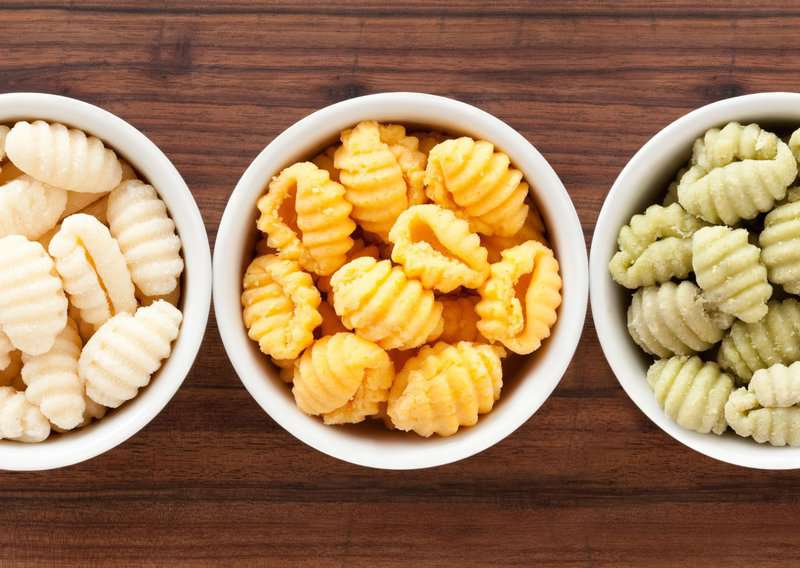
Divide the dough into sections. Roll each section into long snakes about 3/4 inch in diameter. Use extra flour if the dough is sticky. Cut the snakes into 1-inch pieces. Press each piece against a fork or a gnocchi board with your thumb to create ridges (this helps hold sauce better).
- Cook the Gnocchi
Bring a large pot of salted water to a boil. Drop the gnocchi in batches into the boiling water. They are done when they float to the surface, usually about 2-3 minutes. Remove with a slotted spoon.
- Serve
Serve the gnocchi hot with your choice of sauce. They pair wonderfully with a simple sage butter, a hearty meat sauce, or a fresh tomato basil sauce.
Tips To Make Gnocchi
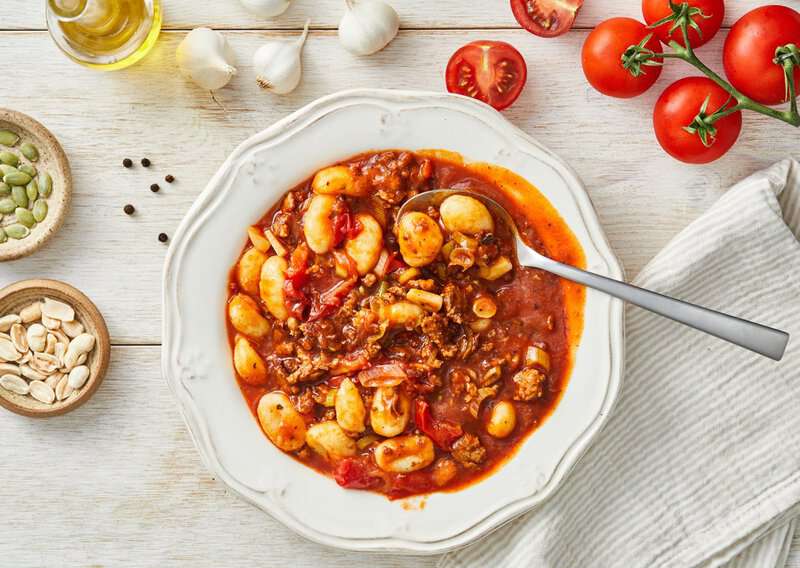
Use starchy potatoes as they won’t absorb as much water during cooking, making it easier to form a dough with less flour, which results in lighter gnocchi. The less flour you use, the lighter your gnocchi will be. Adjust the flour as needed, but try to keep it light.
How Many Calories Have Gnocchi
Total calories from potatoes: 693 calories
Total calories from flour: 455 calories
Total calories from the egg: 70 calories
The batch of gnocchi is about 1218 calories, if you divide the batch into 4 servings, each serving is around 305 calories.
Origin and History
Gnocchi has roots that stretch deep into Italian culinary tradition, long before the modern potato even entered the European kitchen. Early versions of gnocchi were made from bread, eggs, and flour, forming small dumplings that provided hearty nourishment for families across the countryside. These early dumplings were simple, rustic, and built to sustain farmers and laborers through long days of work.
When potatoes arrived in Italy in the 16th and 17th centuries, the recipe transformed into the version widely recognized today. Regions across Italy adapted the dumpling to their local ingredients, making gnocchi with everything from semolina to ricotta to pumpkin. Each area fiercely protected its version, adding to the diversity and heritage behind the dish.
Over time, gnocchi became more than just sustenance. It became a symbol of home cooking, tradition, and family gatherings. Today, it remains one of the most comforting Italian classics, cherished for its soft texture and ability to carry sauces beautifully, from sage butter to robust ragù.
One ongoing debate among Italian cooks is whether gnocchi should be feather-light or slightly chewy. Some believe melt-in-your-mouth softness is essential, while others insist that a little firmness gives the dumplings better structure. This difference in texture preference varies not only by region but by family, making the “right” way entirely subjective.
Another point of contention is the choice of potato. Many argue that only starchy, old potatoes yield the proper texture, while others insist that any potato can work with the right technique. The disagreement is further fueled by purists who claim that adding egg compromises authenticity, while practical cooks maintain that egg helps beginners avoid gummy results.
There is also debate surrounding shaping techniques. Traditionalists swear by the fork or gnocchi board for creating grooves that hold sauce. Modern cooks, however, say it is unnecessary and prefer smooth, rustic dumplings. These differing viewpoints keep gnocchi preparation lively, proving that even a humble dish can spark passionate discussion.
How Long It Takes to Prepare
Preparing gnocchi from scratch typically takes about one to one and a half hours, depending on your pace and familiarity with the process. Most of the time goes into cooking the potatoes, allowing them to cool slightly, and carefully ricing them for the dough.
Shaping and cutting the gnocchi adds another twenty to thirty minutes. Working gently and efficiently is key, since over-handling the dough can make the dumplings dense. Beginners may take a little longer, while seasoned home cooks often move quickly through these steps.
Once shaped, the gnocchi cook in just a few minutes. They float to the surface when ready, signaling that they can be scooped out and sauced immediately. Despite the hands-on nature of the process, the total time investment is modest for a dish with such impressive results.
Serving Suggestions
Gnocchi shines when paired with simple, high-quality ingredients. A classic browned butter and sage sauce enhances the delicate flavor of the dumplings without overpowering them. This minimalist approach remains one of the most beloved treatments in Italian kitchens.
For a heartier meal, a slow-cooked tomato ragù or a rich beef stew pairs beautifully with gnocchi’s tender texture. The dumplings act like little sponges, absorbing the sauce and creating a deeply satisfying dish. This combination works especially well for colder months or special gatherings.
If you prefer something lighter, toss freshly cooked gnocchi with olive oil, lemon zest, and grated Parmigiano-Reggiano. Add a handful of arugula or roasted cherry tomatoes for brightness. This option feels refreshing while still delivering the comfort that gnocchi naturally brings.
Final Thoughts
Making gnocchi at home offers a gratifying blend of tradition, technique, and creativity. It invites you to slow down, work with your hands, and connect with a dish that has been cherished for generations. Even if your first batch is not perfect, the process itself is rewarding.
The beauty of homemade gnocchi lies in its adaptability. You can tailor it to your taste, explore different sauces, and experiment with seasonal ingredients. Each batch becomes a personal expression of comfort cooking.
Once you experience the tender texture and fresh flavor of gnocchi made from scratch, it is hard to return to packaged versions. With practice and patience, you will gain confidence and discover why this classic dish continues to endure in kitchens around the world.

About the Author: Ruben, co-founder of Gamintraveler.com since 2014, is a seasoned traveler from Spain who has explored over 100 countries since 2009. Known for his extensive travel adventures across South America, Europe, the US, Australia, New Zealand, Asia, and Africa, Ruben combines his passion for adventurous yet sustainable living with his love for cycling, highlighted by his remarkable 5-month bicycle journey from Spain to Norway. He currently resides in Spain, where he continues sharing his travel experiences with his partner, Rachel, and their son, Han.