

South Korea is one of the most fascinating and fast-paced countries to explore, but it comes with a cultural playbook that many visitors unknowingly ignore. What seems normal or harmless in the West can easily come across as rude, confusing, or inappropriate in Korean daily life. Understanding these unwritten rules helps you blend in more smoothly and avoid awkward interactions.
Many of the “don’ts” aren’t dramatic or harsh—they’re just different. Korea’s social norms are rooted in hierarchy, politeness, and a deep respect for personal space and harmony. When you step into restaurants, public transportation, or even convenience stores, you’re stepping into a cultural rhythm that Koreans follow naturally. Learning those rhythms ahead of time transforms your entire travel experience.
This guide walks you through the 20 most common mistakes travelers make in South Korea, from dining etiquette to social behaviors to things you should never do in public spaces. If you want your trip to feel effortless—and avoid standing out in the wrong ways—these insights will help you travel with confidence and cultural awareness.
Read here best Things to know before visiting South Korea, Korea sim card for tourist, Holafly vs Airalo South Korea eSim and what to pack for a Korea vacation
BOOK YOUR TRAVEL INSURANCE
Two of our favorite travel insurance: Heymondo Vs Safetwing cheapest travel Insurance. You can get for $135 USD your Heymondo Travel Insurance with Heymondo discount code valid for 90 days. Read our full comparison of Genki vs Safetywing Travel Insurance Review and the comparison Heymondo vs Genki
Quick Easy Tips
Always use two hands when giving or receiving something from someone older.
Keep your voice down in public transportation—it’s considered polite.
Take off your shoes if you enter someone’s home or certain restaurants.
Don’t stick chopsticks upright in rice; it’s linked to funerals.
Avoid public displays of affection—Koreans generally keep it subtle.
One controversial aspect for travelers is the idea that Korean social norms can feel strict or overly formal. Many visitors from more casual cultures struggle with hierarchy, especially when interacting with older people. Critics say the rules can feel outdated or limiting, but most Koreans view them as gestures of respect rather than restrictions.
Another point of debate is the expectation of social harmony. Some travelers misinterpret quietness on subways, limited public affection, or the avoidance of confrontation as coldness. In reality, Koreans value keeping public spaces peaceful and avoiding behavior that inconveniences others. Visitors often clash with this without realizing it.
Finally, there’s the tension between Korea’s global visibility through K-pop, dramas, and modern trends versus its deeply traditional values. Many tourists arrive expecting a pop-culture fantasy and feel surprised by the conservative, structured social etiquette that still exists. This misunderstanding creates friction, not because Korean rules are unusual, but because expectations shaped by media don’t match the cultural reality.
Things Not to Do in South Korea
1. Don’t Forget to Bow
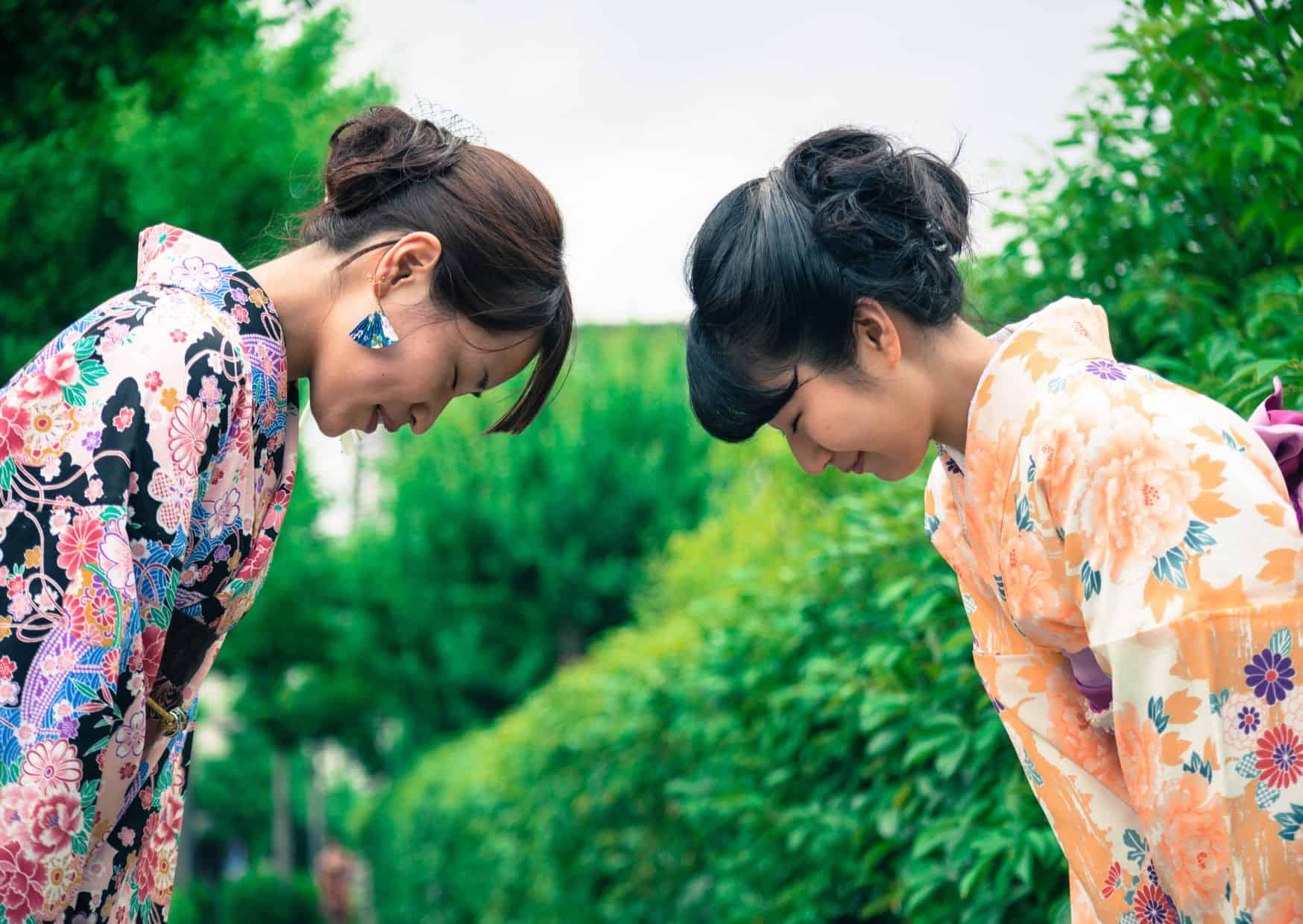
Bowing is a common form of greeting and showing respect. A slight bow or nod of the head is appreciated, especially when meeting elders or in formal settings.
2. Don’t Leave Your Shoes On Indoors
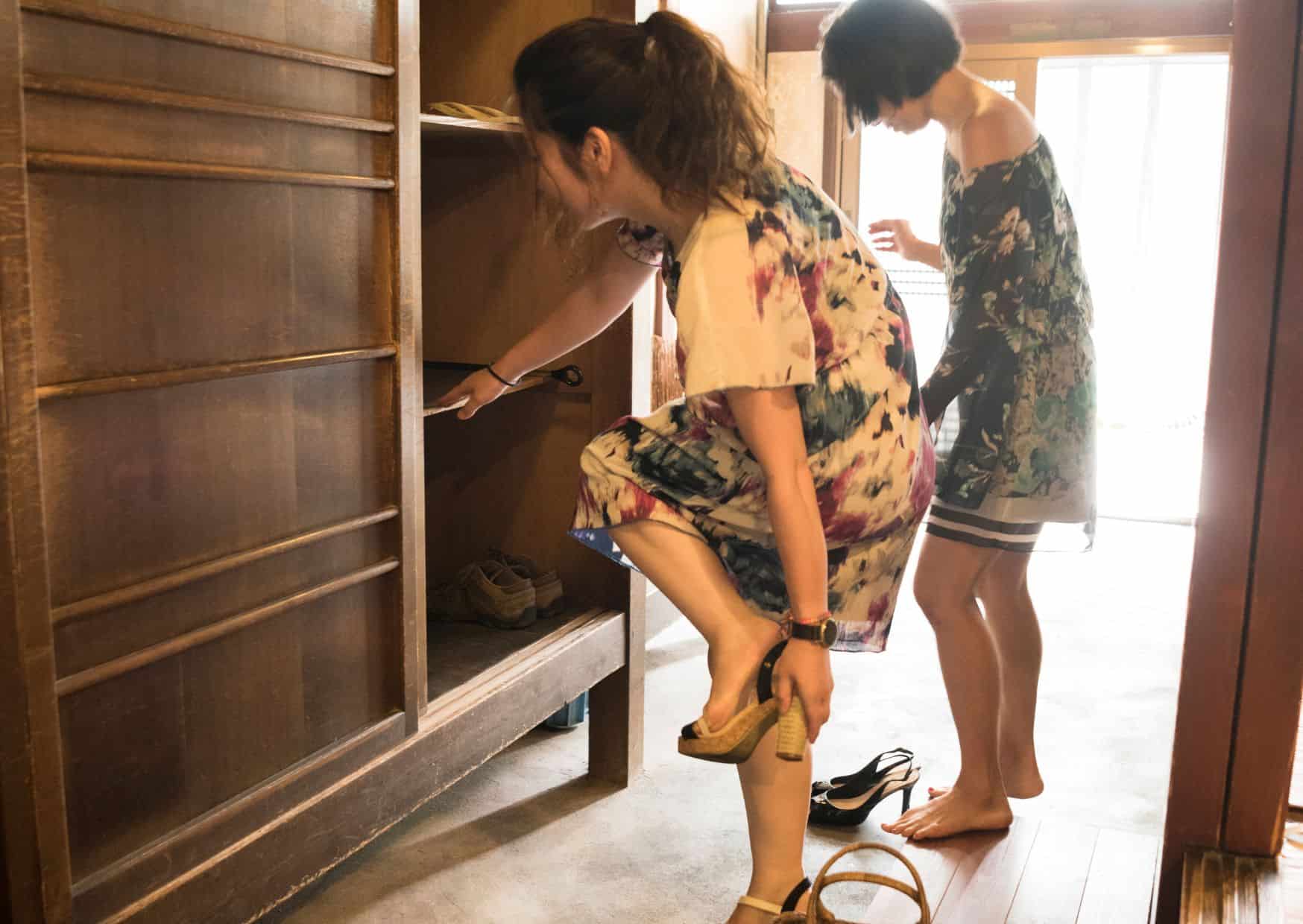
It’s customary to remove your shoes when entering someone’s home, traditional accommodations like hanoks, and some restaurants. Look for shoe racks or signs at the entrance.
3. Don’t Ignore Hierarchy
Respect for age and hierarchy is deeply ingrained in Korean culture. Use formal titles and language when addressing elders or those in positions of authority.
4. Don’t Be Loud in Public
Koreans value peace in public spaces, particularly on public transport. Avoid speaking loudly or making unnecessary noise.
5. Don’t Pour Your Own Drink

When drinking alcohol with others, it’s polite to pour drinks for each other rather than pouring your own. Use both hands when offering or receiving a drink.
6. Don’t Use One Hand for Important Gestures
When giving or receiving something (like a gift or a business card), use both hands as a sign of respect.
7. Don’t Ignore Table Etiquette
Wait for the eldest person to start eating before you begin. Additionally, don’t stick chopsticks upright in rice, as it resembles a funeral ritual.
8. Don’t Forget to Address People Properly
Use titles like “Mr.,” “Ms.,” or job titles instead of first names unless invited to do so. Adding “-ssi” after a name (e.g., “Kim-ssi”) is a respectful way to address someone.
9. Don’t Skip Out on Paying for Food
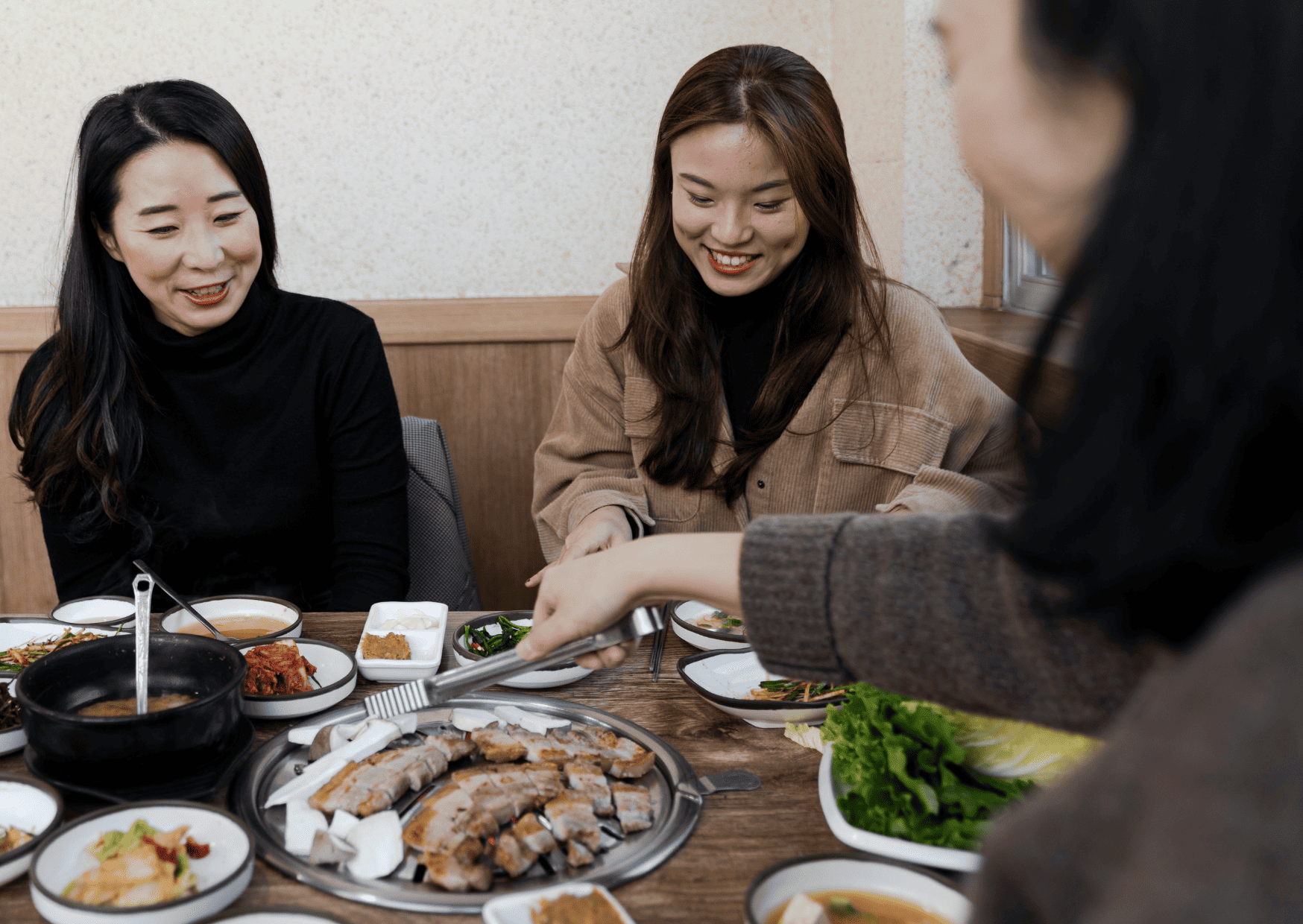
Korean dining culture often involves one person paying the entire bill. It’s common to take turns treating each other rather than splitting the bill.
10. Don’t Expect Personal Space
South Korea is densely populated, especially in cities like Seoul. Crowded spaces are common, and personal space may be limited.
11. Don’t Tip
Tipping is not customary in South Korea and can sometimes be seen as rude. Service charges are usually included in bills at restaurants and hotels.
12. Don’t Assume Everyone Speaks English
While younger generations and those in tourist areas often speak English, it’s helpful to learn a few basic Korean phrases like “Annyeonghaseyo” (hello) and “Gamsahamnida” (thank you).
13. Don’t Point with Your Finger
Pointing at people with your finger is considered impolite. Use your hand to gesture instead.
14. Don’t Sit in Elderly Seats on Public Transport
Seats marked for the elderly, disabled, or pregnant women should remain empty unless you belong to one of these groups. Sitting there when they’re unoccupied can be seen as disrespectful.
15. Don’t Blow Your Nose in Public
Blowing your nose, especially at the table, is considered bad manners. Excuse yourself to the restroom if necessary.
16. Don’t Refuse Food or Drink
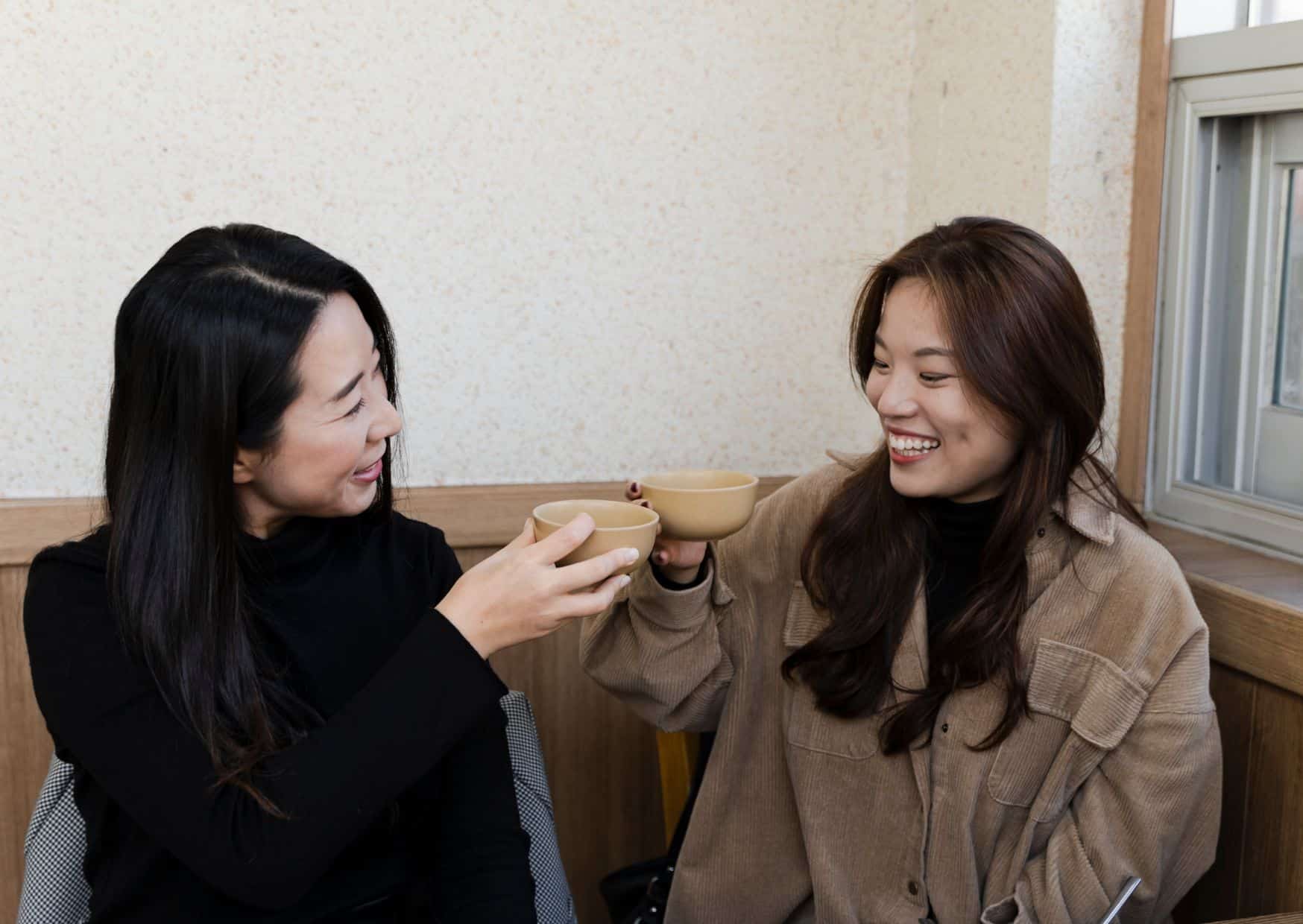
When offered food or drink, it’s polite to accept, even if it’s just a small amount. Declining outright may come across as rude.
17. Don’t Assume All Korean Food Is Spicy
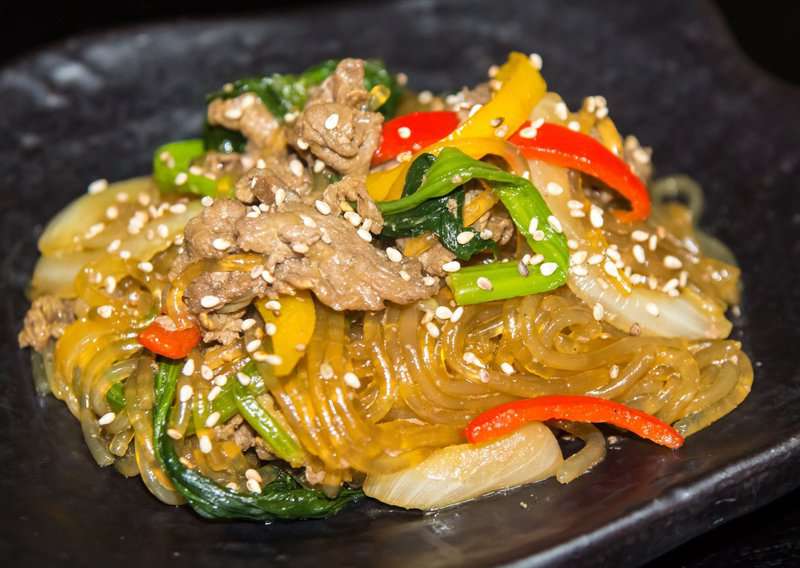
While many dishes are spicy, there are plenty of mild options like samgyetang (ginseng chicken soup) or japchae (stir-fried glass noodles). Don’t hesitate to ask for recommendations.
18. Don’t Forget to Stand on the Right
When using escalators in South Korea, stand on the right to allow people in a hurry to pass on the left, especially in Seoul.
19. Don’t Ignore Recycling Rules
South Korea has strict recycling policies. Separate your trash into categories like food waste, plastic, paper, and general waste, and follow the rules at your accommodation.
20. Don’t Be Impatient
Korean culture values patience and harmony. Avoid showing frustration in public, even if situations (like crowded spaces) become stressful.
Final Thoughts
Navigating South Korea becomes infinitely easier once you understand the small but important cultural details that shape daily life. These “don’ts” aren’t about restricting your experience; they’re about helping you appreciate the country through the lens of its people. When you travel with this level of awareness, you’ll find locals open up to you more, interactions feel smoother, and misunderstandings almost disappear.
The beauty of learning these guidelines is that they allow you to immerse yourself more deeply. Suddenly, you’re not just a visitor—you’re someone moving respectfully within a culture that values harmony, politeness, and social awareness. That alone makes the journey more rewarding.
Ultimately, traveling well in South Korea comes down to curiosity and willingness to adapt. Once you tune into the country’s social cues, you’ll feel more connected, more welcomed, and more present in every moment. Respect roots your experience in a way no guidebook or itinerary ever can.

About the Author: Ruben, co-founder of Gamintraveler.com since 2014, is a seasoned traveler from Spain who has explored over 100 countries since 2009. Known for his extensive travel adventures across South America, Europe, the US, Australia, New Zealand, Asia, and Africa, Ruben combines his passion for adventurous yet sustainable living with his love for cycling, highlighted by his remarkable 5-month bicycle journey from Spain to Norway. He currently resides in Spain, where he continues sharing his travel experiences with his partner, Rachel, and their son, Han.