
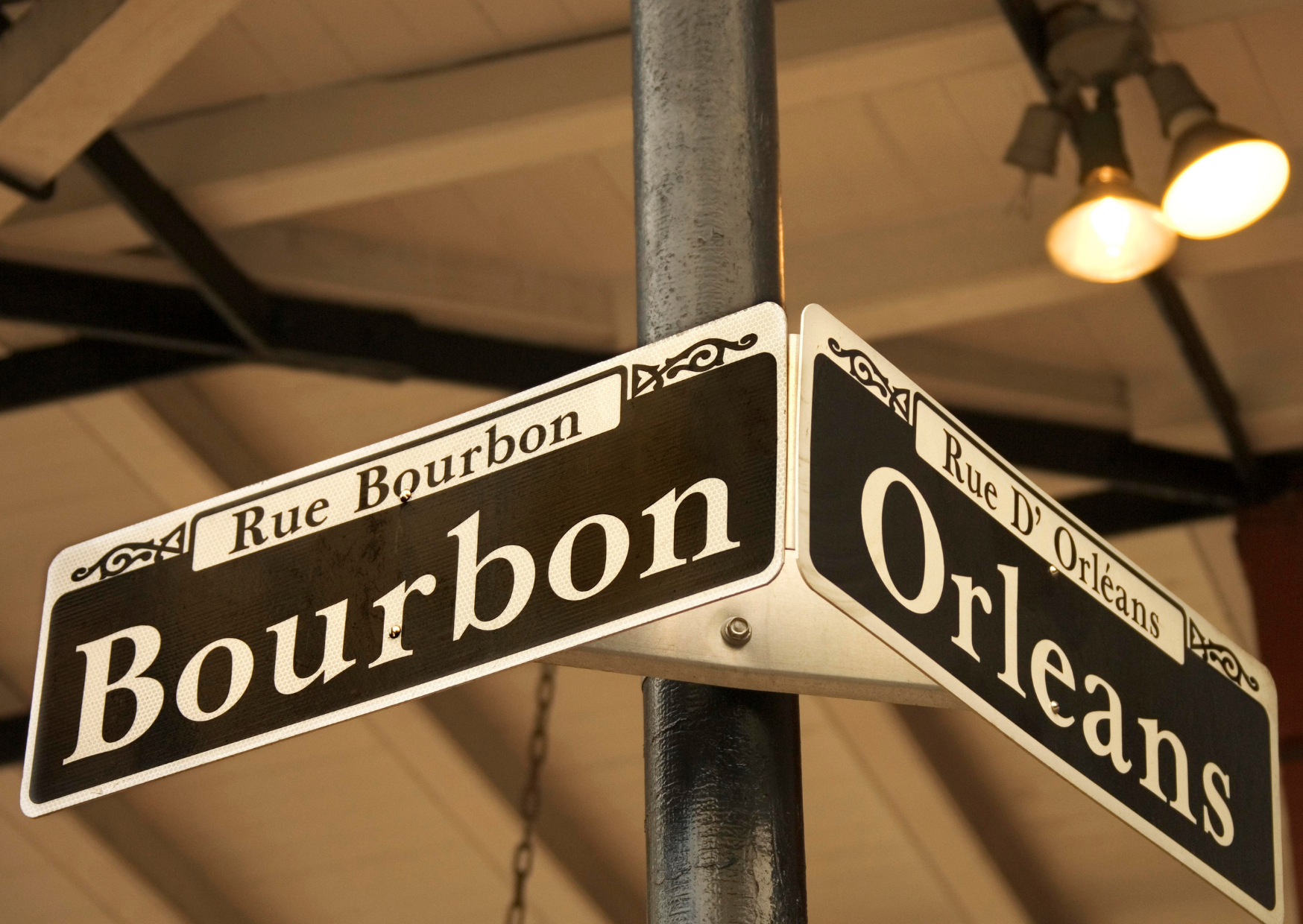
There is a scene I have watched play out more than once. A couple from Lyon lands in New Orleans with wide eyes, walks into the French Quarter, and stops dead in front of a balcony hung with plastic beads in July. The sign says “Authentic French Something.” The soundtrack is Top 40 through a blown speaker. A server in a ruffled shirt offers a “Parisian” cocktail in a neon cup. The couple look at each other, then down at the plastic. This is the moment when the word French turns from heritage into costume. It is not an insult to New Orleans. It is a category error that keeps getting sold to tourists who do not know there is a difference.
What follows is a clean map. Where the “French” in Louisiana is real. Where it is branding. Why some French visitors wince at the mashup. How tourism pushes a good story past honest. And how to enjoy the place without buying the most embarrassing version of it. You can respect both the city and the heritage if you know what you are looking at.
What French visitors expect when they hear “French Quarter”
People from France arrive with a picture in their heads. Stone, shutters, zinc roofs, cafés that smell like butter, quiet courtyards, conversation at normal volume. They assume “French Quarter” means that mood transplanted to the Mississippi. Then Bourbon Street arrives with to-go daiquiris, karaoke, and fleur-de-lis wallpaper. The architecture is mainly Spanish colonial and American Creole mixed, rebuilt after the fires of 1788 and 1794 under Spanish rule. The balconies are ironwork, yes, but the urban DNA is Iberian administration over a French map, then American layers on top. French by origin, not by daily life.
When a French visitor discovers that the Quarter’s most persistent gestures toward Frenchness are branding and menu copy, the word fake starts whispering. It is not that the neighborhood lacks soul. It is that the “French” in the name sets an expectation the current reality does not plan to meet. Words carry baggage. If you sell Paris and hand people a plastic hurricane, they notice.
How New Orleans built a real hybrid that is not “French” in the Paris sense
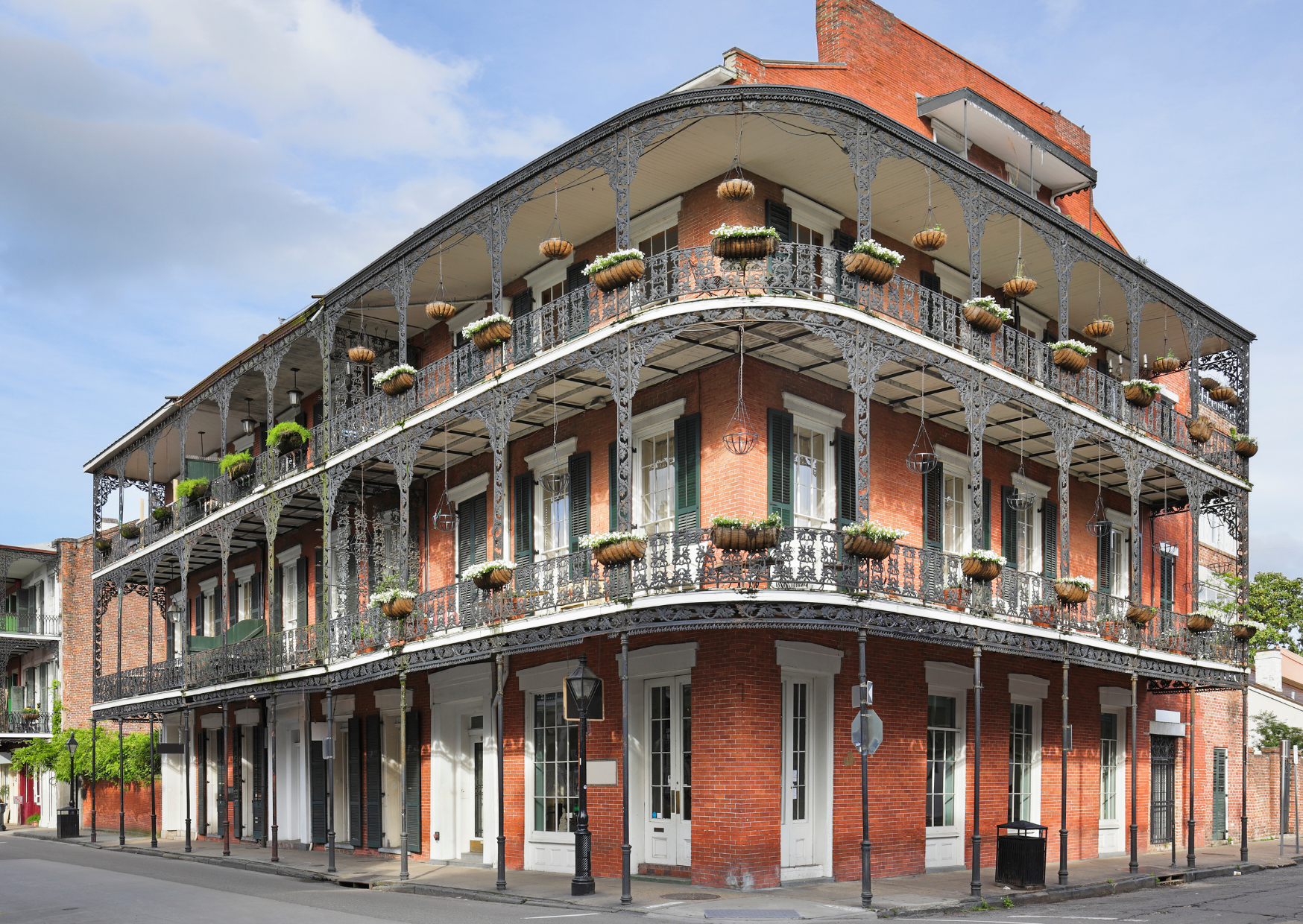
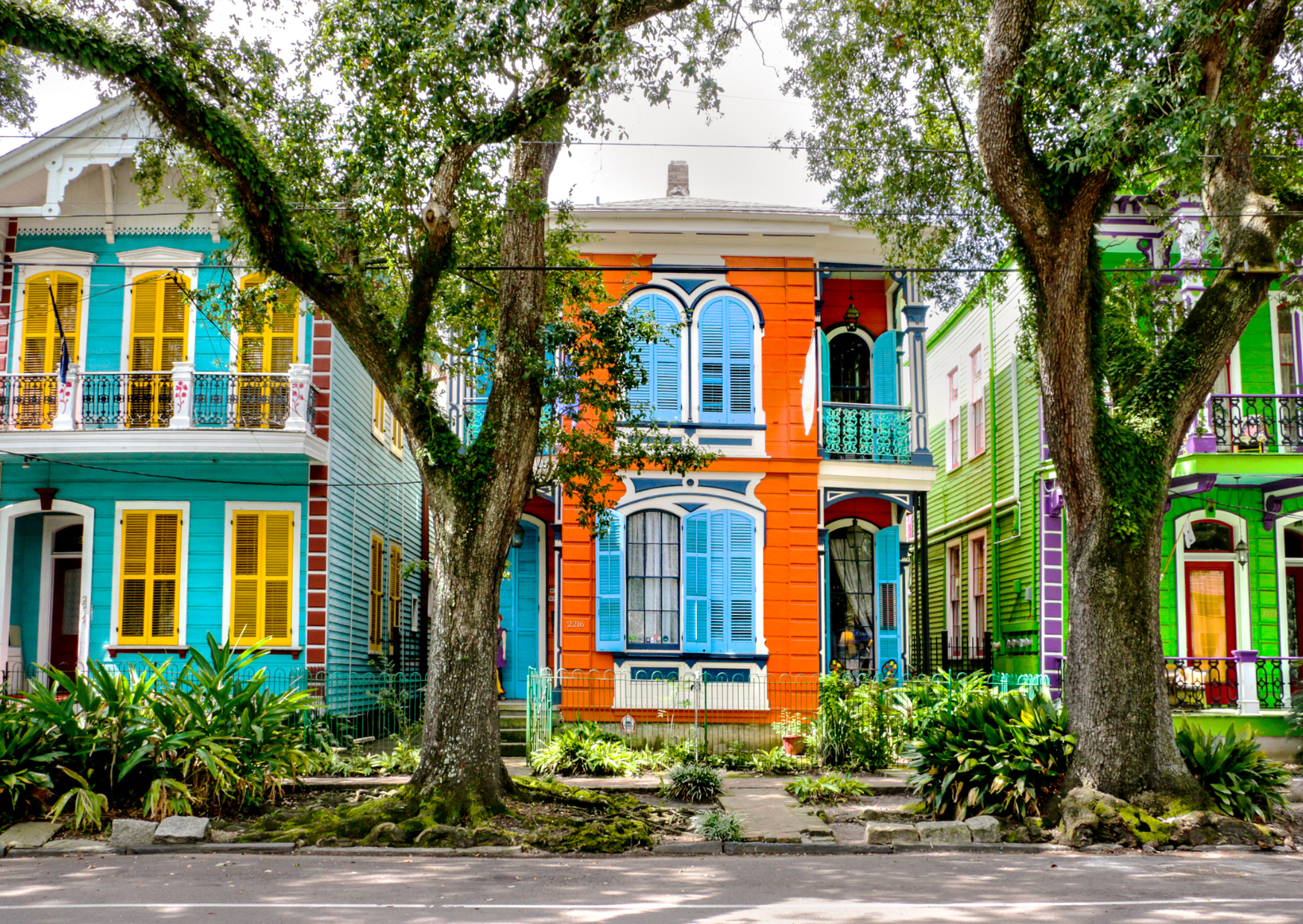
Strip the brochures and you see the city clearly. New Orleans is Creole, Cajun, African, Caribbean, Spanish, American, and yes, French. It is also Catholic in rhythm and Protestant in hustle. It is a port that kept everything useful that came through the door. The music is brass and church and street. The food carries West Africa, France, Spain, Italy, and bayou logic in the same bowl. The calendar wears a ton of beads in February for reasons that go back to fasting rules and urban politics, not just party content.
French visitors who know history tend to love this part. They nod at Cajun French and Louisiana Creole as living languages that survived against pressure. They smile at courtyards, galleries, and the way light hits stucco at 16:30. They listen to zydeco and hear a cousin of home that ran away and learned better rhythm. Hybrid is honest here. The wince happens when hybrid gets repackaged as “French” for ease of sale.
Where “French” turns into costume and why it grates
There are five pressure points that bother French visitors first. None of them require snobbery to understand.
1) Plastic Frenchness.
Menus that label anything with butter as “Parisian.” Bars that pour cream liqueur in a flute and call it a French cocktail. Gift shops that sell berets with crawfish embroidered on them. French people do not object to fun. They object to costume pretending to be culture.
2) Misnamed pastries.
A beignet is proudly New Orleans. When a café markets it as “Paris beignet” while serving a square of fried dough with mountains of sugar, a French visitor rolls their eyes. In France, a beignet can be apple, carnival style, or a regional fritter. The Café du Monde square is a Louisiana icon. It does not need Paris stapled to it.
3) Accent as entertainment.
A server doing a Pepe Le Pew voice is not charming. A bartender saying “bonjour y’all” is a joke that gets old by the second bar. Language is heritage here for Cajun and Creole communities. Turning accent into theater for tips is exactly where appropriation starts to feel cheap.
4) Paris cosplay during Mardi Gras.
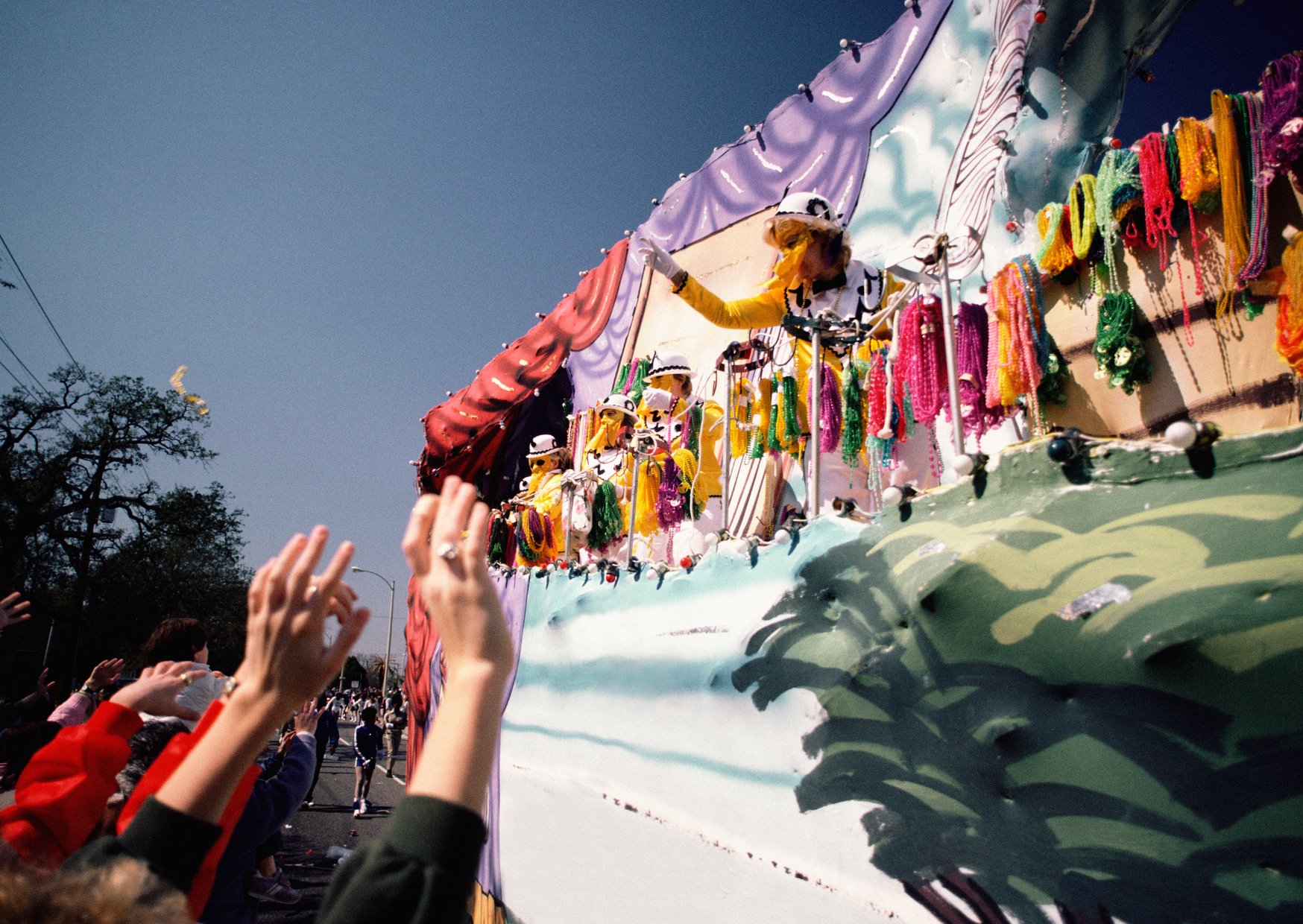
Floats with Eiffel Towers and “French court” imagery can be funny, but when the “French” frames drown out the Caribbean and Black New Orleanian roots of Carnival, visitors who know the Catholic calendar read it as a theme night. Mardi Gras is not a Paris concept.
5) “French” tours that skip the hard parts.
A walk that praises balconies and skips the Code Noir, the different categories of free people of color, the way language repression shaped today’s Cajun revival, or the Creole families that built the city is not a French tour. It is real estate sales with a beret.
These are not crimes. They are the point where branding outruns respect. French visitors can tell the difference.
Language: living heritage versus menu poetry
Louisiana French was beaten out of classrooms for generations. CODOFIL and community work pulled it back. Cajun musicians kept it breathing. Older people still switch codes at kitchens and dances. That living French is usually not on Bourbon Street. It is in Lafayette, St. Martin Parish, rural pockets, and the homes of people who do not need to perform for visitors.
French tourists who expect Parisian French on every corner get confused. Then they hear a Cajun waltz lyric or a grandmother’s phrase in a grocery aisle and go quiet, because the sound is French that outran France and survived. The appropriation problem shows up when a brand paints “bonjour” on a chalkboard and calls it a day. Real language needs space and dignity, not chalk.
If you care about heritage, go to a Cajun jam. Buy a book of Louisiana French idioms. Visit a museum curated by the community. Listen more than you post.
Food: what is authentic and what is tourist bait
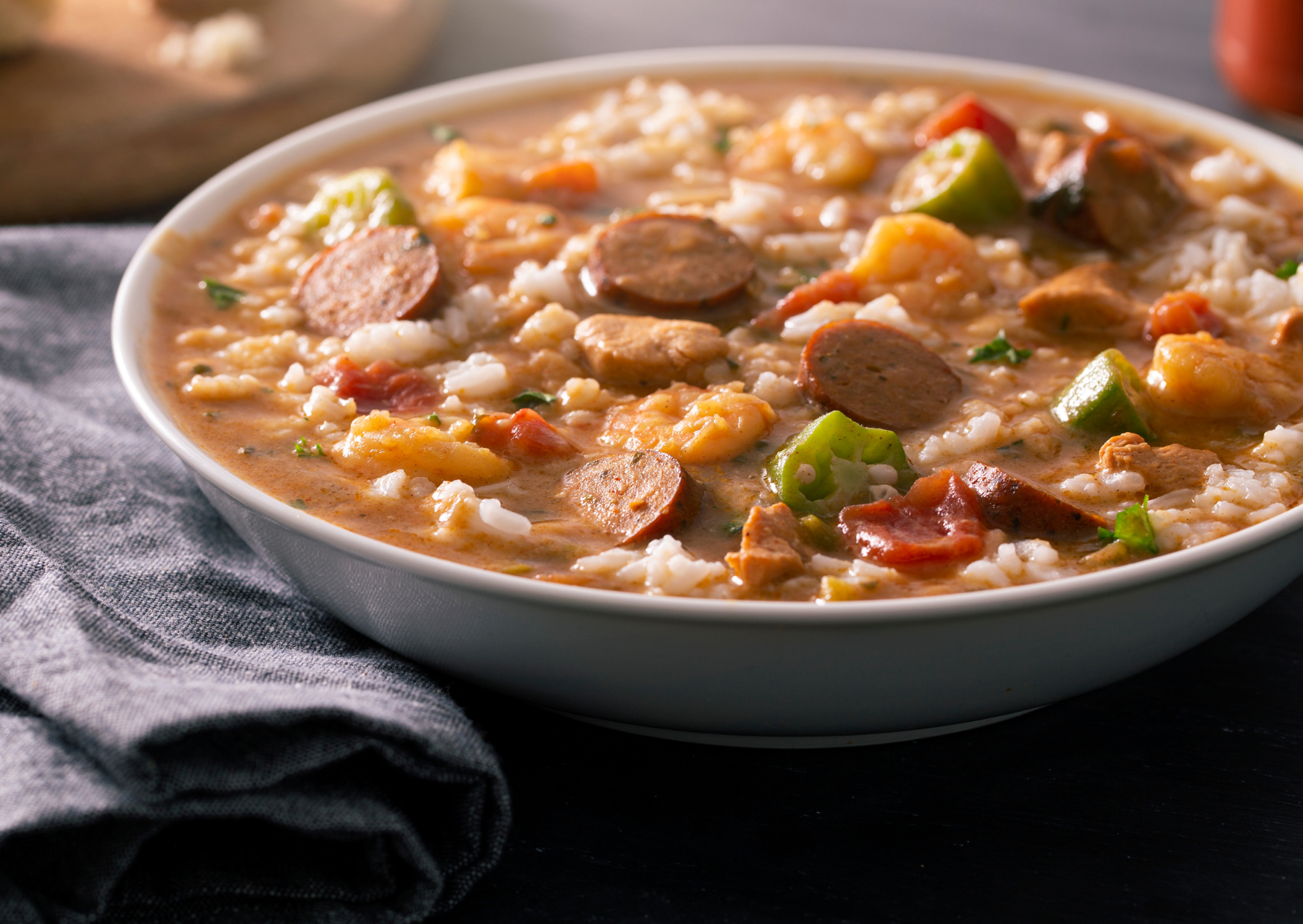
French visitors are not outraged by beignets. They are amused by sugar as a fog machine. What they respect in New Orleans food is the logic that makes a kitchen run for a century. Gumbo that changes with the house. Roux made like someone taught you, not like a content calendar demanded a pour shot. Jambalaya that decides on tomatoes because the cook did, not because a blogger shouted “Creole versus Cajun.” Red beans on Monday because laundry day and ham bones explain it, not because a hotel printed a theme.
What falls apart is the “Frenchified” overlay. “Paris étouffée” on a board. “Bourguignon po’boy” on a truck. A French word does not improve a dish that already knows what it is. The best meals in the city rarely try to sell you France. They sell you New Orleans with enough French in the bones to make a Lyonnais smile.
If you want to eat like a competent adult, skip the restaurants that promise Paris in a sugar hurricane glass. Find the places that cook for locals on Tuesday. They will tell you more truth in one plate than a “French Quarter Bistro” tells in a dozen.
Tourism versus reality: why the fake gets louder
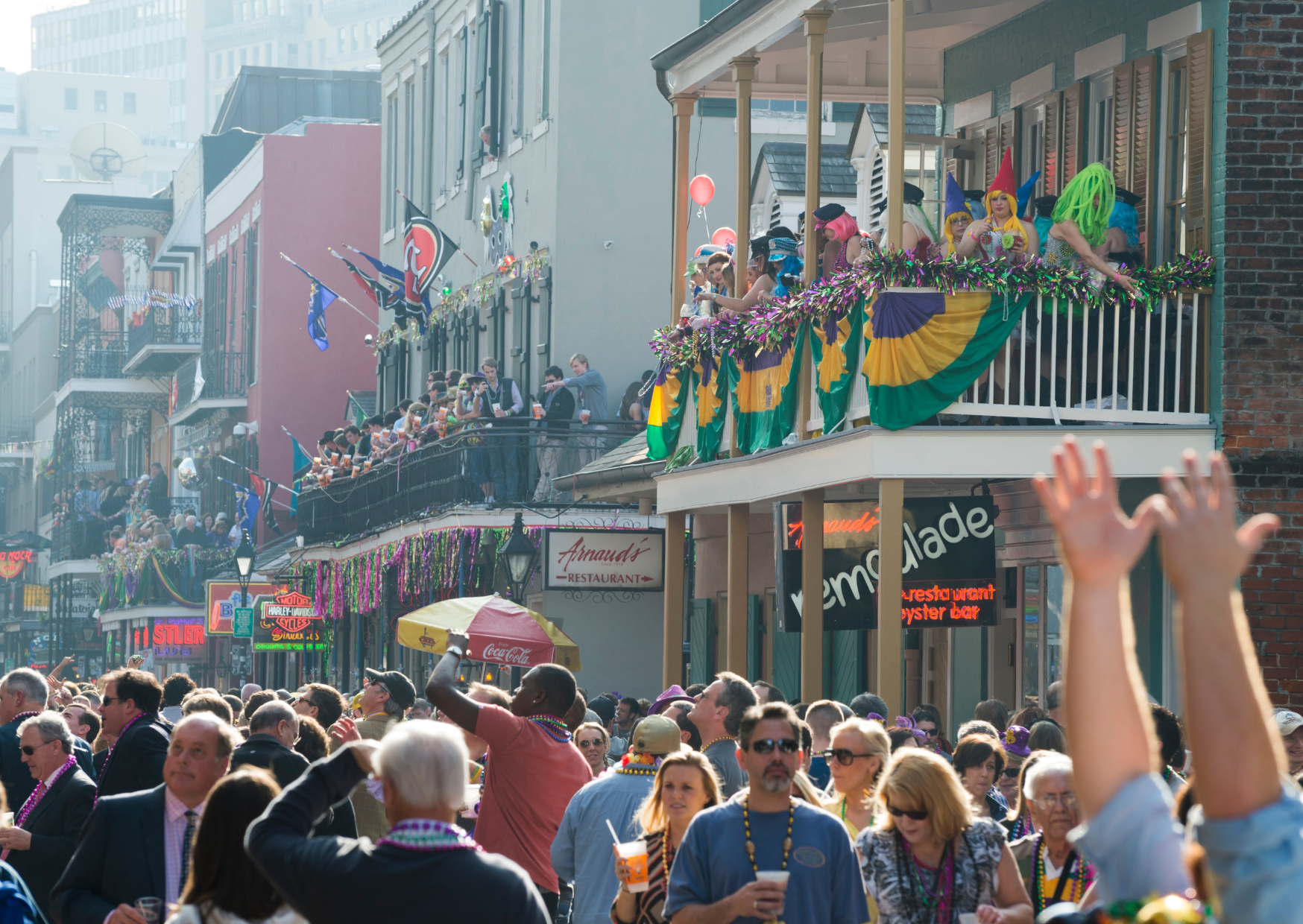
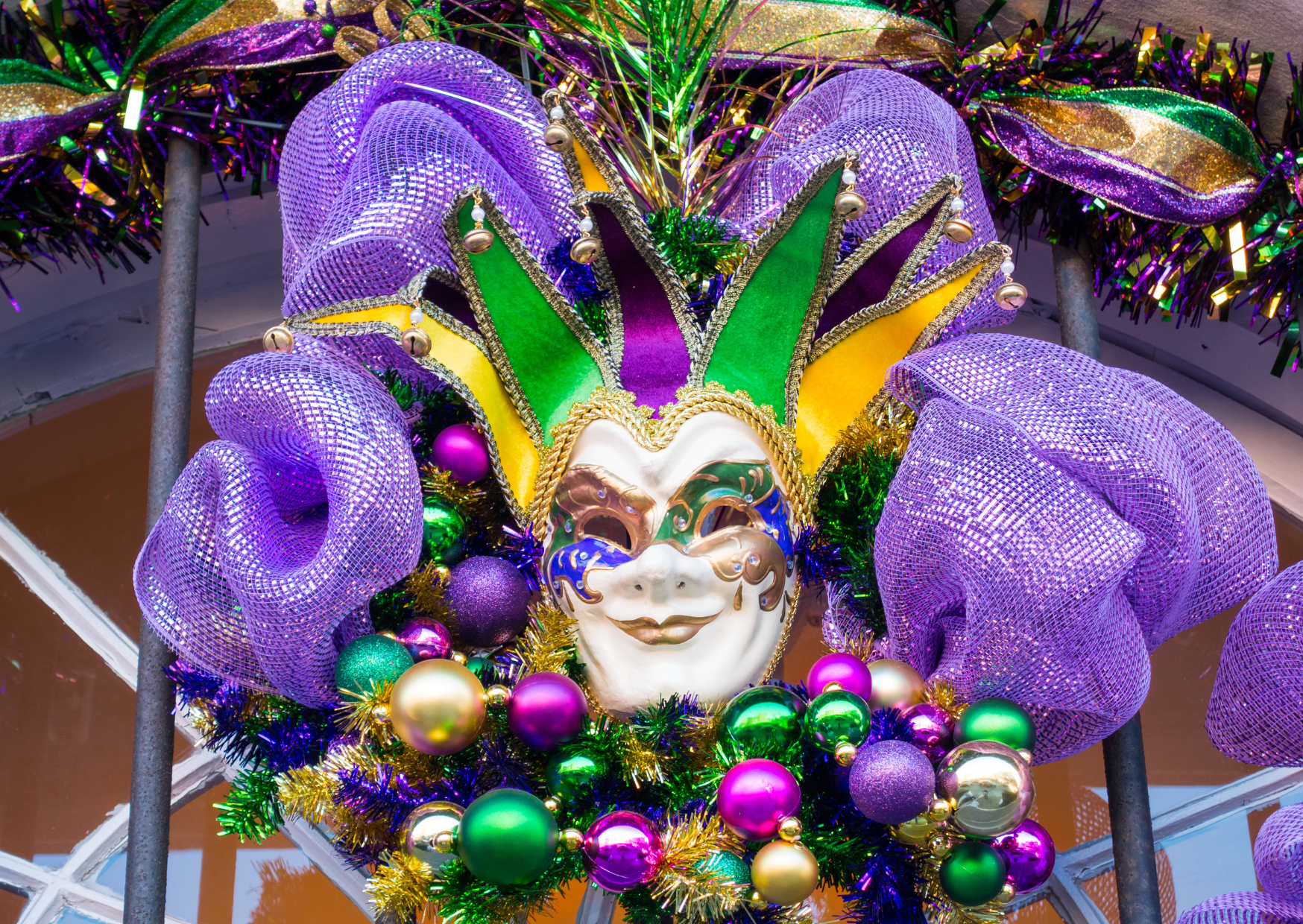
Tourism needs a simple story. “French Quarter” sells. “Creole, Spanish, African, French, Italian, Caribbean, and American layers in a humid port city that also loves brass bands” is harder to print on a T-shirt. So the city’s loudest blocks lean on a few easy signals. Fleur-de-lis in every window. Accordion music whether or not anyone present can play one. Café names with Eiffel art.
Reality is softer. Families go to mass and then eat red beans. Neighborhood krewes organize months of work for Mardi Gras and never appear on drunken reels. Second lines belong to communities before they belong to cameras. The Quarter becomes a stage because it has to pay the bills. The stage props get cheaper because cheap props are profitable. The result feels fake to people from France because it is fake, but only at the surface layer. The mistake is thinking the surface is all there is.
If you want reality, go one block off the itinerary and lower your voice. Everything you came for gets better when you stop asking the city to play dress-up.
Cultural appropriation versus cultural celebration
This is the sensitive part. Where is the line The answer is not a slogan. Appropriation is when someone with power takes symbols, flattens the context, and sells the flattened version back to the original community or to outsiders. Celebration is when people hold space for the origin, include the holders in the profit and the decisions, and let the thing breathe without owning it.
Examples on both sides live in New Orleans.
- Appropriation: souvenir shops selling “Voodoo” candles with cartoon skulls while real practitioners keep a cautious distance. Bars building “French” menus by slapping é on everything. T-shirts that use Cajun French badly to sell to people who will never meet a Cajun speaker. The community is decoration, not a partner.
- Celebration: neighborhood krewes that teach local kids the craft behind the feathers. Restaurants that tell you who made the roux and where they learned. Museums and house tours that say Creole and mean it, with names and documents and uncomfortable truths. The community is the author, not the prop.
French visitors can feel this difference in minutes because they live in a country where regional identities fight the same fight. Brittany, Occitanie, Alsace, the Basque Country all know the pain of being a postcard for Paris. They are sympathetic when they see New Orleans play that role on a bigger stage.
The legal and ethical frame French people bring with them
Two quick realities shape how a French traveler judges a party street.
Alcohol and the street.
France does not run on open containers. Drinking happens on terraces and inside, with limits that keep the street from becoming a frat basement. When a French visitor meets a plastic yard of rum on Bourbon Street, they do not think “how free.” They think “how tired everyone will be tomorrow.” The to-go cup reads like a symbol of tourism governance, not culture.
Sex work and photography.
France has its own contested policies, but a basic rule holds. Pointing a camera at a working person and posting them is not acceptable. Some French visitors watch tourists do that in the Red Light District in Amsterdam or a strip club in New Orleans and they lose sympathy for everything else that follows. Respect is not exotic. It is basic.
These are not laws that travel across borders. They are habits that shape how visitors read your city. If your version of New Orleans depends on plastic and exposure, do not be surprised when someone from Bordeaux calls it fake.
If you want to visit without embarrassing yourself
You do not need a seminar. You need a sequence.
Start with a house museum or walking tour run by people who care about the archive.
You will hear hard names and dates that make the balcony prettier and heavier. Context is more intoxicating than a neon drink.
Eat one local lunch away from the Quarter.
Mid-City, Bywater, Gentilly. Order like people order. Ask one real question, then stop talking. Quiet is how you get the good story.
Find live music where the band is the point.
French visitors tune their ears to rooms where the sound matters more than the bar. Do the same. If the PA is an afterthought, so is your night.
Treat Voodoo and Catholic syncretism with respect.
If you do not know the difference between a store for tourists and a spiritual shop, ask a local calmly. There are lines you do not need to cross to feel the city.
Say out loud that “French” is one layer.
You will stop buying the worst souvenirs by accident. Honesty is cheaper and more fun.
Where the Frenchness is honest and worth loving
French people do smile at certain moments in New Orleans because the cousinship is real.
- Courtyards that feel like Aix in July, but with live oaks and humidity that tells the truth.
- Roux that tastes like someone stayed at the stove for the right amount of time.
- Brass bands that move a crowd without microphones, the way rural French festivals still do with accordions.
- Catholic calendars disguised as neighborhood habits. Eat Friday fish. Keep Sunday for family. Mark Lent with food more than with speeches.
- Language that survived quietly and went dancing anyway. You hear a line of Cajun French in a verse and your chest tightens because resilience is a sound.
Call those French if you must. Better to call them shared inheritance and let New Orleans be the louder cousin who learned rhythm first.
What to say when a French friend calls it fake
They are not wrong about the plastic parts. You can nudge the conversation into respect with one line. “The Quarter sells a costume. The city wears something real under it.” Then take them to a weekday lunch, a neighborhood bar where the music is not background, a museum run by people who can pronounce the names, and a street where people talk to each other like they will see each other tomorrow. The word fake will fade the second the stage props go quiet.
Also, admit the obvious. Bourbon Street is there to make money off people who came for a story. If you do not need that story, step sideways. There is a lot of New Orleans that does not ask you to clap.
Final Thoughts
French people who call parts of New Orleans embarrassingly fake are reacting to props, not to the city underneath. The props are loud because loud sells. The city is stronger than the props. It always has been. If you want the French layer, it is there in the grammar of courtyards and in languages that survived punishment, not in a chalkboard with Eiffel Tower doodles. Respect the hybrid, skip the costume, and you will hear the inheritance that actually connects the Mississippi to the Loire.

About the Author: Ruben, co-founder of Gamintraveler.com since 2014, is a seasoned traveler from Spain who has explored over 100 countries since 2009. Known for his extensive travel adventures across South America, Europe, the US, Australia, New Zealand, Asia, and Africa, Ruben combines his passion for adventurous yet sustainable living with his love for cycling, highlighted by his remarkable 5-month bicycle journey from Spain to Norway. He currently resides in Spain, where he continues sharing his travel experiences with his partner, Rachel, and their son, Han.