
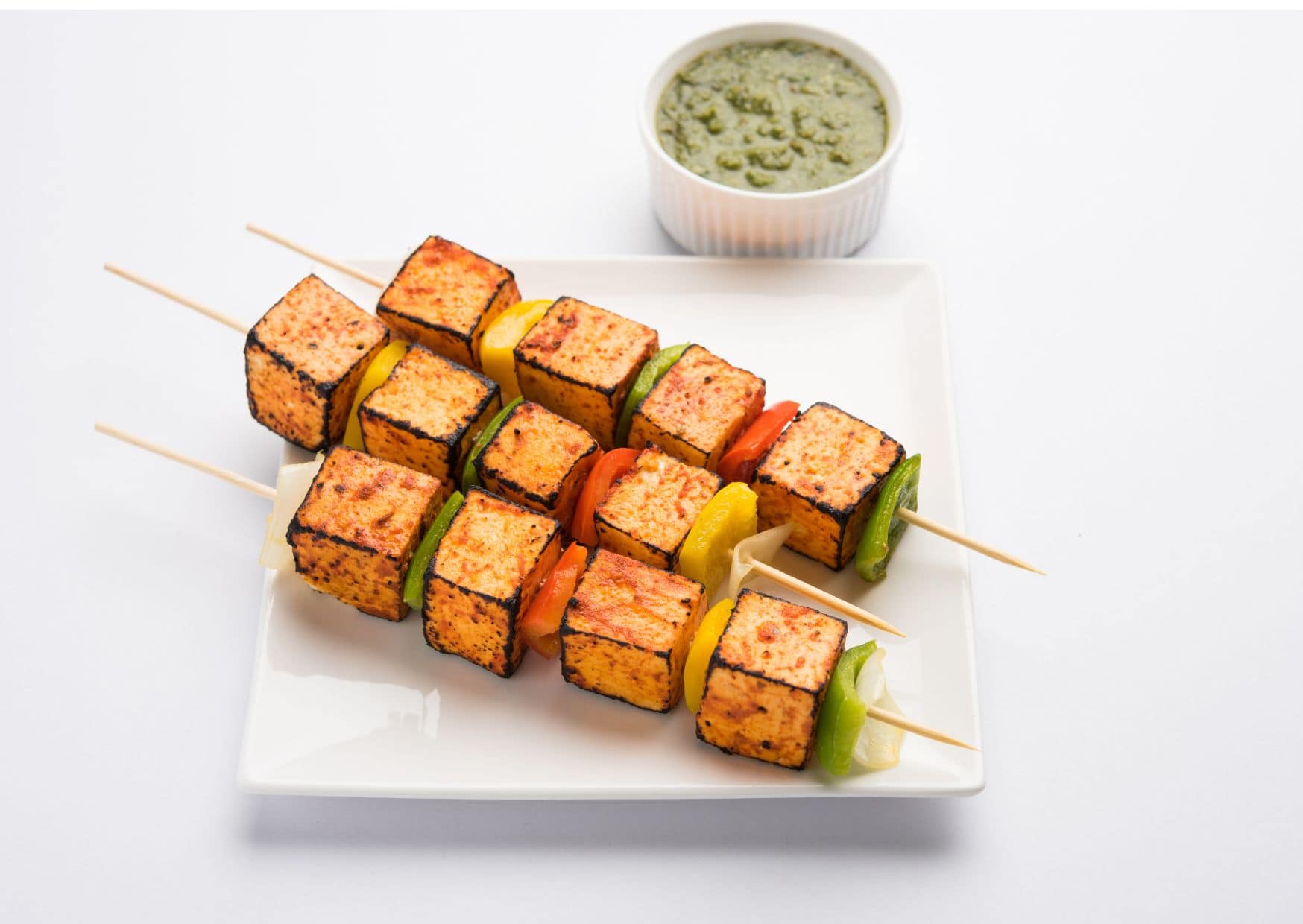
Paneer, also known as Indian cottage cheese, is one of the most iconic and versatile ingredients in Indian cuisine. Found in everything from rich curries like Paneer Butter Masala to spicy snacks like Paneer Tikka, it holds a special place in both everyday cooking and festive meals. Unlike many cheeses, paneer is unaged, non-melting, and incredibly easy to make with just two ingredients—milk and an acid like lemon juice or vinegar.
What makes paneer stand out is its ability to absorb flavor while still maintaining its structure. It doesn’t melt, which means it can be grilled, fried, crumbled, or cubed into gravies without falling apart. Its mild, creamy texture makes it a perfect protein option for vegetarians in India—and now, increasingly around the world.
While store-bought versions are convenient, homemade paneer is a whole different experience. Fresh, soft, and customizable, it’s free from preservatives and delivers a clean, pure taste that makes a noticeable difference in your final dish. Learning to make it at home is a small effort with big culinary rewards.
BOOK YOUR TRAVEL INSURANCE
Two of our favorite travel insurance: Heymondo Vs Safetwing cheapest travel Insurance. You can get for $135 USD your Heymondo Travel Insurance with Heymondo discount code valid for 90 days. Read our full comparison of Genki vs Safetywing Travel Insurance Review and the comparison Heymondo vs Genki
How to Eat
Paneer can be eaten raw, lightly salted, or pan-fried until golden. Cubed paneer is often added to tomato-based curries, creamy sauces, or spinach purées like in Saag Paneer. You can also grill it on skewers for dishes like Paneer Tikka, or crumble it into fillings for stuffed breads like Paneer Paratha. A sprinkle of chaat masala or lemon juice elevates even plain cubes into a flavorful snack.
How to Partner
Paneer dishes pair beautifully with Indian breads like naan, paratha, or roti. Serve it with steamed basmati rice for saucy curries, or alongside lentil dishes like dal for a complete vegetarian meal. A side of yogurt-based raita, fresh salad, or pickled onions adds texture and contrast. Paneer also pairs well with dry red or white wines if you’re bringing Indian flavors into a Western-style dinner.
While paneer is celebrated across India, it has sparked debate both culturally and culinarily. In South India, paneer is often seen as a “North Indian” ingredient, and traditionalists sometimes reject its growing popularity in regional dishes. Meanwhile, Indian food purists argue that using cream-heavy paneer recipes dilutes the richness of local spice profiles and leads to “butter overload” in modern restaurant-style food.
Another controversial point is the Western misunderstanding of paneer as “just like tofu.” While they may look similar, paneer is dairy-based, richer, and firmer—making it better suited for certain flavor applications. Vegan alternatives like tofu or cashew paneer have become trendy, but many Indian cooks feel they lack the authenticity and depth of the real thing.
Lastly, many chefs question the rise of heavily processed, rubbery supermarket paneer that lacks texture and flavor. For them, homemade is not a luxury—it’s a necessity.
How to Make Paneer (Indian Cottage Cheese)
Paneer (Indian Cottage Cheese) Recipe Ingredients
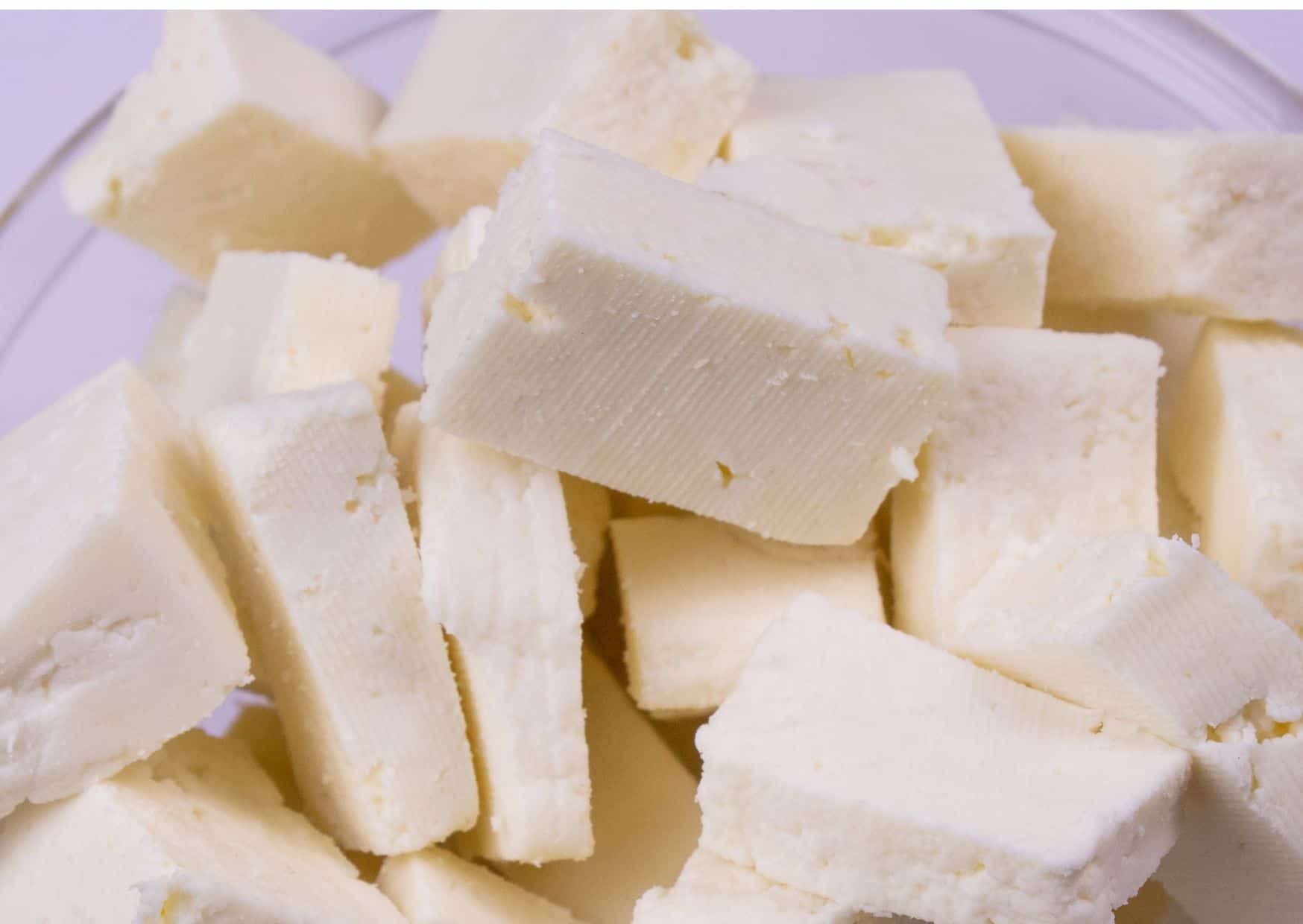
1 liter (4 cups) whole milk (cow’s milk is ideal, avoid low-fat milk)
2-3 tablespoons lemon juice (you can also use white vinegar or yogurt as an alternative)
1/4 cup water (optional, to dilute the lemon juice or vinegar)
Cheesecloth or muslin cloth
Heavy object or pan (to press the paneer)
Get the best deals for your home and kitchen needs
Step By Step How to Make Paneer
Heat the Milk
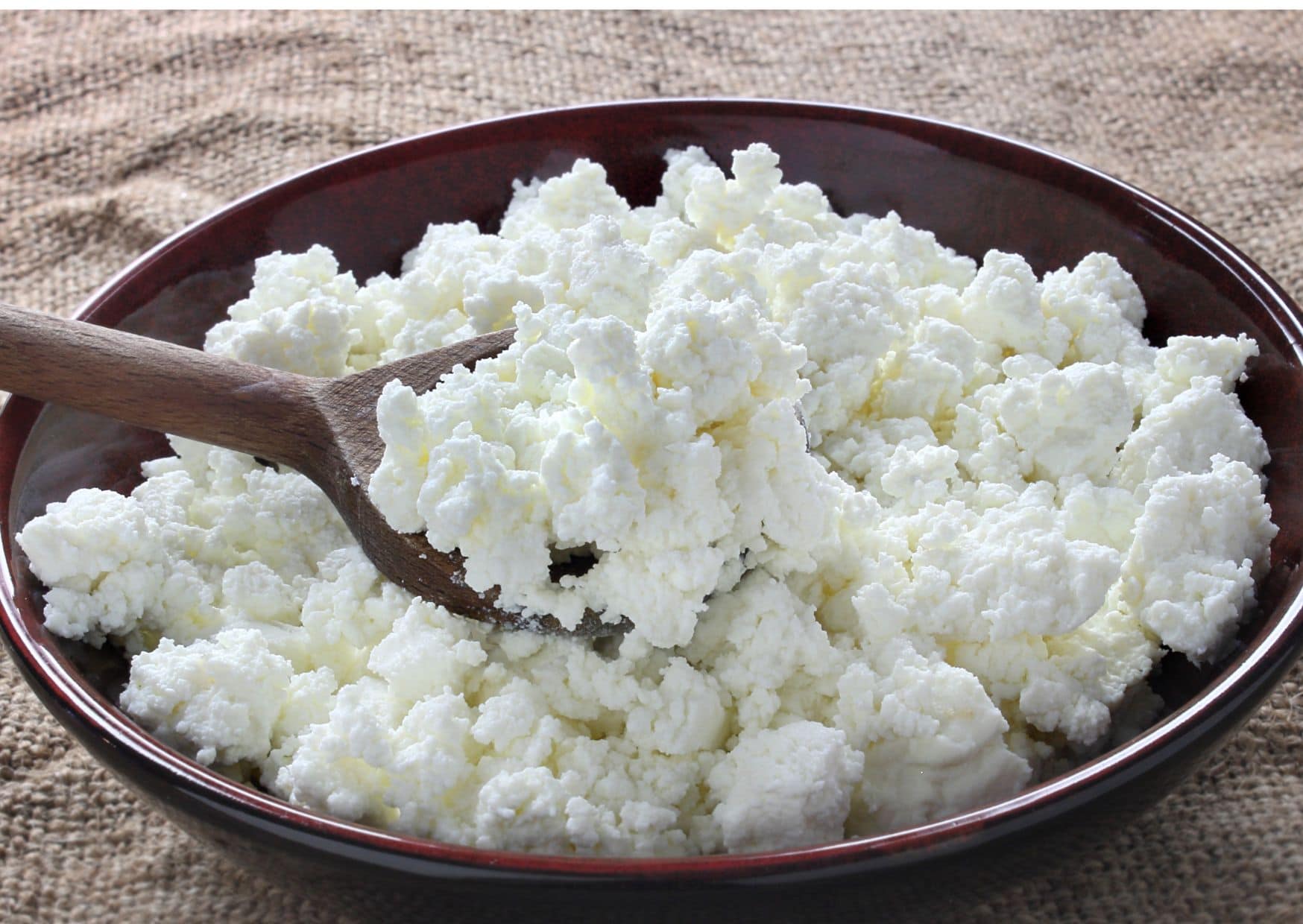
Pour the milk into a large saucepan and bring it to a boil over medium heat, stirring occasionally to prevent it from scorching. Watch carefully as milk can boil over quickly.
Once the milk reaches a boil, reduce the heat to low. Mix lemon juice or vinegar with a little water, then slowly add it to the hot milk, stirring gently.
As you stir, the milk will begin to curdle, and you’ll see the curds (solid part) separating from the whey (liquid part). This process takes about 1-2 minutes.
Strain the Curds
Turn off the heat once the curds and whey have fully separated. Place a cheesecloth or muslin cloth over a colander and pour the curdled milk into the cloth to strain out the whey. Rinse the curds under cold water to remove the lemon or vinegar flavor.
Drain and Press the Paneer
Gather the ends of the cheesecloth and twist to remove excess water. Press down gently to release more moisture.
Place the wrapped paneer on a flat surface, then place a heavy object (such as a pot filled with water or a cast-iron pan) on top to flatten and press the paneer. Let it sit for 30 minutes to 1 hour.
Cut and Store
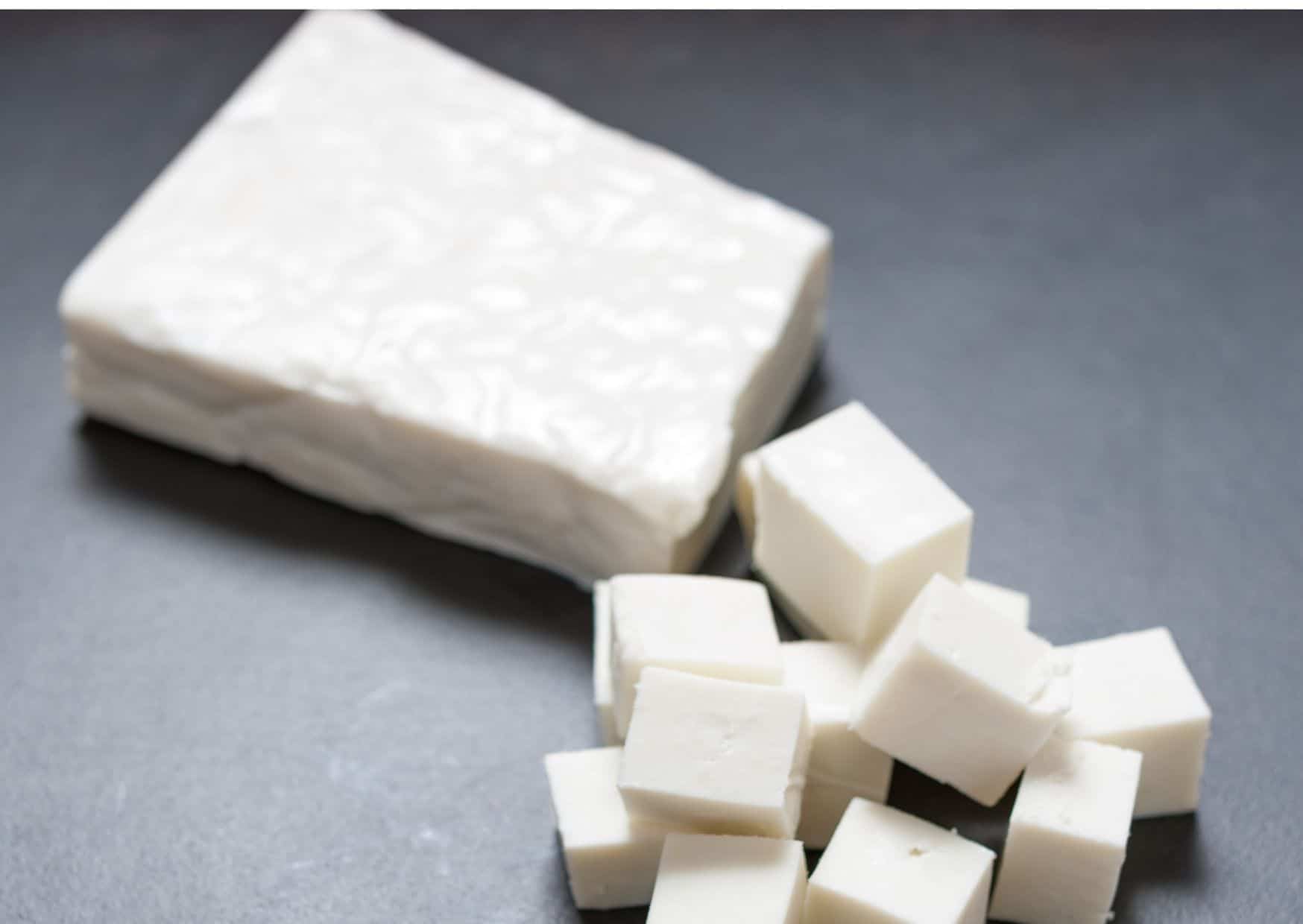
After pressing, unwrap the paneer and cut it into cubes or slices. It’s now ready to use in your recipes! If you’re not using it immediately, store it in the refrigerator in an airtight container for up to 3-4 days.
Tips To Make Paneer
Use full-fat milk for creamier, richer paneer. Low-fat or skim milk may not yield the same texture or flavor. If the milk doesn’t curdle after adding the lemon juice or vinegar, heat it a little longer and add more acid gradually.
Do not stir too vigorously when the milk curdles, as this can break the curds into very small pieces and affect the texture of the paneer. The longer you press the paneer, the firmer it will become. For softer paneer, press it for a shorter time (about 30 minutes). For firmer paneer, press for up to 1 hour.
You can save the leftover whey and use it in soups, smoothies, or to knead bread dough for extra nutrition.
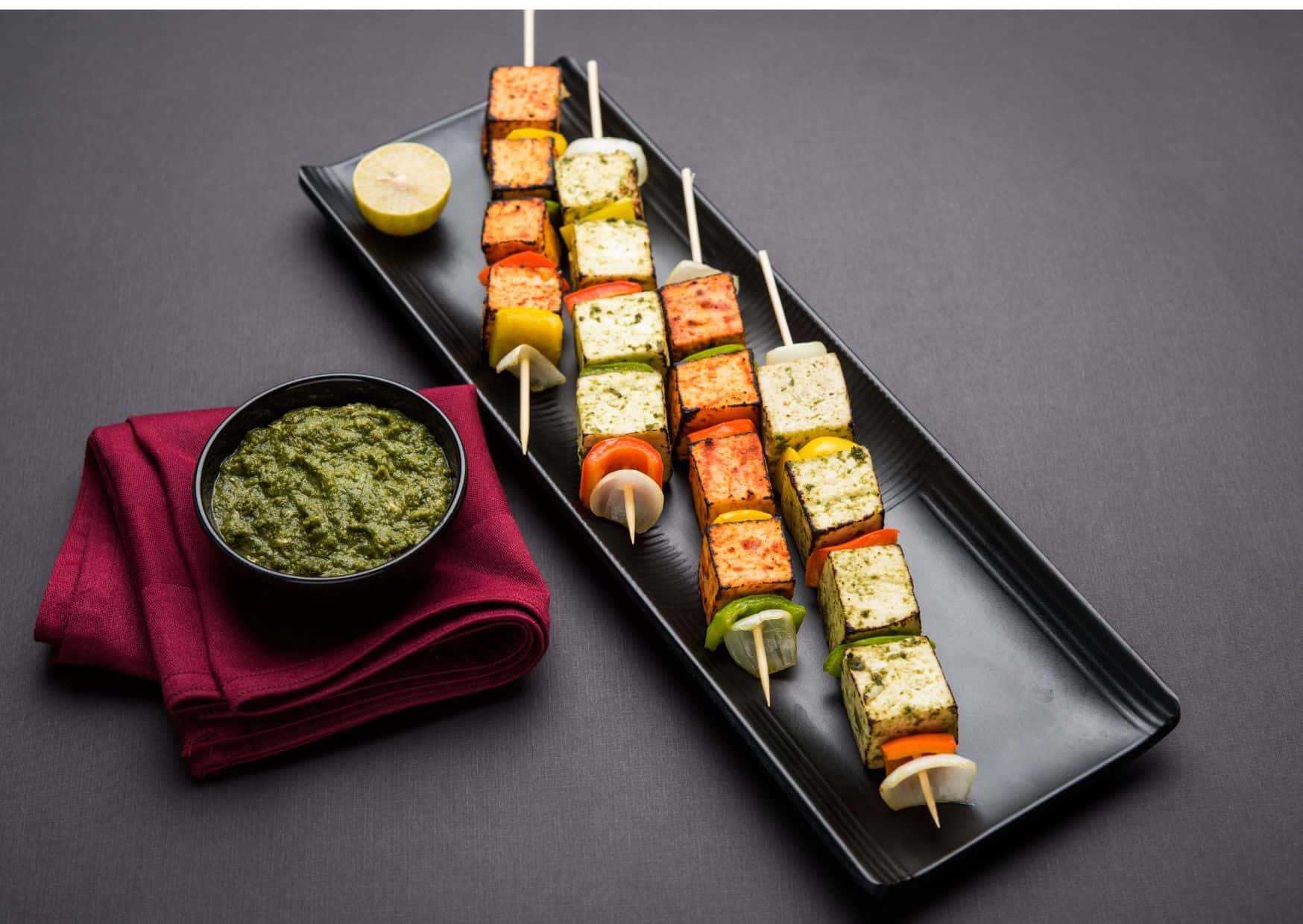
Paneer Tikka: Marinate the paneer cubes in a blend of yogurt, spices, and herbs, then grill or bake for a delicious appetizer.
Palak Paneer: Add the paneer to a spinach-based curry for a classic North Indian dish.
Paneer Butter Masala: Cook paneer cubes in a creamy tomato gravy with butter and spices.
Paneer Paratha: Stuff crumbled paneer into flatbread dough, then cook on a hot griddle.
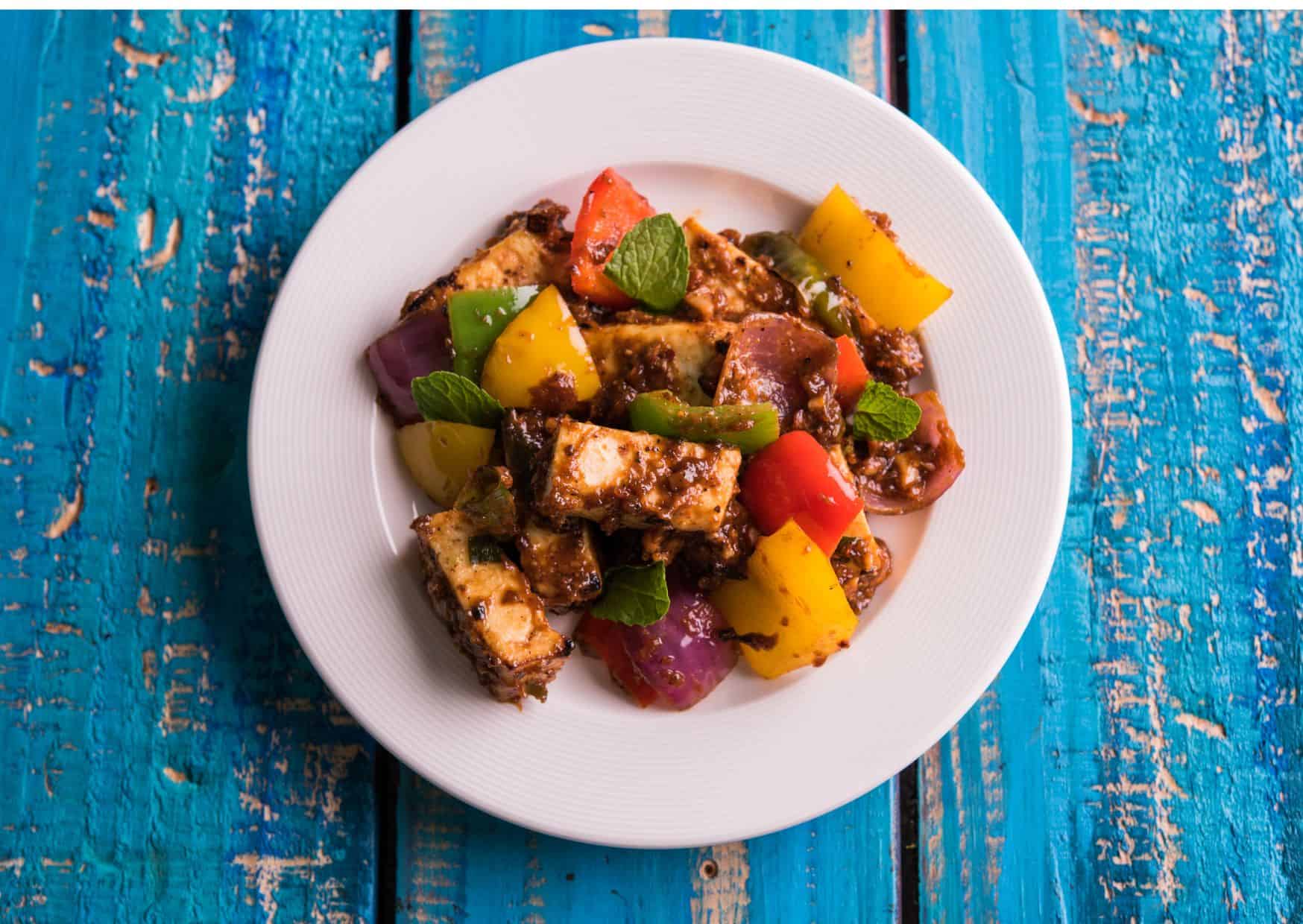
Paneer Stir-Fry: Sauté paneer with vegetables and spices for a quick, nutritious meal.
How Many Calories Have Paneer
Calories (per 100g of paneer): Approximately 265 calories
Protein: 18g
Fat: 20g
Carbohydrates: 1-2g
Origin and History
Paneer has been a cornerstone of Indian cooking for centuries, with its origins tracing back to ancient pastoral communities across the Indian subcontinent. Early forms of paneer were likely inspired by nomadic cooking traditions that relied on dairy, heat, and natural acids to create fresh cheeses. Over time, paneer became a defining ingredient in Northern Indian cuisine, where milk was abundant and vegetarian traditions strong.
As regional cooking styles developed, paneer became more than just an everyday dairy product. It took on cultural and culinary significance, appearing in festive dishes, temple offerings, and royal Mughal recipes. Its neutral flavor and firm texture made it a versatile foundation for rich sauces, fragrant spices, and layered gravies. Paneer emerged as a symbol of hospitality and abundance, served during important celebrations and family gatherings.
By the 20th century, paneer had cemented its place in Indian homes as an essential protein source, especially for vegetarian communities. Commercial paneer became widely available, but homemade paneer continued to be prized for its softness and purity. Today, mastering homemade paneer is considered a basic—and deeply meaningful—skill in Indian kitchens, linking modern cooks to generations of tradition.
One of the biggest controversies surrounding paneer is the debate between homemade and store-bought versions. Many purists insist that store-bought paneer lacks the freshness, texture, and flavor of homemade versions. Others argue that high-quality alternatives can be just as good, especially for busy cooks. This divide reflects a broader conversation about convenience versus authenticity.
Another contentious topic is the method of curdling the milk. Traditionalists use lemon juice or yogurt, believing these natural acids produce a gentler flavor and creamier curd. Meanwhile, some modern cooks use vinegar for speed and consistency. Critics say vinegar makes paneer overly firm and sharp, while supporters claim the difference is negligible. Both sides feel strongly about what makes “real” paneer.
There’s also debate about the proper texture of paneer. Should it be soft and delicate, easily crumbling into curries, or firm and bouncy for grilling and frying? Different regions and dishes demand different textures, but many cooks disagree on how paneer should be universally defined. Paneer’s flexibility is its strength, yet that flexibility is exactly what fuels passionate discussions.
How Long You Take to Prepare
Making homemade paneer is surprisingly quick, requiring about 20 to 30 minutes of active time. Heating the milk and bringing it just to a gentle boil takes around 10 minutes, depending on the quantity. This is the crucial stage where patience ensures the milk doesn’t scorch or boil over.
Curdling the milk and separating the whey takes only a few minutes. As soon as the acid is added, curds form almost instantly. Straining and rinsing the curds adds another 5 minutes, helping remove any residual acidity and ensuring a clean flavor. At this point, you technically already have fresh paneer.
Pressing the paneer to achieve your desired firmness takes 20 to 40 minutes. A shorter press creates soft, creamy paneer ideal for curries. A longer press yields a firmer block perfect for grilling, frying, or shaping into cubes. Altogether, the full process takes under an hour and requires minimal equipment.
Serving Suggestions
Fresh homemade paneer shines in classic Indian dishes like palak paneer, butter paneer, and matar paneer, where its soft texture absorbs spices beautifully. The creaminess of fresh paneer elevates these gravies in a way store-bought versions rarely match. It becomes the heart of the dish rather than just another ingredient.
For a lighter presentation, crumble fresh paneer into salads, wraps, or stir-fries. Its mild, milky flavor pairs well with bright herbs, citrus, and crunchy vegetables. Many Indian households enjoy paneer simply sprinkled with chaat masala and lemon juice for a quick, refreshing snack.
Paneer is also excellent grilled or pan-seared. Marinate cubes in yogurt, garlic, ginger, and spices, then grill them for a smoky paneer tikka. Served with mint chutney and warm naan, it becomes an impressive appetizer that feels restaurant-level but tastes even fresher.
Final Thoughts
Learning to make paneer at home gives you a deeper understanding of Indian cooking. Its simplicity teaches you how much flavor and texture can come from basic ingredients handled with care. For many cooks, paneer becomes the gateway to mastering spices, gravies, and cooking techniques that define Indian cuisine.
Homemade paneer also reminds you that some of the best dishes come from centuries-old traditions rather than shortcuts. The difference in freshness, softness, and richness is unmistakable. Once you taste paneer made from scratch, it becomes hard to return to store-bought versions without noticing what’s missing.
Ultimately, homemade paneer isn’t just a technique—it’s a celebration of real flavor. It invites you to slow down, work with simple ingredients, and create something deeply satisfying. Whether you’re new to Indian cooking or looking to elevate your go-to dishes, mastering paneer is one of the most rewarding steps you can take.
And once you taste fresh paneer, you may never buy the packaged version again. It’s simple, satisfying, and opens the door to endless Indian recipes that truly shine when built on a foundation of freshness.

About the Author: Ruben, co-founder of Gamintraveler.com since 2014, is a seasoned traveler from Spain who has explored over 100 countries since 2009. Known for his extensive travel adventures across South America, Europe, the US, Australia, New Zealand, Asia, and Africa, Ruben combines his passion for adventurous yet sustainable living with his love for cycling, highlighted by his remarkable 5-month bicycle journey from Spain to Norway. He currently resides in Spain, where he continues sharing his travel experiences with his partner, Rachel, and their son, Han.