
Dinner in Europe is not just a meal—it’s an event, a ritual, and often a social affair with unspoken rules that can leave American tourists scratching their heads. From the way bread is served to how long you’re expected to linger at the table, the European approach to dining is filled with cultural nuances. What might seem like odd behavior to an American guest is simply tradition across many European countries.
These traditions are rarely written down, but they’re followed with quiet consistency. Whether you’re in Paris, Rome, Madrid, or Vienna, dinner often starts later than expected, lasts longer than most Americans are used to, and includes rules that range from when to use your hands to how to ask for the check. For the unprepared traveler, a simple dinner can quickly turn into a minefield of etiquette missteps.
Understanding these differences isn’t just about avoiding embarrassment—it’s also about fully experiencing the European way of life. This blog post dives into 13 of the most common (and confusing) dinner customs across Europe that often take American travelers by surprise. If you want to dine like a local, this is your essential guide.
Read Here European Things that terrify Americans and American Habits that make Europeans Cringe
Read here how to pack for Europe and Best eSIM for Europe
BOOK YOUR TRAVEL INSURANCE
Two of our favorite travel insurance: Heymondo Vs Safetwing cheapest travel Insurance. You can get for $135 USD your Heymondo Travel Insurance with Heymondo discount code valid for 90 days. Read our full comparison of Genki vs Safetywing Travel Insurance Review and the comparison Heymondo vs Genki
Quick Easy Tips
Don’t expect fast service—slow dining is intentional and part of the experience.
Never split the check unless the server offers it—shared bills are more common.
Always keep your hands visible at the table—but not your elbows.
Avoid asking for substitutions—chefs take pride in their dishes as served.
Wait to be seated—never just grab a table, especially at dinner.
Many American tourists are thrown off by how slow and drawn-out European dinners can be. In the U.S., quick service is equated with good service. In Europe, that same urgency is seen as rude and rushed. What’s viewed in America as efficient is interpreted in many parts of Europe as inconsiderate or even disrespectful to the dining experience.
Another major disconnect is tipping. While Americans are used to tipping generously, in many European countries, tipping is modest or even unnecessary. Over-tipping can be seen as flaunting wealth or not understanding the service culture, which differs significantly from the U.S. model.
Even the act of ordering can feel alien. In Europe, it’s common to be left alone for long stretches without being “checked on.” For Americans used to constant server attention, it might seem like neglect. In reality, it’s a form of respect, allowing you to enjoy your meal without interruption. These misunderstandings can breed frustration, but they all trace back to differing cultural expectations.
European Dinner Rules
1. Waiting to Be Seated
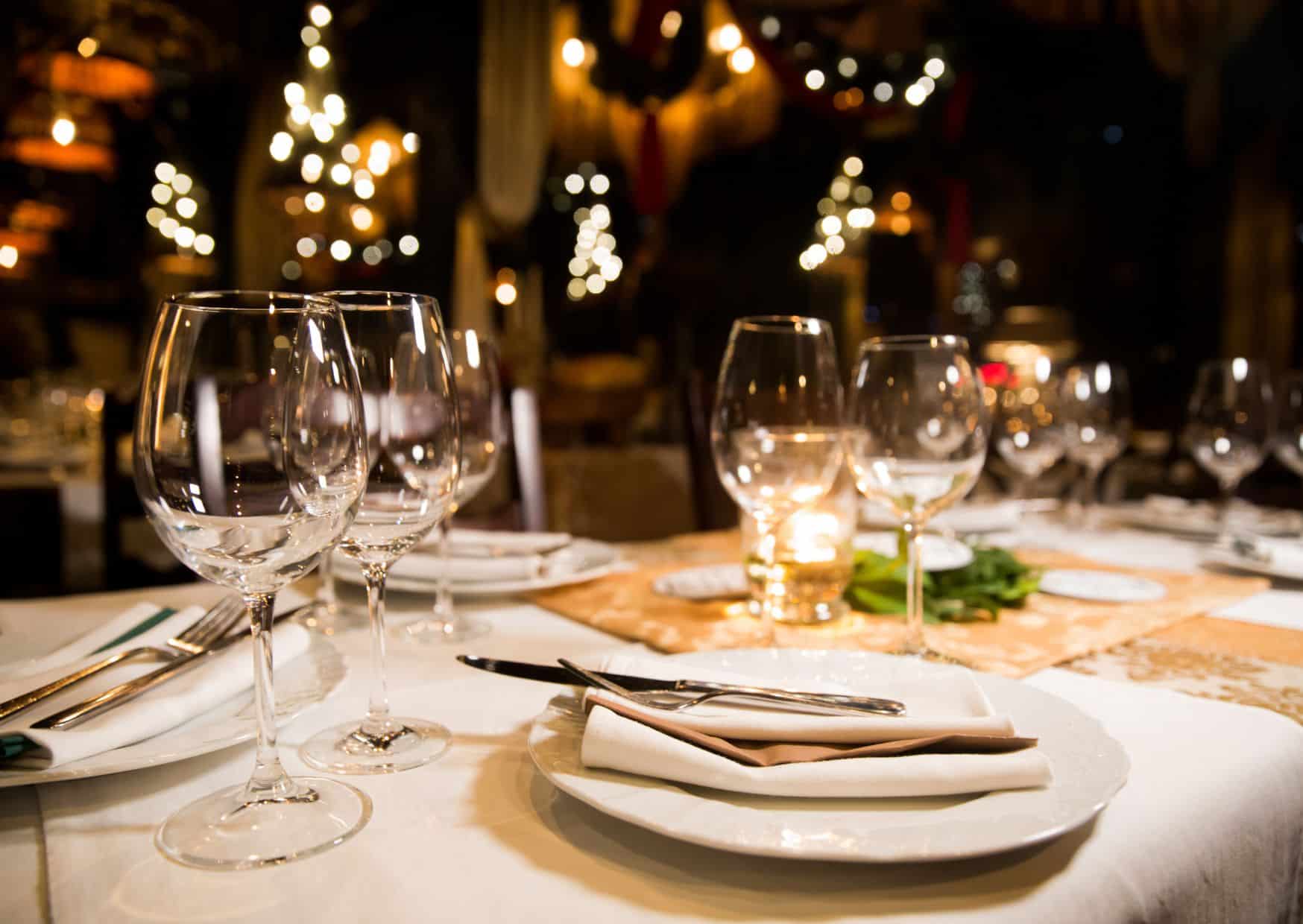
Why It Confuses Americans:
In the U.S., it’s common to walk into a restaurant, be greeted by a host, and escorted to a table. In many European countries, however, you’re expected to wait for acknowledgment or seat yourself.
What to Do Instead:
In countries like France or Italy, wait to be acknowledged by the staff. Don’t assume you can just walk in and grab a table.
In pubs or casual eateries in places like England or Germany, it’s more common to seat yourself unless there’s a sign saying otherwise.
2. No Free Water
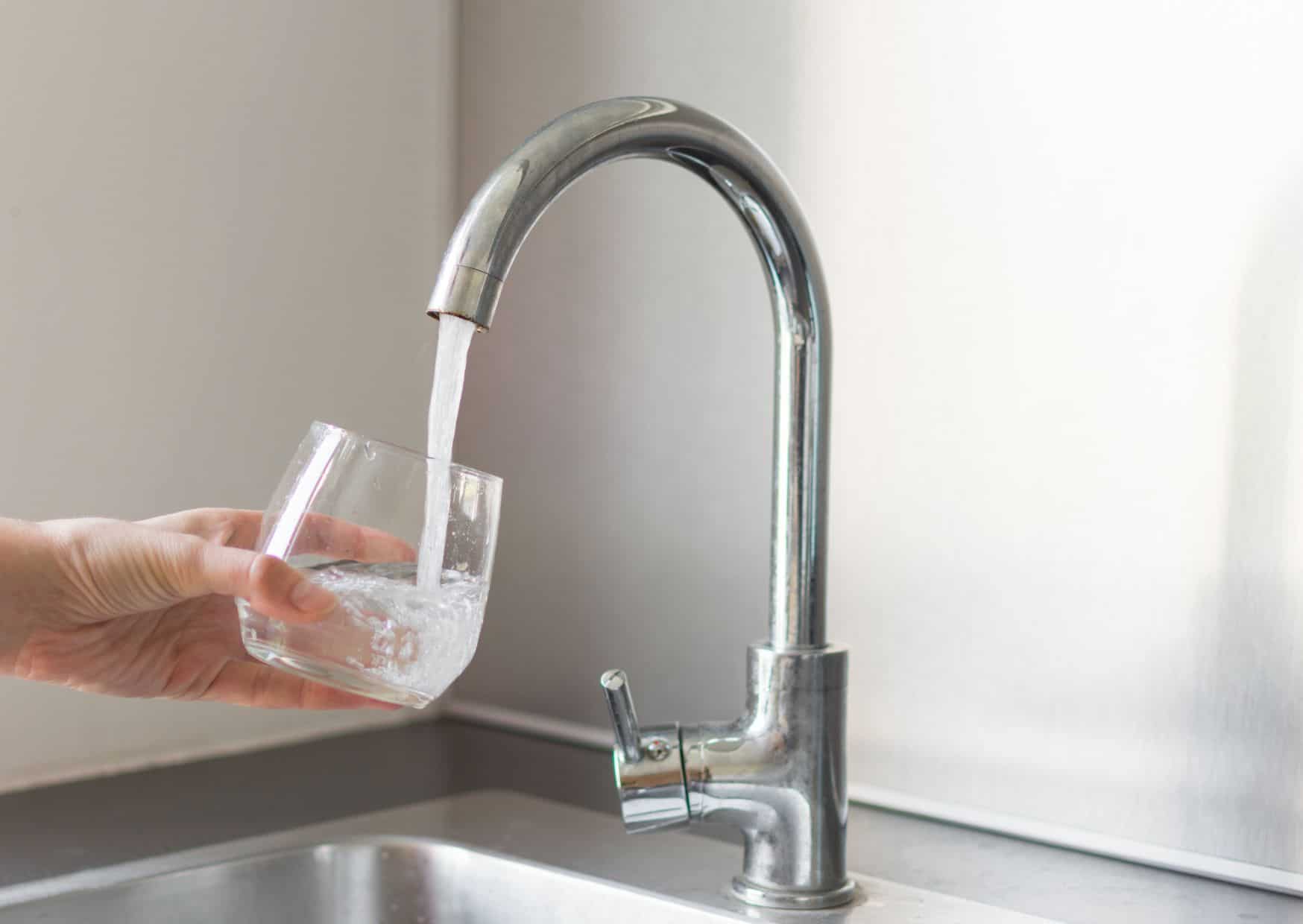
Why It Confuses Americans:
In the U.S., tap water is typically free and served immediately. In Europe, restaurants rarely offer tap water, and if they do, you often have to ask specifically for “tap water” (or “eau du robinet” in France, or “leitungswasser” in Germany). Most diners are expected to order bottled water, and it’s not free.
What to Do Instead:
Specify whether you want still (non-carbonated) or sparkling water.
Be prepared to pay for water, as well as refills.
3. Long Waits for the Check
Why It Confuses Americans:
In the U.S., servers are trained to bring the check as soon as the meal is finished. In Europe, lingering over a meal is part of the dining experience, and servers will not rush you out by presenting the check unless you ask for it.
What to Do Instead:
When you’re ready to leave, politely ask for the check:
In France: “L’addition, s’il vous plaît.”
In Italy: “Il conto, per favore.”
In Spain: “La cuenta, por favor.”
Don’t expect your server to check in frequently. If you need something, you’ll often need to flag them down.
4. Tipping Is Minimal
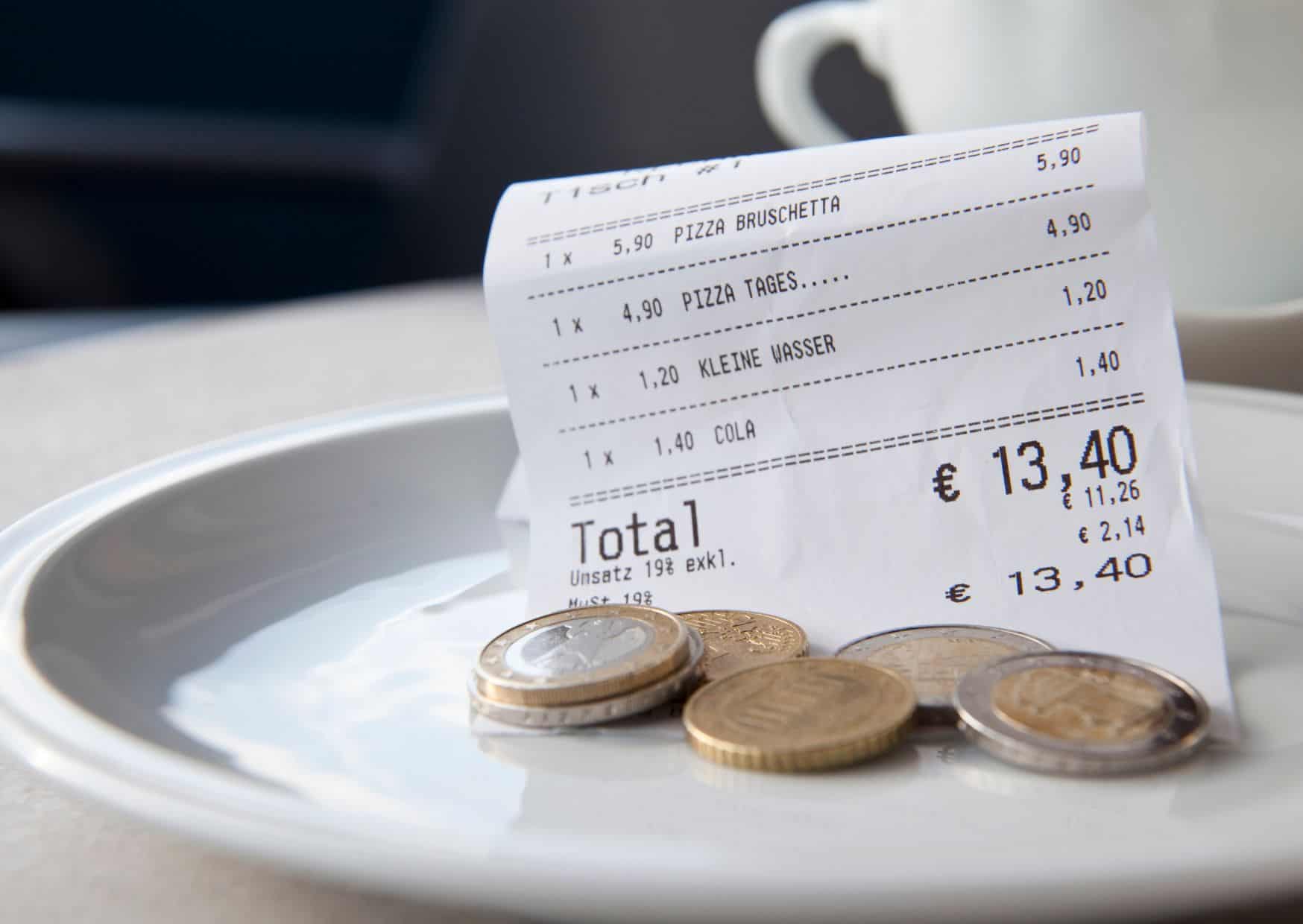
Why It Confuses Americans:
In the U.S., tipping 15–20% is standard. In Europe, tipping is generally much lower because service charges are often included in the bill. Over-tipping can come across as excessive or unnecessary.
What to Do Instead:
France, Italy, Spain: Rounding up the bill or leaving a small amount (5–10%) is appreciated.
Germany: Round up to the nearest euro or leave a few coins.
United Kingdom: If service is not included, tip around 10–12%.
5. Bread Is Not Free
Why It Confuses Americans:
In many European countries, bread is not complimentary like it often is in U.S. restaurants. It’s placed on the table, but if you eat it, you’ll likely be charged.
What to Do Instead:
If you don’t want bread, politely decline it when it’s offered or leave it untouched.
Don’t assume refills are free if you’ve already paid for one serving.
6. Courses Are Served One at a Time
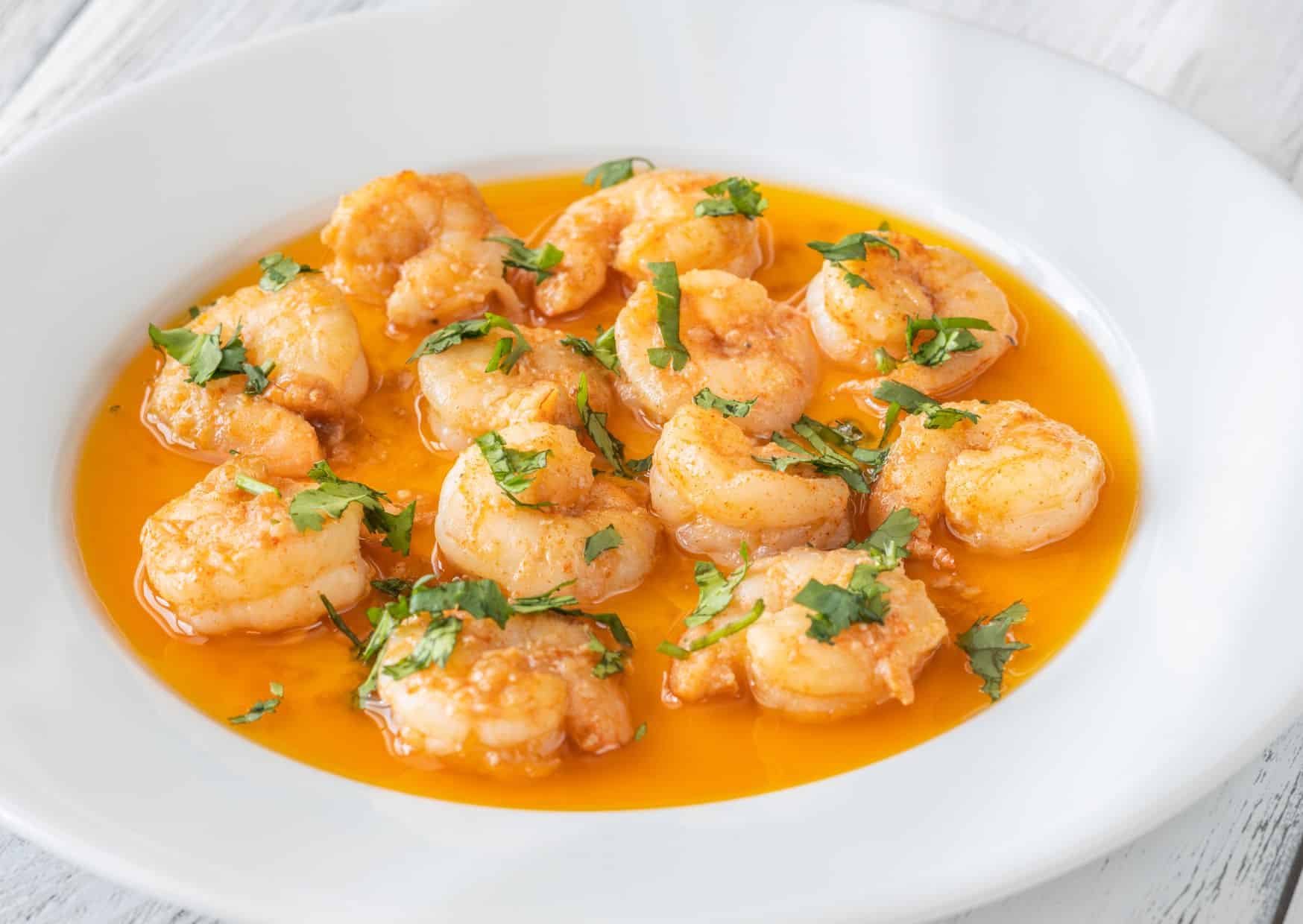
Why It Confuses Americans:
In the U.S., side dishes and entrees are often served together to save time. In Europe, meals are typically served in distinct courses, with no rush to finish one before moving to the next.
What to Do Instead:
Expect longer meals. Europeans enjoy dining as an experience, not something to rush through.
Allow time between courses, as servers won’t bring the next course until everyone is finished with the current one.
7. No Splitting the Bill
Why It Confuses Americans:
In the U.S., splitting the bill among friends is common and often expected. In Europe, asking for separate checks (or “split the bill”) can be seen as inconvenient or even rude.
What to Do Instead:
Plan to pay as a group and divide the total yourselves. Many European restaurants will provide one bill for the table.
Use mobile payment apps (where available) to settle debts quickly among your group.
8. Dining Times Are Strict
Why It Confuses Americans:
In the U.S., restaurants are often open all day, with meals served whenever you’re hungry. In Europe, dining times are strictly adhered to, with kitchens closed during off-hours.
What to Do Instead:
Lunch: Served from 12:30–2:30 PM in most countries. Arriving too early or late may leave you with limited options.
Dinner: Often starts later, especially in Spain (8:30–10:30 PM) and Italy (7:30–9:00 PM).
Check restaurant hours in advance and plan your meals accordingly.
9. Table Manners Matter More
Why It Confuses Americans:
European table etiquette can feel more formal than in the U.S. Casual habits like resting elbows on the table, eating before everyone is served, or handling food with your hands can be seen as impolite.
What to Do Instead:
Use utensils properly: Hold the fork in your left hand and the knife in your right, cutting and eating without switching hands.
Wait for everyone to be served before beginning to eat.
Avoid loud chewing or slurping.
10. Wine with Meals, Not Cocktails
Why It Confuses Americans:
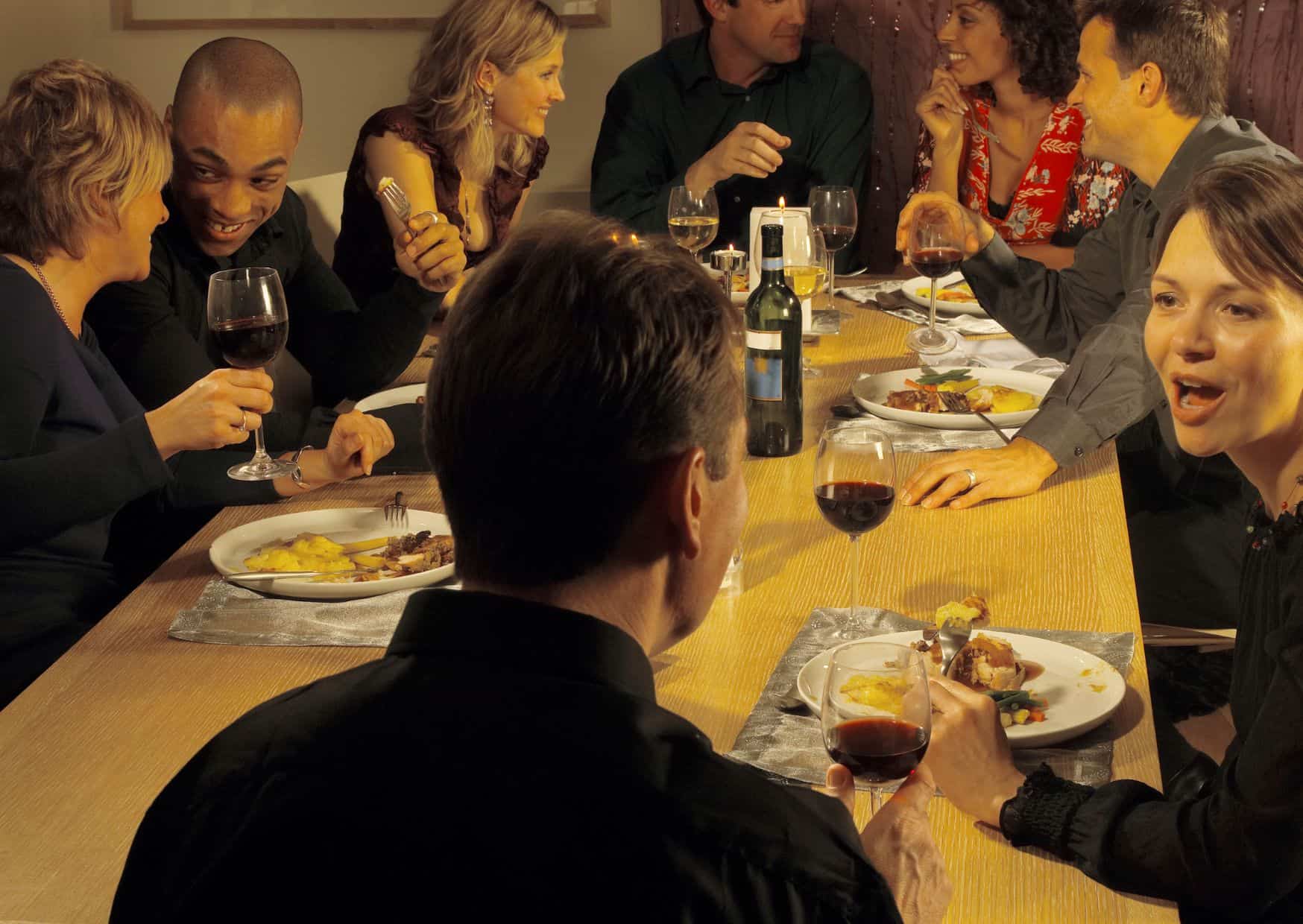
In the U.S., ordering a cocktail or a soda with your dinner is common. In Europe, wine or beer is the standard drink for meals, while soft drinks are less common and often seen as for children.
What to Do Instead:
Embrace the local wines or beers that pair with the cuisine.
If you don’t drink alcohol, order water or sparkling water instead of sugary sodas.
11. Punctuality Is Expected
Why It Confuses Americans:
While Americans are generally punctual, there’s often more flexibility in social settings. In Europe, punctuality for dinner reservations is considered respectful, especially in formal dining establishments.
What to Do Instead:
Arrive on time or within 5 minutes of your reservation.
Call ahead if you’re going to be late.
12. No Ice, Small Portions
Why It Confuses Americans:
Many American tourists are surprised by the lack of ice in drinks and the smaller portion sizes in Europe. While it might seem stingy, these customs are rooted in tradition and practicality.
What to Do Instead:
Don’t ask for ice unless it’s absolutely necessary; it’s often seen as unnecessary in Europe.
Appreciate the portion sizes as part of Europe’s focus on quality over quantity.
13. Sharing Is Not Always Welcome
Why It Confuses Americans:
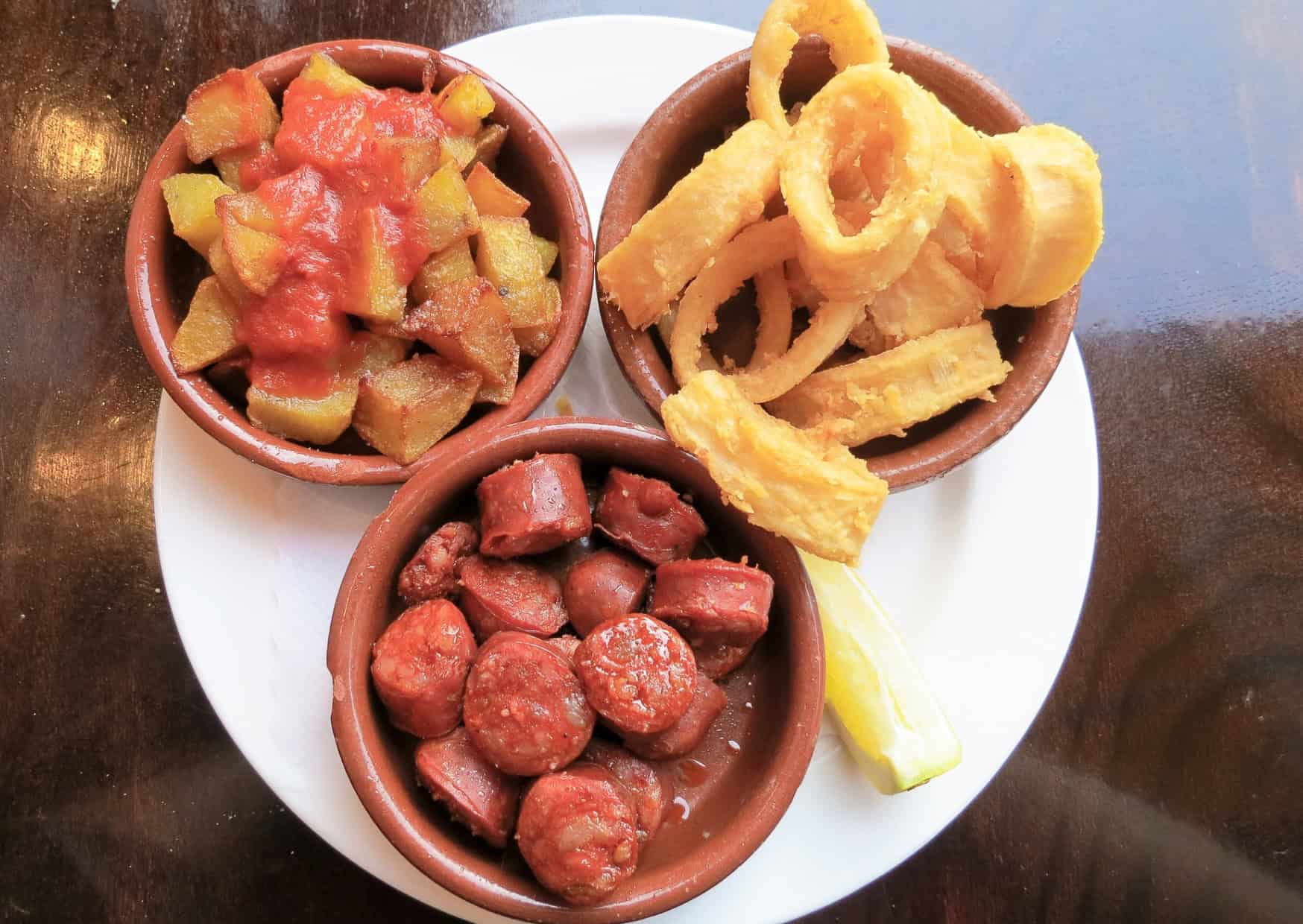
In the U.S., sharing dishes or ordering “family style” is often encouraged. In Europe, individual meals are the norm, and sharing may seem unusual in more formal settings.
What to Do Instead:
Avoid reaching for someone else’s food unless explicitly invited.
If sharing, order a dish specifically for the table, like tapas in Spain or antipasti in Italy.
Final Thoughts
Navigating European dinner customs can be confusing at first, but it’s a rewarding part of travel that deepens your cultural experience. By understanding and embracing the unspoken rules, you not only avoid awkward moments but also gain respect from locals who appreciate your effort to adapt.
Rather than viewing these differences as strange or frustrating, consider them an invitation to slow down and enjoy food in a new way. The European dinner table is where conversation flows, wine is sipped slowly, and every course is savored. It’s a rhythm worth learning.
So next time you sit down to dinner in Europe, remember: it’s not just about what’s on the plate—it’s about how you enjoy it. Respect the local customs, let go of the urge to rush, and you may find that dining abroad becomes one of the highlights of your trip.

About the Author: Ruben, co-founder of Gamintraveler.com since 2014, is a seasoned traveler from Spain who has explored over 100 countries since 2009. Known for his extensive travel adventures across South America, Europe, the US, Australia, New Zealand, Asia, and Africa, Ruben combines his passion for adventurous yet sustainable living with his love for cycling, highlighted by his remarkable 5-month bicycle journey from Spain to Norway. He currently resides in Spain, where he continues sharing his travel experiences with his partner, Rachel, and their son, Han.