
Catchy headline, honest truth. A steaming bowl of French onion soup can comfort you, hydrate you, and deliver helpful plant compounds, yet it does not replace vaccination against influenza. Think of it as a smart kitchen ritual for flu season, not a medical substitute.
Walk a wintry block in Lyon or Paris and you will see it through restaurant windows. Copper pots, a tangle of golden onions, steam lifting from bowls capped with toasted bread and a quilt of melted cheese. The aroma is sweet, savory, a little winey. It smells like hospitality when the air bites your face. No wonder travelers call it medicine. You swallow a few spoonfuls and your shoulders fall, your head clears, the world looks manageable again.
That feeling is real. Hot broth loosens you up. Caramelized onions bring gentle sweetness and depth. Thyme and bay wake the senses. If you add a rich stock, your body gets salts and protein that hold you together when appetite is low. Where the myth creeps in is the leap from comfort to cure. Soup can help you feel better and keep you eating and drinking when you are under the weather. It cannot prevent influenza the way a vaccine can. The kitchen and the clinic do different jobs. You want both.
Below is a field guide to what this soup can and cannot do, why onions earned their reputation, and how to make an honest, classic bowl at home. The recipe is faithful to bistros, with options if you prefer lighter or vegetarian. Use it as a weekly anchor when the days are short and noses are stuffy.
What this soup can do and what it cannot
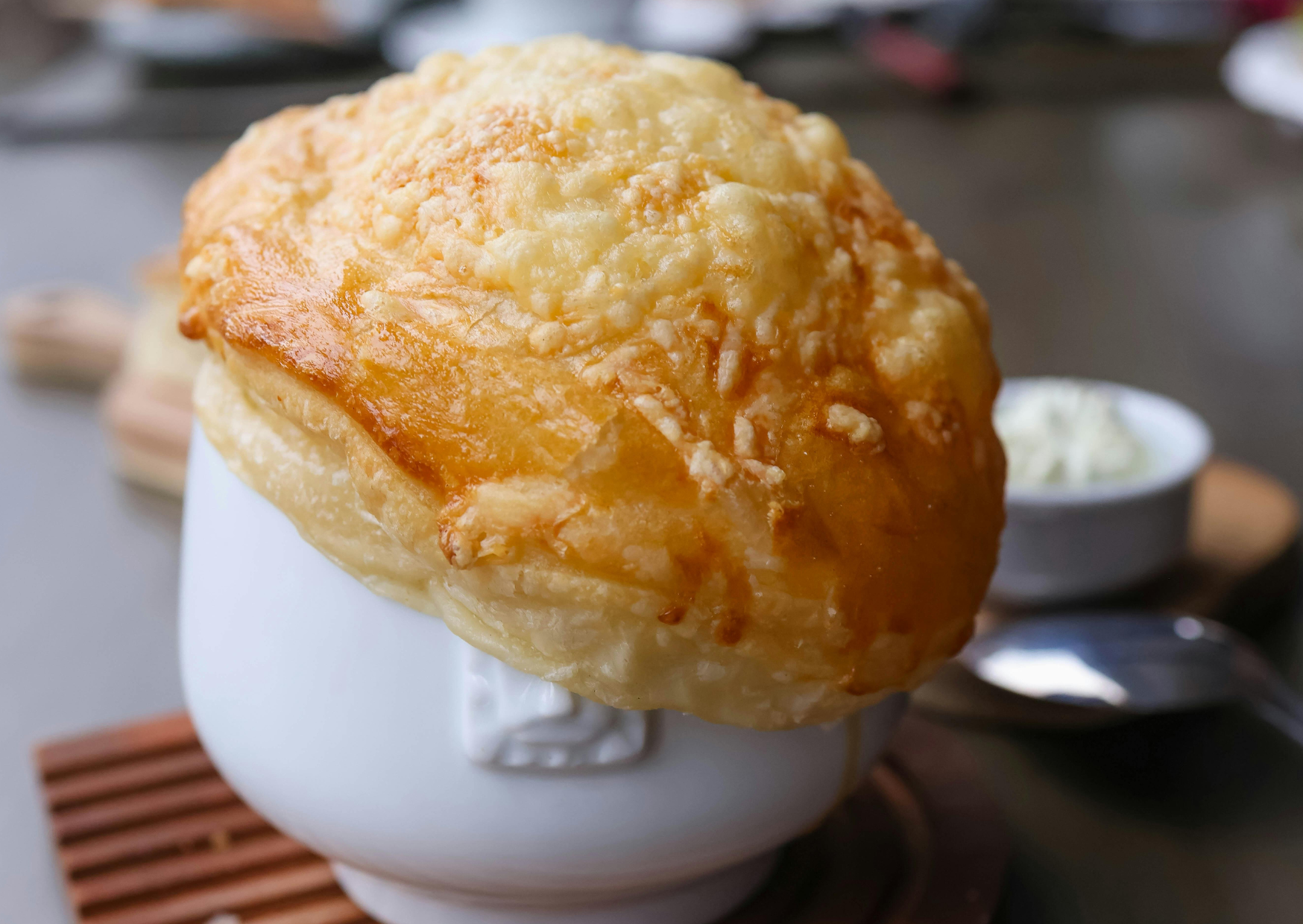
The short answer is balance. It comforts, it hydrates, it feeds. Hot broth and a little salt calm an irritated throat and help you drink more. Slow cooked onions bring quercetin and sulfur compounds that are being studied for anti inflammatory and antioxidant effects. A strong stock offers protein and electrolytes. All of that supports you through a cold week.
Here is the limit. Soup does not create the trained immune response you get from a seasonal influenza vaccine. Vaccination reduces your risk of getting the flu and, if you do get it, lowers the odds of ending up in the hospital or in intensive care. A bowl can make your evening kinder. A shot can change the arc of your winter. Those statements can sit together without a fight.
Use the soup for comfort and nutrition. Use the vaccine for prevention and severity reduction. Pair them and your odds get better.
Why onions earned a reputation in the first place
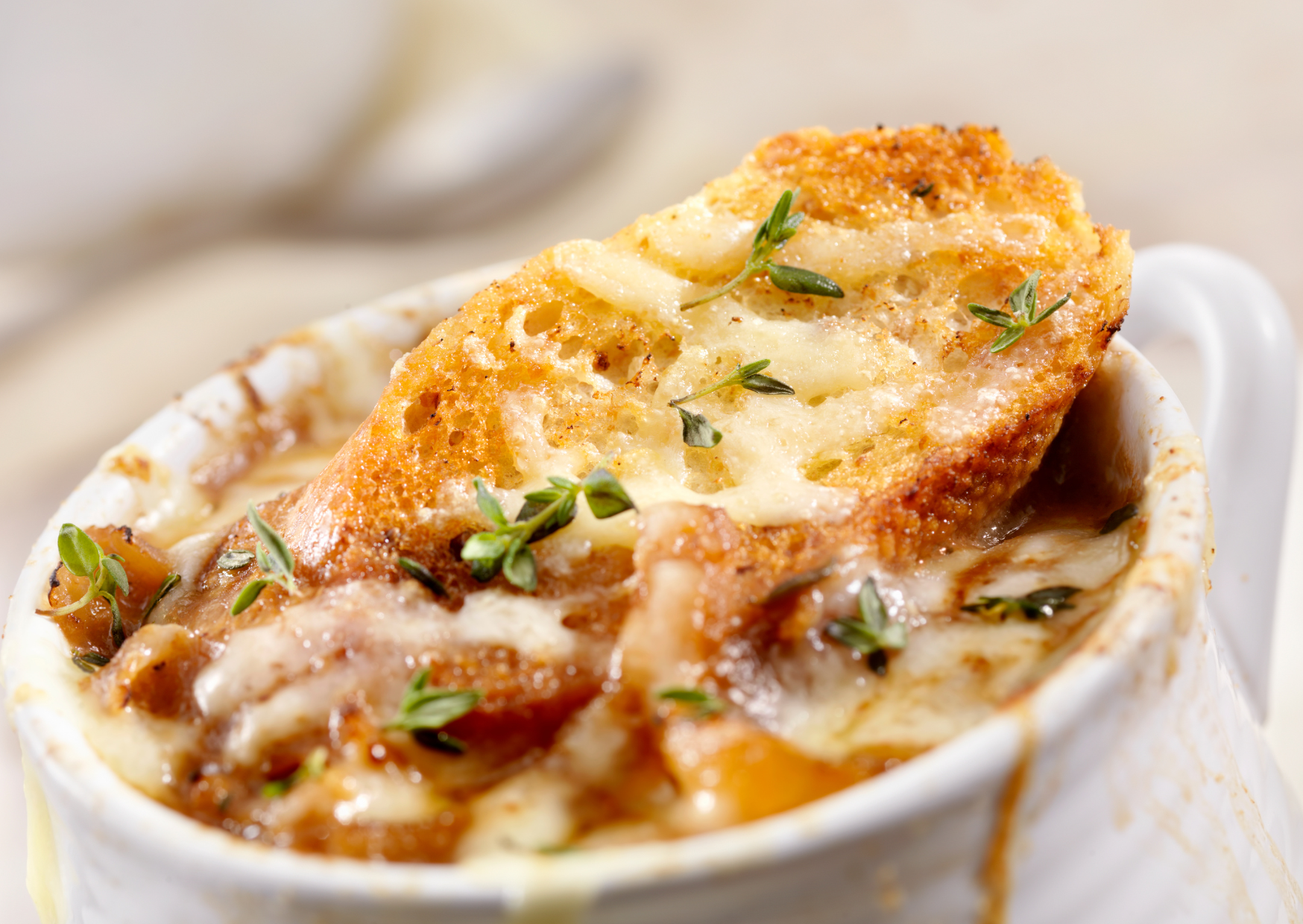
Onions are not magic, they are practical. They carry quercetin, they deliver sulfur chemistry, they teach patience. Yellow and red onions are especially rich in quercetin glycosides, a family of flavonoids being explored for antioxidant and anti inflammatory actions. You do not need a supplement to meet them. A pot of soup made with a full kilogram of onions will expose you to meaningful amounts in a form your body recognizes as food.
The old kitchen wisdom also holds. Onions, leeks, and garlic have long been used in broths for people with colds because they make heat and water taste like something. You sip more when flavor is present, you recover faster when you eat enough, and your mood climbs when a pot is working on the stove. None of this cancels modern medicine. It makes the medicine easier to live through.
If you want a short mantra for winter, keep this one on your fridge. Hot liquids, steady calories, early sleep. Onions happen to make the first two pleasant.
The real French onion soup you can make tonight
This is a classic bistro bowl with a deep onion base, a proper stock, and a gratinéed top. It feeds four generously. Total time is about ninety minutes, most of it hands off.
You will need
2 tablespoons butter, plus 1 tablespoon olive oil
1 kilogram yellow onions, halved pole to pole and sliced thin
1 teaspoon fine salt, plus more to taste
A small pinch of sugar, optional, to jump start browning
2 cloves garlic, minced, optional
150 milliliters dry white wine or dry sherry, optional but traditional
1 liter good beef or rich chicken stock, unsalted if possible
1 teaspoon fresh thyme leaves or 2 sprigs thyme
1 bay leaf
Freshly ground black pepper
1 teaspoon sherry vinegar or red wine vinegar, to brighten at the end
8 slices baguette, dried in a low oven until crisp
150 to 200 grams Gruyère or Comté, grated
Method
Set a heavy pot over medium low heat. Add butter and oil. Tip in the onions and salt. Stir to coat. Cover for ten minutes to soften. Uncover, add the pinch of sugar if using, and cook slowly, stirring every few minutes, until the onions collapse and turn a deep walnut color. Plan on 35 to 45 minutes. If the fond on the bottom threatens to burn, lower the heat and splash a spoonful of water to lift it.
Stir in the garlic and cook one minute. Pour in the wine and scrape up every brown bit. Let it simmer until syrupy. Add the stock, thyme, and bay. Simmer uncovered for 20 to 25 minutes. Fish out the bay. Taste and adjust with salt and a few grinds of pepper. Off the heat, add the spoon of vinegar to wake the flavors. The soup should taste deep, not flat.
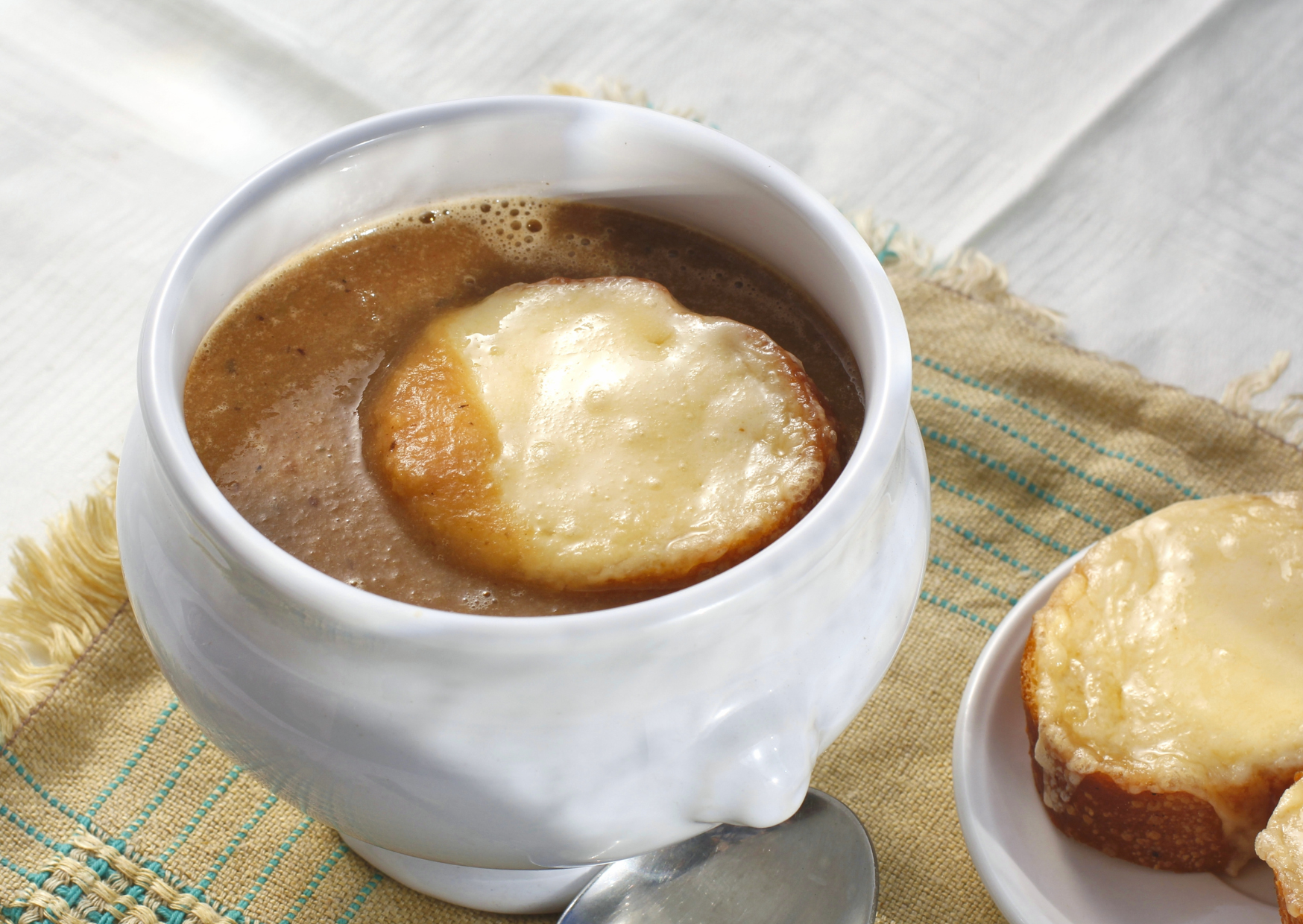
Heat the broiler. Ladle soup into four broiler safe bowls. Top each bowl with two slices of dried baguette. Cover generously with grated cheese. Broil until the cheese melts, browns in spots, and bubbles at the edges. Let the bowls sit a minute so the topping settles. Serve with a spoon and a napkin. The first bite will be too hot. That is part of the joy.
Notes on stock
A robust stock is the spine of this dish. If you use chicken, simmer wings and backs for body. If you use beef, roast a meaty bone or two first. In a pinch, choose a store stock with low sodium and no sweetness. The onions bring plenty.
Vegetarian path
Use a strong vegetable stock anchored by roasted mushrooms, leeks, celery root, and a small piece of kombu. Add a spoon of light miso at the end for umami, whisking it into a ladle of hot soup first so it dissolves. The method is the same.
Lighter path
Skip the gratin and serve the soup with toasted country bread on the side. You still get warmth and depth with less dairy. You also avoid a heavy hit of fat on a fragile stomach.
Technique that separates great from good
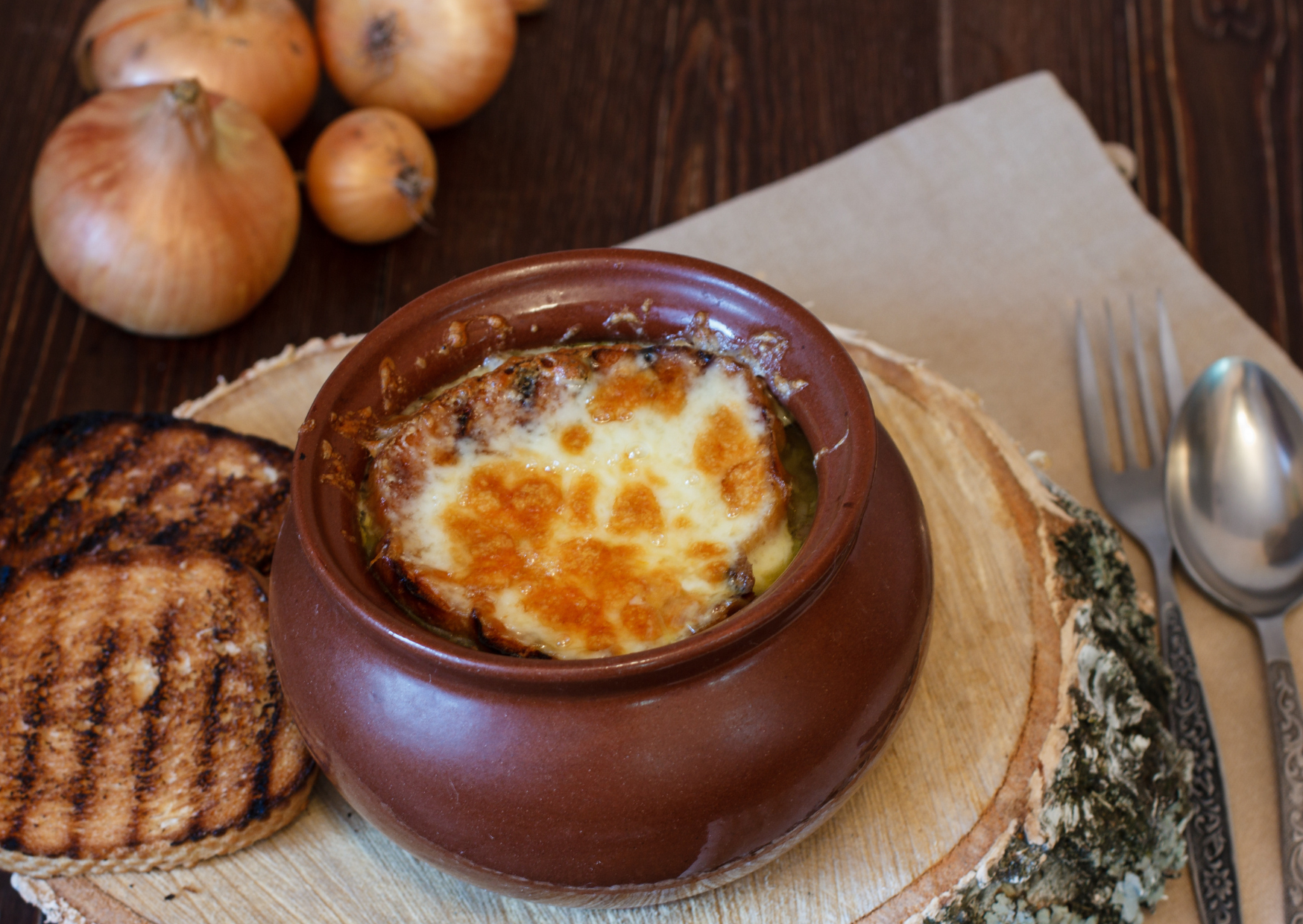
Small moves add up. Slice pole to pole, go slow, deglaze with intent. Cutting from root to stem helps the onions keep some structure through the long cook so you end up with strands, not mush. The low flame prevents scorching, which brings bitterness. The wine step is not about alcohol. It is about lifting the fond and building layers. Even a splash of water will help if you are out of wine.
Timing is flexible once you know what to watch. The onions are done when they are deep brown and smell sweet. The broth is ready when it tastes round and the onion flavor has moved from sharp to suave. If you are making this on a weeknight, you can caramelize a large batch of onions on Sunday and refrigerate them. A midweek soup then takes thirty minutes.
For the topping, dry the bread. Fresh baguette turns soggy under heat. Yesterday’s slices, toasted low and slow, behave better. Grate the cheese yourself. Pre grated melts differently and lacks the faint nuttiness you want on top.
Make it yours without breaking the soul of the dish
There is room to play inside the lines. Swap part of the onions for leeks, add a thyme sprig and a star anise, finish with brandy instead of wine. The leek swap lightens the flavor. A single star anise gives a quiet bass note that flatters beef stock. A whisper of brandy at the end, flamed off, gives restaurant perfume without overpowering the bowl.
If you want an even bolder onion profile, add a spoon of onion jam from a jar you trust right before ladling. If you want more body in a vegetarian version, roast mushrooms hard and add their pan juices to the pot. If you are cooking for someone who needs gluten free, toast thin slices of a sturdy gluten free loaf and use those as your raft.
Keep the core in place. The soup is onions first, stock second, bread and cheese last.
How this fits into an actual sick day
You get home with a scratchy throat and a heavy head. Make a pot once, eat it twice. It hydrates, it tempts appetite, it plays well with tea. The broth and onions encourage you to sip and swallow. The salt keeps you from feeling faint when you stand. The bowl pairs well with lemon tea and a quiet evening. If you are truly down, skip the gratin and take the broth plain. Wrap your hands around the bowl, inhale, and go slow.
If your symptoms are severe or you are in a high risk group, call your clinician. There are antiviral medications for influenza that work best when started early. A pot of soup will not interfere with them. It will make your day less miserable while they do their job.
Smart tweaks for nutrition without scolding
You do not need to turn a comfort dish into a lecture, but a few choices help. Use mostly olive oil, lean on strong cheese rather than lots of it, serve with a salad. A mix of butter and oil keeps the onions glossy while dialing back saturated fat. Gruyère or Comté are flavorful, so a modest amount delivers plenty of reward. A crisp salad gives you crunch and vitamin C that soup lacks.
If you are cooking for someone who avoids alcohol, use stock to deglaze and add a teaspoon of cider vinegar at the end. The result will still taste round. If sodium is a concern, use low sodium stock and salt lightly at the start, then adjust in the last minutes. Tasting at the end prevents over salting when evaporation concentrates flavors.
Cost, storage, and make ahead
Onions are budget food that behave like luxury when treated with patience. A kilogram of yellow onions, a liter of decent stock, a loaf end, and a hand of cheese feed four for the price of a cafe snack. It is frugal, it freezes, it scales. The soup without the bread and cheese freezes well. Cool it, portion it, label it. Reheat gently and gratin to order. If you host, you can caramelize onions in the afternoon and finish the pot right before guests arrive. Your kitchen will smell like a bistro before the doorbell rings.
When to see a clinician and why a vaccine still matters

A kitchen ritual carries you a long way through winter. It does not replace care. Persistent high fever, shortness of breath, chest pain, confusion, dehydration are red flags. Seek help if any appear. If you are pregnant, elderly, very young, immunocompromised, or living with chronic illness, flu can hit hard. Vaccination each season reduces the chance that you land in an intensive care unit if you do get infected, and it trims hospitalizations across the population. A bowl of soup is kindness. A vaccine is protection. The smartest plan uses both.
What to take from this
Keep the headline for fun and keep your standards for truth. French onion soup is a winter classic that makes hard weeks softer. It warms you, feeds you, and coaxes you to drink more. Onions bring compounds that are interesting to researchers and friendly to the palate. None of that beats a seasonal shot at doing what vaccines do best. Put a pot on the stove, book your appointment, and let the kitchen and the clinic each do their part. You will taste the difference, and you will likely feel it when the season tests you.

About the Author: Ruben, co-founder of Gamintraveler.com since 2014, is a seasoned traveler from Spain who has explored over 100 countries since 2009. Known for his extensive travel adventures across South America, Europe, the US, Australia, New Zealand, Asia, and Africa, Ruben combines his passion for adventurous yet sustainable living with his love for cycling, highlighted by his remarkable 5-month bicycle journey from Spain to Norway. He currently resides in Spain, where he continues sharing his travel experiences with his partner, Rachel, and their son, Han.