
Japan is one of the world’s most welcoming countries, but beneath its kindness and efficiency lies a social code that most visitors don’t even realize exists. Travelers often assume Japan’s calm, orderly atmosphere just happens on its own. In reality, everyday life runs smoothly because people follow unwritten rules so ingrained that locals barely notice them yet tourists break them constantly. And when you don’t know these rules, it’s easy to stick out for all the wrong reasons.
Many of these social expectations aren’t posted on signs or written in guidebooks. They aren’t laws, and breaking them won’t get you in real trouble but they will make you seem unaware or rude without meaning to. Things as simple as where you stand, how loud you speak, or how you handle money can instantly mark you as a first-time visitor. Understanding these small cultural details not only helps you blend in but also deepens your appreciation of how Japan operates.
What surprises most travelers is that these rules are not arbitrary or strict. They’re rooted in centuries of values: harmony over individuality, respect for shared spaces, and an unspoken agreement to minimize inconvenience to others. Once you understand the “why” behind them, the rules start to feel less like guidelines and more like insights into the Japanese way of life.
At the same time, Japan won’t expect you to be perfect. Locals know visitors come from different cultural backgrounds, and they’re generally patient with mistakes. But learning these unwritten rules gives you a deeper connection to the culture and helps you avoid those awkward moments when you catch someone giving you a polite but unmistakably confused look.
This guide breaks down the 15 Japanese social rules tourists most often break without realizing it. From dining etiquette to public transportation manners, each one reveals something about Japanese society that you won’t find in typical travel advice. By the end, you’ll understand how to move through Japan with confidence, respect, and a little more cultural fluency than the average traveler.
Read here Things to know before visiting Japan and how to spend 36 Hours in Tokyo
BOOK YOUR TRAVEL INSURANCE
Two of our favorite travel insurance: Heymondo Vs Safetwing cheapest travel Insurance. You can get for $135 USD your Heymondo Travel Insurance with Heymondo discount code valid for 90 days. Read our full comparison of Genki vs Safetywing Travel Insurance Review and the comparison Heymondo vs Genki
Tips for Navigating Japanese Life
Learn Basic Japanese Phrases: A simple “Arigatou gozaimasu” (Thank you) or “Sumimasen” (Excuse me) shows respect.
Observe First: Watch how locals behave in different situations and follow their lead.
Embrace Quietness: Respect the calm atmosphere in public spaces.
Respect Traditions: Understand the cultural significance behind rituals like bowing or removing shoes.
One controversial point is whether tourists should be expected to know these unspoken rules at all. Some argue that Japan should accommodate visitors more, while others believe it’s a traveler’s responsibility to understand the culture they’re entering. This tension reflects larger questions about tourism, respect, and cultural boundaries.
Another debate centers on Japan’s emphasis on conformity. Critics say these unspoken rules create social pressure that feels rigid to outsiders. Supporters argue that these norms create order, safety, and peaceful public spaces—benefits that many tourists say they deeply admire. The divide often comes down to personal values: individual freedom versus collective harmony.
There’s also discussion around how much Japan should adapt as tourism grows. Some feel that softening certain customs could make Japan more accessible. Others fear that too much adaptation risks losing cultural identity. This ongoing conversation highlights just how deeply these unspoken rules are woven into daily life—and why they feel so essential to the Japanese way of living.
Unspoken Rules of Japanese Life
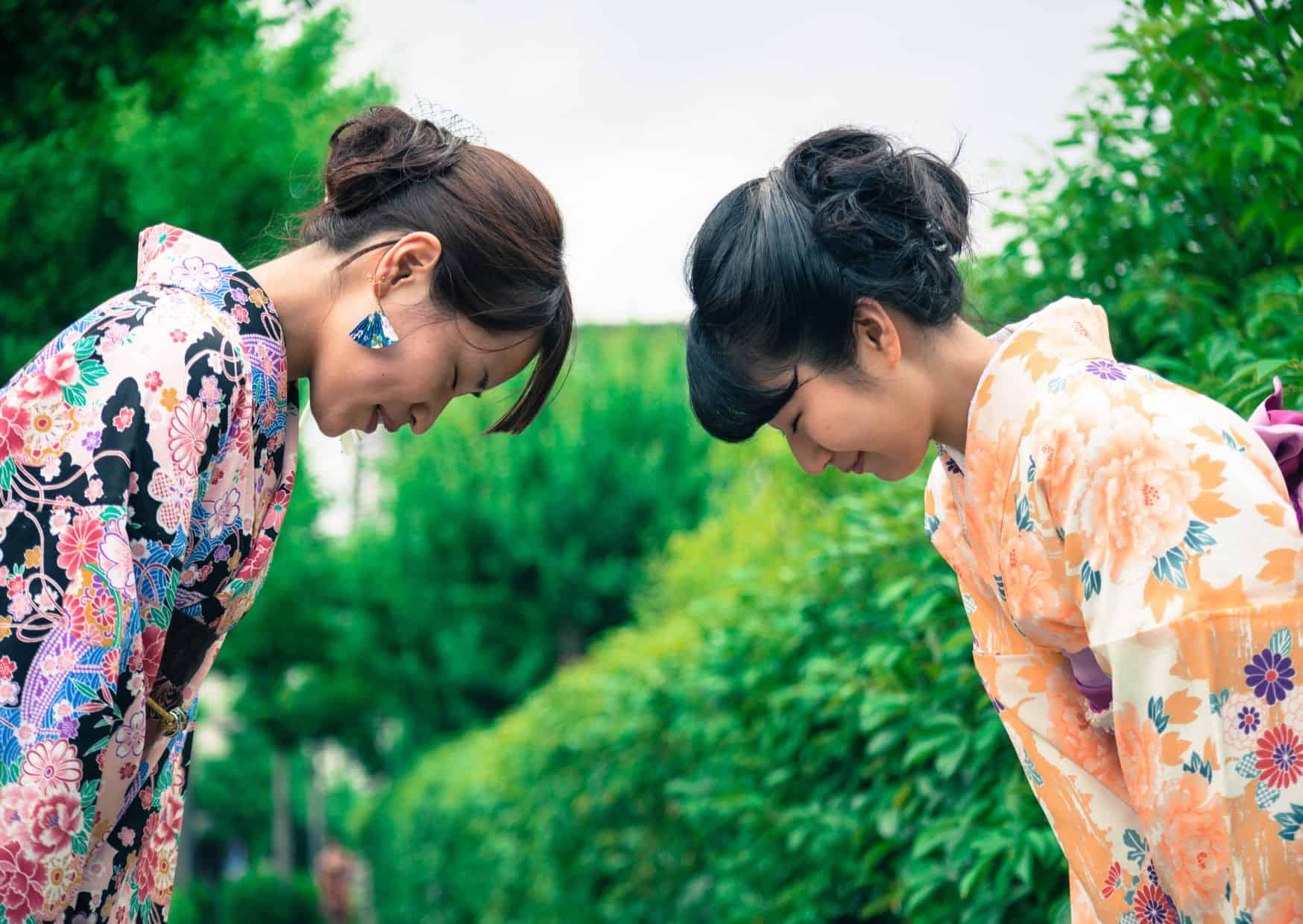
1. Bowing Is a Big Deal
What to Know:
Bowing is a key part of Japanese etiquette and is used to greet, thank, apologize, and show respect. The deeper the bow, the more respect being shown.
Why Tourists Don’t Get It:
Visitors often skip bowing or do it casually, not realizing its significance.
2. Silence Is Golden
What to Know:
Quietness is valued, especially in public places like trains, restaurants, and elevators. Loud conversations are considered disruptive.
Why Tourists Don’t Get It:
Tourists from noisier cultures may not realize they’re drawing attention by speaking loudly.
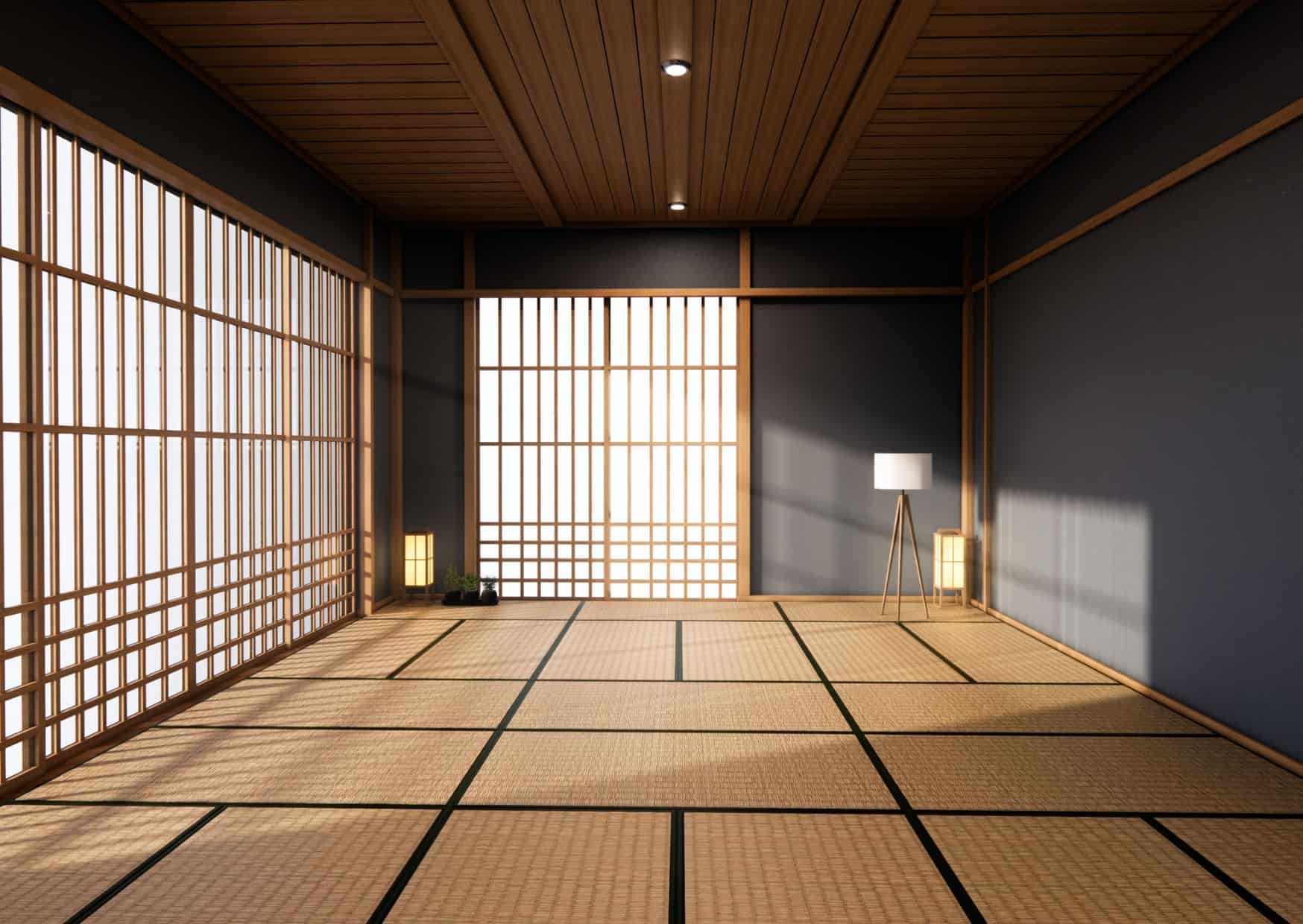
3. Remove Your Shoes
What to Know:
Shoes are removed when entering homes, temples, some restaurants, and even certain dressing rooms. Slippers are often provided.
Why Tourists Don’t Get It:
Forgetting to remove shoes can be seen as disrespectful or unhygienic.
4. No Tipping
What to Know:
Tipping is not customary in Japan and can even be seen as rude. Excellent service is already included in the price.
Why Tourists Don’t Get It:
Visitors from tipping cultures may insist on tipping, which can create awkwardness.
5. The Escalator Rule
What to Know:
On escalators, people stand on one side and walk on the other. The side varies by region: stand on the left in Tokyo and on the right in Osaka.
Why Tourists Don’t Get It:
Tourists often block both sides, disrupting the flow of foot traffic.
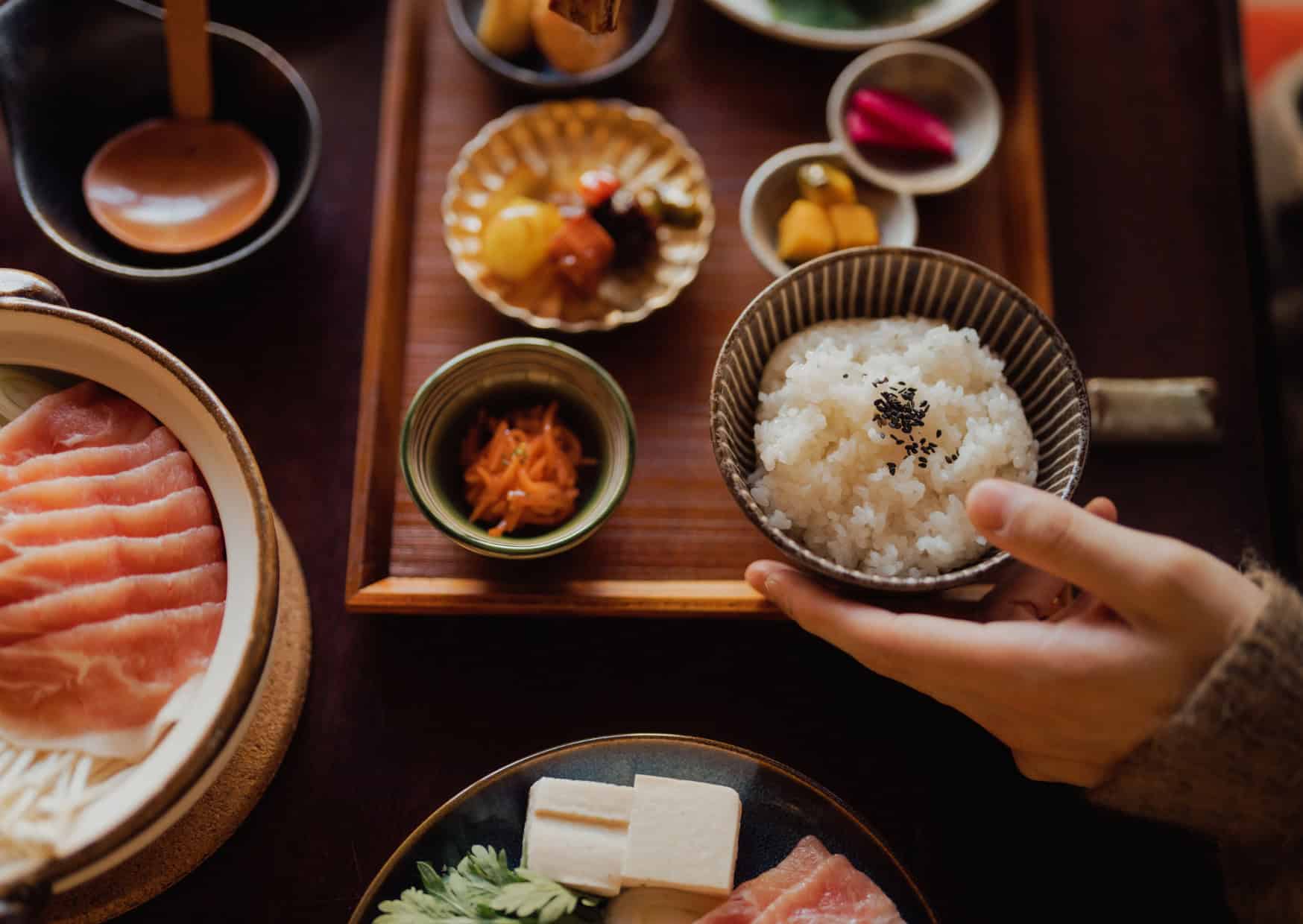
6. Eating While Walking Is a No-No
What to Know:
Eating on the go is frowned upon. Food is meant to be enjoyed while stationary, whether at a restaurant or a designated eating area.
Why Tourists Don’t Get It:
Visitors often eat street food while wandering, which locals see as impolite.
7. Keep Public Spaces Clean
What to Know:
Littering is rare in Japan, and public spaces are kept spotless. You’re expected to carry your trash with you until you find a bin.
Why Tourists Don’t Get It:
Many visitors expect readily available trash cans and might leave garbage behind.
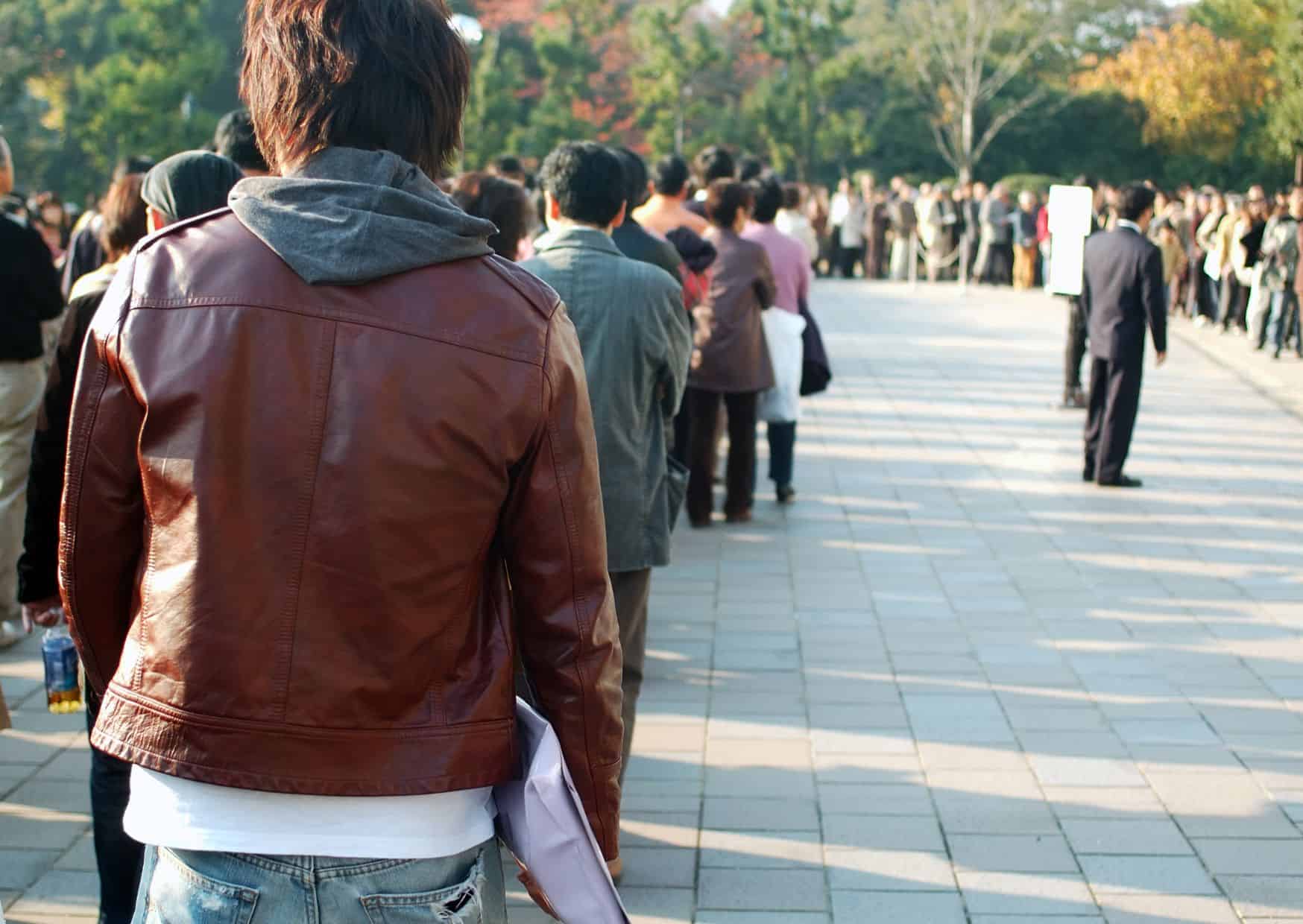
8. Respect the Queue
What to Know:
Forming orderly lines is an ingrained habit, whether waiting for a train, elevator, or store opening.
Why Tourists Don’t Get It:
Tourists might accidentally skip queues, not realizing the importance of waiting your turn.
9. Don’t Point
What to Know:
Pointing at people or objects is considered rude. Instead, use an open hand gesture to indicate direction or attention.
Why Tourists Don’t Get It:
Pointing is a common habit in many cultures, but it’s impolite in Japan.
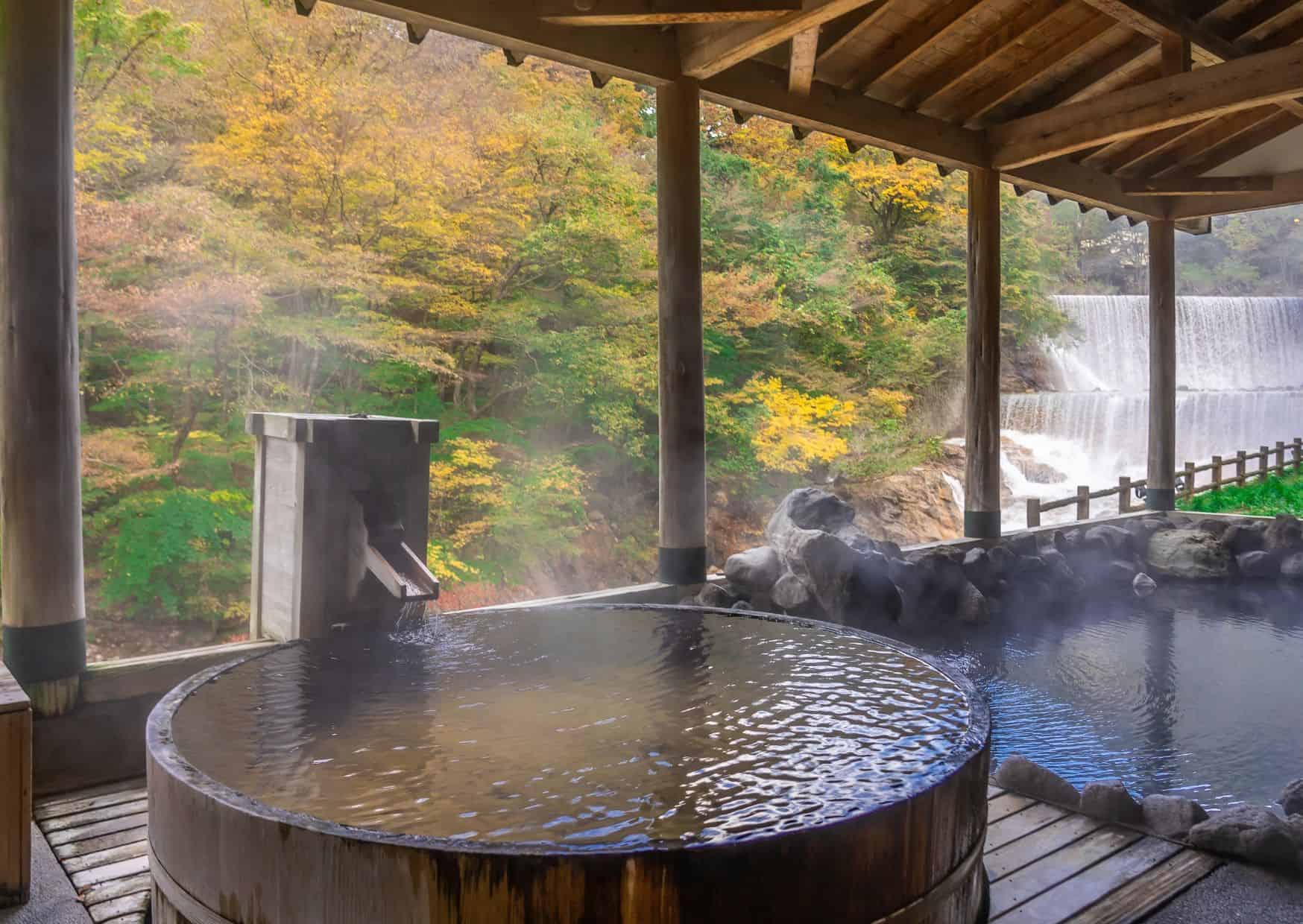
10. Bathing Is a Ritual
What to Know:
In onsen (hot springs) or public baths, washing yourself thoroughly before entering the communal bath is mandatory.
Why Tourists Don’t Get It:
Some visitors skip the pre-bath wash, which is seen as unhygienic and disrespectful.
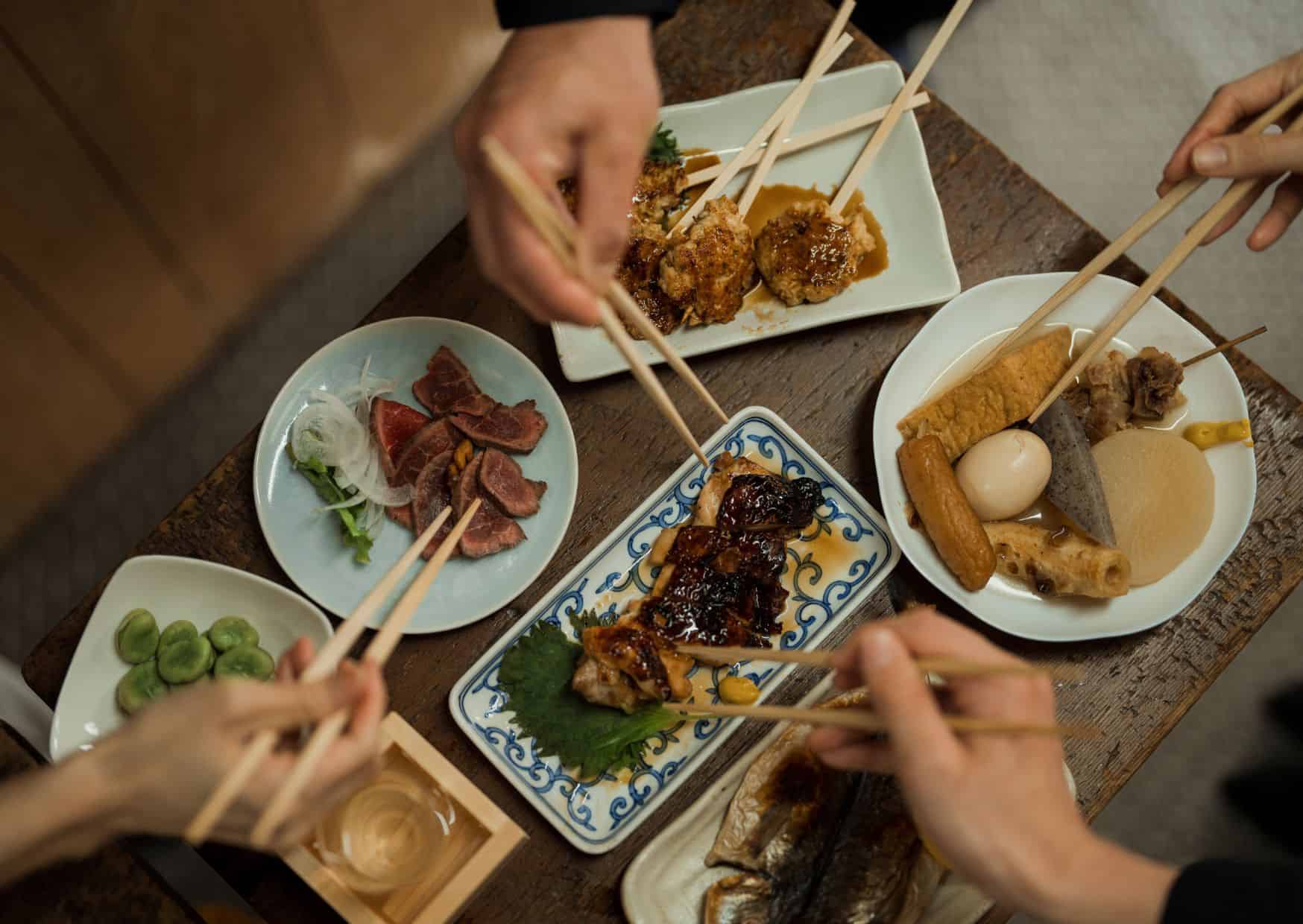
11. Handle Chopsticks Properly
What to Know:
Don’t stick chopsticks upright in rice or use them to pass food to someone else. These actions resemble funeral rituals.
Why Tourists Don’t Get It:
Tourists unaware of these taboos might accidentally offend locals during meals.
12. Public Displays of Affection Are Rare
What to Know:
Holding hands is acceptable, but kissing or hugging in public is unusual and can make people uncomfortable.
Why Tourists Don’t Get It:
Visitors from cultures with more open displays of affection might unintentionally attract unwanted attention.
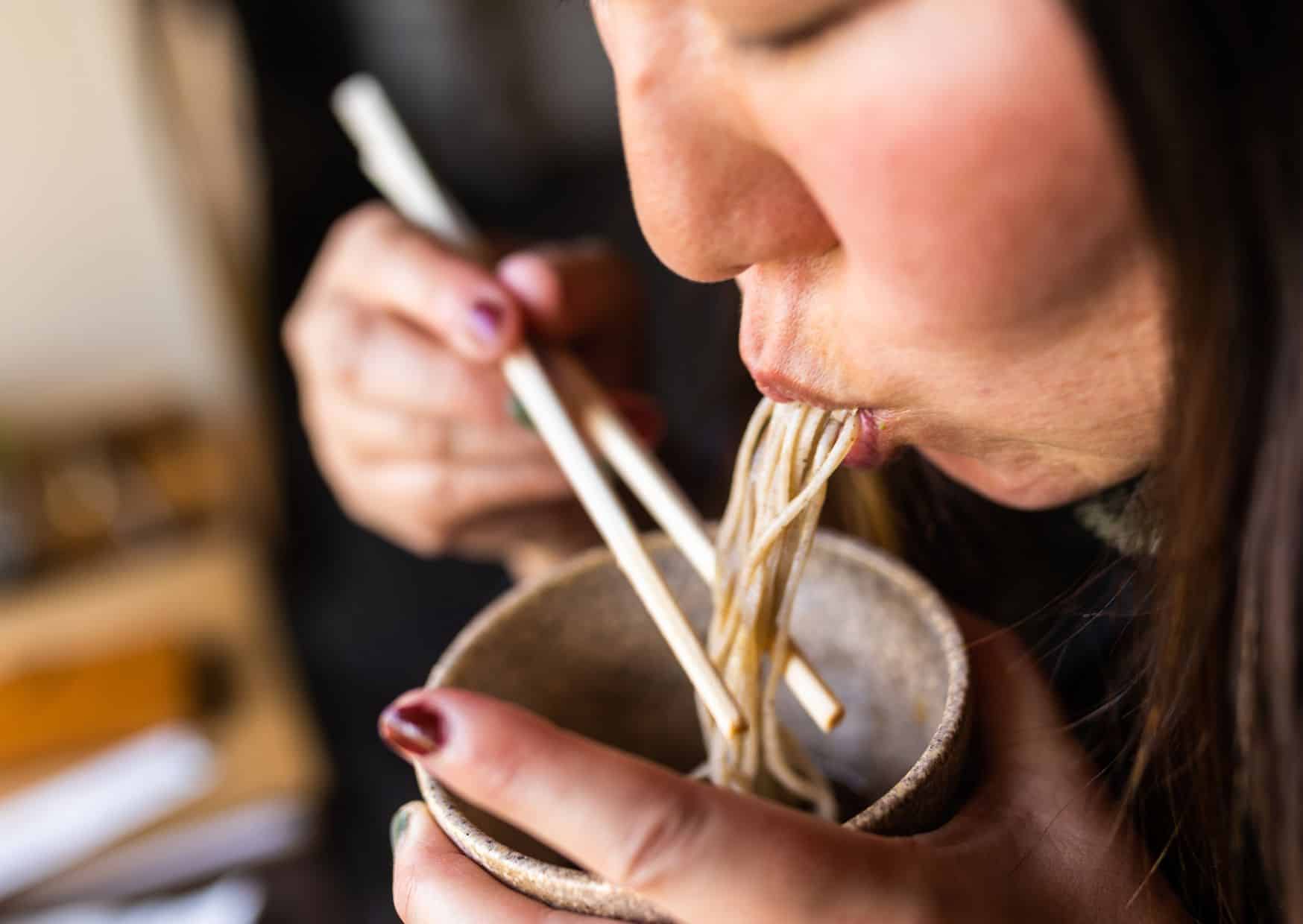
13. Slurping Is Polite
What to Know:
Loudly slurping noodles is a sign of enjoyment and appreciation for the food.
Why Tourists Don’t Get It:
Tourists from places where eating quietly is the norm might find slurping strange or even rude.
14. Personal Space Is Respected
What to Know:
In crowded areas like trains, people avoid physical contact as much as possible and keep quiet.
Why Tourists Don’t Get It:
Tourists might unintentionally invade personal space, especially in public transport.
15. Gift-Giving Is Thoughtful
What to Know:
Gifts are given with both hands and often come with meticulous packaging. The presentation is just as important as the gift itself.
Why Tourists Don’t Get It:
Visitors might hand over gifts casually without realizing the cultural emphasis on careful presentation.
Final Thoughts
Japanese culture runs on subtlety, respect, and shared social awareness—qualities that aren’t always obvious to visitors. These unspoken rules aren’t meant to confuse outsiders; they simply reflect a society built on harmony and consideration. When tourists overlook them, the intention isn’t usually disrespect. But understanding them can completely transform how you experience Japan.
What makes these rules so fascinating is that they aren’t written anywhere, yet everyone seems to know them. From quiet train rides to the way people line up, Japan functions smoothly because most residents follow these norms instinctively. When travelers learn these hidden expectations, they suddenly feel less like outsiders and more like participants.
Ultimately, respecting unspoken rules isn’t about memorizing a list. It’s about paying attention to how people move, behave, and interact. The more you observe, the easier it becomes. And as you adjust, you’ll find Japan opens up in new, meaningful ways—making your time there feel calmer, richer, and far more connected.

About the Author: Ruben, co-founder of Gamintraveler.com since 2014, is a seasoned traveler from Spain who has explored over 100 countries since 2009. Known for his extensive travel adventures across South America, Europe, the US, Australia, New Zealand, Asia, and Africa, Ruben combines his passion for adventurous yet sustainable living with his love for cycling, highlighted by his remarkable 5-month bicycle journey from Spain to Norway. He currently resides in Spain, where he continues sharing his travel experiences with his partner, Rachel, and their son, Han.