
So here’s the moment that keeps happening. A European friend asks about Thanksgiving with real curiosity, you explain the family part, the travel, the gratitude ritual, the cooking marathon. Their face stays warm until you add the flights, the Black Friday lines, the turkey injected with mystery liquids, the obligatory smiles around topics no one is allowed to touch. Then they ask the unkind question in a kind voice: why would an intelligent country schedule a national stress test and call it gratitude. If you live here long enough, you start hearing the same conclusion from Portuguese aunties and French coworkers and German neighbors. Thanksgiving is less a holiday and more a compliance drill that proves how easy it is to program a population with food, nostalgia, and discounts.
I’m not saying there’s no beauty there. There is. A full table is a good thing. So is naming what you’re thankful for. But step outside the script and the seams show. The stress-to-joy ratio is embarrassing when you look with fresh eyes. Europeans notice the ratio first, then the advertising, then the history, then the health aftermath. By the time the weekend ends, they’re shaking their heads at how effectively one week can train millions to accept costs that make no sense.
Let’s walk through what they see and what you can steal from them if you’re done being handled by a calendar.

What Europeans Actually See When They Watch Thanksgiving Up Close
They see the logistics first. Forty-eight hours of travel for a four-hour meal where the conversation must stay inside safe lanes. They see parents negotiating airport meltdowns, adults carrying pies like newborns through security, and arrival times that make dinner more of a triathlon than a feast. The table looks lovely in photos. In the room, you can feel the emotional choreography. People know which jokes are allowed, which opinions are banned, and how many glasses of wine will make the night easier without triggering a story someone will regret.
Then comes Friday. The same people who were told to be thankful for what they have are herded into lines to buy what they were told they lacked. Gratitude on Thursday, scarcity on Friday. Europeans do not miss the punchline. A French friend put it bluntly over coffee: if a ritual ends with a sale, the ritual was part of the sale.
They’re not purists about holidays. They’re practical. The real question they ask is simple. Does the day make life gentler or rougher. A lot of American Thanksgivings make life rougher.
The Calendar Programming You Don’t Notice Until You Leave
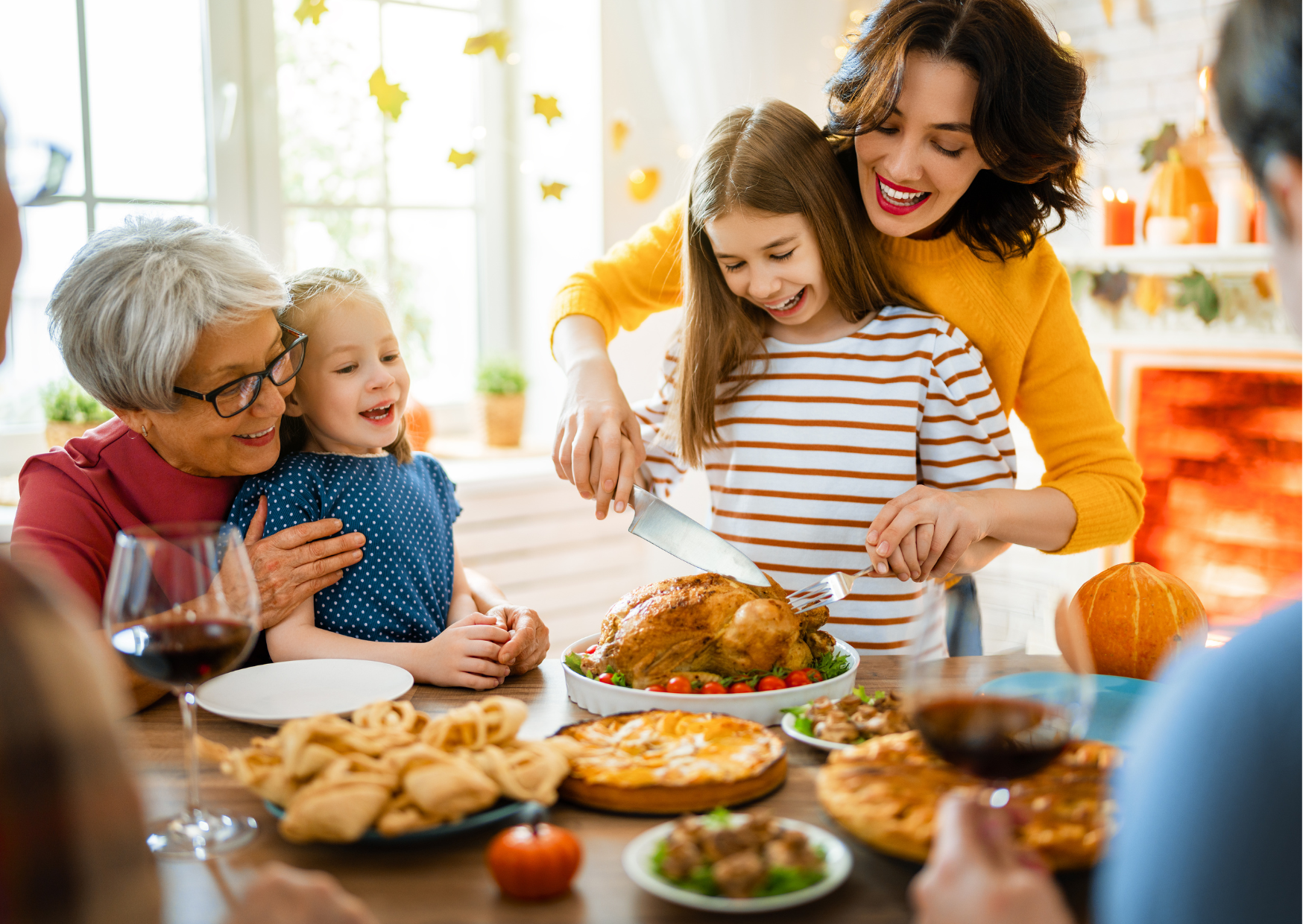
Holidays are operating systems. In most of Europe, the big family day is engineered for slowness. Lunch lands early, kids go outside, transport keeps working, and shops either stay shut or open lightly. The calendar protects the citizen from the market. With Thanksgiving, the market owns the long weekend down to the minute. Airlines surge prices because they can. Stores preload “gratitude” content and then unlock the limited-time feeding frenzy. Employers pretend it’s a holiday and then stack deadlines on Monday because they can.
If you design a schedule where millions must travel on the same forty hours or risk being branded selfish, you create obedient customers. The point isn’t that your mother is a marketing department. The point is that your mother got handed a code she couldn’t edit. Most households just run it, bugs and all.
Try this mental flip. Imagine Thanksgiving floated like European summer holidays do. Families pick a week in November or December, announce it in September, and everyone’s travel prices drop because demand spreads out. Ritual without synchronized pain is possible. Americans were simply told it wasn’t.
The Food Script That Pretends to Be “Tradition”
You hear “tradition” and picture grandma’s stuffing. Here’s the actual pattern. A bird that doesn’t fit in the oven. An engineered side table full of sugar disguised as vegetables. Three desserts no one asked for. A recipe loadout assembled from ads disguised as culture. Europeans love big meals, but they don’t weaponize volume. Lunch across Italy or Spain is abundant and sane. Vegetables taste like themselves. Meat is a portion, not an audition for viral photos. The meal ends with a walk and coffee, not a nap that wrecks sleep for three nights.
The year I swapped American holiday sides for Mediterranean ones, I got polite complaints until the plates were cleaned. Brothy beans, bitter greens with lemon, grilled fish, roasted potatoes with olive oil and salt you can taste, fruit afterward. Everyone went to bed without groaning and nobody performed gratitude to cover how unwell they felt.
You are not betraying anyone by deleting two casseroles. You are refusing a script that treats insulin spikes like a family heirloom. Tradition is an excuse when the result is misery.
The Gratitude Performance vs. The Quiet, Daily Version
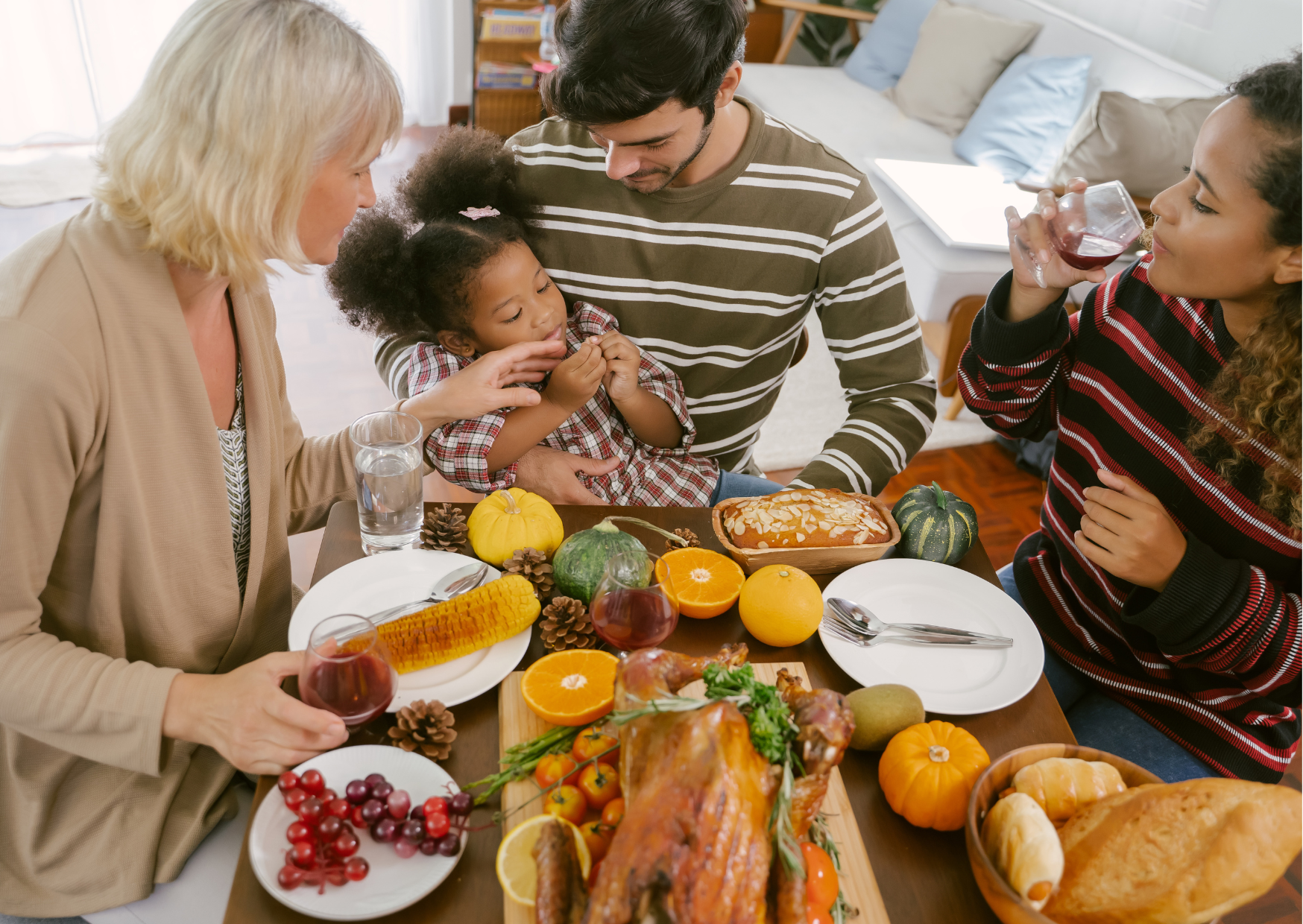
European friends are skeptical of anything that needs a speech to prove it’s real. Gratitude is powerful. A weekly ritual with names and specifics changes a house. But the Thanksgiving version often becomes theater. People who have not named a single thank you aloud in months are expected to perform on cue when the turkey lands. Feelings do not obey dinner bells. Europeans smell the performance and forgive it, but they don’t buy it.
If you want the real thing, make gratitude look boring. A Sunday lunch with three lines of thanks, no speeches. A Tuesday dinner where each person names one small thing. By the time November arrives, you won’t need a holiday to prove you’re not a cynic. If a value only shows up on a holiday, it’s marketing.
The History Story That Doesn’t Survive Five Questions
Ask a Dutch or German teacher to tell you what their kids learn about their nation’s hard chapters. You’ll hear dates, crimes, and remembrance projects with field trips that make teenagers uncomfortable in the right way. Then look at the average Thanksgiving script Americans hand their kids. It is mythology dressed as history, and kids can smell when adults are being careful with the wrong things.
You don’t need to ruin dinner with a lecture. You can integrate honesty without ruining the pie. Set books out the week before. Cook one dish that truly belongs to a Native community, tell the story plainly, and say out loud what you’re doing and why it matters. If that sentence feels heavy, consider the weight of the alternative: pretending a marketing version of the past is good enough because the tablecloth is cute.
Europe’s lesson here is not to become grim. It’s to become exact. Adults who can hold complexity raise saner kids.
The Emotional Labor Economy Nobody Prices
European women watch American Thanksgiving with a calculator in their head. Time for shopping, prep, cleaning, hosting, managing conflict, planning travel, keeping children human, smoothing relatives, and then taking photos that pretend the day happened by itself. If you paid at market rate for Thanksgiving’s invisible labor, you would cancel the holiday. Instead, the culture pays with guilt. The person who refuses the load becomes the problem. Europeans call that out faster because their holidays get distributed across the calendar and across people. It’s still unequal in plenty of homes here, but the structure helps.
Here is the simple fix that does not require a manifesto. Put the jobs on a whiteboard two weeks ahead and assign them like adults. Rotate the heavy ones next year. Announce rest windows for the person who does the most. Ritual without price is exploitation. If that sentence makes someone defensive, you found the real tradition.
Black Friday Is the Punchline That Gives the Game Away
Gratitude turns to scarcity at midnight. That alone tells Europeans what Thanksgiving really is. The holiday softens you up with narratives about family, then funnels you straight into the biggest shopping weekend of the year. There is nothing wrong with buying a toaster on sale. There is something wrong with a culture that makes a meaningful day end in a demand for more.
When I stopped mixing the two, everything got calmer. Thursday became quiet and human. Shopping moved to a Tuesday in December with a short list, cash in an envelope, and a hard stop. The family didn’t become holy. They became bearable. Europeans weren’t confused by Thanksgiving. They were watching a funnel that Americans insist is a circle.
The Health Hangover That Pretends to Be “Rest”
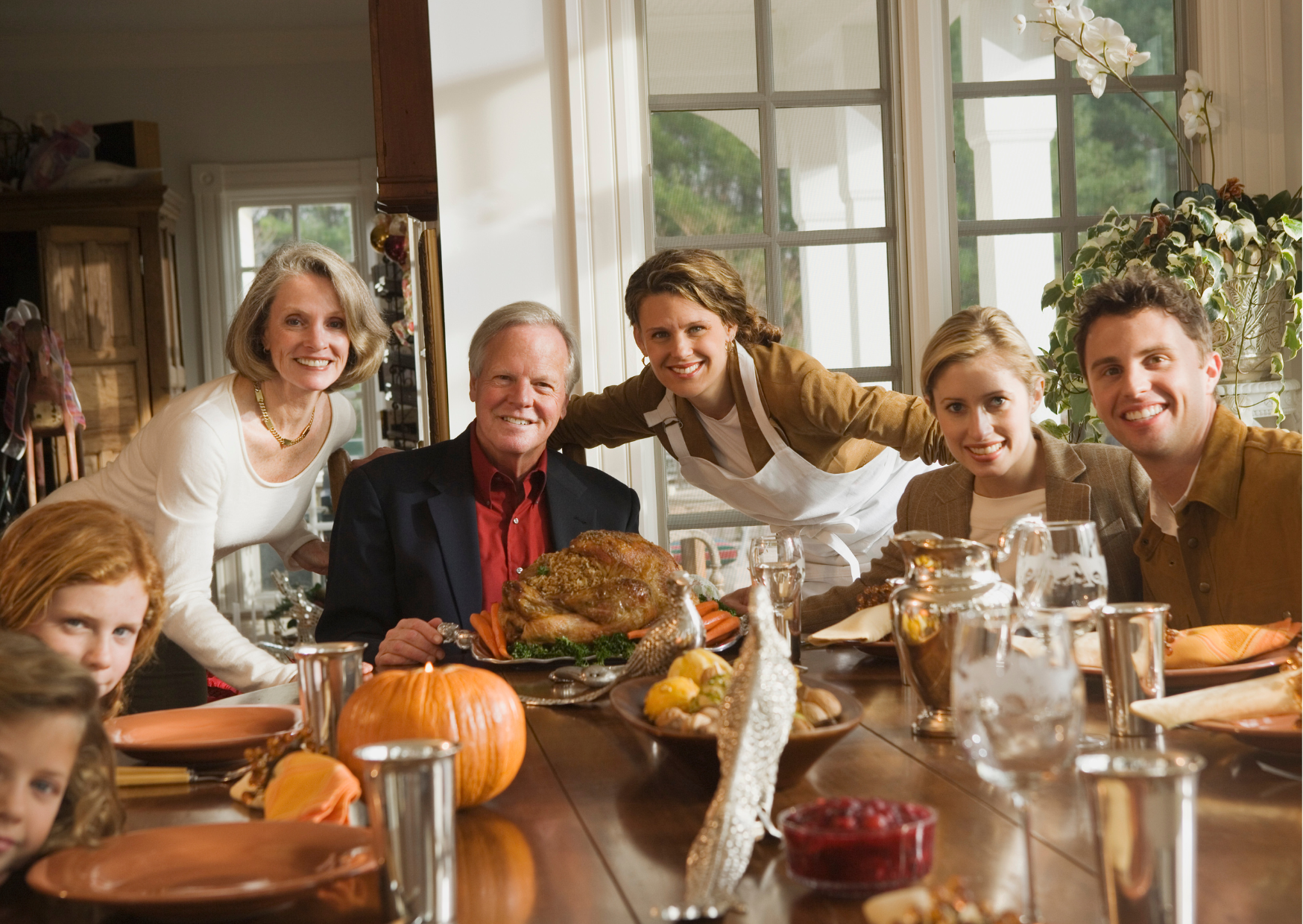
If a ritual leaves you dysregulated for four days, it is not rest. The European clue is timing. Their main meal lands at lunch, you walk afterward, and you sleep like a mammal. The American version lands at 7 p.m., you sit for three hours, you eat again, you drink to cope with the people you invited, and then you scroll until 1 a.m. and call it family time. That rhythm trashes sleep and mood. The fix is unglamorous. Move the meal up. Go for a walk before dessert. Close the kitchen by nine. People will call it rude until they feel good on Friday morning.
If a holiday has to be survived, it is not a holiday. A culture that normalizes recovery from celebration is not celebrating. It is self-medicating.
“But It’s the One Time We’re All Together”
That line is the saddest one. If a country requires a single congested weekend for family contact, the system failed. Europeans spread togetherness across smaller rituals. Sunday lunch. Name days. Local festivals. A long string of ordinary, cheap touch points. Scarcity makes you spend badly. It also makes you forgive things that would be unacceptable in June.
Start small. Declare a monthly table. Make it cheap and predictable. A pot of beans, a salad, bread, fruit. No speeches. If you keep that for a year, you won’t worship a single Thursday in November the way you used to. You will still enjoy it, maybe more. Scarcity is a sales tactic, not a value.
What Europeans Do Instead, Without Pretending They’re Better
They skip the spectacle. A French family might roast a bird in November with no camera angle. A Portuguese family might grill fish and set out oranges and coffee, done by three. They do not mistake effort for love. When conflict shows up, they don’t assign the holiday to fix it. They go for a quiet walk, and if Uncle Drama starts a show, the show ends without applause. You’re allowed to set rules like that in America too. The room won’t melt.
You know what they will absolutely do They will defend rest. Rest is not a mood here. It is a schedule. If your Thanksgiving cannot survive boundaries, the problem isn’t the boundary.
How to Deprogram Thanksgiving Without Starting a Family War
You do not need a speech. You need small acts nobody can argue with.
Move the meal earlier. Say noon for snacks, 14:00 for the table. Everyone sleeps better and kids behave like humans.
Kill two dishes. Remove the sugariest side and the extra dessert. Add bitter greens and broth. People will talk, then they will eat.
Assign jobs with names and times. Write them and rotate. Make cleanup a group sport with music. If one person cleans alone, the ritual failed.
No phones at the table. A basket works better than a promise. Adults included.
End with a walk. Ten minutes. No selfies. That alone will make Friday feel human again.
Disconnect the shopping. No “quick browse.” Plan purchases the following week, in daylight, with a list and a budget. If someone mouths “tradition,” hand them the list.
None of this requires a fight. It requires someone to act like the adult in the room. If you try it once and the day becomes lighter, you just wrote a new tradition. You’re allowed.
If You Want to Keep Thanksgiving, Keep the Parts That Work
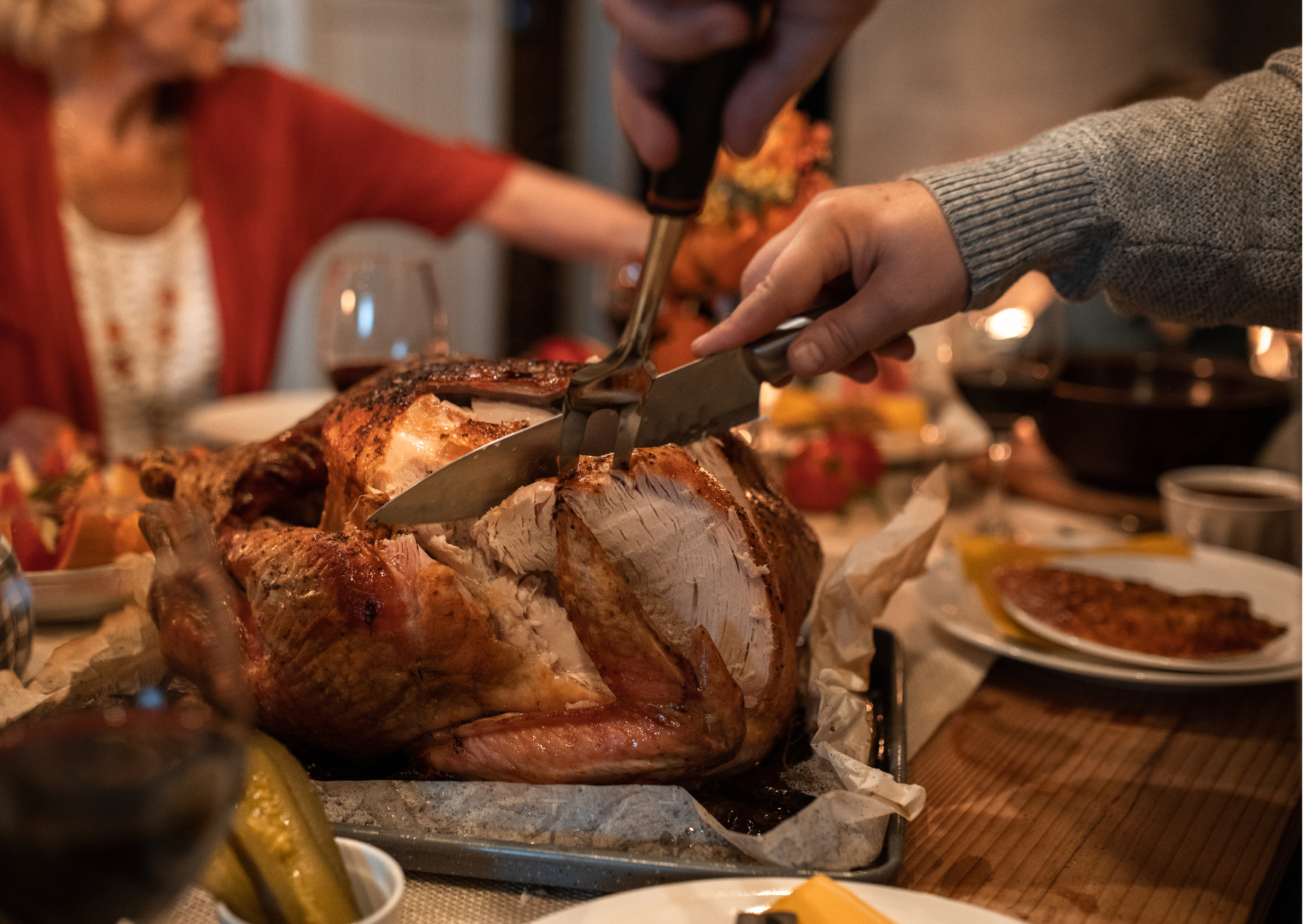
Keep the gratitude, but shrink the stage. Keep the table, but cook for the people in the room, not for a photo that gets seven seconds of attention. Keep the stories, but stop using the past as a shield against the present. The European critique is not that Americans are sentimental. It’s that sentiment is being used to sell obedience.
A holiday is a vote you cast with your time, attention, body, and money. By Friday morning, your ballot is public. Did you rest. Did you connect. Did you spend as if your values were real. Did you schedule yourself like a person and not a product. A harsh measuring stick, I know. It’s also the only one that tells the truth.
A Practical Template You Can Run Next Week
If you want a script that doesn’t feel like a script, steal this and edit it to your house.
Seven days before
Text the group: “Lunch at 14:00. Two dishes per family. No phone at table. Walk after. Bring a story that isn’t about work.” Clarity lowers stress faster than a new recipe ever will.
Two days before
Shop for meals you actually know how to cook. Choose one vegetable that tastes like itself. Buy less dessert than your fear tells you.
Morning of
One person sets the table. One person manages the oven. One person owns the playlist and the walk. Everyone else stays out of the kitchen until invited. Authority prevents chaos.
During the meal
Gratitude is three sentences total, not a circle of speeches. Tell one true story of the year without performing it. If a fight starts, someone older changes the topic and it stays changed. You can be loving and firm at the same time.
After
Coffee, fruit, ten minute walk, easy games. Kitchen closes at a set time. Screens come back when dishes are done.
It will feel almost too quiet the first year. That sensation is called relief.
The Thing Europeans Won’t Say Out Loud, But You Should Hear
A lot of them think Thanksgiving is an elegant way to teach obedience. Accept the travel price, accept the food script, accept the sale, accept the exhaustion. Call it family so no one questions it. If you bristle at that, good. Use the irritation. Design a day that deserves your loyalty instead of demanding it. Keep the parts that make sense for a human body and a human family. Delete the parts that make you cheaper to the market.
If your house ends Thursday with clean plates, full lungs, no debt, and a few specific sentences of thanks, you passed the only test that matters. If the holiday leaves you depleted and defensive but ready to buy things you didn’t plan to buy, the Europeans are not being rude when they shake their heads. They are just telling you what the scoreboard already shows.
You can fix it next year. Or this week. Quietly. Without speeches. Just change the order of the day.

About the Author: Ruben, co-founder of Gamintraveler.com since 2014, is a seasoned traveler from Spain who has explored over 100 countries since 2009. Known for his extensive travel adventures across South America, Europe, the US, Australia, New Zealand, Asia, and Africa, Ruben combines his passion for adventurous yet sustainable living with his love for cycling, highlighted by his remarkable 5-month bicycle journey from Spain to Norway. He currently resides in Spain, where he continues sharing his travel experiences with his partner, Rachel, and their son, Han.
J G Russell
Sunday 23rd of November 2025
If Europeans think it is common for Americans to travel for 48 hours only for a 4 hour meal, they are misinformed. Thanksgiving is best understood as an annual family reunion. This year I am hosting 36 family members. 4 are coming from other states for a multi day visit. The rest are all within 2-3 hours by car or train.