
And What It Reveals About Trusting Tradition, Not Fear-Based Nutrition
In many American kitchens, there’s an ingredient people handle with caution—if they use it at all.
They ask:
“Is this safe?”
“Should I cook it more?”
“Isn’t that full of bacteria?”
It’s questioned, avoided, or used sparingly—often with disclaimers or substitutions.
But in Spain, this same ingredient shows up at breakfast, lunch, or dinner.
It’s whisked into sauces. Sliced over stews. Served to children and the elderly.
It’s not feared. It’s celebrated.
That ingredient?
Eggs. Often with runny yolks. Sometimes raw. And almost always daily.
Spanish families eat eggs in forms that many Americans consider risky—from soft-fried and barely cooked, to room-temperature tortilla slices that sit out on the counter for hours.
Here’s why eggs are a daily staple in Spain—and why Americans, conditioned by decades of warnings, still can’t quite stomach the idea.
The best Spanish food to try, Breakfast in Spain, and vegetarian food in Spain
1. Runny Yolks Are Seen as Delicious—Not Dangerous
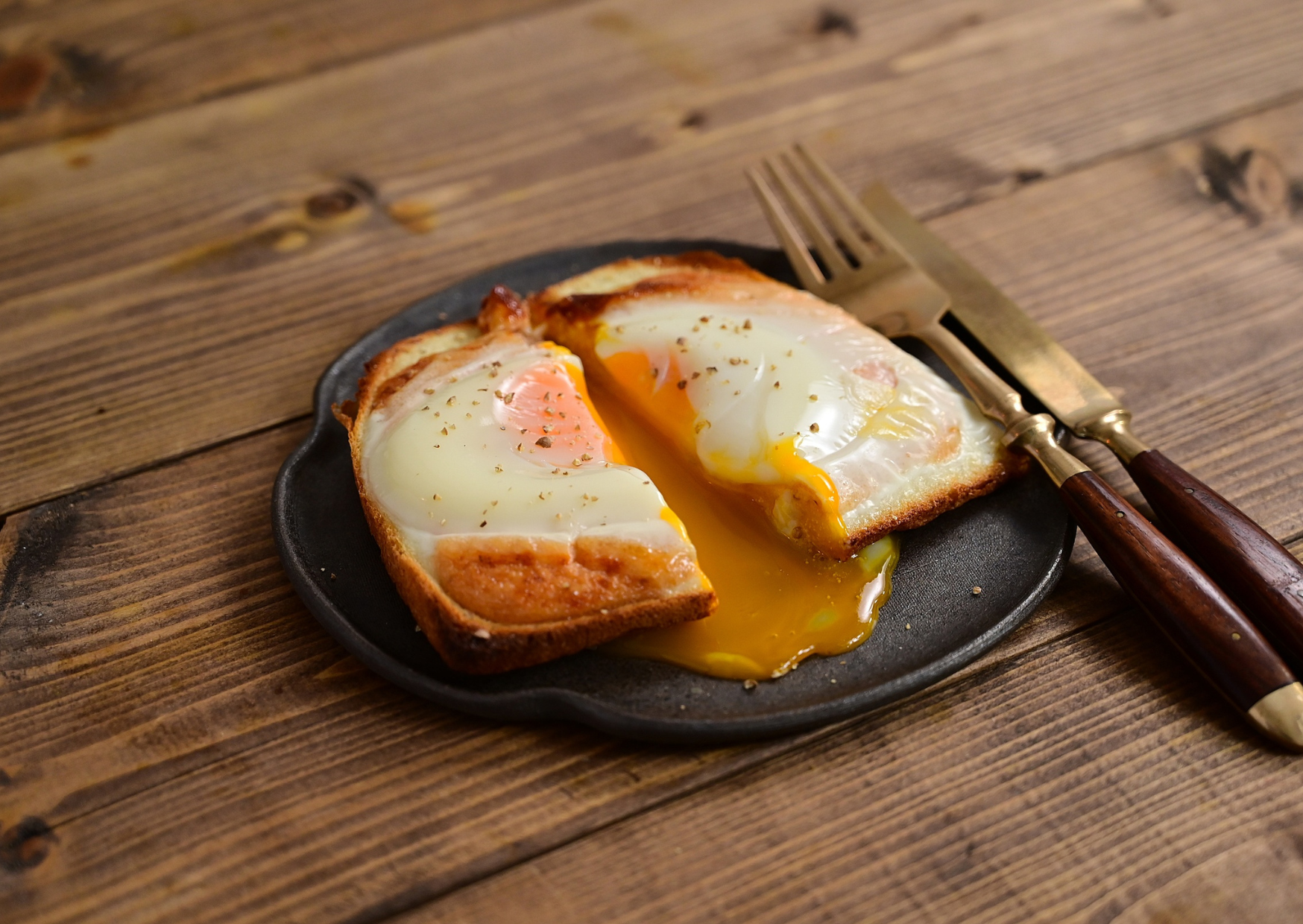
In many Spanish households, a perfectly fried egg means the white is just set and the yolk is still runny.
It’s cracked into olive oil, basted gently, and slid onto:
- Potatoes
- Toast
- Grilled vegetables
- Rice
- Or even a thin steak
The yolk is meant to flow—not sit firm and rubbery.
For Americans raised on firm, cooked-through eggs with no “slime,” this level of doneness feels risky. For Spaniards, it’s culinary pleasure at its finest.
The flavor, texture, and richness of the egg is in the fluid center. Overcook it, and it’s considered wasted.
2. The Spanish Tortilla Is Served at Room Temperature—Sometimes All Day
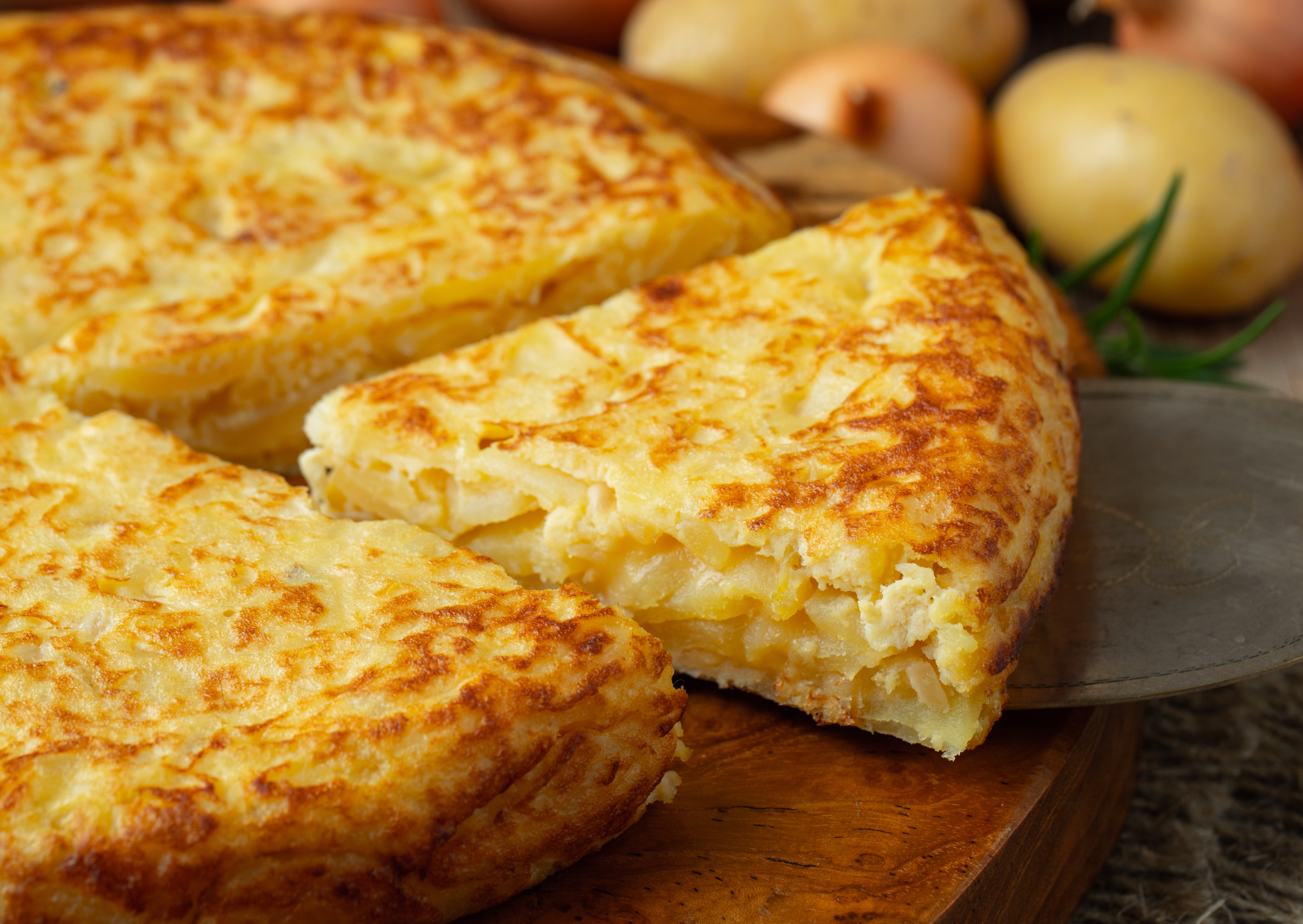
Spain’s beloved tortilla de patatas—a thick potato-and-egg omelet—contains one major feature that would alarm many American diners:
It’s often served warm, not hot. Sometimes cold. And it may sit on a countertop for hours.
A typical Spanish home or tapas bar might make a large tortilla in the morning and eat slices throughout the day—at room temperature, without reheating.
And the inside? Slightly creamy.
Not raw, but not firm either.
To the American eye, this feels like a food safety violation.
To the Spanish palate, it’s ideal texture.
It’s normal to pack tortilla slices into kids’ lunchboxes. Bring them to picnics. Serve them at parties. The yolk isn’t feared. It’s part of the signature.
3. Raw Egg Is Used in Traditional Sauces—Without Apology
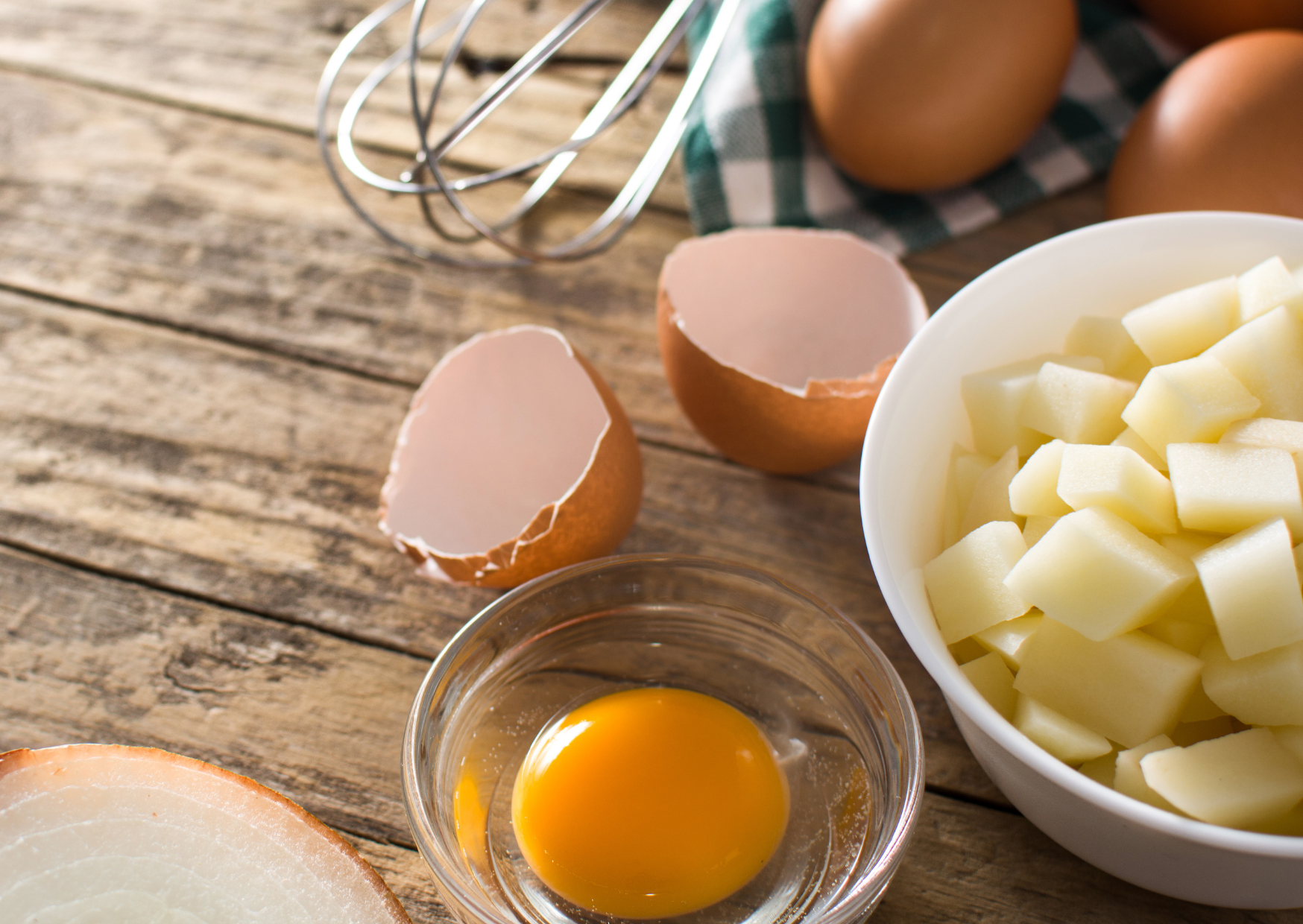
One of Spain’s most beloved condiments is alioli—a garlicky, silky emulsion traditionally made with raw egg yolk, garlic, olive oil, and lemon.
Homemade alioli is served with:
- Fish
- Vegetables
- Grilled meats
- Fried potatoes
- Or spread on bread as a dip
It’s thick, bright, and deeply flavorful.
And yes—it’s raw.
In the U.S., anything made with raw egg is often accompanied by warning labels or swapped out for pasteurized substitutes. Even mayonnaise comes with fine print.
But in Spanish homes, raw egg sauces are made fresh and eaten same-day. No one panics. No one lectures. It’s part of everyday flavor—especially in coastal and Catalan cooking.
4. There’s Deep Trust in Freshness—Not Paranoia
Americans often approach eggs with caution, checking:
- Sell-by dates
- Crack lines
- Whether they’ve been refrigerated at all times
- How firm the yolk looks
- Whether the dish has “sat out too long”
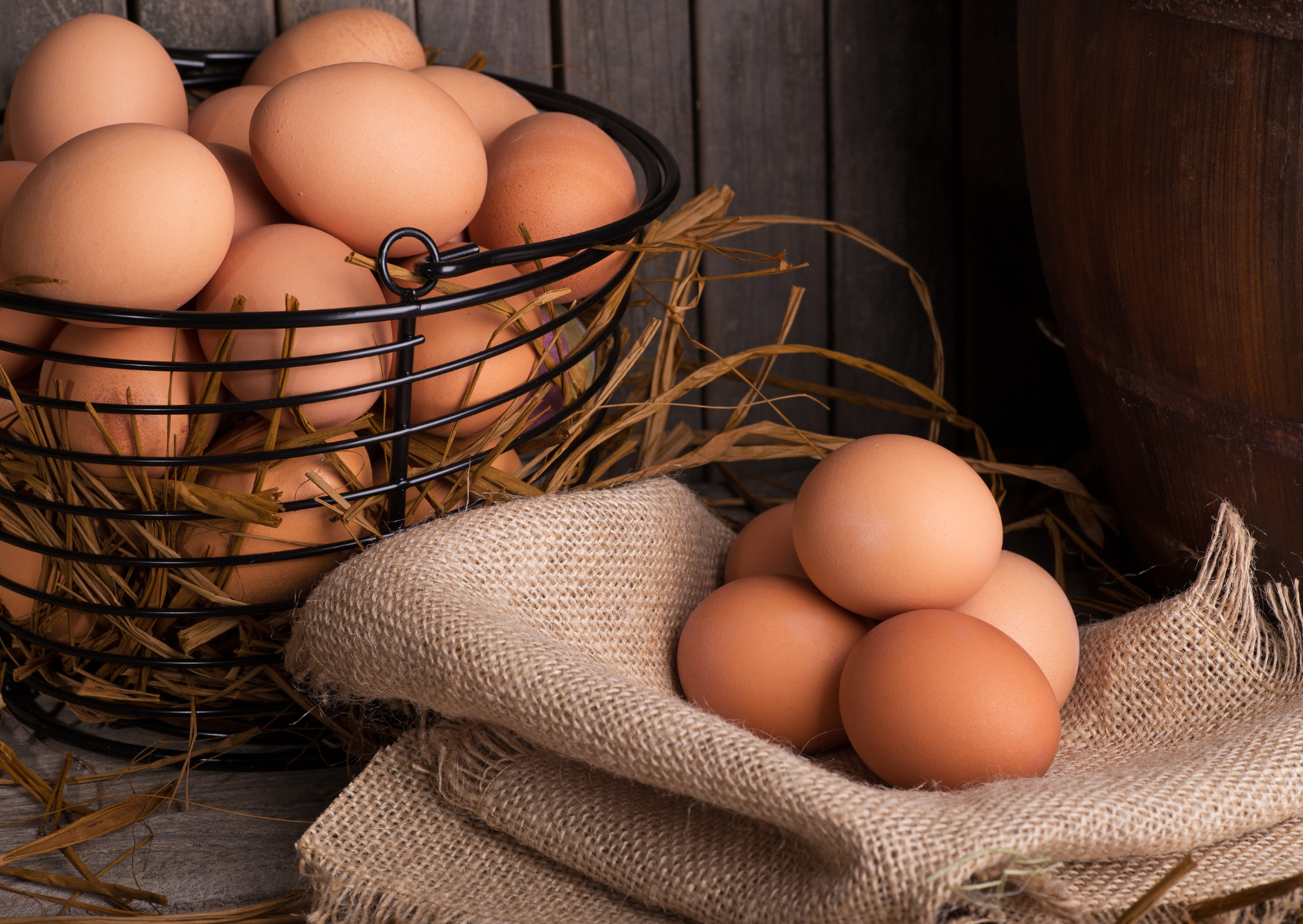
But in Spain, and much of Europe, eggs are not even sold refrigerated.
Why? Because:
- European eggs are not washed and bleached like in the U.S., which keeps their protective outer membrane intact
- This allows them to be stored at room temperature without risk
- Refrigeration begins only if the egg has been pre-washed or cracked
This simple difference creates a totally different relationship with the ingredient.
Spanish cooks trust the egg. They buy it fresh, use it quickly, and know where it came from.
There’s no moral panic over what might happen if it’s a bit runny or left out for a while.
5. It’s One of the Most Affordable Proteins—And Universally Loved
In Spanish cuisine, eggs are foundational, not optional.
They’re a go-to when:
- You’re low on ingredients
- You need to stretch a meal
- You want something fast, flavorful, and satisfying
They’re layered onto rice, baked into vegetables, whipped into sweets, and always present at any meal of the day.
In the U.S., eggs are more associated with breakfast—or, more recently, with high-protein diets and gym culture. But the casual, joyful use of eggs as a dinner staple is far less common.
In Spain, they’re for everyone. Kids, grandparents, athletes, night owls, vegetarians.
They’re humble, reliable, and delicious.
6. American Food Safety Messaging Has Built In Fear—Not Literacy
Part of the difference lies in how each culture teaches food safety.
In the U.S., messaging tends to be:
- “Don’t eat that.”
- “Always refrigerate.”
- “Throw it out if unsure.”
- “Cook it until there’s no pink, no jiggle, no risk.”
This creates a culture of avoidance, where many home cooks are more afraid of illness than they are confident in observation.
In Spain, food safety education starts with:
- Smell
- Sight
- Texture
- Sourcing
- Respecting the ingredient
People are taught how to recognize a bad egg—not fear every one. This leads to confidence, not paranoia.
7. The Cultural Expectation Is That You Know How to Handle Ingredients
In American kitchens, food is often treated as dangerous unless sanitized.
In Spanish kitchens, the assumption is that you are competent enough to handle perishable ingredients. If not, you’ll learn.
- You crack eggs confidently.
- You smell milk before using it.
- You know not to leave shrimp on the counter all day.
- You eat food when it’s fresh—not six hours after it cooled.
There’s trust in the eater—not just in the food. This changes everything about how eggs are handled, enjoyed, and respected.
8. Egg Dishes Are Eaten Communally—Not Scrutinized in Isolation
One underappreciated reason eggs are so beloved in Spain is because they’re almost always:
- Shared
- Simple
- Eaten at the table
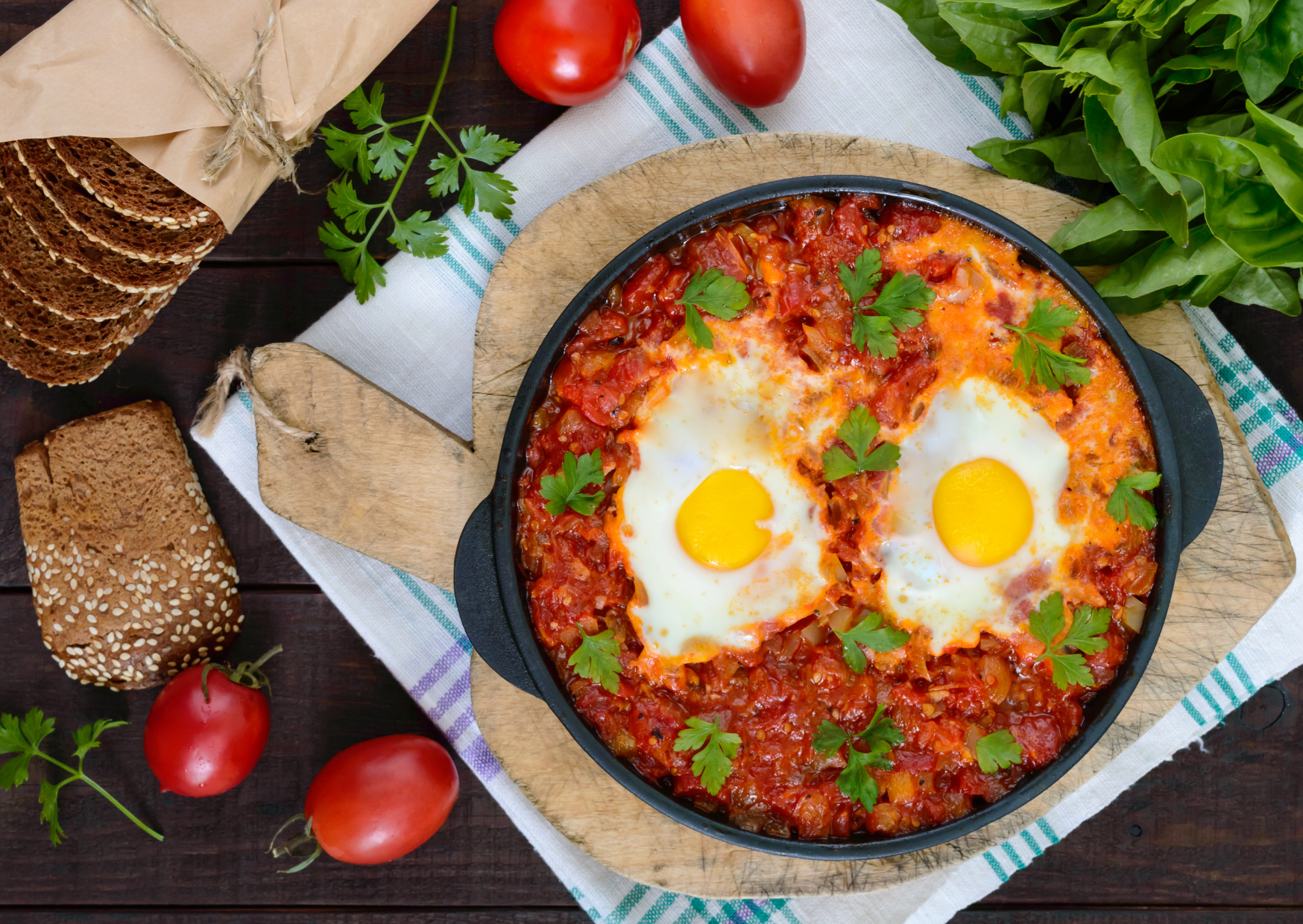
Whether it’s tortilla, fried egg over rice, huevos rotos (eggs over potatoes), or revueltos (soft scrambled eggs with vegetables), these dishes are designed to be eaten together.
And no one is obsessing over:
- How runny your yolk is
- Whether it’s organic
- How long it’s been out
- If it matches your macros
The focus is on the meal, not the ingredient in isolation.
In American food culture, ingredients are often morally categorized: “clean,” “safe,” “whole,” “dangerous.”
In Spain, they’re understood through practice and history.
9. Food Isn’t Treated as a Liability—It’s Treated as a Ritual
Ultimately, the reason Spanish families eat eggs daily—even in forms Americans consider risky—is because food in Spain is not reduced to risk.
It’s tied to:
- Ritual
- Rhythm
- Season
- Trust
- Pleasure
The egg is not a vector. It’s an ingredient. A deeply flexible, culturally embedded, emotionally trusted staple.
The result?
No fear. Just good meals.
One Ingredient, Two Attitudes
To Americans, an undercooked egg might signal danger.
To Spaniards, it signals flavor.
To Americans, an egg left on the counter feels like a lawsuit.
To Spaniards, it feels like lunch later.
One culture approaches food through liability and caution.
The other through tradition and instinct.
Both want safety. But only one makes room for confidence, too.
And in Spain, that confidence starts with the yolk—golden, runny, and unbothered.

About the Author: Ruben, co-founder of Gamintraveler.com since 2014, is a seasoned traveler from Spain who has explored over 100 countries since 2009. Known for his extensive travel adventures across South America, Europe, the US, Australia, New Zealand, Asia, and Africa, Ruben combines his passion for adventurous yet sustainable living with his love for cycling, highlighted by his remarkable 5-month bicycle journey from Spain to Norway. He currently resides in Spain, where he continues sharing his travel experiences with his partner, Rachel, and their son, Han.