
Last updated on January 14th, 2026 at 04:40 am
And what it reveals about post-meal culture, body awareness, and why one country walks off lunch while the other reaches for pills
In Italy, digestion isn’t treated like a medical issue. It’s treated like a rhythm. Meals are eaten slowly. Conversation stretches the pace. And after the last fork hits the plate, most Italians don’t lie down, reach for medication, or blame gluten. They walk.
It’s so common that it doesn’t even have a name. There’s no trend label. No clinical protocol. Just a cultural habit: una passeggiata—a light, gentle walk after meals.
In the United States, digestion is more complicated. Post-meal routines involve heartburn tablets, enzyme pills, or just groaning on the couch. The idea of walking sounds nice. But few do it. And fewer still connect it to digestion.
Here’s why Italians have walked after meals for generations—and why that quiet trick works better than most supplements.
Want More Deep Dives into Other Cultures?
– Why Europeans Walk Everywhere (And Americans Should Too)
– How Europeans Actually Afford Living in Cities Without Six-Figure Salaries
– 9 ‘Luxury’ Items in America That Europeans Consider Basic Necessities
Quick Easy Tips
Don’t rush off immediately after eating—give your body a moment to settle.
Take a relaxed 10–15 minute walk after meals.
Finish your meal with something warm instead of something sugary or iced.
Avoid heavy multitasking while eating; focus on the meal.
Keep portions moderate so digestion feels smooth, not strained.
One controversial point is whether these Italian habits are truly digestive “tricks” or simply lifestyle choices that Americans don’t prioritize. Critics argue that calling them tricks overcomplicates what is really just mindful living. Yet many Italians insist that these consistent little habits genuinely help their bodies function better after meals.
There’s also debate over whether American medical culture is too focused on clinical solutions while overlooking everyday behavioral habits. Some believe doctors undervalue simple lifestyle adjustments because they can’t be standardized or prescribed. Others counter that doctors emphasize evidence-based advice, not cultural practices, even if those practices are harmless and popular.
Finally, some argue that the American approach to eating—fast, distracted, and rushed—creates digestive issues that Europeans experience less often. Others feel this comparison oversimplifies cultural differences and ignores factors like work schedules, food quality, and pace of life. Whether you agree or not, the contrast reveals just how deeply culture shapes not only how we eat but how we feel after we do.
1. The walk is part of the meal not an afterthought
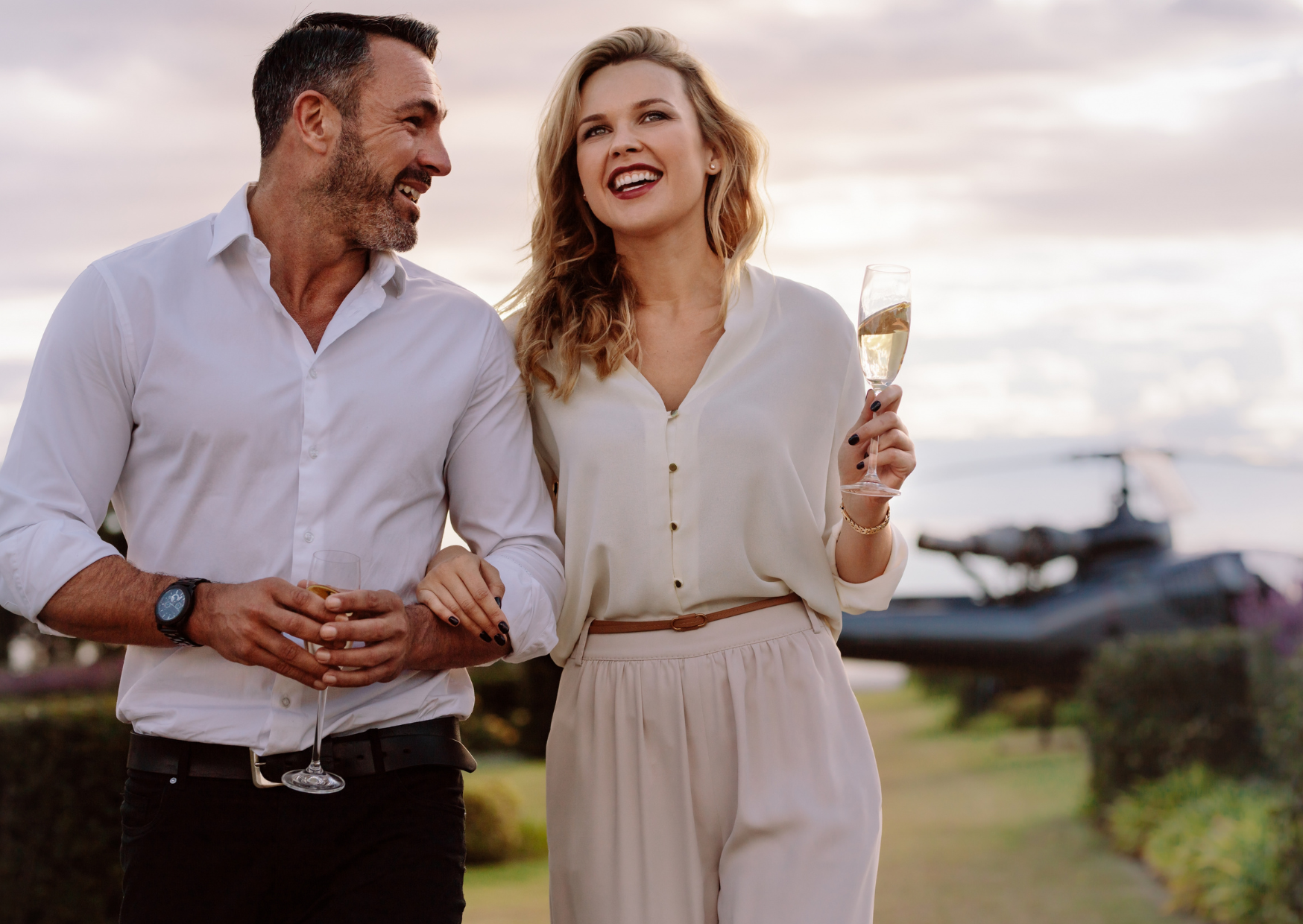
In many Italian towns, especially in the south, lunch isn’t finished when you leave the table. It continues onto the street. People stroll slowly through town centers, along shaded paths, or around quiet neighborhoods. No one walks fast. No one walks far. But they move.
This movement doesn’t just aid digestion—it signals the body that the meal is ending. The shift in posture, rhythm, and pace helps trigger digestive processes, regulate blood sugar, and prevent that heavy, bloated feeling.
In the U.S., meals are more transactional. Once the plate is cleared, the body is forgotten. It’s either rushed back to work or collapsed onto the sofa. That abrupt shift—from food to stillness—interrupts digestion, rather than supporting it.
2. Slowness is the medicine
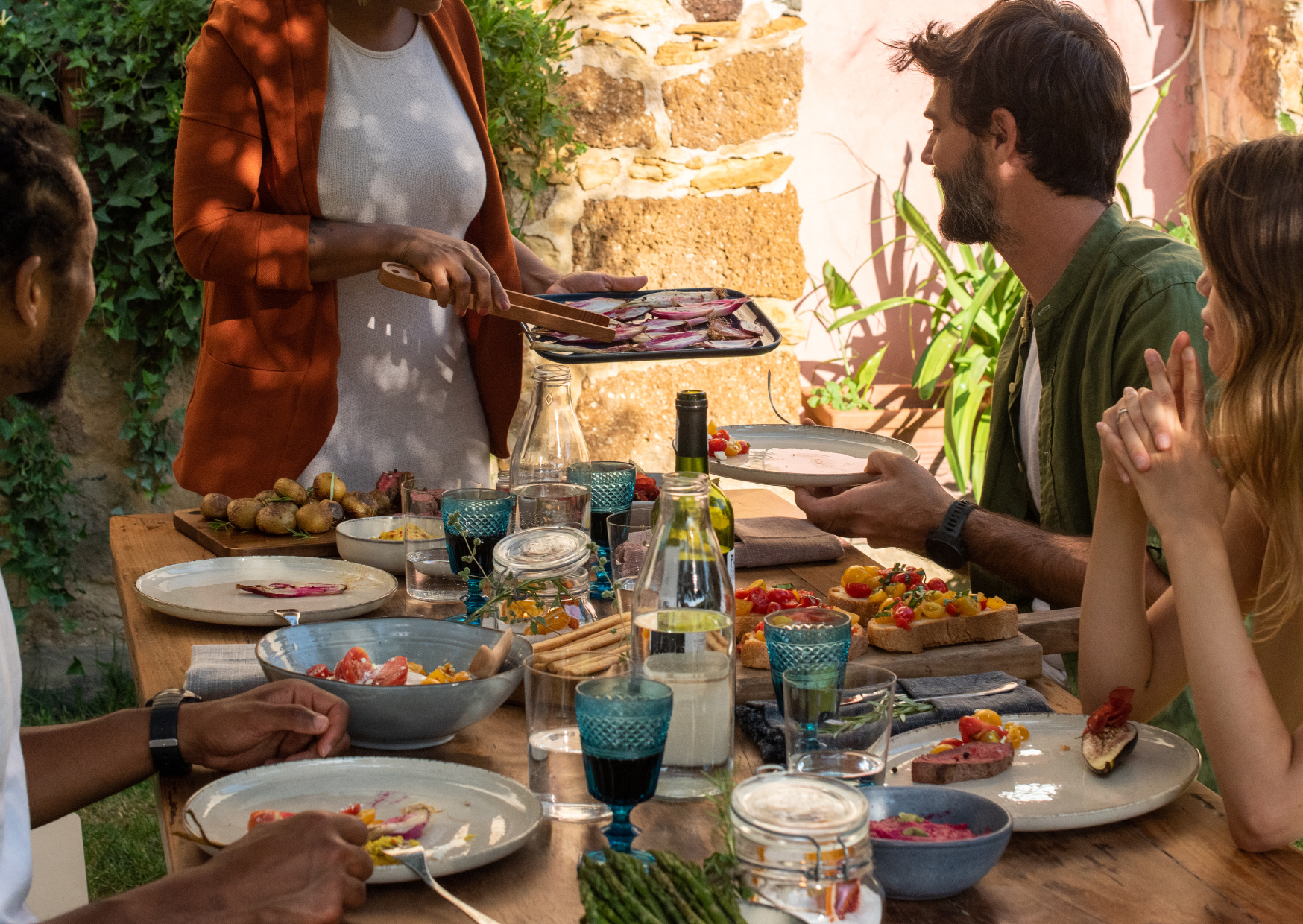
The passeggiata isn’t exercise. It’s not a power walk. It’s slow, easy movement. The goal isn’t calorie burn. It’s circulation. By gently increasing blood flow, the walk supports stomach activity and reduces post-meal sluggishness.
Studies show that light movement after eating improves glucose regulation and insulin sensitivity. But most American routines don’t allow it. Meals are sandwiched between commitments. Movement is framed as separate from eating—something done before or hours later.
In Italy, there’s no separation. The meal and the walk are two halves of the same experience.
3. The digestive system isn’t outsourced to pills
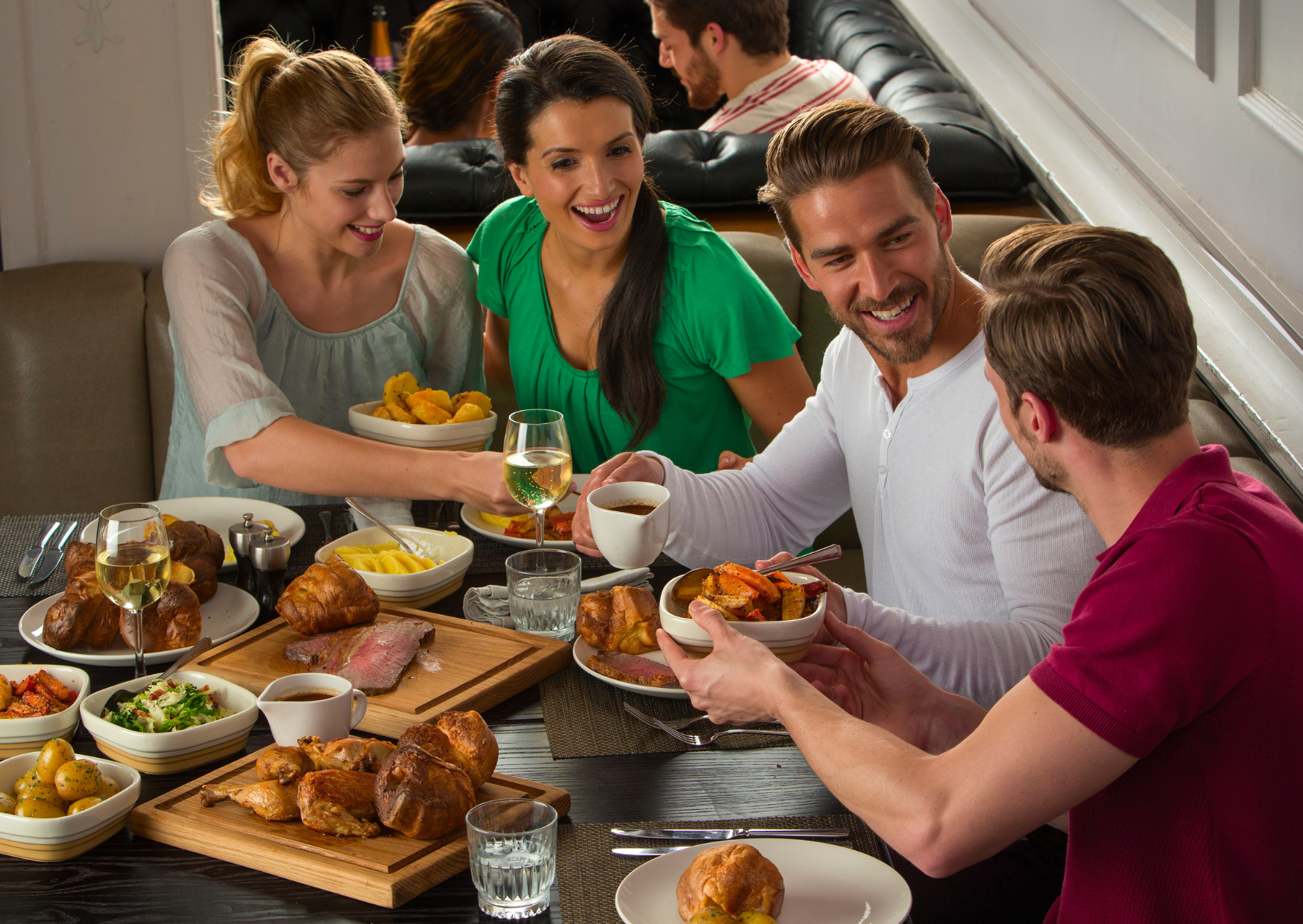
In American medicine, poor digestion is solved with products: antacids, probiotics, enzymes. The assumption is that something’s wrong—and needs fixing.
In Italy, digestion is lived. The body isn’t treated as broken. It’s guided gently. A heavy meal is followed by a lighter dinner. A big lunch is followed by a walk. A bit of fennel tea might appear—but rarely medication.
This isn’t about being anti-science. It’s about trusting the body’s rhythm before turning to intervention.
4. Walking together amplifies the benefit
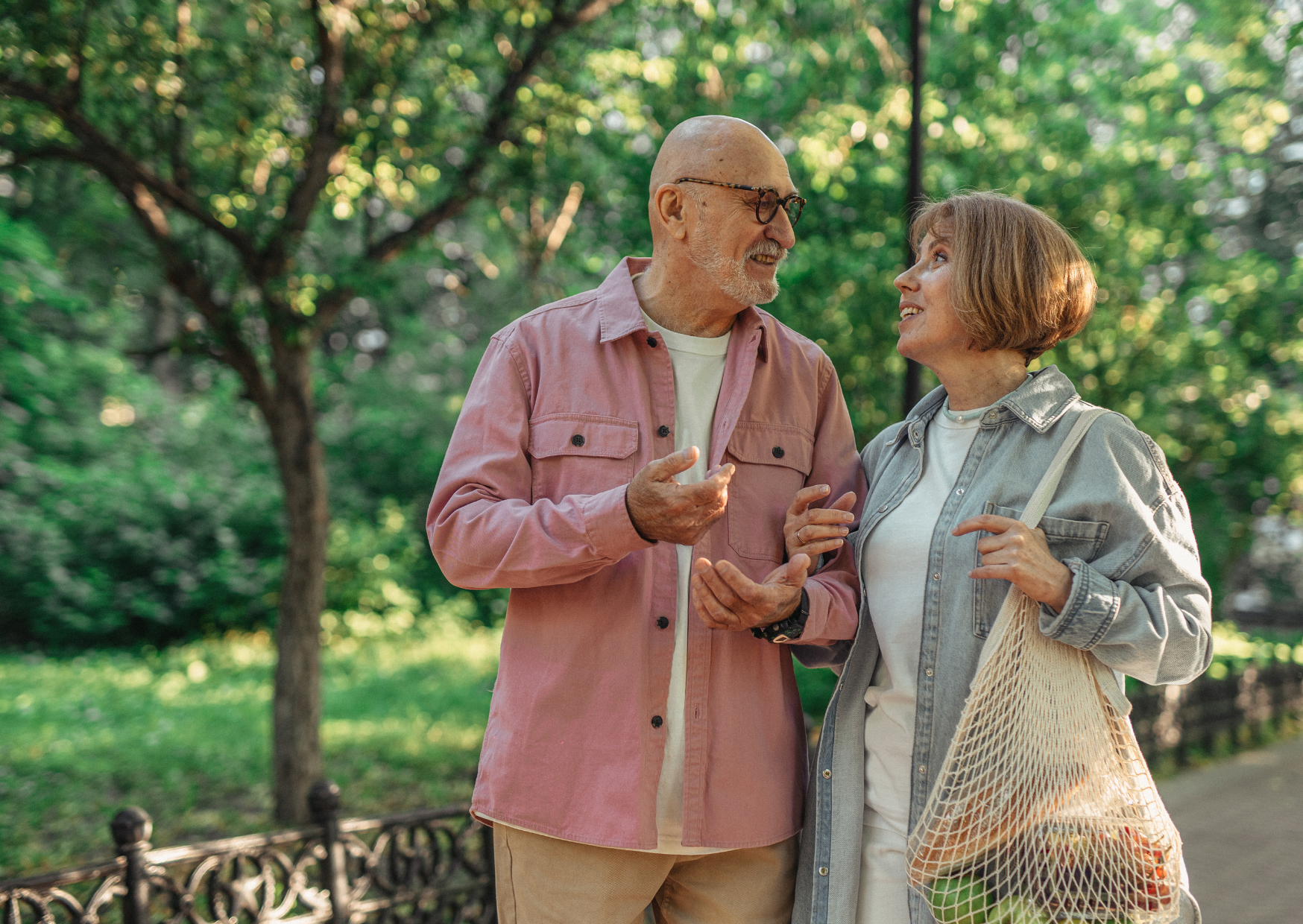
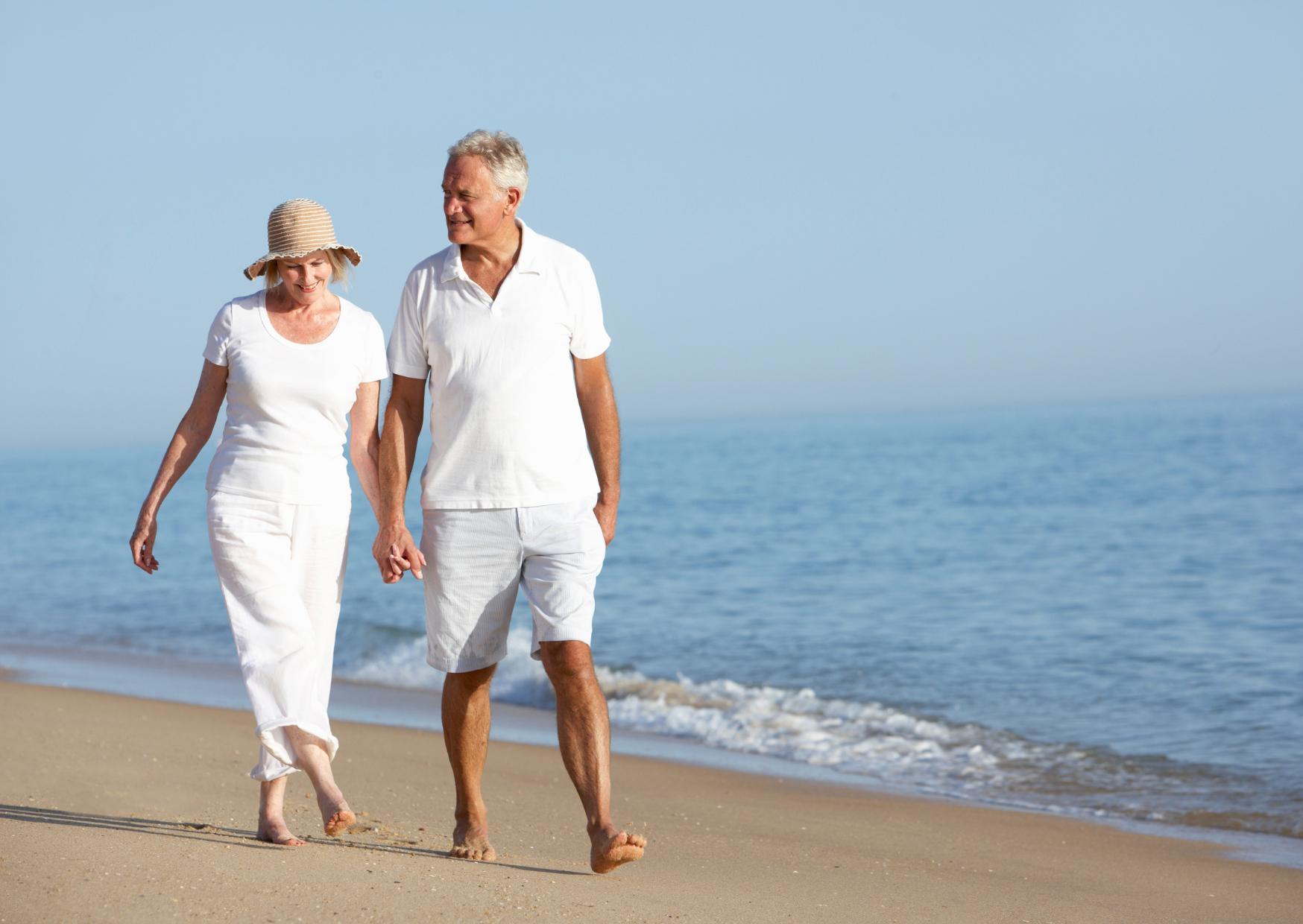
Passeggiata isn’t just personal. It’s social. People walk with family. Neighbors chat. Couples stroll arm in arm. This interaction enhances the benefit: stress drops, posture improves, and digestion becomes part of a communal rhythm.
In the U.S., post-meal time is solitary. Everyone disperses. Screens come out. Social interaction stops. The nervous system stays tense.
But digestion is parasympathetic. It needs calm, not cortisol. Italy provides that—not through silence, but through soft connection.
5. The walk prevents overeating not punishes it
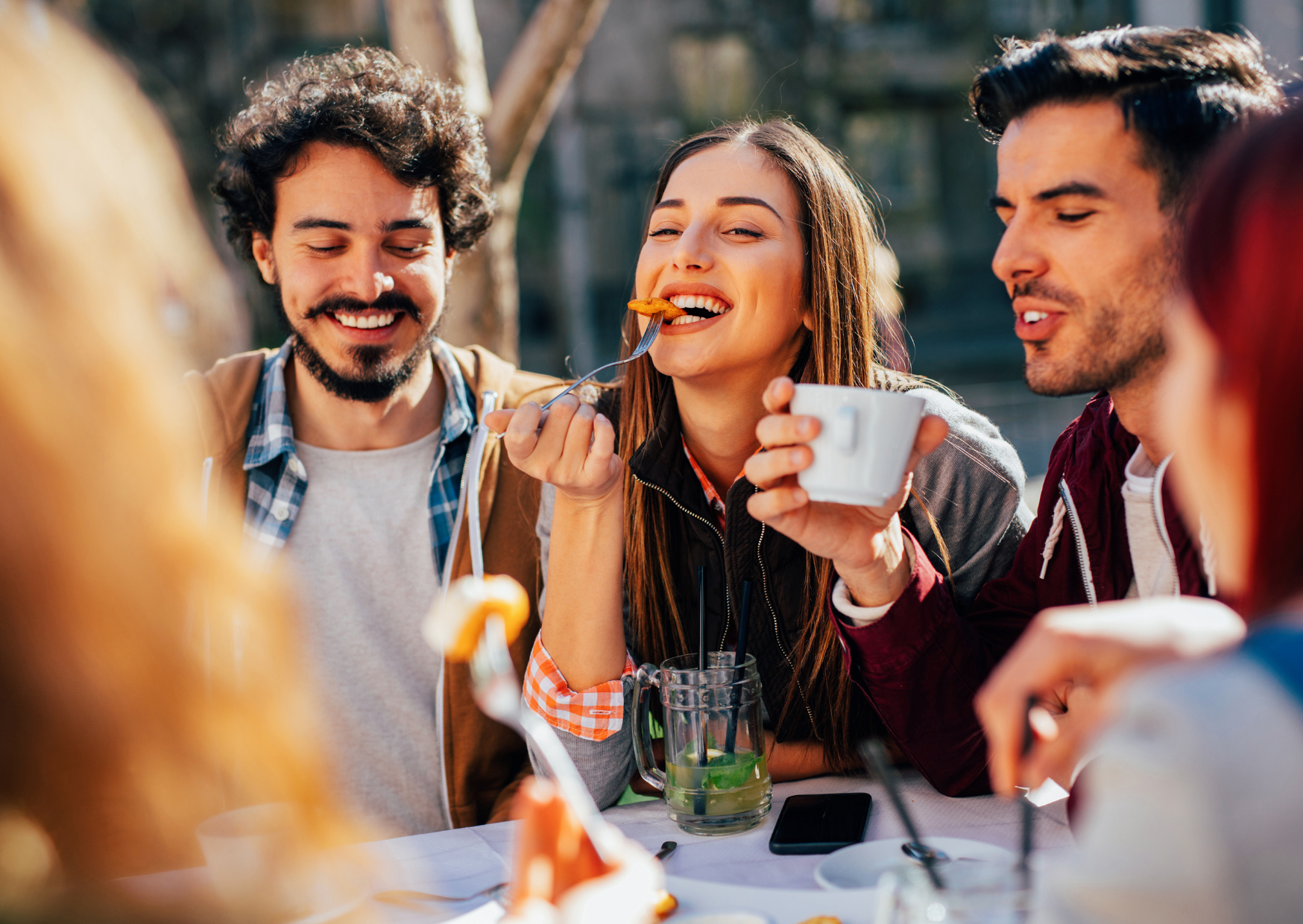
Knowing there’s a walk after the meal changes how Italians eat. They pace themselves. They notice fullness. The meal is savored, not devoured.
In American culture, meals often end at max capacity—followed by regret. Walking, when done, is corrective. In Italy, it’s preventive. It keeps the appetite honest.
That gentle walk encourages the meal to settle, not overwhelm.
6. The tradition is ancient but modern science supports it
Ancient Romans walked after meals. So did Greeks, Persians, and countless cultures before modern schedules erased the habit.
Modern studies show that walking for just 10–15 minutes after eating reduces gas, bloating, reflux, and blood sugar spikes. It supports peristalsis and decreases the time food lingers in the stomach.
Yet in American health culture, this information rarely reaches people. It’s buried beneath diets, protocols, and prescriptions.
Italy kept the solution in plain sight.
7. The digestive walk doesn’t need a gym outfit
One of the reasons the passeggiata works is that it’s easy. No need to change clothes. No need to “work out.” You finish lunch, pick up your bag, and walk.
That accessibility is powerful. In the U.S., movement is branded—needing gear, trackers, plans. So walking after a meal feels insufficient, unless it’s measured.
In Italy, the only measure is how you feel when you return.
8. The habit builds decades of support
Italian elders who’ve walked after meals for decades often show stronger digestion, fewer chronic complaints, and greater flexibility late in life. Their bodies remember the rhythm.
In the U.S., the body is remembered only when it breaks. Italian life includes the body at every step.
This shows in the skin, the mood, the posture. The walk is subtle. But it builds.
When Digestion Follows Culture
You don’t need a new diet. You don’t need another supplement. Sometimes, you need a walk.
Italy has taught this without teaching it. It’s lived. And while American wellness culture chases complexity, the real trick is simple: eat well, then move gently.
No price. No app. No prescription. Just the slow return to presence—step by step.
Final Thoughts
Italy’s after-meal habits aren’t just charming cultural quirks—they’re thoughtful routines shaped by centuries of observation and lifestyle wisdom. While American wellness trends often focus on supplements, probiotics, and overly complex health hacks, Italians tend to embrace simple, consistent practices that support digestion without sounding like medical advice. These traditions survive because they genuinely make people feel better.
What surprises many visitors is how effortless these habits seem. Italians don’t label them as “biohacks” or “wellness rituals.” They’re woven into everyday life, from sitting longer at the table to walking slowly after dinner. You get the sense that Italian health culture values balance—eating well, resting well, and moving gently—not extremes or quick fixes.
In the end, whether or not American doctors highlight these habits isn’t really the point. What matters is that these small, natural post-meal routines can actually make meals more enjoyable and your body feel more at ease. Sometimes the simplest traditions offer the most noticeable benefits.

About the Author: Ruben, co-founder of Gamintraveler.com since 2014, is a seasoned traveler from Spain who has explored over 100 countries since 2009. Known for his extensive travel adventures across South America, Europe, the US, Australia, New Zealand, Asia, and Africa, Ruben combines his passion for adventurous yet sustainable living with his love for cycling, highlighted by his remarkable 5-month bicycle journey from Spain to Norway. He currently resides in Spain, where he continues sharing his travel experiences with his partner, Rachel, and their son, Han.