

Our full recipe guide on how to make Croissant the most popular breakfast in France.
Making authentic croissants is a rewarding yet time-consuming process that involves laminating dough with butter to create its signature flaky layers. Here’s a step-by-step guide to help you make classic French croissants from scratch.
Read here best French Food, vegetarian food in France, France and Switzerland 14 Days Itinerary and Classic French Breakfast
BOOK YOUR TRAVEL INSURANCE
Two of our favorite travel insurance: Heymondo Vs Safetwing cheapest travel Insurance. You can get for $135 USD your Heymondo Travel Insurance with Heymondo discount code valid for 90 days. Read our full comparison of Genki vs Safetywing Travel Insurance Review and the comparison Heymondo vs Genki
How to Make Croissant
Croissant Recipe Ingredients
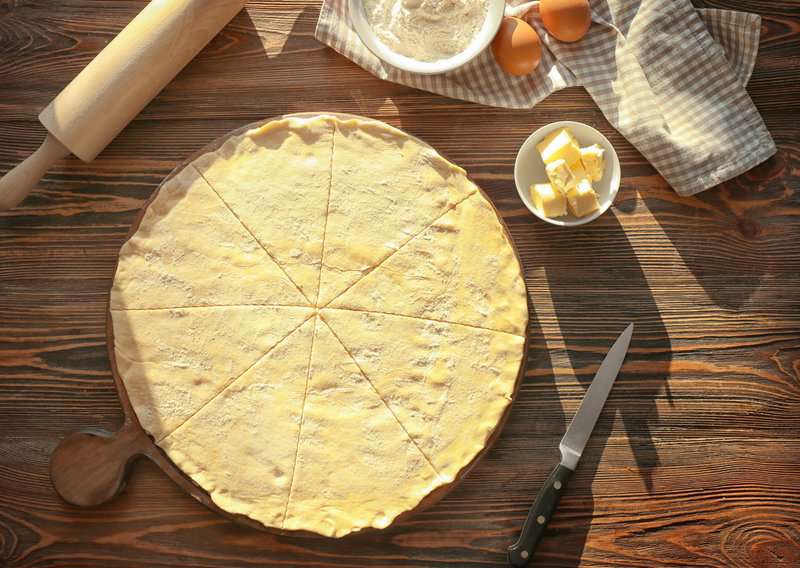
500g all-purpose flour (preferably a mix of 400g all-purpose and 100g bread flour for stronger gluten formation)
140ml water
140ml milk
55g sugar
40g soft unsalted butter
10g salt
10g instant yeast
250g unsalted butter (for laminating, very cold)
Get the best deals for your home and kitchen needs
Step By Step How to Make Croissant
Step 1 – Prepare the Dough
In a large bowl, combine the flour, sugar, salt, and yeast. Mix well to distribute the yeast evenly. Add the water and milk to the dry ingredients. Mix until a rough dough forms.
Turn out the dough onto a lightly floured surface and knead for about 10 minutes until smooth and elastic. During the last 2 minutes, knead in the 40g of soft butter. Place the dough in a lightly oiled bowl, cover with a damp cloth, and let it rise for about 1 hour, or until doubled in size.
Step 2 – Prepare the Butter Layer
Between two sheets of parchment paper, pound and roll the 250g of cold butter into a rectangle about 8×5 inches. Keep edges straight and even. Place in the refrigerator to chill.
Step 3 – Laminating the Dough
Once the dough has risen, turn it out and roll into a rectangle about 16×10 inches. Place the chilled butter on half of the dough rectangle and fold the other half over it, sealing the edges to encase the butter completely.
Roll the dough into a 24×8 inch rectangle, then fold it into thirds like a letter. This is your first turn. Wrap in plastic wrap and chill in the refrigerator for 30 minutes. Perform two more folds, chilling the dough for 30 minutes between each fold.
Step 4 – Shaping the Croissants
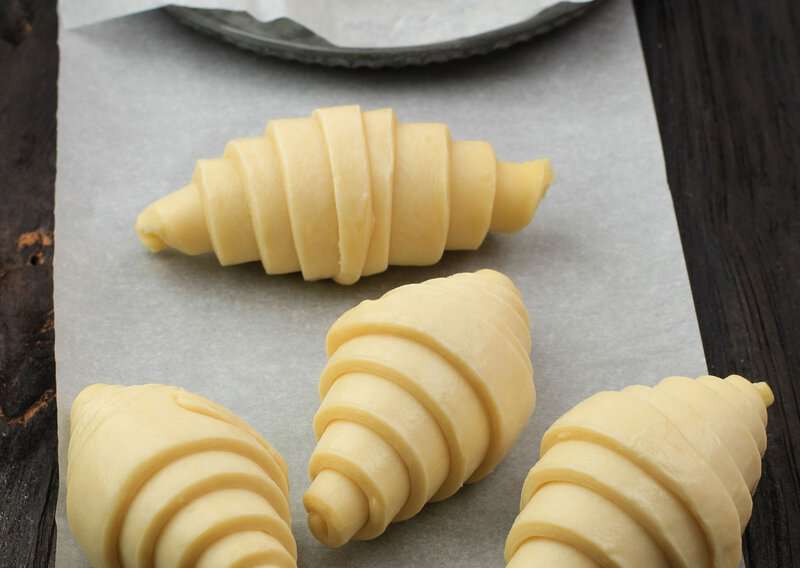
Roll the laminated dough into a rectangle about 1/4 inch thick. Cut the dough into triangles with a base around 3-4 inches wide. Roll the triangles from the base to the tip, forming a crescent shape. Place on baking sheets lined with parchment paper, ensuring the tip is tucked under the croissant to prevent it from unrolling during baking.

Step 5 – Proofing and Baking
Cover the shaped croissants with a lightly oiled plastic wrap. Let them proof in a warm, draft-free place for 1.5 to 2 hours until they are puffy and have visibly increased in size.
Preheat your oven to 400°F (200°C). Just before baking, brush the croissants with an egg wash (1 beaten egg mixed with a tablespoon of water). Bake for 15-20 minutes or until golden brown.
Tips To Make Croissant
Keep everything as cool as possible (but not cold) during laminating to prevent the butter from melting. Do not skip the resting steps; they are crucial for the butter to harden and the gluten to relax, which is necessary for successful lamination.
How Many Calories Has A Croissant
The calorie content of a croissant can vary depending on its size and specific ingredients, especially the amount of butter used. A standard medium-sized butter croissant contains approximately 230 to 270 calories.
Origin and History
Croissants may be one of the most iconic symbols of French baking, but their origin story is more layered than the pastry itself. While France perfected the croissant as we know it today, its earliest inspiration traces back to Austria. The kipferl, a crescent-shaped pastry enjoyed in Vienna, is considered the croissant’s ancestor and was made centuries before the French version appeared.
The croissant entered French cuisine in the 19th century when Austrian pastries became popular in Parisian cafés. French bakers, known for their technical precision, began transforming the kipferl into something entirely new. They introduced laminated dough—alternating layers of butter and dough—to create the signature flaky texture that sets croissants apart from their Austrian predecessors.
By the early 20th century, the croissant had fully evolved into a French classic. Bakeries across the country standardized the technique, and the pastry became a morning staple. Today, croissants are synonymous with French culinary artistry, celebrated for their delicacy, aroma, and craftsmanship.
One common debate is whether croissants should be made with butter or margarine. Traditionalists insist that real butter is non-negotiable, claiming it gives croissants their rich flavor and unmistakable aroma. However, some commercial bakeries use margarine because it performs more consistently and melts more slowly. Purists argue this compromises authenticity.
Another point of contention concerns shortcuts. Modern home bakers often look for faster methods using pre-made dough or fewer folds. Some chefs argue that a true croissant requires long fermentation and proper lamination, while others believe that simplifying the process helps more people enjoy baking without intimidation. The divide highlights a tension between tradition and accessibility.
There’s also ongoing discussion about what makes a croissant “perfect.” Some prefer a deeply caramelized, crisp exterior, while others want a lighter color with a soft, airy crumb. Regional styles and personal preferences shape these opinions, making croissants one of the most debated pastries in the baking world.
How Long You Take to Prepare
Making homemade croissants is a time commitment, but most of the process involves resting and chilling the dough rather than active work. Mixing the dough takes about 20 minutes, after which it needs to rest for an hour or more to develop elasticity. This first step lays the foundation for layering and structure.
The lamination process—rolling, folding, and layering butter into the dough—typically takes two to three hours, including chilling periods between folds. Each rest allows the butter to firm up and the dough to relax, preventing tearing and ensuring clean layers. This step is crucial for creating flaky, distinct layers.
Once shaped, croissants undergo a final proofing period that ranges from one to three hours depending on room temperature. They then bake for 15 to 20 minutes until golden and aromatic. In total, homemade croissants require about half a day, but the actual hands-on time is relatively short.
Serving Suggestions
Croissants are delightful on their own, especially when enjoyed warm and fresh from the oven. Their buttery layers pair beautifully with coffee, tea, or hot chocolate, making them ideal for breakfast or a leisurely weekend brunch. A simple spread of jam, honey, or butter enhances the flavor without overwhelming the pastry.
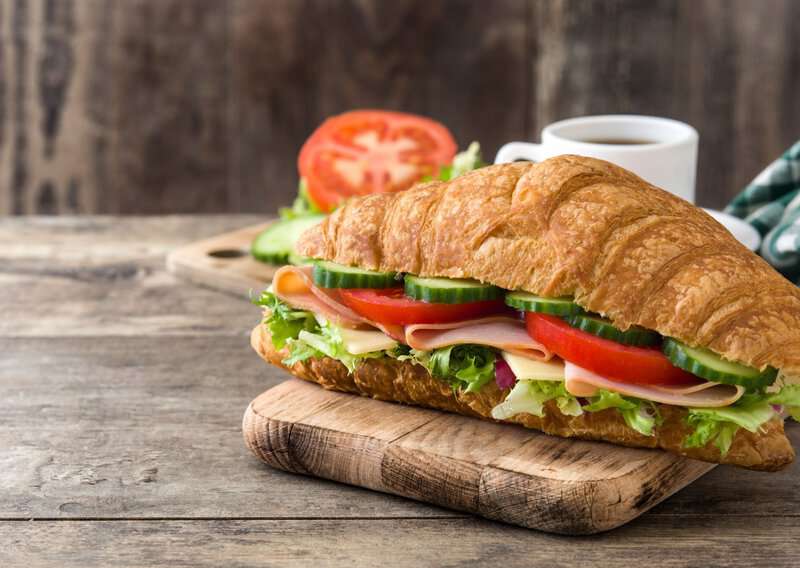
For a savory twist, serve croissants with scrambled eggs, cheese, or smoked salmon. Their subtle sweetness and airy texture make them a versatile companion to brunch platters. You can also turn day-old croissants into delicious sandwiches filled with ham, brie, greens, or roasted vegetables.
If you’re looking to elevate dessert, use croissants to make bread pudding or serve them alongside fruit and whipped cream. Their golden crust and tender interior make them a natural base for sweet creations. Whether simple or elevated, croissants adapt easily to any table.
Final Thoughts
Homemade croissants may seem intimidating, but the process becomes surprisingly approachable once you understand the rhythm of resting, rolling, and layering. The reward is immense: a pastry that fills your kitchen with warm, buttery aroma and tastes fresher than anything you can buy. It’s a project that mixes patience with creativity.
What makes croissants truly special is the blend of technique and tradition behind them. Each fold reflects centuries of craftsmanship passed from one baker to another. When you make them at home, you’re not just baking—you’re taking part in a culinary legacy that spans cultures and generations.
In the end, the effort is absolutely worth it. One bite of a warm, flaky, melt-in-your-mouth croissant is all it takes to understand why people fall in love with this pastry. Whether you make them for a special occasion or a quiet morning treat, homemade croissants bring a little piece of Paris right into your kitchen.

About the Author: Ruben, co-founder of Gamintraveler.com since 2014, is a seasoned traveler from Spain who has explored over 100 countries since 2009. Known for his extensive travel adventures across South America, Europe, the US, Australia, New Zealand, Asia, and Africa, Ruben combines his passion for adventurous yet sustainable living with his love for cycling, highlighted by his remarkable 5-month bicycle journey from Spain to Norway. He currently resides in Spain, where he continues sharing his travel experiences with his partner, Rachel, and their son, Han.