
And what it reveals about tempo, tolerance, and a culture that doesn’t dilute intensity for comfort
If you’ve ever ordered a caffè in Italy, expecting a leisurely, gentle drink to cradle in your hands, you were likely caught off guard. It’s small. It’s hot. It arrives seconds after you order it. And before you’ve even stirred in your sugar, the person next to you has already finished theirs and walked out.
What really catches many Americans by surprise, though, is the temperature. The coffee is served blisteringly hot. Not warm. Not sippable. Scalding.
There’s no warning. No “careful, it’s hot.” No extra sleeve around the cup. Italians just seem to sip it naturally, even immediately — often while standing at a crowded bar. For American travelers accustomed to lattes and drip coffee cooled to safe sipping levels, this looks painful, reckless, maybe even dangerous.
But for Italians, this is the norm — and it’s non-negotiable.
Here’s why Italians drink coffee at a temperature that burns American throats, and what this says about cultural differences in taste, pace, and the way each country understands how heat shapes experience.
Want More Deep Dives into Everyday European Culture?
– Why Europeans Walk Everywhere (And Americans Should Too)
– How Europeans Actually Afford Living in Cities Without Six-Figure Salaries
– 9 ‘Luxury’ Items in America That Europeans Consider Basic Necessities
Quick Easy Tips
Don’t sip shoot. Italian espresso isn’t meant to be cradled for half an hour. Order it, wait a few seconds to cool, then drink it in two or three quick gulps. You’ll experience the intended balance of flavor and aroma before the crema disappears.
Avoid overcomplicating. Skip the syrups, whipped cream, and extra milk. Authentic Italian coffee thrives on simplicity. A dash of sugar, maybe, but nothing more it’s about purity, not dessert.
Use the right cup. Espresso should be served in a pre-warmed demitasse cup. The small porcelain vessel keeps the heat consistent and prevents the drink from cooling too fast. Italians consider this detail as important as the coffee itself.
Respect the time of day. Never order a cappuccino after 11 a.m. Italians see milk-based coffee as a breakfast item. After that, it’s espresso or macchiato only light, hot, and unapologetically strong.
Coffee in Italy is more than just a morning beverage it’s a ritual, an identity, and a symbol of national pride. But for many Americans, one sip of an authentic Italian espresso feels like liquid fire. Italians often drink their coffee at temperatures around 160–170°F, much hotter than the lukewarm lattes served in American coffee chains. For Italians, that heat isn’t accidental it’s essential. They believe coffee should be consumed quickly and intensely, capturing both aroma and warmth in a single, perfect moment.
This temperature difference sparks endless debate among coffee lovers. Americans, accustomed to sipping larger, cooler drinks over long periods, find Italian coffee too hot to enjoy leisurely. Italians, on the other hand, see the American approach as an insult to the espresso itself. The drink is meant to be experienced at its peak, not diluted with ice or milk and left to linger. For them, temperature preserves the flavor balance bitter, bold, and slightly sweet.
Some baristas claim that lowering the temperature alters espresso’s chemistry. Hotter water extracts oils and aromatics more efficiently, giving Italian coffee its signature crema and full-bodied taste. Cooler brews, while smoother, often lose intensity. This isn’t just preference it’s philosophy. Italians drink their coffee fast, standing at a bar, and move on with their day. For them, coffee isn’t comfort it’s vitality.
1. Coffee in Italy Is Not Designed for Lingering
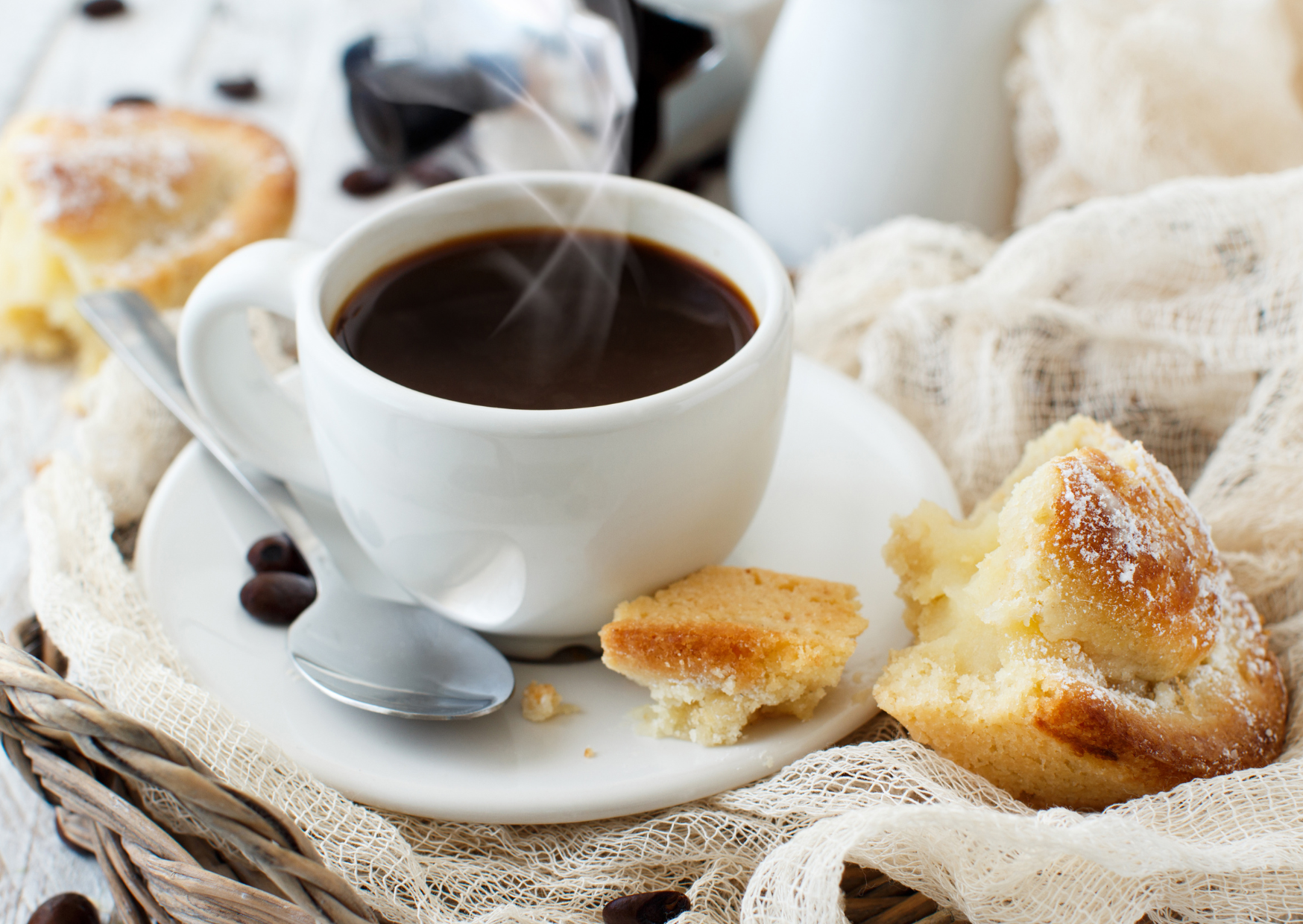
American coffee culture invites you to stay awhile. You get a grande, maybe a venti. You take it to your desk, your car, your Zoom call. The cup is insulated. The heat is controlled.
In Italy, espresso is meant to be consumed quickly and hot, often at the bar, while standing. It is not meant to be cooled, sipped slowly, or transported in a cup holder.
The drink’s heat is part of the experience. You drink it hot because you’re present, focused, engaged. There’s no to-go culture here — because coffee isn’t a background task. It’s a moment.
2. The Temperature Enhances the Intensity
Italians value intensity of flavor, and temperature is central to that.
Espresso served piping hot sharpens the bitterness, heightens the aroma, and delivers the crema — that golden foam that forms on top — at its peak.
American coffee, especially filtered or blended drinks, often emphasizes balance, sweetness, or subtlety. But Italian espresso, when taken very hot, hits like a jolt. It’s not supposed to be gentle. It’s supposed to wake you up — fast.
Cooling it down softens the edges. Italians don’t want that. They don’t want comfort. They want clarity — and heat is the vessel that delivers it.
3. Italians Are Used to Waiting a Beat — Americans Are Not
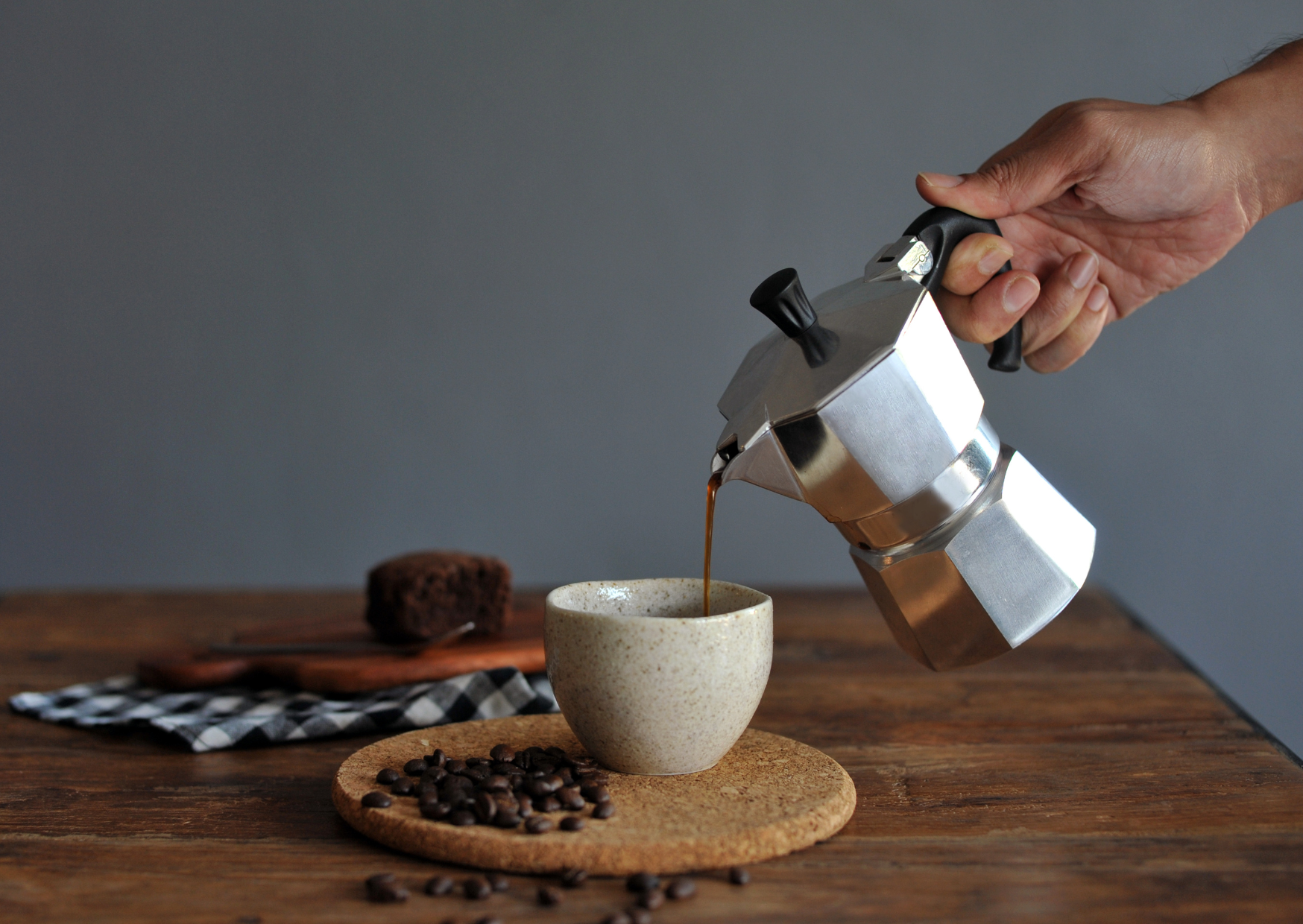
A cultural detail that often goes unnoticed: Italians don’t gulp their coffee immediately. They take a second. They stir. They let the crema settle. Sometimes they add sugar. Then they sip — and yes, it’s still hot.
Americans often go straight from cup to mouth. But in Italy, there’s a rhythm: pause, prepare, drink. That brief delay is built into the practice.
You don’t ask for your coffee “extra hot” or “less hot.” You trust the barista. You adjust your sip.
It’s not about controlling the temperature. It’s about adjusting your behavior to match it.
4. There Are No Sleeves or Caution Signs
In the U.S., hot drinks come with heat sleeves, temperature warnings, and sometimes even legal disclaimers. “Contents may be hot.” “Handle with care.”
In Italy, there’s none of that — because you’re expected to already know.
Espresso cups are ceramic. They don’t burn your hands. But they do retain heat. You hold it gently, drink it fresh, and move on.
It’s part of the national trust: you know it’s hot. You know not to chug. You’re an adult.
No need for corporate disclaimers. Just awareness.
5. It’s Not Supposed to Be Carried — It’s Supposed to Be Consumed
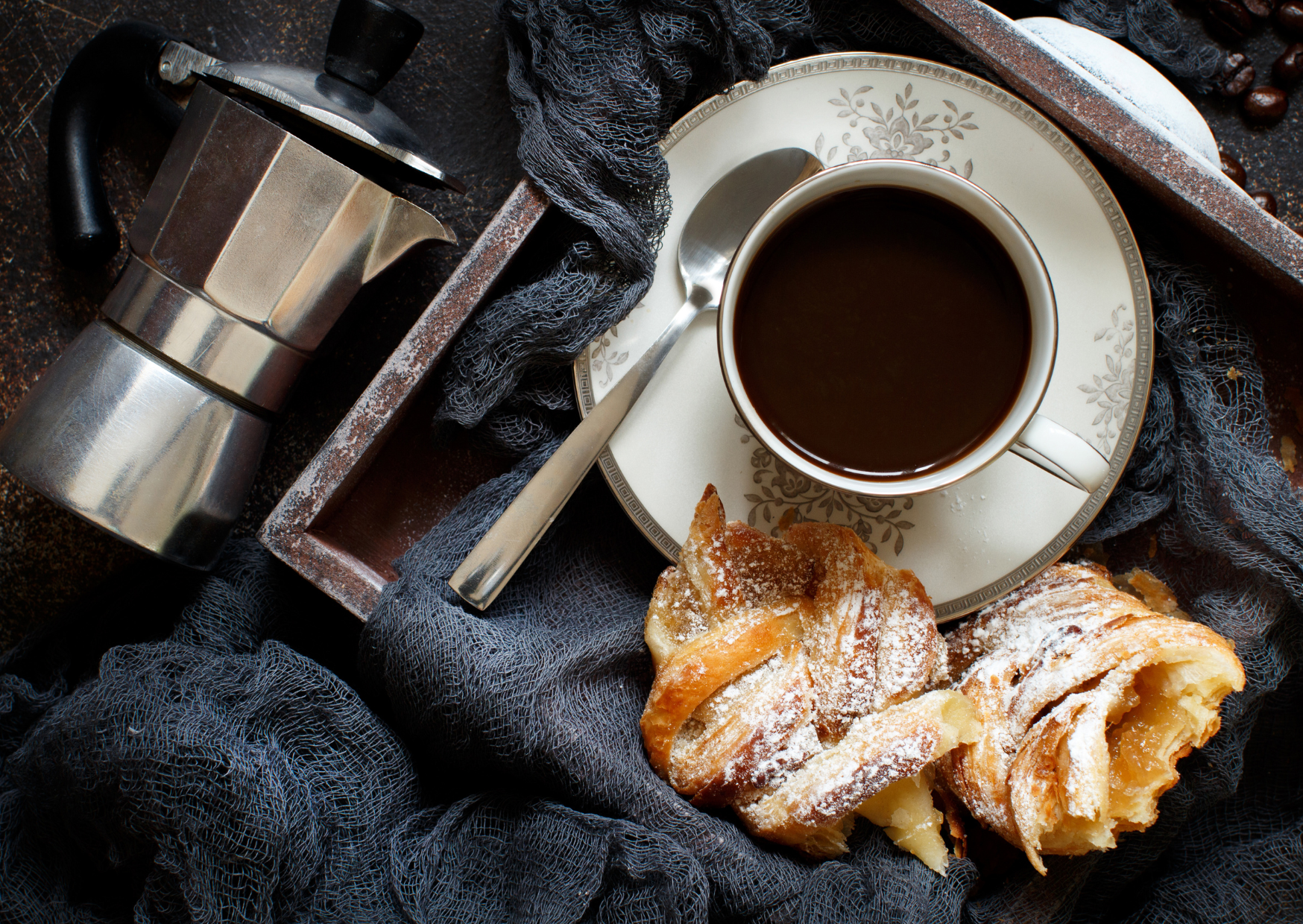
In the U.S., coffee is often portable. You carry it around a store, through an airport, or to a meeting. Because of that, it’s usually cooled slightly, to avoid spills, discomfort, or waiting time.
In Italy, coffee is not carried. It’s ordered. Drunk. Done.
There’s no lid. No straw. No branded thermos. The drink isn’t engineered for transport. It’s engineered for immediacy.
So the heat isn’t a flaw. It’s a feature. The drink is at its best right then, at that exact temperature, for that exact moment.
6. There’s No Ice Coffee Culture — Because Cold Coffee Defeats the Purpose
While iced coffee has gained ground in Italy, it’s still far from mainstream — and usually only consumed in the summer, as caffè shakerato (a shaken espresso with ice and sugar).
The general attitude is: why dilute something meant to be strong, sharp, and precise?
In American culture, coffee is often softened, sweetened, and chilled to make it more palatable. In Italy, doing so is seen as missing the point. If espresso burns a little, that’s okay. It means it’s alive.
Cold coffee might be refreshing, but it doesn’t have the impact Italians want from their daily ritual.
7. Children and Teens Learn the Ritual Early
Many Americans are surprised to see teens — or even pre-teens — drinking small coffees in Italy. But that early introduction includes more than taste. It includes the norms around heat, temperature, and respect for the drink.
Young Italians are taught not to gulp. They know the cup is hot. They learn how to hold it. How to sip without burning. How to read the moment, not just the beverage.
By the time they’re adults, they don’t need to ask for something cooler. They’ve been trained — gently, over time — to meet the drink where it is.
8. Burnt Tongues Are a Sign You Rushed It
In American coffee culture, if a drink is too hot and someone gets burned, it’s often seen as a failure of the barista or the product.
In Italy, if you burn your tongue, the assumption is: you didn’t wait long enough.
You were impatient. You skipped the pause. You ignored the ritual.
The heat wasn’t the problem — you were.
This expectation reshapes the entire dynamic. The drink doesn’t change for you. You change for the drink.
9. Comfort Isn’t the Goal — Wakefulness Is
American coffee culture is rooted in comfort. A warm cup in your hands. A soft seat. A moment of peace.
Italian coffee culture is about function. A sharp, hot shot of energy. Five minutes. Standing up. Eyes open. Moving on.
So the temperature isn’t just about taste — it’s about efficiency. The heat helps deliver the caffeine faster. The experience is short, sharp, and sensory. And then it’s over.
No one waits for it to cool. No one dilutes it with oat milk. No one adds a cute lid.
It burns because it’s meant to wake you up.
One Cup, Two Cultures
To Americans, Italian espresso is too hot, too fast, too strong.
To Italians, American coffee is too cold, too long, too soft.
In the U.S., coffee is comfort.
In Italy, coffee is contact — with the moment, the flavor, and the fire.
You sip it hot. You feel it move. You don’t apologize.
So the next time you find yourself wincing over a cup in Rome or Naples, take a breath. Wait a beat. Stir slowly. Then sip — carefully.
And know that yes, it might burn.
But that’s part of why it works.
To understand Italian coffee culture, you have to accept that it’s not designed for comfort—it’s designed for ritual. The heat, the speed, and the strength all reflect the Italian way of life: passionate, precise, and purposeful. The scalding temperature that shocks Americans isn’t a flaw; it’s part of what makes Italian espresso such a pure expression of flavor.
What Americans see as “too hot” is, to Italians, the perfect moment of intensity. Drinking coffee in Italy isn’t about sitting with a laptop for hours—it’s about pausing life for thirty seconds of perfection. It’s quick, hot, and fleeting just long enough to reset the day before diving back into the rhythm of life.
So next time you’re in Italy, don’t ask for your coffee “extra hot” it already is. Take a breath, let it cool just enough, and drink like a local. You’ll discover that the heat is part of the experience a small, burning reminder that coffee, like life in Italy, is best when lived passionately and without hesitation.

About the Author: Ruben, co-founder of Gamintraveler.com since 2014, is a seasoned traveler from Spain who has explored over 100 countries since 2009. Known for his extensive travel adventures across South America, Europe, the US, Australia, New Zealand, Asia, and Africa, Ruben combines his passion for adventurous yet sustainable living with his love for cycling, highlighted by his remarkable 5-month bicycle journey from Spain to Norway. He currently resides in Spain, where he continues sharing his travel experiences with his partner, Rachel, and their son, Han.