
As of November 2025, the fastest way for a perfectly normal American to get turned around at a European border is to arrive with a fat envelope, give nervous answers, and assume the U.S. rule is the EU rule. The EU’s red line isn’t $10,000, it’s €10,000, and carrying that much cash is legal only if you declare it the right way. Fail the paperwork or fail the interview, and you can lose the money and the trip in twenty minutes. The rule is dull. The consequences are not.
Let’s translate the law into something you can actually use, with the exact forms, the questions you’ll get, and the lines that calm a border guard. This is not theory. It is how airports work on a Tuesday morning.
The myth vs the rule

Americans repeat “ten thousand dollars” because that is the U.S. customs threshold they grew up hearing. The EU threshold is €10,000. If you enter or leave the EU with that amount or more, you must file a cash declaration at the border. The number is in euros, not dollars, so exchange rates matter. $10,800 can cross the line on a strong dollar day, $9,900 might not. The law is blunt about two things: declare when you hit the threshold, and tell the truth about where the money came from and what it is for.
What gets people refused entry isn’t “having cash,” it’s failing the test of honesty and control. If you do not declare when required, or your story collapses under simple questions, border police can seize the funds, fine you, and refuse your entry under the Schengen Borders Code because you no longer meet entry conditions or you present a public-policy risk. The refusal comes on a standard form, and it follows you.
What counts as “cash” in the EU, and why your gold coin is not a souvenir
“Cash” is broader than bills in a rubber band. Under Regulation (EU) 2018/1672, cash includes:
- banknotes and coins,
- bearer-negotiable instruments like travelers’ cheques and money orders,
- gold coins with at least 90 percent gold content,
- gold bars or nuggets with at least 99.5 percent purity,
- and, under the updated rules, certain unlinked prepaid cards.
If you carry €10,000 or more of any mix of that across the EU’s external border, you declare. A roll of Krugerrands and a stack of money orders trigger the same rule as a wad of banknotes.
Customs can also act below €10,000 if they suspect criminal activity. Splitting €18,000 between two people to dodge the form will not impress anyone. If they think you are gaming the system, they can detain the cash and investigate.
Where and how you actually declare

You declare at the first EU external border you cross. That can be Paris CDG from New York, or Lisbon from São Paulo. The EU uses a harmonised Cash Declaration Form. Some airports do it on paper at a customs desk, some let you file electronically, but the principle is the same: you arrive, you file, they stamp, you go. Keep a copy in your passport. If you connect onward inside Schengen, the declaration happens at the first EU airport, not your final city.
Spain is a good example of how this looks on the ground. You use Form S-1 with the tax agency for movements of payment means. If you are carrying €10,000 or more when you enter Spain from outside the EU, you file S-1. If you drive out to Morocco and return, you file again. If customs asks later and you cannot produce the declaration, penalties start before the conversation ends. Spain’s form is short, and it is not optional.
Germany’s customs site makes the other point: inside the EU, officials can question you about €10,000 or more and you must be able to declare verbally on request, while entering or leaving the EU with €10,000 or more requires the formal declaration. Different situations, same idea. Be ready to explain and prove.
What happens if you do not declare
Three things you will not like.
Fines and confiscation. France states it plainly: failure to declare or a false declaration can mean a fine equal to 50 percent of the undeclared sum, plus confiscation of the entire amount. That wipes out both your cash and your weekend. Other states run similar sanctions backed by the same EU regulation. They are not bluffing.
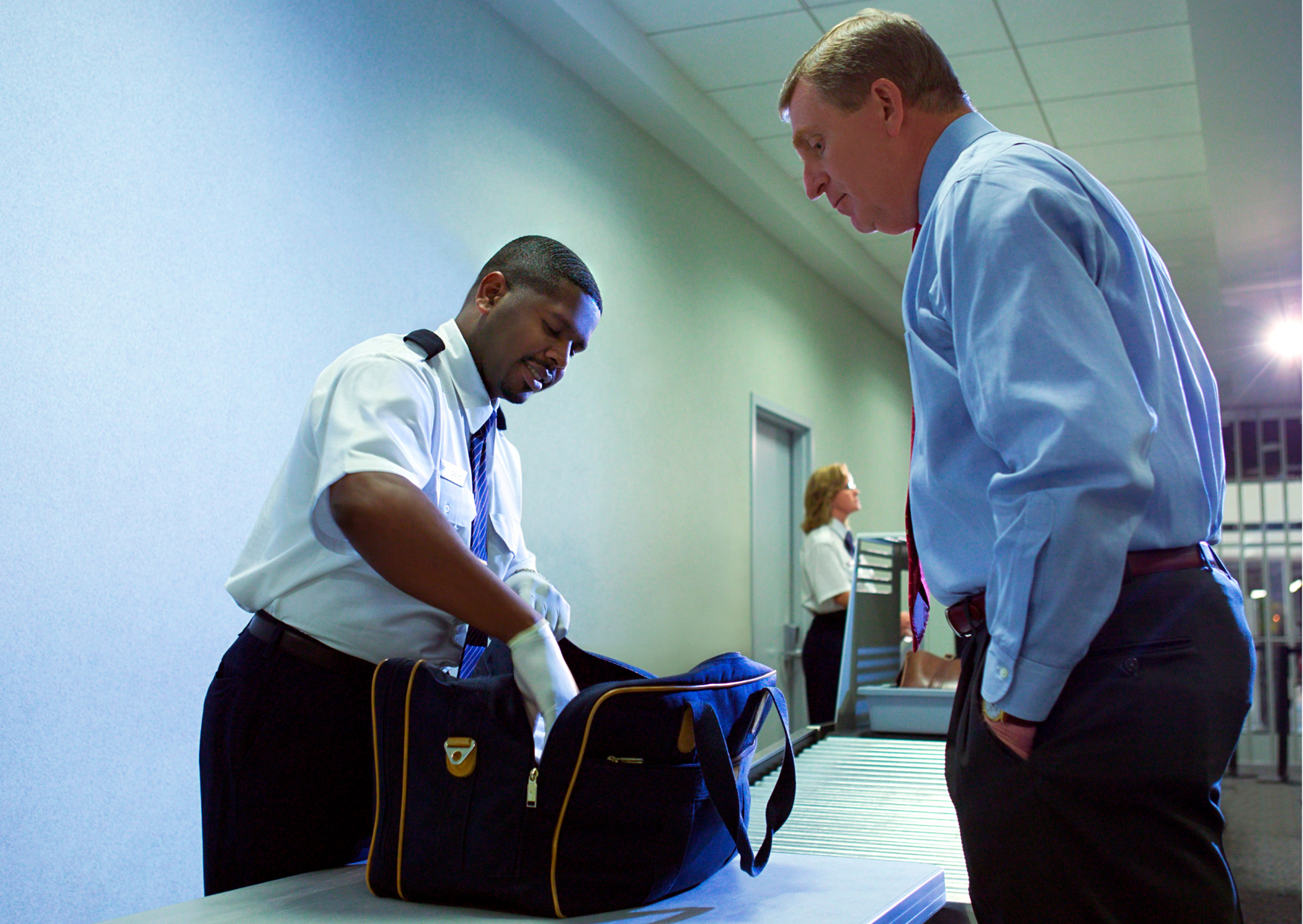
Detention of cash and extra screening. Regulation 2018/1672 gives authorities power to detain cash temporarily if they suspect a breach. They will ask for origin and intended use. If your answers bounce around, expect a long morning. Customs can check luggage, cross-question travel companions, and call the next office.
Refusal of entry. The Schengen Borders Code requires non-EU visitors to meet entry conditions, including purpose of stay and public policy checks. If you arrive with a large undeclared sum or an incoherent story, the officer can issue a formal refusal on the standard Annex V form. You receive the decision in writing, it takes effect immediately, and airlines will carry that note forward when they screen you next time. It is not a lifetime “ban,” but it can behave like one for your next trip.
Why the interview matters more than the envelope
Border work is part paperwork, part human sense. Here is what officers are listening for when you have significant cash.
- Origin of funds. “ATM withdrawals last week, here are the slips” is clean. “A friend gave it to me yesterday” is not.
- Intended use. Rent, tuition, medical bills, a car purchase. If you say “I do not trust banks,” you just volunteered to have a long day.
- Control. Are you keeping the money on you, or is someone meeting you to “take care of it.” This is where people get themselves flagged.
Large cash and a weak story often become a public-policy problem rather than a math problem. That is when entry refusals happen.
The quiet change that makes bluffing impossible
Electronic systems are catching up with old habits. When an officer refuses entry, they complete a standard form that is recorded and, with the Entry/Exit System rolling out, the refusal can be linked to your biometric record. Gone are the days when a messy stamp disappeared into a drawer. If you try again next month, the system remembers. Do the form now and travel in peace later.
“But it’s my money. I can spend it how I want.” Not quite.
Even if you declare perfectly, domestic cash-use limits can make your envelope useless at the counter. France, Spain, Italy and others cap large cash payments in shops and for services, with fines for both sides if you break the limit. Spain, for example, limits many cash payments to €1,000 in typical consumer transactions, higher for some non-residents. You could declare €12,000 legally and still be unable to pay your contractor in cash on Monday. Plan to use a bank transfer or card once you are inside the country.
The five American mistakes that trigger the worst outcomes
Using the wrong number. You thought in dollars, not euros, and crossed the line without realizing it. Fix it by checking the euro equivalent on your travel day. Customs uses the euro value.
Splitting cash between people. Two travelers carrying €9,500 each to dodge the form looks exactly like dodging the form. Customs can act under the threshold when they suspect evasion.
Arriving with gold “to be safe.” Gold coins and small bars are “cash” under the rule. You still declare. If you cannot prove where they came from, the interview goes badly.
Telling a fuzzy story. “I’ll figure it out when I get there” is not a plan. State the purpose and keep receipts.
Believing a forum post over the law. The regulation is public, the form is public, the fines are public. Learn the rule once and stop gambling with holidays.
Exactly what to do if you must carry €10,000 or more
Before you fly
- Count everything that counts as cash. Include gold coins, travelers’ cheques, and prepaid cards that the EU treats like cash. If the total is €10,000 or more, plan to declare.
- Print proof of origin. Bank withdrawal slips, a sale contract, a letter from your bank manager.
- Decide how much you actually need to carry. If a wire or card can do the job, use the bank instead of your jacket pocket.
At the airport of first EU entry
- Walk up to Customs after baggage claim and ask for the cash declaration.
- Fill it in completely. Amount, currency, origin, intended use. Hand it back with your passport.
- Wait for the stamp and keep a copy with your travel documents. That stamp turns a red flag into a routine file.
If an officer pulls you aside
Use short sentences. They help.
- “I am carrying €12,400 in cash. Here is my declaration.”
- “Funds are from my U.S. bank account. These are the withdrawal slips.”
- “Purpose is a tuition payment. Here is the invoice. I will transfer the remaining amount from my account in Spain.”
That is the entire script. It says origin, amount, purpose, and proof without drama.
If you forgot to declare, tell the truth immediately
People freeze, then they lie, then they lose everything. If you realize at the carousel that you skipped the desk, walk back and ask to file. If an officer stops you first, say, “I need to declare €12,400, I went to the wrong lane.” You will still get questions, and you may get a fine, but you are now a person fixing a mistake rather than a person hiding money. Border work rewards the adult in the room.
Real penalties, real examples
- France can take half the undeclared sum as a fine and confiscate the total amount. That is written in their customs code, and they enforce it. Arrive with €20,000 undeclared, leave with a story and an empty wallet.
- Germany expects a declaration at the EU border and a truthful oral declaration on request within the EU. They value foreign cash at the day’s euro rate, which is how a dollar swing can tip you over. The math happens their way, not yours.
- Spain runs the S-1 system and attaches fines to non-compliance. If you are moving to Spain and still love cash, accept that the country does not. File the form or lose the money.
How an entry refusal actually works
People hear “banned” and imagine a lifetime blacklist. Here is the sober version. If an officer refuses your entry, they issue a substantiated decision on a standard form under the Schengen Borders Code. It cites the reason, the date, your identity, and your document details. The decision takes effect immediately. You can usually appeal later in writing, but the plane leaves without you. With the Entry/Exit System coming online, refusals are increasingly tied to your biometric record. Later trips may face extra questions until you rebuild trust. You are not exiled forever, but you are on the radar.
Cash problems typically appear as failure to meet entry conditions or as a public policy concern when the officer suspects money laundering. Put bluntly, if you treat the form like a joke, do not expect a soft landing.
Safer ways to move money that do not wreck your trip
- Use bank transfers for tuition, rent deposits, and car purchases. Yes, European banks love paperwork. They also love you not standing at customs with a shoebox.
- Carry a smaller float for arrival costs and declare if you cross the line.
- Ask your landlord or school for an IBAN invoice. You do a single transfer and keep a clean paper trail.
- Avoid buying gold as a “portable bank.” The EU treats it as cash, and it invites the longest conversations.
Quick answers to questions you will ask in a panic

Do I declare when flying from Paris to Rome with €12,000
No. That is inside Schengen. Be prepared to explain verbally if a spot check happens. You still cannot spend it freely because of national cash limits.
Do I declare when entering from London to Paris with €10,500
Yes. The UK is outside the EU and Schengen. Declare on arrival in Paris.
Can I mail €12,000 to myself
Unaccompanied cash is also controlled. Customs can require a cash disclosure from sender or recipient and detain shipments. Do not assume the mail is invisible.
Can I just use travelers’ cheques
They are treated as cash. You still declare.
What if I bring $9,900 to be safe
If your partner brings $9,900 too and you walk together, the officer can still ask hard questions. Intent to evade is the problem, not just the number.
The simple checklist that keeps you off a refusal form
- Add up everything the EU calls cash, not just bills. If it totals €10,000 or more, plan to declare at your first EU border.
- Print proof of origin and intended use. Bank slips, invoices, contracts.
- File the Cash Declaration Form on arrival, get the stamp, and keep the copy.
- Know that failing to declare can mean seizure, fines, and refusal of entry. This is written, not rumored.
- Spend by transfer or card inside countries with strict cash caps. Your envelope is not a magic key at the checkout.
A tiny scene that explains the entire problem
Two travelers land in Paris. One walks to customs, says, “I need to declare €12,600,” hands over a form, shows ATM slips, and is done in nine minutes. The other assumes the U.S. rule applies, carries $10,000 and a few gold coins, says “it’s personal,” and gets the worst hour of the trip. The law is the same for both. Only one respected it.
If you remember nothing else, remember this: the EU does not hate cash, it hates mystery. Declare when you must, explain cleanly, and put the rest of your life on an IBAN. Your flight will board on time, your envelope will stay your envelope, and no one will write your name on a refusal form for a problem you could have solved with one stamp.

About the Author: Ruben, co-founder of Gamintraveler.com since 2014, is a seasoned traveler from Spain who has explored over 100 countries since 2009. Known for his extensive travel adventures across South America, Europe, the US, Australia, New Zealand, Asia, and Africa, Ruben combines his passion for adventurous yet sustainable living with his love for cycling, highlighted by his remarkable 5-month bicycle journey from Spain to Norway. He currently resides in Spain, where he continues sharing his travel experiences with his partner, Rachel, and their son, Han.