
Start with the picture in your head. A weekday lunch in Lyon at 1:12 p.m. A basket of bread lands, a small slab of butter appears without fanfare, a carafe of table wine sits next to a pitcher of water, and no one looks guilty. Plates are rich but small, the room is loud, and no one fidgets about steps or macros. Then the bill arrives, workers go back to work, and the city keeps its shape. This is the scene Americans try to decode with nutrition studies and think pieces. The answer is not a secret food. The answer is rhythm.
I am going to explain how butter and wine live inside a system that produces leaner bodies and calmer bloodwork for a lot of French people, while the same ingredients derail Americans. We will walk through timing, plate construction, portion honesty, movement built into errands, and the specific social rules that make overdoing it socially awkward. Remember, the paradox is only a paradox if you isolate foods from the routine that contains them.
Why butter and wine are not the villains here
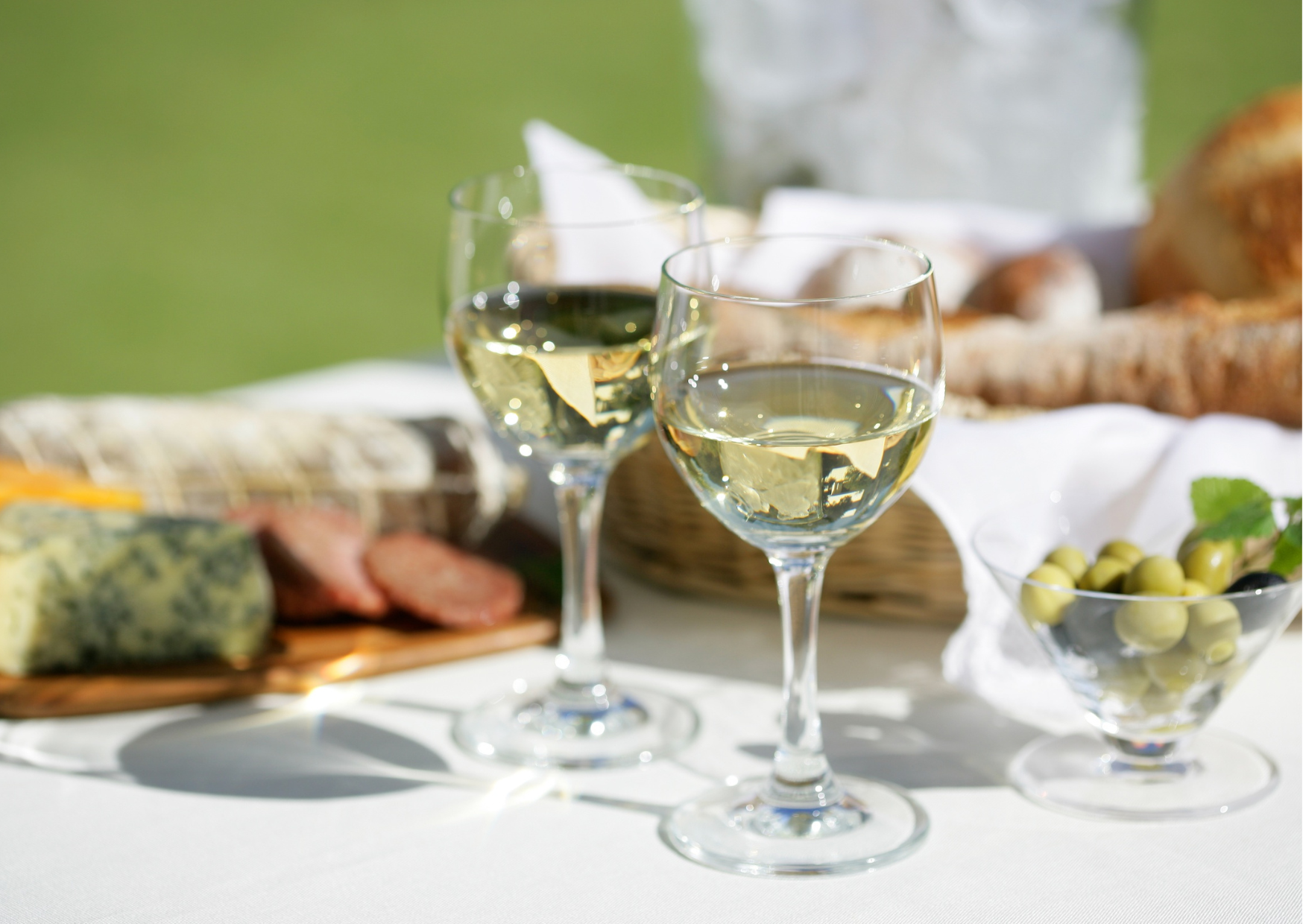
French kitchens use butter and olive oil without apology. Wine shows up as part of a meal, not a mood. The missing step in the American mind is volume and context. Butter is a garnish, not a substrate. Wine is a drink with food, not a reward on a screen. When you watch closely for a week in any mid-size French city, three patterns repeat.
First, saturation without excess. Butter appears in thin sheets and mounted sauces, not in half-sticks melted over vegetables. Cheese closes a meal in thumb-thick portions, not as a 12-ounce bowl of “healthy” yogurt with candy swirls. Rich food is concentrated, not continuous.
Second, alcohol behaves differently at meals. One small glass with a plate is normal, then water. Drinking without plates lands firmly in the “apéro” window before dinner and ends early. Bottom line: wine is a lid on a dinner, not an accelerant for snacking.
Third, dessert lives in daylight. Pastries happen at 10:30 with coffee or as a shared plate at lunch. The midnight cookie ritual does not exist because dinner actually ended on time. Late sugar keeps you awake; French evenings are built to end.
Key point: fat is not the problem when the clock is on your side.
Timing beats macros
Every nutrition argument melts when you see the schedule. Lunch sits heavy at 12:30 to 13:45. Dinner slides light at 19:30 to 20:30. Breakfast is unheroic. The space between meals is quiet because snacking in public is mildly embarrassing outside trains and schools. If you only changed one variable, move your main meal to midday. The reasons are boring and potent.
- Insulin and appetite: a large midday plate followed by a few hours of motion burns hot and lands gently. A large 21:30 dinner followed by couch and bed stores energy where you did not ask it to.
- Sleep: an early, lighter dinner helps deep sleep and cuts next-day cravings. Better sleep means smaller hunger.
- Alcohol: a noon glass is metabolized with movement. A late-night glass wants another and raids the pantry. Context throttles intake.
If lunch cannot be your heaviest, push dinner earlier and smaller, then add a 15-minute walk. You can keep the butter. The clock did the lift.
Remember, the French paradox is a schedule with good manners.
The plate is smaller, the plate is denser
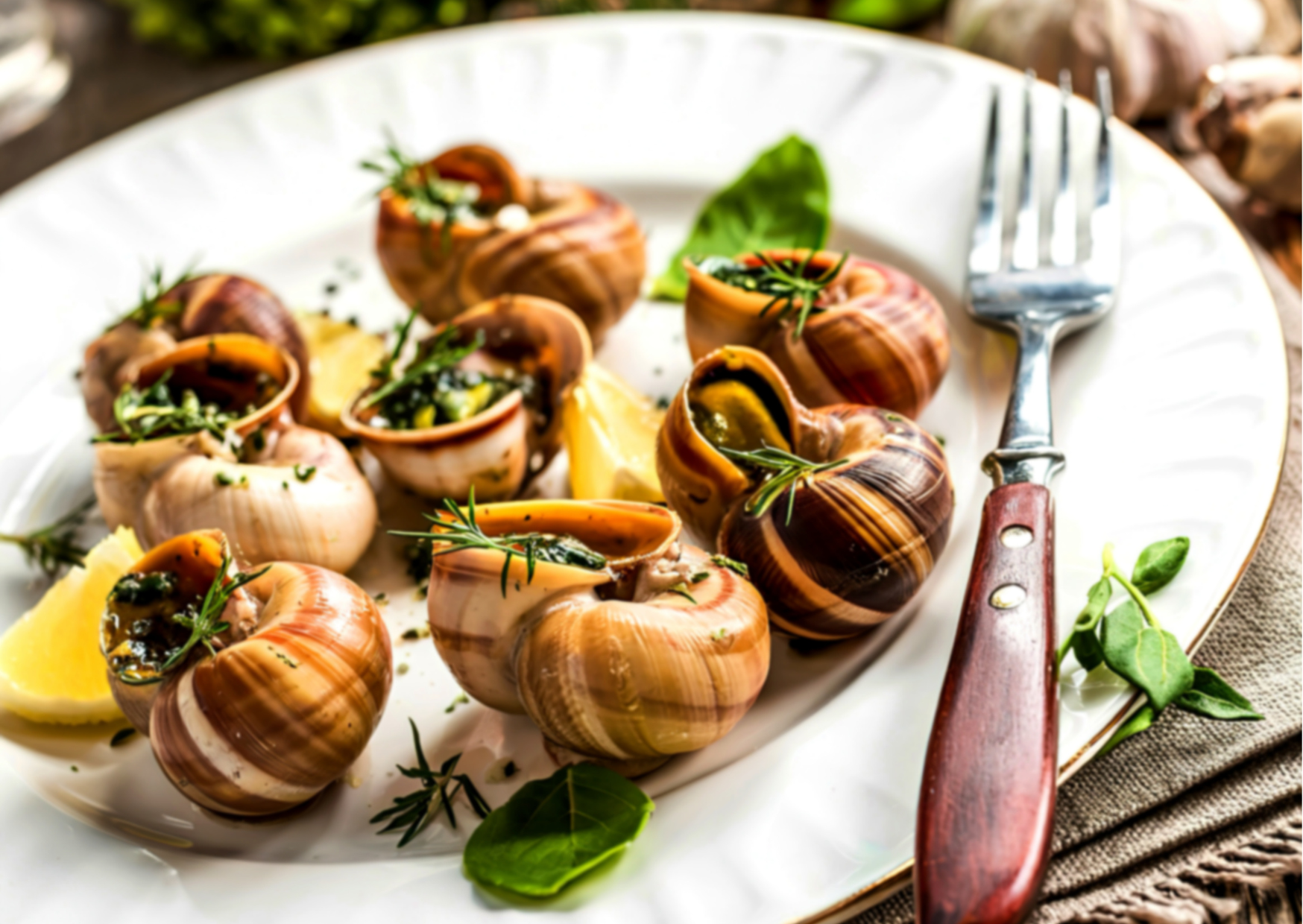
Watch a bistro table. The steak is the palm of a hand, not the size of a face. Bread is sliced thin and used as a tool, not a course. Vegetables are cooked with care and fat because vegetables deserve flavor, and then the kitchen stops. The anti-diet trick inside that plate is density. Calories that satisfy quickly remove the need for a second plate of bland volume.
A pattern you can copy without moving:
- Starter: something crisp or hot and small. A salad with vinaigrette that bites, a vegetable soup, a few sardines with lemon. Small first plates prevent large second plates.
- Main: protein the size of your palm, a starch the size of your fist, vegetables that actually taste like the pan. A knob of butter or a spoon of oil used on the food, not next to it.
- Cheese or fruit if you want a closer. Either is a few bites. The table signals “done” by clearing the bread and pouring water.
Bottom line: satisfaction kills appetite faster than volume. Dense food in small amounts wins more dinners than light food in big bowls.
The 80 percent rule that never gets written down
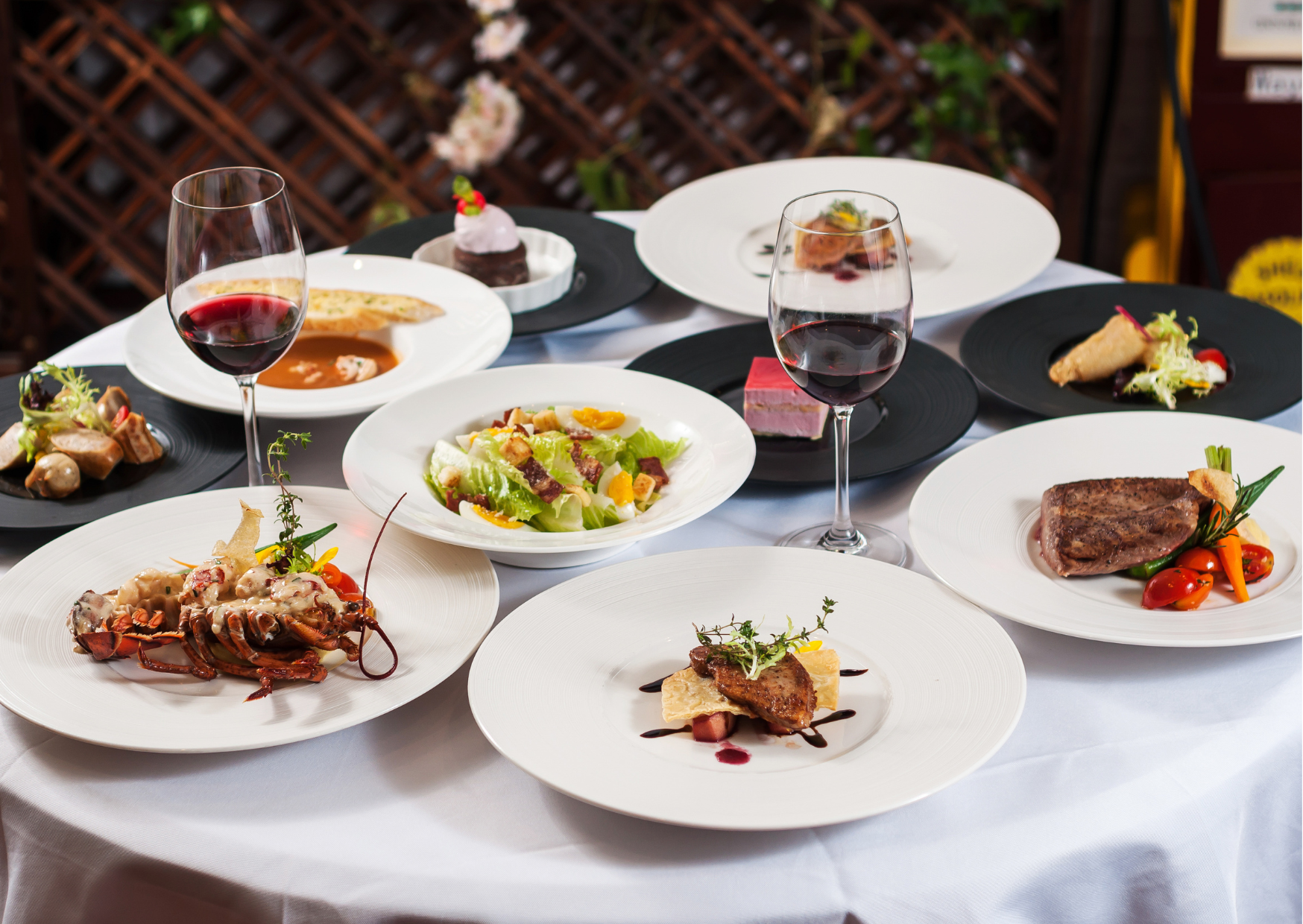
Talk to French dietitians, gym coaches, or just mothers in bakeries and you hear the same shrug. Eat to contentment, not to proof. Leaving a bite is normal. Ordering one less course is not a moral failure. If you want a dessert, share it without drama. If the table orders two plates for four people, no one starts a debate about fairness. The subtle social norm is never press the table to overeat. In the States this reads as stingy. Here it reads as considerate.
If you need a rule, use this one: finish every plate at lunch, finish only 80 percent at dinner. The difference ends arguments with yourself and your scale.
Remember, appetite is social before it is chemical.
Movement that is not a performance
Count the steps later. The day already includes errands on foot, stairs without announcements, and a refusal to park at the door. It is not heroic. It is urban design plus expectations.
- Groceries are small and close. A baguette and two things in a tote beat a weekly trunk load.
- Lunch breaks involve walking to and from a place that cooked.
- Evenings include a loop after dinner for kids, dogs, or a quick call.
Key point: French weight control relies more on “never fully still” than on “one hard hour.” If you live in a car town, you can still build the habit. Pick two destinations you will always walk when they are within 15 minutes. Protect that rule like you protect your phone.
Bread, but make it bread
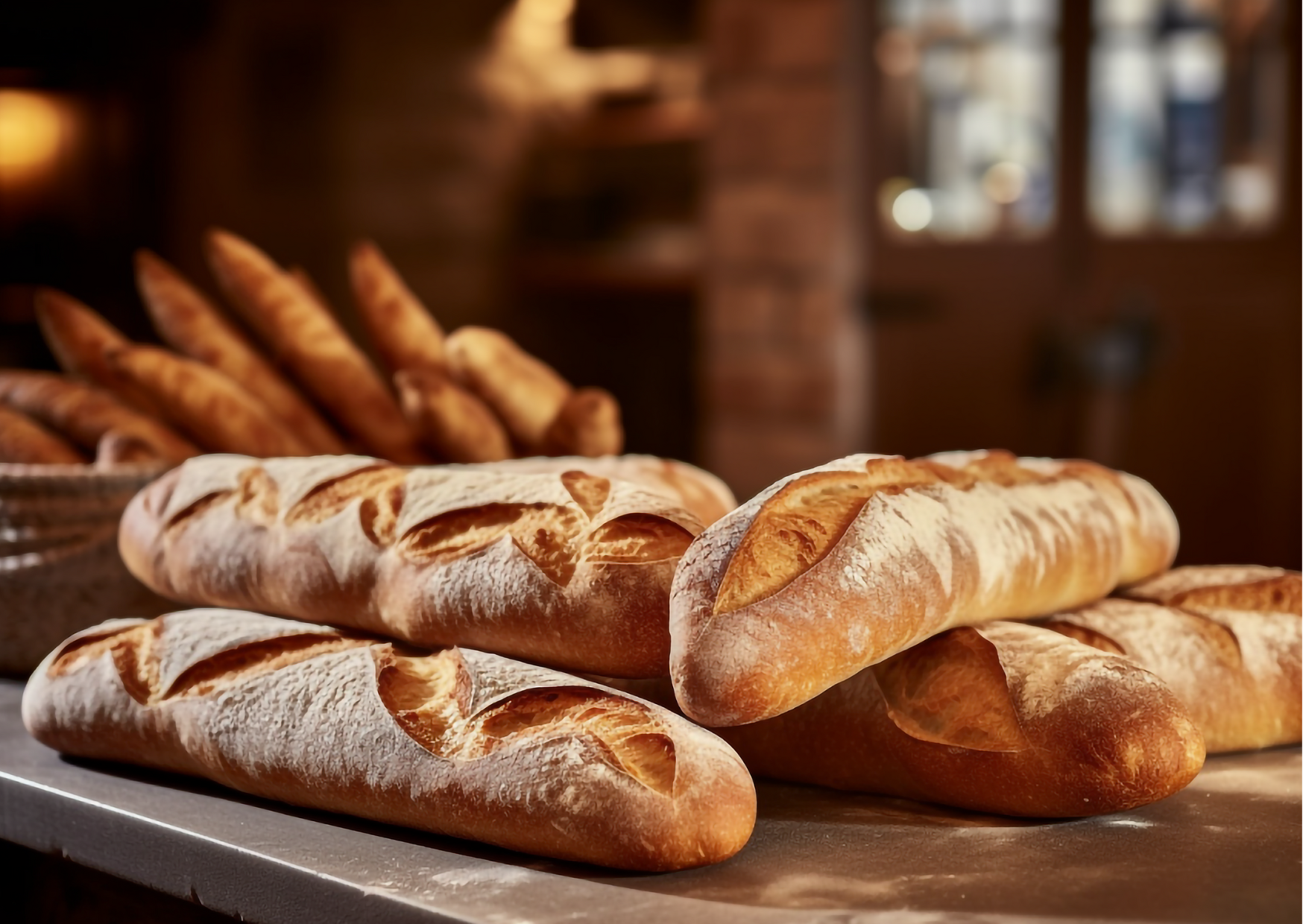
The baguette is not empty air when it is made properly. Flour, water, salt, yeast, and time give you crust, chew, and flavor that asks for less. Supermarket loaves pumped with conditioners and sugar ask for more because they taste like almost nothing. If you swap nothing else, find a bakery that bakes long and ferments slow. Good bread is self-limiting because it satisfies. Bad bread is self-perpetuating because it doesn’t.
And no, you do not need to fear gluten if you do not have a clinical reason. Fear the label with fourteen lines of stabilizers.
Fermented dairy is not the same food as sweet dairy
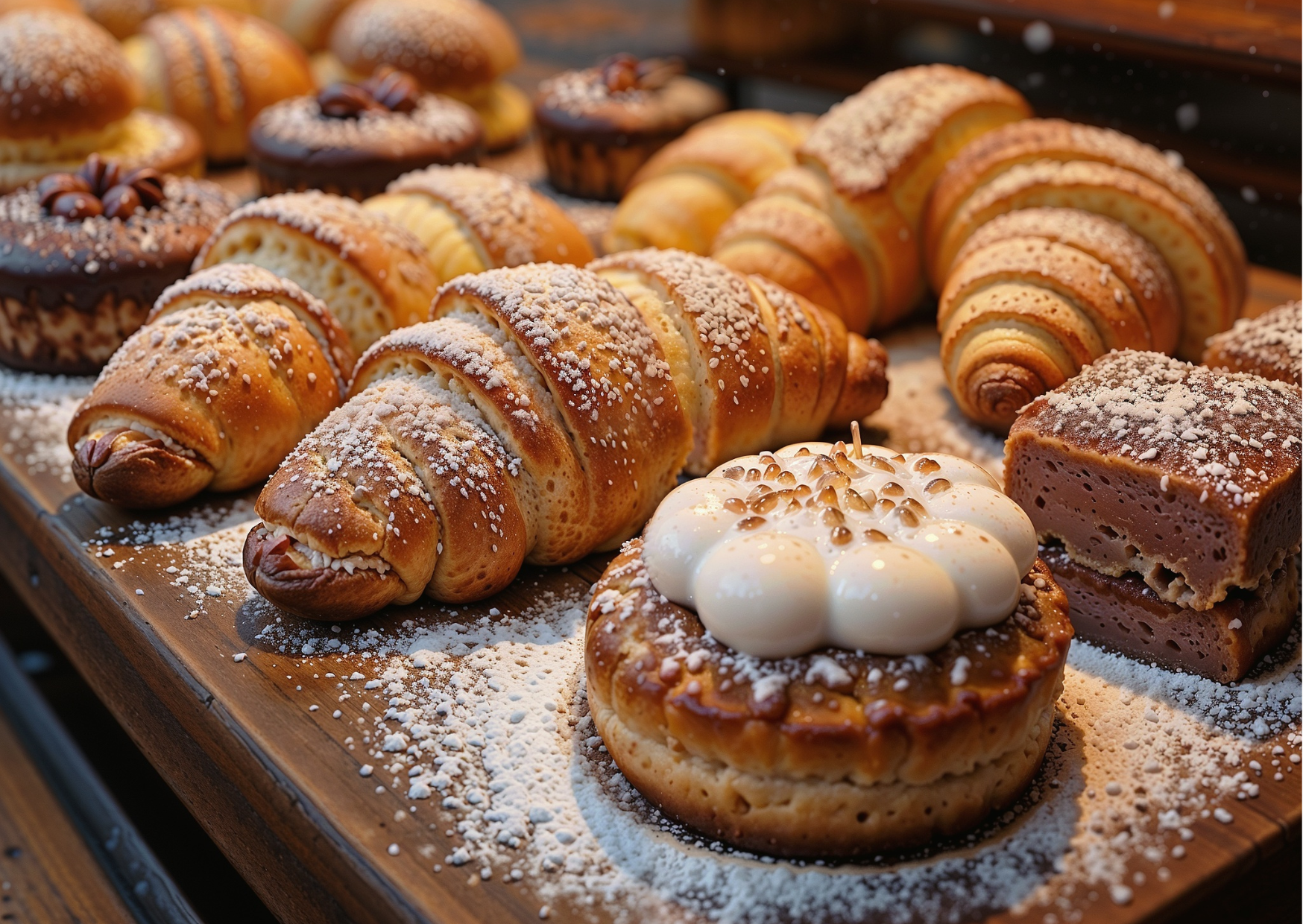
This section is short because the rule is simple. A thumb of ripened cheese after a meal behaves differently than a pint of dessert yogurt at midnight. Europeans treat cheese as a bridge to done. Americans treat dairy as a playground with candy mixed in. If you want the French outcome, eat the French form. A piece of Comté, a slice of goat cheese, a smear of cultured butter, then stop. Your microbiome and your morning will both vote yes.
Bottom line: fermentation is a food, frosting is a hobby.
Eating with witnesses vs eating alone
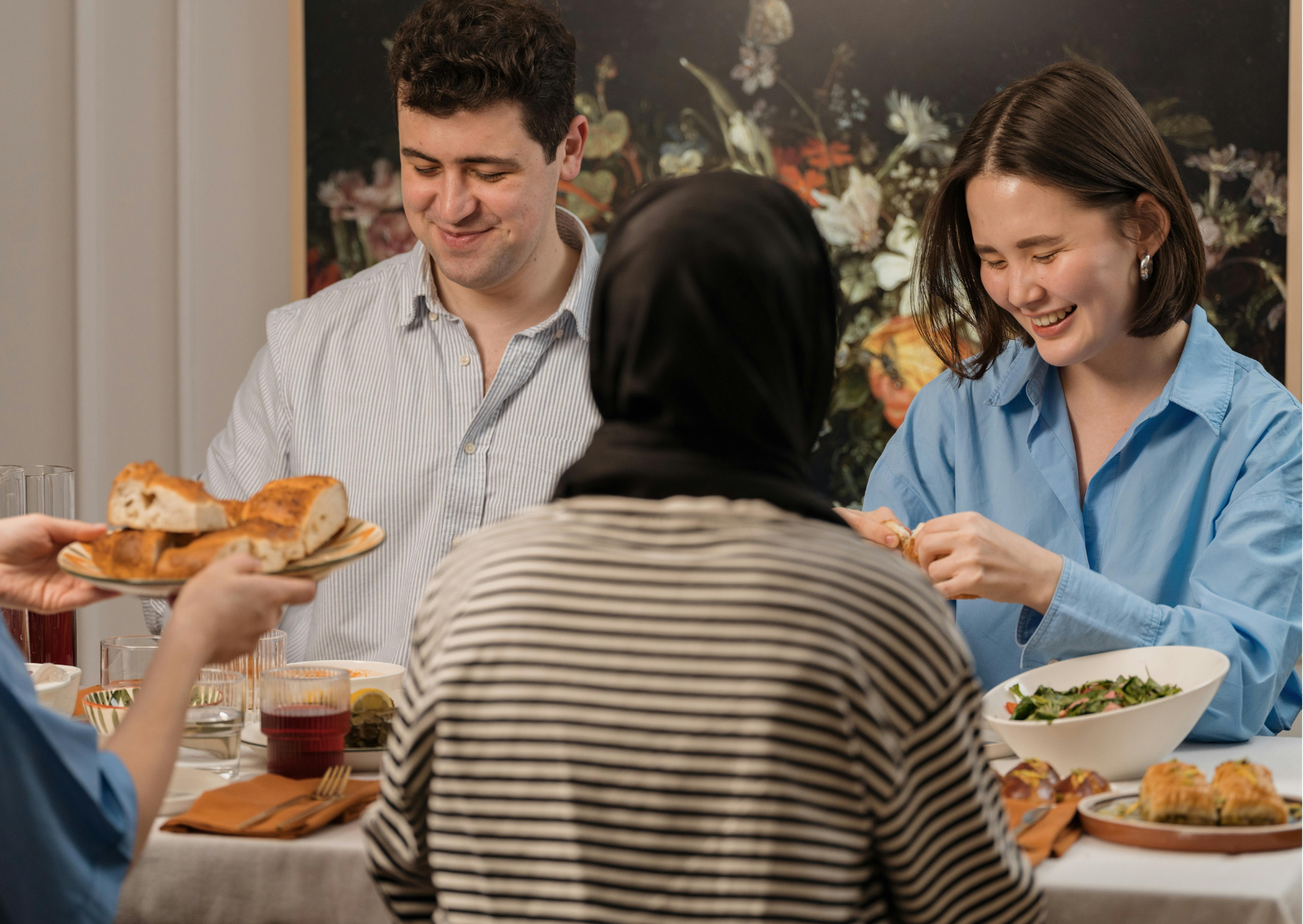
French meals assume witnesses. Schools feed children at tables. Work canteens still exist. Even when people eat alone, they put food on a plate. The habit does two things: it slows the hand and it advertises the portion to yourself. Americans often eat in cars, in bedrooms, in front of laptops, and with packaging that hides volume. The difference is not morality. It is visibility.
If you live alone or eat at your desk, fake a witness. Plate the food, sit, finish, stand. No grazing. The ritual ends the meal. The endless bag keeps meals open and hunger confused.
The alcohol rule that Americans quietly ignore
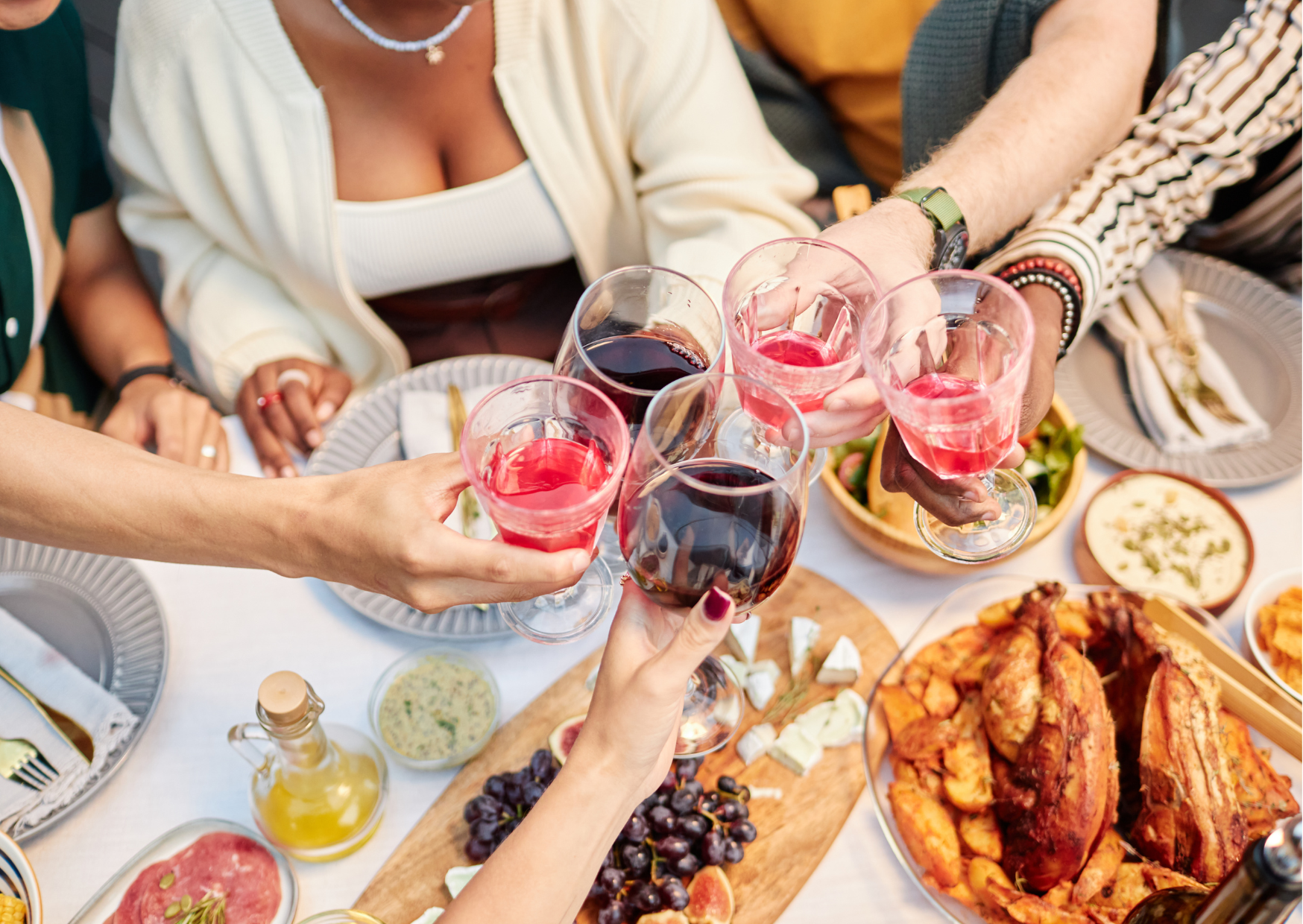
French adults have a complicated relationship with alcohol like anyone else, but the daily norm is boring: one glass with a plate, then water. Bars are places for conversation, not for laddered shot challenges. Shots and sugary cocktails exist. They do not dominate the week. If you want the paradox on your side, stop drinking emotionally and start drinking geographically. Wine belongs with food at a table. Spirits belong in rarer, social slots. Beer belongs after work with a plate nearby. Drinking as background noise produces background weight.
If this sounds joyless, visit any terrace at 18:30. Joy is intact. The timing is just grown up.
Snacks exist; they are not a personality
Kids have a goûter at 4:30, often something bread-like plus a fruit or chocolate square. Adults might mirror that if lunch was light. The crucial detail: the snack is planned, not scavenged. A piece of fruit and a yogurt at 16:00 predicts a smaller dinner at 20:00. A 17:45 vending machine raid predicts a large, late meal and weak sleep. Snacks should make dinner easier, not bigger.
Remember, the paradox tolerates a snack because the schedule absorbs it.
Portion math you can run without a scale
If you do not want to count anything, use the French palm-and-fist rule.
- Protein: palm of your hand once per meal.
- Starch: your closed fist once per meal, twice if you trained hard.
- Fat: two thumbs of visible fat per meal across butter, oil, sauce, and cheese.
- Bread: one hand’s worth per meal, three to four thin slices of baguette.
- Wine: one small glass at lunch or dinner. Not both, not nightly.
Key point: constraint lives in shapes, not spreadsheets. Plates that fit this math look abundant and feel reasonable.
Social friction makes overeating awkward
No one will stop you from going for thirds. They will notice. The table looks after itself. Someone will redirect with talk, offer salad, pour water, pass the cheese. You can bulldoze through those cues. Health is easier if you don’t. European cultures rely on mild shame to keep the edges smooth, not on lectures. Americans argue with data. The French shrug with a look. The look usually wins.
If you want this at home, make the table do the job once a day. Serve courses, not piles, even if the “courses” are salad and then pasta. Serving order slows you down. Seconds require a decision. Friction beats willpower.
Restaurant math: lunch is for workers, not tourists
Walk past the chalkboard. The plat du jour and formule keep everyone honest. A two-course lunch for 15 to 19 euros feeds nurses, carpenters, teachers, and office workers daily. Portions match the price and the hour. It is the most effective weight control policy no one writes about. If your city has a place that cooks a real lunch, support it. That single habit resets the rest of your day.
At night, restaurants expect you to order fewer things. Two courses and a shared dessert read as adult. Three courses every night reads as a birthday and costs you like one.
Grocery basket that behaves like a French week
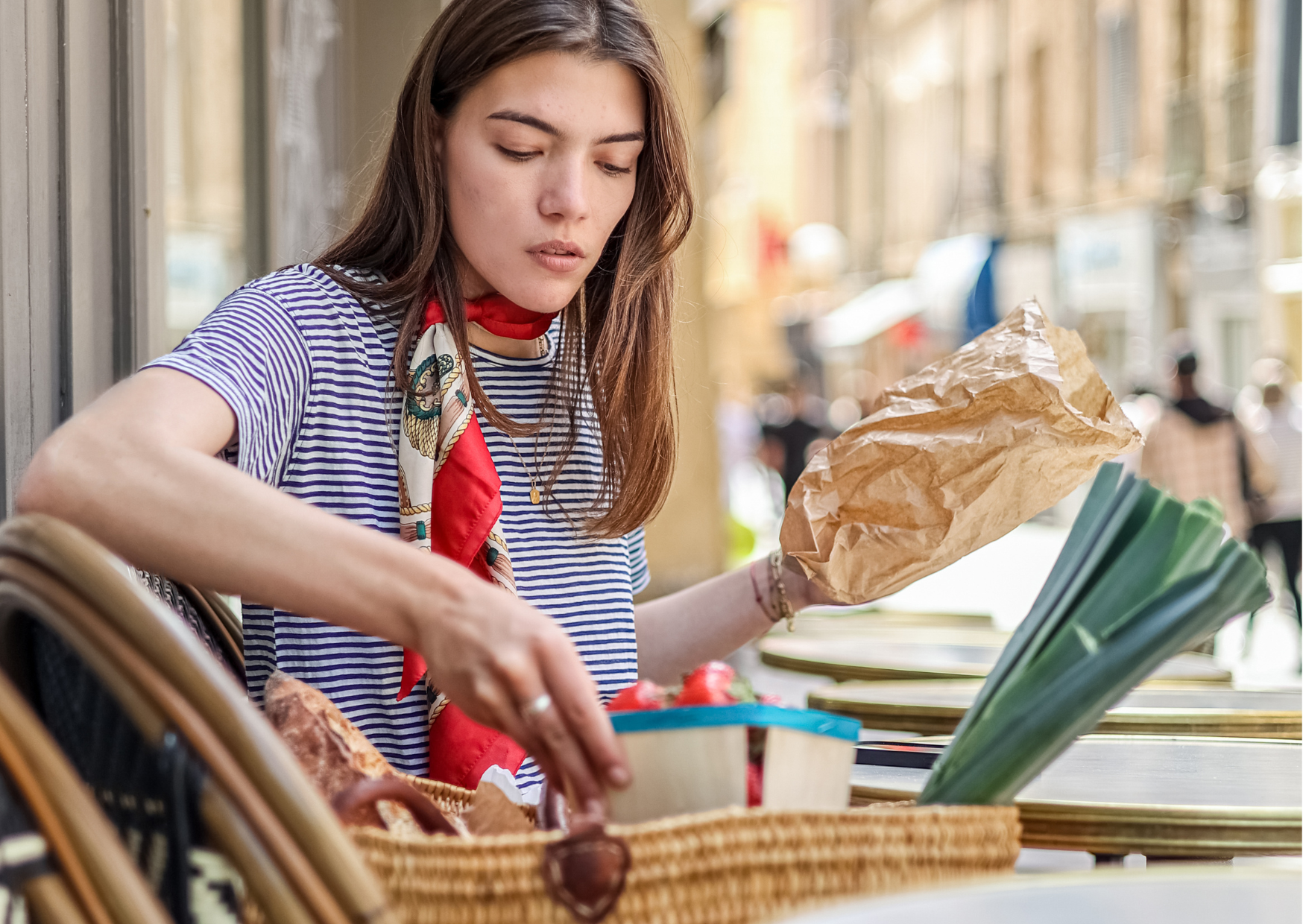
You do not need fancy stores. You need predictable inputs.
- Proteins: eggs, sardines and mackerel in olive oil, chicken thighs, a small cut of beef, lentils, chickpeas.
- Vegetables: onions, carrots, celery, leeks, salad greens, tomatoes in season, frozen spinach and peas.
- Starches: potatoes, rice, pasta, baguette or country bread from a bakery that ferments.
- Fat and flavor: butter, extra virgin olive oil, Dijon mustard, vinegar, capers, herbs.
- Dairy: a modest wedge of cheese, plain yogurt.
- Wine: one bottle of drinkable table wine that is not a hobby.
- Fruit: apples, pears, citrus.
Remember, variety happens across the week, not inside every plate.
A one-week French rhythm you can try without moving
This is not a diet. It is a calendar. Keep your own cuisine, match the timing and shapes.
Monday
Breakfast: coffee, yogurt, fruit.
Lunch: lentil salad with mustard vinaigrette, an egg, a slice of bread. One small glass of wine if you want it.
Dinner: vegetable soup, cheese the size of your thumb, bread, water. Walk 15 minutes.
Tuesday
Breakfast: toast with butter and jam, coffee.
Lunch: chicken thighs with potatoes and green beans, salad with vinegar that bites.
Dinner: omelet with herbs, tomato salad, fruit.
Wednesday
Breakfast: fruit and nuts, tea.
Lunch: steak-frites in a sane size, salad.
Dinner: ratatouille on rice, yogurt.
Thursday
Breakfast: coffee, slice of bread with butter.
Lunch: sardines on toast with lemon, carrot salad.
Dinner: pasta with zucchini and parmesan, greens.
Friday
Breakfast: yogurt and fruit.
Lunch: fish with potatoes, salad, bread.
Dinner: soup or broth, cheese, apple. Finish at 20:30.
Saturday
Breakfast: bakery pastry shared, coffee.
Lunch: family long lunch with friends, two courses, wine, water, walk.
Dinner: very light plate or nothing. You already ate.
Sunday
Breakfast: normal, not a buffet.
Lunch: roast chicken, roasted carrots and leeks, potatoes.
Dinner: salad with tuna or beans, fruit.
Key point: the “paradox” is the space between lunch and bed. Guard it.
Weight loss without trying to lose weight
If you are used to late dinners and constant snacks, this rhythm drops weight even with butter and wine inside it. People see 2 to 4 pounds the first week from water shifts and portion honesty, then a slow one to two pounds per week for several weeks as sleep improves and late calories vanish. The moment you push dinner later and larger, the trend weakens. The food did not betray you; the clock did.
If weight is not your goal, keep the schedule for energy and bloodwork. Triglycerides and fasting glucose respond to early dinners and real lunches with embarrassing speed.
What about exercise and the gym
Do it if you love it. The paradox does not require it. A 20-minute daily walk after the last bite does most of the work because it blunts the post-meal spike, cools your head, and signals the end of eating. If you train, anchor training before lunch or with a snack at 16:00 and a normal dinner. Late-night high-intensity sessions plus late meals belong to teenagers and people who sleep like gods. Most adults do not.
Remember, movement is seasoning, not the meal.
Mistakes Americans make when they try this
Turning lunch into a productivity crime. If you eat at your desk, you will snack later. Take the 30 minutes and buy your evening back.
Buying bakery bread and eating half a baguette alone at 21:30. Bread is a tool at meals, not a couch filler. Bread plus soup beats bread plus Netflix.
Treating wine like medicine or like stress relief. If the day was bad, wine is not your coping mechanism. It belongs with a plate, period.
Cooking fat-free and snacking more. Keep the fat. It ends the meal. The snacking is the problem, not the butter.
Trying to be French in English. Keep your food culture. Copy the schedule, the shapes, and the manners. That is enough.
A few phrases that make this easier in real life
At a restaurant: “Two courses is perfect for me.”
At the office: “I take my lunch away from the screen.”
At home: “Kitchen closes at 20:30. If you are hungry later, tea and bed.”
With friends: “Let’s walk ten minutes after dinner and catch up.”
Key point: say the rule out loud and it becomes normal.
If you only keep three lines
Rich foods work when the clock works. Make lunch real and dinner early and light.
Portion density beats portion size. Small plates that satisfy end the meal by themselves.
Walk after dinner, drink wine with food, and put witnesses back at your table.
That is the whole mechanism. Butter stays. Wine stays. The schedule changes, the noise around food quiets, and your body stops fighting you.

About the Author: Ruben, co-founder of Gamintraveler.com since 2014, is a seasoned traveler from Spain who has explored over 100 countries since 2009. Known for his extensive travel adventures across South America, Europe, the US, Australia, New Zealand, Asia, and Africa, Ruben combines his passion for adventurous yet sustainable living with his love for cycling, highlighted by his remarkable 5-month bicycle journey from Spain to Norway. He currently resides in Spain, where he continues sharing his travel experiences with his partner, Rachel, and their son, Han.