
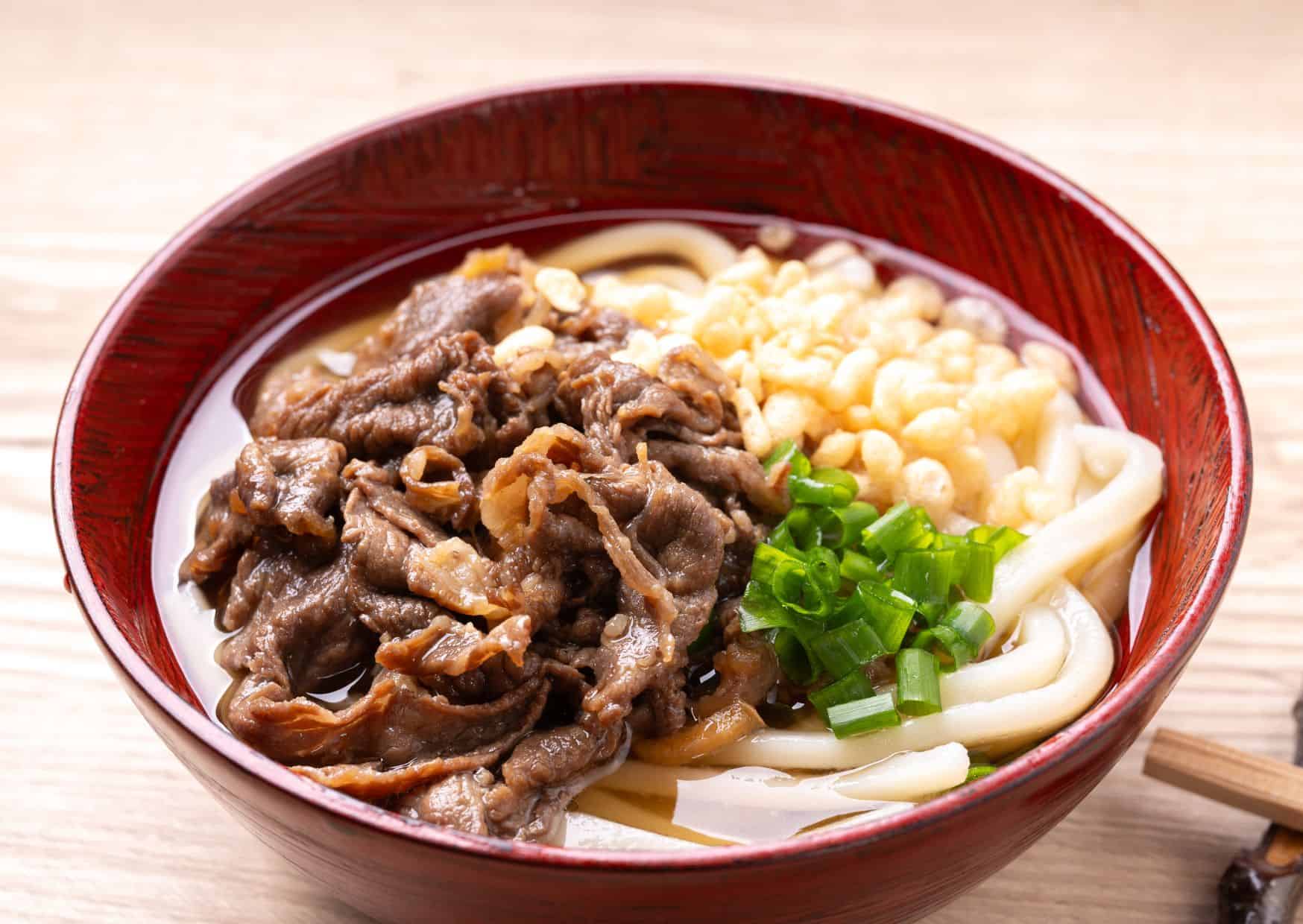
There’s something deeply satisfying about making udon noodles from scratch. Thick, chewy, and soul-soothing, udon has been a cornerstone of Japanese comfort food for centuries. Whether served in a steaming broth, chilled with dipping sauce, or stir-fried with vegetables, these noodles have a humble versatility that makes them beloved across every region of Japan.
Making homemade udon noodles is surprisingly therapeutic. The dough is simple—just flour, water, and salt—but the process of kneading, resting, and rolling brings you closer to a tradition that values patience and texture over complexity. In Japan, it’s not unusual for families to make their own noodles for weekend meals or special gatherings, and once you try it yourself, it’s easy to see why.
This guide will show you how to create authentic homemade udon using ingredients you already have. You don’t need fancy equipment—just your hands, your feet (yes, really), and a little time to discover a dish that’s both fun to make and deeply rewarding to eat.
BOOK YOUR TRAVEL INSURANCE
Two of our favorite travel insurance: Heymondo Vs Safetwing cheapest travel Insurance. You can get for $135 USD your Heymondo Travel Insurance with Heymondo discount code valid for 90 days. Read our full comparison of Genki vs Safetywing Travel Insurance Review and the comparison Heymondo vs Genki
Best Time to Eat & How to Partner It
Udon is wonderfully seasonal, making it a year-round staple in Japanese homes:
In colder months, enjoy your udon in a hot dashi broth with sliced green onions, mushrooms, or tempura.
In warmer seasons, serve it zaru-style: cold noodles with a dipping sauce, wasabi, and shredded nori.
To elevate the experience:
Pair hot udon with a cup of green tea or a mild sake.
Serve cold udon with lightly pickled vegetables and tofu.
For a heartier meal, top your noodles with a soft-boiled egg, sautéed beef, or a dash of chili oil.
Here’s the twist: in Japan, noodles are slurped loudly and unapologetically—something that shocks many Western travelers. But in Japanese culture, slurping isn’t rude; it’s a sign of enjoyment and even enhances the flavor by cooling the noodles and releasing more aroma.
Another Western misconception is that all udon dishes are health food. While udon noodles are low in fat, they’re also made with refined flour and often served in sodium-rich broths. Traditional Japanese cuisine sees food more holistically: it’s about balance, not purity. A bowl of udon may be followed by miso soup, pickles, or a light dessert—not skipped for being “too heavy.”
Lastly, there’s a growing tension between modern instant udon and the old-school handmade method. Many younger Japanese families have traded hand-kneading for convenience store options. But among culinary purists and nostalgic home cooks, homemade udon is a disappearing ritual worth preserving. The flavor, texture, and connection to tradition simply can’t be replicated in a package.
How to Make Udon Noodles
Udon Noodles Recipe Ingredients
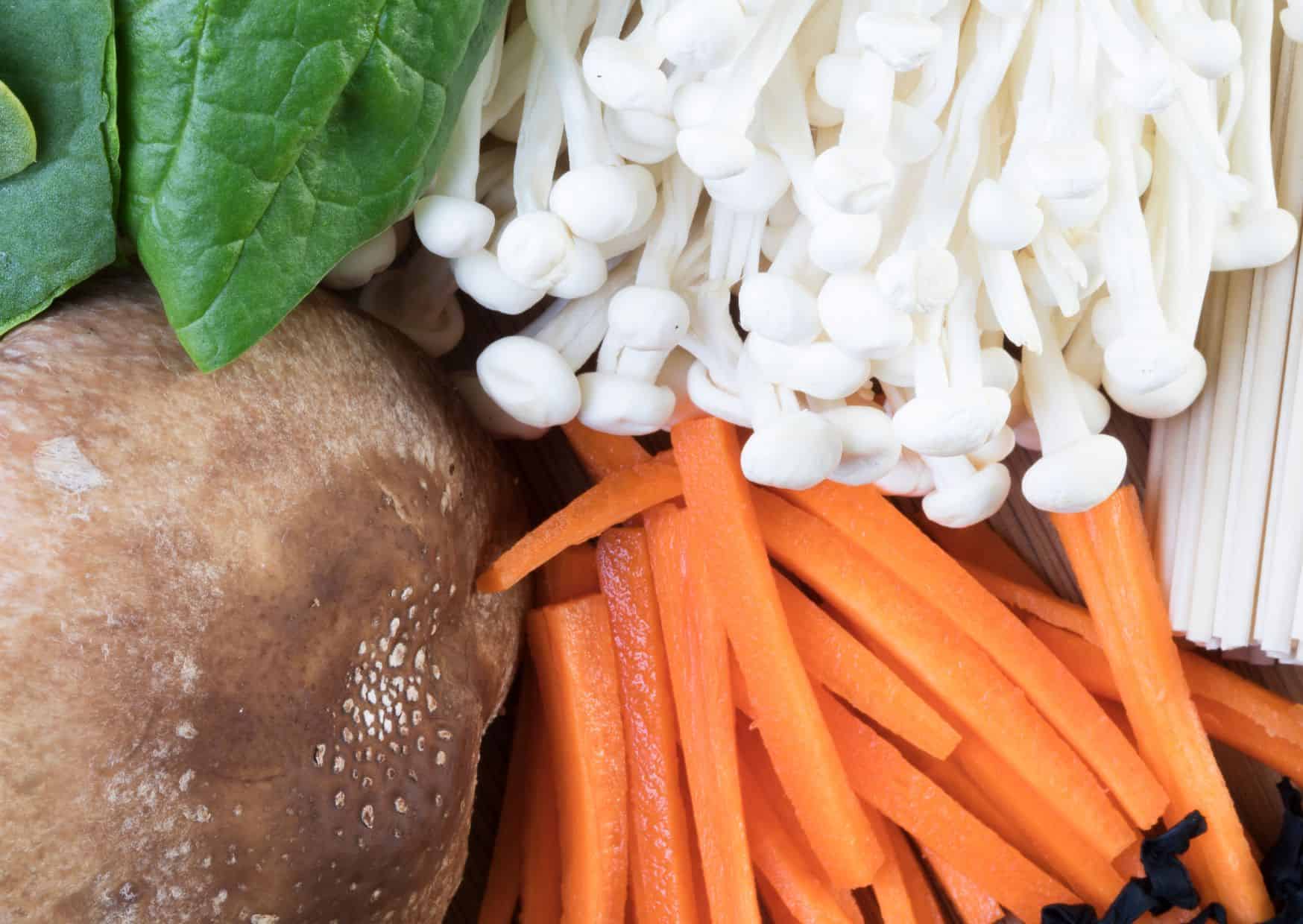
4 cups all-purpose flour (about 500g)
1 cup water (about 240ml)
1 tablespoon salt
Get the best deals for your home and kitchen needs
Step By Step How to Make Udon Noodles
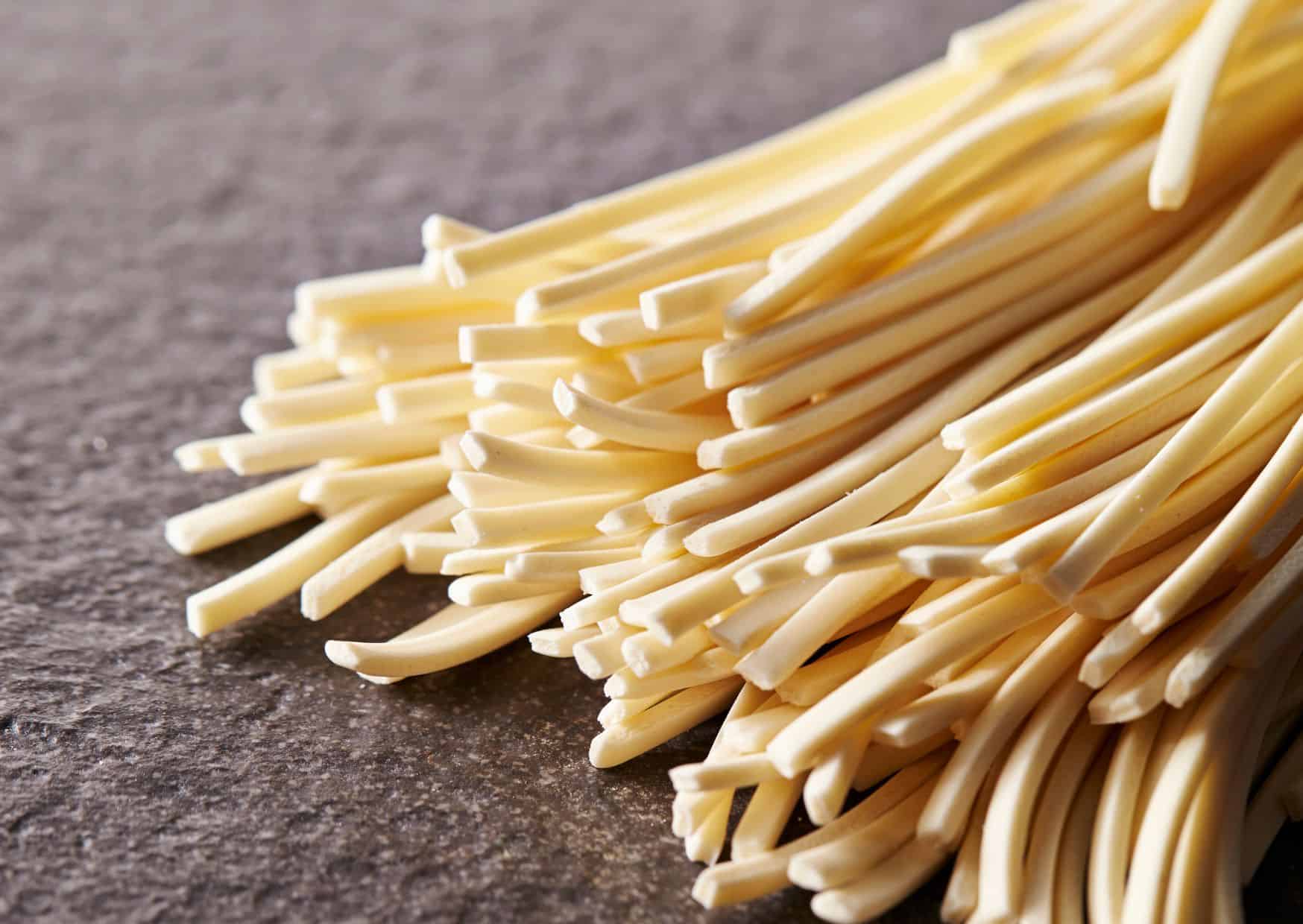
Make the Dough
In a bowl, mix the salt with the water until fully dissolved. Add the flour to a large mixing bowl. Gradually pour the saltwater into the flour, stirring with your hand or a wooden spoon.
Once the water is incorporated, knead the dough inside the bowl until it comes together. Transfer the dough to a clean surface and knead it for about 8-10 minutes, or until it becomes smooth and elastic.
Rest the Dough
Wrap the dough in plastic wrap or place it in a ziplock bag and let it rest for at least 1 hour at room temperature. This allows the gluten to relax and makes it easier to roll out.
Roll Out the Dough
After resting, dust a clean surface with flour and roll out the dough into a flat, even sheet, about 1/4 inch thick (around 6 mm).
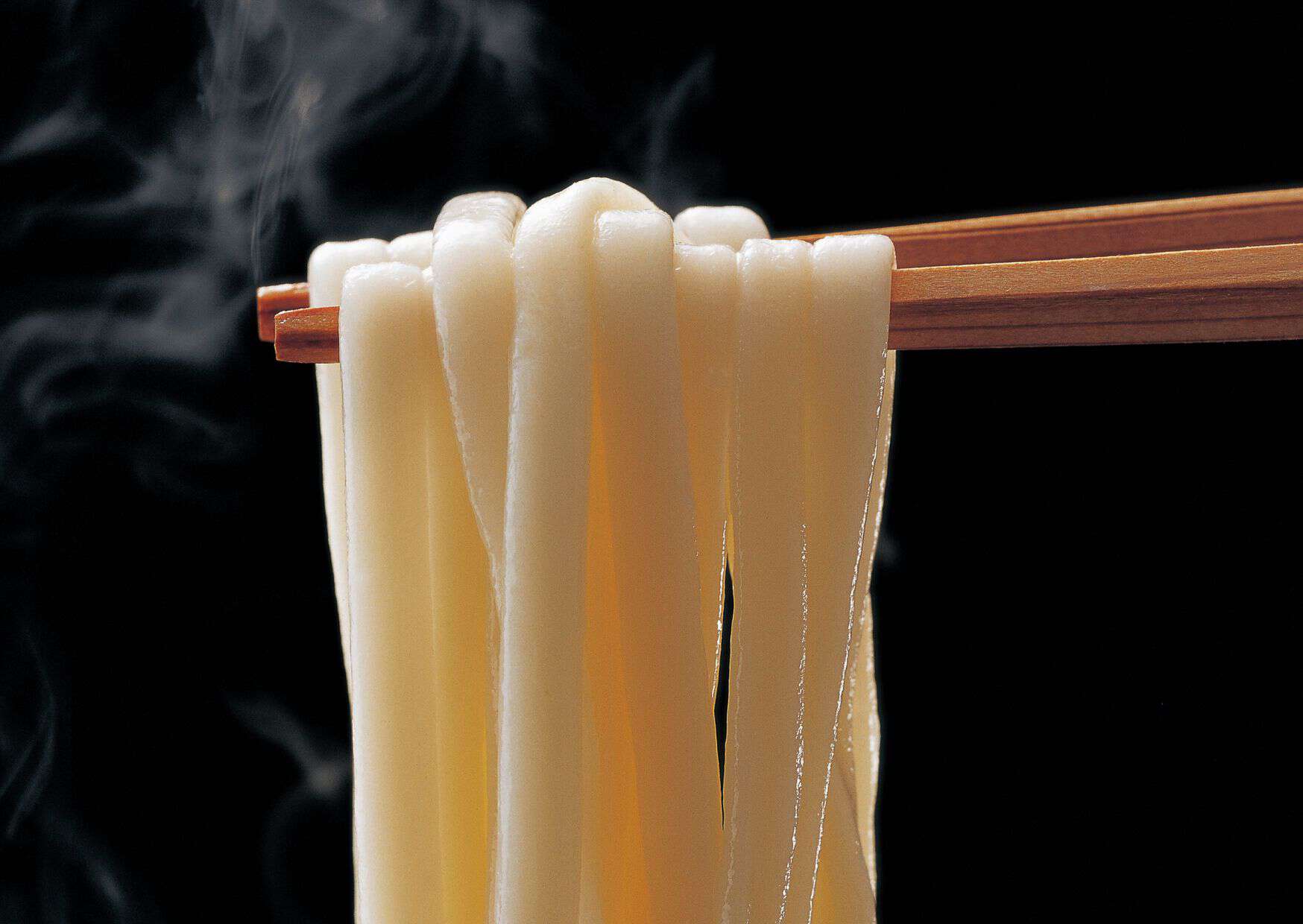
Fold the dough sheet lightly (but don’t press it) and use a sharp knife to cut it into 1/4 inch wide strips for thick udon noodles. Separate the strips and lightly dust them with flour to prevent sticking.
Cook the Noodles
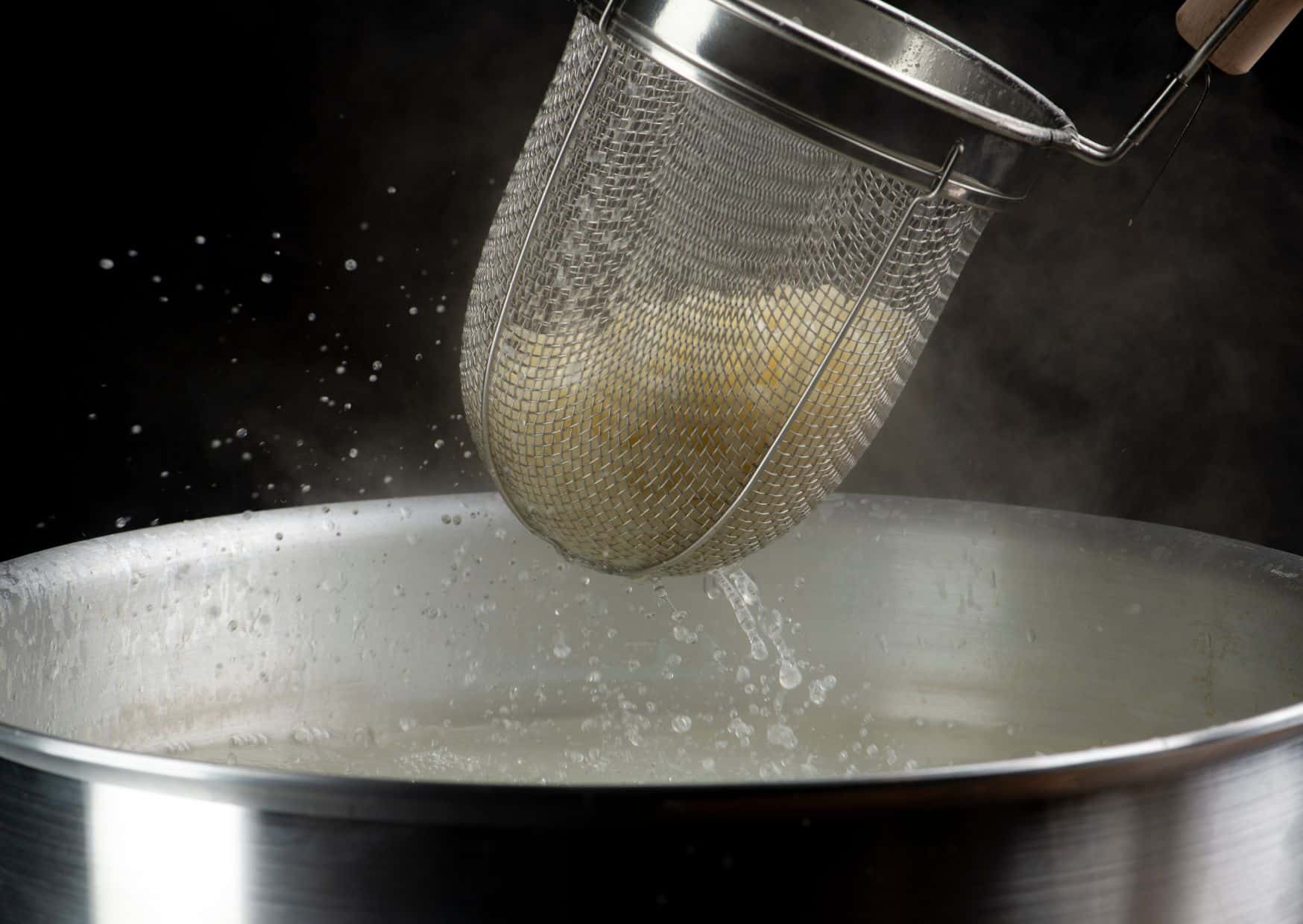
Bring a large pot of water to a boil. Add the udon noodles and cook them for 8-10 minutes, stirring occasionally to prevent sticking. Once the noodles are chewy and cooked through, drain them and rinse under cold water to remove excess starch.
Serve
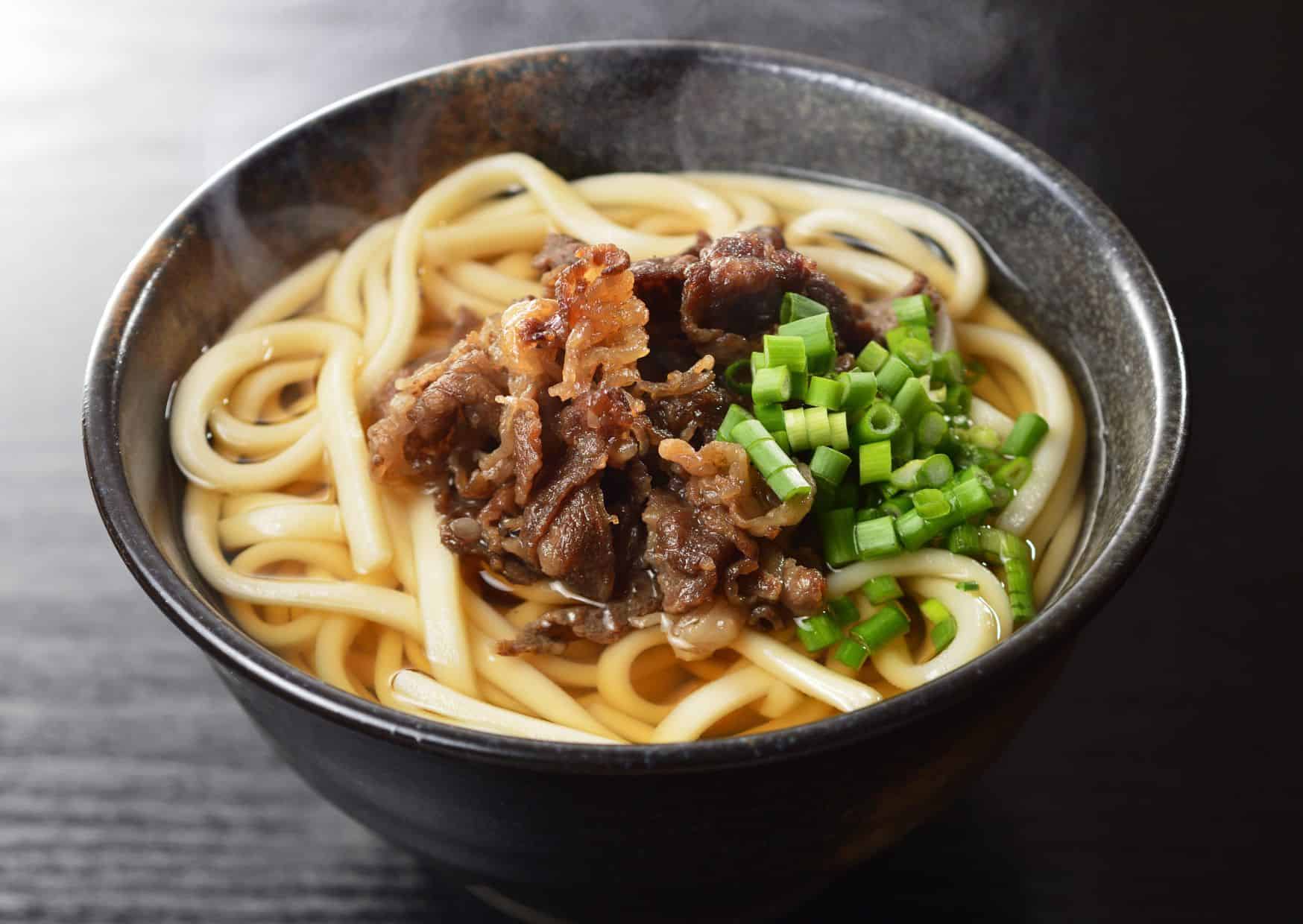
You can serve udon noodles hot in a broth like kake udon (simple soy sauce-based soup) or cold with a dipping sauce. They also work well in stir-fries or with a variety of toppings.
Tips To Make Udon Noodles
In some traditional methods, udon dough is kneaded by stepping on it (with plastic wrap protecting it), as the dough is quite firm. This helps to make the dough elastic while saving your hands.
If you’re short on time, you can buy fresh or dried udon noodles from an Asian grocery store. Just follow the cooking instructions on the package.
Udon noodles are commonly served in a dashi-based broth flavored with soy sauce and mirin. Toppings like tempura, green onions, or soft-boiled eggs add extra flavor and texture.
Try adding tempura, kamaboko (fish cake), green onions, tofu, or a soft-boiled egg for a richer meal.
How Many Calories Have Udon Noodles
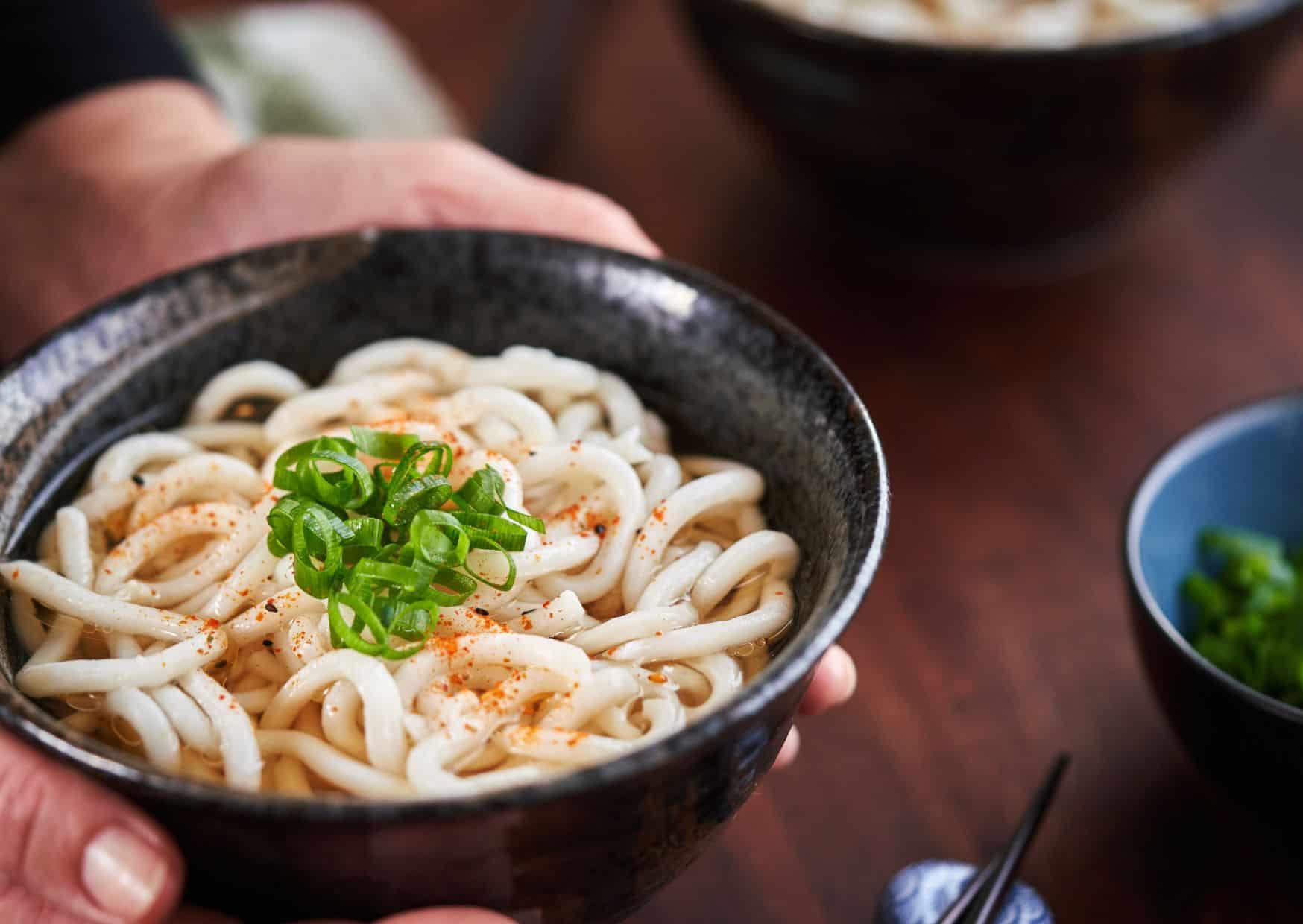
Fresh homemade udon noodles (about 100g) typically contain 150-200 calories, depending on the flour and portion size.
When served in a simple broth or stir-fried with veggies and meat, a typical udon dish can range from 350-600 calories per serving, depending on the ingredients used.
Origin and History
Udon noodles date back more than a thousand years, with most historians believing they originated during Japan’s Heian period. While the exact origin story is debated, the prevailing theory is that Buddhist monks brought early wheat-based noodle-making techniques from China. Over time, Japan adapted these techniques, refining them into the thick, chewy noodles that would eventually become udon. What began as a humble temple staple grew into an everyday comfort food embraced across the country.
By the Edo period, udon had exploded in popularity, becoming a regional symbol with countless variations. Kagawa, known as the Udon Prefecture, built an entire culinary identity around these noodles. Handmade udon shops—some run by the same family for generations—became cultural institutions. Each region developed its own style: golden broth in Kansai, soy-forward flavors in Tokyo, and the famously springy Sanuki udon in Shikoku.
Today, udon sits at the heart of Japanese home cooking. It’s the dish families reach for when someone is sick, stressed, or simply craving something warm. While ramen may have become the global superstar, udon remains deeply tied to Japanese tradition. It symbolizes simplicity, nourishment, and the comforting rhythm of rolling and kneading dough by hand.
One point of debate revolves around the decline of handmade udon. While many Japanese households once made their noodles from scratch, most now rely on packaged versions. Purists argue that store-bought udon lacks the bounce, chew, and soul of true handmade noodles. Others feel the convenience outweighs the trade-off, especially for busy families. Whatever your stance, the tension between tradition and modern convenience continues to shape Japan’s food culture.
Another controversy concerns authenticity. Some chefs insist that real udon must adhere to specific ratios of water to flour and must be kneaded with the feet—a traditional technique that ensures the perfect elasticity. Home cooks outside Japan often adapt recipes by using stand mixers or skipping certain resting stages. Traditionalists argue that these shortcuts produce something udon-like but not truly udon. Others see this purism as unnecessarily rigid and believe that adapting methods for modern kitchens keeps the tradition alive rather than diminishing it.
Then there’s the cultural debate over broth. Some believe the broth defines the dish more than the noodle itself, while others argue that texture is king. Kansai and Kanto residents have long defended their regional broths, each claiming superiority. Visitors are often shocked at how passionately these differences are discussed—proof that udon is more than a meal. It’s a lifelong loyalty.
How Long You Take to Prepare
Handmade udon is surprisingly approachable once you understand the process. Preparing the dough typically takes 10 to 15 minutes of mixing and kneading, followed by a resting period that can range from 30 minutes to several hours. Some traditional methods recommend multiple rest cycles to achieve that iconic chew. Kneading with your feet—yes, feet—is often the fastest and most effective route, but hand-kneading works just fine with a bit of patience.
Rolling and cutting the dough adds another 15 to 20 minutes. Since udon noodles are thick, the process is more forgiving than making soba or ramen. Even beginners can cut them slightly unevenly and still achieve great results. Once cut, the noodles cook in boiling water for 8 to 12 minutes depending on thickness. All in all, a full batch takes around one to two hours from start to bowl—not as fast as instant ramen, but well worth the effort.
If you’re preparing broth or toppings from scratch, add another 20 to 30 minutes. Still, the total time remains under what many people expect for homemade noodles. With practice, you can have fresh, chewy udon on the table in under an hour. It’s one of the most achievable handmade noodle recipes in Asian cooking.
Serving Suggestions
You can serve udon hot, cold, in broth, stir-fried, or even in curry. The most classic option is kake udon: a simple soy-dashi broth poured over freshly cooked noodles, topped with green onions. This minimalist style highlights the texture of the udon itself. For something heartier, add tempura shrimp, fish cakes, or soft-boiled eggs. These toppings elevate the dish into an elegant yet comforting meal.
Cold udon, known as zaru udon, is perfect for warmer months. The noodles are chilled after cooking and served with a dipping sauce made from soy, dashi, and mirin. The contrast between the cold noodles and the savory-sweet sauce brings out a different side of udon that many first-time cooks don’t expect. It’s refreshing, light, and exceptionally easy to prepare.
For maximum comfort, try curry udon. Thick Japanese curry ladled over bouncy noodles creates a cozy, stick-to-your-ribs meal that’s wildly popular in winter. Alternatively, stir-fried yaki udon offers a fast, flavorful weeknight option loaded with vegetables, meat, or tofu. However you choose to serve it, the beauty of udon is its versatility—it can be as simple or as elaborate as you want.
Final Thoughts
Homemade udon noodles may seem intimidating, but they’re one of the most rewarding dishes you can make in your kitchen. The simple act of kneading dough, rolling it out, and cutting it into thick ribbons transforms basic ingredients into something deeply comforting. Each bowl feels personal, grounding, and connected to centuries of Japanese culinary tradition.
Once you’ve made udon from scratch, it’s hard to go back to the packaged version. You’ll immediately notice the difference in texture—the chew, the bounce, the luxurious softness that only handmade noodles offer. And the process itself becomes part of the experience: the quiet rhythm of kneading, the satisfaction of cutting noodles, the aroma of broth filling your kitchen.
Whether you’re cooking for yourself or sharing with others, homemade udon brings warmth to the table that far surpasses its simplicity. It’s a dish that nourishes more than hunger—it nurtures connection, comfort, and a moment of calm in a busy world. Once you try it, you’ll understand exactly why Japan holds this humble noodle so dear.

About the Author: Ruben, co-founder of Gamintraveler.com since 2014, is a seasoned traveler from Spain who has explored over 100 countries since 2009. Known for his extensive travel adventures across South America, Europe, the US, Australia, New Zealand, Asia, and Africa, Ruben combines his passion for adventurous yet sustainable living with his love for cycling, highlighted by his remarkable 5-month bicycle journey from Spain to Norway. He currently resides in Spain, where he continues sharing his travel experiences with his partner, Rachel, and their son, Han.