
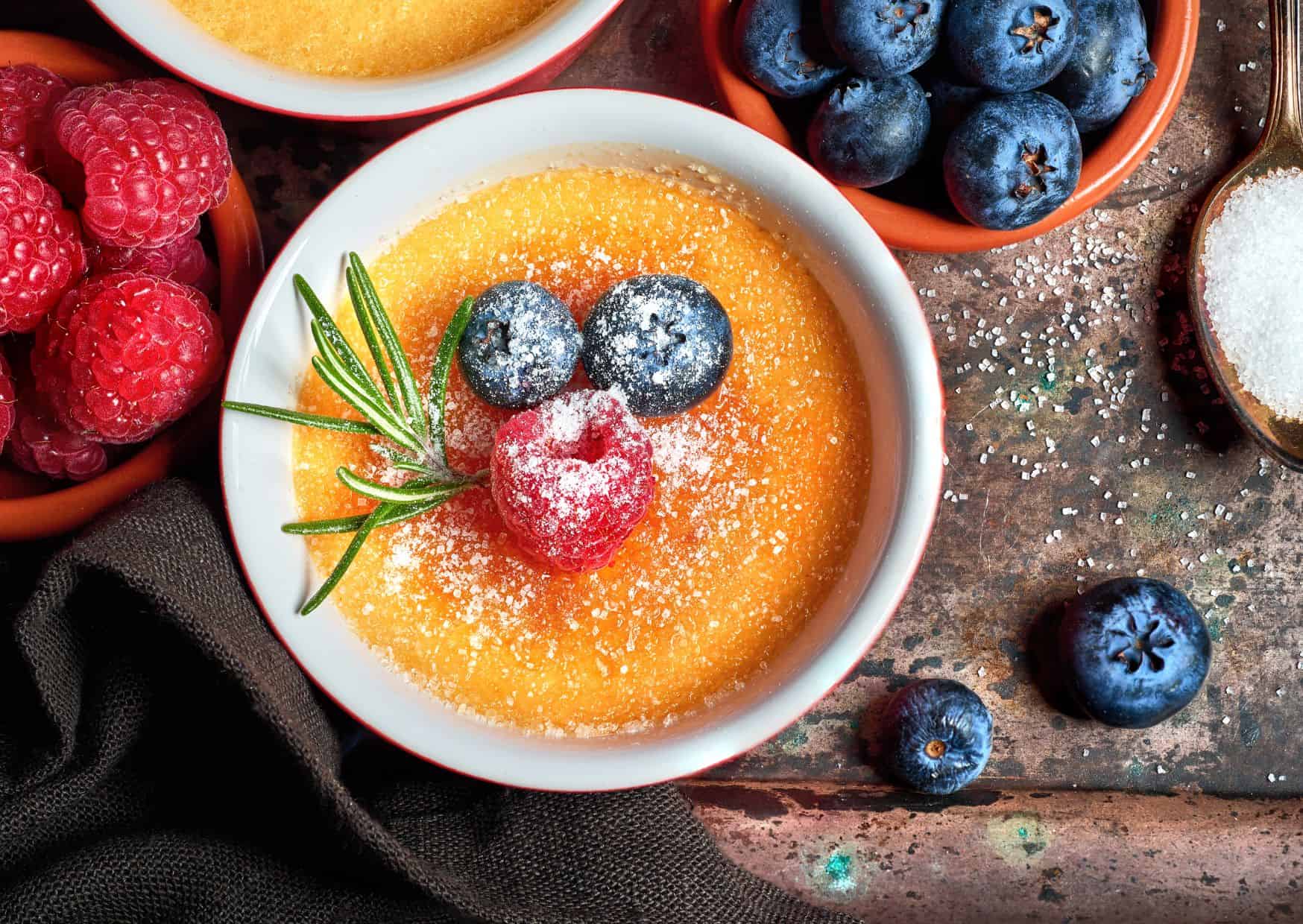
Our full guide on how to make Crème Brûlée Recipe one of the most popular recipes in France.
Crème brûlée is a classic French dessert known for its creamy custard base and contrastingly crisp caramelized sugar top. Here’s a detailed guide on how to make this elegant dessert, including tips and approximate calorie counts.
Read here best French Food, vegetarian food in France, France and Switzerland 14 Days Itinerary and Classic French Breakfast
BOOK YOUR TRAVEL INSURANCE
Two of our favorite travel insurance: Heymondo Vs Safetwing cheapest travel Insurance. You can get for $135 USD your Heymondo Travel Insurance with Heymondo discount code valid for 90 days. Read our full comparison of Genki vs Safetywing Travel Insurance Review and the comparison Heymondo vs Genki
How to Make Crème Brûlée
Crème Brûlée Recipe Ingredients
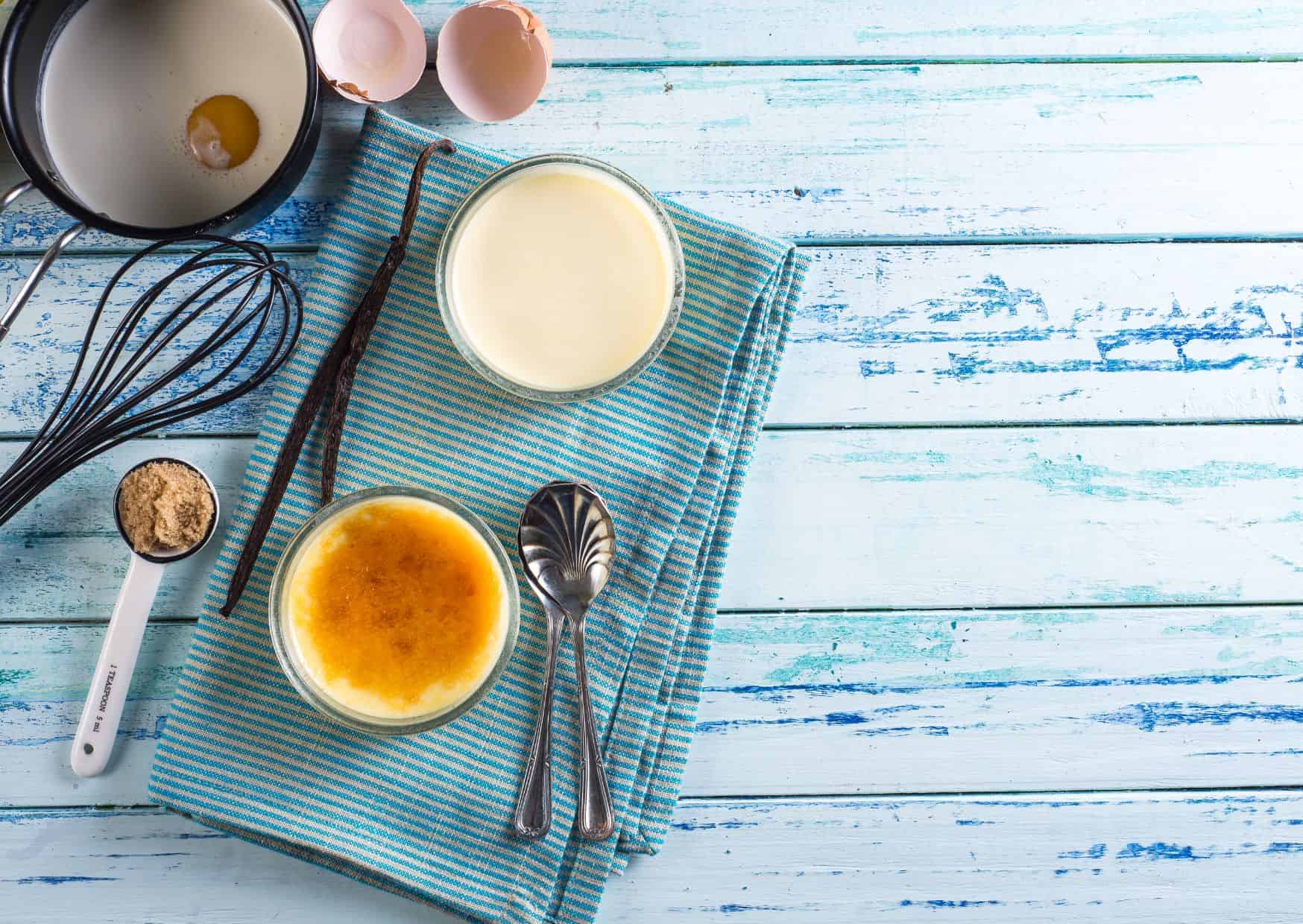
2 cups heavy cream
1 vanilla bean, split and scraped (or 1 teaspoon vanilla extract)
5 large egg yolks
1/2 cup granulated sugar
2 tablespoons brown sugar (for caramelizing)
Get the best deals for your home and kitchen needs
Step By Step How to Make Crème Brûlée
Preheat Oven
Preheat your oven to 325°F (160°C).
Heat Cream
In a medium saucepan, combine the heavy cream and vanilla bean (or vanilla extract). Cook over medium heat until the cream just begins to boil. Remove from heat and let cool slightly. If using a vanilla bean, remove it after heating.
Prepare Egg Mixture
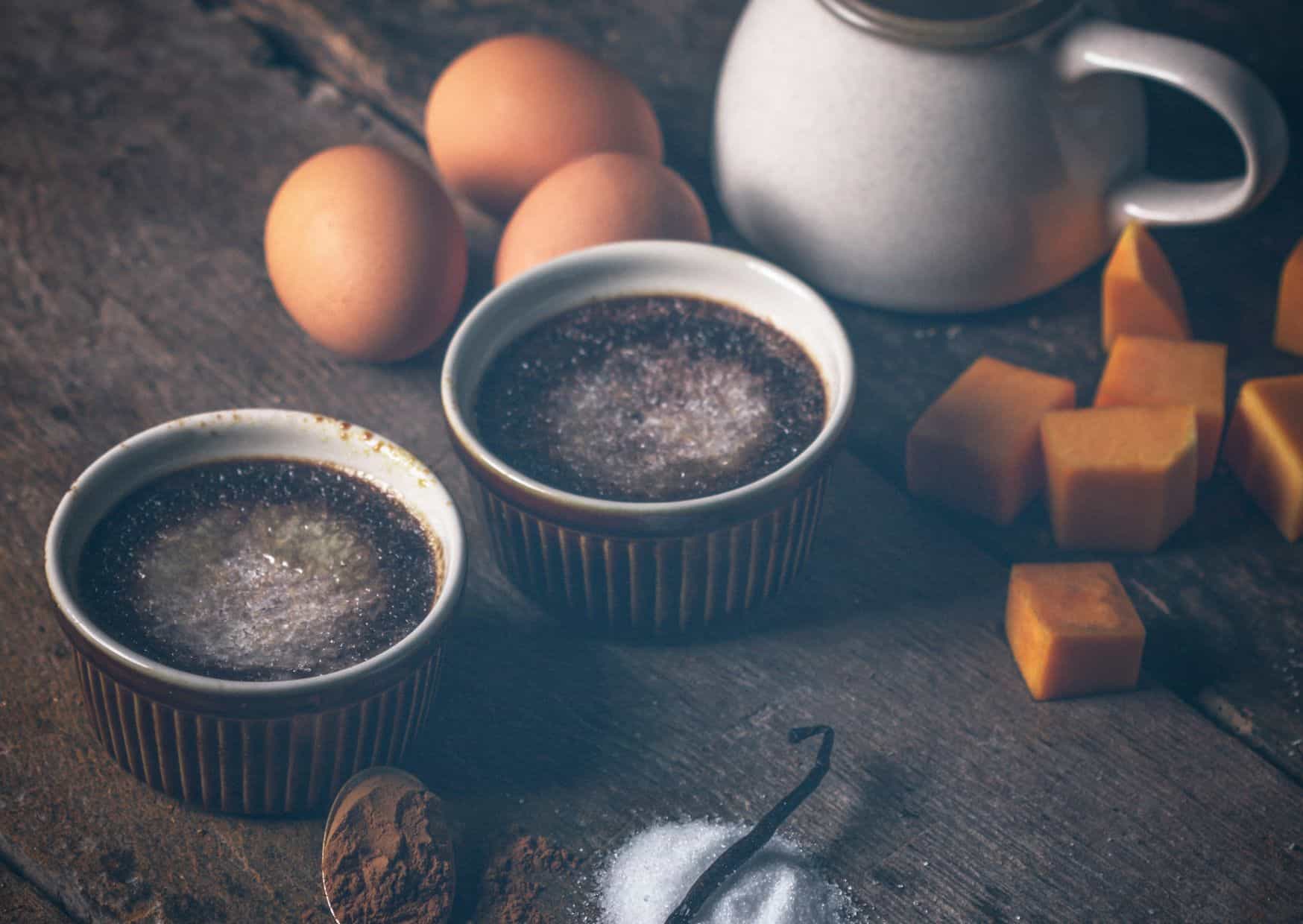
In a mixing bowl, whisk together the egg yolks and granulated sugar until the mixture is thick and pale.
Combine Mixtures
Slowly pour the warm cream into the egg yolk mixture, whisking continuously to prevent the eggs from cooking. Strain the mixture through a fine sieve into a large bowl to remove any cooked bits.
Fill Ramekins
Place 6 ramekins in a baking dish. Pour the custard mixture into the ramekins, filling them about 3/4 full.
Water Bath:
Fill the baking dish with hot water until it reaches halfway up the sides of the ramekins. This water bath helps the custard cook evenly.
Bake
Bake in the preheated oven for 40-45 minutes, or until the custards are set but still slightly jiggly in the center. Remove the ramekins from the water bath and let cool to room temperature. Then refrigerate for at least 2 hours or overnight.
Caramelize Sugar
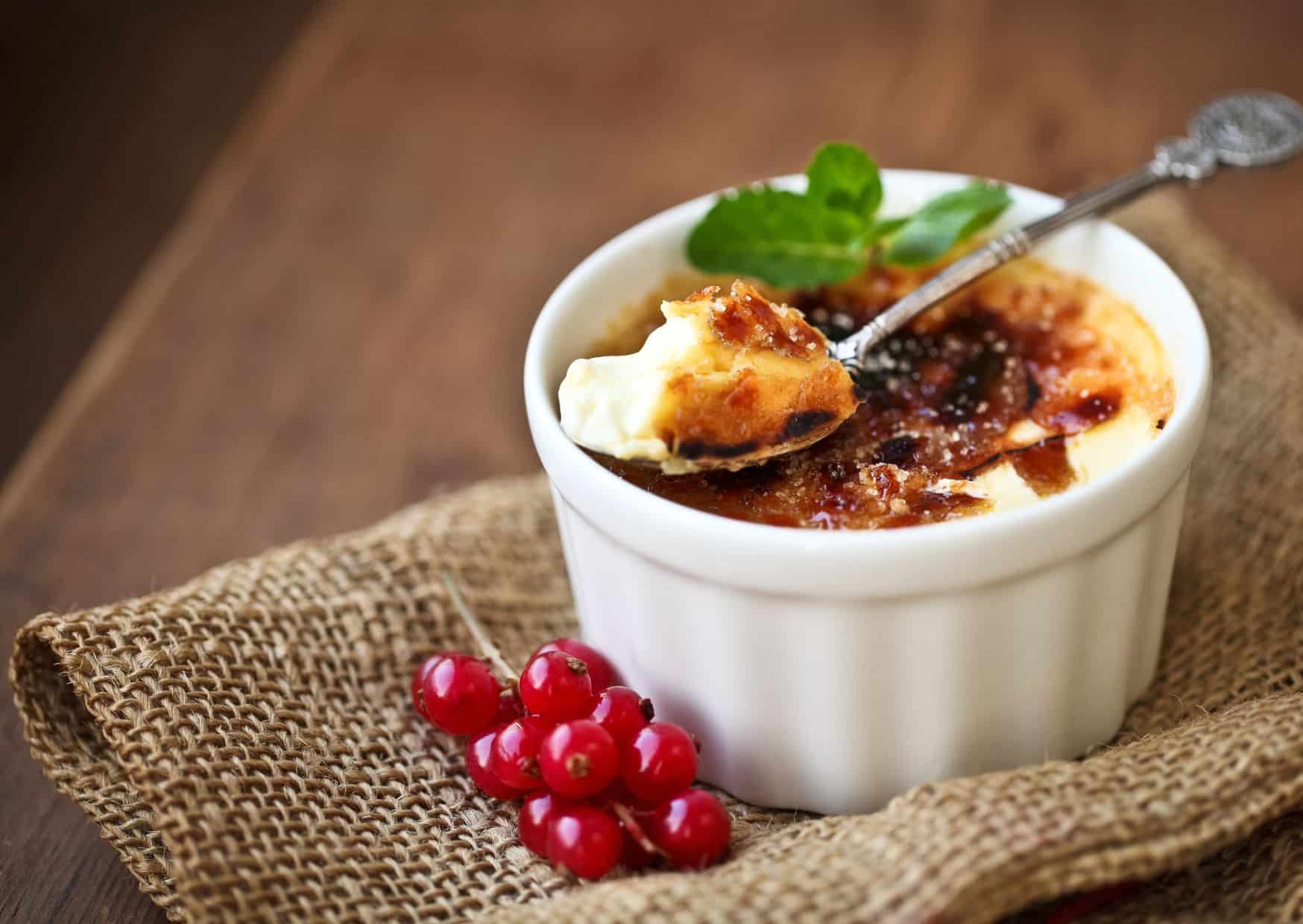
Before serving, sprinkle an even layer of brown sugar over the top of each custard. Using a kitchen torch, caramelize the sugar until it melts and turns golden brown. If you don’t have a torch, you can place the ramekins under a broiler for a few minutes, watching closely to avoid burning.
Tips To Make Crème Brûlée
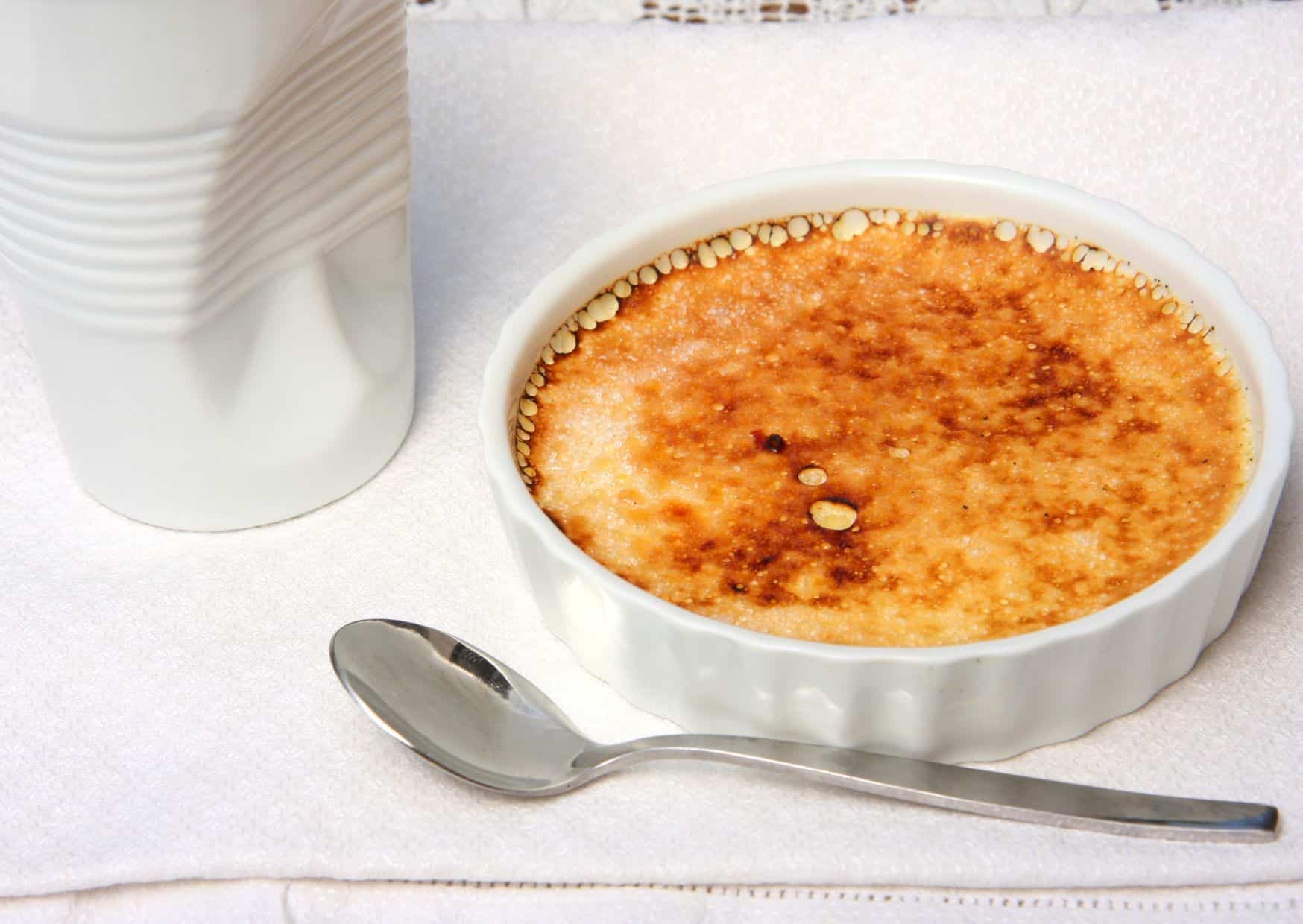
When combining the cream with the egg mixture, do it slowly to prevent the eggs from curdling. The water bath ensures even cooking and prevents the custard from cracking.
Using a kitchen torch gives you more control over the caramelization process compared to using a broiler.
How Many Calories Have Crème Brûlée
Calories: Approximately 250-300 per serving
Protein: 4-5 grams
Carbohydrates: 25-30 grams
Fat: 18-20 grams
Fiber: 0 grams
Origin and History
Crème brûlée has roots that stretch back further than many dessert lovers realize. While most people associate it firmly with France, versions of custard desserts with caramelized tops appeared in England and Spain as early as the seventeenth century. Each region had its own interpretation, but it was the French version that eventually gained worldwide fame for its silky texture and iconic sugar crust.
The modern crème brûlée as we know it began appearing in French cookbooks in the late 1600s, particularly in the kitchens of aristocratic households. Its allure came from a combination of elegance and simplicity. A rich vanilla custard topped with a thin, glass-like layer of burnt sugar made the dessert both visually impressive and indulgent without being overly complicated.
Over the centuries, crème brûlée became synonymous with fine dining. It reemerged as a culinary superstar in the twentieth century when restaurants embraced it as a signature dessert. Its contrast of creamy custard and crunchy caramel remains one of the most beloved pairings in European cuisine, making it a timeless classic that continues to captivate diners around the world.
One ongoing debate is whether the sugar crust should be thick or whisper-thin. Traditionalists insist on a thin layer that shatters instantly with the tap of a spoon. Others prefer a thicker shell for added crunch, claiming it creates a more satisfying texture. Both camps defend their preference passionately, making this a surprisingly spirited topic among dessert enthusiasts.
There’s also disagreement over whether crème brûlée should stick to its classic vanilla flavor or evolve with modern variations. Purists argue that adding lavender, citrus, matcha, or chocolate strays too far from tradition. Meanwhile, contemporary chefs embrace these twists, believing they keep the dessert relevant and exciting for a new generation of diners.
Another controversy centers on the method of caramelizing the sugar. Some say only a blowtorch can deliver the right level of caramelization without heating the custard underneath. Others believe broiling works just as well, especially for home cooks who want accessible techniques. This debate often comes down to convenience versus precision.
How Long You Take to Prepare
Making crème brûlée isn’t difficult, but it requires patience and a few careful steps. Preparing the custard mixture takes about ten to fifteen minutes, including heating the cream, whisking the eggs, and incorporating the vanilla. Once the mixture is ready, it’s poured into ramekins for baking.
The baking process is where most of the time goes. Crème brûlée cooks low and slow, typically for forty to fifty minutes in a water bath. This gentle method ensures the custard cooks evenly and maintains its velvety texture without curdling. After baking, the custards must chill for at least two hours, though overnight chilling gives the best consistency.
The final step—caramelizing the sugar—takes less than a minute per ramekin. Once chilled custards are topped with sugar, a quick blast from a blowtorch or broiler creates the signature caramel crust. From start to finish, the preparation spans several hours, but most of that time is hands-off, making it a manageable and rewarding dessert.
Serving Suggestions
Crème brûlée shines brightest when served simply. Its combination of creamy custard and crisp caramel needs little embellishment. A light dusting of fresh berries or a small mint sprig adds a touch of color without stealing attention from the dessert’s star qualities.
For a more elevated presentation, pair the dessert with complementary flavors. Fresh raspberries, sliced figs, or a small spoonful of berry compote bring acidity that cuts through the richness. A thin biscotti or buttery shortbread on the side adds texture without overpowering the dish.
Crème brûlée also pairs beautifully with certain beverages. Light dessert wines, sparkling wine, or even a well-brewed espresso can balance the sweetness and enhance the experience. Whether served at a dinner party or enjoyed at home, the dessert always delivers a touch of elegance.
Final Thoughts
Crème brûlée remains one of the most iconic French desserts for good reason. It offers a perfect balance of contrasting textures and flavors, transforming simple ingredients into something truly luxurious. Mastering it at home feels like unlocking a little piece of culinary magic, especially when you hear that satisfying crack of caramel.
What makes this dessert evergreen is its timeless appeal. It’s refined without being fussy, impressive without requiring advanced techniques. Once you understand the fundamentals—gentle heat, proper chilling, and careful caramelization—you can make crème brûlée flawlessly every time.
In the end, the beauty of crème brûlée lies in its simplicity. When done well, it becomes a dessert that delights guests, elevates any meal, and brings a bit of French elegance into your kitchen. It’s a classic worth keeping in your repertoire, ready to impress whenever the occasion calls.

About the Author: Ruben, co-founder of Gamintraveler.com since 2014, is a seasoned traveler from Spain who has explored over 100 countries since 2009. Known for his extensive travel adventures across South America, Europe, the US, Australia, New Zealand, Asia, and Africa, Ruben combines his passion for adventurous yet sustainable living with his love for cycling, highlighted by his remarkable 5-month bicycle journey from Spain to Norway. He currently resides in Spain, where he continues sharing his travel experiences with his partner, Rachel, and their son, Han.