
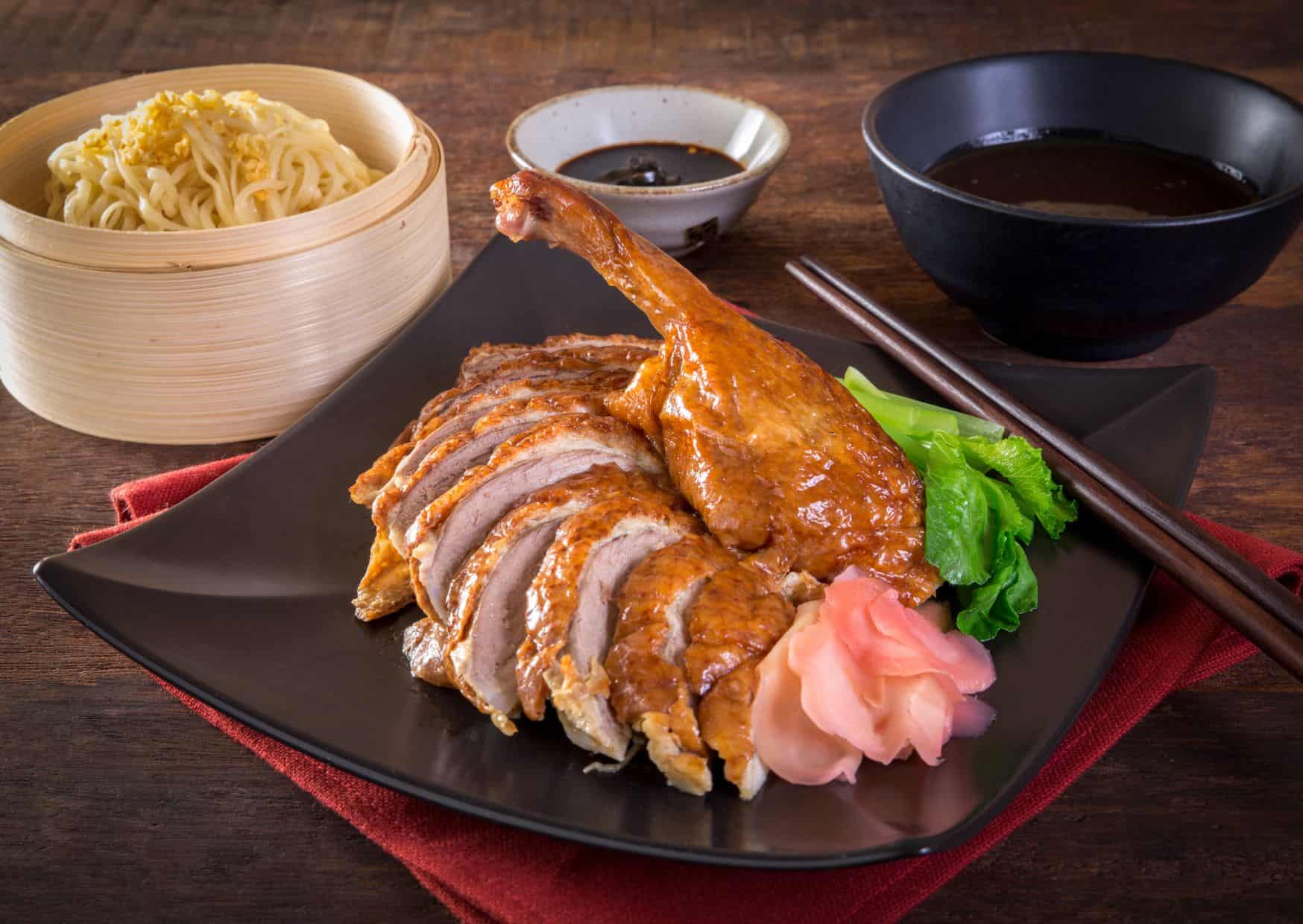
Our guide on How To Make Chinese Peking Duck that you can try to cook at home.
Peking Duck is a famous Chinese dish known for its crispy skin and tender meat, traditionally served with pancakes, hoisin sauce, and scallions. Making Peking Duck at home is a rewarding culinary endeavor that can be achieved with some careful preparation and patience.
Here’s a step-by-step guide to help you create this delicious dish, along with some useful tips and calorie information.
BOOK YOUR TRAVEL INSURANCE
Two of our favorite travel insurance: Heymondo Vs Safetwing cheapest travel Insurance. You can get for $135 USD your Heymondo Travel Insurance with Heymondo discount code valid for 90 days. Read our full comparison of Genki vs Safetywing Travel Insurance Review and the comparison Heymondo vs Genki
How to Make Homemade Chinese Peking Duck
Chinese Peking Duck Recipe Ingredients
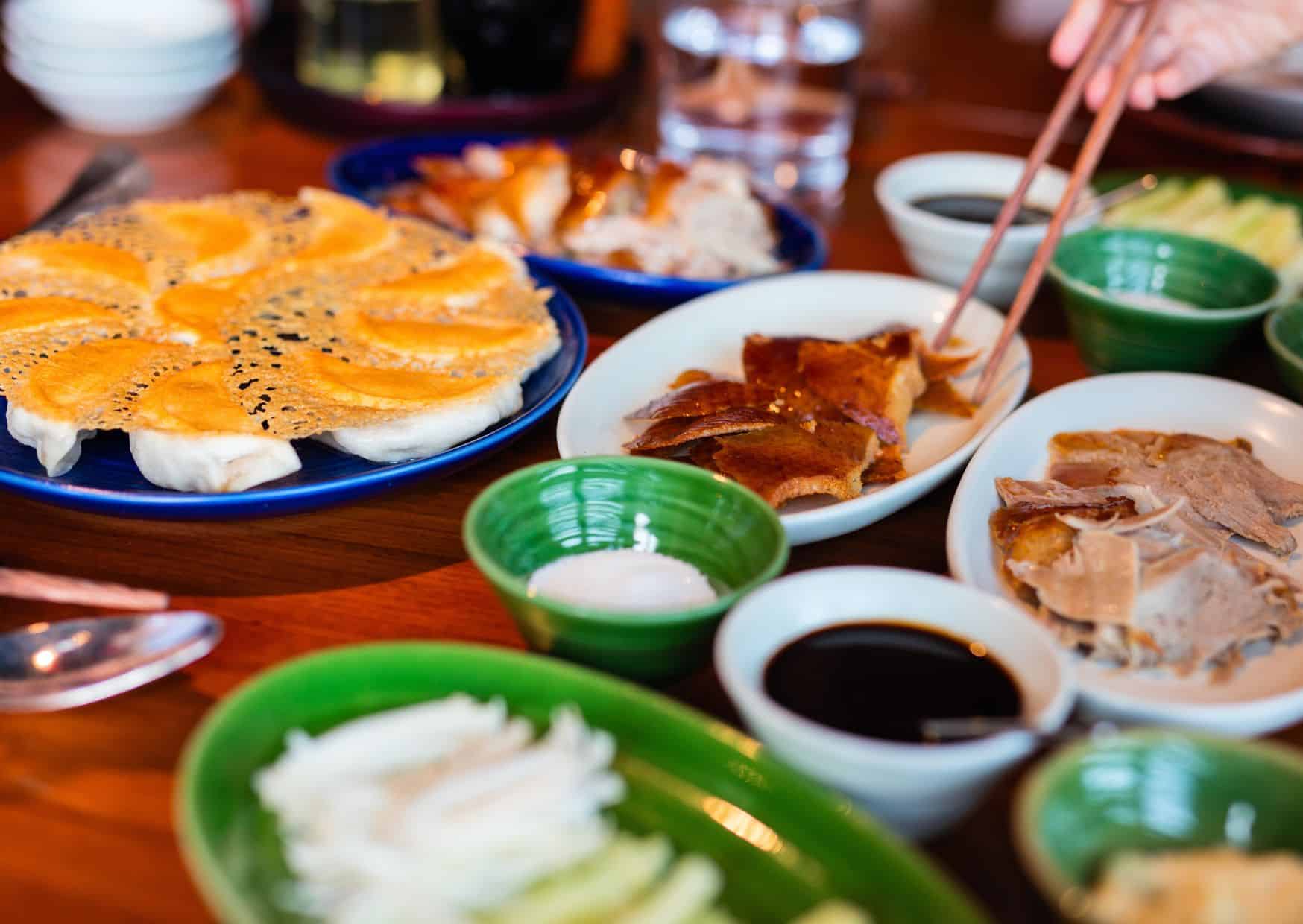
For the Duck:
1 whole duck (about 5-6 pounds)
1 tablespoon five-spice powder
1 teaspoon salt
1 teaspoon white pepper
3 tablespoons honey
3 tablespoons soy sauce
1 tablespoon rice vinegar
1 tablespoon Shaoxing wine (or dry sherry)
For the Pancakes:
2 cups all-purpose flour
3/4 cup boiling water
1 tablespoon sesame oil
For the Serving:
Hoisin sauce
Sliced scallions
Sliced cucumber
Get the best deals for your home and kitchen needs
Step By Step How to Make Chinese Peking Duck
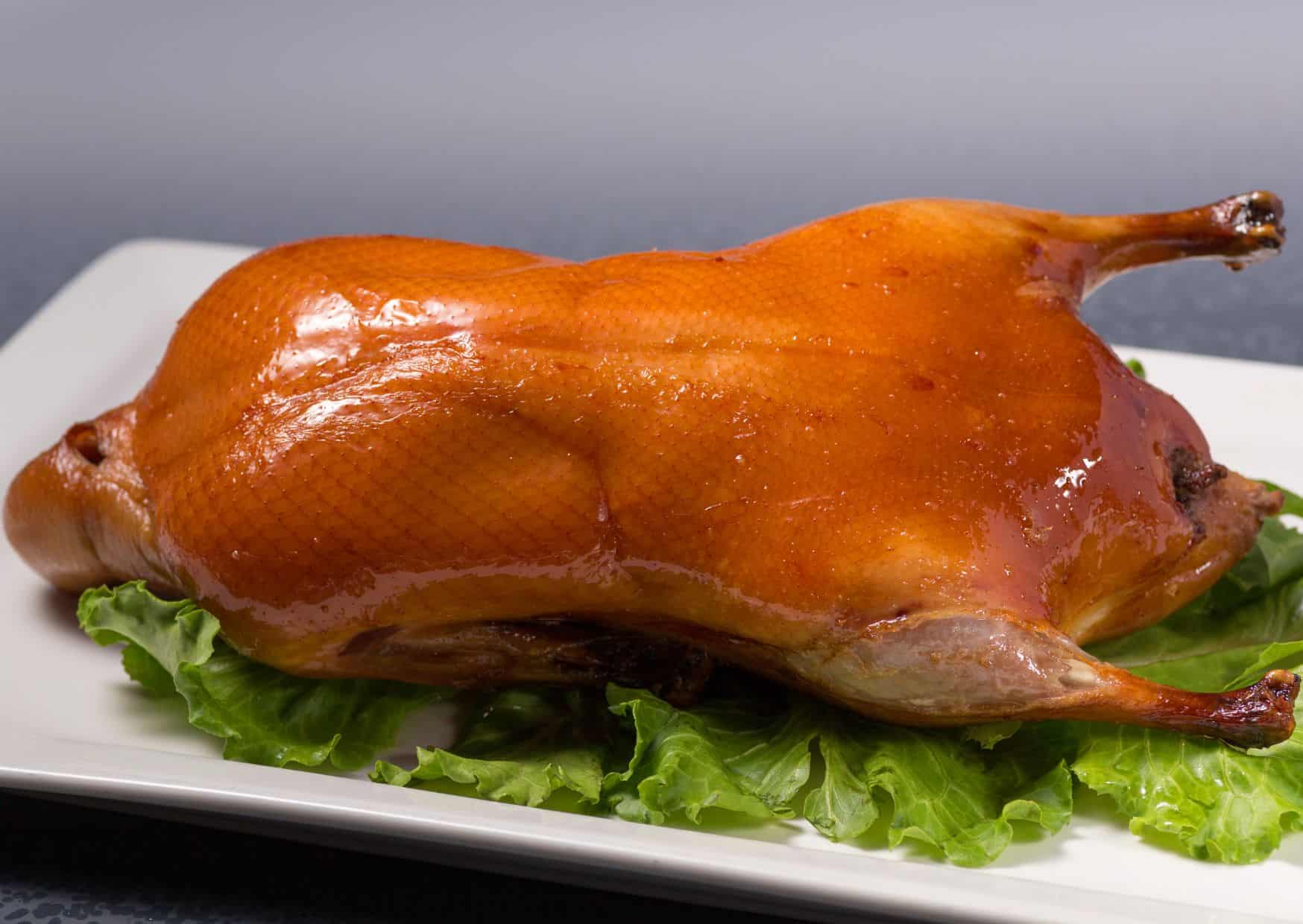
Prepare the Duck
Rinse the duck under cold water and pat dry with paper towels. Remove any excess fat from the cavity. Mix the five-spice powder, salt, and white pepper. Rub this mixture all over the duck, including inside the cavity.
Place the duck on a rack in a roasting pan and let it air dry in the refrigerator, uncovered, for at least 24 hours. This helps the skin to become crispier when cooked.
Blanch and Glaze the Duck
Bring a large pot of water to a boil. Carefully lower the duck into the boiling water for about 2-3 minutes. This helps to tighten the skin. Remove the duck and pat dry again. Let it cool slightly.
In a small bowl, mix the honey, soy sauce, rice vinegar, and Shaoxing wine. Brush this glaze all over the duck.
Hang the duck in a cool, dry place or in front of a fan to air dry for about 4-6 hours. This step is crucial for achieving the crispy skin.
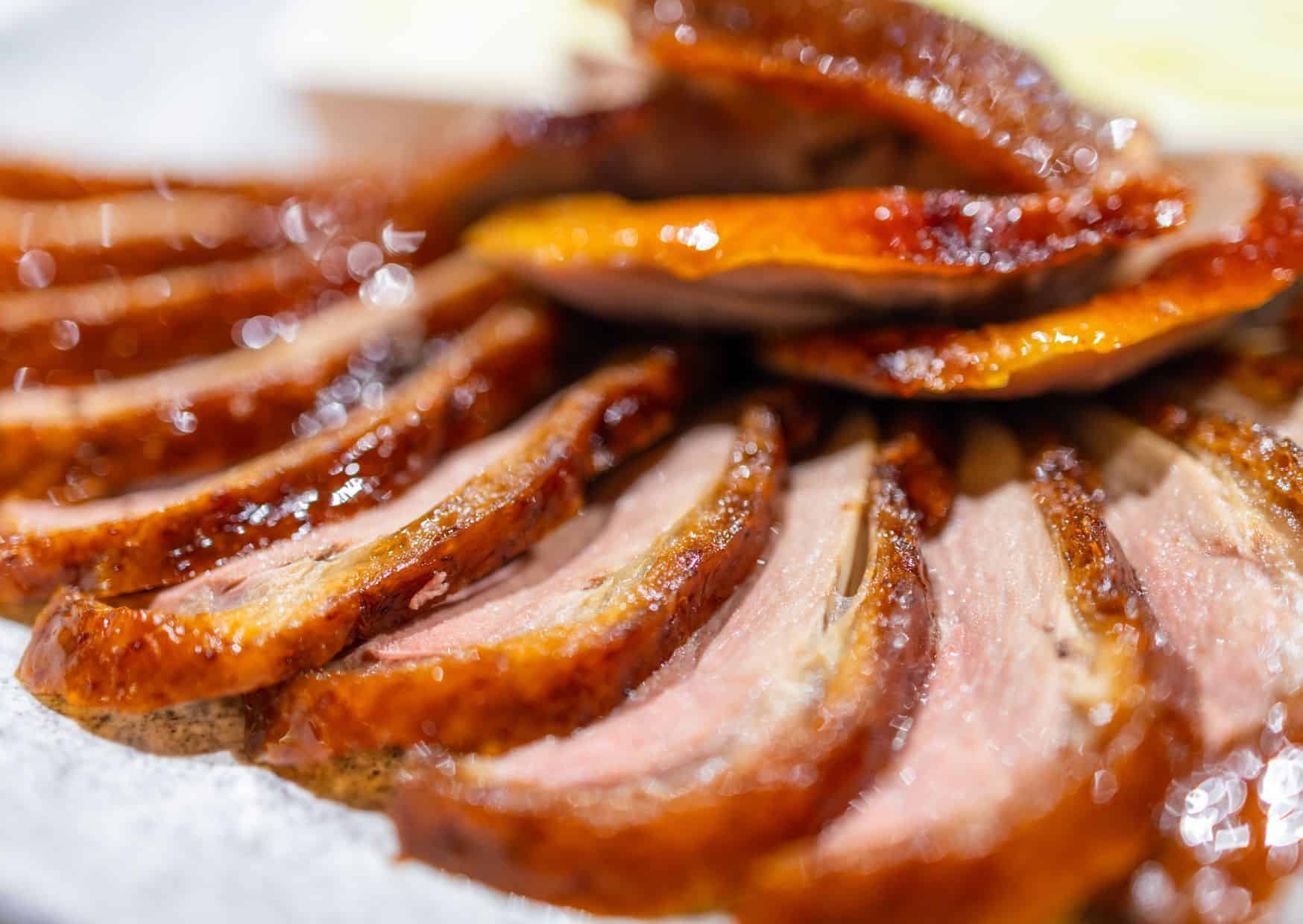
Roast the Duck
Preheat your oven to 375°F (190°C). Place the duck on a rack in a roasting pan, breast side up. Roast for about 1 hour.
Increase the oven temperature to 425°F (220°C) and roast for an additional 30 minutes, or until the skin is deep golden brown and crispy. Let the duck rest for about 15 minutes before carving.
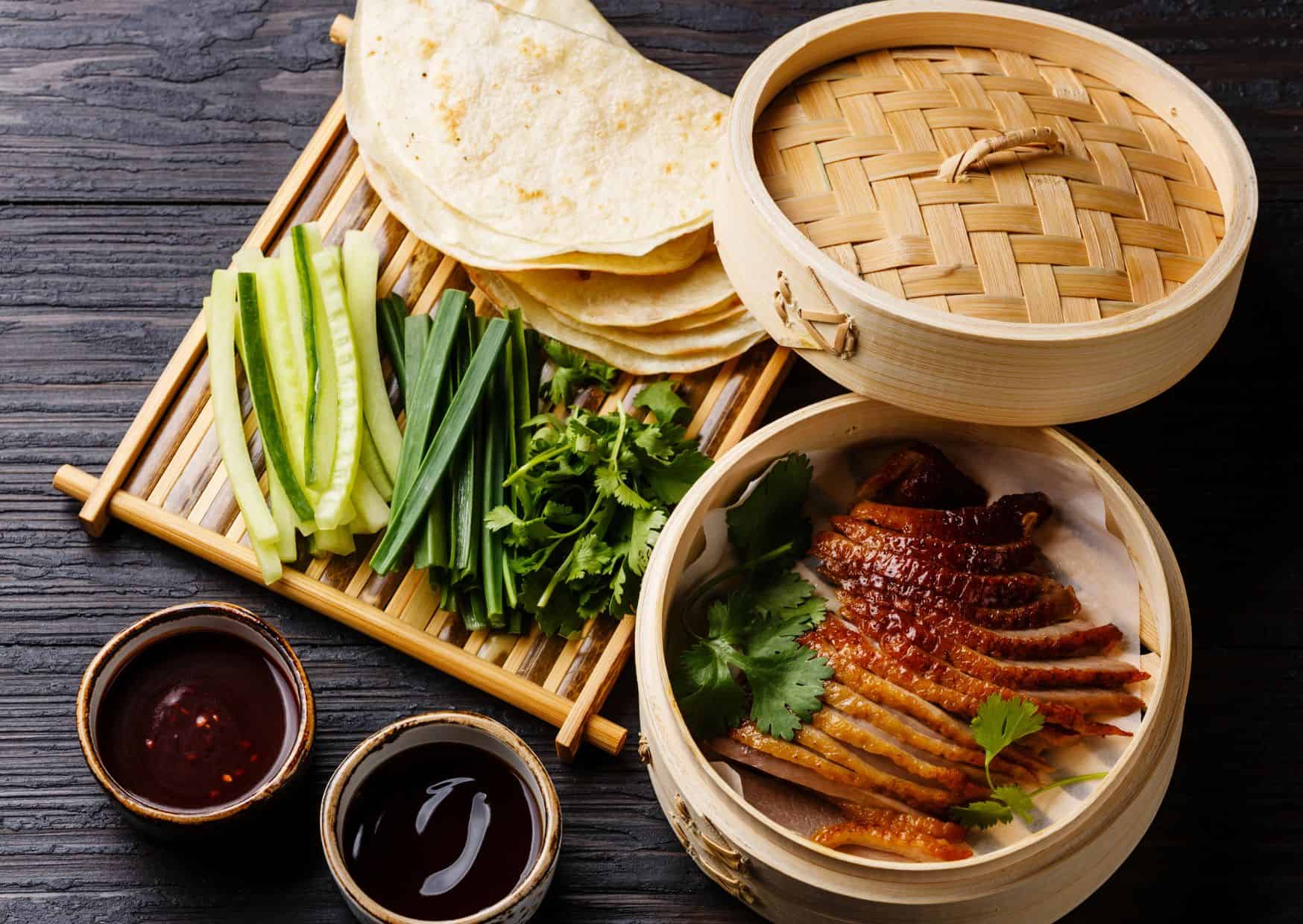
Prepare the Pancakes
In a large bowl, combine the flour and boiling water, stirring until a dough forms. Knead the dough on a floured surface for about 5 minutes until smooth. Cover and let it rest for 30 minutes.
Divide the dough into 16 equal pieces. Roll each piece into a ball, then flatten into a small pancake. Brush each pancake with sesame oil and stack them in pairs, oil side facing each other.
Roll each pair of pancakes together into a thin pancake. Heat a non-stick skillet over medium heat. Cook each pancake pair for about 1-2 minutes on each side until light golden brown. Separate the two pancakes while warm.
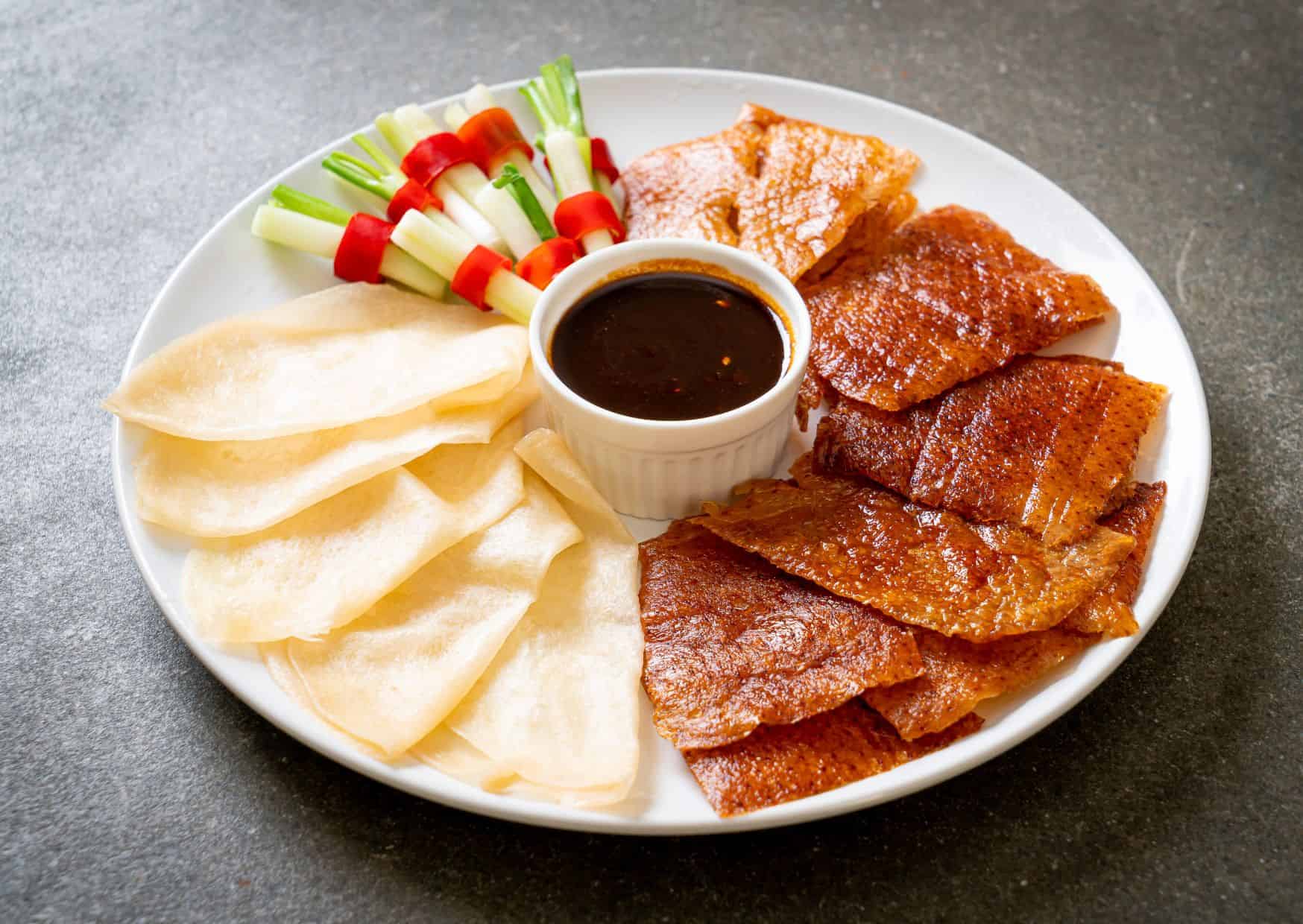
Serve
Carve the duck into thin slices, separating the skin from the meat. Serve the duck with pancakes, hoisin sauce, sliced scallions, and cucumber.
Tips For Making Chinese Peking Duck
Ensuring the duck is thoroughly dry before roasting is crucial for achieving the crispy skin that Peking Duck is known for. Rotate the duck during the drying and roasting process to ensure even cooking and crispiness.
Allow the duck to rest after roasting to let the juices redistribute, ensuring tender and moist meat.
How Many Calories Have Chinese Peking Duck
Duck (with skin): Approximately 400 calories per serving
Pancakes (2 per serving): Approximately 150 calories
Hoisin Sauce (2 tablespoons): Approximately 60 calories
Scallions and Cucumber: Approximately 10 calories
Total Calories per Serving: Approximately 620 calories.
Origin and History
Peking duck traces its origins back to the imperial kitchens of the Yuan Dynasty, where roasted duck was a favorite of the royal court. Over time, the dish evolved into the refined, carefully prepared delicacy associated with Beijing. By the Ming Dynasty, Peking duck had developed its signature characteristics: thin, crispy skin, tender meat, and a meticulous cooking process designed to highlight both texture and flavor.
As the dish grew in popularity, specialized restaurants began perfecting their own versions. Chefs created unique methods—air-drying, glazing, and roasting the duck in brick ovens—to achieve the ideal combination of crisp exterior and juicy interior. These techniques became closely guarded secrets, passed down through families and culinary schools, cementing Peking duck as a symbol of craftsmanship and culinary pride.
Over centuries, Peking duck became a cultural icon, served at celebrations, banquets, and family gatherings. It represents not just a meal but a culinary tradition that honors patience, precision, and respect for technique. Today, it remains one of the most recognizable dishes in Chinese cuisine, celebrated for its rich history and unforgettable flavor.
Debate often surrounds what makes a “true” Peking duck. Purists argue that authenticity requires a specific type of duck, particular ovens, and traditional roasting methods that cannot be fully replicated at home. Others believe that modern kitchens can achieve excellent results with the right technique and attention to detail, even without traditional equipment.
Another point of contention is whether the focus should be on the skin or the meat. Traditionalists insist that the crisp, lacquered skin is the star of the show, while the meat is secondary. Modern diners, however, often value a balance of both. This difference shapes how chefs prepare and serve the dish, influencing everything from carving style to how the duck is plated.
There is also disagreement around side dishes and sauces. Classic Peking duck is served with thin pancakes, scallions, and sweet bean sauce. Some chefs introduce hoisin sauce, pickled vegetables, or even fusion flavors. Critics say these variations stray too far from tradition, while others argue the dish can evolve without losing its identity. These discussions reflect the broader tension between culinary heritage and creative reinterpretation.
How Long You Take to Prepare
Preparing Peking duck at home takes time, but each step plays a crucial role in developing the final flavor and texture. The initial preparation—cleaning the duck, drying it, and applying the glaze—typically takes about 20 to 30 minutes. The real magic happens during the drying period, which can last anywhere from 8 to 24 hours. This slow drying process ensures the skin becomes taut and ready to crisp beautifully in the oven.
The roasting process usually takes between one to two hours, depending on the size of the duck and your oven. Rotating the duck as it cooks helps it brown evenly, creating that signature deep amber color. While the cook time is significant, most of it is hands-off, making the process easier than it seems.
Once cooked, carving the duck requires another 10 to 15 minutes. Slicing thin, even pieces takes practice, but it ensures each serving includes both crispy skin and a tender layer of meat. The overall time investment may be long, but the final result is worth every step.
Serving Suggestions
The classic way to enjoy Peking duck is with thin Mandarin pancakes. Place a slice of crispy duck skin and meat on a pancake, add scallions and cucumber, and finish with a swipe of sweet bean sauce. This combination of texture and flavor is timeless and showcases the dish at its best.
If you want a more elaborate meal, serve the duck alongside simple vegetable dishes such as sautéed bok choy or garlic green beans. Their freshness cuts through the richness of the duck. A light soup or broth can also provide balance without competing with the main dish.
For a more modern twist, use leftover duck meat in fried rice, noodle dishes, or bao buns. These variations stretch the meal while keeping the flavor front and center. Regardless of the serving style, Peking duck pairs well with jasmine tea, light beer, or crisp white wine.
Final Thoughts
Peking duck may seem intimidating at first, but once you break down the steps, it becomes an approachable and rewarding dish to make at home. The slow drying, careful glazing, and steady roasting all work together to create a result that rivals—if not surpasses—what you might find in many restaurants.
What makes homemade Peking duck truly special is the control you have over every aspect. You can adjust the seasoning, crisp the skin to your liking, and carve it exactly the way you prefer. It transforms from an occasional restaurant treat into a dish you can enjoy whenever you want to put in the time and care.
In the end, mastering Peking duck is about embracing patience and celebrating the satisfaction of creating something exceptional from start to finish. Once you taste the crisp skin and tender meat of your own homemade version, you’ll understand why this dish has been cherished for centuries—and why it’s absolutely worth making at home.

About the Author: Ruben, co-founder of Gamintraveler.com since 2014, is a seasoned traveler from Spain who has explored over 100 countries since 2009. Known for his extensive travel adventures across South America, Europe, the US, Australia, New Zealand, Asia, and Africa, Ruben combines his passion for adventurous yet sustainable living with his love for cycling, highlighted by his remarkable 5-month bicycle journey from Spain to Norway. He currently resides in Spain, where he continues sharing his travel experiences with his partner, Rachel, and their son, Han.