
(And Why Their Nights Feel More Human, Connected, and Restful)
In the U.S., evenings are often squeezed into a race against the clock. The day ends, and what follows is usually a blur of reheated dinners, kids’ homework, scrolling phones, and catching up on work emails. For many Americans, the evening is just the leftover space after the “real” part of the day.
In Europe, evenings are something else entirely. In many parts of the continent, the end of the workday marks the start of a different kind of life—a slower, more social, more intentional rhythm that feels almost like another world to American visitors.
Here are nine ways Europeans spend their evenings that show just how differently they relate to time, food, people, and rest.
Want More Deep Dives into Everyday European Culture?
– Why Europeans Walk Everywhere (And Americans Should Too)
– How Europeans Actually Afford Living in Cities Without Six-Figure Salaries
– 9 ‘Luxury’ Items in America That Europeans Consider Basic Necessities
Quick Easy Tips
Try a slow dinner without screens or multitasking.
Take a short evening walk to unwind before bed.
Replace one night of TV with a casual meet-up or coffee date.
Keep evenings less scheduled; allow time to flow naturally.
Enjoy small rituals like tea, candles, or reading to create atmosphere.
One of the biggest cultural debates is whether Europeans genuinely have more free time or whether they simply value it more. Critics argue that European evenings appear peaceful because work culture is structured differently, with shorter hours and stronger labor protections. Others say it’s about mindset—not laws—and that Americans could adopt similar habits if they prioritized downtime.
Another controversy involves nightlife. Americans often assume that European evenings revolve around bars or late-night parties, but this stereotype misses the nuance. Many Europeans spend evenings without alcohol at all, choosing community activities, family gatherings, or outdoor strolls instead. Some Americans see this as old-fashioned, while Europeans see it as balanced.
A final point of debate is whether the American evening routine is the result of choice or necessity. High workloads, long commutes, and expensive cities leave many Americans exhausted by sunset. Europeans counter that structuring life so that evenings are restful is intentional—and essential for well-being. This disagreement highlights a deeper question about what modern life should look like and how much space we allow ourselves to simply breathe.
1. Dinner Happens Later and It Lasts Longer
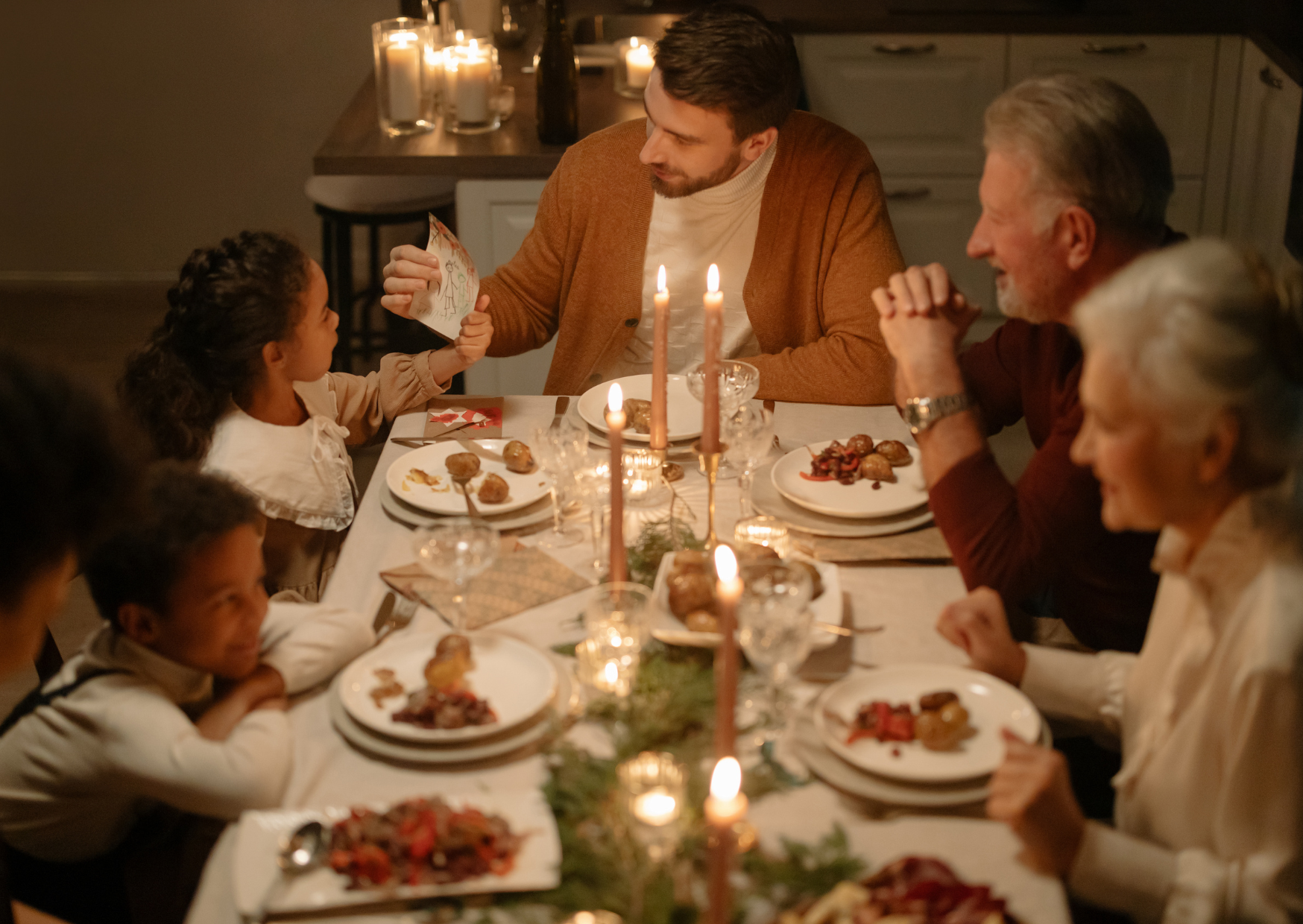
In many European countries, especially in the south, dinner doesn’t begin at 6 p.m. In fact, the restaurant might not even open by then.
- In Spain and Italy, dinner often starts around 8 or 9 p.m.
- Meals are not rushed. It is not unusual for dinner to last over an hour.
- Food is shared in courses, and conversation is part of the experience.
This later schedule is not about laziness or disorganization. It is a cultural rhythm that prioritizes presence. Dinner is not just a refueling stop. It is an event.
In contrast, many American dinners are quick and quiet. It is common to eat in front of a screen, and most meals are done within 20 minutes. For Europeans, that would barely count as the warm-up.
2. People Actually Go for Evening Walks
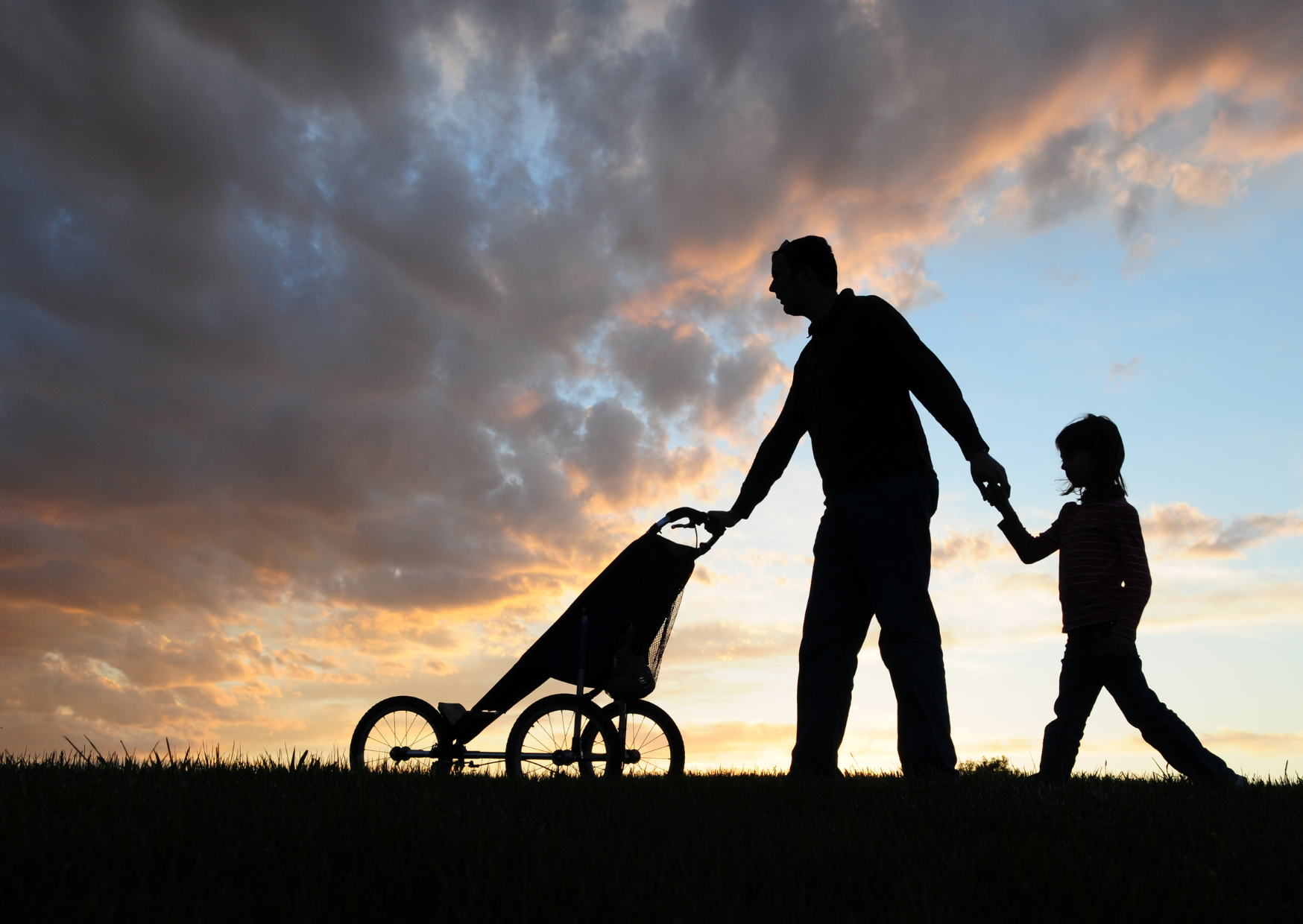
In Europe, it is not unusual to see families, couples, or groups of friends strolling the streets after dinner. The Italian passeggiata and the Spanish paseo are time-honored traditions.
- These walks are not for fitness. They are social and slow.
- People dress nicely, even if they’re just going around the block.
- There is no destination, just movement and conversation.
American city planning makes this harder. Suburbs lack walkable streets, and safety concerns or long commutes often keep people indoors. But in Europe, the evening walk is built into the culture—and it helps people unwind, digest, and connect.
3. Screens Are Not the Default
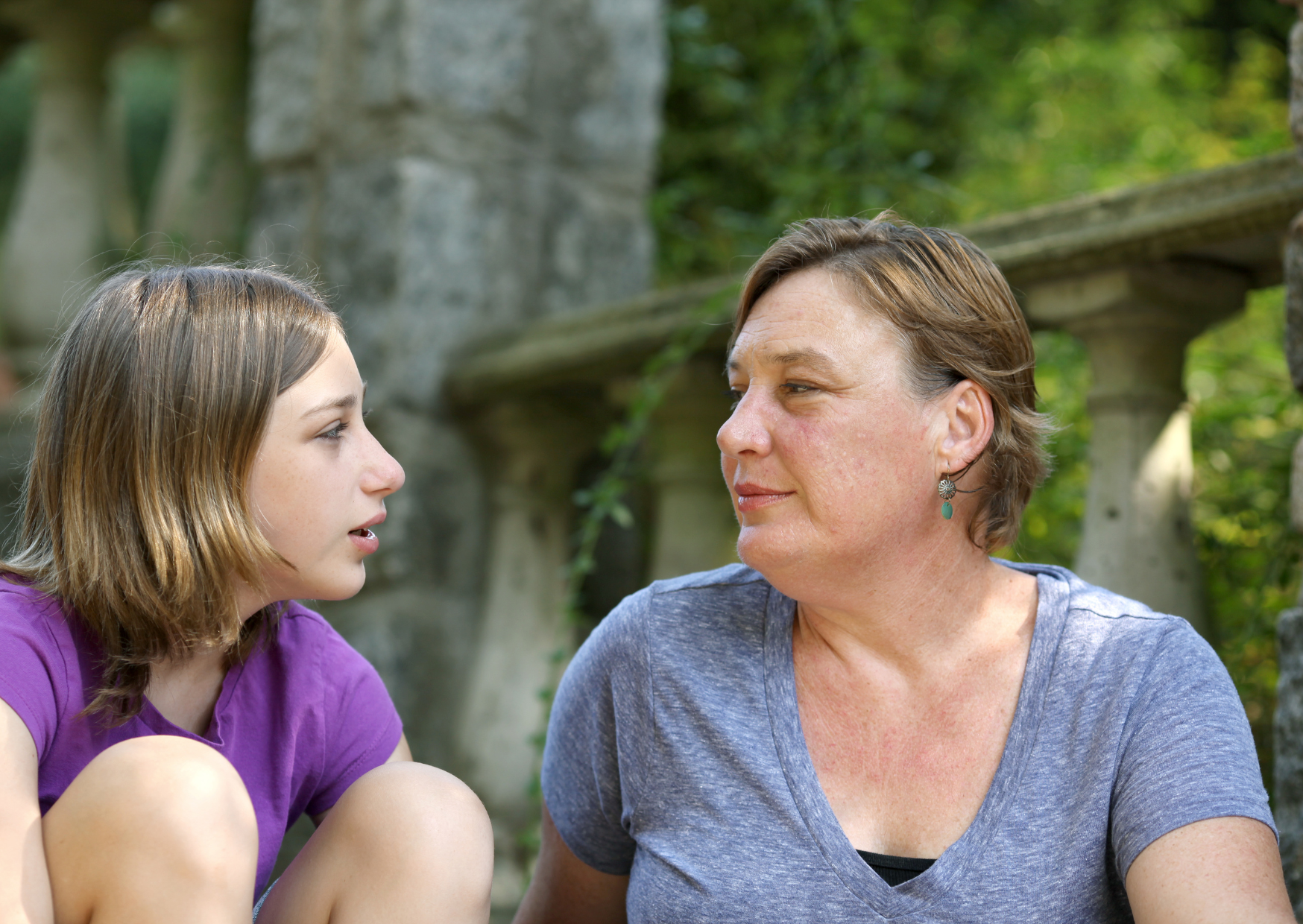
Evenings in the U.S. are heavily screen-based. Netflix, social media, gaming, YouTube, and scrolling fill the hours between dinner and bed.
In Europe, screens are still part of life—but not to the same extent.
- Conversations continue after dinner.
- People visit friends, attend events, or sit on their balconies.
- Outdoor cafés stay open late, especially in warmer months.
The difference is not about technology access. It is about values. Many Europeans simply prefer live connection to passive consumption. There is no rush to switch on a show if the table is still full and the wine is still flowing.
4. Balconies and Terraces Come Alive
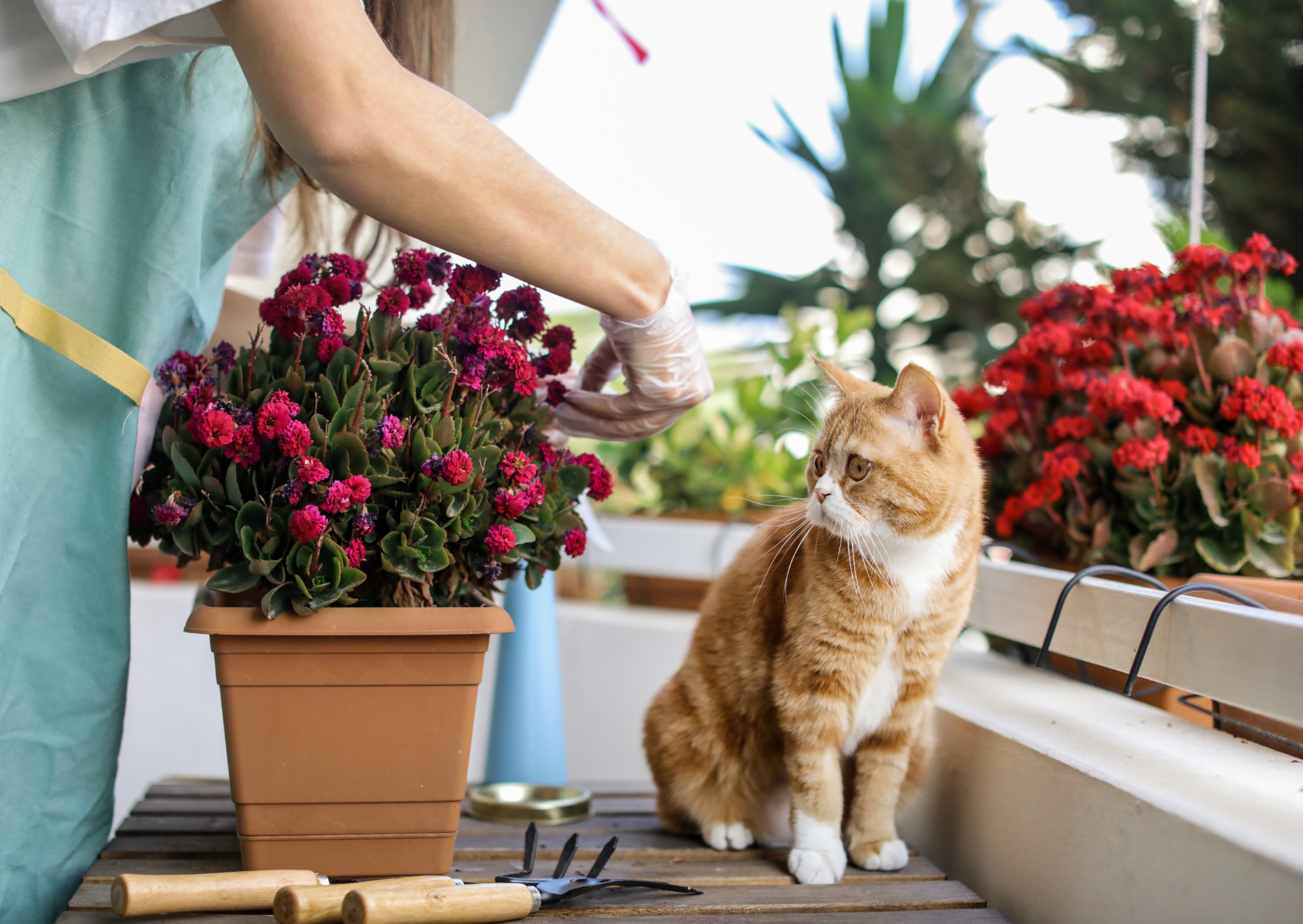
In places like Greece, Spain, Italy, and Portugal, balconies are not decorative. They are used daily—especially at night.
- People sit outside to talk, watch the street, or cool down.
- Neighbors lean over railings to chat.
- Families gather with a drink or dessert to enjoy the fresh air.
This public-private blend is rare in American neighborhoods. Front porches used to serve a similar role, but now, most evening life takes place behind closed doors. In Europe, the street and the home still share that in-between space, especially at dusk.
5. Live Music and Local Events Are Common

Even in small towns, European evenings are often filled with events that bring people together.
- Free concerts in the square
- Traditional dances, street performances, or festivals
- Outdoor movie nights or local markets that go into the night
People gather in plazas and streets—not stadiums or giant venues. These events are frequent, casual, and deeply rooted in the community.
American life often separates entertainment from daily routines. You go “out” for a show. You drive to a venue. But in Europe, the evening itself provides the soundtrack.
6. Evening Errands and Shopping Are Normal

In many European cities, shops stay open later than you’d expect. Locals don’t rush to finish everything before 5 p.m.
- Bakeries might open again in the evening for late bread runs.
- Small groceries or corner stores serve people grabbing fresh items for dinner.
- Markets spill into the streets and run into twilight.
This allows for a more relaxed rhythm. You do not have to cram all your errands into a tight lunch break. The evening is flexible, alive, and practical.
In contrast, Americans often run errands in a car between work and dinner, or batch it all into the weekend. Europe keeps it smaller and more integrated.
7. There Is Less Drive to Be “Productive”
Americans tend to fill every available hour with purpose. Whether it’s finishing a side project, organizing a closet, or planning the next day, the pressure to “use the time wisely” never really stops.
Europeans treat the evening as sacred. Not for hustle—just for being.
- It is okay to do nothing.
- Reading a book, watching the sunset, or talking for hours is enough.
- There is no guilt in not checking something off a list.
This mindset lowers anxiety and improves sleep. When your evening is about restoration, not optimization, you naturally unwind.
8. Kids Stay Up Later and Play More Freely

In many parts of Europe, especially in Mediterranean countries, children are not tucked into bed at 7:30 p.m.
- It is common to see kids playing in plazas at 9 or even 10 p.m.
- Families eat together, and the night is shared.
- There is less fear about “keeping the schedule” and more focus on enjoying the time.
This shocks many American parents. But in many European families, children are not excluded from social time. They learn how to be part of the rhythm, not rushed out of it.
9. Evenings Are About Relationships
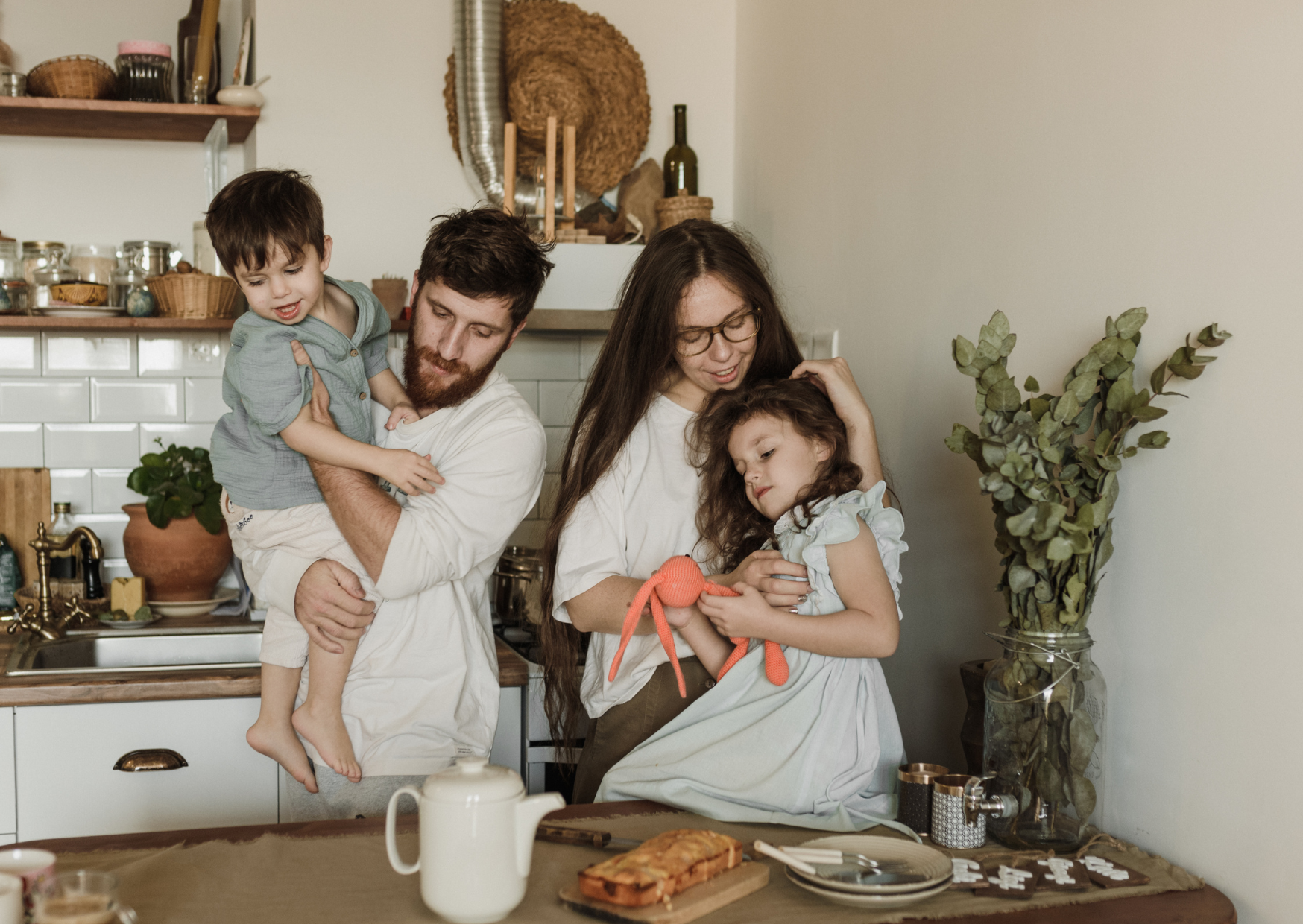
Above all, the European evening revolves around people. Not work. Not screens. Not chores. Just people.
- Time with family is protected.
- Friends are seen regularly, not just once a month.
- Neighbors, shopkeepers, and passersby are part of the social fabric.
In many parts of the U.S., people feel isolated during the week. Evenings are a solo experience. But in Europe, even a quiet night feels shared.
Some Closing Thoughts
If you ask Europeans what they did last night, they probably will not list tasks. They will say they had a nice meal, saw some friends, went for a walk, or just relaxed with family.
The American evening is often filled with urgency and noise. The European evening, by contrast, makes space for breath, connection, and care.
You do not have to move to a Mediterranean town to bring a little of this into your own life. Start by eating dinner at the table. Go for a walk after dark. Call a friend. Put your phone down and step onto the balcony.
The magic of the European evening is not about geography. It is about rhythm—and anyone can reclaim it.
Evening life in Europe feels different because it follows a slower, more intentional rhythm. Instead of rushing home, collapsing on the couch, or squeezing in errands, many Europeans treat evenings as a time to unwind socially, connect with friends, and enjoy the simple pleasures of daily life. Meals stretch longer, conversations go deeper, and the whole pace shifts toward relaxation rather than productivity.
For Americans, this contrast can feel surprising. Many U.S. routines revolve around efficiency, schedules, and fitting as much as possible into limited free time. Europeans, on the other hand, prioritize presence—taking walks after dinner, sitting on terraces, or enjoying long chats with neighbors. These habits create a sense of community that shapes evening culture in powerful ways.
Ultimately, neither routine is inherently better. But understanding the European approach highlights how slowing down can make evenings feel longer, lighter, and more meaningful. It’s a subtle reminder that rest and connection aren’t luxuries—they’re essential parts of daily life.

About the Author: Ruben, co-founder of Gamintraveler.com since 2014, is a seasoned traveler from Spain who has explored over 100 countries since 2009. Known for his extensive travel adventures across South America, Europe, the US, Australia, New Zealand, Asia, and Africa, Ruben combines his passion for adventurous yet sustainable living with his love for cycling, highlighted by his remarkable 5-month bicycle journey from Spain to Norway. He currently resides in Spain, where he continues sharing his travel experiences with his partner, Rachel, and their son, Han.