
And Why Meals in Modest French Kitchens Often Outshine Restaurant Plates in the U.S.
American chefs may be trained in culinary schools, sharpen their knives with precision, and serve dishes with dramatic flair.
But in France, some of the best food you’ll ever eat doesn’t come from a Michelin-starred kitchen. It comes from a tiny apartment, a creaky stove, and someone’s grandmother who never measures a thing.
French home cooks don’t brag about technique.
They don’t decorate their meals.
They don’t film recipe videos.
But they know how to build flavor, when to leave something alone, and why restraint is often more powerful than innovation.
Here are nine kitchen secrets French home cooks know — and practice — that many American-trained chefs (and home cooks) completely miss.
Looking for More Travel & Culture Reads?
– They Don’t Work 24/7: 5 Vacation Customs in Europe That Drive Americans Crazy
– 7 Dress Code Shocks Americans Face in Italy
– 9 European Beach Habits That Shock First-Time Tourists
1. The Best Dishes Start With What You Already Have
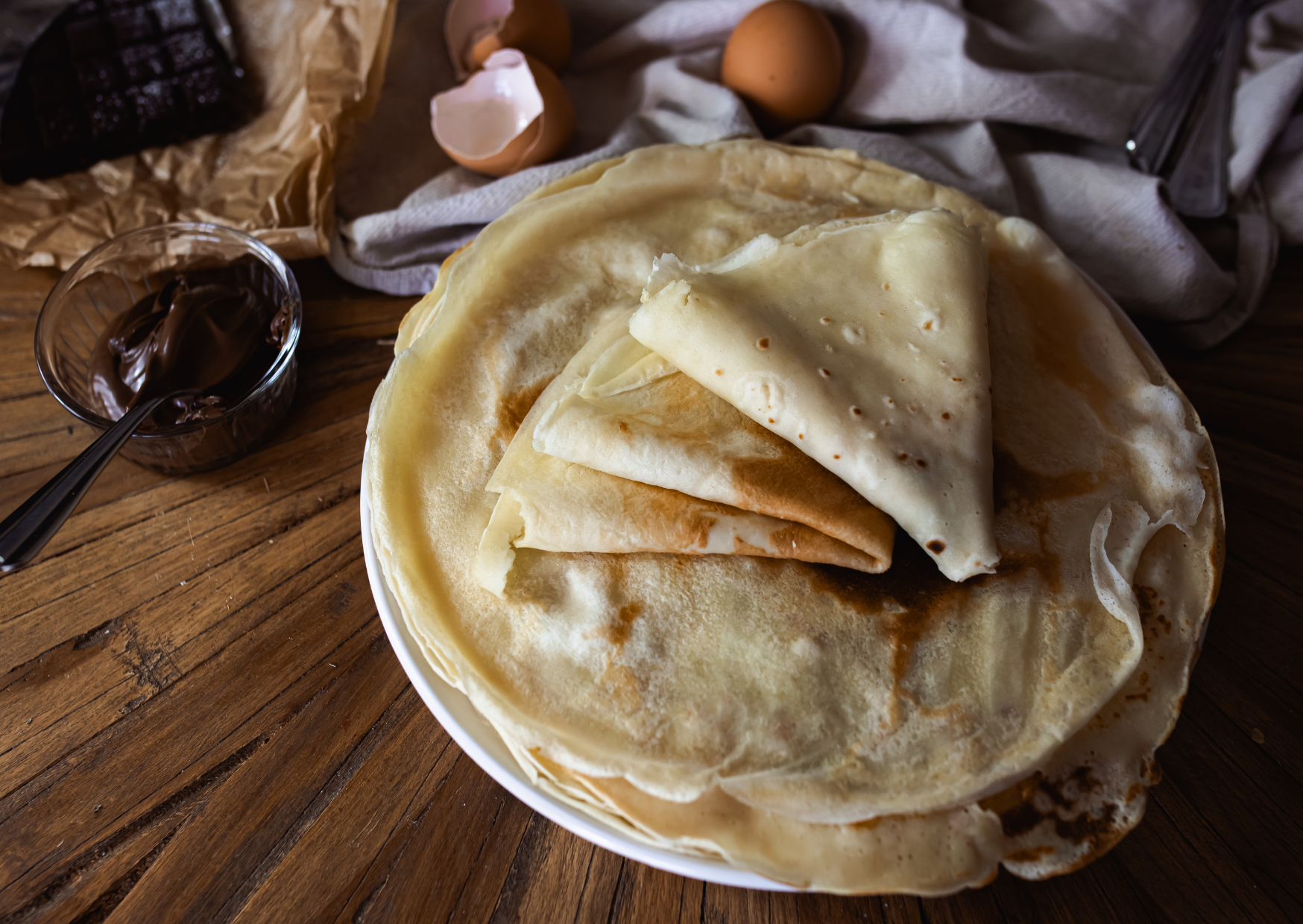
In America, recipes often begin with a shopping list — a hunt for specific ingredients, often exotic or seasonal.
In France, dinner often starts by looking inside the fridge.
What vegetables need using up?
Is there a scrap of cheese, some lardons, a leek at the back?
Good. Then you have a meal.
This approach isn’t lazy — it’s how dishes like quiche, gratin dauphinois, and potage were born.
French cooks rely on resourcefulness, not reinvention. A soup from scraps isn’t peasant food. It’s just smart — and usually delicious.
2. Butter Is a Tool — Not a Guilty Pleasure
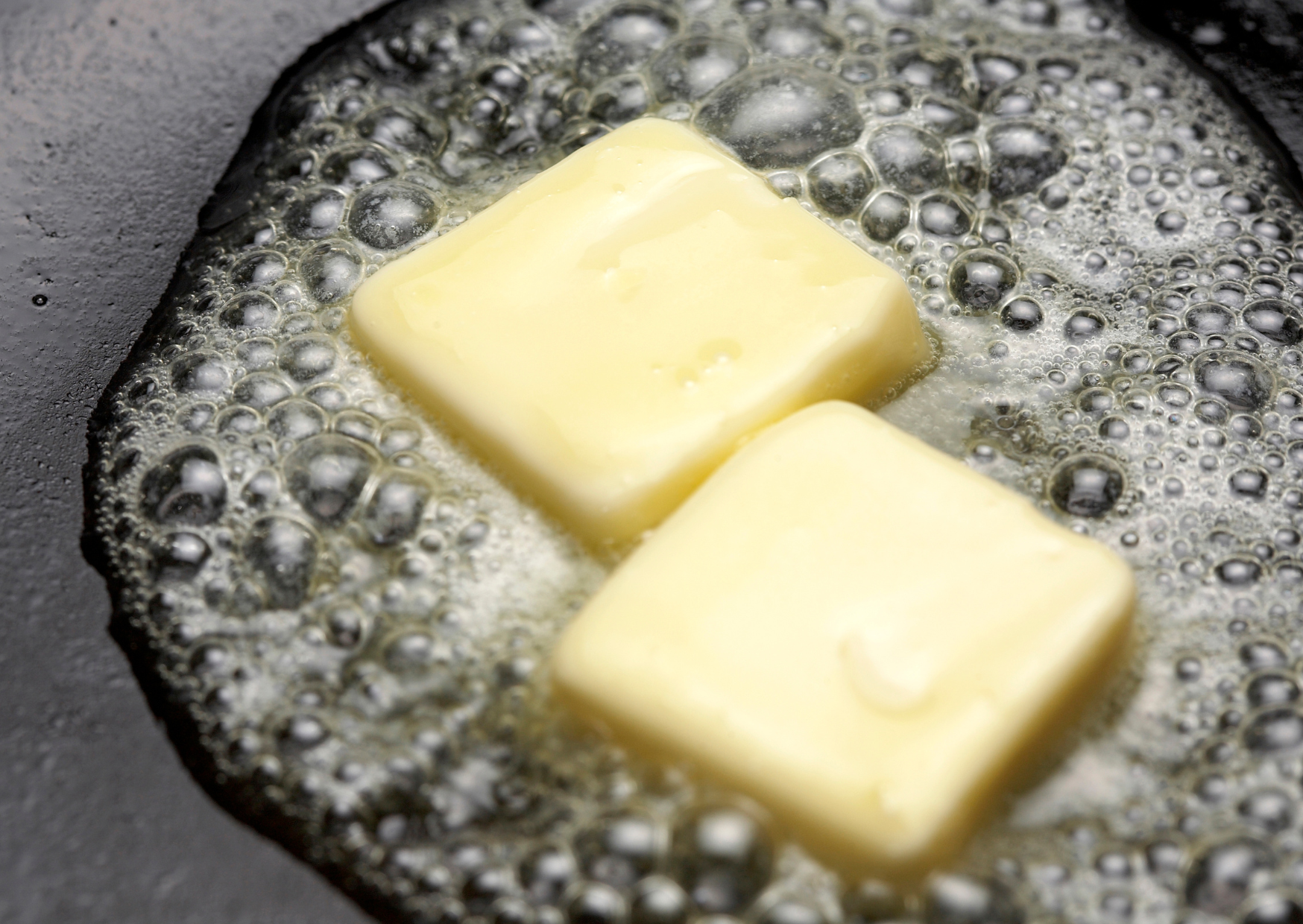
In many American kitchens, butter is treated as indulgent — used cautiously, avoided entirely, or replaced with oils and sprays.
In French kitchens, butter is essential. Ordinary. Constant.
You use it:
- To start a pan sauce
- To finish a soup
- To brush over a tart crust
- To gently coat haricots verts
And it’s almost always unsalted, so the cook controls the salt — not the factory.
There’s no apology for butter in France.
Just quiet appreciation for what it does — especially when it disappears into a dish without ever calling attention to itself.
3. Low and Slow Is the Rule — Not the Exception
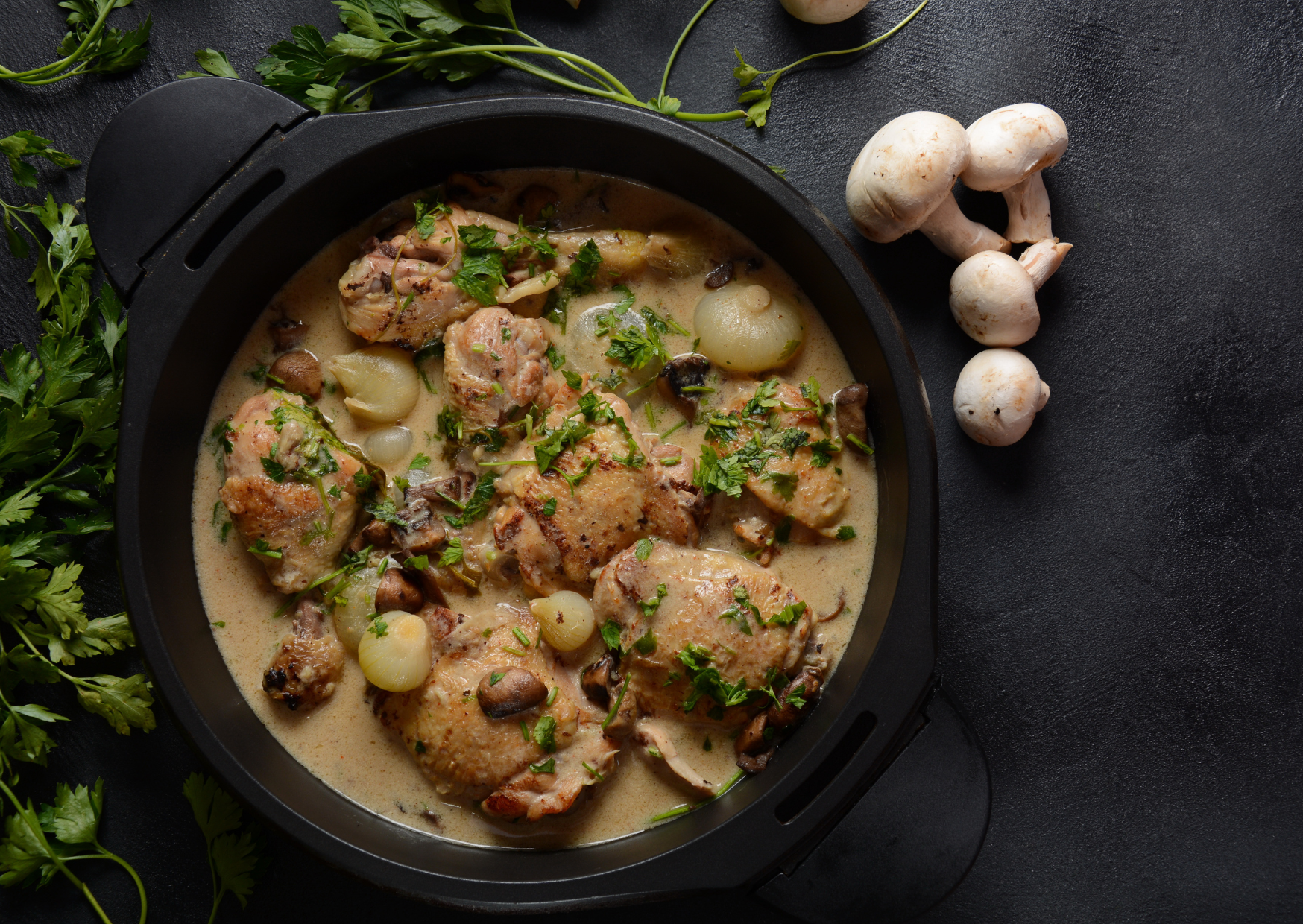
In America, speed is prized: 30-minute meals, pressure cookers, rapid air fryers.
In France, many dishes are born from slowness.
Onions caramelized for 45 minutes.
Soups simmered for hours.
Beef cheek stewed for half a day.
Chicken left to roast gently, skin crisping in butter and wine.
French home cooks aren’t obsessed with gadgets. They’re obsessed with results — and results take time.
This isn’t about elaborate meals. It’s about letting flavors evolve, not rushing them into place.
4. Real Flavor Starts With Restraint
French cooking rarely overwhelms.
It doesn’t douse vegetables in sauce or layer spices by the dozen.
The idea is: taste what’s there — not everything at once.
American recipes often reach for high impact: bold, spicy, sweet-savory, creamy-crunchy. French home cooking leans subtle.
Shallots instead of onions.
White pepper instead of black.
A dash of wine instead of stock.
Salted water instead of a complicated broth.
The result? Dishes that linger on the tongue — and in memory — because they know when to stop.
5. Aromatics Are Built Into the Bones of the Dish
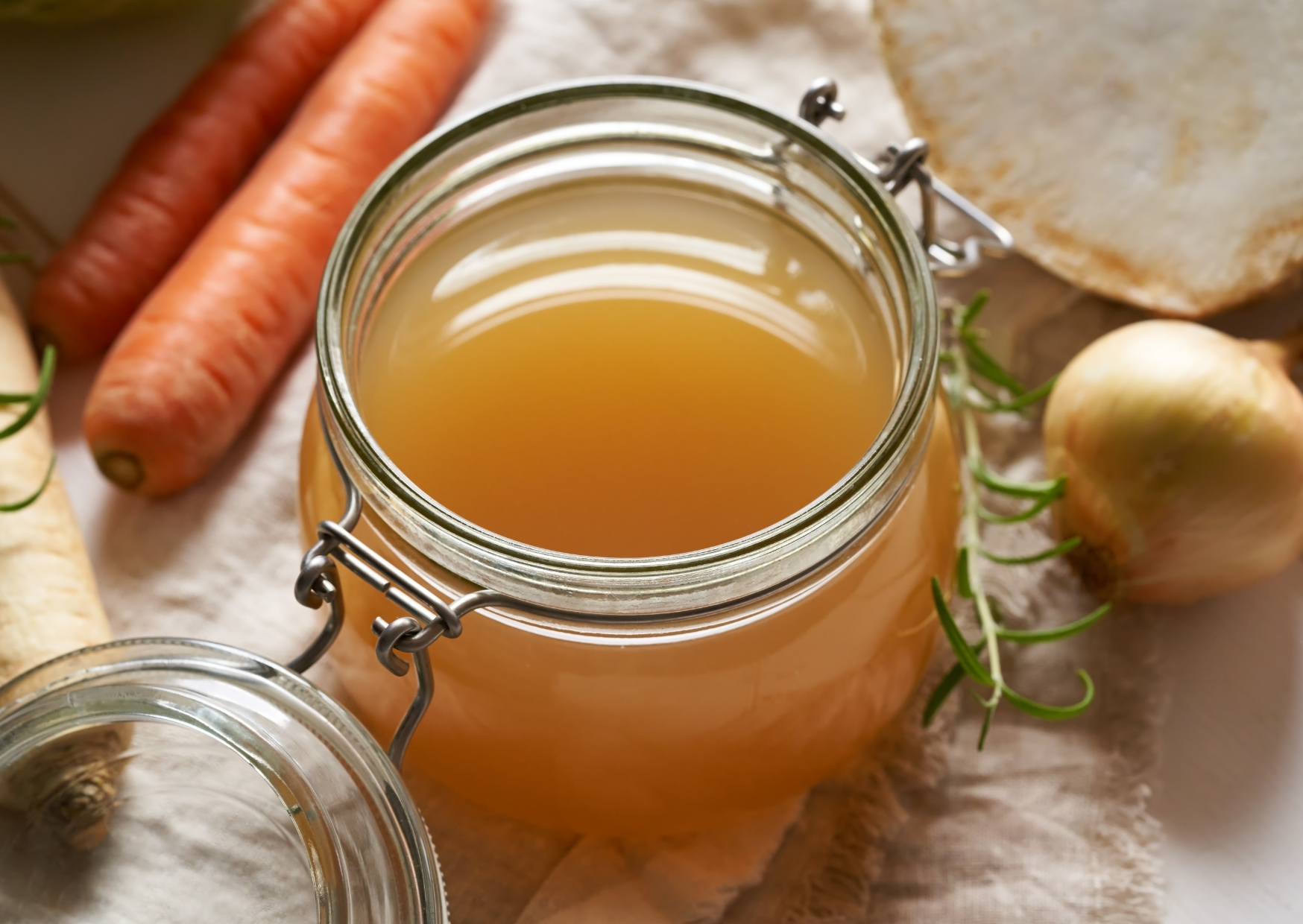
In French homes, no one talks about “flavor bombs” or “finishing with herbs” like they’re a trick.
Aromatics aren’t sprinkled.
They’re steeped, built in, slow-extracted.
Garlic is used whole, skin on.
Bay leaves are never skipped.
Leeks show up more often than onions.
Thyme is a pantry item, not a garnish.
From bouquet garni to mirepoix, French flavor comes from what’s underneath. It simmers, infuses, builds itself.
American kitchens often rely on toppings.
French kitchens rely on foundation.
6. A Good Salad Can Be a Meal — If You Know How to Dress It
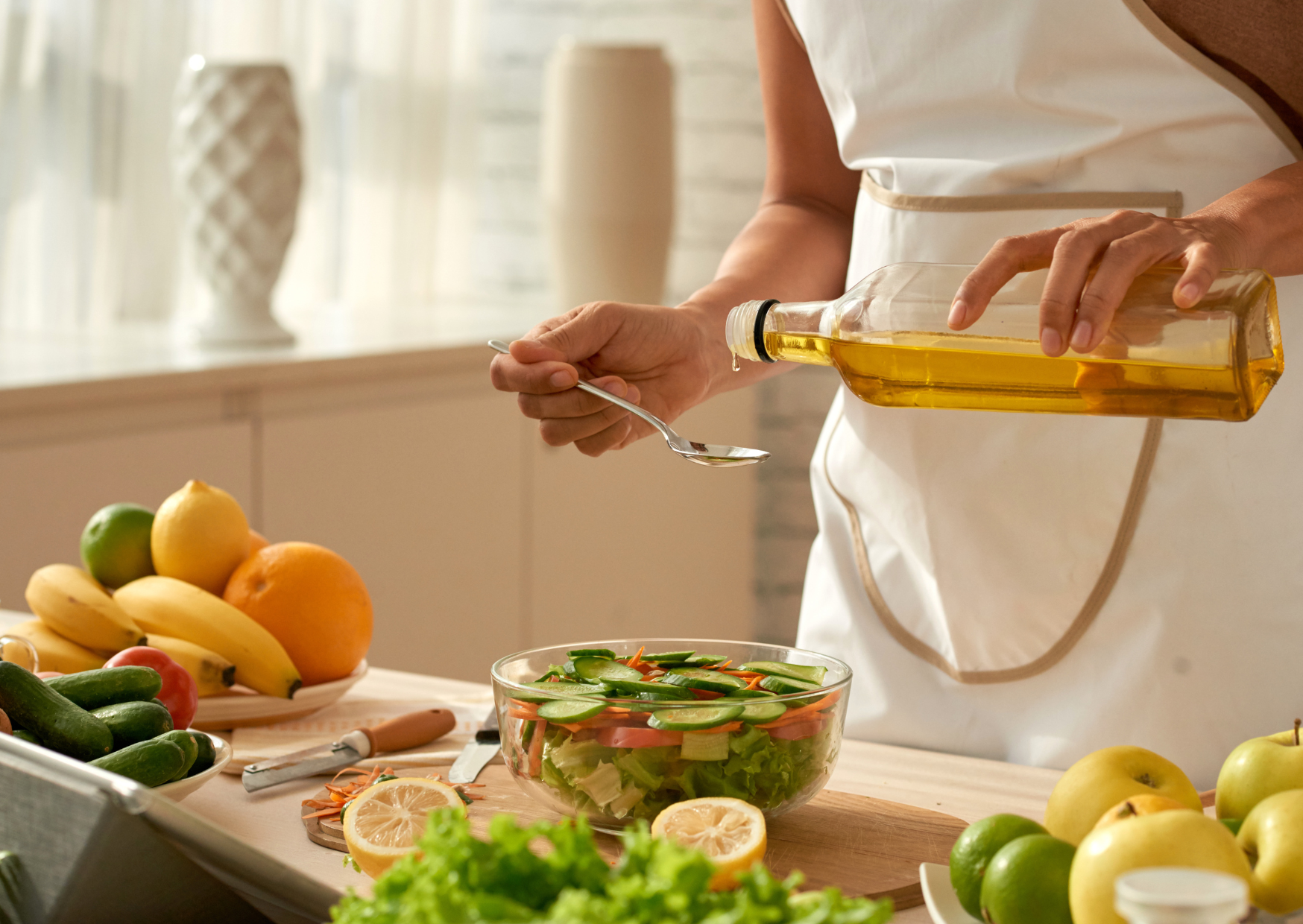
Many Americans see salad as a side — or a chore. In France, it’s often a main event.
But not with bottled dressing or a dozen ingredients.
A classic French vinaigrette takes less than 60 seconds:
- 1 spoon of Dijon
- 1 spoon of red or white wine vinegar
- 3 spoons of olive oil
- Salt and pepper
- Whisk. Done.
Tossed into crisp leaves, maybe with a soft-boiled egg or a crumble of cheese — that’s a meal.
French cooks dress salad in the bowl, not with pre-made blends.
And it shows.
7. Leftovers Are Respected — Not Hidden
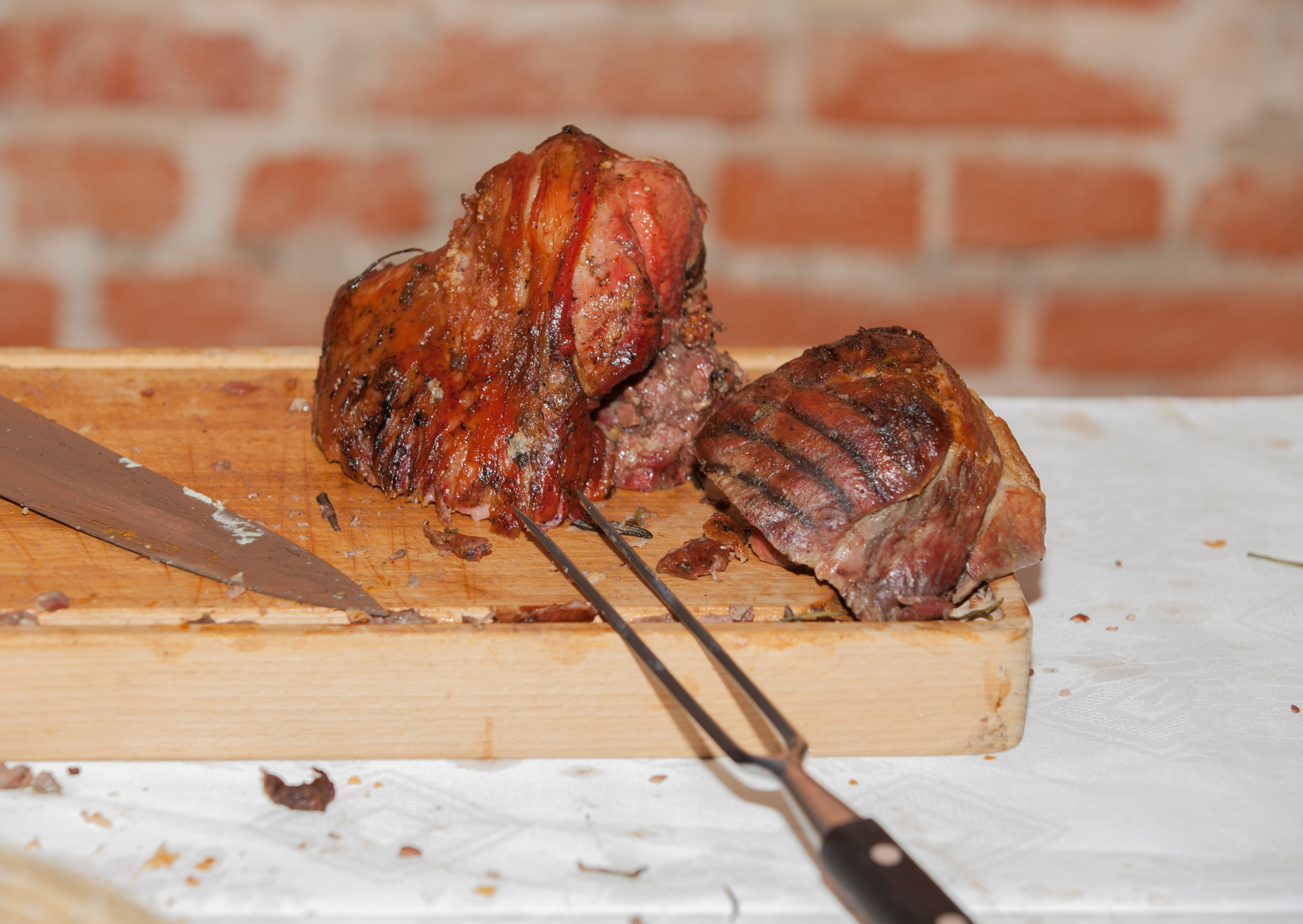
In the U.S., leftovers are often disguised: made into tacos, hidden in casseroles, chopped into something new.
In France, they’re treated as proud building blocks.
Leftover roast chicken becomes poulet rôti sandwich with cornichons and mustard.
Yesterday’s ratatouille becomes omelet filling.
Old bread becomes pain perdu or garlic-rubbed toast.
There’s no shame in eating what was made yesterday.
Only shame in wasting something that could still taste good.
8. Pastry Isn’t Complicated — It’s Repetitive
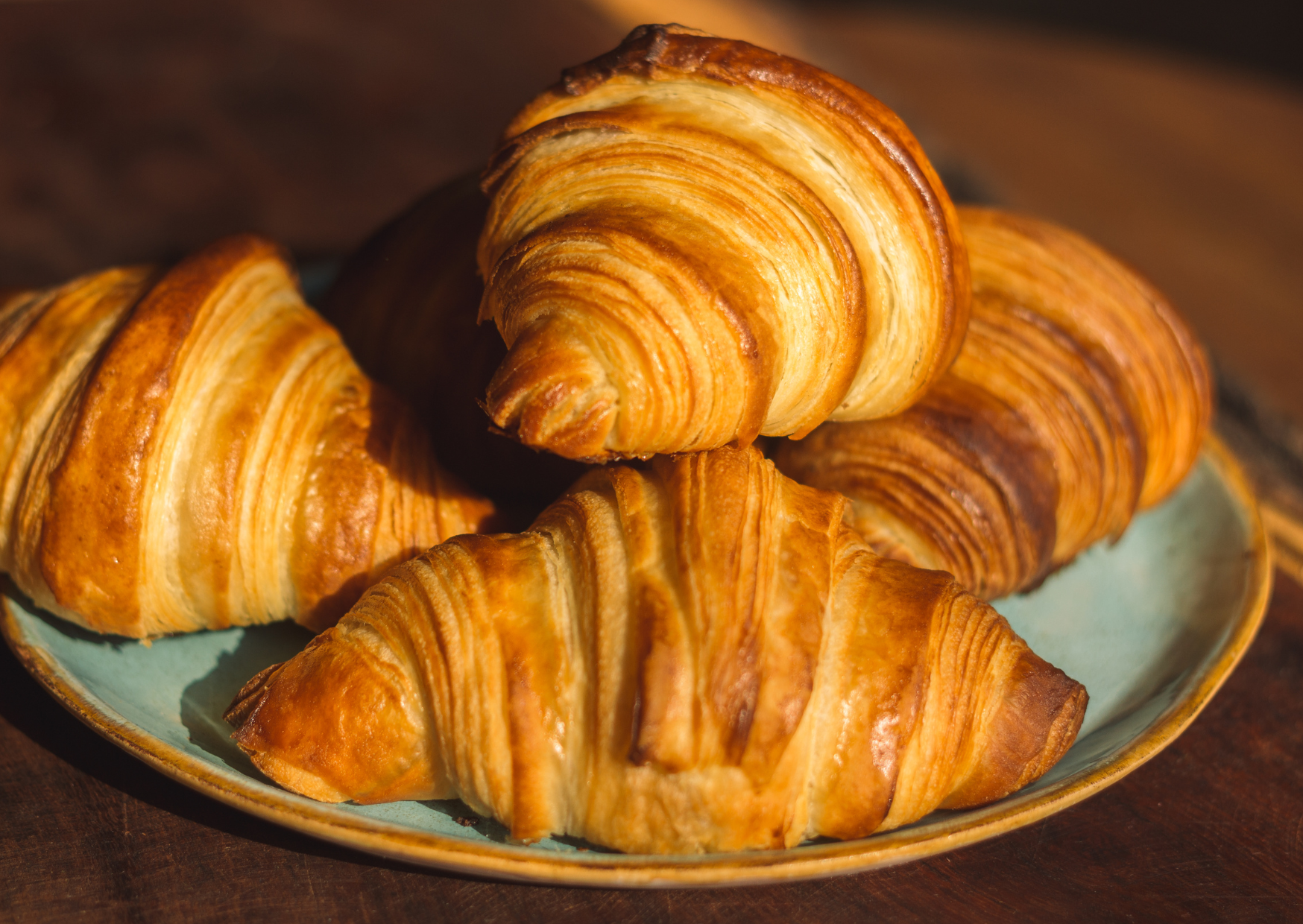
Many American cooks are afraid of pastry. They believe it’s fussy, scientific, best left to professionals.
But French home cooks make pastry — not to impress, but because they’ve done it hundreds of times.
Tarts are common. So are pâte brisée and pâte sablée. Many families pass down a simple tart dough recipe the way others pass down holiday traditions.
It’s not perfect every time. But it doesn’t have to be.
The crust will crack. The fruit will bubble.
But it will be homemade — and that’s always better.
9. Presentation Matters Less Than Pleasure
American food culture often elevates aesthetics: perfect spirals of avocado, microgreens tweezed into place, glossy reduction drizzles.
In French homes, food is plated for enjoyment, not admiration.
A piece of fish with a lemon wedge.
Potatoes roasted in duck fat, piled onto a plate.
Stew spooned straight from the pot into a bowl.
It’s about how it feels, not how it looks.
The table matters more than the photo.
And no one pauses for a picture before they eat.
In the End, It’s Not Just Food — It’s a Philosophy
French home cooking is rooted in attention, tradition, and simplicity — not speed, trends, or spectacle.
There’s no pressure to invent something new.
No hunger for complexity.
Only a quiet confidence that comes from knowing your ingredients, taking your time, and trusting your senses.
It’s not flashy.
It’s not Instagrammable.
But it’s deeply human.
And maybe that’s why meals in the smallest kitchens, cooked by someone with no formal training, often feel more satisfying than dishes plated with tweezers.
Because in France, cooking isn’t a performance.
It’s a rhythm. A ritual.
A secret — softly passed from one generation to the next — without needing to say a word.

About the Author: Ruben, co-founder of Gamintraveler.com since 2014, is a seasoned traveler from Spain who has explored over 100 countries since 2009. Known for his extensive travel adventures across South America, Europe, the US, Australia, New Zealand, Asia, and Africa, Ruben combines his passion for adventurous yet sustainable living with his love for cycling, highlighted by his remarkable 5-month bicycle journey from Spain to Norway. He currently resides in Spain, where he continues sharing his travel experiences with his partner, Rachel, and their son, Han.