
And what it reveals about body image, food culture, and why the Mediterranean doesn’t moralize eating the way the U.S. does
You’re sitting in a plaza in Madrid, watching people pass. Two women in their fifties walk by, chatting, dressed with relaxed elegance. One of them is eating an ice cream cone. Not the kind in a tiny cup with a calorie count, but a proper scoop. She’s savoring it, not apologizing for it.
No one around her is counting macros. No one looks shocked. No one makes a comment about “being bad.”
In the United States, eating like this often comes with disclaimers and guilt. A spoonful of dessert might be accompanied by a joke about cheat days or bikini season. Even healthy women talk about “getting back on track” or “being good this week.”
But in Spain, food isn’t moralized that way. Women eat. They walk. They wear tight dresses without talking about Spanx. They carry themselves with a confident nonchalance that seems almost subversive to the American observer.
Here’s why Spanish women don’t diet like American women do, and what that difference says about cultural identity, lifestyle design, and the complicated relationship between women and food on both sides of the Atlantic.
Want More Deep Dives into Everyday European Culture?
– Why Europeans Walk Everywhere (And Americans Should Too)
– How Europeans Actually Afford Living in Cities Without Six-Figure Salaries
– 9 ‘Luxury’ Items in America That Europeans Consider Basic Necessities
Quick and Easy Tips
Make mealtimes slow and intentional instead of rushed.
Base most meals on whole, minimally processed foods.
Move daily in simple ways—walking counts.
Treat sweets and heavier foods as occasional pleasures, not forbidden items.
Focus on how food makes you feel, not how many calories it has.
One of the biggest debates surrounding this topic is whether the Spanish lifestyle is truly healthier or simply less publicly obsessed with dieting. Some critics argue that Spain’s relaxed approach hides the fact that people there still care deeply about body image. Supporters counter that the cultural pressure is far gentler, with less emphasis on dramatic weight loss and more on overall well-being.
Another point of controversy is whether the Spanish way of eating can realistically be adopted in the U.S. Many say the American food system—fast-paced workdays, processed food accessibility, and limited daily movement—creates an environment that makes balanced eating harder. Others argue that while the systems differ, the underlying habits can still be integrated with effort and awareness.
A third debate centers around whether Mediterranean-style eating is inherently superior or simply different. Some believe it’s a scientifically proven path to longevity, citing research on heart health and reduced inflammation. Others claim its benefits are overstated and heavily romanticized. What’s clear is that the Spanish lifestyle works well for those who grow up with it—and it offers valuable lessons for anyone seeking a more sustainable approach to health.
1. Food in Spain Is Culture, Not a Control Issue
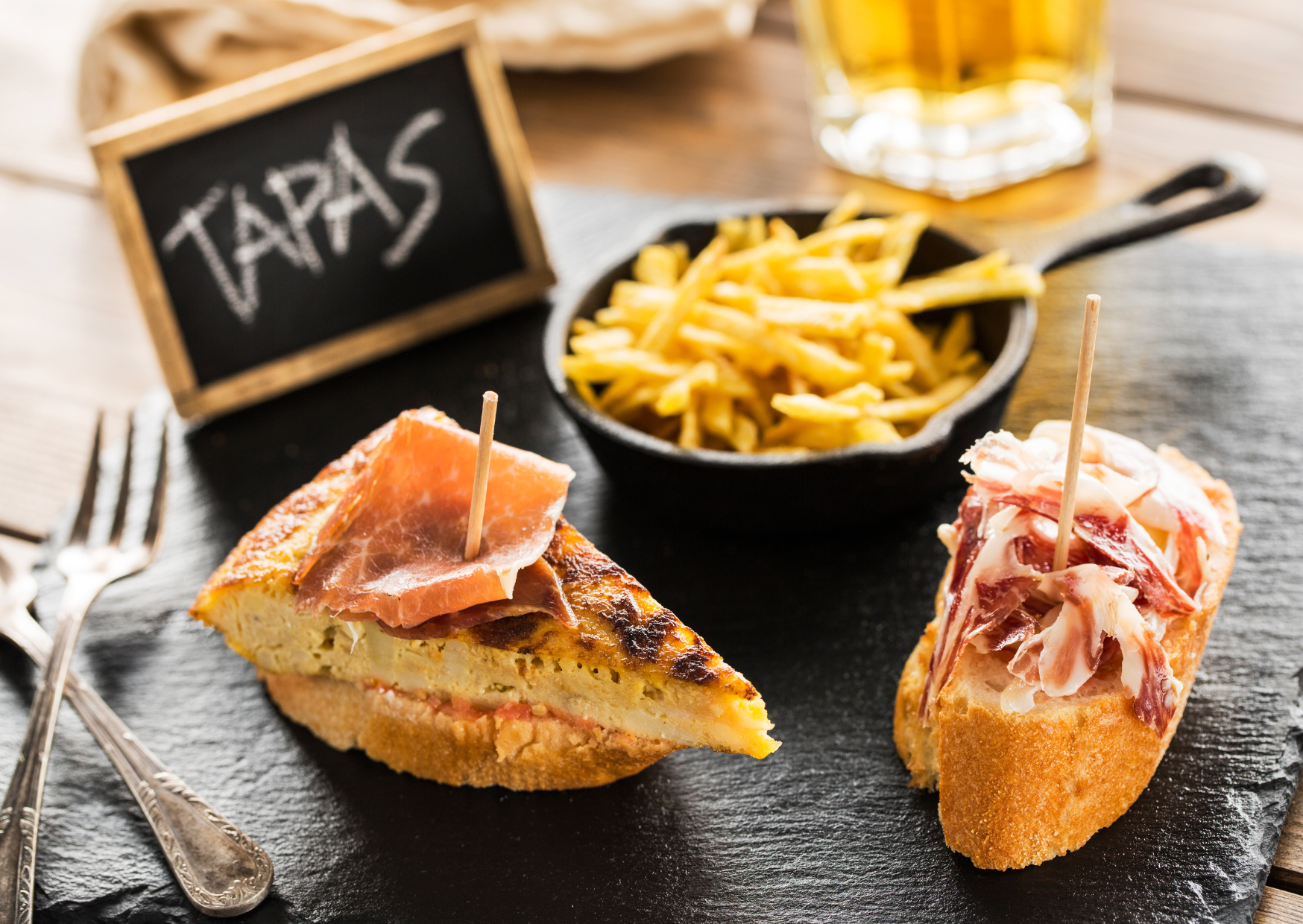
In Spain, food is deeply tied to tradition and pleasure. Meals are sacred. They happen in company. They involve courses, texture, and time.
You don’t pick at your salad while someone else has paella. You share dishes. You eat what’s served. You respect the food because it’s part of your identity, not your enemy.
American culture, by contrast, often frames food as something to master or resist. Eating is either clean or dirty, disciplined or indulgent. The meal becomes a test, not an experience.
2. Movement Is Built Into Life — Not Performed at the Gym

Spanish women are less likely to schedule intense workouts. But they walk. Everywhere.
They walk to buy bread, to see friends, to run errands. Cities and towns are designed for movement. Elevators are skipped. Stairs are taken. Errands are done on foot.
This daily motion means calories are burned naturally. It’s not tracked. It’s not “fitness.” It’s just life.
In the U.S., exercise is isolated — a scheduled session of intentional punishment. You sit all day, then “burn it off” for 45 minutes.
In Spain, the burn is incidental, not neurotic.
3. Meals Are Structured — Snacking Is Rare
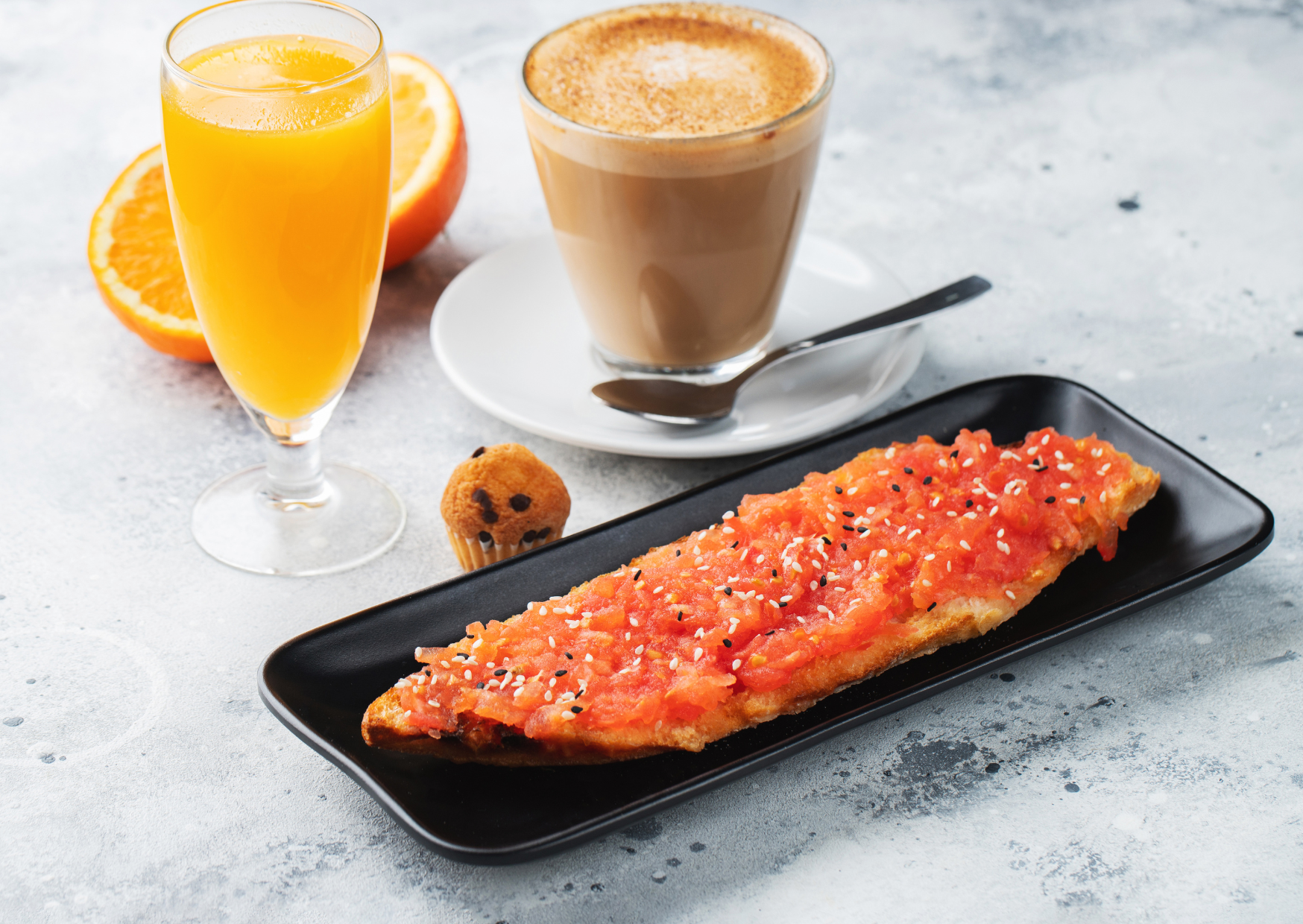
Spanish eating habits follow a rhythm:
- A light breakfast
- A hearty lunch, often with multiple courses
- A small dinner, eaten late
- Maybe a snack in the afternoon, like fruit or a café con leche
But constant snacking? Rare.
This structure means meals are satisfying, and there’s little need to graze. There’s no bag of almonds in the purse. No 100-calorie pack of crackers in the car.
American women often feel pressured to eat tiny amounts, constantly, in pursuit of a revved-up metabolism. Spanish women eat, feel full, and move on.
4. There’s No “Good Food” or “Bad Food”
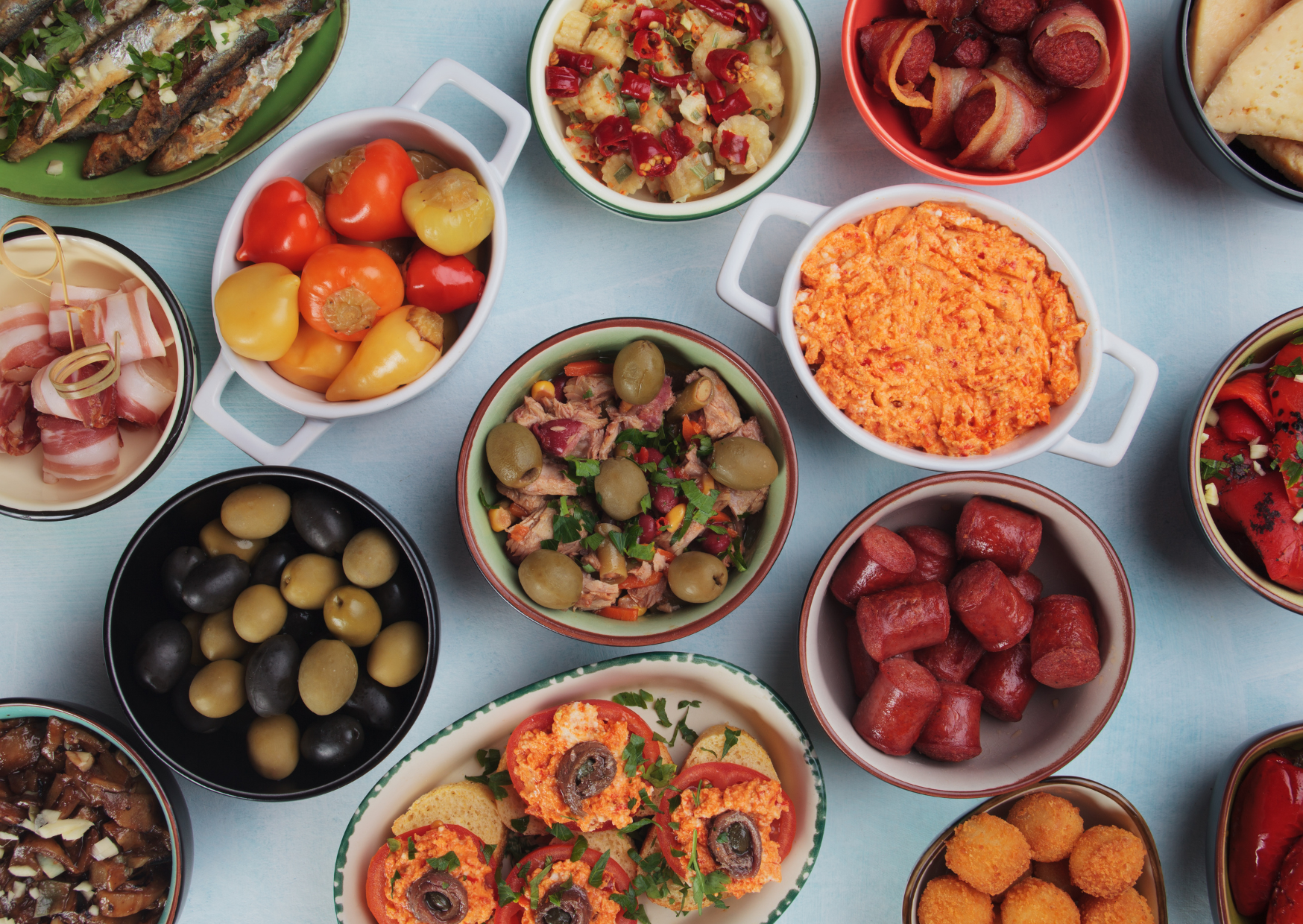
In Spain, food isn’t labeled with virtue or shame. Bread is eaten. Cheese is shared. Wine is poured. Chocolate is offered.
There’s balance, yes — but not binary thinking.
In the U.S., food often carries moral baggage. Salad is good. Fries are bad. Sugar is the enemy. Women talk about “falling off the wagon” or “eating clean.”
In Spain, you eat what’s good — in the traditional sense, not the moral one. You stop when you’re full. You enjoy it because that’s what the meal is for.
5. Body Talk Isn’t a Constant Conversation
American women spend an enormous amount of mental energy talking about bodies — their own, others’, the ones they wish they had.
In Spain, the subject comes up, but it doesn’t dominate. You’ll hear comments about clothing or confidence, but not the running monologue of dissatisfaction.
There’s no expectation that every woman is working on her body. There’s no assumption that thinness is always the goal.
You are allowed to exist without apology, even if you’re not sculpted.
6. Eating Alone Is Rare — and So Is Overeating
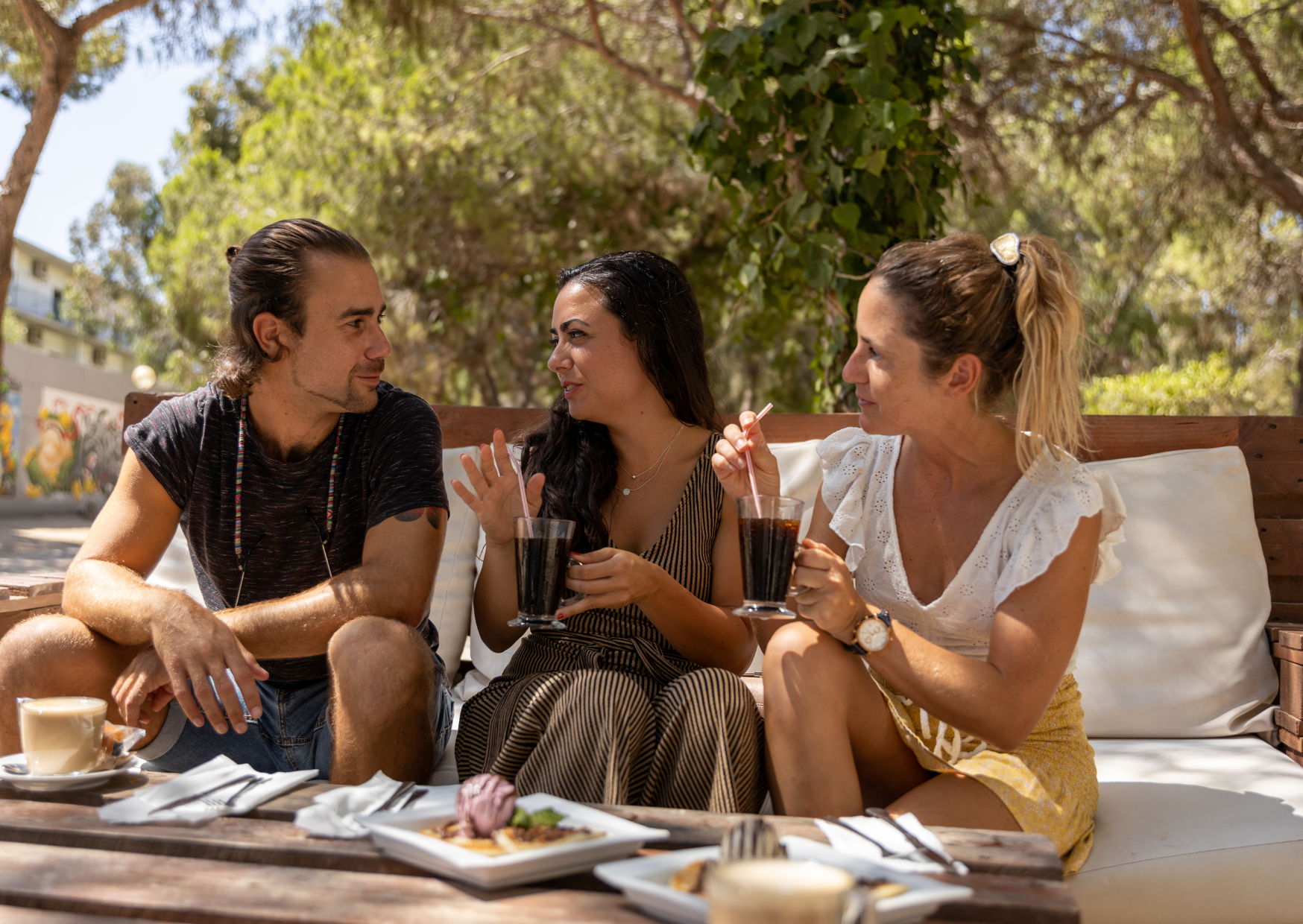
In Spain, meals are social and slow. You talk. You taste. You share. This pace naturally limits excess. You’re not inhaling food while scrolling your phone or bingeing a show.
Eating alone in your car or at your desk is far less common. And because food is shared, the experience includes accountability and rhythm.
In the U.S., solitary eating encourages both mindless consumption and emotional compensation. The relationship with food becomes private and distorted — a thing to hide or correct.
7. Portion Sizes Are Smaller, but Satisfaction Is Higher
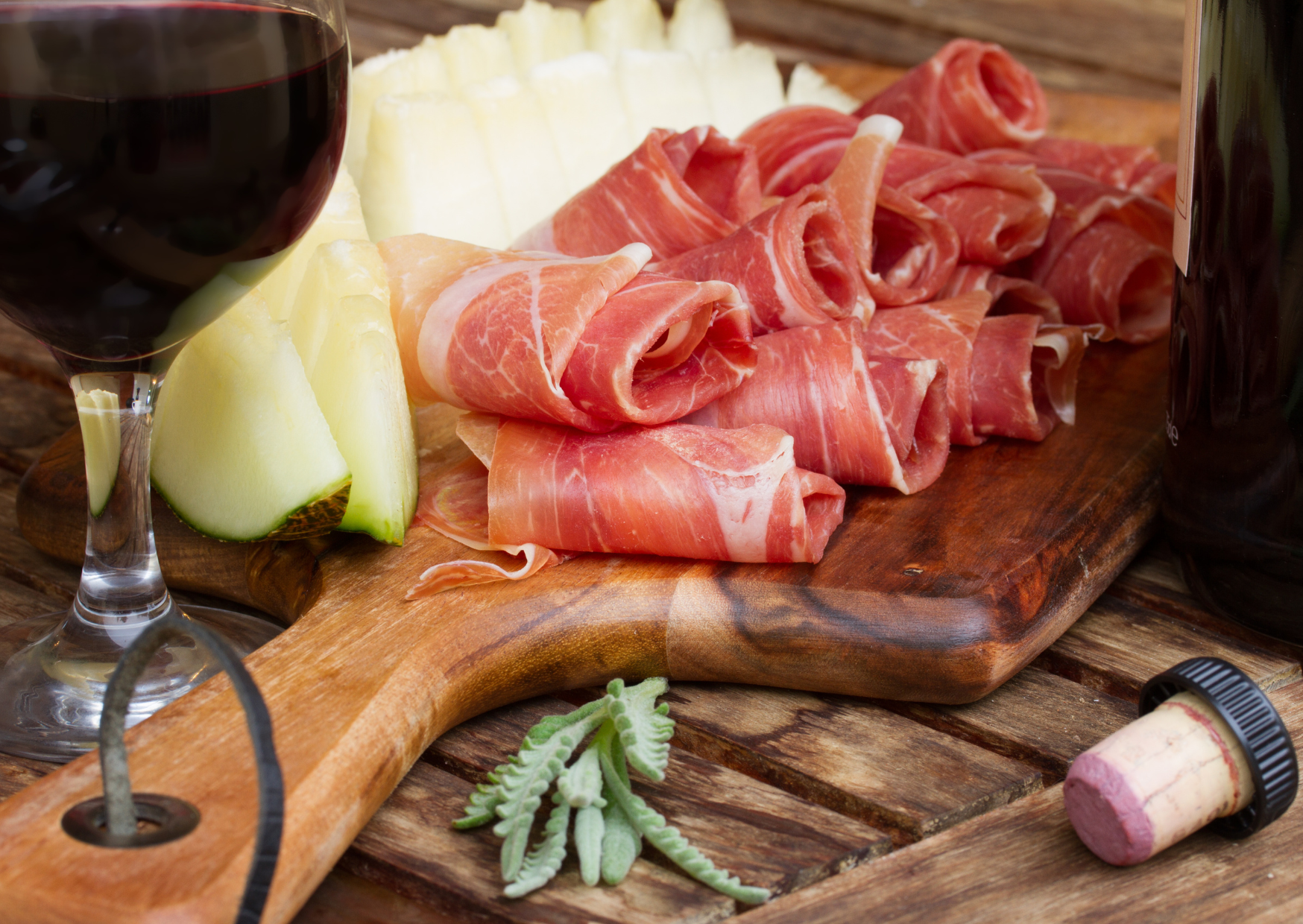
A Spanish woman’s lunch might include bread, rice, olive oil, and wine — all things American diets avoid. But the portions are modest. There’s no giant soda, no oversized entree.
And because meals are balanced — with fat, acid, carbs, and protein — you feel full.
There’s no need to snack an hour later. There’s no craving that wasn’t already satisfied.
American meals are often dietary puzzles, full of substitutions and missing elements. The result is hunger — physical and psychological.
8. Media Pressure Is Less Aggressive
Spanish women see beauty ideals, yes — models, influencers, aspirational figures. But there’s less of the 24/7 pressure to upgrade, sculpt, tone, detox, or restrict.
The magazines in Spain aren’t obsessed with “flat belly tricks” or “how she lost the baby weight in 3 weeks.”
And on Spanish television, women over 40 are visible. Not as punchlines or anomalies, but as people still worth looking at.
This media environment shapes expectations — and it gives permission to live without chronic self-correction.
9. Clothing Isn’t About Concealment

Spanish women wear form-fitting clothes — regardless of age or size. It’s not about flaunting. It’s about feeling put together.
There’s no obsession with hiding arms, disguising thighs, or cinching waists with shapewear.
Even in the summer heat, women walk confidently in sleeveless dresses, midriffs showing, backs exposed — without asking for permission or approval.
In the U.S., clothing is often treated as a tactical response to body shame. Spanx, cover-ups, long sleeves in July. In Spain, clothing reflects style, not insecurity.
10. The Culture Trusts Its Food
Spanish cuisine hasn’t been rebuilt for diet culture. Olive oil is still the default. Bread is fresh, not fortified or gluten-free by default. People cook. Food is seasonal.
No one asks for dressing on the side. No one orders a burger without the bun. You eat what’s offered, not what’s substituted.
This trust in tradition creates a stable relationship with food. You don’t second-guess the tortilla española. You enjoy it.
In America, even wellness culture has become anxiety in disguise. Nothing feels safe.
11. Meals Are Celebrated, Not Worked Off
You rarely hear a Spanish woman say, “I’ll have to run this off later.”
There’s no transaction — no caloric math. Lunch isn’t earned by spin class. Dessert isn’t punished with fasting.
This is a radical departure from the American mindset, where meals often come with moral accounting.
In Spain, food is pleasure with context — part of a full day, not a sin to be balanced out.
12. Dieting Isn’t a Personality Trait
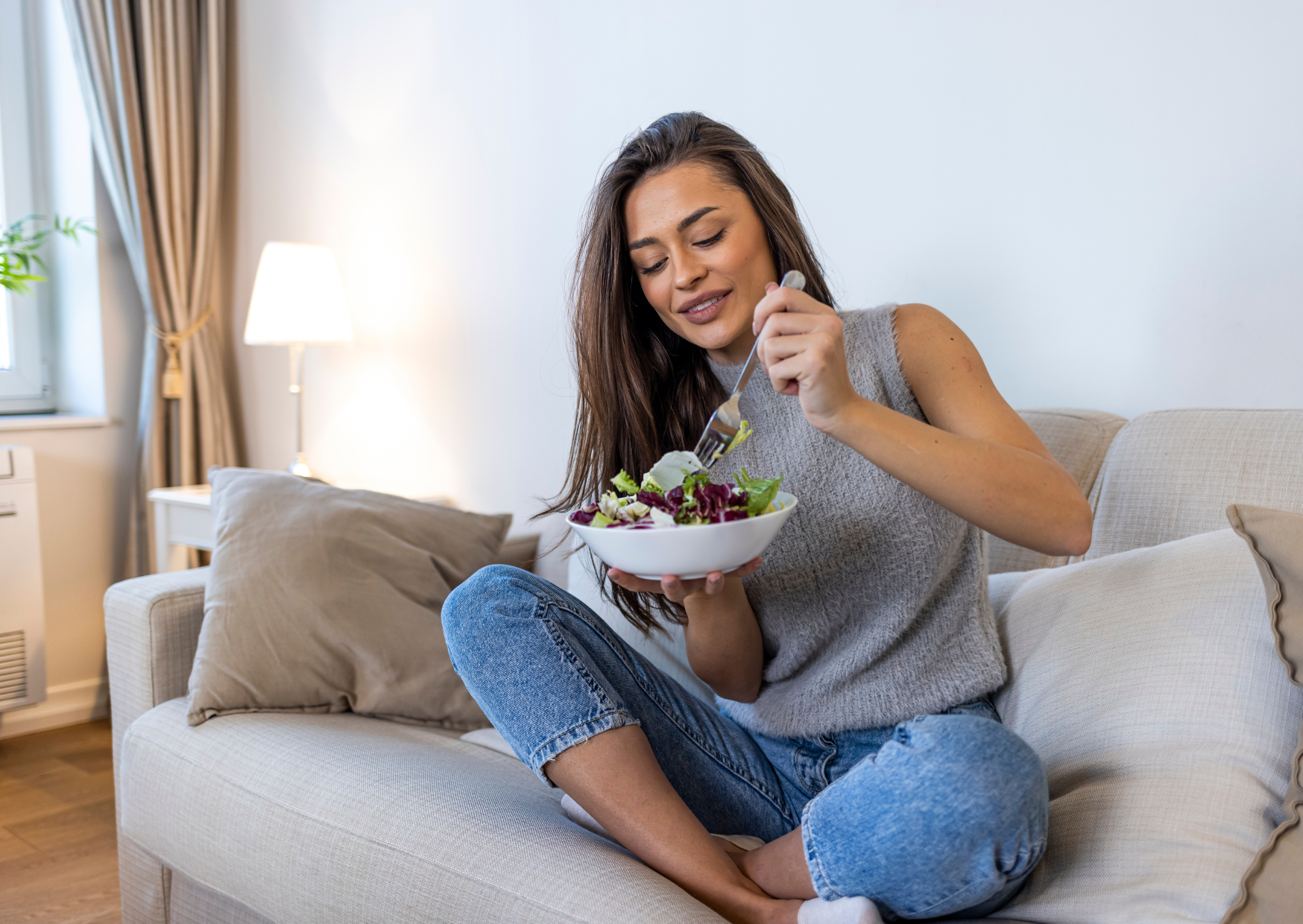
In the U.S., dieting is often a shared identity. Women bond over calorie counting, food logs, juice cleanses, keto plans, Whole30 challenges.
In Spain, you might meet someone who’s eating lighter or skipping sweets for a while. But it’s not a mission. It’s not a personality.
There are fewer women building their sense of self around restriction. Fewer entire friend groups built on collective dieting. Food is personal — not performative.
13. Aging Bodies Are Normal — and Visible
You’ll see 60-year-old women at the beach in bikinis. Not because they’re “body positive,” but because no one ever told them not to.
Stretch marks, soft bellies, cellulite — these things aren’t covered or apologized for.
In American culture, aging is a battle, especially for women. In Spain, it’s a continuation — and people still eat, dress, and live as if they deserve joy.
Because they do.
14. Diet Talk Is Often Seen as Unpleasant
In Spanish social life, obsessively talking about your diet is considered boring, even rude.
It kills the vibe of a shared meal. It makes others uncomfortable. It inserts shame into a space meant for pleasure.
That doesn’t mean Spanish women don’t care about health or appearance. But it means they know how to separate personal goals from communal space.
Meals are for presence. Not judgment.
15. The Diet Industry Has Less Power
Spain has diet books, yes. It has health influencers and fitness centers. But the diet industry doesn’t hold the cultural authority it does in the U.S.
There’s less money to be made in making people feel broken. And less appetite for being told you need to be fixed.
The result? Fewer women spending their lives on a project that never ends. More women living like their bodies already belong — exactly as they are.
The Body Isn’t a Problem to Solve — It’s a Life to Live
Spanish women don’t diet less because they don’t care. They diet less because they don’t build their identities around food fear.
They don’t link moral worth to weight. They don’t measure character in carbs. They don’t waste decades chasing perfection.
They eat, they walk, they age, they dress — and they do it with a kind of freedom that’s not flashy, but firm.
It’s not a rebellion. It’s just another way of being that says: you don’t have to punish yourself to be yourself.
Spanish women approach health in a way that feels refreshingly balanced compared to the intense, all-or-nothing routines common in the U.S. Instead of chasing strict diets or short-term fixes, they focus on everyday habits rooted in culture: social meals, fresh ingredients, movement woven naturally into the day, and a relaxed relationship with food. It’s a lifestyle that supports long-term well-being without the pressure of constant restriction.
This difference isn’t about being more disciplined—it’s about prioritizing enjoyment and sustainability over extremes. When food isn’t seen as the enemy, people tend to make better choices intuitively. Spanish women understand that health isn’t just physical; it’s emotional, social, and daily. Eating slowly, savoring meals, and listening to hunger cues all play a huge role.
Ultimately, the Spanish approach offers a powerful reminder that wellness doesn’t require deprivation. It thrives on consistency, moderation, and joy. When health routines are built into the rhythm of everyday life instead of forced through rigid dieting, the results last longer and feel far more natural.

About the Author: Ruben, co-founder of Gamintraveler.com since 2014, is a seasoned traveler from Spain who has explored over 100 countries since 2009. Known for his extensive travel adventures across South America, Europe, the US, Australia, New Zealand, Asia, and Africa, Ruben combines his passion for adventurous yet sustainable living with his love for cycling, highlighted by his remarkable 5-month bicycle journey from Spain to Norway. He currently resides in Spain, where he continues sharing his travel experiences with his partner, Rachel, and their son, Han.