
And what it reveals about hospitality, privacy, and the cultural divide between generosity and intrusion
It begins with good intentions. An American welcomes a French friend into their home — the door swings open wide, shoes come off, drinks are poured immediately. Within minutes, a tour begins. “This is our bedroom,” they say, gesturing proudly. “And here’s the bathroom you can use. This is my office — messy, I know. Let me show you the backyard!”
The French guest nods, smiles, but feels… unsettled.
They’re being welcomed warmly, yes. But also invited into spaces they would never assume to enter — rooms that, in French culture, are considered private unless offered with deliberate purpose. And the tone, cheerful and enthusiastic, borders on excessive.
To the American host, this is kindness. It’s inclusion. It’s how you make someone feel at home. But to the French guest, it can feel like boundary-crossing disguised as generosity.
Here’s why a common American hosting habit — over-offering, over-touring, over-sharing — can feel deeply rude or invasive to French guests, and what this contrast reveals about hospitality norms, emotional distance, and how different cultures define what it means to make someone feel welcome.
Want More Deep Dives into Everyday European Culture?
– Why Europeans Walk Everywhere (And Americans Should Too)
– How Europeans Actually Afford Living in Cities Without Six-Figure Salaries
– 9 ‘Luxury’ Items in America That Europeans Consider Basic Necessities
Quick and Easy Tips
Wait to be invited before offering help in the kitchen.
Bring a modest gift rather than something extravagant.
Follow the host’s lead instead of initiating changes to the evening.
Avoid showing up early; arrive exactly on time or a few minutes late.
Keep conversation polite and light unless the host steers it deeper.
One of the biggest debates centers around the American instinct to jump in and help—clearing dishes, reorganizing spaces, even assisting in meal prep without being asked. Many Americans see this as polite and proactive, while the French often perceive it as crossing personal boundaries. This cultural divide can spark tension, with each side convinced their approach is more courteous.
Another point of cultural friction is gift-giving. While Americans often bring large or expensive gifts to show appreciation, many French hosts see this as excessive or performative. To them, a thoughtful but modest token feels more sincere. Critics argue that such restraint can come off as cold, while supporters insist it preserves balance and avoids making the host feel obligated.
A final controversy arises from conversational norms. Americans tend to express warmth through openness and friendly enthusiasm, but in France, a more reserved interaction is considered respectful and appropriate. Some Americans feel the French approach is aloof, while some French hosts find American energy overwhelming. These differences highlight how hospitality is shaped not just by manners, but by deeply embedded cultural values.
1. American Hospitality Assumes Inclusion Means Access
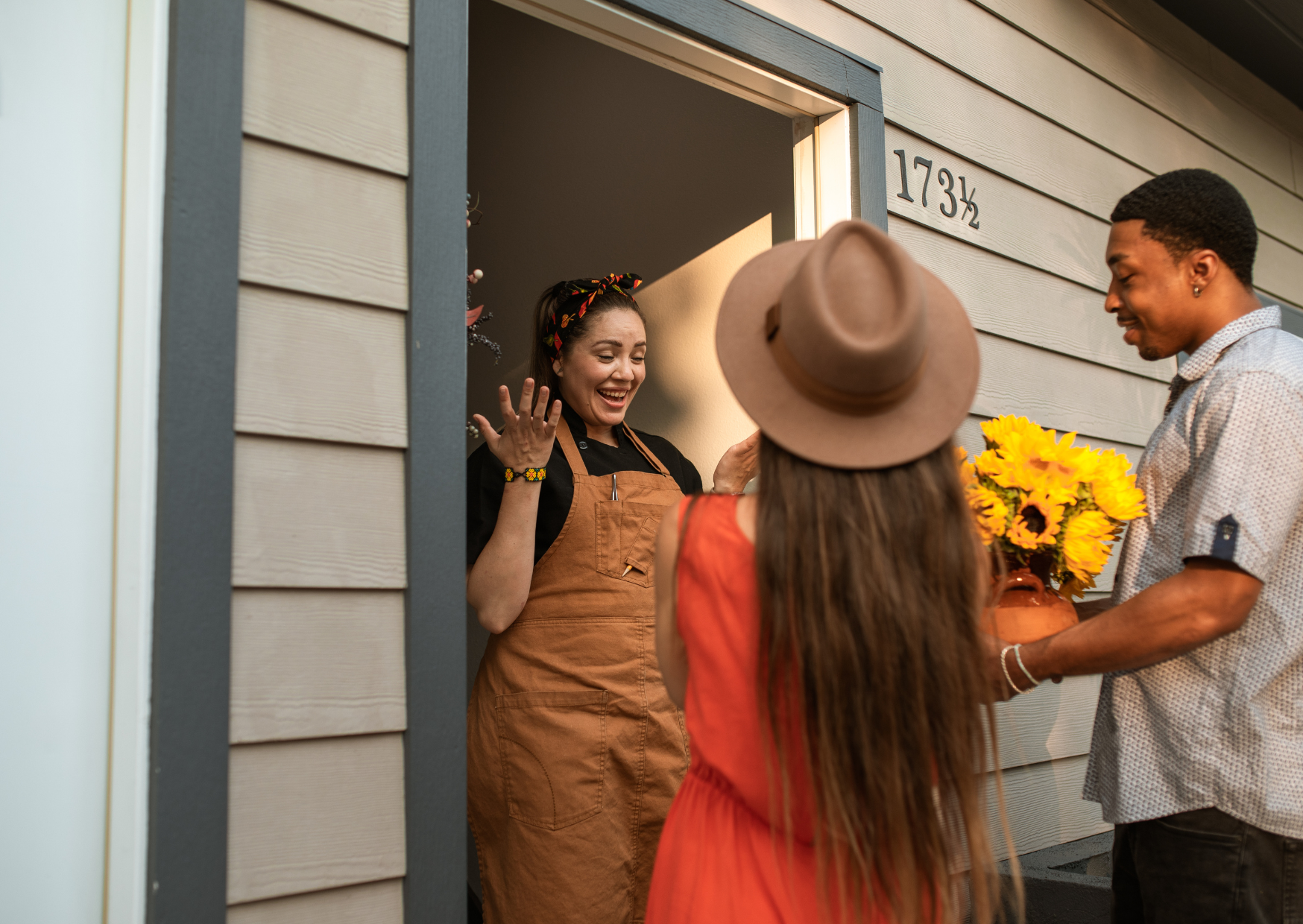
In the U.S., hosting is often tied to openness and transparency. Guests are encouraged to feel “like family,” which in practice means they’re shown around the house, offered anything in the fridge, and told to “make themselves at home.” Every room becomes part of the shared space, from kitchen to bedroom to backyard.
This model of hosting is meant to express comfort and care. There’s no hierarchy between host and guest — the whole house becomes yours for the visit. Americans see this as humble and democratic.
But French guests often find this overwhelming. They’re not sure where they’re allowed to go or what they’re expected to do. Instead of feeling welcomed, they feel obligated to perform appreciation, which creates anxiety rather than comfort.
2. French Hospitality Protects Distance as a Form of Respect

In French culture, hospitality is thoughtful, but bounded. When you visit someone’s home, you’re received in a designated space — the salon, the dining area, maybe a guest room if you’re staying overnight. But you’re not invited to wander. Doors remain closed. You are welcomed into the home, but not all of it.
This isn’t coldness. It’s a form of mutual respect. The host is signaling care by preparing a refined, limited environment that prioritizes the guest’s comfort — not by offering total access. Offering too much risks burdening the guest with emotional weight they did not ask for.
There’s a quiet understanding: your presence is appreciated, but your boundaries are also protected. And the same goes for the host.
3. The House Tour Feels Invasive, Not Intimate

One of the most common American gestures — offering a house tour — often leaves French guests confused or uncomfortable. Being shown someone’s bedroom, home office, or children’s playroom can feel like a violation of privacy, even when framed as casual.
In the U.S., the house tour is a social script. It shows transparency, pride, and familiarity. But in France, those same spaces are deeply personal, even with close friends. Bedrooms are not neutral zones. They’re private interiors, not performance spaces.
To be shown around a home as if it’s a museum exhibit comes off not just as excessive — but as a strange demand for approval. It says, “Admire my space,” which contradicts the French ideal of understated elegance and discretion.
4. Over-Offering Feels Like Pressure

American hosts tend to over-offer. “Do you want water? Juice? Soda? Wine? Beer? Tea?” The list runs long. Food is offered in abundance. Guests are told to “help themselves to anything.”
This generosity is real, but it’s also a form of performance. The host wants to prove they’re thoughtful by anticipating every need. It creates a culture of hosting that shifts emotional responsibility onto the guest — who now must navigate what’s polite to accept, what’s too much, and how to decline without offending.
French hospitality is more restrained. You’re offered something specific. “Would you like a glass of wine?” Not a list. Not a buffet. This makes it easier to accept or decline — and eliminates the emotional labor of figuring out what’s expected of you.
5. “Make Yourself at Home” Feels Like Abdication, Not Generosity

In the American model, saying “make yourself at home” is supposed to remove pressure. But to a French guest, it often does the opposite.
The phrase suggests the host is stepping back — leaving the guest to figure things out for themselves. But in French etiquette, the host remains actively responsible for the guest’s experience. Letting a guest serve themselves isn’t casual — it’s lazy.
The ideal French host curates the encounter. They serve the wine. They choose the cheese. They seat the guest and manage the atmosphere. This isn’t control — it’s care. Removing yourself from that role under the guise of comfort feels, to many French people, like emotional absenteeism.
6. American Warmth Can Feel Excessive

Americans are known for emotional openness. They share easily, praise generously, and offer enthusiastic hospitality with verbal warmth. For French guests, this can feel like too much, too soon.
Compliments about the home, the guest’s clothes, or their children arrive quickly and often. Offers to come back, stay longer, or “drop by anytime” are delivered within the first half hour.
In French culture, friendship develops gradually and privately. Intimacy is earned. Over-praising or over-extending an invitation early on feels performative — not sincere. And being pulled too quickly into someone’s personal life triggers suspicion, not trust.
7. The Guest’s Comfort Isn’t Measured in Access
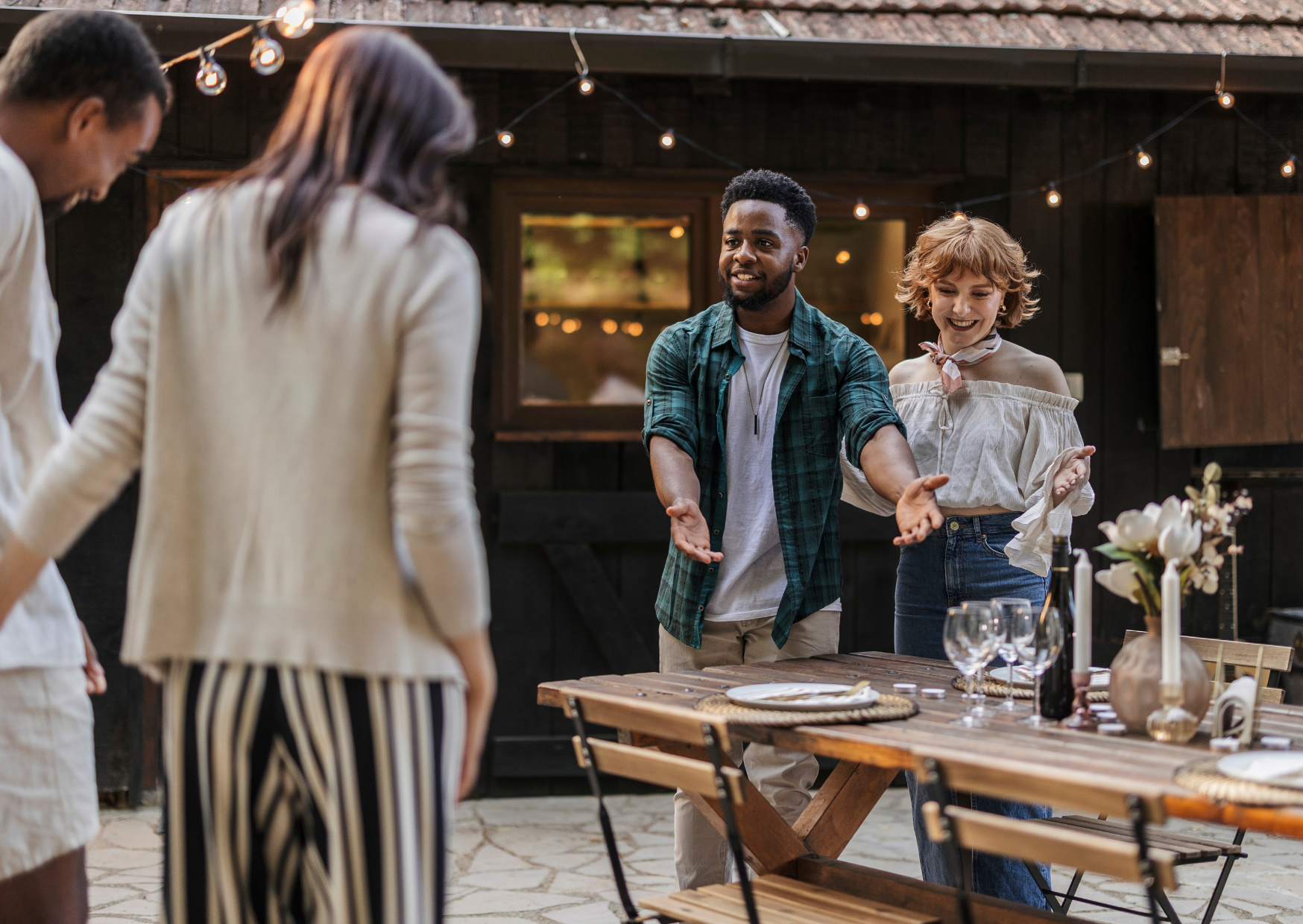
In the American model, being a good host means providing maximum access. The guest can go anywhere, eat anything, take what they need. This is seen as kindness.
In France, comfort is not measured in freedom — it’s measured in structure and attentiveness. You’re given a space to be in, a drink to enjoy, a plate of food thoughtfully chosen. You don’t need the run of the house to feel welcome. You need deliberate hospitality, not open-ended options.
This reflects a deeper belief: a good host doesn’t offer more. They offer just enough, beautifully.
8. American Informality Clashes with French Ceremony
In the U.S., it’s common to host people while cooking, cleaning, or finishing tasks. Guests arrive early. The kitchen is busy. The host might greet them with wet hands and a half-finished apron.
This casual approach is meant to be friendly — to say, “you’re so close to us, we don’t need to prepare.” But in France, hosting is a kind of ceremony. The table is set. The lighting is considered. The music is chosen.
Being ready for your guest is a sign of respect. Anything else feels chaotic. Even a friend deserves a certain level of intentional presentation.
9. French Guests Aren’t Supposed to Feel at Home
In the American ideal, the highest compliment is, “You made me feel like I was at home.”
In France, the goal is different. You’re not at home — and that’s the point. You’re a guest, and being treated as such is part of the elegance of the exchange.
The host sets the tone. The guest responds with appreciation. There’s a balance between warmth and formality that ensures everyone knows their role. It doesn’t make things stiff. It makes them clear.
Blurring the lines — by offering the fridge, the bedroom, or the tour — unsettles that clarity.
10. Americans Value Accessibility. The French Value Boundaries.
Much of the contrast comes down to this: Americans are raised to prize openness and accessibility. Being emotionally open, physically open, and spatially open is a virtue. It feels honest.
But French culture holds boundaries as a kind of social intelligence. Not hiding. Not being cold. Just knowing what is private and what is shared — and keeping those categories distinct.
To a French guest, being invited too far, too fast into someone’s private world feels like being forced to carry their intimacy, without asking for it.
The Most Elegant Kindness Isn’t Always the Loudest
To American hosts, more is better — more openness, more access, more expression. To French guests, less is more thoughtful. More contained. More refined.
The American host wants you to feel like family. The French host wants you to feel like an honored guest.
Neither is wrong. But when the two meet — when a well-meaning American offers a house tour and a fridge key to a quietly unnerved French visitor — the moment becomes a mirror. Of values, boundaries, and what it really means to feel welcome.
Hosting etiquette isn’t universal, and the small gestures that feel thoughtful in one culture can feel intrusive or disrespectful in another. What Americans often see as being warm, accommodating, or generous can read very differently to French hosts, who value boundaries, subtlety, and a distinct sense of personal and household privacy. Understanding these differences makes cross-cultural interactions smoother and far more enjoyable.
When you look closer, these misunderstandings aren’t about who’s right or wrong. They’re about what each culture considers normal. Americans tend to show care through involvement and openness, while the French show respect by giving space and avoiding overstepping. Once travelers recognize this, they adapt quickly—and relationships instantly feel more natural and less awkward.
The heart of good hosting, no matter the culture, is awareness. Knowing how locals interpret your behavior helps you avoid uncomfortable moments and shows genuine consideration. When visitors take the time to understand cultural expectations, it opens the door to richer conversations, better connections, and more authentic experiences.
Sometimes, a closed door is the kindest gesture of all.

About the Author: Ruben, co-founder of Gamintraveler.com since 2014, is a seasoned traveler from Spain who has explored over 100 countries since 2009. Known for his extensive travel adventures across South America, Europe, the US, Australia, New Zealand, Asia, and Africa, Ruben combines his passion for adventurous yet sustainable living with his love for cycling, highlighted by his remarkable 5-month bicycle journey from Spain to Norway. He currently resides in Spain, where he continues sharing his travel experiences with his partner, Rachel, and their son, Han.