
Last updated on December 1st, 2025 at 03:20 pm
And what it reveals about healthcare rhythms, body awareness, and why early signs are treated differently across the Atlantic
In the United States, heart attacks are often spoken about in past tense. “It came out of nowhere.” “There were no signs.” “He seemed fine the day before.” Suddenness is expected. Crises are accepted. And many Americans treat cardiac symptoms as something that appears — and escalates — without much warning.
But across much of Europe, especially in countries like Spain, France, and Italy, there’s a different story. Because people aren’t just looking for chest pain or dramatic collapses. They’re watching for something much quieter.
The resting pulse. The breath that comes too fast. The strange fatigue. The minor but persistent tightness. And especially: the heart rhythm.
For Europeans — particularly older adults and those who engage regularly with their public health systems — checking for atrial fibrillation (AFib) or other early cardiac irregularities is a basic part of aging. It’s not dramatic. It’s not neurotic. It’s just practical.
Here’s the heart attack warning sign that Europeans are trained to notice — and why many Americans ignore it until they’re in the emergency room.
Want More Deep Dives into Everyday European Culture?
– Why Europeans Walk Everywhere (And Americans Should Too)
– How Europeans Actually Afford Living in Cities Without Six-Figure Salaries
– 9 ‘Luxury’ Items in America That Europeans Consider Basic Necessities
Quick Easy Tips
Don’t ignore mild but persistent chest discomfort, even if it’s not severe pain.
Watch for less obvious symptoms like jaw pain, back discomfort, shortness of breath, or unusual fatigue.
If something feels “off,” trust your instincts and seek medical attention.
Know your personal risk factors, including family history, age, and lifestyle.
Regular checkups and heart health screenings can catch problems before they escalate.
One of the key cultural differences between Europe and the U.S. is how people respond to health warning signs. In many European countries, there is a stronger emphasis on preventive healthcare. People are more likely to consult a doctor early, even for minor symptoms, which often leads to faster diagnosis and treatment.
In the U.S., however, many people delay medical visits because of cost concerns, busy schedules, or a belief that the symptoms aren’t “serious enough.” This hesitation can be dangerous, especially with heart-related issues that escalate quickly. The cultural habit of pushing through discomfort can mask early warning signs.
Another layer of controversy comes from how healthcare systems are structured. Easier access to routine checkups and preventive care in many European countries makes it more likely that warning signs are addressed early. In contrast, many Americans face barriers that cause delays in care. This gap contributes to higher rates of preventable complications and worse outcomes for heart attacks in the U.S.
1. Irregular Heartbeats Are Taken Seriously — Early
In the U.S., an irregular heartbeat (especially if brief or occasional) is often dismissed. People call it “anxiety,” “caffeine,” or “just stress.” Unless it becomes unbearable, it doesn’t make the priority list.
In Europe, irregular heart rhythms — especially AFib — are well-known precursors to stroke and cardiac events. Even a brief flutter, a skipped beat, or a change in pulse prompts a visit to the doctor.
In Spain and France, general practitioners are trained to detect these early signs. Public health campaigns encourage older adults to check their pulse. Pharmacists can assist. Nurses bring it up during routine visits.
In the U.S., most people wouldn’t recognize AFib if they felt it. In Europe, they’re taught that it could be the first and only warning.
2. Pulse Checks Are Routine — Not Just for Athletes
Americans often associate pulse-checking with sports, fitness trackers, or hospital settings.
In Europe, checking your pulse — especially after age 60 — is considered a home habit. No smart watch required. Just two fingers on the wrist or neck. A quiet moment to feel the beat.
Pharmacists often offer free pulse checks. In Italy and Germany, posters in clinics teach patients how to feel for arrhythmia. Elderly parents show their kids how to do it.
It’s not a test. It’s not about performance. It’s basic awareness of your baseline.
3. Breathlessness Is a Flag — Not a Fitness Problem
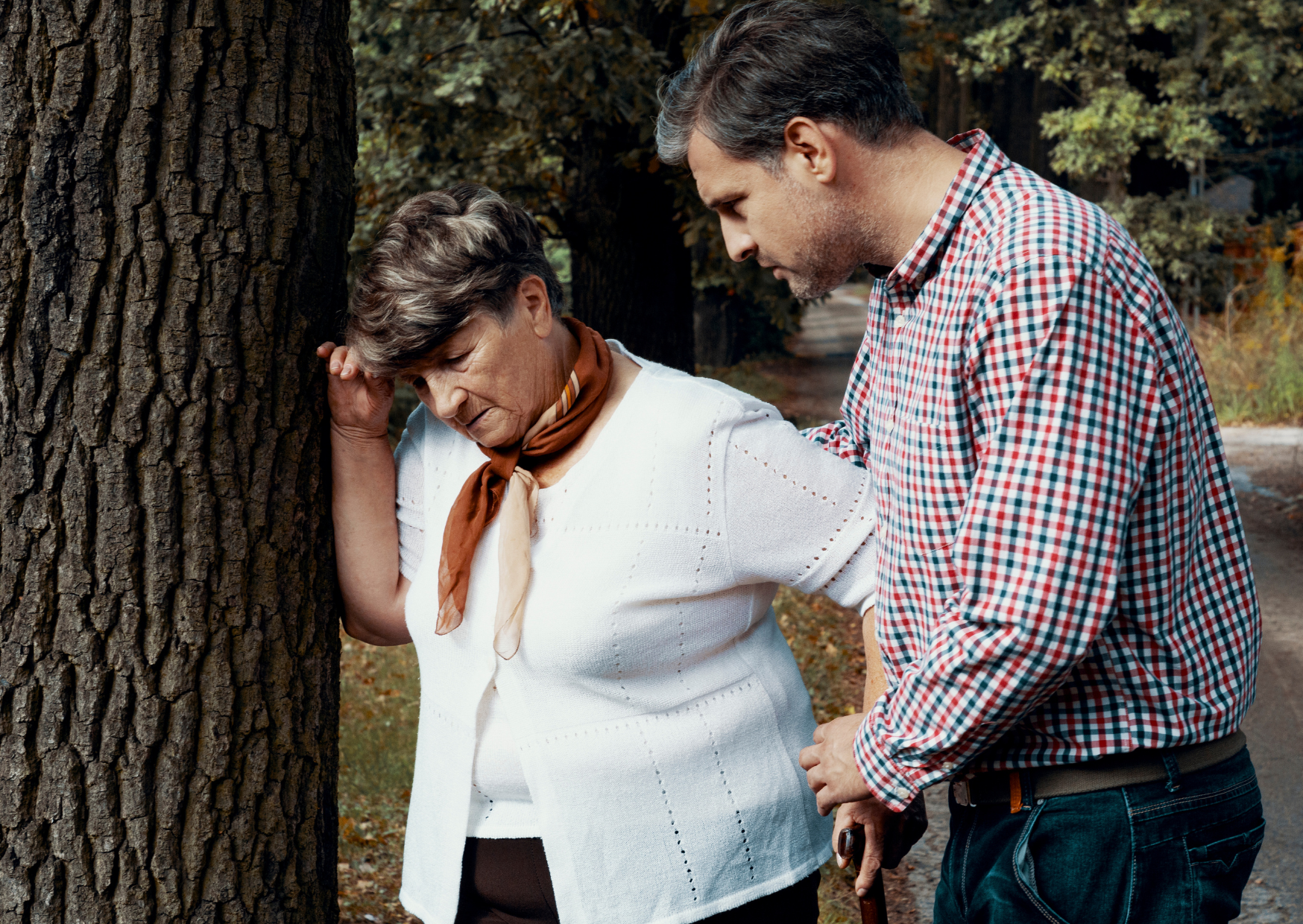
In the U.S., if someone struggles to climb stairs or feels winded walking to the store, it’s often chalked up to “being out of shape.”
In Europe, especially among older generations, breathlessness is a reason to pause — and investigate. It may indicate a failing valve. It may be AFib. It may be early heart failure.
You don’t push through. You talk to your doctor.
This proactive attitude stems from a trust in the healthcare system — and a cultural belief that discomfort should be understood, not dismissed.
4. Fatigue Isn’t Ignored — It’s Interpreted

American life often teaches people to push through tiredness. “I’m just stressed.” “Didn’t sleep well.” “It’s normal.”
In Europe, persistent fatigue — especially when paired with mild nausea, heaviness in the chest, or breath changes — triggers concern.
It doesn’t mean panic. It means you pay attention. Maybe you go to the pharmacy and describe it. Maybe you visit your general practitioner.
The goal isn’t to avoid drama. It’s to intervene before drama begins.
5. Pharmacies Play a Bigger Role — And Listen Differently
In Europe, the pharmacy is not just for prescriptions. It’s a first line of observation.
If someone feels off — especially with symptoms that aren’t clearly “sick” — they often go to the pharmacist first. They describe the fatigue, the palpitations, the tightness.
And the pharmacist, trained to spot cardiac symptoms, may suggest a doctor visit — or even arrange it directly.
This community-based gatekeeping helps catch early heart issues long before they turn into events.
In the U.S., most people wouldn’t think to bring vague cardiac symptoms to the pharmacy counter.
6. The Public Health System Encourages Preventive Testing
In many European countries, public health campaigns regularly promote cardiovascular awareness. Radio spots. Posters in clinics. Free blood pressure checks at the supermarket.
You don’t need a full physical to get a pulse check. You don’t need private insurance to discuss early symptoms.
In Spain and France, it’s common for patients over 55 to have regular ECGs or Holter monitors — not because they’re in crisis, but because they want to stay out of one.
In the U.S., unless you specifically ask for a cardiac evaluation, it may not be offered — especially if your insurance discourages “unnecessary” screening.
7. Heart Symptoms in Women Aren’t Written Off

In the U.S., one of the most common causes of misdiagnosed heart attacks is that women’s symptoms don’t follow the textbook. Mild chest discomfort, indigestion, and fatigue are often mistaken for anxiety or flu.
In Europe, GPs are trained to take subtle symptoms seriously — and public health messaging addresses female-specific warning signs.
Spanish and French health authorities routinely publish materials aimed at women, explaining how their symptoms may differ and encouraging early evaluation.
That recognition leads to faster diagnoses and better outcomes.
8. No One Waits Until It’s “Bad Enough”

American patients, especially men, often wait to seek help until the pain is severe, the symptoms are dramatic, or they physically collapse.
In Europe, the bar for concern is much lower — in a good way.
Feeling a flutter? Slight pressure? Breath that’s just not right? You check it out. You don’t wait for a Hollywood-style heart attack scene.
Because the culture assumes that quiet symptoms can still mean serious problems — and that ignoring them isn’t strong. It’s dangerous.
9. The System Is Designed to Intervene Before You Collapse
In the U.S., the healthcare system is reactive. A heart attack sends you to the ER. Insurance approves treatment after the event. Prevention is a luxury, not a standard.
In Europe, the system is designed to catch heart issues early, affordably, and repeatedly. You don’t need an emergency to start investigating. You don’t need perfect coverage to get an ECG.
This design — paired with the public’s cultural readiness to act on subtle signs — leads to earlier detection and fewer surprises.
You don’t wait for the warning to become a disaster.
One Pulse, Two Cultures
To Americans, heart attacks are sudden. Fatal. Often invisible.
To Europeans, they’re preventable — if you know what to watch for.
In the U.S., heart health is often a topic reserved for post-crisis discussions.
In Europe, it’s part of daily conversation — taught, checked, and managed like any other system.
An irregular beat. A skipped breath. A deeper fatigue than usual. In the U.S., it’s nothing. In Spain, it’s something to mention.
Because no one wants to be the person who ignored the sign — and no one has to be.
Heart attacks rarely happen without warning. Subtle signs often appear days or even weeks in advance, but whether or not people pay attention to them can make the difference between early intervention and a life-threatening emergency. In Europe, greater awareness of these signs has helped many people take action earlier, which often leads to better outcomes.
In contrast, many people in United States tend to overlook or downplay these early signals. Whether it’s due to busy lifestyles, lack of awareness, or a cultural tendency to “tough it out,” ignoring early warning signs can lead to delayed treatment. And when it comes to heart attacks, time is everything.
The good news is that increased awareness and education can change this pattern. Knowing what to look for—and understanding the importance of responding quickly—can save lives. Prevention isn’t just about diet and exercise; it’s also about paying attention to your body’s early messages.

About the Author: Ruben, co-founder of Gamintraveler.com since 2014, is a seasoned traveler from Spain who has explored over 100 countries since 2009. Known for his extensive travel adventures across South America, Europe, the US, Australia, New Zealand, Asia, and Africa, Ruben combines his passion for adventurous yet sustainable living with his love for cycling, highlighted by his remarkable 5-month bicycle journey from Spain to Norway. He currently resides in Spain, where he continues sharing his travel experiences with his partner, Rachel, and their son, Han.