
Let’s skip the romance. German public education is strict about what belongs in a classroom and what never crosses the door. Some of the everyday American habits are not just frowned upon here, they collide with constitutional rulings, state school laws, and Europe’s privacy regime. If you try to import certain U.S. practices, you will meet a head teacher who quotes legislation before the coffee cools. What follows is a clear list of what U.S. schools often normalize that German schools explicitly prohibit or place behind legal brick walls, with quick translations of the “why” and what Germans do instead.
I live in Spain, work with parents and teachers around the region, and have sat through enough German school meetings to know the tone. Calm. Procedural. Not negotiable. Use this as a reality map if you plan to raise kids or teach on this side of the Atlantic.
1) Hitting students for discipline

This is the easy one. Corporal punishment is illegal in German schools. The practice disappeared by state over the 1970s and early 1980s and is now a criminal matter if a teacher lays hands on a child in that way. In a few U.S. states, paddling still exists. Bring that story to a German parent meeting and you will see eyebrows travel. There is nothing to debate here. It is banned across the Länder and has been for decades.
Remember: discipline in Germany is procedural. If behavior escalates, you move through written warnings, meetings, and support plans, not a stick.
2) Mandatory devotional displays and teacher led prayer in public classrooms
Public schools in Germany must remain religiously neutral. The Constitutional Court’s crucifix ruling makes it clear that state schools cannot impose religious symbols or devotional settings on all pupils. Teachers cannot organize compulsory prayer as part of public instruction. Faith exists, but neutrality is the operating system. If a school is explicitly denominational, that is different. In the regular system, neutrality wins.
Remember: freedom of belief includes the freedom not to participate. The legal word you will hear is neutrality, not hostility.
3) Teaching creationism as science

Say it plainly. Creationism does not enter German biology lessons as scientific content. Europe’s line has been consistent for years: teach evolution, teach the scientific method, and keep religious doctrine out of science class. Teachers can cover religion in appropriate subjects, but not as a substitute for biology. If you try to reframe origin stories as science, you meet a curriculum and an inspector.
Remember: evolution is not a culture war unit here. It is the syllabus.
4) Selling student data through classroom tech and ad trackers
A lot of American districts hand classroom data to big platforms with a shrug. Germany does not shrug. Under GDPR and the German tradition of informational self determination, schools are public authorities with strict duties. Transferring pupils’ personal data to third country clouds without tight safeguards can be unlawful. That is why several German states and the federal conference of data protection authorities have said no to Microsoft 365 in schools in its current form, and why Google type services face heavy scrutiny unless deployments meet strict conditions. If your learning platform phones home to U.S. servers and harvests telemetry, the default is no.
Remember: children’s data is not a bargaining chip. The legal baseline is consent, necessity, and minimization, not convenience.
5) Always on cameras and biometric surveillance in classrooms
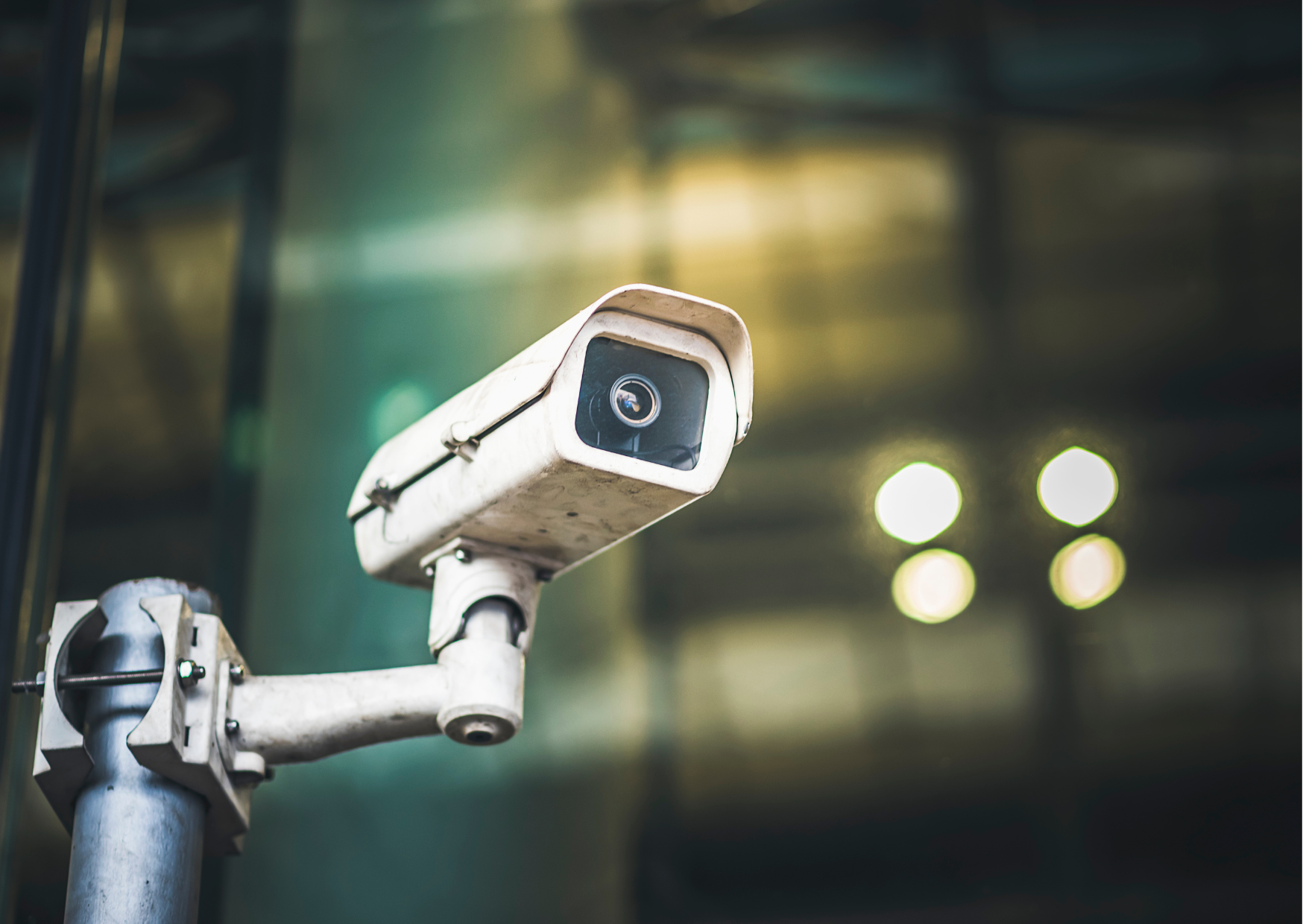
Permanent CCTV in classrooms and facial recognition pilots look “innovative” to American vendors. In Germany, continuous classroom video and biometric identification of pupils are generally unlawful under data protection law. DPIAs, strict necessity tests, and proportionality standards apply. Biometric templates for kids are a legal red zone unless a very narrow exception applies. Schools that try to install cameras learn fast that the burden of proof is theirs and that privacy authorities will ask hard questions.
Remember: surveillance must be exceptional, temporary, and justified. Routine monitoring fails the test here.
6) Arming teachers or normalizing weapons on campus
This one lands with silence in a German staff room. Weapons on school grounds are prohibited, full stop, and the idea of arming teachers collides with both the Weapons Act and Länder regulations. Even “defensive sprays,” large knives, or lookalike guns fall under prohibitions in school zones. Security is architectural and procedural, not personal firepower.
Remember: the cultural baseline is prevention and de escalation policies, not firearms.
7) Abstinence only sex ed that omits contraception and rights

Germany expects comprehensive sexuality education. Curricula cover biology and contraception, consent and safety, gender based violence, relationships, and health without moral panic. Parents debate tone and detail, but the legal direction is clear across ministries and health agencies. A program that insists on abstinence and suppresses contraception or STI education would not pass in a public school.
Remember: the aim is informed, healthy pupils. Silence is not considered protective.
8) Forcing symbolic patriotism or compelled pledges
There is no daily pledge ritual. Compelled patriotic ceremonies in state schools would run into basic rights to conscience and expression, and the wider neutrality duty of public institutions. German schools teach history intensely and take civic education seriously, but they do not require loyalty oaths to the flag at morning bell. The Constitutional Court’s school jurisprudence sits on freedom of belief and expression and the principle that the state does not choreograph private conviction.
Remember: civic education is taught through history, debate, and law, not by recitation.
9) Turning classrooms into ad space or product placements
U.S. schools often invite sponsors, slap logos on scoreboards, and allow branded curriculum packets. In Germany, overt advertising in lessons is widely prohibited and tightly policed by Länder guidance. Sponsoring is possible only when educational benefit outweighs any promotional effect, and even then, the school conference and the local authority must approve. Product pitches during class are off limits. A publishing rep “presenting” inside a lesson is a textbook example of what not to do.
Remember: schools are public spaces for learning. Commercial messages stay outside or get filtered through strict rules.
10) Data hungry analytics on children without granular consent
American edtech loves frictionless dashboards that track behavior, clicks, and attention. In Germany, the Census Judgment birthed the right to informational self determination, which still shapes how schools handle data. Blanket “trust us” analytics run into consent and necessity walls. Public schools cannot hide behind private vendor terms. If processing is not strictly necessary for teaching and there is no clear legal basis, the answer is no.
Remember: German parents will ask where the data lives, who accesses it, and why it needs to exist. Have answers or shut it off.
11) Blurring teacher neutrality with political advocacy in class time

German teachers have free speech as citizens, but during instruction they are agents of a neutral state. Länder statutes and court practice require that classrooms remain free of partisan campaigning. Teachers can teach politics, controversy, and democratic values, but not run party lines or pressure pupils toward a political group. Even flyers and visits are regulated, with explicit bans on party advertising inside schools. If you turn a civics class into a campaign stop, you will be stopped.
Remember: the line is robust debate with multiple views represented. It is not recruiting.
What Americans should copy instead of fighting
You can get a lot done if you work with the German baseline instead of trying to bend it.
- Build privacy first classrooms. Choose European hosted tools, minimize data, and switch off tracking that is not essential. If a platform defaults to profiling, do not use it.
- Teach science as science and religion as religion. That clarity lowers conflict and protects both.
- Keep faith personal in public schools. Religious practice is welcome in private life and faith schools. Public classrooms stay neutral.
- Invite sponsors only when the school wins more than the brand. Get approvals on paper and keep logos out of lessons.
- Replace security theater with trained adults and written protocols. You will find more doors with windows and fewer weapons.
Bottom line inside the paragraph: Germany treats schools as civic spaces with rights attached. Once you accept that frame, the rules stop feeling like obstacles and start feeling like a shield.
Quick FAQ you will ask anyway
Can students pray privately at school. Yes, private prayer is protected. The difference is that a public school does not stage a devotional exercise for everyone.
Can a public school host a Bundeswehr info session. Sometimes, yes, as one voice among others under school neutrality rules. It is not a recruiting fair in homeroom. Local policies differ and parents will hear about it.
Do German schools ever use Microsoft or Google. Some do under specific configurations, but the trend is stark. Data protection authorities keep pressing schools to avoid unlawful transfers and reduce tracking. Expect to defend each setting line by line.
Are there cameras on campus. External security cameras exist in some places. Continuous classroom filming or facial recognition is a legal minefield and typically fails necessity and proportionality tests.
Is sex ed really comprehensive. Yes. It is part of health and human rights oriented curricula, not a special interest addition.
If you remember only five things
Do not hit kids. It is illegal and a crime in school settings.
Keep public classrooms religiously neutral. Displays and teacher led prayer cross the line.
Teach evolution in science and leave creationism to religion class. That is the European norm.
Protect children’s data like it matters. German authorities will force you to if you do not do it yourself.
No weapon fantasies in schools. The law bans them.
A last note for parents and teachers moving over: Germany is not anti freedom in schools. It is pro rights, and those rights are written down. Once you learn the rules, the classroom gets simpler, safer, and quieter than you are used to. That is the point.

About the Author: Ruben, co-founder of Gamintraveler.com since 2014, is a seasoned traveler from Spain who has explored over 100 countries since 2009. Known for his extensive travel adventures across South America, Europe, the US, Australia, New Zealand, Asia, and Africa, Ruben combines his passion for adventurous yet sustainable living with his love for cycling, highlighted by his remarkable 5-month bicycle journey from Spain to Norway. He currently resides in Spain, where he continues sharing his travel experiences with his partner, Rachel, and their son, Han.