
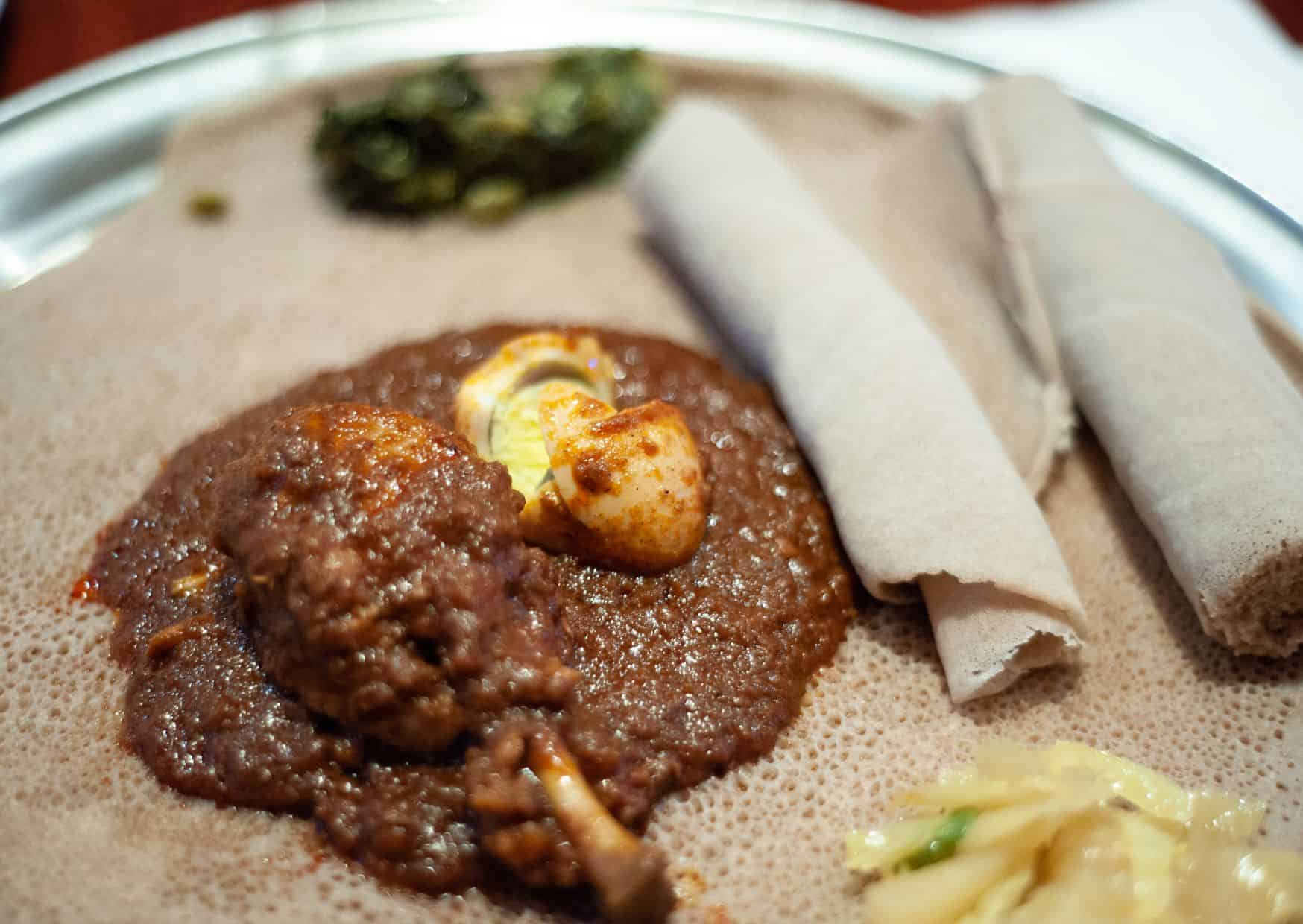
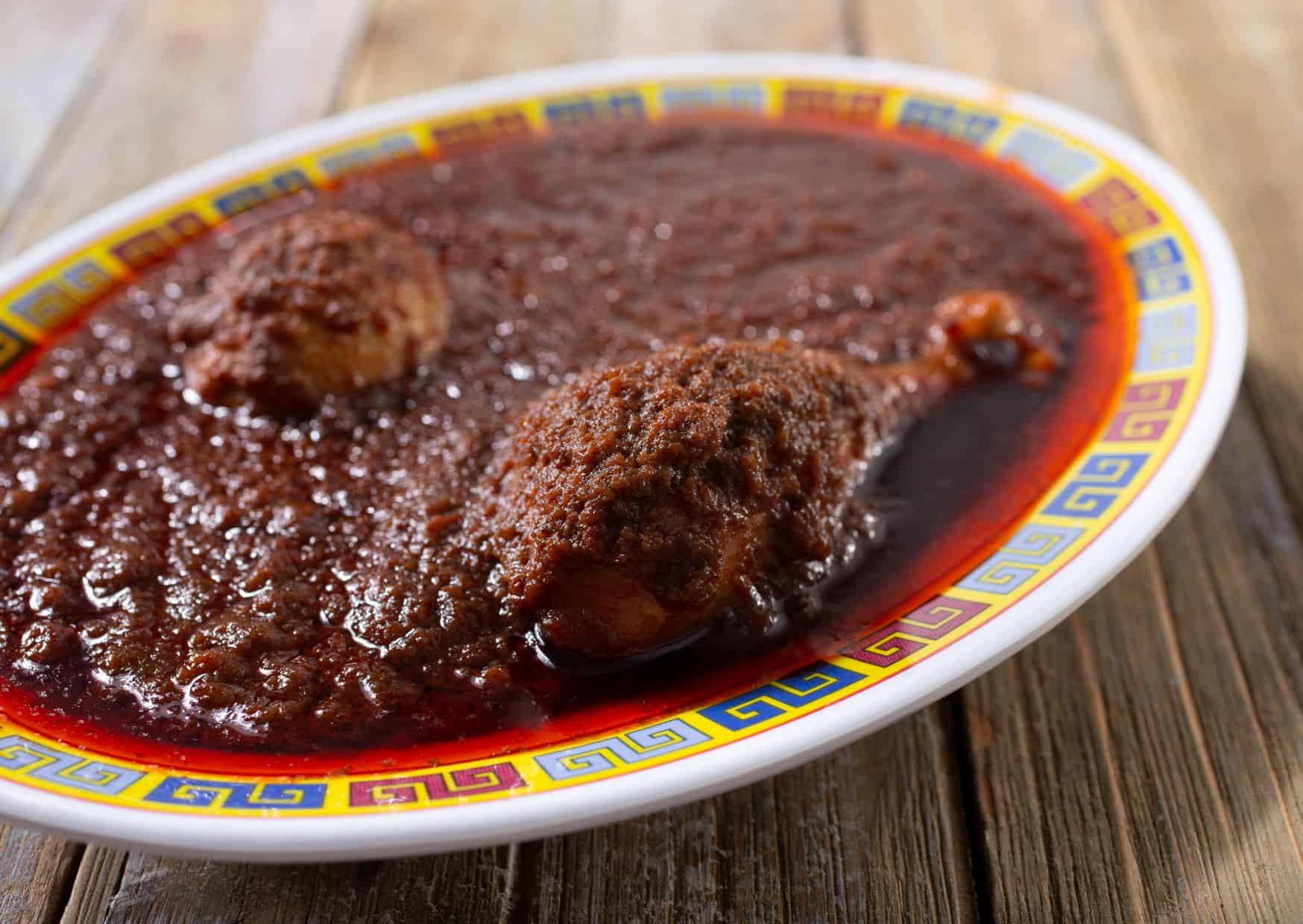
Doro Wat is one of Ethiopia’s most iconic and beloved dishes, known for its deep, spicy flavours and rich, comforting texture. This traditional chicken stew is simmered with berbere spice mix, onions, garlic, and clarified spiced butter (niter kibbeh), creating a meal that is both aromatic and deeply satisfying. Often considered Ethiopia’s national dish, Doro Wat is typically served during holidays and family gatherings, symbolising warmth, celebration, and togetherness.
What makes Doro Wat so special is its balance of fiery heat and complex layers of flavour. The berbere spice blend adds depth with notes of chilli, ginger, garlic, and fenugreek, while the slow-cooked onions melt into a thick, luscious sauce that clings perfectly to tender chicken pieces. Traditionally served with injera, Ethiopia’s spongy sourdough flatbread, Doro Wat is a dish that feels nourishing and soulful in every bite.
If you’re looking to explore authentic African recipes or simply want to try something deeply flavourful and unique, this Doro Wat recipe will transport you straight to an Ethiopian home kitchen. It proves that with a few traditional spices and the right cooking techniques, you can create restaurant-quality Ethiopian food from scratch to impress family and friends.
BOOK YOUR TRAVEL INSURANCE
Two of our favorite travel insurance: Heymondo Vs Safetwing cheapest travel Insurance. You can get for $135 USD your Heymondo Travel Insurance with Heymondo discount code valid for 90 days. Read our full comparison of Genki vs Safetywing Travel Insurance Review and the comparison Heymondo vs Genki
Best Time To Eat
Doro Wat is best enjoyed as a hearty lunch or dinner, especially during colder days or when hosting guests for a special meal filled with warmth and bold flavours.
How To Partner
Serve your Doro Wat with traditional injera to scoop up the stew, alongside simple vegetable sides like gomen (stewed collard greens) or misir wat (spicy lentils). For drinks, pair it with spiced Ethiopian tea or a light lager to balance the dish’s heat and rich, earthy spices.
How to Make Ethiopian Doro Wat
Doro Wat Recipe Ingredients
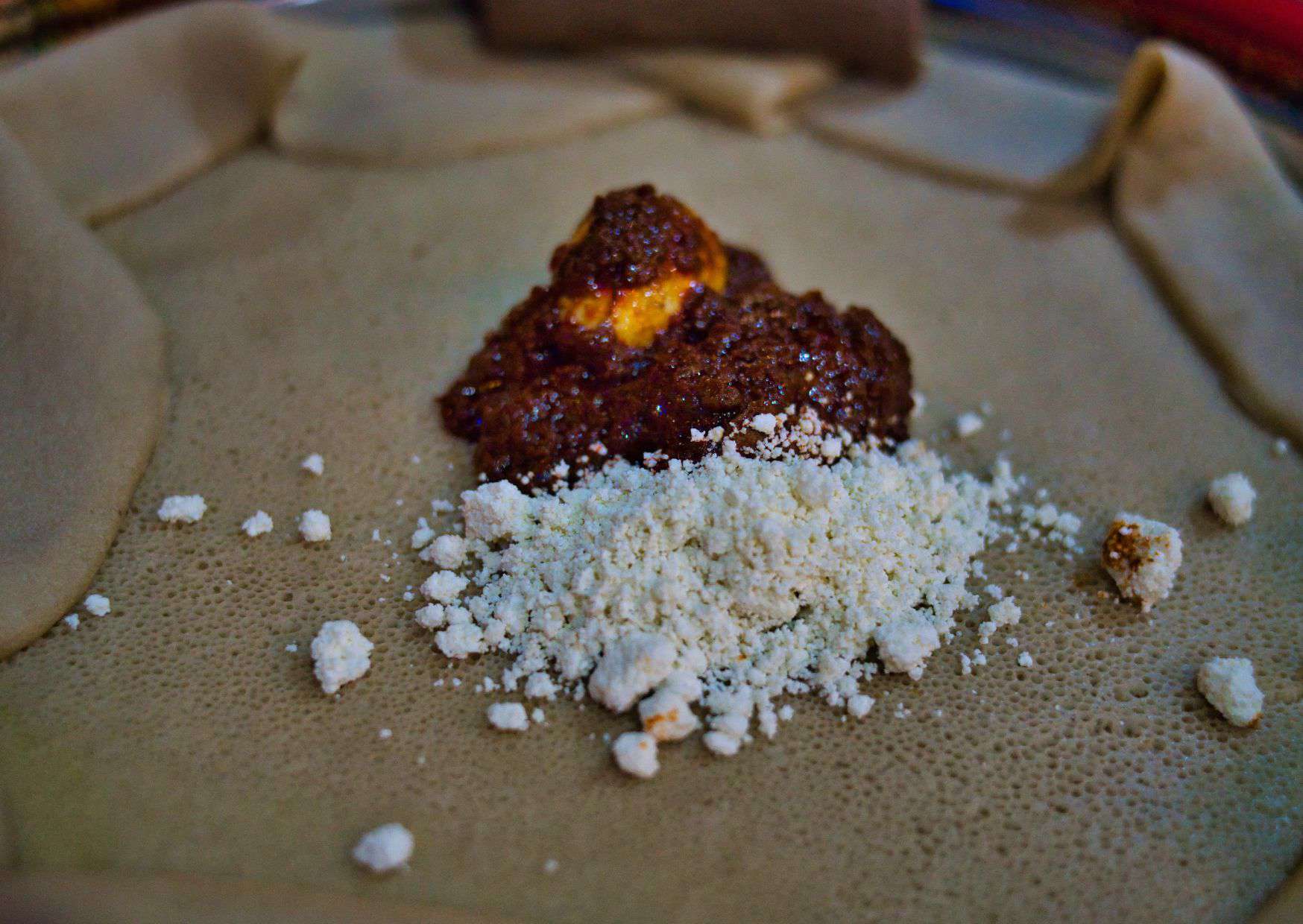
For the Niter Kibbeh (Spiced Butter):
1 cup unsalted butter
1 small onion, finely chopped
3 cloves garlic, minced
1 tablespoon grated fresh ginger
1 teaspoon ground turmeric
1/2 teaspoon ground cardamom
1/2 teaspoon ground cinnamon
1/2 teaspoon ground cloves
1/2 teaspoon ground nutmeg
For the Doro Wat:
1 whole chicken, cut into 8 pieces (or use chicken thighs/drumsticks)
3 large onions, finely chopped
1/4 cup niter kibbeh (spiced butter)
1/4 cup berbere spice mix (adjust to taste)
3 cloves garlic, minced
1 tablespoon grated fresh ginger
1 cup chicken broth or water
4 hard-boiled eggs, peeled
Salt, to taste
Juice of 1 lemon
For Serving:
Injera (Ethiopian flatbread)
Fresh parsley or cilantro for garnish (optional)
Get the best deals for your home and kitchen needs
Step By Step How to Make Doro Wat
Prepare the Niter Kibbeh
In a saucepan, melt the butter over low heat. Add the chopped onion, minced garlic, and grated ginger. Cook gently until the onion is soft and translucent.
Stir in the ground turmeric, cardamom, cinnamon, cloves, and nutmeg. Continue to cook on low heat for about 10-15 minutes, allowing the spices to infuse the butter. Strain the mixture through a fine-mesh sieve, discarding the solids. Set the spiced butter aside.
Prepare the Chicken
Wash the chicken pieces with water and the juice of 1 lemon. Pat dry with paper towels. Make shallow cuts in the chicken pieces to help the marinade penetrate.
Cook the Onions
In a large pot or Dutch oven, cook the finely chopped onions over medium heat without oil, stirring frequently. This process can take about 15-20 minutes, and it helps to develop a deep, rich flavor. When the onions are golden brown, add the niter kibbeh and cook for another 5 minutes, stirring to combine.
Add Spices and Chicken
Stir in the berbere spice mix, minced garlic, and grated ginger. Cook for an additional 2-3 minutes until fragrant.
Add the chicken pieces to the pot, turning to coat them in the spiced onion mixture.
Simmer the Stew
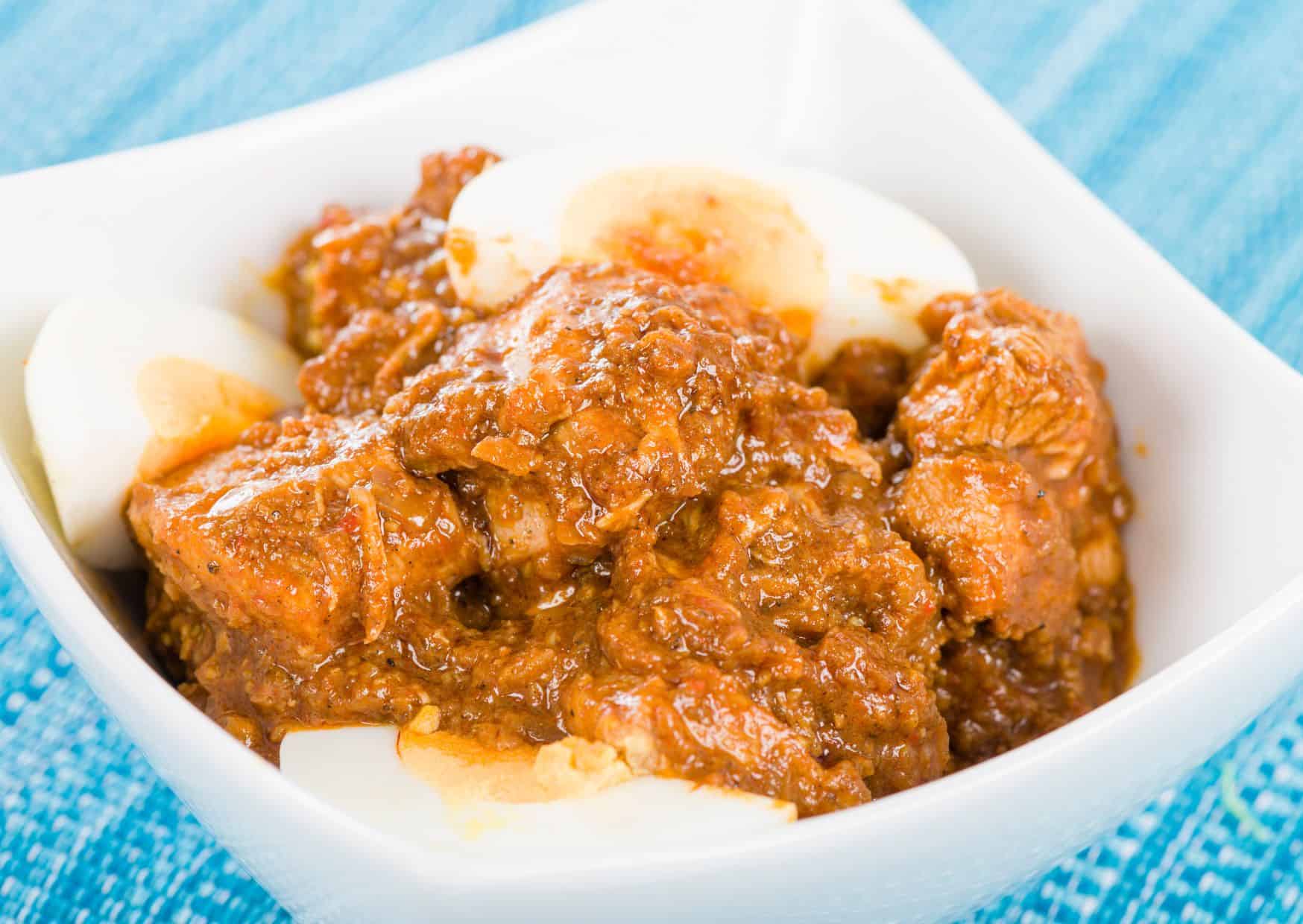
Pour in the chicken broth or water, ensuring the chicken pieces are mostly covered. Bring the mixture to a boil, then reduce the heat to low. Cover and simmer for about 45 minutes to 1 hour, or until the chicken is tender and the sauce has thickened. Stir occasionally to prevent sticking and ensure even cooking. Adjust the seasoning with salt as needed.
Add Eggs
Make small slits in the hard-boiled eggs and add them to the stew during the last 10 minutes of cooking, allowing them to absorb the flavors of the sauce.
Serve
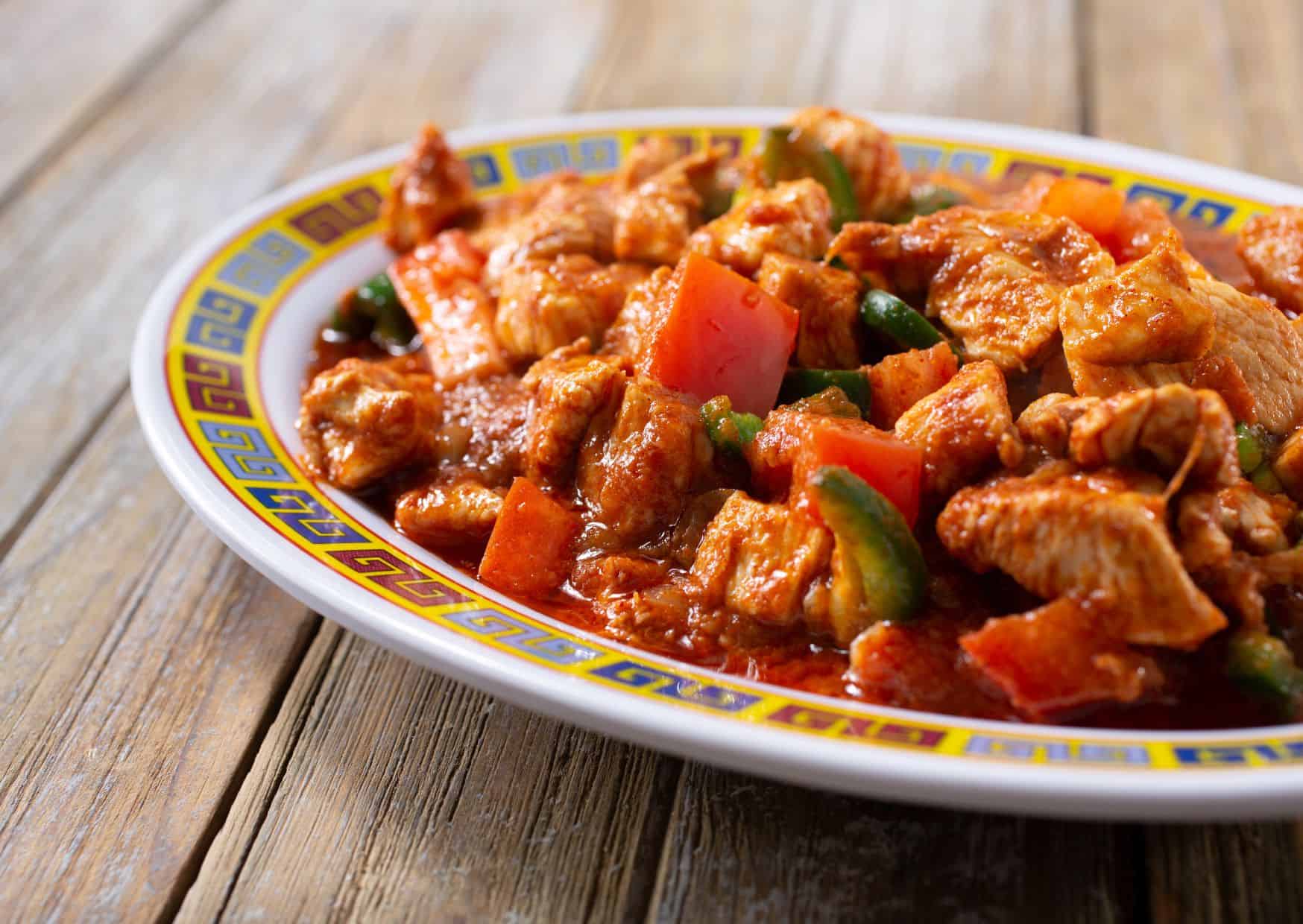
Serve the Doro Wat hot, garnished with fresh parsley or cilantro if desired. Traditionally, Doro Wat is served with injera, a sourdough flatbread used to scoop up the stew.
Tips To Make Doro Wat
Berbere is a key ingredient in Doro Wat. You can find it in specialty stores or online, or you can make your own by blending spices like chili powder, paprika, fenugreek, and other spices.
This spiced butter adds a unique flavor to the dish. If you don’t have niter kibbeh, you can use regular butter or ghee, but the flavor will be different. Allowing the stew to simmer slowly helps develop deep, rich flavors.
How Many Calories Have Doro Wat
Chicken (with skin, assuming thighs and drumsticks): Approximately 250-300 calories per serving
Niter Kibbeh: Approximately 80-100 calories per serving
Onions and Spices: Approximately 50 calories per serving
Hard-Boiled Egg: Approximately 70 calories per serving
Total Calories per Serving: Approximately 450-520 calories.
Origin and History
Doro Wat is one of Ethiopia’s most celebrated dishes, rooted deeply in the country’s ancient culinary traditions. Its base of slow-cooked onions, spiced butter, and berbere seasoning reflects centuries of regional cooking methods that prioritize patience, bold flavors, and shared meals. Historically, Doro Wat was reserved for special occasions and holidays, served when families and communities gathered to celebrate.
The dish’s foundation—berbere, a complex blend of spices—originated from trade routes that brought chili peppers, ginger, fenugreek, and other aromatics into Ethiopia. Over time, Ethiopian cooks crafted their own unique versions, passing recipes down through generations. This spice blend became the defining flavor of Doro Wat, giving it the depth and heat that makes it so distinctive.
Traditionally, Doro Wat is prepared in large batches and simmered for hours, symbolizing generosity and togetherness. It is often served during significant celebrations like Ethiopian Christmas or Easter, making it not just a stew but a cultural centerpiece. Today, it remains one of Ethiopia’s most iconic dishes, beloved both at home and internationally.
One common debate centers around what makes a Doro Wat “authentic.” Some cooks argue that the dish must use homemade berbere and niter kibbeh (spiced clarified butter) to be considered traditional. Others believe that store-bought versions still capture the essence of the dish and make it accessible to home cooks outside Ethiopia. The question often comes down to convenience versus strict adherence to tradition.
Another point of controversy involves the heat level. Some people insist that Doro Wat must be intensely spicy, aligning with its historical flavor profile. Others modernize the dish by reducing the spice for broader appeal, especially when cooking for families or beginners. Purists see this as watering down a cultural staple, while others view it as a practical adaptation.
There’s also disagreement about how much time the dish should take. In many Ethiopian homes, Doro Wat is an hours-long process involving meticulous onion cooking and careful layering of spices. Some cooks abroad opt for quicker methods, using shortcuts to save time. While these adaptations make the dish more approachable, they spark debate about whether speed compromises its signature depth.
How Long You Take to Prepare
Preparing Doro Wat does require time, especially if you follow the traditional method. The longest step is cooking down the onions, which can take up to an hour. This slow caramelization forms the backbone of the stew’s richness. Once the onions reach the right consistency, the addition of berbere, garlic, and niter kibbeh layers the flavors gradually.
After the spice base is ready, the chicken simmers for another thirty to forty minutes, absorbing the aromatics and developing its signature tenderness. If you choose to add hard-boiled eggs—a classic touch—they warm gently in the sauce near the end of cooking, absorbing its spice and color.
Altogether, a traditional Doro Wat takes about two hours from start to finish. Faster versions can be made in under an hour, but the depth of flavor improves significantly when given time. This is the kind of recipe that rewards patience, turning simple ingredients into something unforgettable.
Serving Suggestions
Doro Wat is most commonly served with injera, the Ethiopian sourdough flatbread that doubles as both utensil and plate. Injera’s slightly tangy flavor complements the heat and richness of the stew, making each bite balanced and satisfying. Tear off pieces to scoop up the chicken, eggs, and sauce for a fully authentic experience.
If injera isn’t available, you can pair Doro Wat with rice, couscous, or even warm flatbread. These alternatives absorb the sauce well and make the dish accessible to kitchens without access to traditional Ethiopian staples. The key is choosing a base that lets the stew shine.
A fresh side salad—often made with tomatoes, onions, and a simple lemon dressing—adds coolness and contrast to the spicy stew. You can also serve Doro Wat alongside other Ethiopian dishes like lentil stew or sautéed greens for a full, varied meal. The combination of textures and flavors creates a satisfying, communal dining experience.
Final Thoughts
Doro Wat is more than just a recipe; it’s a cultural treasure that tells a story of Ethiopian heritage, family traditions, and centuries-old cooking methods. Learning to make it at home brings a piece of that tradition into your kitchen, offering a rich, comforting dish that resonates far beyond its ingredients.
While the recipe may seem intimidating at first, the steps are straightforward once you understand the rhythm of slow simmering and gradual flavor building. Whether you follow every traditional detail or adapt the dish to suit your ingredients and schedule, the result is always deeply flavorful and rewarding.
In the end, making Doro Wat is as much about the process as it is about the taste. It invites you to slow down, savor the scents, and appreciate the layers of history in each bite. Once you’ve made it, it’s easy to understand why this stew is cherished—and why you’ll find yourself craving it again and again.

About the Author: Ruben, co-founder of Gamintraveler.com since 2014, is a seasoned traveler from Spain who has explored over 100 countries since 2009. Known for his extensive travel adventures across South America, Europe, the US, Australia, New Zealand, Asia, and Africa, Ruben combines his passion for adventurous yet sustainable living with his love for cycling, highlighted by his remarkable 5-month bicycle journey from Spain to Norway. He currently resides in Spain, where he continues sharing his travel experiences with his partner, Rachel, and their son, Han.