
Here is the quiet truth you notice after one summer on a Spanish beach or an Italian piazza. The mothers look less rushed. They are not counting macros out loud. The toddlers are eating from the same plate as everyone else. No one is negotiating snacks in a parking lot. The job of mother is still hard here, it just runs on a different operating system. When friends from the States visit, they try to copy the surface details and wonder why it collapses on day three. The problem is not you. The problem is the test you did not know you were taking.
Call it the Mediterranean Mother Test. It is not a buzzword. It is a simple audit of habits that Mediterranean families expect from the first month. If you pass most of it, the house gets calmer and the body recovers. If you fail most of it, the days feel like you are pushing a stroller uphill in wind. This is not a purity contest. It is a schedule, a table, a village, and a few hard boundaries that American culture trained you to ignore.
Below is the test, section by section, with exact schedules and scripts. You do not need to move to Barcelona to pass. You need a clock, a table, and the courage to be boring in a culture that worships effort.
1) The clock decides the day, not your inbox

Mediterranean families run days that look repetitive from the outside. Work, school, lunch, rest, walks, dinner, bed. American days often look productive but have no spine. The first measure on the test is whether mealtimes and sleep are appointments rather than guesses. In Spain and Italy, a baby’s nap lands on the same square of the day for months. Lunch lands when the sun is high. Bedtime is guarded even during holidays.
The result is not romantic. It is chemical. Regular timing lowers stress hormones and makes kids predictable, which makes you calmer, which makes the whole day sturdier. The failure mode in the U.S. is always the same. Parents try to fit meals around errands and calls. Then dinner slides, then sleep slides, then every morning feels like a rescue mission.
What to do this week
Set three fixed points that do not move: lunch, nap, and bedtime. Put alarms on your phone and obey them like you would a flight. If the clock is stable, your mood is stable. Everything else becomes negotiation, not those three.
2) Lunch is the main meal and the family sits together
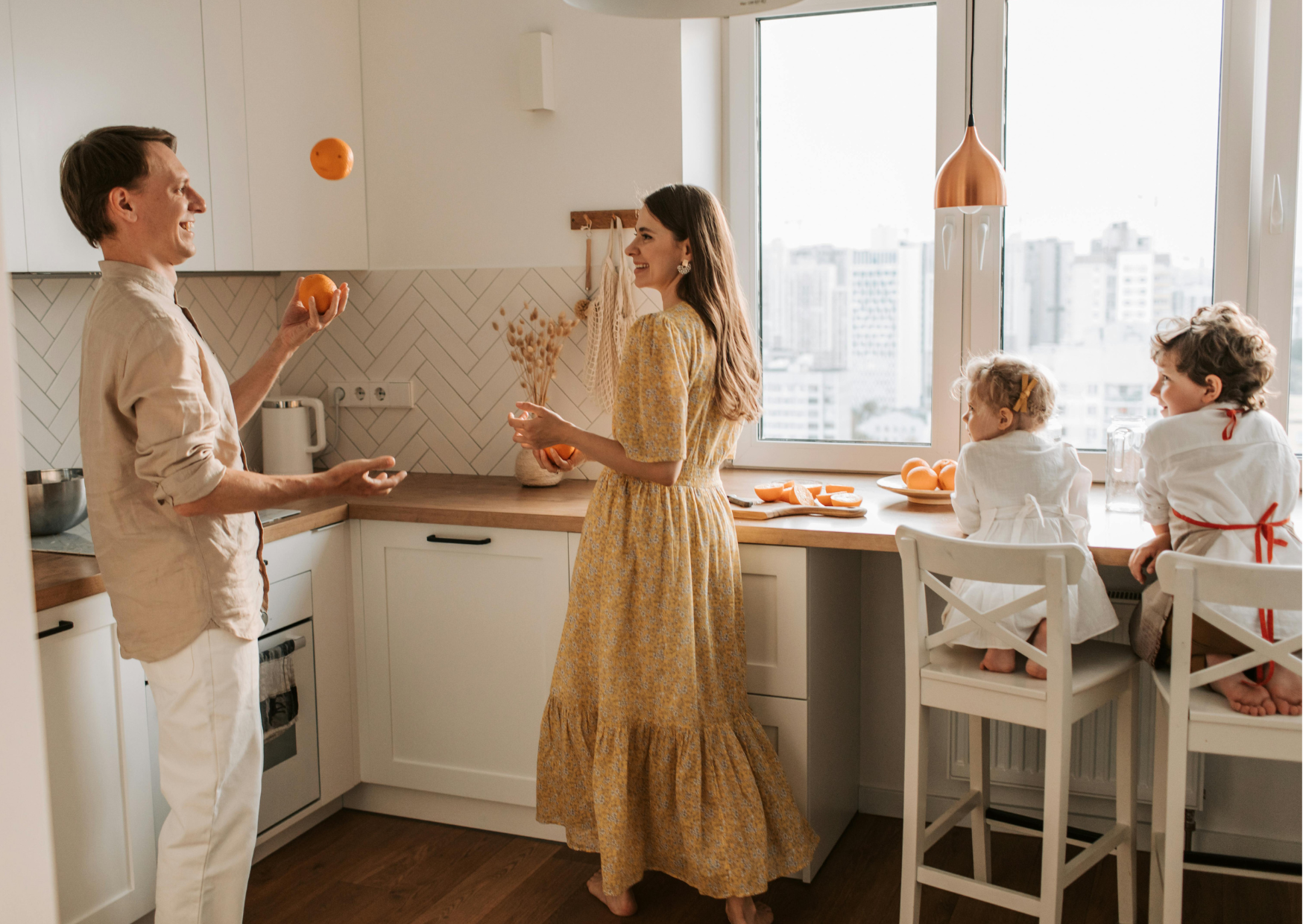
Mediterranean families eat the day’s real plate at 13:00 to 14:30, not at 19:30 on a couch. Children eat from the same pan. Adults plate and cut, not blend and hide. A full lunch in daylight solves more behavior and hunger problems than any parenting trick. You spend the afternoon burning what you ate. Dinner becomes light. Sleep becomes easier.
The American fail pattern is late heavy dinners and children snacking through the afternoon because lunch was a rushed sandwich. A late heavy dinner trains small bodies to push sleep, then everyone wakes irritable. The fix is simple and unfashionable. Make lunch non negotiable and generous. Put a real plate on the table for the child and let them explore flavor while they are hungry.
A two course template that always works
- First course: vegetable soup, tomatoes with olive oil, or lentils with carrots and onion
- Second course: grilled fish or chicken with potatoes or rice, a spoon of olive oil, a lemon wedge
- Dessert: fruit, not a cupcake
- Water on the table, not a juice box
Feed lunch like it matters and dinner stops bullying the day.
3) The village shows up because you invited it, not because you begged

Mediterranean mothers rarely mother alone. Grandparents live nearby or a neighbor becomes the aunt who watches the stroller for ten minutes while you finish a coffee. The village is not a slogan here. It is a schedule. There are set days for grandparents, set afternoons for cousins, set visits to a godparent who actually remembers the child’s shoe size. American mothers are told to outsource to paid help or to reinvent everything alone. Neither builds resilience. You need humans who love your child and expect nothing from your brand.
If you are far from family, you can still pass this part of the test. Pick three people you trust and give them clear jobs. Ask for recurring help, not heroic help. A school pick up every Tuesday. A stroller walk after lunch on Thursdays. A sleepover once a month. People say yes to structure and no to energy spikes.
Practical script
“Can you be my Tuesday person for school pick up for the next six weeks. I will do Friday for you. No gifts. Just a schedule.”
Mediterranean families say things like this without apology. A calendar of hands is stronger than a list of names.
4) The stroller is for walking, the screen is for almost nothing

Mediterranean cities were built for feet. Grocery trips, school runs, naps, friendships, all happen with steps. The test is not zero screens. It is movement beats content, most days. You will see a child on a phone here, but you will see more children throwing a ball in a square while parents stand two meters away and talk like normal adults. Screens are not the first tool out of the bag and they are never the default.
If you want one change that drops behavior problems in two weeks, make the stroller a walking machine again. Thirty to forty minutes outside after the nap every day and a strict “no screens at the table” rule. The effect on sleep, appetite, mood, and your sanity is not subtle. Yes, you will have one rainy month. Buy a poncho.
If a child moves, a child regulates. That sentence saves households.
5) Food is adult food, cut smaller

This may be the most visible difference. Mediterranean mothers do not cook a separate menu for a five year old unless there is a medical reason. They salt lightly, cut smaller, and plate first for the child. Kids learn the family palate while their taste buds are still flexible. The American pattern of nuggets and beige snacks trains a different brain and a different gut.
Start where you are. Turn two of your weekly dinners into one pan meals that everyone eats. Tomato and egg. Beans and rice with peppers. Pasta with sardines and lemon. If you want adventurous eaters, give adventure while they are hungry at lunch. Dinner is where pickiness grows. Lunch is where it shrinks.
A short rule that works
Introduce one new thing with two familiar things. Never pressure. Never bribe with dessert. The child who sits in peace learns to try.
6) Bedtime belongs to parents, not to apps

Mediterranean parents treat sleep as a right for the whole house. There is no pride in late tiny humans. Bedtime routines are boring and short. Light goes low. Water is on the table. Stories are read. Doors close. The night is adult time and nobody apologizes for that. American homes often stretch bedtime into a negotiation, then reach for a podcast or a toy that talks. The night never starts.
You pass this section when bedtime is a phrase, not a debate. Pick a window and hold it. If your child took a proper lunch and a short afternoon rest, this gets easier in a week. Sleep is the mother’s paycheck. Guard it without speeches.
For toddlers and small kids
- Lights low for 30 minutes before bed
- Two stories, water, bathroom, goodnight
- No snacks after dinner
- Same phrases every night
Children like rituals more than they admit. Give them one they can predict.
7) School belongs to the state. Values belong to you
Mediterranean countries expect children to be in school, on time, with attendance that looks clean. Parents choose a public school, a publicly funded religious school, or a private school, then get on with teaching values at home. The fight over homework is small because the routine is big. American parents often hold school and identity in the same hand, then the hand gets tired and everything feels like a referendum.
You pass this part of the test when you stop trying to make school carry your entire vision. Pick a school that fits 80 percent and build the rest with your family. Saturday language. Sunday church. Weeknight music. Your table. Your cousins. Mediterranean mothers put identity in the rhythm of the household, not in a teacher’s personality. It is calmer and it is stronger.
8) Bodies are not projects. They are tools that must work
Walk a beach in Cádiz and you will see mothers who look like they use their bodies for life rather than for performance. There are runners and lifters, yes, but most movement is practical. Groceries, stairs, walks, swims, a garden, a class with friends. American culture makes women perform wellness alone on a mat with a camera angle. The body becomes a permanent project that must be explained, justified, and optimized.
The Mediterranean test is blunt. Do you move most days without scheduling your soul around it. Do you eat at a table and taste your food. Do you sleep. Do you go outside. When the basics are consistent, your health reads as steady, not heroic. Add formal exercise where it fits, but never let formal exercise become the only place you move.
Practical checklist
- Ten thousand steps as a side effect of errands and the park
- Two strength sessions a week with a friend
- A swim or a long walk on weekends
- Food you can name with ingredients you can pronounce
If you are too busy to walk, you are too busy to parent calmly. That is not a judgment. It is physics.
9) Grandparents are part of the plan, not the emergency contact
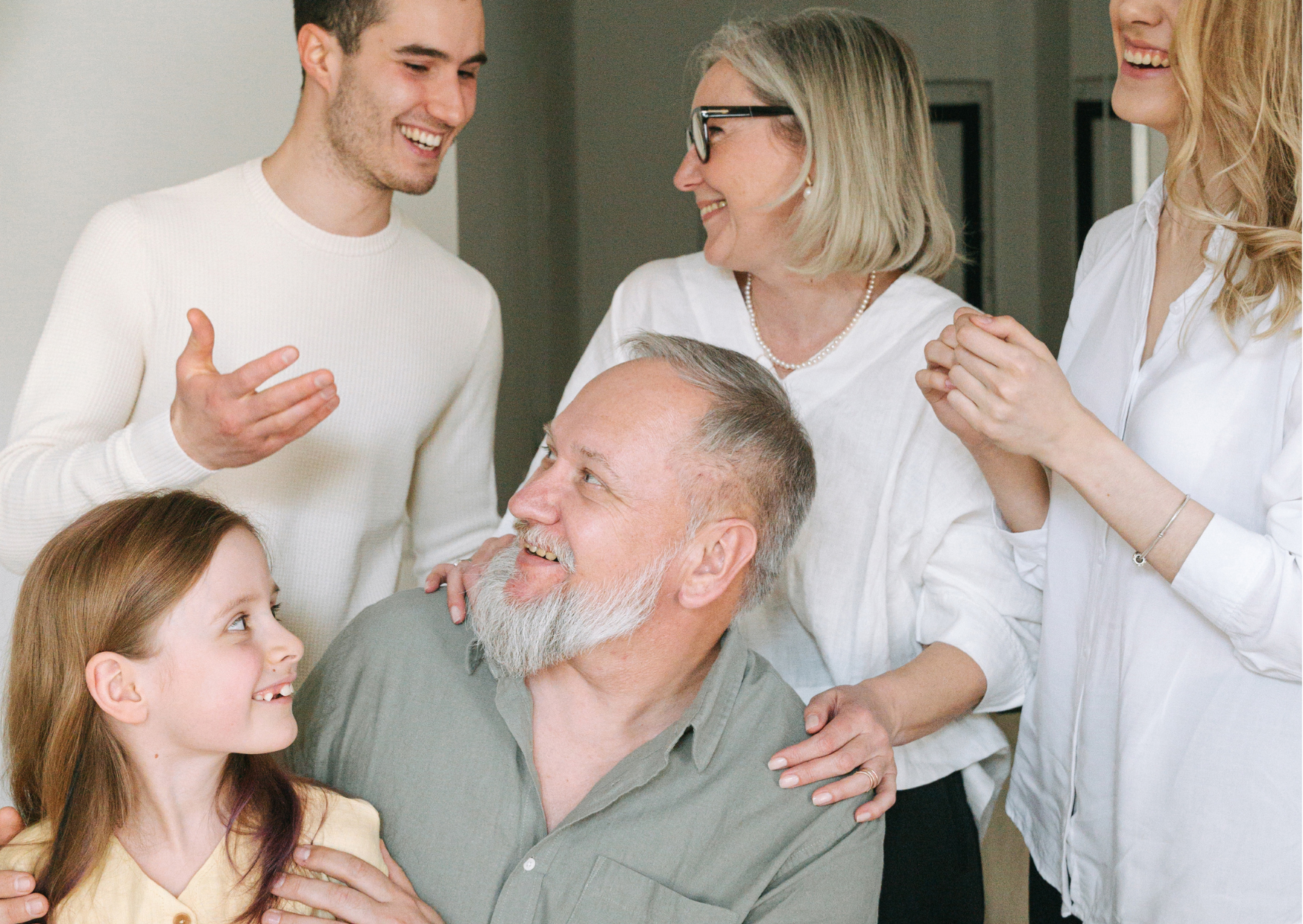
This is delicate and it changes everything. Mediterranean grandparents often live in the same city and see the child on a schedule. They pick up, cook, and sit on benches while you work or breathe. They are not a last resort. They are step two in the care plan. American grandparents are loving and often far. The fix is not guilt. The fix is design.
If your parents are far, make a godparent system real. Choose two adults who are not your age and give them roles. Saturdays once a month. One week in summer. A standing dinner. Children who have elders who are not their parents learn calm from people who already earned it. You get margin. The child gets stories.
Call and ask directly
“Can you be once a month family for us. We will plan the calendar in January. We need you and we want the kids to know your kitchen.”
Relief arrives when you replace hope with a calendar.
10) Work fits around family rhythms more than the other way around
Mediterranean economies are not a utopia. There is stress and there are bills. The difference is in the daily choices. A late email waits until morning because dinner is on the table. A parent stays at the school gate ten minutes longer because the conversation matters. Vacation actually happens. Sundays look like Sundays. American mothers are often trapped by the idea that constant availability is virtue.
The test here is honesty. Write your work week on a paper calendar and highlight family anchors. If work spills into all of them, you are failing a system design test, not a character test. Say no more often for a month and watch what breaks. You may find that nothing breaks except your habit of volunteering for everything. This is not about ambition. It is about durability.
Two sentences that help
“I will get you the draft tomorrow morning after drop off.”
“I do not take calls during dinner and bedtime. Email works.”
Boundaries feel rude until they feel like oxygen.
11) Mothers refuse to do it all because they refuse the premise

Mediterranean women are not superheroes. They do less and they insist that others do more. A partner cooks. A neighbor watches the baby for twenty minutes. A child carries a bag that is not a toy. The expectation is that everyone belongs to the household and therefore everyone works. American mothers are told that love equals carrying everything quietly.
The test is whether you can say two things without apology. I need help. You live here too. A four year old can put forks on a table. A seven year old can fold towels. An eleven year old can chop vegetables under a watchful eye. If you treat help like a gift, you train your house to wait for gifts. If you treat help like membership, the house runs.
Put this on the fridge
Everyone eats. Everyone cleans. Everyone rests.
Making the rule visible is not corny. It is relief.
The “91 percent” problem explained plainly
Why do most American women fail this test at first. Because the culture tells you that a good mother improvises, entertains, and sacrifices quietly every hour. The Mediterranean message is different. A good mother repeats herself, bores herself, and protects the home’s rhythm like a guard. The first version burns you out. The second version gives you a life that feels like a life.
You will fail some days. Mediterranean mothers do too. They just fail inside a system that carries them on routine and community. If you build the same rails, your bad day lands softly.
A four week plan that proves this works
You do not need more theory. You need a calendar and a list. Run this for four weeks and your house will feel different.
Week 1: Fix the clock
- Lunch set between 13:00 and 14:00.
- Nap or quiet time after lunch for 30 to 60 minutes.
- Bedtime set and lights low 30 minutes before.
- Daily outside walk after nap regardless of weather.
You will see calmer afternoons by day five.
Week 2: Fix the table
- Two course lunch with a vegetable first and protein second.
- Fruit for dessert, water on the table.
- One new food paired with two familiar foods.
- Dinner small and early.
You will see better sleep by day ten.
Week 3: Build the village
- Ask one friend for Tuesday school pick up until the end of the month.
- Ask one neighbor for a Thursday stroller walk.
- Invite grandparents or godparents for one Saturday in the next four.
You will feel your shoulders drop by day fifteen.
Week 4: Protect the mother
- Two walks alone or with a friend.
- One strength session with simple movements.
- One evening without dishes where someone else plates and cleans.
You will remember you are a person by day twenty.
Keep the parts that worked and run another month. Routine is the most underrated medicine in family life.
Objections, answered quickly
We cannot eat lunch together because of work.
Then give the child the full lunch at school and sit together for a small dinner. The principle is big meal in daylight, small meal at night, together when you can.
My child will not try new foods.
Stop pushing at dinner. Offer new foods at lunch when they are hungry. Put the new thing near the familiar thing and say nothing. Quiet presence beats speeches.
We live far from family.
Build a godparent system from friends and neighbors. Put times on a calendar. Trade help instead of buying all of it. People say yes to clear jobs.
My partner refuses to help.
Change the house rules and keep changing them until reality matches. Start with one job that is always theirs. If you cook, they clean. If they cook, you clean. Keep saying the rule calmly.
We cannot afford private school or a nanny.
This playbook is not about private anything. It is bread, soup, parks, a clock, and people you already know. Money buys convenience. Routine buys sanity.
What actually changes when you pass the test
Mornings lose their sting. You feed the child, you walk, you get daylight, you talk to one adult, and you take a phone out less. Afternoons become predictable because naps exist and hunger is not a surprise. Evenings become short and friendly because dinner is light and bedtime is not a courtroom. You stop narrating yourself as failing and start feeling like a person who keeps promises to your own house.
Your body changes too. Not in a dramatic way. In a steady way. You walk more. You sleep more. You eat at a table with other humans. The day feels like it was designed rather than survived.
The mother who passes this test looks unremarkable in the best way
You will not get applause for this. People applaud big effort and visible struggle. You will get something better. You will get a house that is quiet at night, a child who expects rhythm, and a body that stops screaming for rescue. You will look like you are doing less because you are. That is the point.
This is not about the Mediterranean as a postcard. It is about borrowing a set of decisions that have protected mothers for a very long time. Pick the clock. Pick the table. Pick the village. Everything else starts to behave.
If you keep only five sentences, keep these. Lunch is the main meal and children eat from the same pan. Movement beats content most days. Bedtime belongs to parents. Elders and friends are on a calendar, not a wish list. Routine is love in a house with small people. Pass those and you will not care about the grade. You will care that your life finally feels like a life.

About the Author: Ruben, co-founder of Gamintraveler.com since 2014, is a seasoned traveler from Spain who has explored over 100 countries since 2009. Known for his extensive travel adventures across South America, Europe, the US, Australia, New Zealand, Asia, and Africa, Ruben combines his passion for adventurous yet sustainable living with his love for cycling, highlighted by his remarkable 5-month bicycle journey from Spain to Norway. He currently resides in Spain, where he continues sharing his travel experiences with his partner, Rachel, and their son, Han.