
So here is the part that surprised my American relatives on their first week in Europe. Most people drink from the tap because the law treats tap water like a food product that must be safe in your kitchen, not just at the plant. That single shift pulls in strict contaminant limits, materials rules for pipes and fixtures, and risk plans that follow the water all the way to your sink. In practice, it means you can sit down, ask for a glass, and not make a big speech about filters or brands. Remember, the default expectation here is that the tap works.
This is the field guide I wish I had when friends ask why Europeans keep refilling bottles at the sink instead of hauling cases. I will show you the rules that shape what comes out of the faucet, what “filtration” actually means in EU law, how PFAS and microplastics are handled, why restaurants are chill about tap water, and a simple setup you can copy at home without turning your kitchen into a lab. I will also admit where things have gone wrong, because they do, and what the system does about it.
The rule that changes everything: tap water is regulated like a food you serve at home
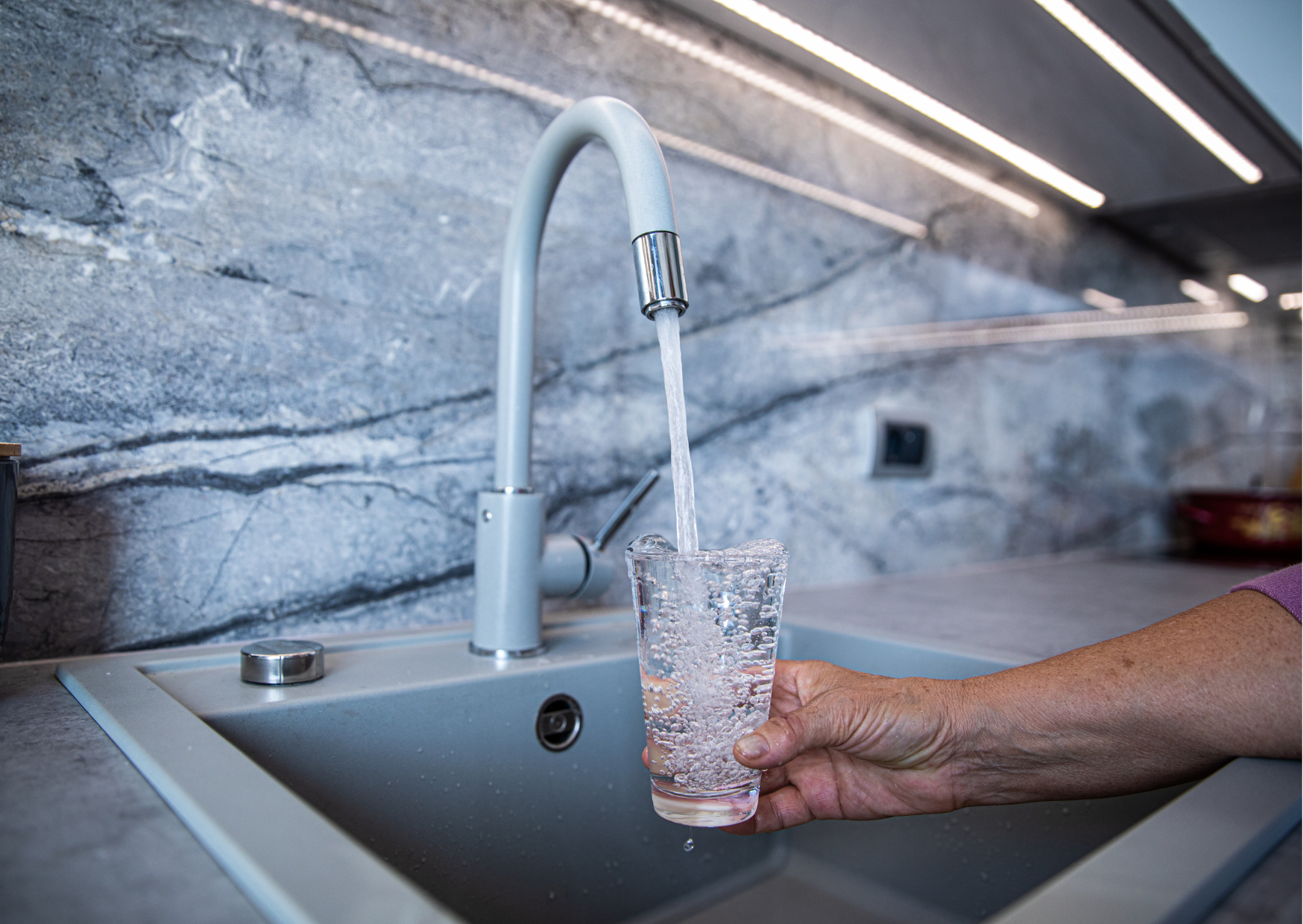
In the EU, water “intended for human consumption” lives under a dedicated law, the Drinking Water Directive 2020/2184, which was recast to tighten standards and modernize how monitoring works. The big picture is simple. Suppliers must meet binding parametric values and run risk-based safety plans that cover the whole route from source to tap. That includes the pipes and fittings inside your building. It is not just a treatment-plant story.
Two ideas inside the law make your daily life easier:
- Risk-based water safety plans. Instead of waiting for bad news, utilities map risks from the catchment to your tap, then control them, monitor them, and update as conditions change. Prevention beats cleanup.
- Materials that touch water must be hygienic. The directive sets minimum hygiene requirements for pipes, valves, fittings, sealants, and coatings that contact drinking water. If the material leaches trouble, it does not belong in your kitchen.
Quality is not just a plant filter, it is a chain of custody to your glass.
What “filtration” means in practice
Americans hear “filtration” and picture a countertop jug. Here, filtration is engineered and audited long before you touch a cartridge. Treatment trains vary by city, but the logic repeats: capture, clarify, disinfect, and keep disinfectant residuals low and stable all the way to your apartment. Where source water is excellent, treatment is lighter. Where geology or pollution raise risks, utilities layer in more steps.
The directive does not list a single magic filter because technology follows risk. What it does is force monitoring against strict limits and require suppliers to adjust processes to stay compliant. If a contaminant appears, the plant changes the recipe, the utility informs consumers, or the city temporarily supplies alternative water. That is why people trust the default. The system is designed to notice.
The headline numbers everyone quietly benefits from
A few concrete pieces show you why the sink is normal here.
- Lead is going down to 5 micrograms per liter at the tap. The directive halves the permissible level from 10 to 5 by 2036 and ties it to materials rules so the fix sticks. Less lead is not a slogan, it is a deadline.
- PFAS now have EU-wide parameters. There is a “PFAS Total” and a “Sum of PFAS” concept, with technical guidelines for how to measure both so labs stop playing twenty different games. The message is simple: monitor all the forever chemicals you can and keep them down.
- Microplastics are moving from worry to method. The Commission adopted a harmonized methodology to measure microplastics in drinking water so countries stop arguing about what a fiber or a fragment is. If you cannot measure the same way, you cannot fix the same way.
Why restaurants and homes pour tap water without speeches
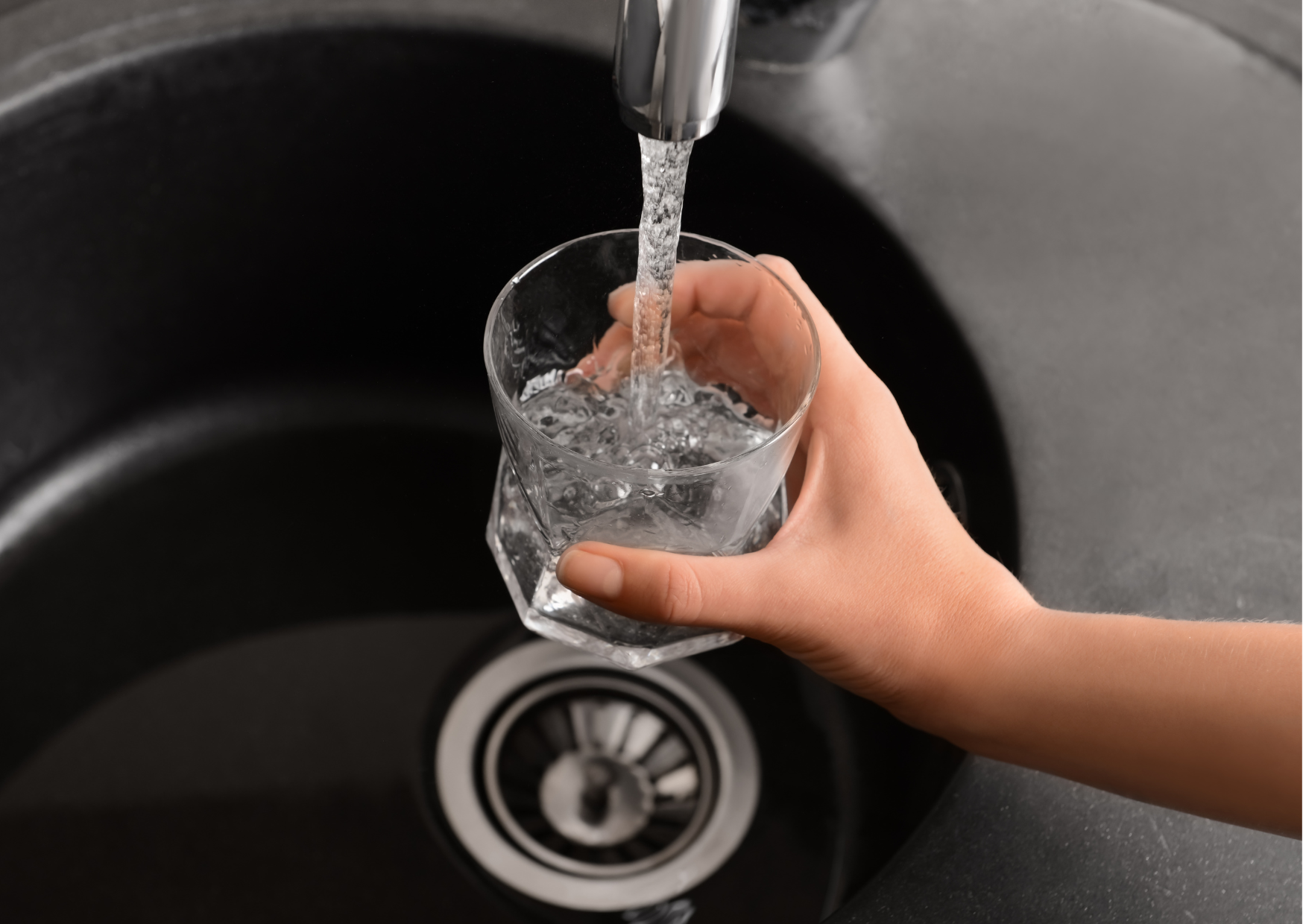
Because the law set the bar and the culture followed. If tap water clears strict rules, the conversation is about taste and habit, not safety. In places with older plumbing or mineral-heavy sources, homes might use a small carbon filter for taste or kettle scale. That is preference, not panic. When a new building goes up, the materials touching your water must meet hygiene criteria, which reduces the weird surprises some Americans have seen from cheap fixtures.
Another quiet driver: the European Parliament has been explicit about reducing bottled water where tap meets high standards. Better access and quality could cut bottled water consumption by 17 percent, which is lower trash, lower cost, and fewer crates to carry up the stairs. Tap is not just safe. It is sensible.
What about the scares you read in the news
They happen. Two honest examples:
- PFAS hotspots. Several regions have reported PFAS levels that triggered restrictions or upgrades. In eastern France, local authorities temporarily warned residents about tap water in affected areas and funded new treatment to bring levels down. The system’s answer is not denial, it is filtration upgrades, new media, and polluter pays.
- TFA headlines. A 2024 investigation reported widespread presence of trifluoroacetic acid, a PFAS breakdown product, in tap and bottled water samples across Europe. Health impacts are still being studied, but the numbers pressed regulators to tighten monitoring and consider upstream bans. When a contaminant is hard to remove, prevention at the source becomes policy.
Trust here is not blind. It is built on monitoring, disclosure, and upgrades.
Wastewater rules and why river water keeps getting cleaner
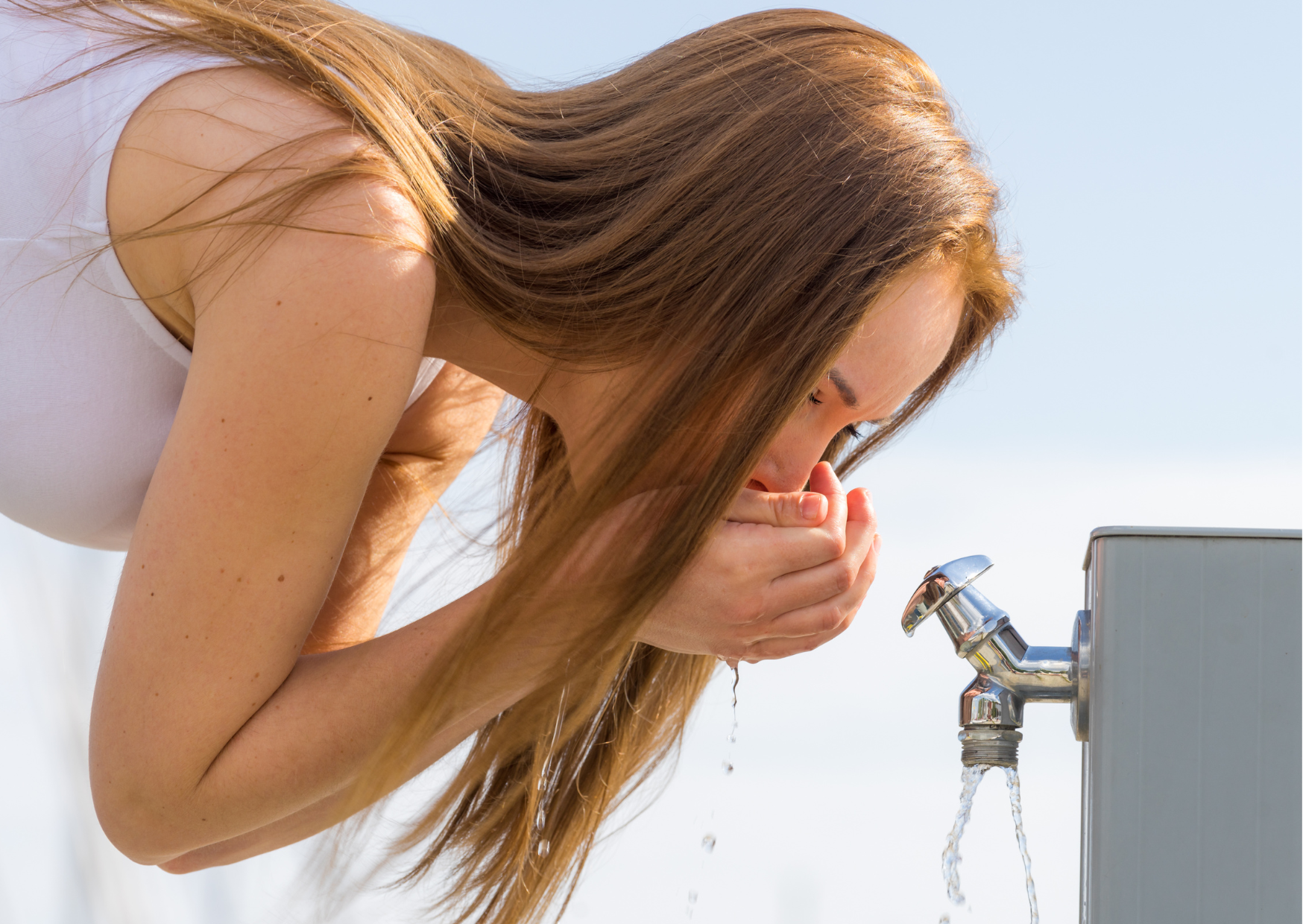
Tap water depends on clean sources. That is why the EU overhauled the Urban Wastewater Treatment Directive to require broader treatment and push “polluter pays” onto sectors that shed micropollutants. Over the next years, treatment plants must add steps that catch more of the hard stuff and spread costs to the industries that create it. Cleaner discharges upstream mean simpler, cheaper drinking water treatment downstream.
Your faucet quality starts at the river and the pipe network, not the sticker on a countertop filter.
Materials in contact with water: the quiet protection inside your walls
Here is the part most people never think about. The directive sets minimum hygiene requirements for materials that touch drinking water, and Member States are aligning certification so a tap or gasket that is safe in one country meets a shared standard. That means fewer leaded brass surprises, fewer sketchy coatings, and easier enforcement. If the part fails the hygiene bar, it does not get installed.
A practical effect you will see: lead limits tighten not only in water but in the hardware itself. Manufacturers are retooling fittings and valves to meet the lower lead outcome at the tap. Safer components mean safer water without a thousand household hacks.
Why Europeans keep refillable bottles and stop thinking about it
Because the routine works. Tap in the morning, bottle in the bag, refill at a fountain or office. No weekly logistics, no storage, no recycling bag overflowing. When taste is chlorinated or mineral-forward in certain cities, a carafe in the fridge softens the edge, or a faucet-mounted carbon cartridge polishes it. People optimize for taste, not fear, and that is a healthier spiral.
The money math is unglamorous and persuasive. A family of four drinking tap saves hundreds per year and a trunk full of plastic. The EU’s own estimates tie quality improvements to clear drops in bottled water consumption, which explains the refill culture you see at train stations and offices.
How to copy the European setup at home in two steps
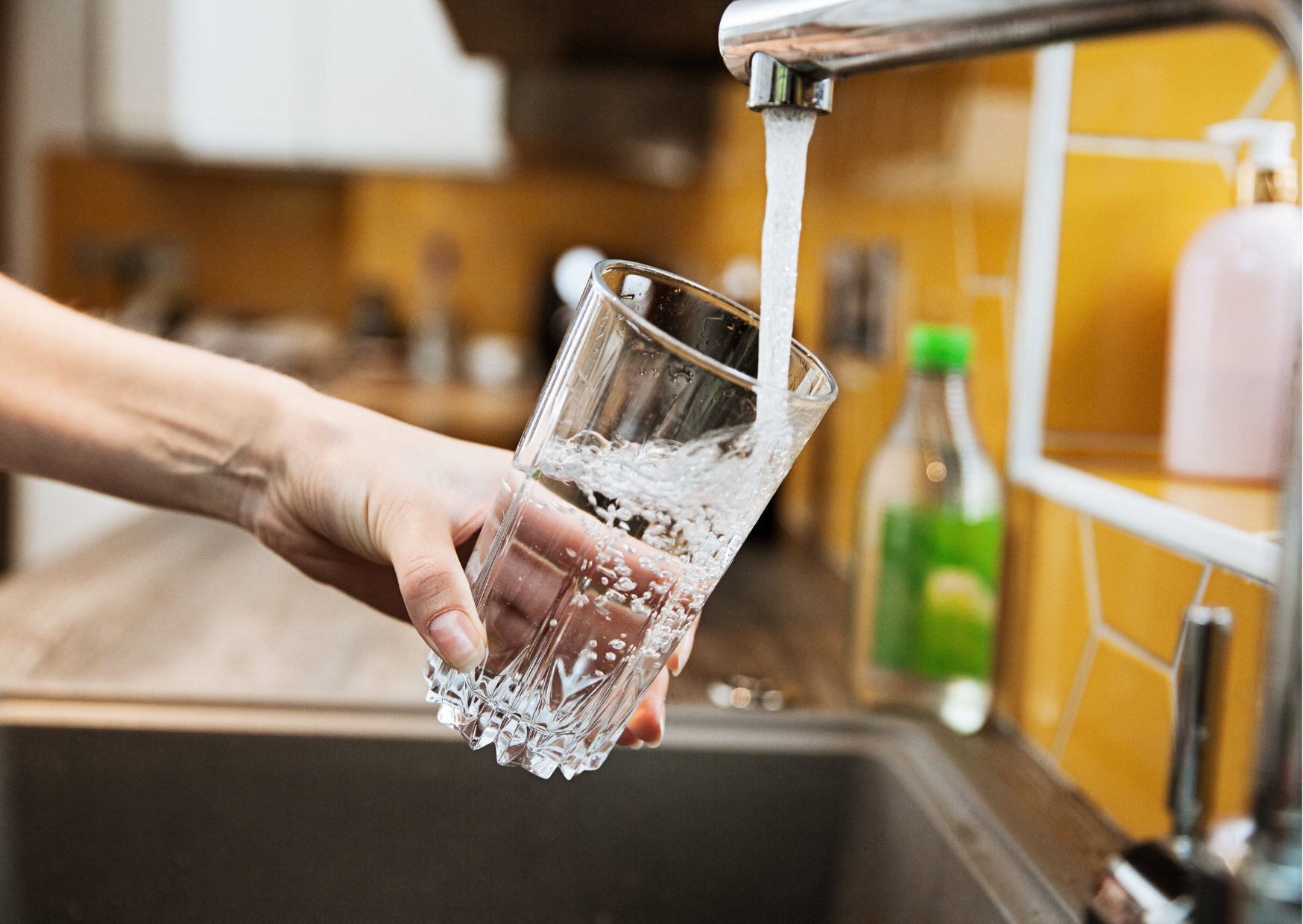
You do not need to memorize annexes. You need a short checklist.
Step 1: fix your last meter
If your building is older, replace any suspect faucet or under-sink connector with certified materials. If you rent, ask the landlord to swap the tap for a modern unit with proper certification. Good hardware prevents leaching and taste issues.
Step 2: pick a light polish for taste, not a panic system
Use a simple activated carbon cartridge or a chilled carafe if your local disinfectant taste is strong. Unless your utility tells you otherwise, you do not need complicated multi-stage home systems for safety. Remember, the city already ran the big treatment. You are just finishing the palette.
If a local notice flags PFAS above new limits, that is different. Activated carbon and high-grade resins can help specific PFAS, but the long fix is utility upgrades and source control, not a hero device at your sink. Watch the utility’s testing updates.
The five questions that tell you if your tap is fine
- What is my water supplier and where is their quality report
Every EU utility posts regular results with the parameters that matter. If you cannot find it, call. Transparency is part of the deal. - How old is my building’s internal plumbing
If pre-90s and never renovated, ask about internal lead replacements and fixture upgrades. The directive’s move to 5 µg/L is pushing owners to modernize. Hardware fixes are one-time wins. - Do I dislike taste or doubt safety
Taste is solved with carbon or a carafe. Safety is solved with data and, if needed, a utility plan. Do not guess. Read the report. - Is my area flagged for PFAS work
If yes, expect the utility to publish interim advice and timeline for new filters. Polluter pays is finally showing up in water policy. - Do I actually drink enough water
Half the tap debate is people forgetting to drink. Put a filled bottle on the desk and stop philosophizing.
Microplastics, measured the same way at last
For years, studies on microplastics in tap water could not be compared. Methods were different, size definitions varied, and fibers got counted one place and ignored elsewhere. The Commission adopted a harmonized methodology so Member States measure microplastics the same way. That matters because what you measure consistently, you can regulate consistently. Expect calm reporting to replace headline noise.
A realistic look at when bottled water still makes sense
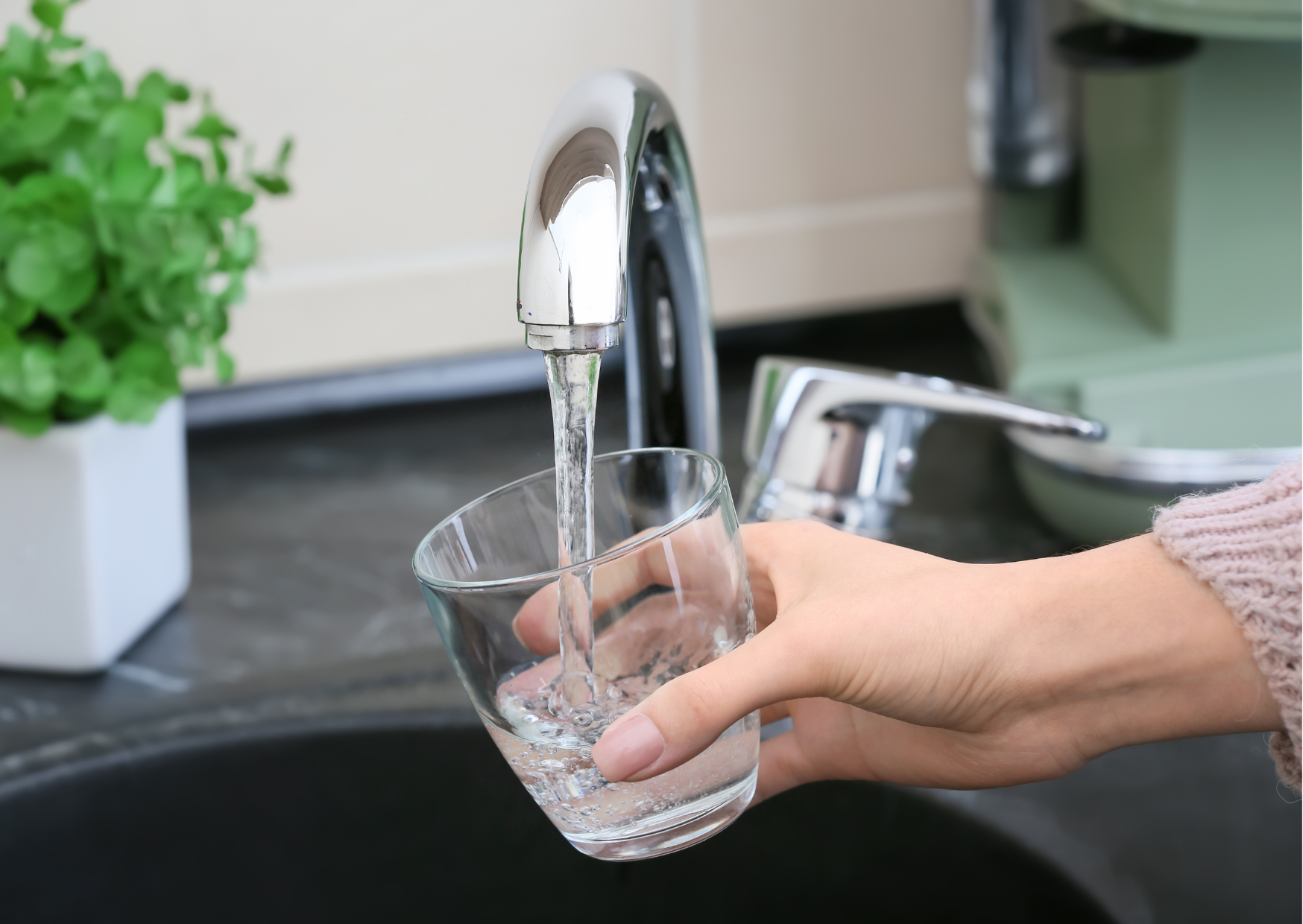
- Travel in places with advisories. If you are hiking in a region with old rural networks or storm damage, follow local guidance.
- Medical contexts. If your clinician recommends stricter control for a specific condition, do that.
- Taste or mineral preference. Some people love a particular mineral profile. That is a choice, not a safety rule.
For everyday life in most European cities, tap plus a light polish beats hauling plastic. The directive was designed to make it boring to do the right thing. That is a feature.
The downstream benefit of upstream rules
The revised wastewater law pushes treatment plants to add steps for micropollutant removal and to make industries that shed those molecules pay for the cleanup. Over time, rivers and aquifers carry fewer problem compounds. Your faucet benefits and your bill does not explode because costs track the polluter. That is how you keep tap water confidence high without gold-plating every kitchen.
What to say when a guest asks for bottled water at dinner
Short and kind works best.
- “Tap here is great. The city posts monthly results and it tastes better out of a carafe from the fridge.”
- “If you prefer bottled I have some, but try a glass of tap first.”
- “If you taste chlorine, I have a carbon jug that softens it.”
A simple home routine you can copy this week
- Monday: check your supplier’s latest quality report and bookmark the page.
- Tuesday: replace a sketchy faucet with a certified one if yours is ancient.
- Wednesday: buy a good glass carafe and keep it chilled.
- Thursday: if taste bugs you, add a simple carbon filter. Change it on schedule.
- Friday: fill two reusable bottles before bed so they are cold in the morning.
- Weekend: walk to the river or reservoir trail and remember where the story starts.
Quick answers to the questions people DM me
Is EU tap water always safe
Nothing is “always,” but the default is yes, with strict monitoring and rapid notices when something is off. The system expects you to drink from the tap.
Do I need an expensive reverse osmosis unit
Usually no. Use what solves your problem. Taste issues respond to carbon. Specific contaminant advisories call for utility-led solutions and, sometimes, interim home measures. Start with your utility’s report.
Why does my kettle scale in Paris but not in Berlin
Mineral profiles differ. Hardness affects kettles, not safety. A carafe in the fridge or a small cartridge can smooth taste.
Is bottled water healthier
Not by default. The Parliament explicitly pushes tap where quality is high to cut cost and waste. Bottled is a choice, not a health pass.
What about PFAS I keep seeing online
Real, monitored, and being regulated with EU-wide parameters and new lab methods. Hotspots exist and get addressed with treatment upgrades and source control.
The quiet reason Europeans drink from the tap
It is not trend, it is trust. Trust built on parametric limits that tighten over time, materials rules that stop the last-meter leaks, and utilities that publish numbers you can read without a chemistry degree. Add a culture that values fewer crates and cleaner sidewalks and you get what you see in kitchens and cafés: glasses filled from a faucet, no drama.
If you want to live the same way, you do not need a wall of filters. Check your utility’s report, fix your fixtures, use a carafe, and stop paying for marketing in plastic. Your back, your bin, and your bank account will appreciate it. And yes, the coffee tastes better when the water is not a mystery.

About the Author: Ruben, co-founder of Gamintraveler.com since 2014, is a seasoned traveler from Spain who has explored over 100 countries since 2009. Known for his extensive travel adventures across South America, Europe, the US, Australia, New Zealand, Asia, and Africa, Ruben combines his passion for adventurous yet sustainable living with his love for cycling, highlighted by his remarkable 5-month bicycle journey from Spain to Norway. He currently resides in Spain, where he continues sharing his travel experiences with his partner, Rachel, and their son, Han.