
The first year I tried it, I messed up Christmas Eve within forty minutes. Too much bread early, no plan for cheese, and a champagne top-up I didn’t need. By Easter I had a notebook. By the second Christmas I didn’t need the notebook because the rhythm had moved from paper to plate. The holidays stopped feeling like a fight with food and started feeling like a long conversation with better dishes.
This isn’t a diet. It’s a set of calm, annoying rules that French women keep without needing to call them rules. I copied them for every holiday that asked me to overeat: Christmas Eve, Christmas lunch, New Year’s, Epiphany, Easter, Pentecost family tables, summer weddings, and three chaotic birthdays. Some days I got it perfect. Some days I didn’t. Here’s the working version you can steal without French grandparents or a Paris postal code.
Quick Easy Tips
Eat the foods you love, but sit down and eat them slowly.
Serve yourself smaller portions and allow seconds if you truly want them.
Plan one special item per meal instead of making everything indulgent.
Return to normal eating immediately after holidays without “reset” diets.
The most uncomfortable truth is that Americans often overeat during holidays because they treat them as rare events. In France, holidays are frequent and predictable, which removes the urgency to “make it count.” Scarcity mindset, not appetite, drives excess.
Another controversial point is that French women don’t try to “balance out” indulgence with restriction. There are no detoxes, cleanses, or compensatory workouts. Normal eating simply resumes, which stabilizes weight over time instead of disrupting it.
There’s also the issue of portions versus frequency. French holiday meals may include rich dishes, but plates are smaller and meals are longer. Satisfaction comes from experience, not volume, a concept that clashes with abundance-focused celebrations.
Finally, the idea that discipline equals deprivation doesn’t hold up. French eating culture prioritizes pleasure, not control. The controversy lies in this realization: removing guilt is often more effective than adding rules.
The shape of a French festive meal is a traffic plan, not a buffet
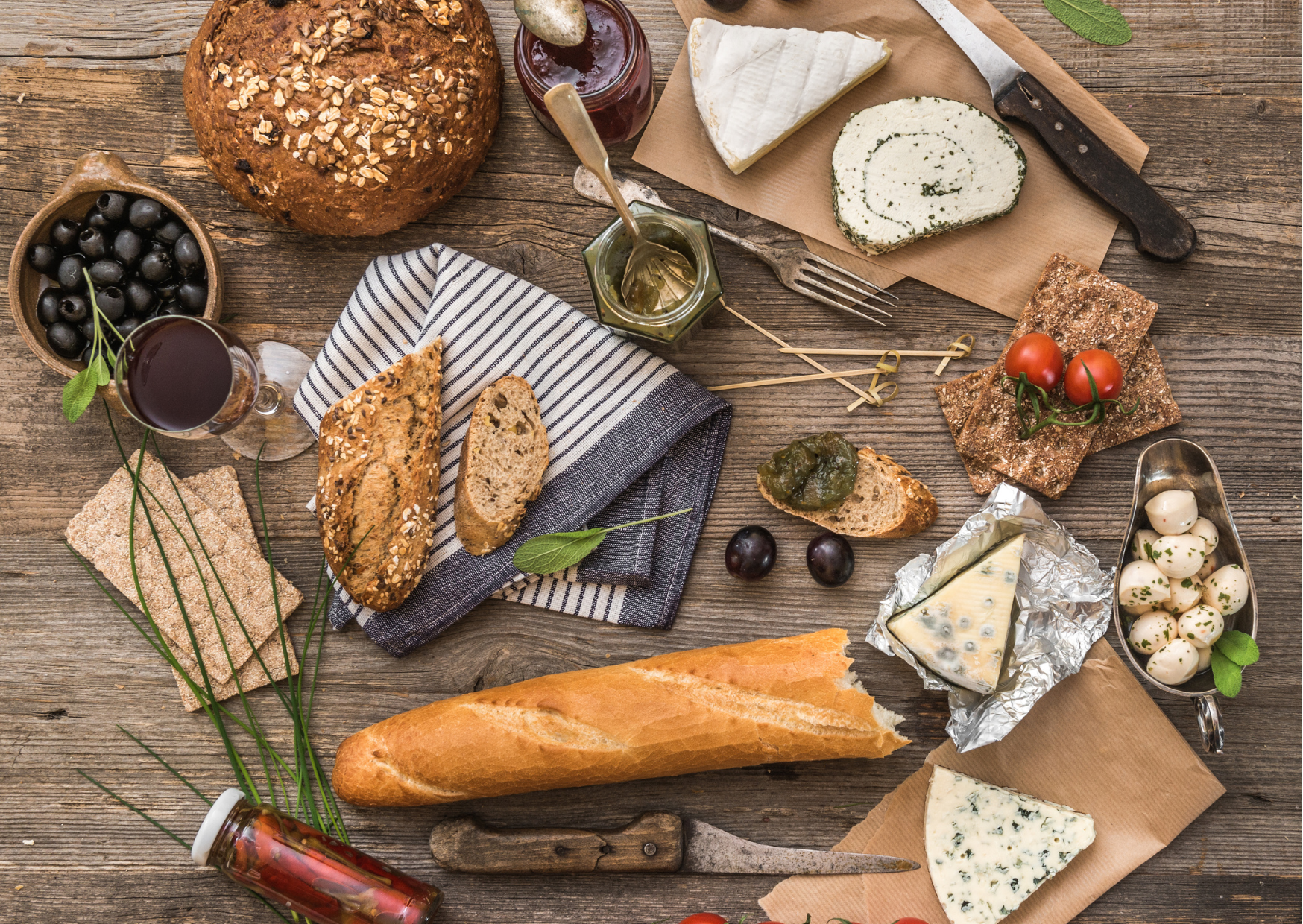
When French friends host, the menu has lanes. There is an opening bite, a starter, a main, cheese, dessert, and coffee. The secret is not what’s served, it’s the order and the space between plates. You never meet seven dishes at once. You meet one dish at a time with pauses that act like brakes.
What I copied and kept:
- One small bite with the first pour. Think smoked salmon on a blini or olives, not a dip that swallows a baguette.
- A plated starter that feels like a complete idea. A composed first course tells your stomach to slow down.
- The main with one star side and a supporting vegetable.
- Cheese after, not before. Cheese as a course prevents cheese as chaos.
- Dessert that fits on a small plate. Coffee after, not beside.
I still mess up when I put five things out at once. The table gets louder and so does my fork. Serve in lanes and you gain control without looking controlling.
Apéritif is tiny and intentional, not a warm-up for overeating
American holiday pours start big and arrive early. French apéritif culture trims both. A small glass, something bitter or dry, one or two nibbles, and then you sit. A measured apéritif sharpens appetite without destroying it. When I keep it tidy, the rest of the night behaves.
What worked for me:
- 90 ml of something dry. Champagne, crémant, or a light white.
- Two small salty things. A single gougère and three olives is plenty.
- Ten minutes of standing talk, then chairs.
If you inflate apéritif, you’ll cut the starter and crash into the main hungry in a different way. Small at the start protects grace later.
Bread is a utensil, not a meal
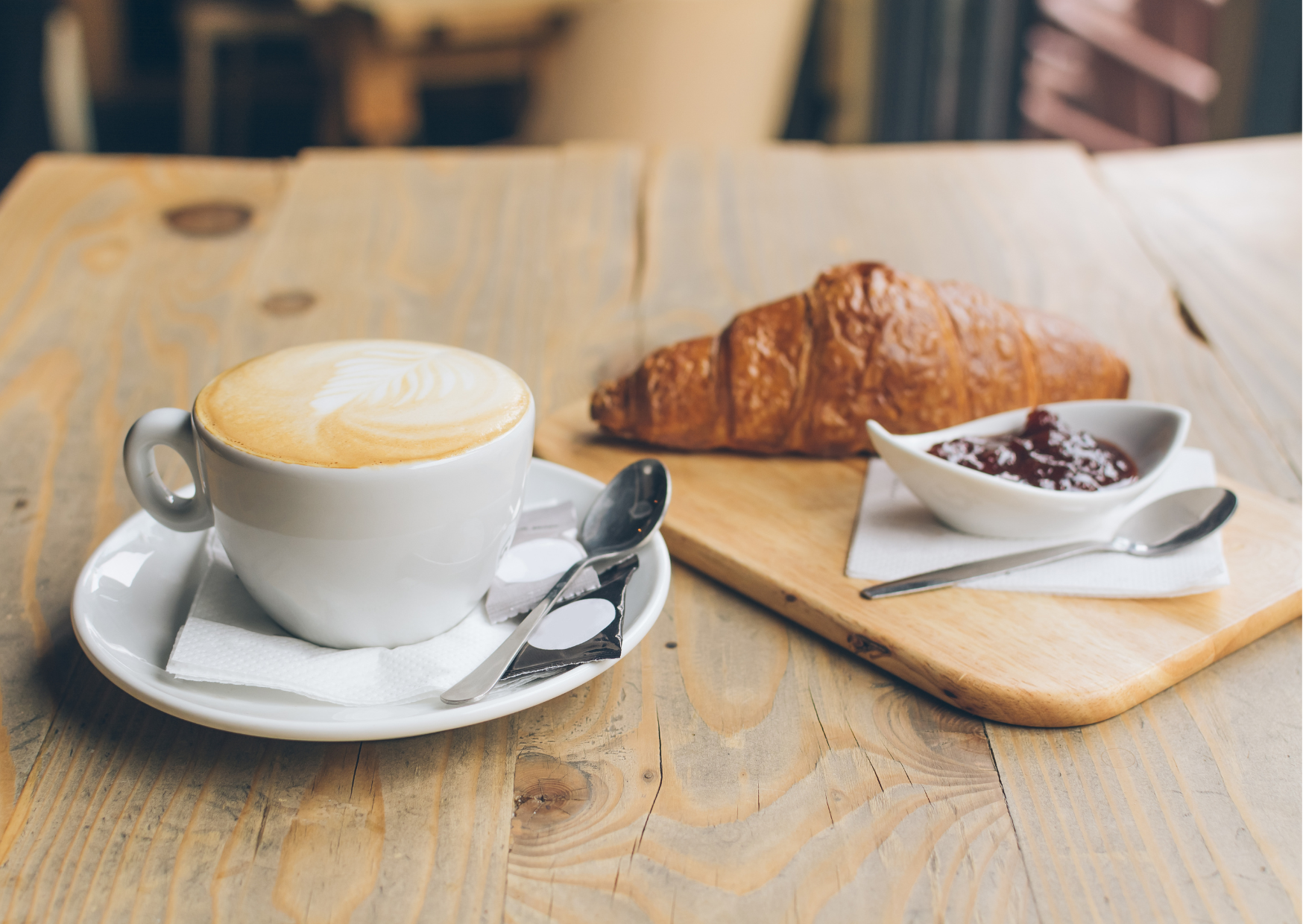
Year one, bread made me generous and then regretful. Year two, I copied what I saw. French women treat bread like a tool. They tear a small piece to chase sauce, not to calm nerves. The bread basket moves, but hands only visit when there’s a reason.
Rules that stuck:
- No bread before the starter lands.
- One small piece during the main to carry sauce.
- Fresh piece with cheese if the cheese calls for it.
- None with dessert, ever.
I broke this once at a New Year’s table with an unsupervised baguette. The cheese course felt like homework. Bread is best when you save it for the jobs it does well.
Portioning is done with the eye and the wrist
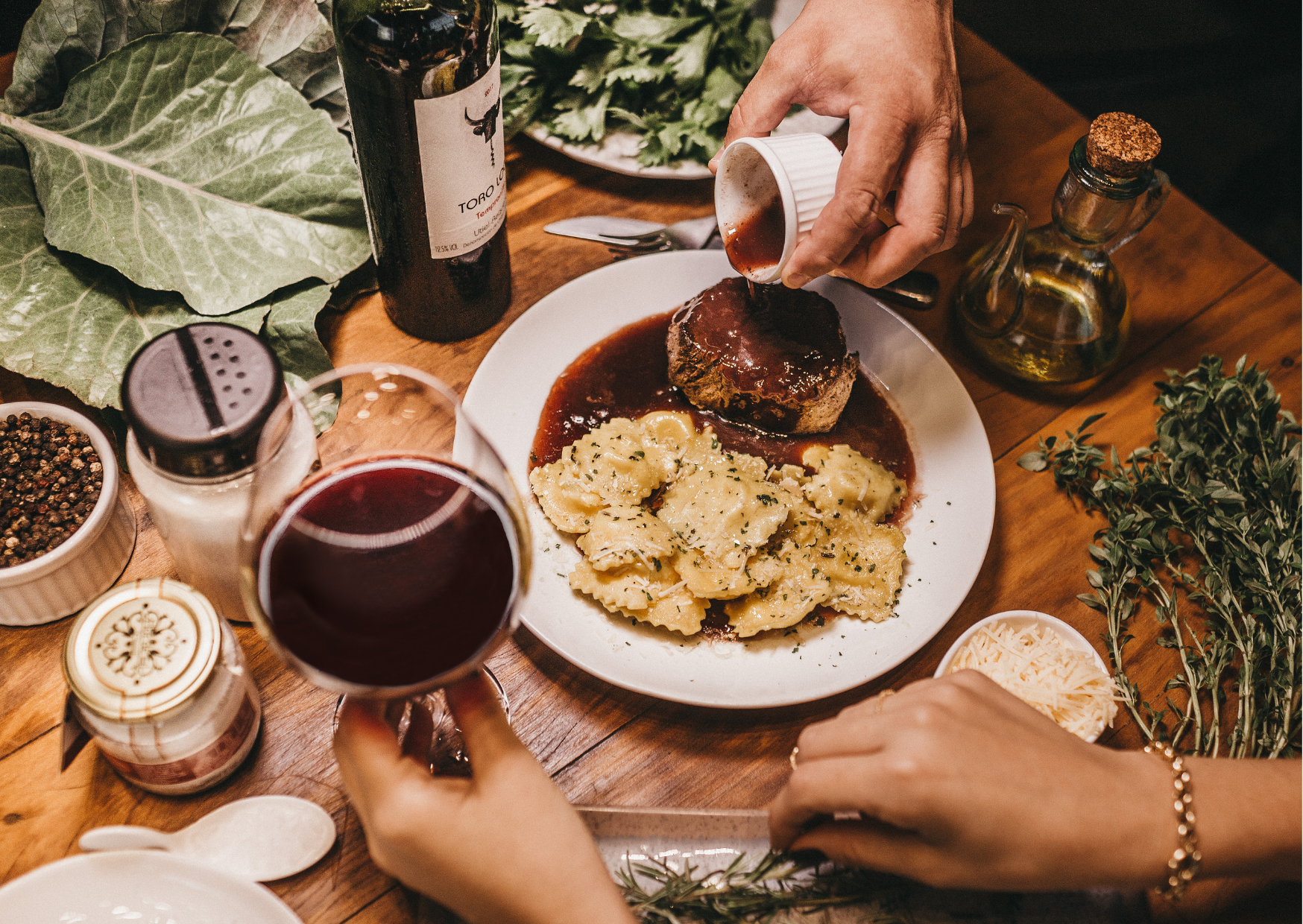
At holiday tables, I watched hosts plate with a kind of precise kindness. The plate is generous without being heavy. You can always ask for more, but you almost never need to. I learned to plate like this at home and to say yes when someone else does it for me.
The quiet math:
- Starter fits on a salad plate with visible ceramic.
- The main fills two thirds of a dinner plate, not the full circle.
- Cheese is two small tastes, three if they insist.
- Dessert is a sliver if sweet, a spoon if rich.
If you need a slogan, use this one: serve enough to finish and finish enough to be proud. That phrasing kept me from both stinginess and overdoing it.
Cheese is a course after the main for a reason
Moving cheese to the end changes everything. You stop pairing it with bottomless bread and you start tasting it. Cheese at the end shrinks bread and grows satisfaction. It also buys time for dessert to arrive as desire, not obligation.
How I copied the ritual:
- Offer two or three cheeses max, not a deli panorama.
- One soft, one hard, sometimes a blue.
- A clean knife per cheese and a small plate per person.
- Bread slices already cut to slow the saw at the table.
If you love cheese the way I do, this feels like a demotion. It isn’t. It’s a spotlight. The cheese finally gets to be itself.
Dessert arrives as a finale, not a flood
French holiday desserts are often classic and smaller than the mythology suggests. Bûche de Noël slices, a tart that looks right, a single chocolate per person with coffee. Ending on sweet instead of wading through sweet keeps memory clean.
What I learned to say:
- “A thin slice, please,” and mean it.
- “I’ll take mine after five minutes,” which turns dessert into a pacing tool.
When dessert is late and small, you leave the table feeling light enough to walk. Light at the end changes what you remember about the whole night.
Wine is paired and poured, not refereed
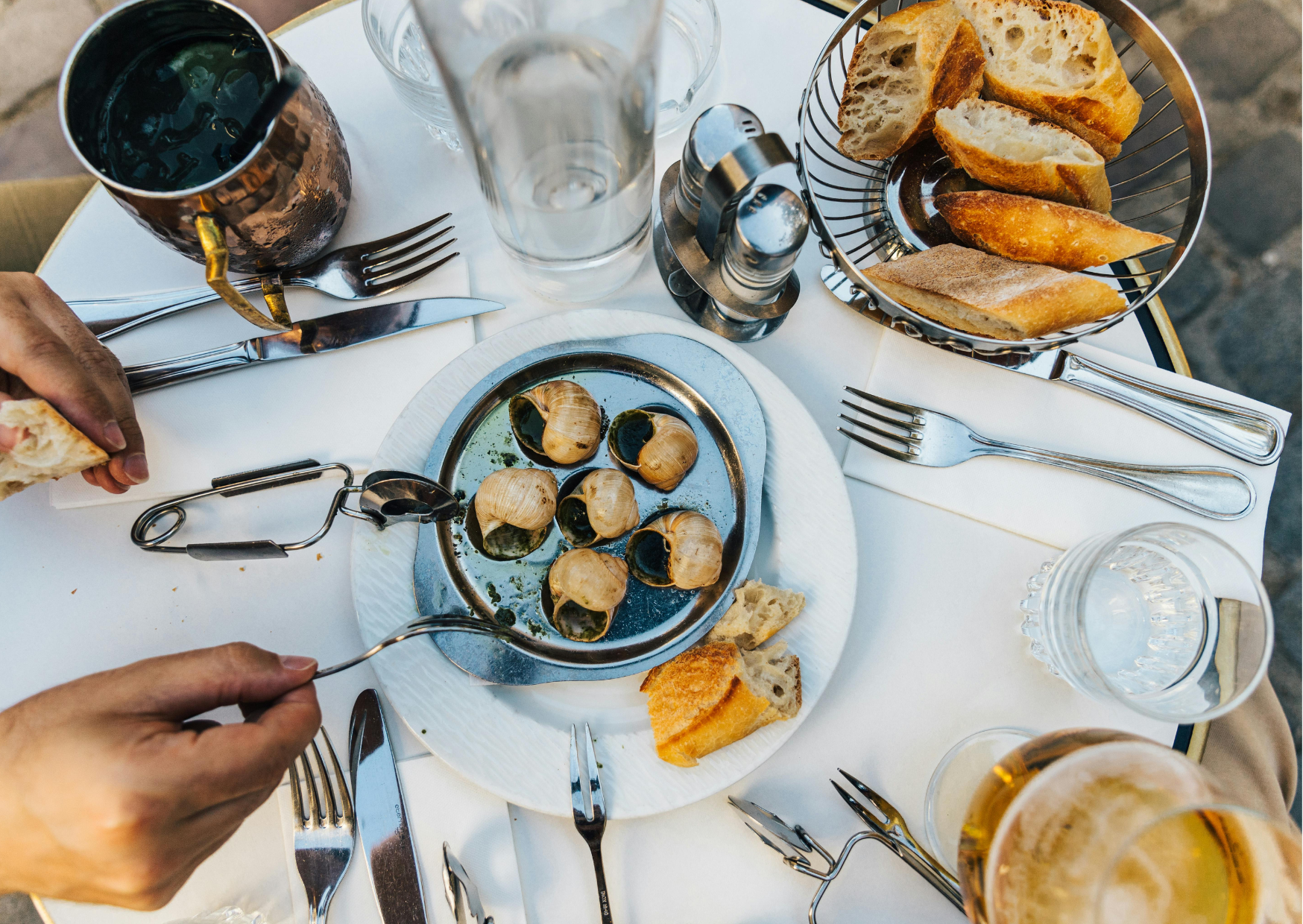
My early mistake was negotiating with wine throughout the meal like it was a problem to solve. French hosts pour for the course and then stop. I started letting the bottle decide the size and the dish decide the bottle.
What held up across holidays:
- Sparkling or white for apéritif and starter, not three refills.
- Red appears with the main and retreats with it.
- Small pour with cheese only if the cheese demands it.
- Sweet wine for dessert in a tiny glass or none at all.
If someone keeps topping you up, place your hand lightly over your glass and smile. Your hand is a polite brake.
Water is always present, always refilled
I kept missing this detail until I didn’t. Every table that felt easy had water within reach of every hand. A jug of water on a French table is not virtue. It’s design. It resets the mouth, lowers speed, and softens alcohol without fanfare.
Copy it exactly:
- Carafe on the table and one backup by the sink.
- Small glasses that refill often.
- Offer water as often as wine.
I keep saying this because it changed the room. Make water boring and you make the night better.
Lunch is the main event on major holidays
The French lunch holiday is a gift to the body. Big meal, long walk, light night. I stopped trying to have two large feasts in one day. A single spectacular lunch plus a simple evening protects sleep and memory.
My family resisted the first year. The second year they asked for it. The day feels longer when the big meal lands at 13:30. Midday generosity gives the body time to use what you served it.
Shopping looks like restraint, not denial
French women buy exactly what they need, expect to finish it, and do not stack emergency desserts. I learned the hard way that excess inventory becomes destiny. If it lives in your fridge, it will live in your mouth.
The holiday shop that worked:
- One small sweet per person per night, not a tray that says “why not.”
- Two cheeses per meal, not seven.
- A loaf sized to the table, not to fear.
- Fruit that looks like a decision, not decoration.
I still overbuy if I shop hungry or proud. A small list is a protection, not a punishment.
“No snacking” is real, but so is the exception
Every French woman I asked about snacks shrugged. They eat meals. If something appears between meals, it is planned and pretty. An unplanned snack during holidays is usually thirst or boredom. I tested that on myself. It was true far more often than I liked.
The exception that helped:
- If you eat between lunch and dinner, make it fruit or yogurt at the table, on a plate. Not in a pantry doorway.
- If you are offered chocolates at three, take one and put the box out of reach. One nice thing beats twelve regrettable ones.
On the rare day I ate a cookie standing up, the next course felt dull. Snacks steal from dinner.
Movement belongs to the day, not to repentance
I used to “earn” dinner with frantic exercise. It never worked. French holidays sneak movement into the day without a speech. Walk before lunch to buy appetite, walk after lunch to buy clarity. That’s it. On rainy days, the walk happens later under an umbrella and counts more.
Two rules I keep:
- Walk at least forty minutes on holiday days.
- Invite whoever is in the house and leave phones on a table.
You come back ready to set the table or ready to wash the pans. Walks solve more holiday problems than willpower ever did.
Leftovers are curated, not a vague mountain
Year one I let leftovers sprawl into two days of cold ambition. Year two I used French discipline. Leftovers get edited into a plan the same night. If something won’t be eaten beautifully, it goes to neighbors or becomes tomorrow’s soup.
My leftover rule:
- One meal’s worth in containers you can see.
- One soup jar.
- Cheese wrapped and labeled with a date, no mystery bags.
Leftover discipline defends the next three days from a slow slide. Clarity in the fridge protects clarity in your head.
Hosting means plating, not announcing
I noticed French hosts rarely shouted “help yourselves.” They plated. Guests could say “a touch more” or “that’s perfect.” Plating is a kindness because it sets a calm default and lets guests choose deviation on purpose. That small change turned my tables from buffets into meals.
If you’re the guest, accept the plate and eat to satisfaction. Leaving a bite is not an insult, it’s a signal that you listened to your body. I forgot that once. It felt like homework for an hour.
Children eat what adults eat, scaled and salted kindly
Holiday tables that feel sane include kids who eat miniature versions of adult plates. No separate menu, no panic. Normalizing the menu keeps sweets from becoming currency. The only bribe at the table is good olive oil.
What worked with kids at our tables:
- Tiny portion of each course on a small plate.
- Bread saved for sauce, not boredom.
- One chocolate after fruit if they ask.
They copy what they see. Adults who eat slowly make it easier for children to eat slowly.
The grocery triangle that keeps appetite honest
After two years I ended up with a simple triangle in my head. Acid, salt, fat. Every course earns its place by balancing those three. If a dish arrives with only fat and salt, add lemon or vinegar. If it’s only acid and salt, bring bread. The triangle keeps satisfaction high without portion inflation.
You don’t need to talk about it at the table. Just fix the plate so it tastes complete. Fullness follows flavor.
The quiet work of water, vegetables, and coffee
It looks unromantic written down, but it’s what keeps the night civilized. Water keeps you present, vegetables add volume for almost no cost, and coffee marks the end. When I forgot any one of those, the night ran long and the next morning arrived with opinions.
How I keep it automatic:
- Vegetables in the first course so they can’t be skipped.
- Water refilled like a reflex.
- Coffee after dessert to close the kitchen.
Some days I skip coffee. Closing still happens when someone says, “We’re done.” Endings make holidays gentler.
Holiday breakfasts are small on purpose
The mornings that worked best were quiet. Toast with good butter, yogurt with fruit, or nothing until a late brunch. French friends never showed up to lunch defeated by a heroic breakfast.
Three options that kept me happy:
- Tartine with butter and jam, coffee, water.
- Yogurt, toasted oats, sliced pear.
- Just coffee and water if lunch is early.
Saving appetite for lunch was the difference between a smooth day and a day I wanted to start over. Breakfast is a nudge, not a performance.
What actually changed in my body and my head
Holiday weight gain stopped being a December punchline. By the end of the first year, waist stayed steady, sleep stayed predictable, and I didn’t enter January apologizing to myself. The second year, I enjoyed the meals more because I remembered them. No food hangover, no social regret.
Unexpected wins:
- Fewer arguments about “how much” because plating answered it.
- Better photos because the table wasn’t a crowded buffet.
- Easier cleanup because courses came in waves.
I used to believe joy required excess. Turns out joy requires attention. The French meal shape builds attention into the night.
What I got wrong and how I fixed it
I kept putting cheese before the main because that’s what my head expected. Moving it after felt strange until it didn’t. I also kept overstocking sweets because scarcity makes me nervous. Scarcity in the cupboard makes the plate calmer. When I saw that in my own kitchen, I stopped buying for my fears and started buying for my plan.
I changed my mind about “saving calories” at lunch. Every time I tried that, dinner became a rescue mission. A generous lunch makes a gentle night. That was the most stubborn lesson.
A holiday plan you can actually run next week
Steal this and edit it. It fits in a notes app and it works.
Morning
Light breakfast. Water. Short walk.
Shopping
Starter, main with one starch and one vegetable, two cheeses, one dessert sized to the table, one bottle per four adults, water in carafes.
Apéritif
Small glass, one bite per person, ten minutes.
Starter
Plated, vegetables or seafood, acid present.
Main
Protein with sauce, one starch, one vegetable. Bread used for sauce, not nerves.
Cheese
Two small pieces, one fresh slice of bread if needed, then pause.
Dessert
Small slice or spoon, fruit near the plates. Coffee last.
After
Forty minute walk if light allows. Leftovers edited the same night.
Everything above is boring and that’s the point. Boring protects joy.
Eating like a French woman through every holiday fundamentally shifted how I think about food, especially during moments when indulgence is expected. In France, holidays aren’t treated as exceptions that require punishment afterward. They’re part of normal life, not a break from it.
What surprised me most was how little mental space food occupied. There was no pre-holiday restriction, no post-holiday guilt, and no dramatic swings between control and chaos. Meals felt intentional but relaxed, which removed the emotional weight that usually surrounds holiday eating.
Over time, consistency replaced willpower. Because nothing was “forbidden,” there was no urgency to overeat. Rich foods were enjoyed fully, but in portions that felt natural rather than negotiated.
The biggest lesson was that long-term balance isn’t created by perfect days. It’s created by calm ones. Holidays stopped being something to survive and became something to enjoy without consequences.

About the Author: Ruben, co-founder of Gamintraveler.com since 2014, is a seasoned traveler from Spain who has explored over 100 countries since 2009. Known for his extensive travel adventures across South America, Europe, the US, Australia, New Zealand, Asia, and Africa, Ruben combines his passion for adventurous yet sustainable living with his love for cycling, highlighted by his remarkable 5-month bicycle journey from Spain to Norway. He currently resides in Spain, where he continues sharing his travel experiences with his partner, Rachel, and their son, Han.