
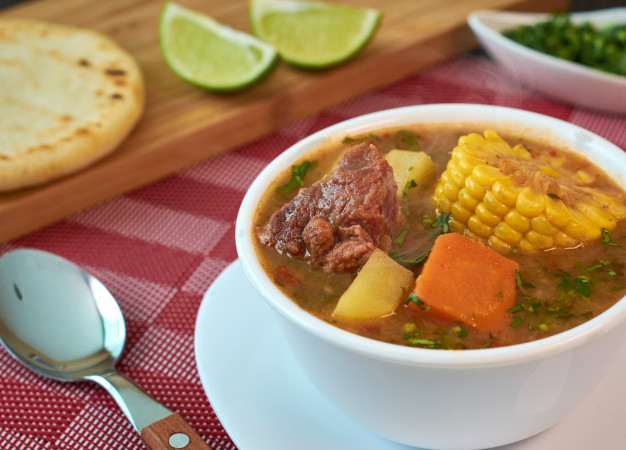
Few dishes capture the heart and soul of Colombian cuisine quite like sancocho. This beloved, slow-simmered soup is more than just comfort food—it’s a cherished tradition passed down through generations, with each family adding their own touch. Made with hearty chunks of meat, root vegetables, corn on the cob, and plantains, sancocho is a one-pot celebration of Colombia’s rich agricultural and culinary diversity.
Depending on the region, sancocho can include beef, chicken, pork, or even fish, but the result is always the same: a flavorful, nourishing meal that brings people together. It’s the kind of dish served during Sunday family gatherings, festive holidays, and casual get-togethers—where the cooking process is as important as the meal itself.
In this recipe guide, we’ll show you how to make authentic Colombian sancocho at home—from essential ingredients to key cooking tips. Whether you’re craving something cozy, hosting guests, or just want to explore a taste of Colombia, this soup will fill your kitchen with rich aromas and your bowl with pure comfort.
Read here Colombian food, best Colombian breakfast and Colombian drinks.
BOOK YOUR TRAVEL INSURANCE
Two of our favorite travel insurance: Heymondo Vs Safetwing cheapest travel Insurance. You can get for $135 USD your Heymondo Travel Insurance with Heymondo discount code valid for 90 days. Read our full comparison of Genki vs Safetywing Travel Insurance Review and the comparison Heymondo vs Genki
Best Time to Eat & What to Pair It With
Sancocho is traditionally enjoyed during lunch or early afternoon, especially on weekends when families have time to cook and eat together. It’s a perfect rainy-day dish or a warm comfort during the colder months—but in Colombia, you’ll find it eaten year-round.
To complete the meal, serve your sancocho with a side of white rice, avocado slices, a wedge of lime, and a spicy ají sauce for extra kick. A refreshing beverage like aguapanela (panela water) or fresh fruit juice (lulo, passionfruit, or guava) complements the soup’s rich, savory base beautifully.
Looking for an authentic Colombian experience? Enjoy your sancocho slowly, surrounded by friends or family. It’s not just about eating—it’s about sharing a meal that’s steeped in history, flavor, and heartfelt tradition.
Few dishes spark as much debate in Colombia as Sancocho. Every region — from the coasts to the Andes — has its own version, and locals passionately defend theirs as the “real” one. Some insist that Sancocho must include three types of meat (chicken, pork, and beef), while others swear by chicken alone. The argument often comes down to geography and family tradition, making this soup as diverse as Colombia itself.
Another controversy lies in the use of ingredients like plantain and yucca. While some cooks prefer the sweetness of ripe plantain, others argue that only green plantain gives Sancocho its true flavor and texture. Even the thickness of the broth divides opinion: coastal regions favor a lighter, more aromatic soup, while mountain areas prefer a rich, almost stew-like consistency.
Then there’s the question of accompaniments — should Sancocho always be served with rice and avocado, or can it stand alone? To purists, skipping the sides is unthinkable. Yet modern chefs are reinventing the dish, experimenting with presentation and even vegetarian versions. Despite these variations, one thing remains certain: Sancocho is the heart of Colombian home cooking, and no two bowls are ever quite the same.
How to Make Sancocho
Sancocho Recipe Ingredients
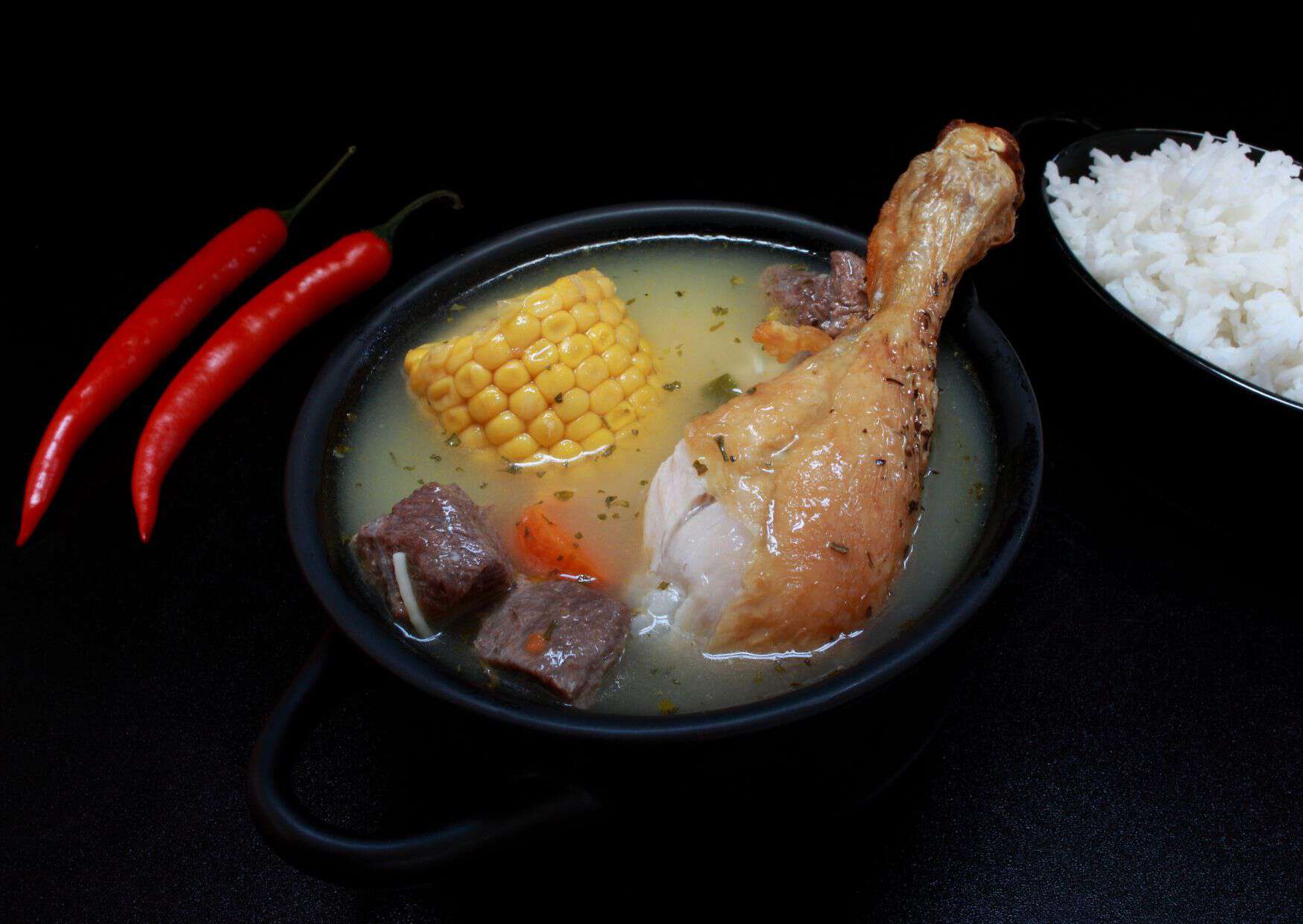
For the Soup:
1 pound beef shank (bone-in) or pork ribs
1 pound chicken (legs or thighs)
1 large plantain, peeled and cut into chunks
2 ears of corn, cut into pieces
2 medium potatoes, peeled and cut into chunks
2 medium yuca (cassava) roots, peeled and cut into chunks
1 large carrot, peeled and cut into chunks
1 medium onion, finely chopped
4 cloves garlic, minced
1 bell pepper, chopped
2 tomatoes, chopped
1 bunch cilantro, chopped (reserve some for garnish)
2 tablespoons vegetable oil
8 cups water or beef/chicken broth
2 teaspoons ground cumin
1 teaspoon oregano
Salt and pepper to taste
For Serving:
Lime wedges
Avocado slices
White rice (optional)
Get the best deals for your home and kitchen needs
Step By Step How to Make Sancocho
Prepare the Meat
In a large pot or Dutch oven, heat the vegetable oil over medium-high heat. Add the beef shank or pork ribs and chicken pieces. Brown them on all sides, about 5-7 minutes. Remove the meat from the pot and set aside.
Sauté the Vegetables
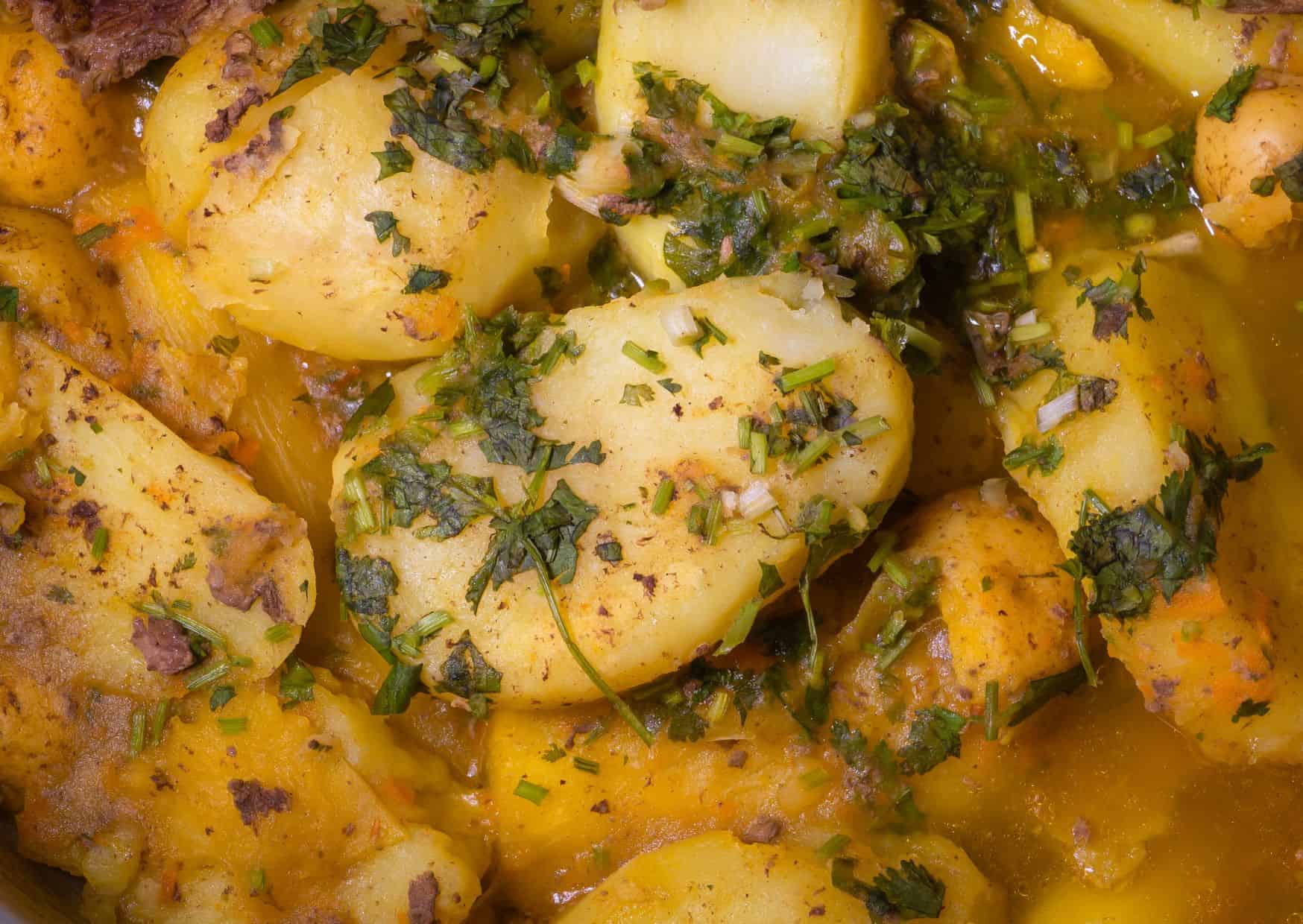
In the same pot, add the chopped onion, garlic, bell pepper, and tomatoes. Sauté until the vegetables are soft and fragrant, about 5 minutes.
Cook the Soup
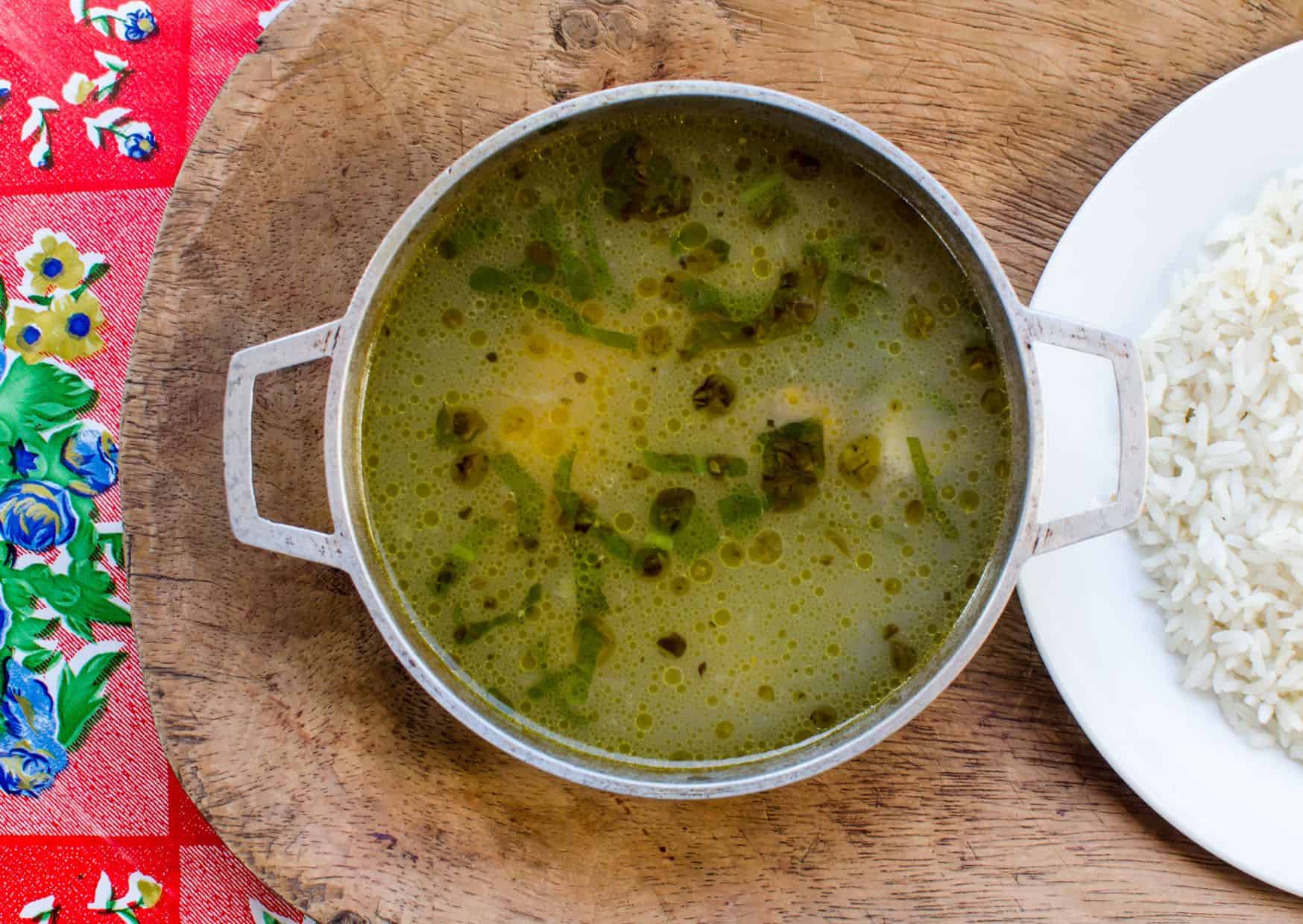
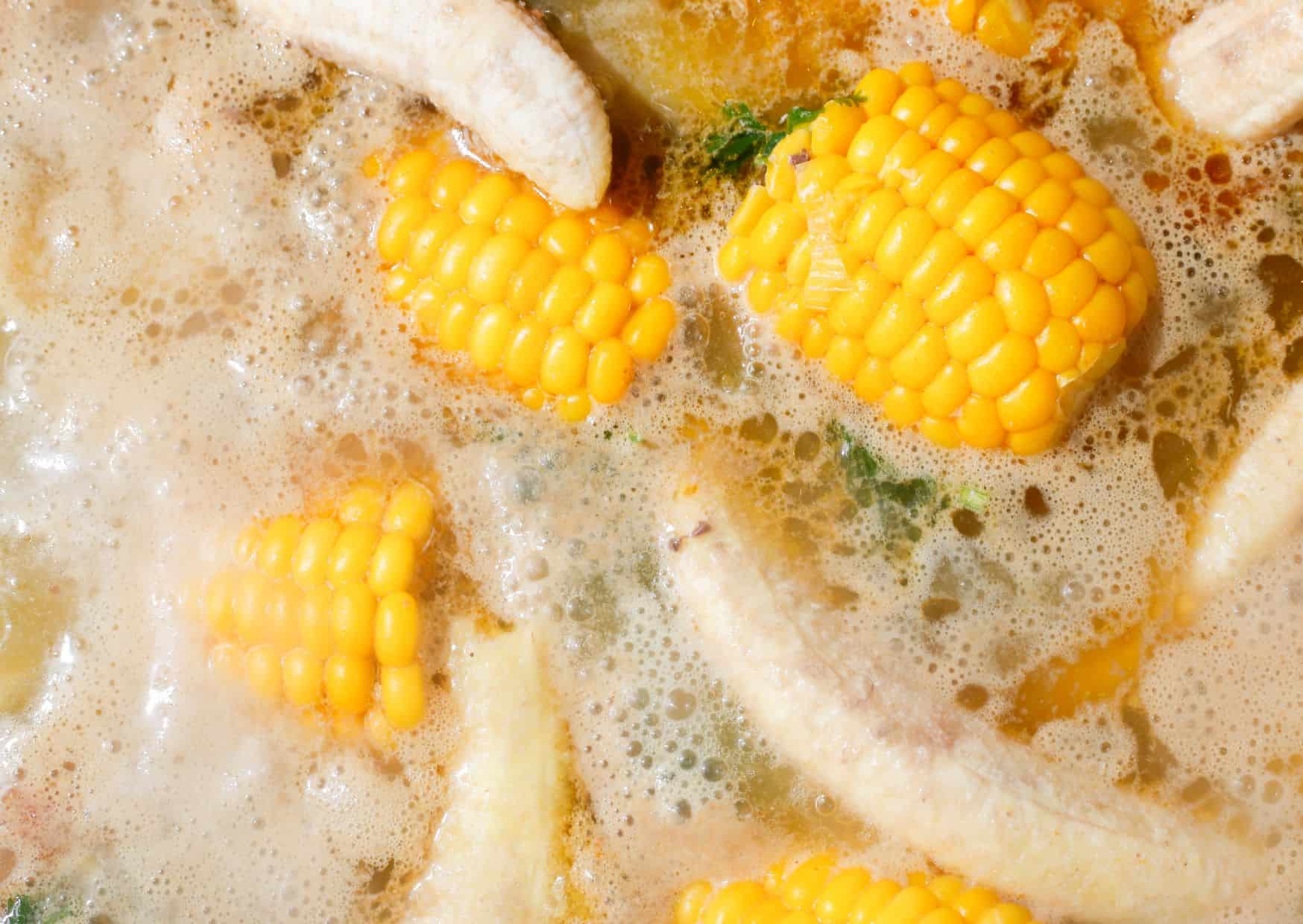
Return the browned meat to the pot. Add the water or broth, ground cumin, oregano, salt, and pepper. Bring to a boil, then reduce the heat and simmer for about 30 minutes.
Add the plantain, corn, potatoes, yuca, and carrot to the pot. Continue to simmer for another 30-40 minutes, or until the vegetables and meat are tender.
Adjust Seasoning
Taste the soup and adjust the seasoning with more salt and pepper if needed. Stir in the chopped cilantro (reserve some for garnish).
Serve
Ladle the Sancocho into bowls, making sure each serving gets a mix of meat, vegetables, and broth. Garnish with additional chopped cilantro. Serve with lime wedges, avocado slices, and white rice if desired.
Tips To Make Sancocho
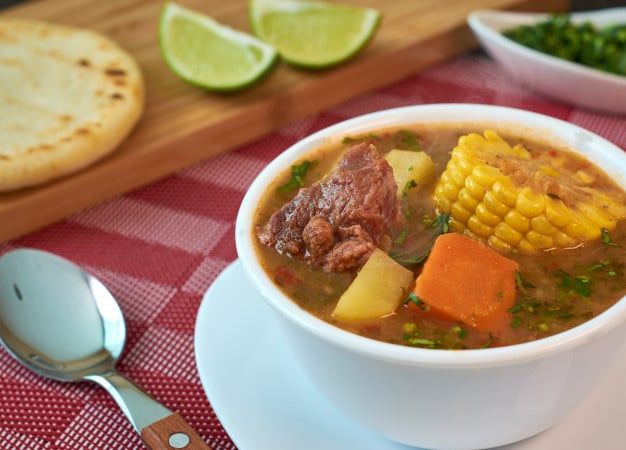
You can use a combination of meats like beef, pork, and chicken for more depth of flavor. Some variations also include sausage.
Feel free to add or substitute other root vegetables like taro, sweet potatoes, or squash. Ensure the meat is tender by simmering the soup slowly. This will also enhance the flavors.
Sancocho is traditionally served with a side of white rice, avocado slices, and lime wedges. The rice can be added directly to the soup or eaten on the side.
How Many Calories Have Sancocho
Beef/Pork: 150 calories
Chicken: 100 calories
Plantain: 90 calories
Corn: 60 calories
Potatoes: 80 calories
Yuca: 100 calories
Carrot: 25 calories
Other Vegetables and Spices: 50 calories
Oil: 30 calories
Total Estimated Calories per Serving: Approximately 685 calories
Serving Suggestions
For an authentic presentation, serve Sancocho in large clay bowls to help retain heat and capture its rustic charm. Garnish with chopped cilantro, a wedge of lime, and a few slices of avocado on the side. The colors and aromas instantly transport anyone to a Colombian countryside kitchen.
Sancocho is a dish meant for sharing, so serve it family-style in a large pot or Dutch oven placed at the center of the table. Invite everyone to help themselves, just as it’s done in Colombian homes. The experience is as much about the communal act of eating as it is about the food itself.
If you’re preparing Sancocho for guests, accompany it with traditional sides like fried plantains, fresh cheese, or small arepas. Pair it with a refreshing tropical drink or a light dessert such as coconut flan to complete a truly authentic Colombian meal.
Final Thoughts
Homemade Sancocho captures the essence of Colombian hospitality — warm, hearty, and full of soul. It’s a dish that transcends simple cooking; it tells a story of family, culture, and tradition with every simmering pot. From the first whiff of garlic and cilantro to the last spoonful of broth, Sancocho embodies comfort in its purest form.
Its beauty lies in its versatility. Whether made with chicken, beef, or a combination of meats, each version reflects a region’s history and ingredients. Even with modern twists, the heart of Sancocho remains the same — a symbol of connection and nourishment that has brought families together for generations.
So next time you crave something deeply satisfying, skip the quick takeout and make a pot of Sancocho from scratch. It may take time, but as any Colombian will tell you, some flavors — like family, love, and tradition — are always worth the wait.

About the Author: Ruben, co-founder of Gamintraveler.com since 2014, is a seasoned traveler from Spain who has explored over 100 countries since 2009. Known for his extensive travel adventures across South America, Europe, the US, Australia, New Zealand, Asia, and Africa, Ruben combines his passion for adventurous yet sustainable living with his love for cycling, highlighted by his remarkable 5-month bicycle journey from Spain to Norway. He currently resides in Spain, where he continues sharing his travel experiences with his partner, Rachel, and their son, Han.