
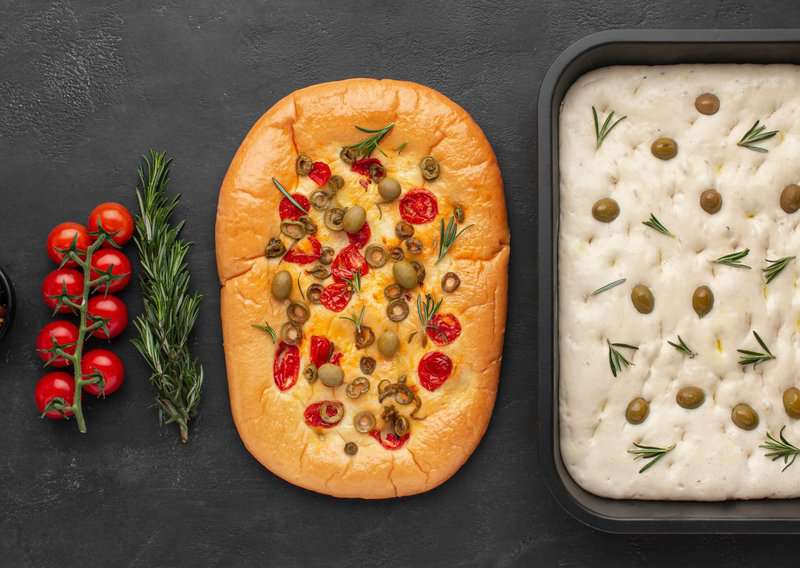
Italy is home to countless regional dishes that spark endless culinary debates, and focaccia vs. schiacciata is one that bread lovers can’t seem to settle. At first glance, these two iconic flatbreads might look similar—golden crust, fluffy inside, often topped with olive oil and herbs—but once you bite into them, the differences are clear. From texture and flavor to tradition and region, each bread has its own loyal fan base and cultural pride.
Focaccia, most famously associated with Liguria, is soft, pillowy, and often baked with generous amounts of olive oil, sea salt, and sometimes rosemary or onions. Schiacciata, on the other hand, hails from Tuscany and is thinner, crunchier, and usually served flatter—sometimes stuffed or topped, but always rustic and bold. It’s a bread you might find in a Florentine bakery or filled with prosciutto at a countryside picnic.
In this post, we’ll break down the key differences in ingredients, preparation, and regional identity—and of course, help you decide which one might win your heart (or your next meal). Whether you’re a home cook, a traveler, or just someone who lives for great bread, understanding these two classics will give you a deeper appreciation for the delicious diversity of Italian baking.
BOOK YOUR TRAVEL INSURANCE
Two of our favorite travel insurance: Heymondo Vs Safetwing cheapest travel Insurance. You can get for $135 USD your Heymondo Travel Insurance with Heymondo discount code valid for 90 days. Read our full comparison of Genki vs Safetywing Travel Insurance Review and the comparison Heymondo vs Genki and if you look for accommodation with Booking
Best Time to Eat & What to Serve With
Focaccia is ideal for a brunch table, afternoon snack, or as a side to pasta or salad at dinner. Its rich, oily texture makes it perfect for dipping into balsamic vinegar and olive oil or pairing with creamy burrata, grilled vegetables, or soups.
Schiacciata shines as a lunchtime staple, especially when sliced and stuffed with local meats, cheeses, or roasted veggies. It’s also a great addition to an antipasto platter, best enjoyed with a glass of Chianti or a light white Tuscan wine.
Whichever you choose—fluffy focaccia or crisp schiacciata—you’re biting into a piece of Italian tradition. And the best part? There’s no need to pick a winner… unless you’re planning dinner.
Focaccia Vs Schiacciata
Focaccia
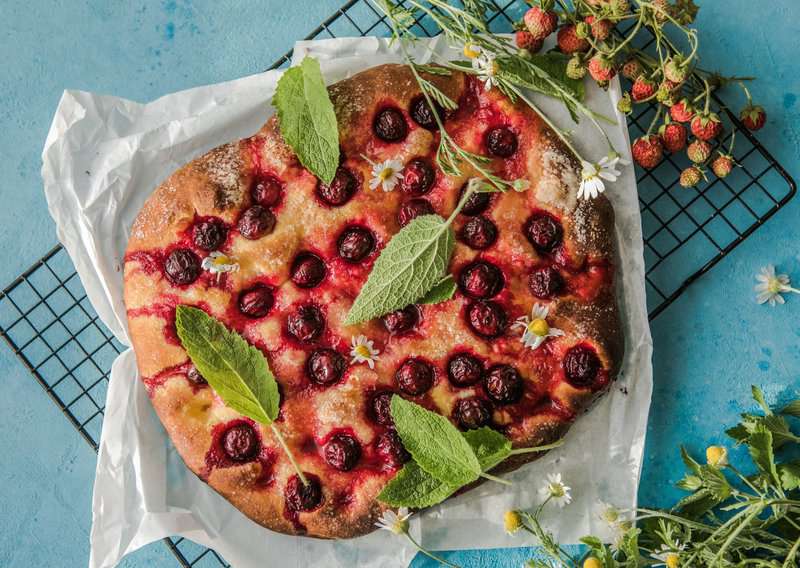
Originating from the northern part of Italy, particularly in Liguria, focaccia is known for its olive oil richness and airy texture. It is typically thicker than schiacciata and can be used as a side to many meals, split horizontally for sandwiches, or served as a snack.
Ingredients:
Flour: Typically all-purpose or bread flour.
Olive Oil: Generously used in the dough and on top to achieve a moist texture.
Yeast: Active dry yeast or fresh yeast.
Water: Lukewarm to activate the yeast.
Salt: For flavor.
Toppings: Can include rosemary, coarse sea salt, olives, sundried tomatoes, onions, or garlic.
Recipe Guide:
Prepare the Dough
Combine flour, yeast, salt, water, and a generous amount of olive oil to make a soft dough. Allow the dough to rise until doubled in size, about 1-2 hours. Spread the dough onto a baking tray, creating dimples with your fingers. Let it rise again to enhance its airy texture.
Drizzle with more olive oil and add chosen toppings like rosemary and coarse salt. In a preheated oven at 425°F (220°C) until golden brown, about 20-25 minutes.
Schiacciata
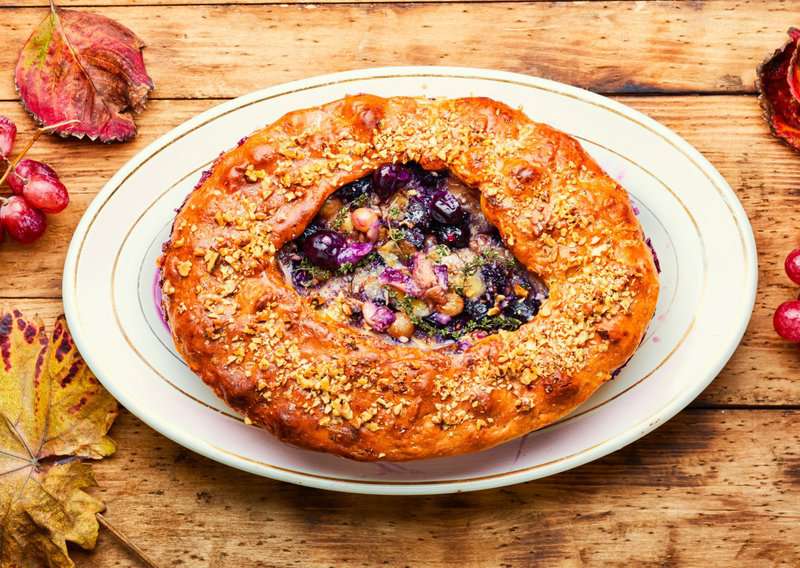
Schiacciata literally means “squashed” in Italian and is more commonly associated with Tuscany. It is typically thinner than focaccia and sometimes contains less olive oil, giving it a slightly less moist texture and a more pronounced crispiness.
Ingredients:
Flour: All-purpose flour is commonly used.
Olive Oil: Used but generally less than in focaccia.
Yeast: Active dry yeast.
Water: Lukewarm.
Salt: For flavor.
Grapes or other toppings: Sometimes topped with grapes (schiacciata con l’uva), particularly during the grape harvest season, or with similar toppings to focaccia.
Recipe Guide:
Mix flour, yeast, a smaller amount of olive oil, water, and salt to form the dough. Let the dough rise until it doubles in size. Flatten the dough on a baking sheet more thinly than focaccia. Let it rise briefly.
If making schiacciata con l’uva, press grapes into the surface. Otherwise, use traditional toppings like those on focaccia but in less quantity. At a slightly higher temperature, around 450°F (230°C) until it is crispy and golden, about 20 minutes.
Differences Between Focaccia And Schiacciata
Texture and Thickness
Focaccia is thicker with a soft, pillowy texture, while schiacciata is thinner and often crisper. Focaccia uses more olive oil, resulting in a richer flavor and moister crumb.
Toppings and Variations
While both can have similar toppings, schiacciata sometimes features unique seasonal variations like grapes.
Calories
The calories in both can vary significantly based on the amount of olive oil and types of toppings used. However, generally, focaccia might have more calories due to higher oil content. A typical slice can range from 200 to 300 calories.
Origin and History
Focaccia and schiacciata look almost identical at first glance, but their origins tell two very different stories. Focaccia traces its roots to ancient Liguria, a coastal region where fishermen and farmers relied on simple dough, olive oil, and herbs to create a filling, durable bread. Over time, Ligurian focaccia became a symbol of the region’s identity, baked in wood-fired ovens and often enjoyed for breakfast with little more than olives or cheese. It’s one of Italy’s oldest bread traditions and still one of the most beloved.
Schiacciata, however, comes from Tuscany and was born out of rustic countryside cooking. Unlike the softer, more pillowy focaccia, schiacciata was created as a humble farmer’s bread meant to be portable and sturdy. Tuscan cooks used their famously bold olive oil and coarse salt to transform basic dough into something deeply flavorful. Schiacciata was also a celebratory bread, often baked during the grape harvest and topped with fresh fruit to become schiacciata all’uva, a sweet seasonal specialty that still marks autumn in Tuscany today.
While focaccia spread across Italy and eventually the world, schiacciata remained more local, tied to Tuscany’s identity and its cooler, drier climate. Both breads evolved with the ingredients and traditions of their regions, and although similar in appearance, they reveal two distinct approaches to Italian baking: Liguria’s soft, sea-influenced comfort versus Tuscany’s bold, rustic simplicity.
The debate over whether focaccia or schiacciata is “better” can get surprisingly heated, especially among Italians. Ligurians argue that focaccia is the superior bread because of its iconic dimpled texture, its generous use of olive oil, and its perfect balance between chew and softness. They claim schiacciata is simply a flatter, less complex cousin that doesn’t deliver the same satisfying depth.
Tuscans, on the other hand, insist that schiacciata is purer, more honest, and far more versatile. In Florence, asking for focaccia will often earn you a gentle correction. To them, focaccia is the outsider version, a bread with too much height and too much oil. Schiacciata is celebrated for having a lighter crunch, a more assertive salt profile, and a texture that holds up better to sandwiches and cured meats.
Another point of controversy is how each bread should be eaten. Some purists claim focaccia must be enjoyed plain or with simple toppings, while schiacciata loyalists argue that its crisp edges and airy interior make it the better vehicle for fillings. The truth is that both breads shine in their own ways, but regional pride has turned a simple choice into a cultural debate.
How Long They Take to Prepare
Both focaccia and schiacciata are straightforward to make, but focaccia generally takes a bit longer due to its higher hydration dough and rise time. Traditionally, focaccia benefits from slow fermentation, which can take anywhere from 4 to 24 hours. This extended rest gives the dough its signature tenderness and deeper flavor. If you’re in a hurry, you can cut the rise time, but you’ll lose some of the magic.
Schiacciata, in contrast, comes together much faster. Its dough is slightly firmer, easier to work with, and often requires just 1 to 2 hours of rising. Tuscan home cooks traditionally made schiacciata early in the morning so it would be ready for lunch, and it remains a go-to bread when you need something delicious without waiting all day. The quicker rise makes it an appealing weeknight baking project.
The baking time is similar for both, averaging 20 to 30 minutes in a hot oven, but the level of oil makes a difference. Focaccia needs more olive oil on both the bottom and top, so it forms a soft, golden crust. Schiacciata uses less, resulting in a crispier, lighter finish. Overall, if you’re pressed for time, schiacciata wins, but if you want maximum indulgence, focaccia is worth the wait.
Serving Suggestions
Focaccia pairs beautifully with Mediterranean flavors. Serve it warm with olives, marinated artichokes, fresh mozzarella, or simple dips. It also makes a standout sandwich base for roasted vegetables, pesto, or grilled chicken. In Liguria, it’s even eaten for breakfast dipped into cappuccino, a tradition that surprises visitors but delights those who try it.
Schiacciata shines as a sandwich bread and is especially popular filled with Tuscan staples like prosciutto, pecorino, finocchiona, or roasted peppers. Its crisp edges and lighter crumb make it ideal for handheld meals. During harvest season, sweet schiacciata with grapes becomes a dessert all its own, pairing well with wine or a simple afternoon coffee.
If you’re hosting, use both breads as part of a rustic Italian spread. Focaccia can anchor a platter of antipasti, while schiacciata serves as the perfect build-your-own sandwich option. Their contrasting textures make them complement each other rather than compete.
Final Thoughts
At the end of the day, focaccia and schiacciata aren’t rivals so much as reflections of different Italian landscapes and lifestyles. Focaccia is the soft, olive-rich, coastal classic that has earned its fame. Schiacciata is the crunchy, rustic countryside favorite that still feels like a regional secret. Both deserve a spot in any home baker’s repertoire.
The real difference comes down to texture and pride. If you love a doughy, plush bread that borders on indulgent, focaccia is your pick. If you prefer something lighter, crispier, and unabashedly salty, schiacciata will win every time. And once you’ve made both at home, you’ll understand why Italians defend their regional versions with such passion.
You don’t have to choose a side forever. The beauty of Italian cooking is that it invites curiosity, experimentation, and a willingness to explore traditions. Whether you lean toward Liguria or Tuscany, the best version is the one fresh out of your oven.

About the Author: Ruben, co-founder of Gamintraveler.com since 2014, is a seasoned traveler from Spain who has explored over 100 countries since 2009. Known for his extensive travel adventures across South America, Europe, the US, Australia, New Zealand, Asia, and Africa, Ruben combines his passion for adventurous yet sustainable living with his love for cycling, highlighted by his remarkable 5-month bicycle journey from Spain to Norway. He currently resides in Spain, where he continues sharing his travel experiences with his partner, Rachel, and their son, Han.